Tag: chronic wound infection

Innovations in Infection Prevention for Faster, Safer Wound Healing

Specialty Wound Care | March 18th, 2026


Innovations in Infection Prevention for Faster, Safer Wound Healing

Infection prevention in wound care has shifted dramatically in recent years, yet many chronic wounds still struggle to heal safely and quickly. You’ve likely faced frustrating setbacks managing stubborn infections or biofilms that slow recovery. Specialty Wound Care combines advanced tools like MolecuLight DX fluorescence imaging and rapid molecular diagnostics to target infections precisely, helping you reduce complications and speed healing. Let’s explore how these innovations support your practice and improve patient outcomes. Learn more here.

Fluorescence Imaging for Wound Assessment
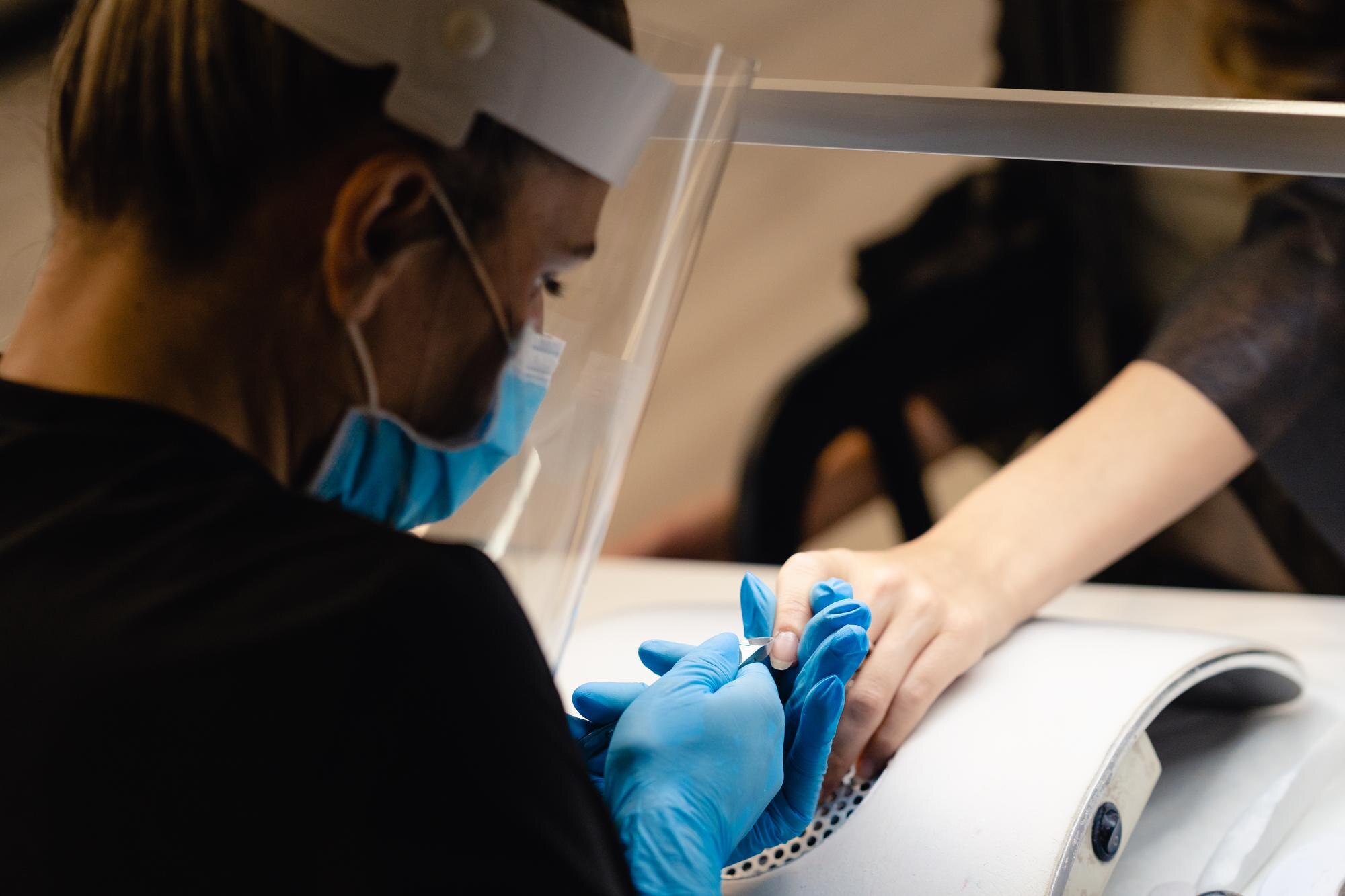
Advancements in wound care are revolutionizing assessment methods, bringing tools like fluorescence imaging to the forefront. This technology provides crucial insights that traditional methods might miss.

MolecuLight DX Technology

MolecuLight DX is a game-changer in wound assessment. It uses fluorescence imaging to highlight bacteria in wounds, offering a clear picture of infection presence. This tool enables you to pinpoint areas needing attention, leading to precise treatments. No more guessing; you see exactly where the bacteria are hiding.

Clinicians find MolecuLight DX invaluable for its ability to guide cleaning and treatment. This direct approach reduces the risk of complications, promoting faster healing. Imagine having the power to visualize bacterial load, ensuring that your interventions are on target. This technology transforms how wounds are managed, setting a new standard for care.

Visualizing Bacterial Burden

Understanding bacterial burden is crucial in wound care, and visual tools offer a detailed view. With MolecuLight DX, you can see bacterial hotspots, helping tailor your treatment strategies. This visualization aids in effective infection control.

Consider a scenario: a patient with a diabetic foot ulcer. Traditional inspection might miss underlying issues, but fluorescence imaging reveals the full scope. This insight allows tailored interventions, reducing recovery time. The clarity provided by visualizing bacterial burden is unmatched, making it a cornerstone of advanced wound care practices.

Rapid Pathogen Identification

Identifying pathogens quickly is key to effective treatment. Rapid identification techniques now make it easier to target infections with precision, enhancing patient outcomes.

Molecular Diagnostics in Wound Care

Molecular diagnostics offer a fast track to understanding wound infections. These tests deliver results quickly, enabling timely treatment decisions. Speed is crucial in managing infections effectively.

When you suspect an infection, waiting for cultures is frustrating. With molecular diagnostics, you receive pathogen details in hours, not days. This rapid feedback loop allows for immediate action, tailoring treatments to the specific needs of each wound. This technology represents a leap forward in addressing complex infections. Read more about molecular diagnostics.

Advanced Testing for Resistance Insights

Knowing how bacteria respond to treatments is vital. Advanced testing sheds light on resistance patterns, guiding your therapeutic choices. This knowledge helps in selecting the most effective treatments.

Imagine you are treating a chronic wound. Advanced tests reveal antibiotic resistance, allowing you to adjust your approach. This precision reduces the trial-and-error of traditional methods, leading to better outcomes. Understanding resistance is essential in the fight against stubborn infections, and advanced testing makes this possible. Explore resistance insights further.

Antimicrobial Strategies and Therapies
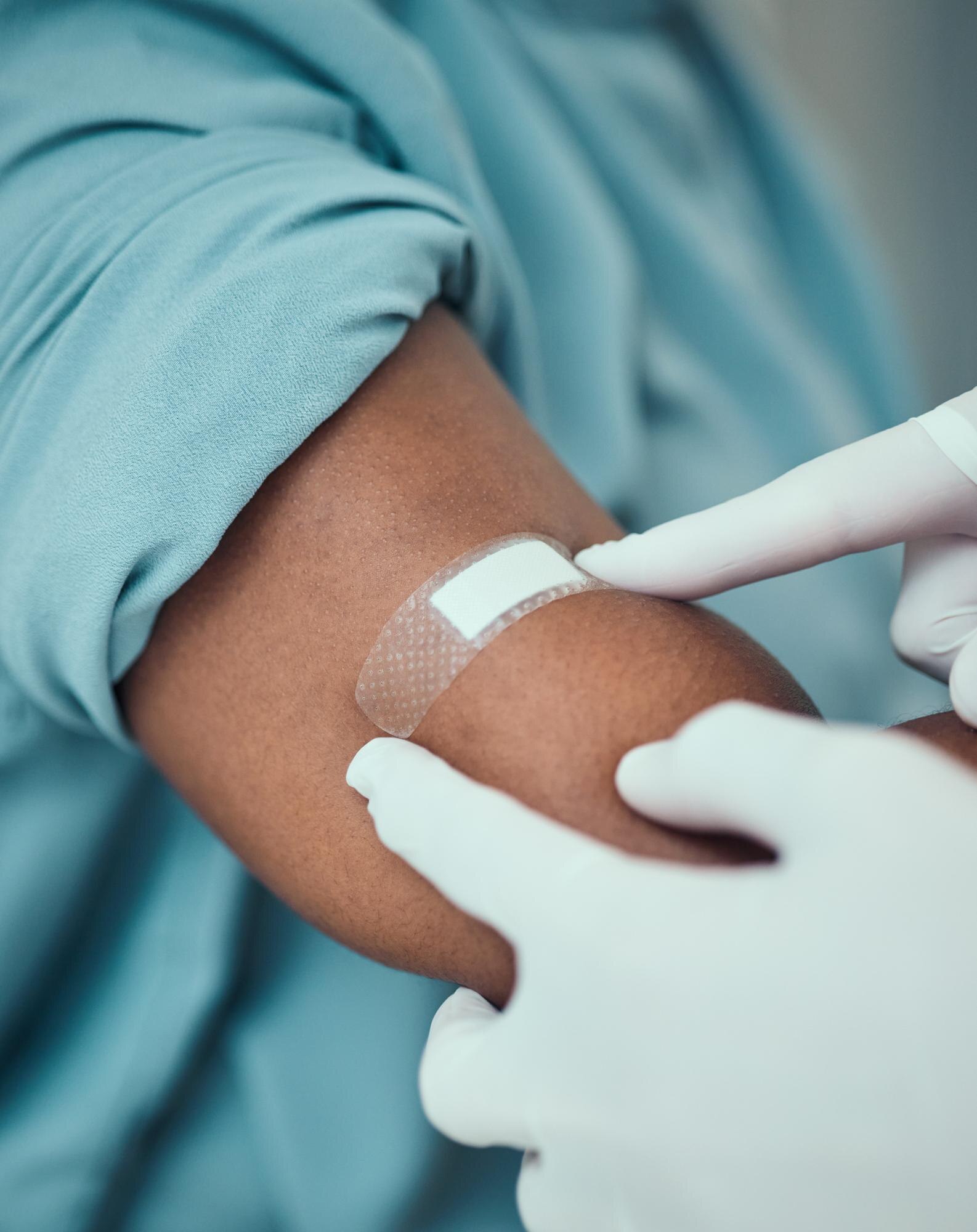
Adopting new antimicrobial strategies is key to overcoming infections. These methods offer innovative solutions for managing complex wounds, ensuring effective treatment.

Triple-Layer Allograft Benefits

The triple-layer allograft is a standout in wound healing. This product supports tissue growth and acts as a physical barrier, reducing infection risk. It’s designed to integrate seamlessly with the body.

Consider a patient recovering from surgery. The allograft accelerates healing by providing necessary support and protection. Its unique properties promote tissue regeneration, leading to quicker recovery. This allograft is a valuable tool in the advanced wound care arsenal, offering tangible benefits for both patients and practitioners.

Negative Pressure Wound Therapy with Instillation

Negative Pressure Wound Therapy (NPWT) with instillation combines vacuum sealing with fluid delivery, enhancing wound healing. This method cleanses wounds effectively and stimulates healing.

Think of a pressure ulcer case. NPWT with instillation ensures continuous cleansing, removing debris and bacteria efficiently. This dynamic approach speeds up healing, reducing hospital stays. By integrating this therapy, you optimize care, improving patient outcomes significantly. Discover more about NPWT with instillation.

In conclusion, these innovations in infection prevention and wound care not only improve healing times but also enhance overall patient care. By embracing these advanced strategies, you ensure that your practice remains at the cutting edge, offering the best possible outcomes for your patients.

Register now for expert wound care insights and partnership benefits.

Spotting Trouble: When to Suspect a Fungal Infection in Chronic Wounds

Primus Healthcare | July 30th, 2025


🦠 Why Wound Infections Deserve Attention

Wound infections can be devastating, not just physically but emotionally as well. With statistics indicating that approximately 2% of surgical patients may develop an infection, the consequences can extend recovery time and lead to more serious health complications. A patient, let’s call her Mary, initially dismissed the signs of infection in her post-surgical wound. She thought the redness and increased pain were normal. However, when she finally sought treatment, she found herself in the hospital, battling a severe infection that could have been prevented with early intervention. Understanding and addressing wound infections isn’t merely a choice; it’s a necessity for maintaining overall health.

🧫 Understanding the Enemy: Biofilm, Bacteria, and More

The path to wound infection typically follows a cascade known as contamination, colonization, and invasive infection. Initially, bacteria can contaminate a wound during the injury or due to insufficient wound care. Most healthy immune systems can handle this initial exposure. However, when bacteria begin to multiply and adhere to the wound’s surface, this is known as colonization. At this stage, they can form a biofilm, a protective layer that makes it harder for the immune system and treatment options to eliminate them. If these bacteria invade deeper tissue, this leads to an invasive infection, requiring a more aggressive treatment approach.

Explore more infection prevention topics.

⚖️ Local vs. Systemic Infection

Recognizing the signs of both local and systemic infections is crucial for timely intervention. Local infections may manifest as:

– Increased redness
– Swelling around the wound
– Heat emanating from the area
– Foul odor
– Exudate that is discolored or thick

Conversely, systemic infections can be more concerning. They may be indicated by:

– Fever
– Chills
– Fatigue
– Sweating
– Rapid heart rate

Promptly recognizing these signs can make a significant difference in recovery and helps avert more critical conditions.

💥 Common Causes of Infection

Infections in wounds can arise from various factors, clearly understanding which can empower patients and caregivers. Common causes include:

– Unclean dressing techniques
– Uncontrolled diabetes, which impairs healing
– Excessive moisture, promoting bacterial growth
– Presence of foreign bodies, such as splinters or sutures
– Poor hygiene practices

Each of these can contribute to an increased risk of infection and should be monitored closely, especially by caregivers at home.

Tips for caregivers on home wound care.

🧴 Prevention Strategies That Work

In both home and clinical settings, implementing effective infection prevention strategies is vital for maintaining a healthy wound environment. Here is a step-by-step guide:

1. Handwashing: Always wash your hands thoroughly before touching a wound.
2. Saline Flush: Rinse the wound with saline or a wound cleanser to clear contaminants.
3. Keep it Dry: Assess your dressing choice; use dry dressings whenever possible.
4. Clean Workspace: Maintain a sterilized environment for dressing changes.
5. Observe Changes: Keep a close watch on the wound for any signs of infection, such as odor or increased drainage.

Explore how nutrition supports infection control.

🧬 Topical vs. Systemic Approaches

Drugs and treatments play a pivotal role in wound infection management. Topical antimicrobial agents like silver, iodine, honey, and polyhexamethylene biguanide (PHMB) can promote healing while preventing infection directly at the wound site. Each has its unique properties, and their use depends on the wound’s specific characteristics.

However, in some cases, systemic antibiotics may be required, particularly when the infection has progressed beyond the local level or if the patient’s overall health is compromised. Consulting healthcare professionals for guidance on the best option for each unique situation is essential.

Learn more about silver and antimicrobial dressings.

🧠 What’s New in Infection Management

The landscape of infection management is continually evolving, with exciting innovations emerging. Recent advances from 2021 onwards include smart dressings that can monitor the wound environment and provide real-time data to clinicians, enhancing treatment efficacy. Diagnostic imaging technology may allow for earlier intervention, while phage therapy—a method of using viruses that target bacteria—has shown promise as an alternative treatment for antibiotic-resistant infections.

See innovations in infection monitoring.

🧑‍⚕️ Case Reflection

Consider the story of John, a diabetic patient who developed a small ulcer on his foot. He initially ignored signs of infection, thinking it would heal on its own. Unfortunately, within a week, he experienced significant swelling, fever, and extreme pain. Upon visiting Specialty Wound Care, John’s wound care team provided a comprehensive treatment plan that included not just topical therapy but also education on managing his diabetes effectively. After a few weeks of attentive care, John saw remarkable improvement, transforming what could have been a severe situation into a story of recovery and resilience.

Read real recovery stories from infection cases.

🛡️ Reducing Infection Risk Long-Term

To ensure long-term wound healing and reduce the risk of infection, several strategies should be followed:

Glucose Control: For diabetic patients, maintaining stable blood sugar levels significantly aids healing.
Offloading: Reducing pressure on the wound helps to promote a conducive healing environment.
Hydration: Staying well-hydrated supports overall tissue health.
Education: Continuous education for both patients and caregivers can lead to better management of wounds.
Compliance: Following medical advice strictly to ensure that care plans are effectively executed.

📌 Clean Wound Checklist

– Wash hands before touching the wound
– Use sterile gloves or tools
– Rinse with saline or wound cleanser
– Change dressings per schedule
– Watch for odor, color, heat, or new drainage

📢 Call to Action

At SpecialtyWoundCare.com, we empower patients and caregivers with the tools and knowledge needed for effective infection prevention. Your journey to optimal wound care starts with understanding what to look for and how to act efficiently. Together, let’s combat wound infections with confidence.

Facebook
Instagram
LinkedIn
SOCIALICON
Youtube
X (Twitter)
Bluesky