Category: Uncategorized

From Guesswork to Guidance: Precision Diagnostics for Complex Wounds

Specialty Wound Care | May 18th, 2026


Guesswork has no place in complex wounds. When you face uncertain wound assessment and delayed healing, precision diagnostics offer clear answers. Learn how tools like MolecuLight DX and rapid molecular testing provide real-time insights that improve treatment decisions and patient outcomes. For more insights, visit this article.

Precision Diagnostics in Wound Care
Precision diagnostics play a crucial role in managing complex wounds effectively. By reducing uncertainty, they pave the way for better healing and improved outcomes.

Advancing Complex Wound Management

You can transform wound care practices with the right tools. Precision diagnostics offer a glimpse into the wound’s condition, making complex cases more manageable. Clinicians gain critical insights into the wound environment and its needs. This information is vital for crafting effective treatment strategies.

Many healthcare providers have already adopted advanced diagnostics. These tools enable a more precise assessment of bacterial burden and biofilm detection. This leads to targeted interventions that can significantly improve healing rates. Taking the guesswork out of wound management benefits both providers and patients.

Reducing Guesswork with Technology

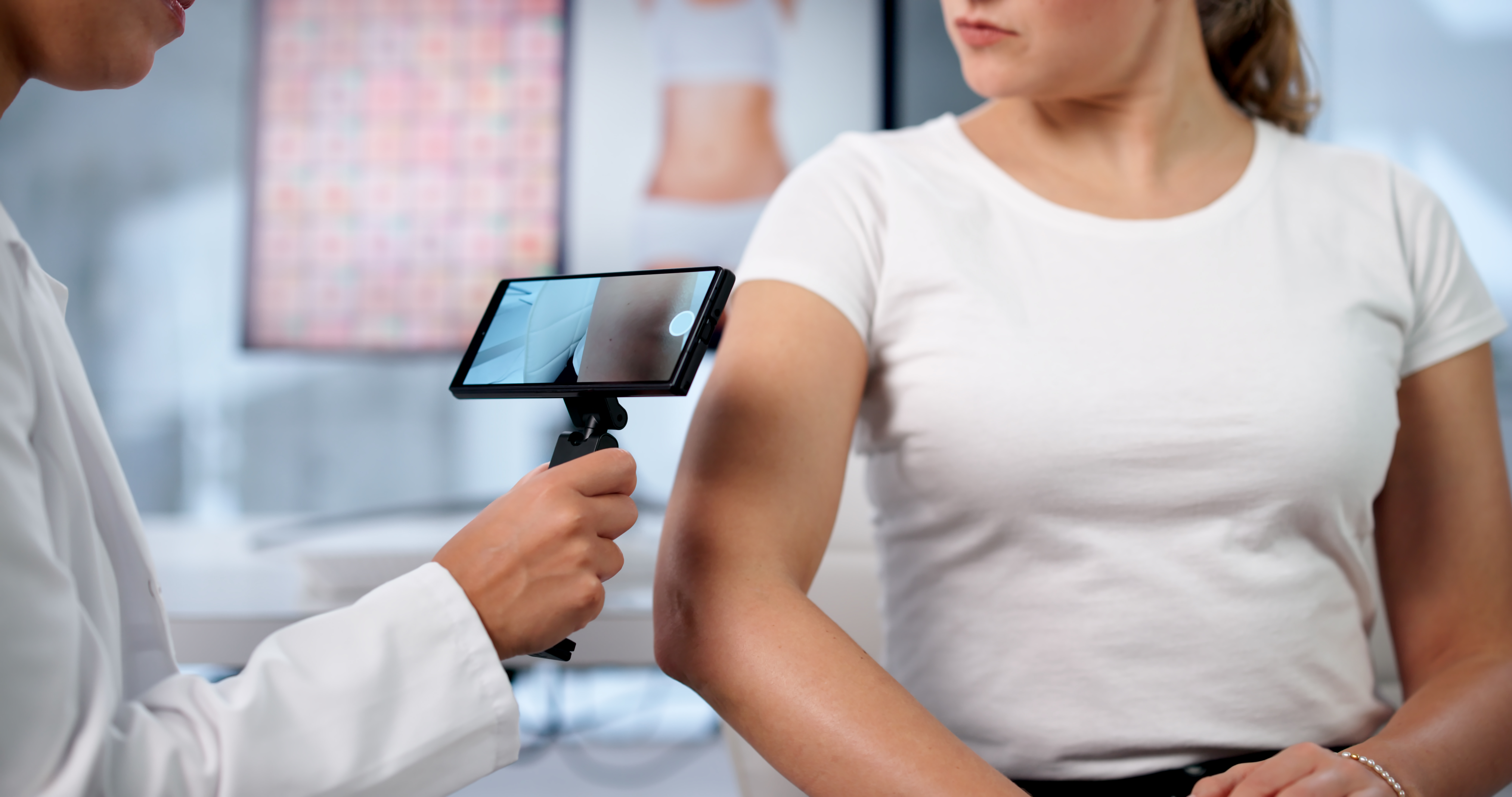
Technology is a game-changer in wound care. It offers a level of precision that traditional methods cannot match. Tools like fluorescence imaging provide real-time data. They help identify bacterial hotspots quickly, guiding you to make informed decisions on debridement and treatment.

Imagine having the ability to see bacterial load in a wound. This is no longer a futuristic concept. Technology enables you to visualize what was previously invisible. This advantage streamlines the treatment process, reducing complications and promoting faster healing.

Enhancing Patient Outcomes

With technology, patient outcomes improve significantly. Faster diagnosis leads to quicker treatment, reducing the risk of prolonged infections. The ability to tailor treatments to specific wound needs ensures that patients receive the most effective care possible.

Patients often experience better recovery rates when precision diagnostics are part of their care plan. By addressing issues early, you can avoid complications. This proactive approach not only enhances healing but also improves overall quality of life for patients with chronic wounds.

Tools for Precision in Healing
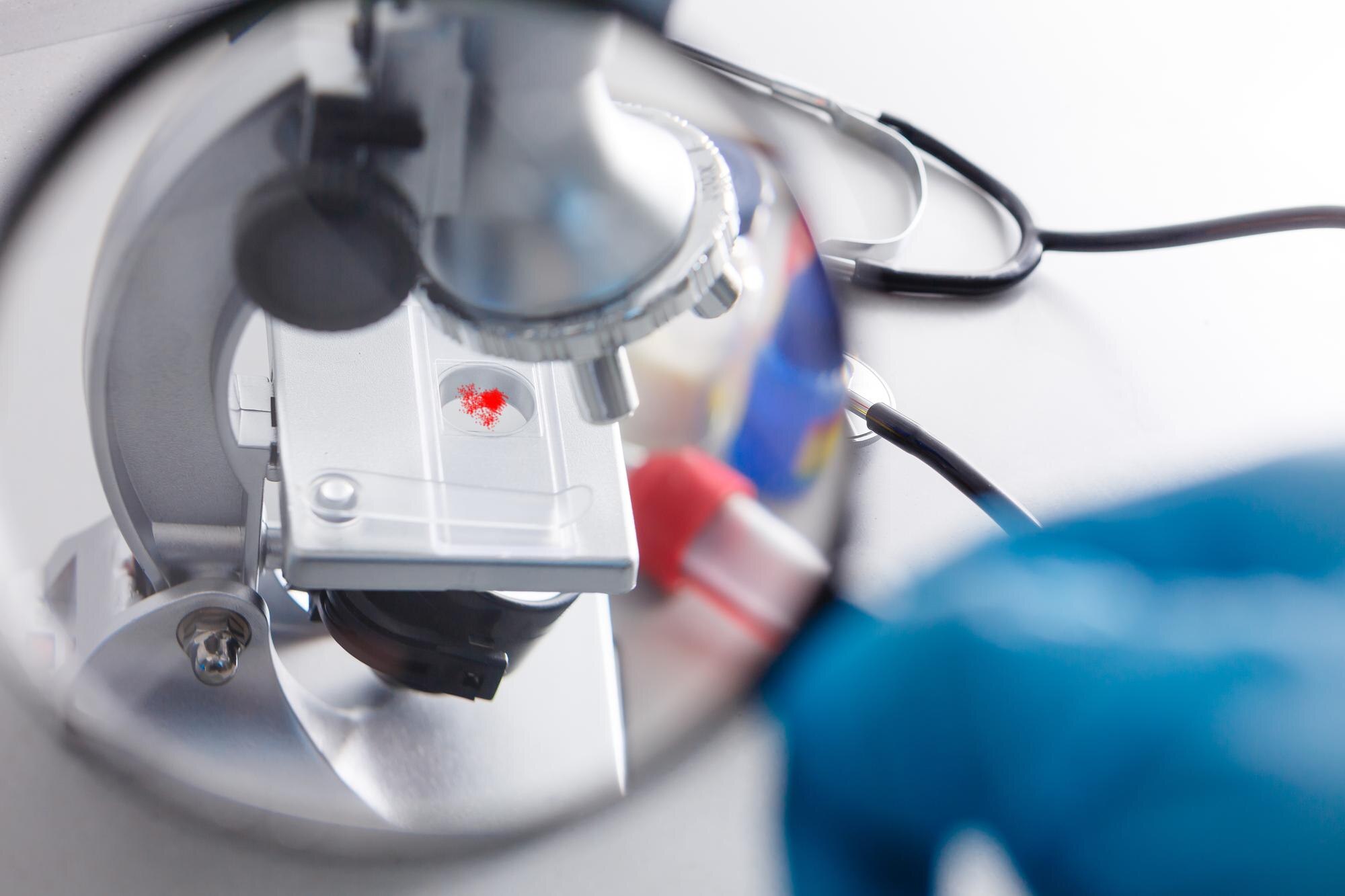
Various tools are available to support precision in wound healing. These innovations are pivotal in providing accurate and timely information.

MolecuLight DX and Fluorescence Imaging

The MolecuLight DX is a powerful tool in wound care. It uses fluorescence imaging to detect bacterial presence. This allows you to see areas of high bacterial load, guiding your treatment decisions effectively. Learn more about its applications in this study.

With MolecuLight DX, you can capture digital images that aid in monitoring the wound’s progress. This feature simplifies documentation and helps in tracking changes over time. By identifying critical areas that need attention, clinicians can intervene at the right moment, enhancing healing outcomes.

Pathogen Identification and Rapid Testing

Rapid testing methods are invaluable in identifying pathogens. These tests provide quick results, allowing treatment to commence sooner. Unlike traditional cultures, which can take weeks, rapid tests deliver answers in hours. This speed is crucial in preventing infections from getting worse.

Patients benefit from this swift approach as it minimizes the frustration of waiting. Rapid testing helps in selecting the right antibiotics, ensuring that the treatment is effective from the start. This efficiency supports better patient outcomes and faster recovery.

Triple-Layer Allograft for Wound Closure

The triple-layer allograft is a unique solution for wound closure. It acts as a scaffold, supporting natural tissue regeneration. This innovative treatment option is designed to enhance healing, particularly in difficult-to-treat wounds.

Its effectiveness is backed by compliance with strict FDA regulations. The allograft provides a protective barrier, promoting a conducive environment for healing. By integrating this into your wound care protocol, you can offer patients a robust solution for wound closure. Read more about its benefits in this research.

Future of Evidence-Based Wound Management
The future of wound care lies in evidence-based practices. By focusing on data and collaboration, the field continues to evolve.

Antibiotic Stewardship and Infection Control

Antibiotic stewardship is essential in managing infections effectively. By using antibiotics judiciously, you can prevent resistance and ensure that treatments remain effective. This approach is vital in controlling infections in complex wounds.

Implementing strict infection control measures is equally important. These practices protect patients and staff, reducing the spread of harmful pathogens. By prioritizing stewardship, you contribute to a safer healthcare environment.

Multidisciplinary Approach to Wound Care

A multidisciplinary approach brings together various expertise for comprehensive care. By collaborating with specialists, you can address all aspects of wound management. This teamwork ensures that patients receive holistic care, improving their overall treatment experience.

Such collaboration fosters innovation and enables sharing of best practices. The integration of different perspectives leads to more effective solutions, enhancing patient outcomes. For insights on this approach, check out this article.

Improving Documentation and Billing Practices

Accurate documentation is critical in wound care. It ensures that all information is captured for effective treatment planning. By improving documentation practices, you can streamline billing processes, ensuring that all services are accounted for.

This efficiency in billing helps avoid delays and errors, facilitating smoother operations. By focusing on these areas, you enhance the overall quality of wound care services, benefiting both providers and patients.

In conclusion, precision diagnostics are transforming wound care. By embracing these advancements, you can offer patients better, faster, and more reliable healing options.

See real success stories—schedule your consultation today.

Right Care, Right Time: Matching Treatment Intensity to Wound Complexity—Without Overcomplicating Care

Specialty Wound Care | May 15th, 2026


Matching treatment intensity to wound complexity often feels like walking a tightrope. Too little care delays healing, while too much risks unnecessary procedures. You need a clear wound care pathway that guides decisions without adding confusion. This post reveals how Specialty Wound Care’s evidence-based system, including the MolecuLight DX and triple-layer allograft, simplifies care and speeds recovery.

Simplifying Wound Care Pathways

Navigating the care plan for wounds means understanding their complexity and matching the right treatment. A clear approach is vital. Here’s how you can simplify the process.

Understanding Wound Complexity

Each wound is unique, requiring specific attention. Factors like size, depth, and infection level need careful evaluation. You can’t treat a superficial cut the same way as a diabetic foot ulcer. Complex wounds demand more intensive care. For instance, a pressure ulcer can quickly escalate if ignored. This is why a detailed assessment is the first step. It ensures you know what you’re dealing with and what it needs.

Wound complexity impacts healing time and care needs. Knowing the specifics allows for better management. It’s about understanding the problem clearly. A study illustrates how detailed assessments improve outcomes. With this knowledge, you can decide on the best path forward.

Matching Treatment Intensity

Once you’ve assessed the wound, choosing the right treatment is next. The intensity of the treatment should match the complexity of the wound. This means using advanced options for severe cases and simpler methods for less serious wounds. For example, deep wounds may require debridement and infection control, while minor ones might only need cleaning and dressing.

It’s about finding balance. You want effective treatment without overdoing it. Treatment intensity should always be just enough to promote healing. Using tools like a wound triage algorithm can help make these decisions clear and systematic.

Avoiding Overtreatment and Delays

Avoiding overtreatment is as crucial as avoiding under-treatment. Too much intervention can delay healing and cause unnecessary stress. The goal is to streamline care to what the patient truly needs. This approach reduces hospital readmissions and increases recovery rates.

Delays in treatment can arise from misjudging the needed intensity. Choosing the correct treatment early avoids complications. It’s about precision in care, offering only what’s necessary. By doing so, you keep the healing journey smooth and efficient.

Advanced Tools for Wound Care

With wounds, having the right tools can make a significant difference. Let’s explore some advanced solutions that support effective treatment.

Benefits of MolecuLight DX

The MolecuLight DX is a game-changer in wound assessment. It provides accurate images that reveal bacterial presence, allowing precise treatment decisions. This tool supports biofilm detection, a key factor in managing infections. Knowing where bacteria hide helps target treatments.

Using MolecuLight DX can cut down on guesswork. It ensures you’re not treating blind. Studies show improved outcomes when clinicians use this technology. You can read more about such advancements here. By making invisible threats visible, it ensures the treatment is both timely and effective.

Role of Triple-Layer Allograft

Triple-layer allografts provide a structured environment for wounds to heal. These FDA-compliant allografts mimic natural tissue, aiding recovery. They are especially beneficial for complex wounds that need extra support. The layers work together to provide strength and promote healing.

Using allografts accelerates recovery and reduces the need for frequent dressing changes. This approach is particularly beneficial in managing chronic wounds like venous leg ulcers. You can explore a case study here that highlights their impact. Patients see faster healing, and clinicians can manage wounds with confidence.

Rapid Pathogen Identification

Identifying pathogens quickly is crucial for effective care. Faster diagnosis means faster treatment. This reduces complications and promotes healing. Traditional methods can be slow, but modern tools speed up the process significantly.

Rapid pathogen identification allows for targeted antibiotic use. This precision cuts down on unnecessary medication and side effects. It’s a smart way to manage infections without delay. Using advanced testing methods ensures treatments are timely and effective.

Collaborative and Streamlined Care

Collaboration is key in optimizing wound care. By working together, healthcare providers can enhance patient outcomes and streamline processes.

Practice Management Software

Practice management software simplifies wound care. It handles scheduling, documentation, and billing seamlessly. This software supports clinicians by reducing administrative tasks. It allows more focus on patient care.

With streamlined operations, providers can track patient progress efficiently. It ensures nothing is missed and all treatments are documented accurately. This tool is essential in a busy clinical setting, providing a clear overview of patient care pathways.

Reducing Hospital Readmissions

Reducing hospital readmissions is a major goal in wound care. Ensuring effective initial treatment helps achieve this. By focusing on the right care from the start, patients experience fewer complications. This approach keeps them out of hospitals and on the road to recovery.

Effective wound management means less time in the hospital and more time healing at home. It’s important for patient morale and health. As research shows, proper wound care reduces the risk of readmission significantly.

Partnering with Specialty Wound Care Services

Partnering with Specialty Wound Care services enhances care quality. These partnerships provide access to advanced tools and expertise. Working with specialists ensures the highest standards of care. It allows you to focus on patient needs with confidence.

These collaborations are vital for tackling complex cases. They provide the support and resources needed to handle challenging wounds effectively. By joining forces, healthcare providers can deliver exceptional care and improve patient outcomes.

See real success stories—schedule your consultation today.
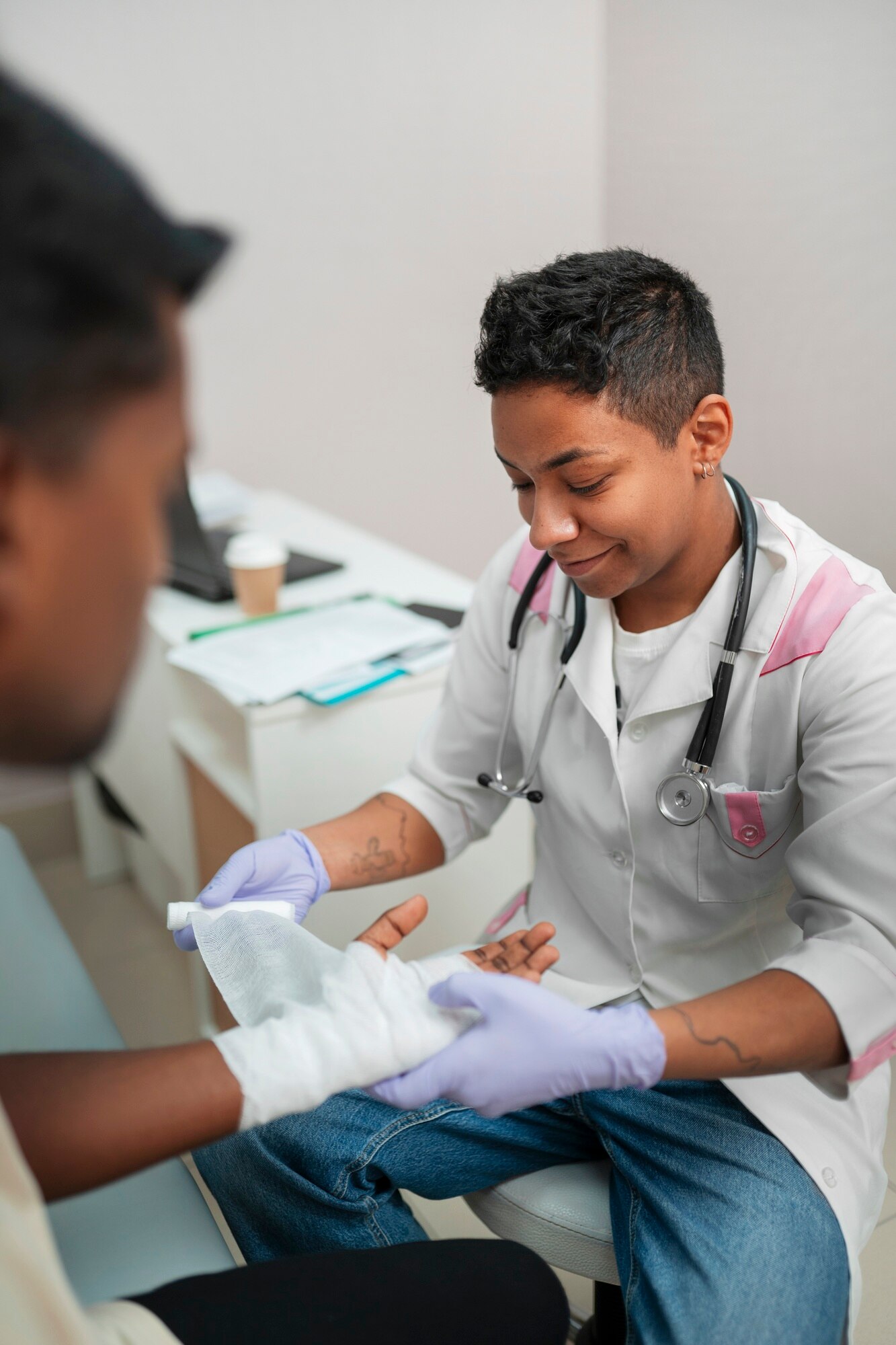
Collaborative Approaches in Specialty Wound Management: A Practical Guide for Providers

Specialty Wound Care | May 9th, 2026


You spend hours coordinating wound care efforts, yet healing remains slow and documentation piles up. Collaborative wound care offers a way to speed recovery while simplifying your workflow. This guide breaks down how specialty wound management partnerships improve diagnostics, treatment plans, and reimbursement—helping your team deliver better outcomes with less hassle.

For more information, please visit Specialty Wound Care.

Evidence-Based Collaboration Models

Working together in wound care can greatly improve patient outcomes. Let’s dive into how building a strong team and using advanced technologies boost healing and ease your workload.

Building an Interdisciplinary Wound Team

Imagine a team where doctors, nurses, and specialists collaborate seamlessly. This type of team ensures patients receive comprehensive care. Each member brings unique skills to the table, addressing different aspects of wound care. When everyone works together, healing happens faster.

Regular meetings and open communication among team members facilitate effective collaboration. They share insights, discuss patient progress, and adjust treatment plans as needed. This approach not only benefits patients but also reduces the burden on individual healthcare providers.

A single nurse might focus on one aspect of care. But a team approach means more expertise and faster solutions. For example, a wound care specialist can quickly identify issues that might be overlooked otherwise, speeding up recovery times significantly.

Advancing Diagnostics with MolecuLight DX

Harnessing the power of technology can change the way wounds are diagnosed. MolecuLight DX offers a breakthrough in wound imaging. This tool uses fluorescence imaging to reveal bacteria invisible to the naked eye. By pinpointing bacteria, your team can tailor treatments more effectively.

MolecuLight DX also allows for precise documentation. Images captured provide clear evidence of wound progress over time. This helps in adjusting treatments and showing improvements. With better diagnostics, you can make informed decisions more quickly, leading to better patient outcomes.

The real advantage is seeing what others can’t. By identifying bacteria early, MolecuLight DX helps prevent complications that can slow healing. This not only improves patient care but also streamlines your workflow by reducing unnecessary steps in wound management.

Streamlined Treatment Planning and Outcomes

Planning treatment is crucial in wound care. An organized approach ensures that every patient gets the right care at the right time. Your team can create tailored plans using comprehensive data from diagnostic tools like MolecuLight DX.

With clear treatment plans, your team can anticipate challenges and adjust strategies effectively. This proactive approach means fewer surprises and better outcomes. It also means that each patient’s care is personalized, considering their unique needs and circumstances.

When treatments are planned effectively, patients see results faster. They experience fewer setbacks and complications. This not only improves their quality of life but also reflects well on your practice, showcasing your commitment to high-quality care.

Enhancing Diagnostics and Treatment in Wound Care

Advanced techniques and tools bring new possibilities in wound diagnostics and treatment. Let’s explore how they work together to improve patient care and outcomes.

Fluorescence Imaging for Wounds

Using fluorescence imaging, healthcare providers can see wounds in a new light. This technique highlights bacteria that are often missed in regular exams. By detecting these bacteria early, you can address potential infections before they escalate.

Fluorescence imaging also provides clear, visual documentation. This helps in tracking wound progress over time. By comparing images, you can see how wounds respond to treatment, making it easier to adjust plans as needed.

With this technology, you have a powerful tool at your disposal. It not only enhances your diagnostic capabilities but also supports better decision-making in treatment planning. This ultimately leads to improved patient care and satisfaction.

Pathogen Identification and Biofilm Detection

Knowing what pathogens are in a wound is vital for effective treatment. Advanced testing methods allow you to identify these pathogens quickly and accurately. This means you can choose the right antibiotics sooner, improving treatment efficacy.

Biofilms, which are groups of bacteria that stick together, can complicate wound healing. Detecting and addressing biofilms early is crucial for successful outcomes. Advanced testing helps identify these biofilms, allowing your team to target them with appropriate interventions.

By understanding the specific pathogens and biofilms present, you can tailor treatments to each patient. This personalized approach not only speeds up healing but also reduces the risk of complications, ensuring patients receive the best possible care.

Triple-Layer Allograft for Difficult Wounds

For wounds that don’t heal easily, triple-layer allografts offer a promising solution. These allografts provide a scaffold for new tissue growth, promoting faster healing. They are particularly effective in treating complex wounds that resist traditional methods.

Made from carefully screened materials, triple-layer allografts are safe and compliant with FDA regulations. They support the body’s natural healing processes, offering a reliable option for difficult cases.

When standard treatments fall short, triple-layer allografts can make a significant difference. By incorporating them into your practice, you provide patients with an advanced option that enhances healing and improves overall outcomes.

Streamlining Workflow and Documentation

Efficient workflows and accurate documentation are the backbone of effective wound care. Discover how technology and training can simplify these processes for your team.

EHR Integration for Wound Care

Integrating electronic health records (EHR) into your wound care practice can save time and reduce errors. EHR systems centralize patient information, making it easy to access and update records. This ensures your team has the most current data at their fingertips.

With EHR integration, documentation becomes more efficient. Automated features help track patient progress and treatment outcomes, reducing the administrative burden on your staff. This allows them to focus more on patient care rather than paperwork.

The benefits of EHR integration extend beyond efficiency. By having a comprehensive view of patient histories, your team can make informed decisions faster, leading to better patient outcomes and satisfaction.

Practice Management for Wound Clinics

Effective practice management is key to running a successful wound care clinic. By implementing structured systems and processes, you can streamline operations and enhance patient care.

Practice management software tailored to wound clinics can simplify scheduling, billing, and patient communication. This ensures that your clinic runs smoothly and efficiently, allowing your staff to focus on what they do best: caring for patients.

By optimizing your practice management, you not only improve the day-to-day operations of your clinic but also enhance the overall patient experience. This leads to higher satisfaction rates and better outcomes.

Protocol-Driven Wound Care Training

Training is essential for maintaining high standards in wound care. Protocol-driven training programs ensure that your team is equipped with the latest knowledge and skills. This empowers them to deliver consistent, high-quality care.

These training programs focus on evidence-based practices, ensuring that your team stays up-to-date with the latest advancements in wound care. By standardizing procedures, you reduce variability in care and improve patient outcomes.

Investing in training is an investment in your team’s success. By equipping them with the knowledge and skills they need, you foster a culture of excellence and continuous improvement in your practice.

See real success stories—schedule your consultation today.
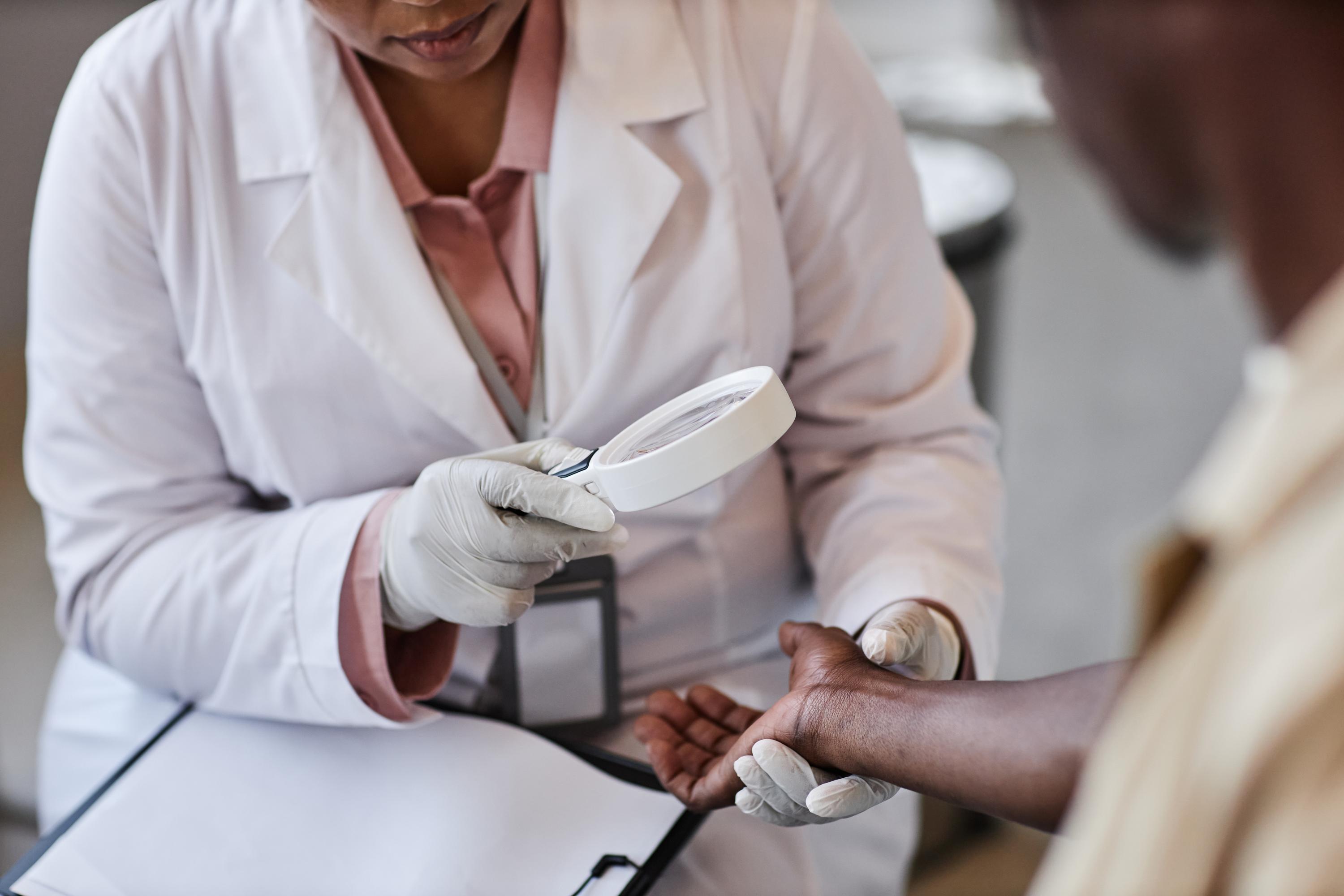
From Insight to Closure: Advanced Wound Care Technologies That Improve Healing Outcomes

Specialty Wound Care | May 3rd, 2026


Traditional wound care methods often fall short when managing chronic wounds like diabetic foot ulcers or pressure injuries. You know how frustrating slow healing can be for your patients and your practice. Advanced wound care technologies like MolecuLight DX fluorescence imaging and rapid pathogen identification bring precise insight that drives better healing outcomes. Let’s explore how these tools and bioengineered allografts change the way wounds close and why Specialty Wound Care stands ready to partner with you for improved results.

Advanced Imaging in Wound Care

Imagine being able to see exactly what’s happening inside a wound. That’s where advanced imaging comes into play. It provides deeper insights, leading to better care.

MolecuLight DX for Bacterial Detection

The MolecuLight DX is a powerful tool. It detects bacteria in wounds, which is crucial for targeted treatment. With this device, you can visualize bacterial presence through fluorescence imaging. This method allows you to identify wound areas needing attention. It’s like having an extra pair of eyes that see what is usually invisible.

By pinpointing bacterial hotspots, you can tailor treatments more effectively. Most patients don’t realize how much bacteria can hinder healing. But with MolecuLight, you can address this issue head-on. This means faster recovery and fewer complications for your patients.

Fluorescence Imaging for Accurate Assessment

Fluorescence imaging goes beyond just detection. It provides an accurate assessment of the wound’s condition. This technology highlights areas with bacterial bioburden, making it easier for you to decide the next steps in care.

Standard imaging often misses hidden bacteria. Fluorescence imaging fills this gap, offering a clearer picture. This ensures that no part of the wound is left untreated. With this level of detail, you can boost the healing process significantly.

Real-Time Wound Documentation

Documenting wounds in real-time can transform how you track progress. With advanced imaging, you can capture detailed visuals of each stage of healing. This documentation is more than just records. It’s a tool that helps refine treatment plans as you go.

Real-time documentation also supports better communication with your team and patients. Everyone stays informed, leading to more coordinated care. This approach can drastically improve wound healing outcomes, making each treatment more effective.

Rapid Diagnostics for Targeted Therapy

After understanding the wound’s condition through imaging, the next step is diagnostics. Rapid diagnostics provide the information needed to target therapy precisely.

Rapid Pathogen Identification Techniques

Imagine identifying pathogens in hours instead of days. Rapid pathogen identification techniques make this possible. They allow you to know exactly what you’re dealing with swiftly.

Traditional methods can take a week or more, delaying treatment. Rapid techniques shorten this time, leading to quicker interventions. This speed can be vital in managing infections effectively and improving healing outcomes.

Importance of Biofilm Management in Healing

Biofilms are tricky. They shield bacteria, making infections hard to treat. Effective biofilm management is essential for wound healing. By breaking down these barriers, treatments can work more efficiently.

Many underestimate how biofilms impact healing. Understanding and managing them can significantly improve patient outcomes. By doing so, you help wounds heal faster and reduce complications.

Antimicrobial Stewardship and Wound Care

Antimicrobial stewardship is about using antibiotics responsibly. It ensures that treatments remain effective against infections. In wound care, this approach helps prevent resistance and promotes better healing.

By focusing on the right treatments, you can enhance wound care outcomes. Stewardship is not just about treating infections; it’s about sustaining the effectiveness of therapies for future patients.

Bioengineered Allografts and Healing

Advanced imaging and diagnostics set the stage, but healing often requires the right materials. Bioengineered allografts offer that solution.

Triple-Layer Allograft for Closure

The triple-layer allograft is designed to support wound closure effectively. This specialized product acts as a scaffold, promoting tissue growth. It’s a vital part of advanced wound care solutions.

For wounds that seem stubborn, this allograft can make a difference. It supports the body’s natural healing process, speeding up recovery. Using it can lead to better outcomes, especially in complex wounds.

Skin Substitute Effectiveness in Chronic Wounds

In chronic wounds, skin substitutes provide a new layer of healing. These substitutes offer protection and support that natural skin might lack. They are particularly effective for diabetic foot ulcers and pressure injuries.

By integrating skin substitutes, you enhance the healing environment. This approach helps close wounds that have resisted other treatments. It’s an effective strategy for managing chronic conditions.

Supporting Granulation in Various Ulcer Types

Granulation is crucial for healing wounds. Supporting this process in different ulcer types, such as venous leg ulcers, is essential. Bioengineered allografts provide the necessary support for granulation.

Without this support, wounds can stall in the healing process. By providing a conducive environment, you help wounds progress toward closure. This comprehensive care approach is what makes advanced wound care successful.

By integrating these advanced technologies and techniques, you can significantly improve healing outcomes. Consider partnering with Specialty Wound Care to bring these innovations to your practice. The longer you wait, the more your patients miss out on these cutting-edge solutions.

See real success stories—schedule your consultation today.
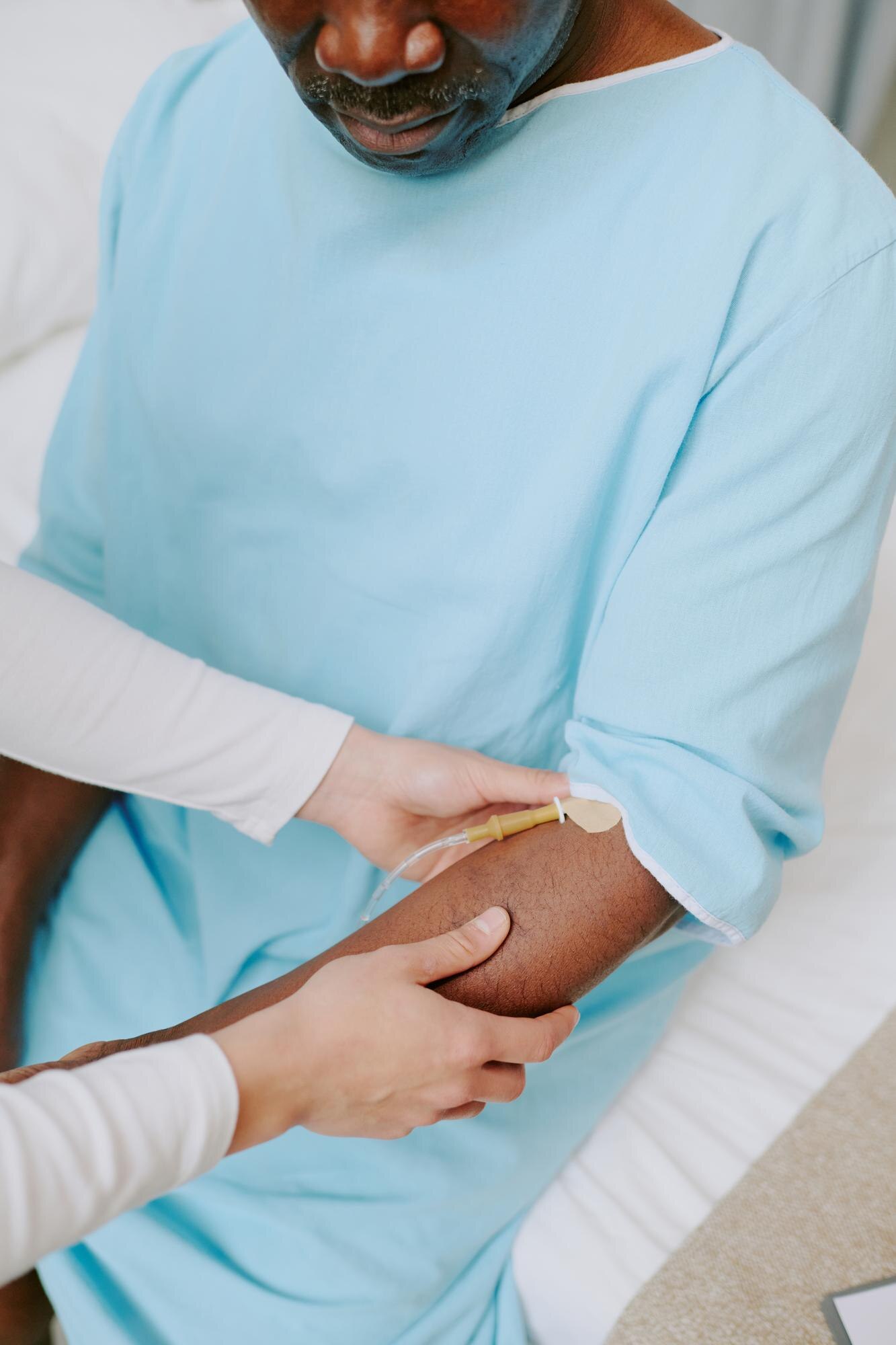
Stalled Wound Healing: What Clinicians Should Check—and When to Escalate

Specialty Wound Care | May 2nd, 2026


When a stalled wound refuses to heal despite your best routine care, it signals hidden barriers you need to uncover. Identifying these obstacles early can prevent complications and guide timely escalation to advanced wound care. This article breaks down what to check next, using evidence-based steps like the TIME framework and biofilm management, so you know exactly when to act or seek specialty support. https://woulgan.com/wound-healing-stalled-wounds-brief-overview/

Identifying Barriers in Stalled Wound Healing

Understanding why some wounds refuse to heal is crucial. When you encounter a stalled wound, assessing common causes is the first step.

Common Causes of Nonhealing Wounds

Several factors can contribute to a wound that won’t heal. Poor blood flow, infection, or pressure can slow down recovery. For instance, a diabetic foot ulcer may not heal if blood supply is reduced. Identifying these factors helps in planning treatment.

You also need to think about local wound conditions. A dry or moist environment can affect healing. If you see signs like redness or swelling, these might be clues to underlying problems. This careful observation helps you choose the right approach for each patient.

Importance of Wound Bed Preparation

The foundation of healing starts with preparing the wound bed. This involves cleaning the wound and removing dead tissue. A well-prepared wound bed supports new tissue growth, facilitating recovery.

You might use methods like wound debridement to achieve this. Removing dead tissue reduces infection risk and promotes healing. By addressing these factors early, you can improve outcomes for your patients.

Recognizing Wound Infection Signs

Infections are common barriers to healing. Signs include redness, warmth, or unusual odor. If a wound is warm to the touch or the patient feels increased pain, these could be infection indicators.

Early detection is key. By recognizing these signs, you can act quickly. This might involve using antibiotics or other treatments to control the infection. Addressing infections promptly can make a significant difference in healing outcomes.

Advanced Solutions for Chronic Wounds

For wounds that persist despite initial efforts, advanced solutions are often necessary. These innovations offer hope where traditional methods fall short.

Role of Fluorescence Imaging with MolecuLight DX

The MolecuLight DX is an innovative tool for wound assessment. It uses fluorescence imaging to detect bacteria presence. This immediate feedback allows you to tailor treatment effectively.

Using this tool, you can guide cleaning and debridement more accurately. By focusing on areas with high bacterial load, you reduce infection risks. This precision can accelerate healing in stubborn wounds.

Benefits of Rapid Pathogen Testing

Detecting wound pathogens quickly is vital. Rapid pathogen testing identifies microbes faster than traditional methods. This speed means you can start the right treatment sooner.

This method allows for targeted antibiotic use, reducing unnecessary drug exposure. Patients benefit from faster recovery times, improving overall care quality.

Utilizing Triple-layer Allografts in Treatment

Triple-layer allografts are another advanced option. These allografts provide a scaffold for new tissue growth. Compliant with FDA regulations, they offer a regulated and safe option for healing.

These allografts are particularly useful in complex cases like pressure injuries. By supporting natural healing processes, they enhance recovery rates and improve patient outcomes.

When to Escalate Wound Care

Sometimes, wound healing requires more specialized intervention. Knowing when to escalate care is crucial for patient safety and recovery.

Indicators for Specialty Intervention

Certain signs suggest the need for specialized care. If a wound remains unresponsive after weeks of treatment, it may need advanced intervention. You should also consider escalation if there are signs of severe infection or underlying conditions like arterial disease.

Timely escalation can prevent complications. By partnering with specialists, you ensure the patient receives comprehensive care tailored to their needs.

Importance of Comprehensive Osteomyelitis Workup

In cases where bone infection is suspected, a thorough osteomyelitis workup is essential. This involves imaging and lab tests to confirm diagnosis. Early detection allows for prompt treatment, preventing further complications.

A comprehensive approach helps in managing complex cases. By addressing bone infection early, you can improve patient outcomes and reduce lengthy recovery times.

Enhancing Patient Outcomes with Wound Debridement

Wound debridement is a critical part of advanced care. By removing dead tissue, you create an optimal environment for healing. This procedure reduces infection risks and supports new tissue growth.

Incorporating regular debridement into treatment plans can significantly enhance recovery. Patients experience quicker healing and reduced discomfort, leading to improved satisfaction and outcomes.

In conclusion, understanding when and how to escalate care is key in managing stalled wounds. By leveraging advanced technologies and methods, you can ensure effective healing and patient satisfaction.

See real success stories—schedule your consultation today.

Expert Eyes, Smarter Tools: How Combined Review and Technology Transform Wound Care

Specialty Wound Care | April 27th, 2026


Wound care is more complex than ever, yet many treatments still miss key details that slow healing. You know expert wound assessment matters, but pairing it with technology like MolecuLight DX brings a new level of precision. This combination sharpens diagnosis, targets therapy, and sets a clear path to better wound healing outcomes. Read more.

Enhancing Diagnostic Accuracy

The union of expert evaluation and advanced tools refines diagnostics, ensuring precise identification and treatment.

Expert Wound Assessment Techniques

Your expertise in wound assessment is crucial. It’s all about observing the wound, noticing changes, and understanding its needs. Look closely at the wound bed: is it red, yellow, or black? Each color tells a story. A red wound might be healing, while a black one might need cleaning. Check for edges, too. Rolled edges can slow down healing. Focus on these little things. They’re not just details; they’re keys to choosing the right path for healing. Remember: every wound has a tale to tell.

Advanced Wound Care Technologies

Having cutting-edge tools at your fingertips makes a difference. Imagine using something that gives you a clear view of what’s hidden beneath. Devices that measure size, shape, and depth can help you track real changes over time. It’s like having a magnifying glass for wounds. These tools don’t just save time. They give you solid, reliable data. When you’re equipped with the best technology, you’re not just treating wounds. You’re leading the way in care. That’s what makes a difference.

MolecuLight DX and Bacterial Fluorescence Imaging

Bacterial fluorescence imaging shines a light on the unseen. With MolecuLight DX, you peek into the bacterial world of a wound. This device shows you bacteria in real-time. No waiting for lab results. You know instantly where bacteria thrive. It even helps guide cleaning and treatment. By doing so, it cuts down on trial and error in therapy. Using this tool, you’re not just reacting. You’re acting with precision. That’s not just smart care; it’s next-level care.

Guiding Targeted Therapy

With accurate diagnostics, therapy becomes more focused and effective, addressing specific challenges faced by wounds.

Biofilm Detection and Pathogen Testing

Biofilms are tricky barriers. They protect bacteria, making them tough to treat. Detecting them early is crucial. Use specialized tests that spotlight these hidden foes. They tell you which pathogens are present. Equipped with this knowledge, you choose the right medicine quickly. No guesswork. This precision can prevent delays in healing. Biofilm detection is not just about finding bacteria. It’s about clearing the path to healing.

Triple-Layer Allograft for Grafting

Your wound healing toolkit just got an upgrade. The triple-layer allograft is a standout option. It’s crafted from three layers, giving it strength and flexibility. When grafted, it acts as a scaffold, supporting native tissue. This allograft is made following strict guidelines, ensuring safety and effectiveness. It merges seamlessly with the body’s natural healing process. Choosing this option means opting for a reliable, trusted solution. Transform your grafting with this advanced choice.

Personalized Treatment Plans

Every wound is unique. That’s why a one-size-fits-all approach doesn’t work. Crafting a personalized plan is key. Start by gathering all details: wound type, patient’s health, and potential complications. With this information, tailor a plan that meets the wound’s specific needs. Regular check-ins allow for adjustments based on progress. This dynamic approach ensures each step is aligned with healing goals. Personalized plans are not only effective but empower you with a roadmap to success.

Improving Healing Outcomes

When therapies are guided well, the journey towards recovery becomes smoother, leading to improved patient outcomes.

Diabetic Foot Ulcer Care Strategies

Diabetic foot ulcers require close attention. High blood sugar can slow healing. Start with controlling blood sugar levels. Next, focus on pressure relief. Special shoes or inserts can help. Regular check-ups are essential. Look for signs of infection or worsening. Early intervention can prevent complications. Preventive care, combined with these strategies, supports better healing outcomes. You’re not just managing wounds. You’re enhancing lives.

Venous Leg Ulcer and Pressure Injury Management

Managing these ulcers requires a two-pronged approach. First, address the root cause: poor circulation. Compression therapy can boost blood flow. Second, focus on wound care. Clean and dress wounds regularly. Use advanced products that support healing, like special bandages that keep the area moist. Regular assessments help track progress. By combining these strategies, you can turn a challenging situation into a manageable one. It’s about creating an environment where healing thrives.

Comprehensive Wound Documentation Technology

Documentation is more than just note-taking. It’s a vital tool in wound care. Use technology that captures every detail. Photos, measurements, and changes can be logged efficiently. This not only helps in tracking progress but also ensures everyone involved is on the same page. When team members see the same data, care becomes more consistent. Comprehensive documentation supports informed decisions, paving the way for better outcomes. It’s the backbone of effective wound management.

Discover how our solutions outperform standard treatments—contact us for a demo.

How Triple-Layer Allografts Accelerate Healing in Chronic Wounds

Specialty Wound Care | April 26th, 2026


How Triple-Layer Allografts Accelerate Healing in Chronic Wounds

Chronic wounds resist healing despite standard care, leaving patients vulnerable and providers searching for better options. Triple-layer allografts offer a unique bioengineered skin substitute designed to accelerate chronic wound healing by supporting granulation tissue formation and re-epithelialization. In this post, you’ll learn how this FDA-compliant allograft fits into advanced wound care protocols to improve outcomes in diabetic foot ulcers, venous leg ulcers, and pressure injuries. Learn more about the science behind triple-layer allografts in wound healing.

Clinical Benefits of Triple-Layer Allografts

Triple-layer allografts bring significant benefits to wound care. They promise to change how chronic wounds are treated. Let’s explore how they help accelerate healing, support tissue growth, and keep infections at bay.

Accelerating Chronic Wound Healing

Imagine a wound that heals quickly. That’s what triple-layer allografts aim to achieve. These allografts act as a bioengineered skin substitute, providing a scaffold for new tissue to grow. This extracellular matrix scaffold helps wounds repair more effectively by guiding natural healing processes. Studies show that such allografts can reduce healing times significantly, giving patients a faster path to recovery. By using these advanced solutions, you ensure that wounds close faster, reducing the risk of complications.

Supporting Tissue Regeneration

Tissue regeneration is crucial for wound healing. Triple-layer allografts offer a strong foundation for this process. They encourage granulation tissue formation, which is essential for building new, healthy skin. This means that the wound can regenerate from the inside out, creating a robust healing environment. The presence of growth factors within the allograft further stimulates cellular activity, enhancing tissue repair. With these tools, you’re not just healing wounds, but actively rebuilding them.

Infection Control in Wounds

Keeping infections at bay is vital in wound care. Triple-layer allografts play a key role in managing this. They provide a barrier against harmful bacteria, helping to maintain a clean wound environment. This reduces the chance of infection and supports healthier healing. The allografts are designed to balance wound moisture, which also helps prevent bacterial growth. By using this approach, you significantly lower the risk of infection, leading to better outcomes.

Indications for Use

Triple-layer allografts are versatile in their applications. They offer targeted solutions for specific types of chronic wounds. Let’s examine how they can be used effectively in different scenarios.

Diabetic Foot Ulcer Treatment

Diabetic foot ulcers are common and challenging to treat. Triple-layer allografts offer a promising option here. They help reduce the healing time by supporting effective tissue regeneration. This is crucial for diabetic patients, as faster healing minimizes the risk of severe complications, including amputations. By integrating these allografts into your treatment plan, you’re providing diabetic patients with a reliable way to manage and heal their ulcers more effectively.

Venous Leg Ulcer Management

Venous leg ulcers can be stubborn. Triple-layer allografts help by providing a structured healing environment. They support re-epithelialization, helping skin to grow over the ulcer more quickly. This benefit not only accelerates healing but also reduces pain and swelling, improving the patient’s quality of life. By choosing this treatment, you’re addressing the root cause of the problem while delivering relief to the patient.

Pressure Injury Care

Pressure injuries require careful management. Triple-layer allografts are an excellent choice for these challenging wounds. They provide a supportive matrix that encourages healing even in areas with poor circulation. This is vital in preventing the progression of injuries into more severe stages. By opting for this approach, you’re giving patients a chance at quicker recovery and reducing the likelihood of complications.

Workflow and Integration

Incorporating triple-layer allografts into your practice requires understanding the workflow. From application protocols to provider support, here’s how to integrate these solutions seamlessly.

Allograft Application Protocol

Applying the allograft correctly is crucial for success. The protocol involves cleaning the wound thoroughly and carefully positioning the allograft to cover it completely. This ensures that the healing benefits are maximized. Regular monitoring is necessary to assess progress and make any needed adjustments. By following these steps, you’re setting the stage for optimal healing.

Graft Integration and Re-epithelialization

Once applied, the allograft begins to integrate with the existing tissue. This process supports re-epithelialization, where new skin cells cover the wound. It’s important to maintain a moist environment to facilitate this process. Regular assessments help track the integration and ensure that the wound is healing as expected. By focusing on these details, you’re enhancing the effectiveness of the treatment.

Provider Partnerships and Support

Working with the right partners can enhance treatment outcomes. Specialty Wound Care offers support and training to help providers integrate triple-layer allografts into their practice. By collaborating with experts, you gain access to valuable resources and insights. This partnership ensures that patients receive the highest standard of care, improving overall treatment success.

Discover how our solutions outperform standard treatments—contact us for a demo.

Seeing What Swabs Miss: How MolecuLight DX Elevates Wound Assessment Precision

Specialty Wound Care | April 25th, 2026


Seeing What Swabs Miss: How MolecuLight DX Elevates Wound Assessment Precision

Traditional swab tests often miss crucial bacterial details hidden deep within wounds. If you rely solely on those methods, you may overlook infection risks that slow healing. MolecuLight DX’s fluorescence imaging reveals bacterial fluorescence in real time, guiding precise wound assessment and treatment decisions. Keep reading to learn how this technology sharpens wound measurement and supports better outcomes for your patients.

Enhancing Wound Assessment Precision

Achieving accuracy in wound assessment is vital for effective healthcare. With innovative tools like MolecuLight DX, healthcare professionals can now reach precision levels previously thought unattainable.

The Role of MolecuLight DX

Imagine seeing beneath the surface of a wound without invasive procedures. MolecuLight DX provides that insight by using fluorescence imaging to reveal bacterial presence. This portable device helps you quickly identify problematic areas, ensuring you make informed decisions about patient care. Swab tests alone may miss harmful bacteria, delaying healing. With MolecuLight DX, you can detect these issues early, reducing the chances of complications. The tool’s real-time data allows for immediate responses, ensuring the right treatment path is followed. This approach not only optimizes patient care but also enhances your confidence in treatment decisions.

Fluorescence Imaging in Wound Care

Fluorescence imaging shines a light on hidden bacterial threats. By illuminating bacteria, this technique guides you in assessing wounds more thoroughly. Traditional methods might overlook biofilms, leading to prolonged recovery times. With fluorescence imaging, you pinpoint exact bacterial locations, allowing for targeted treatment. This method stands out in advanced wound care by providing visual evidence of infection, facilitating precise therapeutic actions. The images captured can be shared across your care team, ensuring everyone is on the same page regarding patient needs. As a result, care is more coordinated and effective.

Benefits of Accurate Wound Measurement

Precise wound measurement is more than just numbers; it’s about optimizing patient outcomes. MolecuLight DX offers a detailed view, enabling you to measure wounds accurately every time. This precision is crucial for tracking healing progress and adjusting treatments as needed. Inconsistent measurements can lead to inappropriate treatments, delaying recovery. By using this technology, you ensure that each assessment contributes to a comprehensive understanding of the wound’s status. This approach enhances treatment plans, promoting faster healing and reducing complications. Accurate data empowers you to make confident, informed decisions that benefit your patients.

Advanced Techniques in Infection Detection

Modern wound care requires advanced approaches to detect infections. MolecuLight DX offers groundbreaking techniques that elevate your practice’s ability to identify and address bacterial presence.

Bacterial Fluorescence and Bioburden Visualization

Understanding the bacterial load in wounds is crucial for effective care. MolecuLight DX enables you to visualize bacterial fluorescence, offering a clear picture of bioburden levels. This tool helps detect areas with high bacterial concentration, which can guide your treatment approach. Traditional methods may miss scattered bacteria, but this technology reveals them in vivid detail. By seeing what’s often invisible, you can address potential issues before they escalate. Sharing these visual insights with your team ensures everyone is aligned in the treatment approach, fostering a collaborative care environment.

Debridement Guidance and Therapy Selection

Choosing the right treatment depends on accurate information. MolecuLight DX aids in directing debridement efforts by highlighting areas needing attention. This guidance ensures that your interventions are as effective as possible. By targeting specific zones, you avoid unnecessary tissue removal, preserving healthy areas. Precision in debridement means that you can tailor therapy selection more accurately, enhancing patient outcomes. This approach minimizes risks, accelerates recovery, and ensures that each step taken is in the best interest of your patient.

Supporting Antibiotic Stewardship

Antibiotic stewardship is essential in today’s healthcare landscape. MolecuLight DX supports this by providing accurate bacterial insights. By identifying bacterial presence precisely, you can make informed decisions about antibiotic use. This reduces unnecessary prescriptions, combating antibiotic resistance. With this technology, you ensure that antibiotics are used only when truly needed, preserving their effectiveness. Your patients benefit from targeted treatments, reducing exposure to broad-spectrum antibiotics. This approach aligns with best practices in healthcare, promoting responsible use of medications.

Streamlining Wound Care Management

Efficient wound care management is key to patient satisfaction and recovery. MolecuLight DX streamlines various aspects of care, enhancing workflow and documentation processes.

Improving Wound Documentation

Accurate documentation is crucial for continuity of care. MolecuLight DX supports this by capturing detailed wound images, which you can easily integrate into patient records. These images provide a visual timeline of healing, making it easier to track progress. This tool simplifies documentation, ensuring that records are comprehensive and up-to-date. With clear visual evidence, you enhance communication with your team and patients, facilitating a shared understanding of treatment plans. Improved documentation leads to better patient outcomes and streamlined care processes.

Enhancing Wound Clinic Workflow

Clinic efficiency directly impacts patient experiences. MolecuLight DX enhances your workflow by enabling quick, precise assessments. This technology minimizes the time needed for wound evaluations, allowing you to focus on patient care. Faster assessments mean you can see more patients without compromising quality. By reducing bottlenecks in your clinic, you enhance the overall patient experience, fostering satisfaction and trust. Your clinic becomes a model of efficiency, leading to increased patient loyalty and improved outcomes.

Clinical Decision Support with MolecuLight DX

Making informed decisions is the cornerstone of effective care. MolecuLight DX provides the support you need for confident clinical decisions. With real-time bacterial visualization, you have the data necessary for precise treatment choices. This tool complements your expertise, offering insights that enhance your decision-making process. By incorporating this technology into your practice, you ensure that every decision is backed by solid evidence. This leads to improved patient outcomes, reduced complications, and a reputation for excellence in wound care.

Incorporating MolecuLight DX into your practice offers numerous benefits, from enhancing wound assessment precision to streamlining management. By leveraging this technology, you position yourself at the forefront of advanced wound care, ensuring the best possible outcomes for your patients.

Discover how our solutions outperform standard treatments—contact us for a demo.

From Assessment to Closure: What an Advanced Approach to Chronic Wound Care Looks Like in Practice

Specialty Wound Care | April 20th, 2026


From Assessment to Closure: What an Advanced Approach to Chronic Wound Care Looks Like in Practice

Chronic wounds demand more than standard care—they require a precise, technology-driven approach. At Specialty Wound Care, advanced wound care combines fluorescence imaging with MolecuLight DX, rapid pathogen testing, and targeted therapies to guide every step. This blog breaks down how these tools and protocols work together in real clinical settings to improve healing outcomes for diabetic foot ulcers, venous leg ulcers, and pressure injuries. Read on to see how your wound care practice can benefit from our proven methods. For more insights, visit this article.

Advanced Wound Care Assessment

A comprehensive assessment is the first step towards effective healing. Let’s explore how Specialty Wound Care takes this to a new level.

Fluorescence Imaging with MolecuLight DX

Imagine seeing the unseen. With MolecuLight DX, you can do just that. This technology allows clinicians to visualize bacteria in real time. This fluorescence imaging wound technology enhances the ability to target cleansing and treatment effectively. Studies have shown that this method can reduce wound healing times by up to 40%. This means faster recovery and better outcomes for your patients.

But how does it work? By using a special light, MolecuLight DX highlights areas of high bacterial load. This helps in making informed decisions. Most people think they can manage without advanced tools, but this proves them wrong. In fact, healthcare professionals are increasingly adopting it for its proven benefits.

Precision in Pathogen Detection

When it comes to chronic wound management, understanding the enemy is crucial. Rapid pathogen testing gives you this insight. It identifies harmful bacteria quickly, allowing you to choose the right treatment. This not only speeds up recovery but also prevents complications.

Here’s the key insight: the faster you identify the bacteria, the quicker you can act. This proactive approach can minimize the risk of serious infections. By adopting this method, you can offer top-tier diabetic foot ulcer treatment and venous leg ulcer care.

Effective Debridement Strategies

Clearing the path for healing is essential. Debridement removes dead tissue, promoting new growth. It’s not just about removing tissue, but doing it right. Effective techniques ensure that healthy tissue is preserved, fostering a better healing environment.

Many believe that any debridement is good enough. However, precision in this process can drastically improve outcomes. Incorporating advanced techniques in wound care ensures that your patients receive the best possible care.

Regenerative Therapies and Protocols

With a solid assessment, the next step is treatment. Regenerative therapies and protocols take center stage in managing complex wounds.

Triple-Layer Allograft for Healing

The triple-layer allograft is a breakthrough in regenerative wound therapy. Think of it as a scaffold that supports healing. This specially designed product has shown remarkable results in accelerating recovery. Complying with FDA regulations, it offers a safe and effective solution for wound care.

Curious about how it works? The allograft provides a structure for new tissue growth. It acts as a protective barrier, reducing infection risks. Patients benefit from a faster, more comfortable healing experience. This method is transforming how wounds are treated in clinical settings.

Evidence-Based Protocols for Ulcer Care

Evidence-based protocols ensure that treatments are backed by solid research. This approach is crucial in pressure injury prevention and ulcer care. Protocols guide practitioners on the best practices for each type of wound, reducing guesswork.

Why is this important? By following proven protocols, healthcare providers can offer consistent, high-quality care. This not only improves patient satisfaction but also enhances healing outcomes. Explore more about effective strategies in this journal article.

Interdisciplinary Coordination in Wound Management

Healing is a team effort. Interdisciplinary coordination brings together various specialists to offer comprehensive care. This approach ensures that every aspect of wound management is covered, from assessment to treatment.

Coordination among teams can improve communication, leading to better patient outcomes. It’s not just about having experts, but having them work together seamlessly. This collaborative approach is at the heart of Specialty Wound Care‘s philosophy.

Data-Driven Practice and Education

Data is key to improving wound care practices. Let’s explore how utilizing data can enhance treatment and educational efforts.

Practice Management and Documentation Tools

Efficient practice management relies on robust documentation. With the right tools, clinicians can track progress, analyze data, and make informed decisions. This is essential for improving patient care and optimizing operations.

These tools not only streamline processes but also ensure compliance with regulations. By adopting cutting-edge software, you can enhance your practice’s efficiency and effectiveness.

Training for Sustained Best Practices

Ongoing training ensures that healthcare providers stay updated with the latest advancements. Specialty Wound Care offers educational resources to support continuous learning. This commitment to education empowers providers to deliver exceptional care.

By fostering a culture of learning, you can adapt to changes in the field and maintain high standards of care. Training is not just an obligation, but an opportunity to grow and excel.

Building Successful Wound Care Partnerships

Collaboration is key to success. By building partnerships, healthcare providers can expand their capabilities and offer comprehensive solutions. Specialty Wound Care is dedicated to forming alliances that enhance patient care.

Partnering with experts allows you to access specialized knowledge and resources. This cooperative approach can lead to better outcomes and satisfaction for both providers and patients. For more insights on partnership strategies, read this article.

Advanced wound care is not just about technology, but about a holistic approach that combines cutting-edge solutions with compassionate care. By embracing these methods, you can transform your practice and achieve remarkable healing outcomes.

Discover how our solutions outperform standard treatments—contact us for a demo.

Collaborative Wound Care Models That Elevate Outcomes

Specialty Wound Care | April 19th, 2026


Collaborative Wound Care Models That Elevate Outcomes

Collaborative wound care is reshaping how complex wounds heal by bringing teams together with clear goals. You know managing chronic wounds demands more than one expert—it requires a coordinated approach using proven protocols and advanced tools. This post explains how Specialty Wound Care’s integrated care pathways and cutting-edge technology can reduce complications and improve outcomes for your patients.

Understanding Collaborative Wound Care

Teamwork is critical in managing wounds effectively. This approach encourages a combined effort from various experts, each playing a key role in the healing process.

Importance of Team-Based Models

Imagine a team of specialists coordinating every step of a wound’s healing process. This method brings together doctors, nurses, and other care providers to focus on patient needs. By working together, they ensure that every aspect of wound care is covered. This teamwork helps patients heal faster and reduces the chances of complications. It’s like having a personal health team, all aiming for the best result.

Interdisciplinary Wound Team Dynamics

In these teams, each member contributes unique skills and knowledge. Doctors provide diagnoses, nurses manage day-to-day care, and specialists offer targeted treatments. This group dynamic allows for sharing insights and strategies, making the care process smoother. Think about how many eyes are better than one: it’s the same principle. This collaboration makes sure that no detail is overlooked, improving outcomes for patients.

Advancing Technology in Wound Care

Technology plays a crucial role in enhancing wound care. It brings precision and speed to diagnosing and treating wounds, making a significant difference in patient recovery.

MolecuLight DX Fluorescence Imaging

Using the MolecuLight DX, clinicians can see bacteria in wounds without waiting for lab results. This tool shines a special light on the wound, showing exactly where bacteria are hiding. Knowing this helps healthcare professionals target their cleaning and treatment efforts more accurately. Studies show that using this technology speeds up healing by allowing prompt and effective interventions. This means less guessing and more precision in treatment.

Rapid Pathogen Testing and Biofilm Detection

Imagine identifying the exact bacteria in a wound within hours, not days. Rapid pathogen testing makes this possible. It quickly reveals what bacteria are present, allowing for immediate treatment adjustments. Biofilms, which are protective layers bacteria form, can also be detected early with these tests. By breaking through these biofilms, treatments become more effective, attacking the root of the infection. This rapid response is key to preventing further complications and ensuring faster healing.

Evidence-Based Protocols and Outcomes

Using proven protocols ensures consistency in care and leads to better results. Evidence-based practices are the backbone of effective wound management.

Allograft for Wounds: Triple-Layer Approach

The triple-layer allograft offers a unique solution for wound healing. It acts as a scaffold, supporting the body’s natural repair processes. Each layer in the allograft serves a specific purpose, from protecting the wound to promoting new tissue growth. This method speeds up healing and reduces infection risks, providing a reliable treatment option. It’s an example of how using advanced materials can make a real difference in patient outcomes.

Chronic Wound Management and Integrated Care Pathways

Managing chronic wounds requires a well-structured plan. Integrated care pathways provide a step-by-step approach to treatment, ensuring no aspect of care is missed. These pathways combine the latest research with practical strategies to guide clinicians. By following these protocols, healthcare providers can reduce the chance of wound deterioration and improve healing times. It’s about using the best tools and information available to give patients the best chance at recovery.

In summary, collaborative approaches, advanced technology, and evidence-based protocols are transforming wound care. By embracing these strategies, healthcare providers can see significant improvements in patient outcomes, making treatment more effective and efficient.

Discover how our solutions outperform standard treatments—contact us for a demo.

Facebook
Instagram
LinkedIn
SOCIALICON
Youtube
X (Twitter)
Bluesky