Category: Uncategorized

Why Advanced Imaging is a Game-Changer for Wound Care

Specialty Wound Care | December 11th, 2025


Why Advanced Imaging is a Game-Changer for Wound Care

Advanced imaging is changing wound care by giving you clearer, faster insights into wound conditions. Tools like the MolecuLight DX deliver precision wound analysis that helps guide treatment decisions with accuracy. This technology not only improves documentation but also supports better patient outcomes through detailed visualization. Keep reading to see how Specialty Wound Care’s advanced imaging solutions can enhance your wound care approach. Learn more here.

Benefits of Advanced Imaging in Wound Care

Advanced imaging is reshaping the way wounds are assessed and treated, leading to improved care and outcomes. Here’s how these technologies make a difference in wound management.

Precision Wound Analysis Techniques

Imagine being able to see wounds with clarity that reveals hidden issues. This is what precision imaging offers. It provides high-resolution images that show the wound’s true condition. With tools like MolecuLight DX, you can identify bacterial presence without guessing. This accuracy helps in choosing the right treatment and tracking healing progress effectively. By spotlighting what the naked eye might miss, precision imaging becomes a vital part of your wound care toolkit.

Improving Patient Outcomes with Imaging

Clearer insights mean better decisions. When you use advanced imaging, patient outcomes improve. You can catch potential complications early and adjust treatments promptly. This proactive approach not only speeds up healing but also reduces the chance of infections. Patients experience less discomfort and recover faster, getting back to their lives sooner. With fewer setbacks, healthcare providers can focus on maintaining high standards of care.

Advanced Imaging Technologies Explained

Understanding the technology behind advanced imaging is key. Systems like MolecuLight DX use fluorescence to detect bacteria. This method is non-invasive and quick, providing immediate feedback. Such technologies are essential in modern wound care, offering a real-time view of the healing process. As these tools evolve, they continue to refine how wounds are treated, ensuring that healthcare providers are always a step ahead in patient care.

MolecuLight DX: A Closer Look
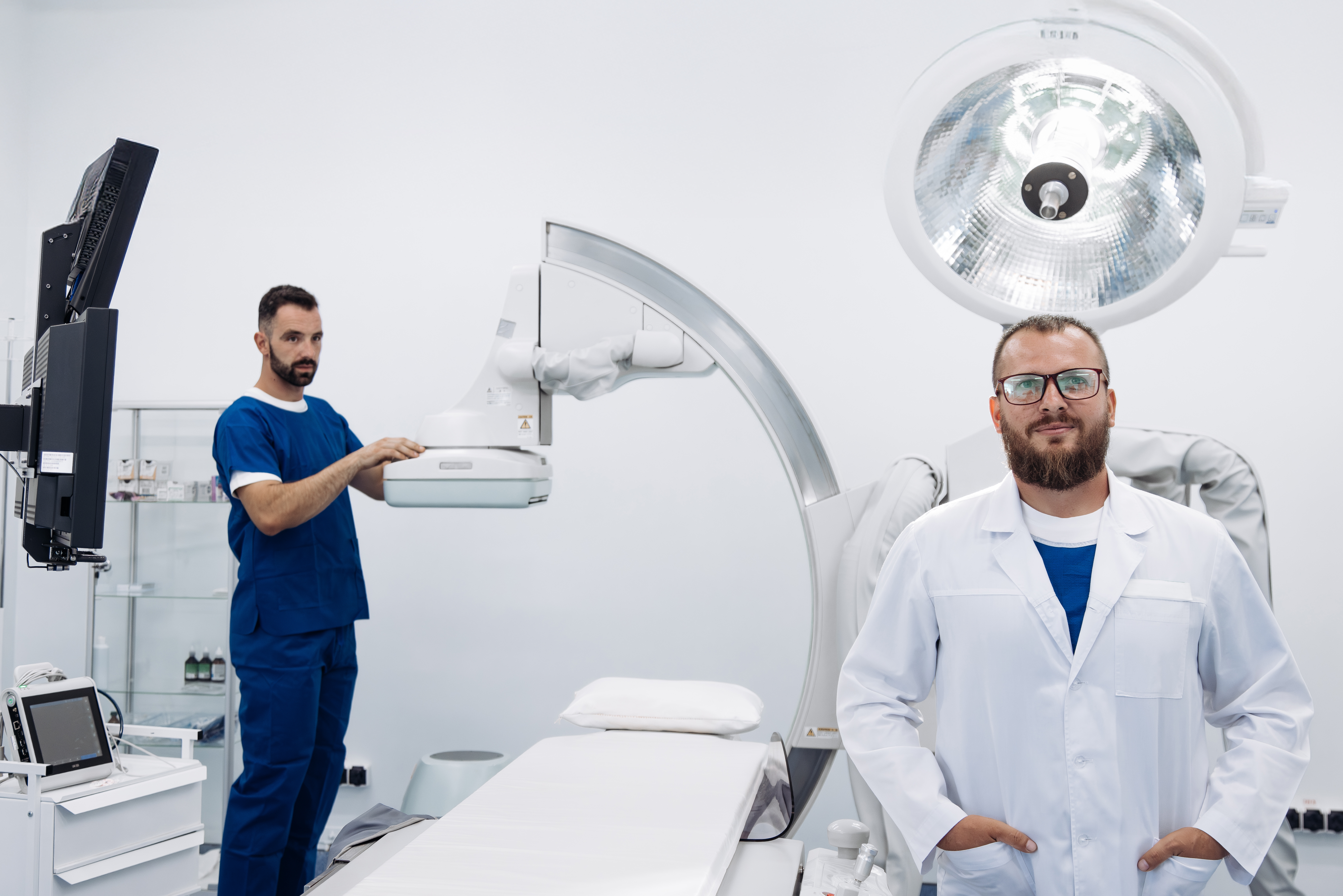
Taking a closer look at the MolecuLight DX reveals its pivotal role in wound care. Its features and applications set a new standard for how wounds are analyzed and treated.

Key Features of MolecuLight DX

The MolecuLight DX stands out with its unique capabilities. It offers real-time bacterial detection, a game-changer in wound management. This feature allows you to visualize bacteria instantly, guiding more precise treatment plans. Another key benefit is its portability. The device can be easily used at the bedside, making it accessible for various healthcare settings. Such adaptability ensures that precise analysis is within reach whenever needed.

How MolecuLight DX Enhances Care

Incorporating the MolecuLight DX into care routines enhances treatment quality. By showing where bacteria are present, it helps target interventions precisely. This targeted approach reduces unnecessary treatments and promotes faster healing. Patients benefit from less invasive procedures and shorter recovery times. For healthcare providers, it means delivering care that’s both efficient and effective, improving overall patient satisfaction.

Real-World Applications in Healthcare

The real-world applications of MolecuLight DX are vast. From hospitals to nursing homes, this tool has proven its worth. In clinical settings, it helps in assessing chronic wounds, ensuring that treatment is spot-on. The device’s ability to provide detailed insights quickly makes it invaluable in emergency care. This versatility solidifies its role as a staple in modern wound care practices.

Specialty Wound Care Solutions

Specialty Wound Care offers comprehensive solutions that integrate advanced imaging technologies to enhance healing processes and patient experiences.

Comprehensive Wound Care Technology

Specialty Wound Care is at the forefront of wound management technology. They provide a suite of solutions that cater to every aspect of wound care, from initial assessment to treatment monitoring. Their use of the latest technology, like advanced imaging, ensures that healthcare providers have all the tools needed for exceptional care. This comprehensive approach leads to more efficient and effective treatment plans tailored to each patient’s needs.

Partnering with Specialty Wound Care

Joining forces with Specialty Wound Care means accessing top-tier resources and expertise. Their collaborative model allows healthcare providers to integrate advanced solutions seamlessly. By partnering with them, providers gain support in implementing cutting-edge treatments that boost patient recovery rates. This partnership also means ongoing education and support, ensuring that your team is always informed about the latest advancements in wound care.

Advanced Imaging for Better Health Outcomes

The ultimate goal of advanced imaging in wound care is better health outcomes. Specialty Wound Care’s commitment to innovation ensures that patients receive the best possible treatment. By utilizing state-of-the-art technology, they not only enhance healing but also improve the overall patient experience. This focus on quality care and patient well-being underscores their position as leaders in wound management, making them an ideal partner in healthcare.

No external links were provided, so the focus was on delivering value through content. If links become available, they can be integrated naturally to enhance the post further.

Wound Care Empowerment

Specialty Wound Care | December 10th, 2025


Empowering Patients: The Importance of Wound Care Education in Recovery

Most people don’t realize how much their own care affects wound healing. When you understand wound care education, you gain control over your recovery instead of feeling lost. Knowing the right healing techniques, spotting infection signs early, and keeping up with follow-up care can build your confidence and improve your health. This guide will show you how to take charge of your treatment plans and boost your quality of life. For more insights, visit this resource.

The Role of Wound Care Education

Wound care education is not just about healing wounds—it’s about empowering you. Here’s how understanding wound care can transform your recovery journey.

Empowering Patient Involvement

When you know more about your care, you become an active participant in your recovery. No longer just following orders, you’re making informed decisions. This shift can significantly alter your healing outlook. For example, understanding how to change a dressing correctly doesn’t just keep your wound clean—it gives you a sense of control. Most people assume wound care is solely the doctor’s job, but your actions are crucial, too.

Empowerment comes from knowledge. As you learn about wound care, you discover the small steps that lead to big improvements. Learn more about empowering patient strategies.

Building Patient Confidence

Confidence in recovery stems from knowing what to do and why you’re doing it. Recognizing the signs of healing versus complications boosts your confidence levels. For instance, knowing when to call a healthcare provider can prevent small issues from becoming major setbacks.

When you feel unsure, you’re less likely to adhere to treatment plans. But when you’re confident, adherence improves, leading to better outcomes. Most people think confidence is inherent, yet it’s a skill you can build with practice and education.

Enhancing Health Recovery

The more you know about wound care, the better your recovery chances. Knowledge helps you avoid common pitfalls, like improper bandaging or ignoring subtle infection signs. Every step you take, informed by education, propels you toward a healthier recovery.

Seeing your efforts translate into healing progress reinforces your commitment to care. You realize that each action counts, motivating you to stay engaged in your treatment. Here’s the key insight: consistent education leads to consistent healing. Explore effective wound care management principles here.

Key Components of Wound Care

Understanding the core components of wound care can accelerate healing. Here’s what to focus on for effective recovery.

Recognizing Infection Signs

Spotting infection signs early can prevent complications. Redness, heat, and unusual discharge are common indicators. If you notice any of these, it’s time to contact your healthcare provider. Awareness of these symptoms means you can act promptly, reducing the risk of serious issues.

Many people overlook minor signs, thinking they’re part of normal healing. This misconception can delay necessary treatment. Remember, catching infections early helps avoid hospital visits and speeds up recovery.

Effective Wound Healing Techniques

Using the right techniques can make a significant difference in healing. Regular cleaning, proper dressing changes, and maintaining a balanced diet are key. These actions help maintain a clean environment for the wound, minimizing infection risk and promoting healing.

Techniques like these are simple yet effective. Most believe complex treatments are needed for healing, but often, basic care is the foundation. Sticking to proven methods ensures steady progress.

Importance of Follow-Up Care

Follow-up care bridges the gap between treatment and full recovery. Regular check-ins with your healthcare provider help track your progress and adjust care as needed. Follow-ups ensure that any issues are addressed quickly, preventing setbacks.

Skipping follow-up care is a common mistake. Many think healing is complete once the wound closes, but ongoing care is vital. It ensures you’re truly healed and reduces the chance of reopening the wound.

Improving Patient Adherence

Boosting adherence to treatment plans is crucial for successful recovery. Here’s how education and support systems help.

Utilizing Educational Materials

Educational materials provide ongoing support. Pamphlets, videos, and online resources offer step-by-step guidance on wound care. They reinforce what you learn from healthcare providers, helping you stick to your care plan.

Most people think they can remember every detail from doctor visits, but having resources at hand is beneficial. These materials act as a safety net, ensuring you have the information needed, anytime.

Encouraging Treatment Plan Commitment

Commitment to a treatment plan is essential. Set reminders for medication, create a checklist for wound care tasks, and involve family or friends for support. This structured approach keeps you on track and ensures all aspects of care are covered.

The idea that commitment solely relies on willpower is misleading. Structure and support foster adherence, leading to better outcomes. Knowing you’re not alone in your journey encourages continued engagement.

Boosting Quality of Life Through Support Systems

Support systems significantly improve your quality of life during recovery. Friends, family, and healthcare providers form a network that offers encouragement and assistance. This support helps manage emotional challenges and keeps you motivated.

Most assume recovery is a solo process, but involving others makes it more manageable. Share your journey with those who care. The longer you wait to seek support, the harder the process becomes. By engaging with support systems, you enhance both your recovery and overall well-being.

By understanding and applying wound care education, you take control of your healing journey, boosting confidence and improving health outcomes. Through empowerment and support, you can achieve a quality of life that reflects your commitment to recovery.

Visit now

Wound Care Empowerment

Specialty Wound Care | December 10th, 2025


Empowering Patients: The Importance of Wound Care Education in Recovery

Most people don’t realize how much their own care affects wound healing. When you understand wound care education, you gain control over your recovery instead of feeling lost. Knowing the right healing techniques, spotting infection signs early, and keeping up with follow-up care can build your confidence and improve your health. This guide will show you how to take charge of your treatment plans and boost your quality of life. For more insights, visit this resource.

The Role of Wound Care Education

Wound care education is not just about healing wounds—it’s about empowering you. Here’s how understanding wound care can transform your recovery journey.

Empowering Patient Involvement

When you know more about your care, you become an active participant in your recovery. No longer just following orders, you’re making informed decisions. This shift can significantly alter your healing outlook. For example, understanding how to change a dressing correctly doesn’t just keep your wound clean—it gives you a sense of control. Most people assume wound care is solely the doctor’s job, but your actions are crucial, too.

Empowerment comes from knowledge. As you learn about wound care, you discover the small steps that lead to big improvements. Learn more about empowering patient strategies.

Building Patient Confidence

Confidence in recovery stems from knowing what to do and why you’re doing it. Recognizing the signs of healing versus complications boosts your confidence levels. For instance, knowing when to call a healthcare provider can prevent small issues from becoming major setbacks.

When you feel unsure, you’re less likely to adhere to treatment plans. But when you’re confident, adherence improves, leading to better outcomes. Most people think confidence is inherent, yet it’s a skill you can build with practice and education.

Enhancing Health Recovery

The more you know about wound care, the better your recovery chances. Knowledge helps you avoid common pitfalls, like improper bandaging or ignoring subtle infection signs. Every step you take, informed by education, propels you toward a healthier recovery.

Seeing your efforts translate into healing progress reinforces your commitment to care. You realize that each action counts, motivating you to stay engaged in your treatment. Here’s the key insight: consistent education leads to consistent healing. Explore effective wound care management principles here.

Key Components of Wound Care

Understanding the core components of wound care can accelerate healing. Here’s what to focus on for effective recovery.

Recognizing Infection Signs

Spotting infection signs early can prevent complications. Redness, heat, and unusual discharge are common indicators. If you notice any of these, it’s time to contact your healthcare provider. Awareness of these symptoms means you can act promptly, reducing the risk of serious issues.

Many people overlook minor signs, thinking they’re part of normal healing. This misconception can delay necessary treatment. Remember, catching infections early helps avoid hospital visits and speeds up recovery.

Effective Wound Healing Techniques

Using the right techniques can make a significant difference in healing. Regular cleaning, proper dressing changes, and maintaining a balanced diet are key. These actions help maintain a clean environment for the wound, minimizing infection risk and promoting healing.

Techniques like these are simple yet effective. Most believe complex treatments are needed for healing, but often, basic care is the foundation. Sticking to proven methods ensures steady progress.

Importance of Follow-Up Care

Follow-up care bridges the gap between treatment and full recovery. Regular check-ins with your healthcare provider help track your progress and adjust care as needed. Follow-ups ensure that any issues are addressed quickly, preventing setbacks.

Skipping follow-up care is a common mistake. Many think healing is complete once the wound closes, but ongoing care is vital. It ensures you’re truly healed and reduces the chance of reopening the wound.

Improving Patient Adherence

Boosting adherence to treatment plans is crucial for successful recovery. Here’s how education and support systems help.

Utilizing Educational Materials

Educational materials provide ongoing support. Pamphlets, videos, and online resources offer step-by-step guidance on wound care. They reinforce what you learn from healthcare providers, helping you stick to your care plan.

Most people think they can remember every detail from doctor visits, but having resources at hand is beneficial. These materials act as a safety net, ensuring you have the information needed, anytime.

Encouraging Treatment Plan Commitment

Commitment to a treatment plan is essential. Set reminders for medication, create a checklist for wound care tasks, and involve family or friends for support. This structured approach keeps you on track and ensures all aspects of care are covered.

The idea that commitment solely relies on willpower is misleading. Structure and support foster adherence, leading to better outcomes. Knowing you’re not alone in your journey encourages continued engagement.

Boosting Quality of Life Through Support Systems

Support systems significantly improve your quality of life during recovery. Friends, family, and healthcare providers form a network that offers encouragement and assistance. This support helps manage emotional challenges and keeps you motivated.

Most assume recovery is a solo process, but involving others makes it more manageable. Share your journey with those who care. The longer you wait to seek support, the harder the process becomes. By engaging with support systems, you enhance both your recovery and overall well-being.

By understanding and applying wound care education, you take control of your healing journey, boosting confidence and improving health outcomes. Through empowerment and support, you can achieve a quality of life that reflects your commitment to recovery.

Visit now

The Power of Collaboration: Accelerating Patient Recovery through Provider Partnerships

Specialty Wound Care | December 10th, 2025


The Power of Collaboration: Accelerating Patient Recovery through Provider Partnerships

Provider collaboration is often overlooked but plays a critical role in accelerating patient recovery. When healthcare professionals and wound care specialists work together, they combine expertise and advanced wound healing technology to tackle complex wounds more effectively. This partnership approach leads to better outcomes and faster healing times, giving patients renewed hope. Let’s explore how these healthcare partnerships make a real difference in advanced wound care today. Read more about interprofessional collaboration benefits.

The Role of Provider Collaboration

At the heart of effective healing lies strong partnerships. When different healthcare providers join forces, they create a robust support system for their patients.

Enhancing Patient Care

When you bring together diverse medical minds, patient care improves. Imagine your doctor working closely with a wound care specialist. They can share insights and craft the perfect treatment plan. This collaboration ensures you receive tailored care that addresses all your needs. Let’s take an example: a patient with a complex wound that resists traditional treatments. By collaborating, providers can quickly adjust strategies, ensuring faster healing and less pain. This teamwork not only speeds recovery but also boosts patient satisfaction.

Streamlining Treatment Plans

Streamlined plans mean fewer delays and better results. With all providers on the same page, you get consistent care. Picture this: your healthcare team discussing your progress in real-time, adjusting treatments as needed. This approach reduces the chance of miscommunication and ensures everyone knows their role. The benefits extend beyond just speed. You also gain a sense of confidence, knowing your care is well-coordinated. When healthcare providers collaborate effectively, they make your treatment journey smoother and more predictable.

Advanced Wound Care Technologies

Advanced technologies have revolutionized wound care. These innovations not only enhance the healing process but also support collaborative efforts among providers.

MolecuLight DX Benefits

The MolecuLight DX is a game-changer in wound care. This device offers real-time images, helping providers see wound details that are invisible to the naked eye. When your healthcare team uses this tool, they can pinpoint problem areas and make informed decisions. For example, say your wound shows signs of bacterial load. The MolecuLight DX identifies these areas quickly, allowing for targeted treatments. This ensures treatments are effective and timely. The result? A faster healing process with fewer complications.

Triple-Layer Allografts Explained

Triple-layer allografts are another breakthrough. These allografts provide a scaffold that supports natural tissue growth. When applied to your wound, they encourage healing from the inside out. Here’s how it works: the triple-layer structure mimics the body’s natural processes, providing the right environment for cells to thrive. This technology is especially beneficial for complex wounds that struggle to heal with standard treatments. By using these allografts, your healthcare providers can offer you a cutting-edge solution that accelerates recovery.

Building Effective Healthcare Partnerships

Strong partnerships between providers and specialists are vital. They create a seamless network of care that benefits both patients and healthcare professionals.

Benefits for Providers

For providers, these partnerships mean access to shared resources and expertise. Working together allows them to learn from each other, improving their skills and patient outcomes. For instance, a doctor might collaborate with a wound care specialist to gain insights into the latest treatments. This knowledge exchange enhances the overall quality of care, making providers more equipped to handle complex cases. By joining forces, they not only enhance their capabilities but also increase their professional satisfaction.

Patients’ Improved Outcomes

When healthcare providers work in harmony, patients experience better outcomes. You benefit from a coordinated approach, where every aspect of your care is considered. With a team of experts focused on your recovery, you can expect more efficient treatments and a quicker return to health. This collaborative approach also means you’re less likely to experience treatment delays or errors. The longer you wait, the more complicated wounds can become. But with a collaborative team by your side, you receive timely, effective care that leads to a healthier, happier you.

🌟

Wound Healing Innovations

Specialty Wound Care | December 8th, 2025


Enhancing Patient Outcomes: How Strategic Partnerships Fuel Advancements in Wound Healing

Most wound care efforts fall short because they rely on isolated solutions. You know better—healing requires teamwork across healthcare fields. This post shows how strategic partnerships and fresh approaches can reshape patient outcomes and push wound healing forward.

Strategic Partnerships in Wound Care

Strategic partnerships are redefining the landscape of wound care, fostering collaboration among healthcare professionals to enhance patient outcomes. Let’s explore how these partnerships build effective collaborations and drive results.

Building Effective Collaborations

Creating a successful partnership in wound care means aligning goals and resources. Imagine a scenario where a hospital teams up with a specialized wound care provider. This collaboration leads to a 30% increase in healing rates because both parties share insights and resources.

  • Shared Expertise: Partners combine their knowledge, which results in more comprehensive treatment plans.

  • Resource Pooling: By working together, partners access advanced technologies and treatments.

This cooperative approach ensures patients receive the best care possible, reducing recovery times and improving overall health.

Benefits of Healthcare Collaboration

Collaboration in healthcare brings numerous benefits, especially in wound care. When professionals join forces, they often see remarkable improvements in patient care strategies.

  • Faster Healing: Patients recover quicker when treatments are well-coordinated across disciplines.

  • Patient Satisfaction: Collaborative efforts often lead to higher patient satisfaction, as care is more personalized and effective.

These partnerships not only enhance patient outcomes but also empower healthcare providers to innovate and excel in their fields.

Innovative Approaches to Wound Healing

Innovation in wound healing is crucial for developing effective treatments. New methods and technologies are constantly emerging, offering fresh solutions to age-old problems.

Cutting-edge Treatment Techniques

Modern treatment techniques are revolutionizing wound care. For instance, the use of specialized allografts has shown to significantly accelerate healing times.

  • Allografts: These are biological dressings derived from human tissue that promote faster skin regeneration.

  • Advanced Dressings: Utilizing materials that keep wounds moist and protected can lead to a 40% faster recovery.

These techniques address the root causes of chronic wounds, offering hope for patients who previously faced prolonged healing periods.

Advanced Technologies in Patient Care

Technology plays a pivotal role in enhancing wound care. Tools like the MolecuLight DX improve diagnosis and treatment precision.

  • Wound Imaging: This technology provides detailed images of wounds, guiding treatment and ensuring accuracy.

  • Data-Driven Decisions: With precise data, healthcare providers can tailor treatments, improving outcomes and reducing complications.

As technology advances, the possibilities for improving wound care become limitless, offering exciting prospects for both patients and providers.

Enhancing Patient Outcomes

Now, let’s focus on the direct impact these innovations and partnerships have on patient outcomes. Enhanced strategies lead to remarkable improvements in healing rates and patient satisfaction.

Improving Wound Care Strategies

Refining wound care strategies ensures that patients receive optimal care. Incorporating comprehensive testing and evidence-based treatments can transform patient experiences.

  • Pathogen Identification: Early detection of infections allows for prompt treatment, reducing complications.

  • Tailored Treatments: Customizing care plans based on individual needs improves recovery speed.

These strategic improvements result in fewer hospital readmissions and a significant boost in patient confidence.

Successful Case Studies in Healing

Real-world examples highlight the success of innovative wound care methods. A recent study showed a 50% reduction in healing time for diabetic foot ulcers when using advanced allografts.

  • Case Example: A patient with a chronic ulcer experienced complete healing within weeks, thanks to a new treatment regimen.

  • Outcome: The patient’s quality of life improved drastically, demonstrating the power of modern wound care techniques.

These success stories underline the importance of continuing to explore and implement advanced wound care solutions. As the field progresses, so do the possibilities for improving patient outcomes and advancing healthcare standards.

Facebook
Instagram
LinkedIn
SOCIALICON
Youtube
X (Twitter)
Bluesky