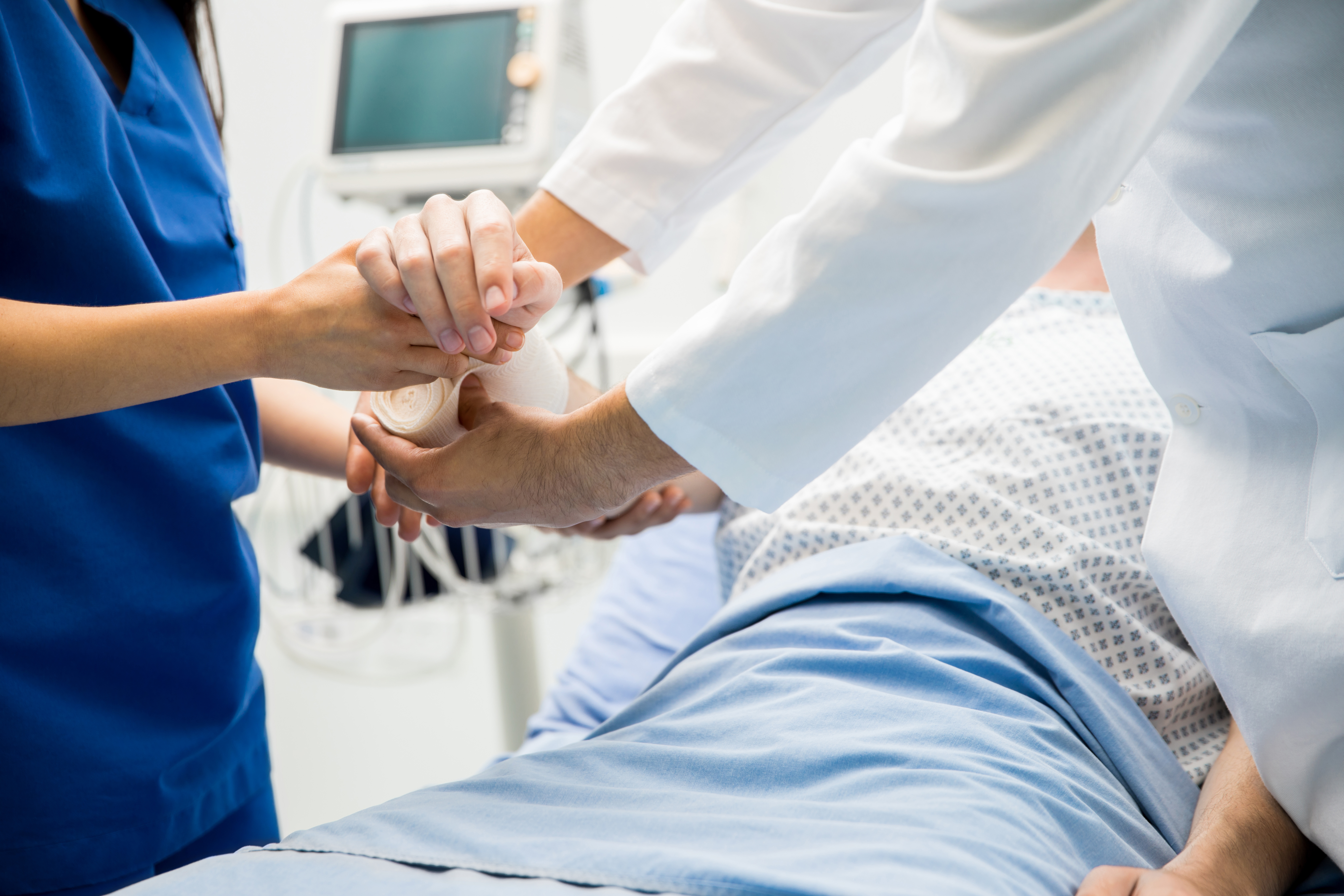
Category: Uncategorized

Unveiling the Science of Triple-Layer Allografts in Wound Healing

Specialty Wound Care | December 23rd, 2025


Unveiling the Science of Triple-Layer Allografts in Wound Healing

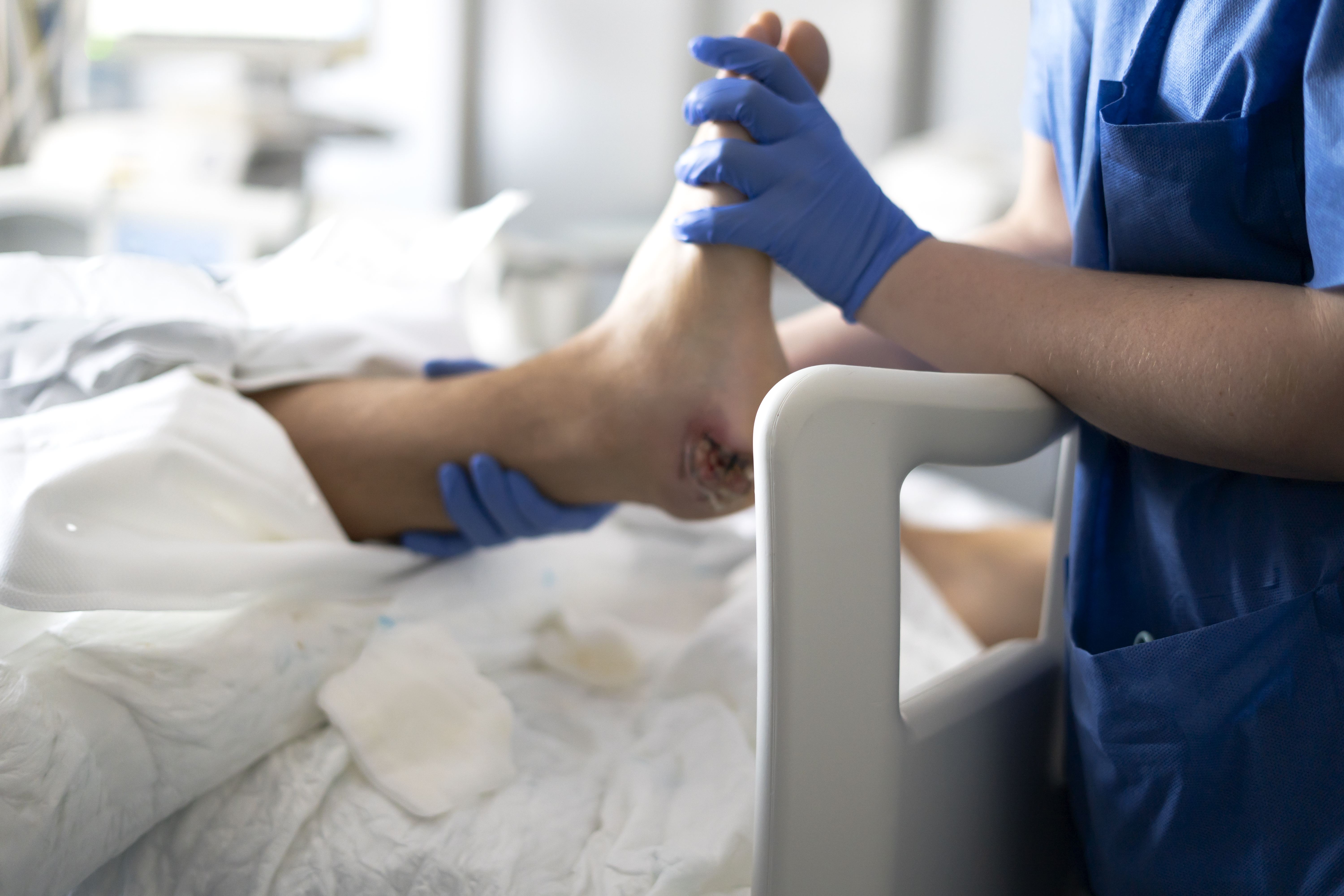
Triple-layer allografts have changed how we approach wound healing, especially for tough cases that resist traditional care. If you’ve struggled with slow recovery or infection risks, understanding this technology could improve your results. In this post, we’ll explain how triple-layer allograft supports tissue repair and why Specialty Wound Care leads in applying this advanced wound care solution. Learn more here.

Understanding Triple-Layer Allografts
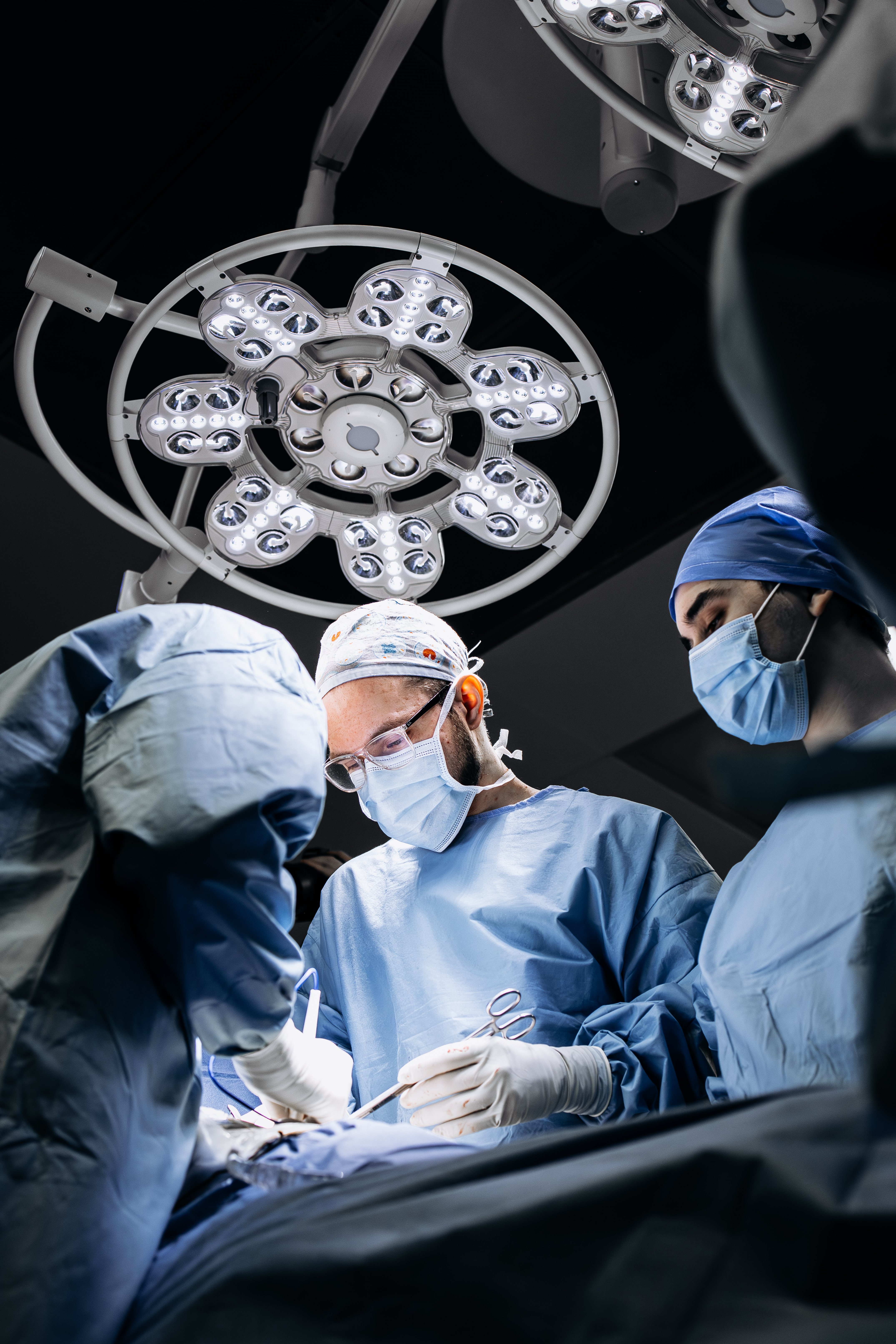
In recent years, medical breakthroughs have offered promising solutions for challenging wounds. One standout is the triple-layer allograft. This innovation holds the potential to improve outcomes significantly.

Science Behind Allograft Technology

Triple-layer allografts are built on the principles of regenerative medicine. These grafts harness the healing properties found in natural tissues. At their core, these allografts act as scaffolds, promoting new cell growth. This growth aids in the natural repair of damaged tissues. The magic lies in the structure itself, which supports cell integration and vascular growth. A study highlighted in NCBI illustrates how these grafts enhance tissue repair by mimicking the body’s natural healing processes.

Through rigorous scientific testing, allografts have shown their ability to lower inflammation and infection risks. These benefits make them a reliable choice for those facing stubborn wounds. Imagine a healing solution that works with your body, not against it. The result is not just healing—it’s restoration.

Structure of Triple-Layer Allografts

The fascinating aspect of these allografts is their layered composition. Each layer serves a distinct purpose. The outer layer offers protection, while the middle layer supports cell growth. The innermost layer ensures connection with the existing tissue. This three-tier design mimics the skin’s natural structure, enhancing its effectiveness.

Think of the allograft as a well-constructed building. Each level supports the one above, creating a solid foundation for healing. This design is why many healthcare providers are now choosing triple-layer allografts for complex wound care cases. The structured layers not only facilitate healing but also protect against further damage. It’s like giving your wounds the ultimate shield and support system.

Role in Advanced Wound Care
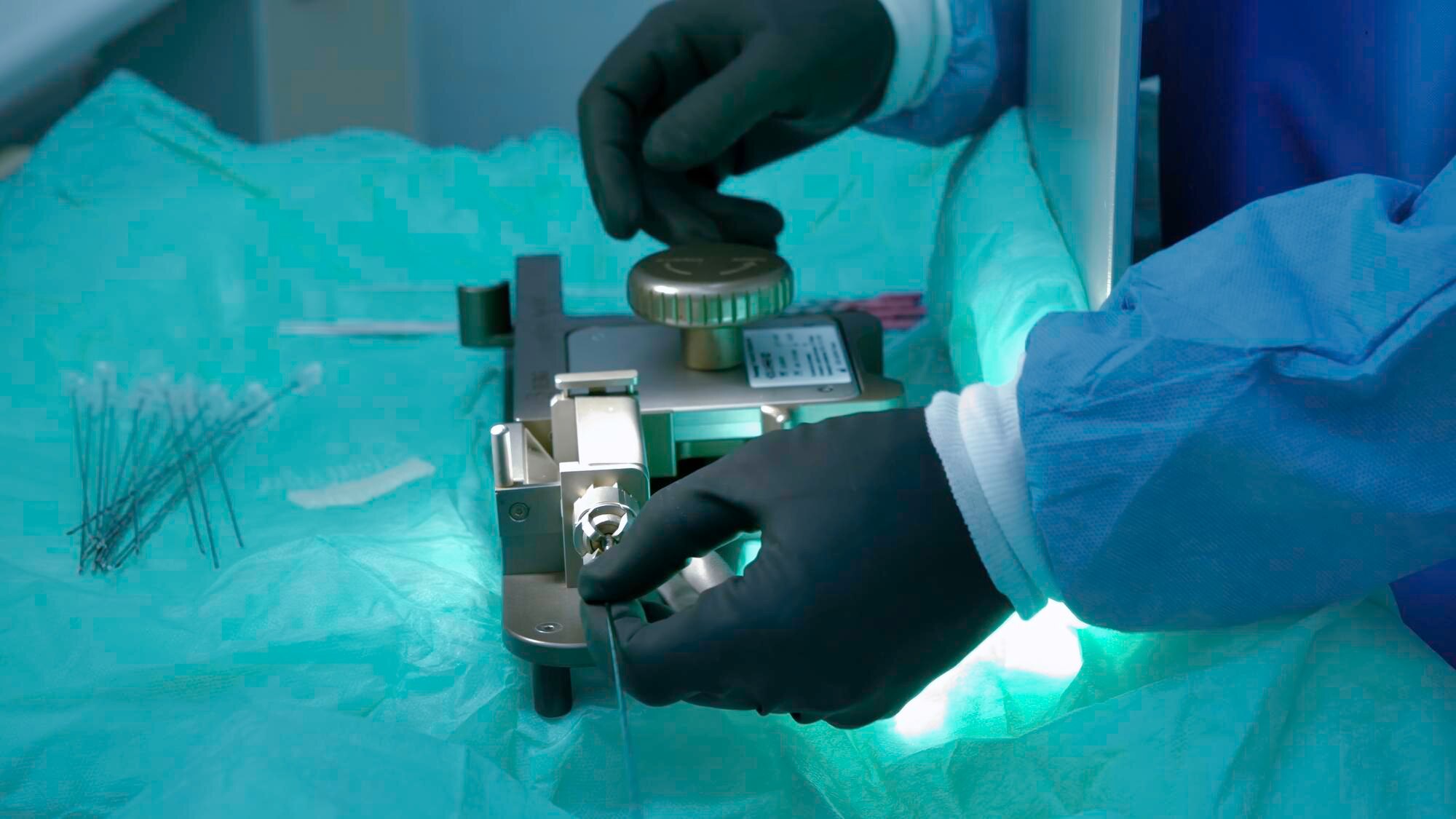
The potential of triple-layer allografts in wound care is expansive. They offer a new frontier for patients and providers alike, addressing the toughest healing challenges.

Enhancing Wound Healing Processes

Triple-layer allografts play a significant role in speeding up recovery. They integrate smoothly with the body, reducing the time wounds take to close. For patients, this means a quicker path to recovery. But how do they work? These grafts boost cell growth and reduce inflammation, two critical factors in wound healing. By doing so, they cut down healing time, allowing you to return to daily life sooner. Learn more.

The true advantage lies in their ability to adapt to various wound types. From burns to chronic ulcers, triple-layer allografts offer a flexible solution. This versatility makes them a preferred choice for healthcare providers aiming for speedy and effective outcomes.

Benefits for Patients and Providers

The benefits of triple-layer allografts extend beyond just healing. For patients, they offer reduced pain and a lower risk of complications. For providers, they mean fewer follow-up visits and improved patient satisfaction. Imagine a treatment that not only heals but also enhances your quality of life. That’s what these allografts offer.

For medical professionals, the advantages are clear. By using these allografts, you can ensure better patient outcomes and streamline treatment processes. This innovation allows healthcare providers to focus more on care and less on complications. In a world where time is precious, these benefits are invaluable.

Specialty Wound Care Expertise

Specialty Wound Care stands at the forefront of this transformative technology. Their approach combines innovation with a deep commitment to patient care.

Leadership in Wound Management

As leaders in wound care, Specialty Wound Care has pioneered the use of triple-layer allografts. By integrating cutting-edge technology, they have set new standards in the field. Their expertise ensures that patients receive the latest and most effective treatments available. This leadership is reflected in their consistent success rates and patient satisfaction levels.

Partnering for Optimal Outcomes

Specialty Wound Care’s approach is collaborative. By working closely with healthcare providers, they ensure optimal patient outcomes. This partnership model means that every patient receives personalized care tailored to their needs. Through these collaborations, they have built a network of professionals committed to advancing wound care. This synergy not only enhances healing processes but also fosters innovation within the field. With Specialty Wound Care, you’re not just receiving treatment; you’re gaining a partner in health.

In conclusion, triple-layer allografts represent a new era in wound healing. Their unique structure and benefits make them an invaluable tool in advanced wound care. Specialty Wound Care’s expertise further enhances their effectiveness, offering patients and providers a reliable path to recovery.

Visit now

Optimizing Wound Care Protocols: The Power of Cutting-Edge Diagnostic Tools

Specialty Wound Care | December 22nd, 2025


Optimizing Wound Care Protocols: The Power of Cutting-Edge Diagnostic Tools

Forget everything you know about traditional wound care assessments. Many protocols rely on visual inspection alone, missing critical details that delay healing. Using advanced diagnostic tools like MolecuLight DX changes how you evaluate wounds, leading to more precise treatment and better patient outcomes. Let’s explore how these technologies can optimize your wound care protocols and support faster recovery. For more insights, visit this link.

Latest Diagnostic Tools in Wound Care

In the fast-paced world of healthcare, staying ahead means embracing the best tools available. Wound care is no exception. Let’s delve into the latest advances that are transforming how wounds are analyzed and treated.

Improving Wound Analysis

Imagine the time saved with tools that reveal what the naked eye cannot see. This is now a reality with exciting diagnostic advancements. Traditional methods often miss hidden bacteria, leading to prolonged treatment times. New instruments, however, pinpoint these issues swiftly.

The use of fluorescence imaging, as seen in tools like the MolecuLight DX, allows you to identify bacterial presence in real-time. This means you can direct your treatment efforts precisely where they’re needed, reducing guesswork and improving care quality. It’s not just about healing faster; it’s about healing smarter.

New technologies also offer digital wound measurement, providing accurate data that supports better decision-making. This helps you track progress and adjust treatments effectively, ensuring patients receive the best care possible.

Enhancing Patient Outcomes

The ultimate goal of any medical advancement is to improve patient results. With new diagnostic tools, this goal is more attainable than ever. Faster and more accurate wound analysis translates to tailored treatment plans that meet individual needs.

By offering a more precise picture of the wound, these tools help you avoid unnecessary treatments. Patients benefit from fewer complications and reduced healing times, leading to quicker recoveries and less time spent in care facilities.

Moreover, these innovations bring peace of mind. Patients and their families can feel confident knowing that healthcare professionals are equipped with the best tools for their care. This confidence in technology and treatment fuels better compliance and more positive health outcomes.

The Role of MolecuLight DX

In the previous section, we explored how advanced tools are reshaping wound analysis and patient outcomes. Now, let’s zoom in on one of the game-changers: MolecuLight DX.

Precision in Wound Management

Precision is key in treating wounds effectively. The MolecuLight DX offers unmatched accuracy by highlighting areas of concern invisible to the naked eye. This tool uses special light to detect bacterial presence, providing you with immediate insights.

Consider a scenario where a patient has a wound that’s not healing as expected. By using the MolecuLight DX, you can identify hidden bacteria that might be impeding recovery. This enables you to adjust the treatment instantly, enhancing the care you provide.

Moreover, the device captures images and videos, assisting in documenting wound progress over time. This documentation is invaluable when communicating with patients about their healing journey.

Accelerating Wound Healing

Speeding up healing is not just about faster recoveries; it’s about reducing the risk associated with prolonged wounds. MolecuLight DX aids in this by ensuring you have the most accurate data at your fingertips.

A study showed that using fluorescence imaging led to a 40% reduction in healing time for chronic wounds. This is a significant improvement, offering a glimpse into the future of wound care. By addressing issues early, you can prevent complications and promote faster healing.

The device also supports effective cleansing and debridement by highlighting areas with high bacterial loads. This targeted approach ensures that every step you take moves the patient closer to recovery.
Benefits of Advanced Technology

Having explored the role of MolecuLight DX, it’s time to understand the broader benefits that advanced technology brings to wound care. These innovations are not just about precision; they revolutionize treatment protocols and support healthcare professionals in myriad ways.

Enhancing Treatment Protocols

Advanced tools ensure that treatment protocols are not only effective but also adaptable. With access to precise data, you can create personalized treatment plans that address the unique needs of each wound.

Take, for instance, the use of artificial intelligence-powered dressings. These dressings adjust to the wound’s condition, releasing medication as needed. Such innovations represent a shift from one-size-fits-all treatments to bespoke solutions that drive better outcomes. Learn more about these advancements here.

Healthcare professionals can also rely on accurate assessments to minimize the use of antibiotics, combating resistance and preserving these critical drugs for future use.

Supporting Healthcare Professionals

Technology is a powerful ally in overcoming the challenges of wound care. With tools like MolecuLight DX, healthcare professionals can make informed decisions quickly and confidently.

These tools also enhance communication among care teams. By providing clear, visual evidence of a wound’s condition, they facilitate collaborative decision-making, ensuring that all team members are on the same page. This collaboration is crucial for maintaining high standards of care and optimizing patient outcomes.

Finally, by automating some aspects of wound management, these technologies free up time for healthcare professionals. This allows you to focus more on patient interaction, delivering compassionate care alongside technological excellence.

The future of wound care is bright, and with these advanced tools, you are well-equipped to lead the way in providing exceptional care.

Visit now

Revolutionizing Healing: The Latest Advances in Wound Care Technology

Specialty Wound Care | December 20th, 2025


Revolutionizing Healing: The Latest Advances in Wound Care Technology

Forget the old ways of treating stubborn wounds that drag on for months. New wound care technology is changing how you assess and manage complex cases, offering clearer insights and faster healing paths. In this post, you’ll learn about tools like MolecuLight DX and the Triple-Layer Allograft—and what they mean for your patients and practice. For more on this topic, visit this article.

Cutting-Edge Wound Care Technology

In the world of wound healing, new technologies are making a difference. Let’s dive into what these exciting developments mean for you and your practice.

Triple-Layer Allograft for Healing

Imagine a wound dressing that supports your body’s natural healing process. That’s what the Triple-Layer Allograft offers. This allograft acts as a scaffold, providing vital support as wounds heal.

This allograft is crafted from pre-screened donors, ensuring safety and reliability. Its unique structure aids in faster recovery by enhancing the body’s ability to regenerate tissue. It’s more than just a dressing; it’s an active participant in the healing journey. The allograft’s components, including growth factors and extracellular matrix proteins, play a crucial role in speeding up recovery while minimizing complications.

For patients and healthcare providers, this means not only reduced healing time but also fewer complications. The innovative design of the Triple-Layer Allograft stands out in the field of wound management, setting a new standard for treatment. To explore more about the role of advanced materials in wound care, check this study.

MolecuLight DX for Precise Analysis

Precision is key in wound management, and the MolecuLight DX is here to deliver it. This tool is revolutionizing how wounds are assessed and treated.

MolecuLight DX provides real-time imaging of bacterial presence in wounds. This immediate feedback allows you to tailor treatments more effectively, addressing specific needs as they arise. With this tool, you’re not just treating symptoms; you’re targeting the root causes, leading to more successful outcomes.

Moreover, the technology facilitates thorough documentation and tracking, helping in better decision-making. It empowers you to take proactive steps, ensuring your patients receive the most effective care possible. By incorporating such precise analysis into your practice, you can significantly enhance treatment outcomes. For additional insights, visit this article.

Patient Care Innovations in Wound Management

As we explore the impact of these technologies, let’s look at how they are reshaping patient care and treatment outcomes.

Advanced Pathogen Identification Methods

The ability to accurately identify pathogens is a game-changer. Quick and precise identification means you can start the right treatment sooner, reducing complications.

Traditional methods often take weeks, but with advanced techniques, you can identify pathogens in a fraction of that time. This speed is crucial for effective wound management, allowing you to act swiftly and reduce infection risks. It’s not just about faster results; it’s about better patient care.

By integrating these methods into your practice, you provide your patients with a higher standard of care, minimizing the potential for prolonged recovery times. This innovation is transforming the landscape of wound management, offering new possibilities for effective treatment. To learn more about this, check out this article.

Impact on Treatment Outcomes

The ripple effect of these innovations is substantial. Faster healing, fewer complications, and enhanced patient satisfaction are just a few of the benefits.

When you implement advanced wound care solutions, you’re not just treating wounds—you’re improving lives. Patients experience less discomfort, shorter recovery periods, and a smoother healing process. For healthcare providers, this means more efficient use of resources and better overall outcomes.

It’s a win-win scenario, with technology playing a pivotal role in elevating care standards. By embracing these advancements, you’re not only staying ahead in your field but also providing unmatched care to your patients. For further reading on the future of wound care, consider this resource.

Exploring Advanced Wound Healing Solutions

Now, let’s see how these innovations can transform your practice and enhance patient recovery.
Transforming Your Practice

Incorporating advanced wound care solutions can revolutionize your practice. By adopting these technologies, you position yourself as a leader in patient care.

Your practice becomes synonymous with cutting-edge treatment, attracting more patients seeking effective solutions. Implementing these advancements means better resource utilization, saving you time and effort. You can focus more on what matters: patient outcomes.

Think of these tools as allies in your mission to provide the best care possible. They empower you to make informed decisions, increasing the quality of your services and patient satisfaction. By transforming your practice, you pave the way for a future of improved healthcare delivery.

Enhancing Patient Recovery

The ultimate goal of any healthcare provider is to see their patients recover fully and swiftly. With these innovations, faster recovery times and reduced complications become a reality.

Patients benefit from shorter hospital stays and a quicker return to their daily lives. The advanced wound healing solutions provide a holistic approach, addressing both symptoms and underlying causes. This comprehensive care leads to better health outcomes and happier patients.

As you implement these solutions, you give your patients the best chance at a full recovery. They trust you with their care, and these technologies ensure you fulfill that trust with excellence. Together, we can create a future where advanced wound care solutions are the norm, offering hope and healing to all.
Visit now

Preventing Pressure Ulcers: Essential Strategies for Nursing Home Care

Specialty Wound Care | December 19th, 2025


Preventing Pressure Ulcers: Essential Strategies for Nursing Home Care

Pressure ulcers remain a persistent challenge in nursing home care, often leading to serious complications. You know preventing these wounds demands more than routine checks—it requires targeted strategies backed by advanced wound care. In this post, you’ll learn practical steps to reduce pressure ulcer risk and how Specialty Wound Care’s cutting-edge solutions support your efforts in wound management. For more information, visit this link.

Key Strategies for Ulcer Prevention

Preventing pressure ulcers requires a proactive approach. These key strategies will help you create a safer environment for your patients.

Regular Patient Assessment

Regular assessments are the backbone of effective care. By checking each patient thoroughly, you can catch early signs of ulcers. Pressure ulcer prevention starts with understanding risk factors. Use tools like the Braden Scale to evaluate each patient’s risk level. Frequent skin checks, ideally daily, can help in spotting redness or irritation early. This simple routine can drastically reduce ulcer occurrence.

For more information on pressure ulcer risk factors, consider reviewing resources such as the NCBI guide.

Repositioning and Mobility Support

Movement is your ally in ulcer prevention. When patients stay in one position too long, pressure builds up, leading to ulcers. Encourage repositioning every two hours to alleviate pressure. Along with repositioning, consider using support surfaces like specialized mattresses or cushions to further reduce risk. These surfaces help distribute weight evenly, which can protect vulnerable areas of the body.

Discover more tips for preventing bedsores in nursing homes here.

Skin Care and Nutrition

Healthy skin resists ulcers. Moisturize regularly to prevent dryness, and inspect for signs of damage. Nutrition also plays a key role. A balanced diet, rich in protein, vitamins, and minerals, supports skin health. Hydration is equally important to maintain skin elasticity. Educate patients and families on the importance of nutrition in ulcer prevention, making it a collaborative effort.

For more insights on skin care and nutrition in ulcer prevention, check out American Nurse’s article.

Advanced Wound Care Solutions

To enhance your wound care approach, exploring advanced solutions can make a significant difference. Specialty Wound Care offers cutting-edge products that support healing.

Benefits of Triple-Layer Allografts

Triple-layer allografts can be a game-changer. These allografts provide essential support for wound healing. They create a scaffold for new tissue growth, promoting faster recovery. By integrating these into your care plan, you ensure that patients receive top-notch treatment. This innovation not only improves outcomes but also instills confidence in your care.
MolecuLight DX Technology

MolecuLight DX Technology offers precision in wound management. This tool helps identify bacteria in wounds, guiding effective treatment. With real-time imaging, you can make informed decisions about care. This technology reduces guesswork and enhances healing, making it an invaluable asset in your toolkit.

Partnering with Specialty Wound Care

Collaboration with experts can elevate your practice. Specialty Wound Care offers comprehensive services to support your efforts.

Comprehensive Wound Management Services

From assessment to treatment, Specialty Wound Care provides complete support. Their team of experts works alongside you, ensuring best practices in wound management. By integrating their services, you enhance your facility’s capabilities, benefiting both patients and staff.

Contacting Specialty Wound Care for Support

Ready to improve your wound care approach? Reach out to Specialty Wound Care for tailored support. Their expertise and innovative solutions can transform your practice, making a positive impact on patient care.

For additional strategies, visit the AHRQ guide on pressure ulcer prevention.

Revolutionizing Wound Care: How Advanced Imaging Transforms Clinical Decision-Making

Specialty Wound Care | December 18th, 2025


Revolutionizing Wound Care: How Advanced Imaging Transforms Clinical Decision-Making

Forget relying on guesswork for wound assessments. Advanced wound imaging changes how you see wounds and make clinical decisions. With Specialty Wound Care’s use of MolecuLight DX technology, you gain precise insights that guide treatment plans and improve patient outcomes. Let’s explore how this wound healing technology reshapes care for hard-to-heal wounds. Learn more.

Advanced Imaging in Wound Care

When it comes to wound care, seeing beneath the surface is crucial. With advanced imaging, you gain a new perspective. This technology allows you to make informed choices that can change the course of treatment. Let’s uncover how this innovation makes a difference.

Enhancing Clinical Decision-Making

Imagine having a tool that gives you a clear picture of what’s happening with a wound. This is what advanced imaging offers. It’s not just about looking; it’s about understanding. By using these tools, you can see things you couldn’t before. You spot problems early, leading to faster actions and better solutions.

Think about a patient with a wound that’s been slow to heal. Using imaging, you find hidden issues. Perhaps there’s a bacterial presence you didn’t know about. Now, you can address it directly. This approach saves time and improves outcomes. Healthcare professionals appreciate having such precise insights at their fingertips, allowing for confident decisions.

Improving Patient Outcomes

The goal is simple: get patients back on their feet. Advanced imaging plays a significant role here. When you know exactly what a wound needs, you can tailor treatments effectively. This personalized care speeds up recovery and reduces complications.

Let’s say a patient has a chronic wound. By using this technology, you create a plan that targets their specific needs. The result? The wound heals faster, and the patient experiences less pain and worry. It’s a win-win situation, providing hope and relief to those who need it most.

The Role of Wound Healing Technology

Advanced wound imaging is just one piece of the puzzle. There are many tools at your disposal that work together to promote healing. Here, we explore how these solutions contribute to a comprehensive approach to wound care.

Detailed Insights with Imaging Solutions

Wound imaging gives you a peek into what’s really going on. It’s not just about seeing the surface but understanding the depth and complexity of wounds. These insights are invaluable, revealing things that might otherwise be missed. According to recent studies, using imaging in wound care can significantly decrease healing time by up to 30%.

Consider a scenario where traditional methods fall short. Imaging steps in to fill the gaps. You can measure and document changes with precision, which is crucial for monitoring progress. This level of detail allows for adjustments that are timely and effective, ensuring that no stone is left unturned in the healing process.

Benefits of Personalized Treatment Plans

Every wound is unique, and so is every patient. Personalized treatment plans are essential. With detailed imaging, you can customize care like never before. This approach not only addresses the wound but also considers the patient’s overall well-being.

Imagine working with a patient who has specific health challenges. By tailoring the treatment plan, you cater to their unique needs. This personalization leads to better adherence to treatment and greater satisfaction with the care provided. Patients feel understood and valued, which is a core part of healing.

Specialty Wound Care Services

Specialty Wound Care is at the forefront of innovation. By integrating advanced technologies, they redefine how wounds are treated. Their commitment to excellence is evident in every aspect of their services.

MolecuLight DX for Precise Assessment

The MolecuLight DX is a game-changer in wound assessment. It’s a tool that offers precise analysis, allowing you to make informed decisions with confidence. This technology is not just about seeing; it’s about understanding the unseen. By identifying bacterial presence and wound size accurately, you can target treatments effectively. For more on the impact of MolecuLight in clinical settings, check out this article.

Consider the traditional methods of wound assessment. They often involve guesswork and assumptions. MolecuLight DX eliminates these uncertainties. You gain clear, actionable insights that guide your next steps. This precision is crucial for developing effective treatment plans that improve patient outcomes.

Partnering for Better Health Outcomes 🚀

Collaboration is key in healthcare. Specialty Wound Care partners with medical professionals to enhance patient care. By working together, they ensure that each patient receives the best possible treatment. This partnership fosters a supportive environment that benefits everyone involved.

Think about the potential of combining expertise and technology. This synergy leads to innovative solutions that tackle even the most challenging wounds. Patients receive comprehensive care that addresses their unique needs. The longer you wait to incorporate these solutions, the more you miss out on potential improvements in patient care.

In conclusion, advanced wound imaging and technology are transforming wound care. By embracing these innovations, healthcare professionals can make better decisions, leading to improved patient outcomes. Specialty Wound Care is a leader in this field, offering services that benefit both providers and patients. For more details on how they can help, visit their website.

Visit now

The Power of Collaboration: Enhancing Wound Healing Outcomes

Specialty Wound Care | December 17th, 2025


The Power of Collaboration: Enhancing Wound Healing Outcomes

Too many wound care cases stall when providers work alone. Your patients deserve better than fragmented treatment plans that slow healing. Collaborative healthcare brings specialists together, combining expertise and advanced wound care tools to speed recovery and improve results. In this post, you’ll see how healthcare partnerships create more effective wound healing solutions for even the toughest cases. Learn more about why collaboration in healthcare matters.

Benefits of Healthcare Partnerships

Working together in healthcare can speed up healing and improve patient care. By joining forces, healthcare providers can share expertise and technologies to tackle even the toughest wound cases.

Enhancing Wound Healing Solutions

When healthcare professionals collaborate, they can create powerful wound healing strategies. Imagine having a team of experts looking at a single wound. Each brings their knowledge, ensuring nothing is missed. This team approach helps in developing personalized treatment plans. For instance, one specialist might focus on nutrition while another handles advanced dressing. Together, they make sure the wound heals faster. See how shared expertise improves outcomes.

Collaborative Healthcare for Better Outcomes

Most people think wounds heal at the same rate, but that’s not true. Collaborating with other professionals can lead to quicker recovery times. By working as a team, providers can address all aspects of wound care. This includes everything from the initial diagnosis to the final stages of healing. Such comprehensive care leads to fewer complications and happier patients. Discover how collaboration shapes success stories in healthcare here.

Advanced Wound Care Techniques

As we dive deeper, it’s clear that advanced techniques are key to effective wound management. These methods, paired with collaboration, offer hope for challenging cases.

Innovative Wound Treatments Explained

In the world of wound care, new treatments are emerging. These include specialized dressings and therapies that speed healing. For example, the Triple-Layer Allograft uses innovative technology to aid recovery. It’s like giving your wound a high-tech bandage that promotes healing. This method offers a glimpse into the future of wound treatment. Another example is MolecuLight DX, which helps doctors see wounds better. It’s like having a magnifying glass to spot problems early. Explore the cutting-edge treatments available.

Technology in Wound Management

Technology plays a vital role in modern wound care. Tools like MolecuLight DX allow precise evaluation of wounds, guiding treatment decisions. This device can spot bacteria, helping doctors know when to clean or change a dressing. Such technological advances mean wounds heal faster and patients experience less pain. The longer you wait to adopt these tools, the more patients might suffer. Learn about integrating technology into wound care.

Building Effective Healthcare Partnerships

Building strong partnerships in healthcare can transform wound care. By engaging providers, the quality of care improves, benefiting everyone involved.

Engaging Providers in Collaboration

Most people think working alone is more efficient. But when providers team up, they share valuable knowledge and resources. This collaboration leads to innovative solutions and better patient outcomes. Engaging with other professionals allows for continuous learning and improvement. Providers can attend workshops and collaborative meetings to share experiences. Read more about engaging providers effectively.

Opportunities for Improved Patient Care

The key insight is that collaboration opens doors to better care. When healthcare providers work together, they can tackle complex cases with ease. Partnerships ensure all aspects of care are covered, from diagnosis to treatment. This means fewer complications and faster healing times for patients. Developing these partnerships takes effort but offers significant rewards. Remember, the sooner you start collaborating, the quicker you’ll see results. Explore opportunities for enhanced patient care.

Specialty Wound Care’s dedication to collaboration and innovation ensures that patients receive the best possible treatment. Embrace these partnerships for better outcomes and faster healing.

Visit now

Staying Ahead in Specialty Wound Care: Embracing Innovations for Professional Growth

Specialty Wound Care | December 16th, 2025


Staying Ahead in Specialty Wound Care: Embracing Innovations for Professional Growth

Wound care innovations are reshaping how we treat complex wounds every day. If you’re not keeping up, your practice might miss vital advances that improve healing and patient outcomes. This post highlights key specialty wound care breakthroughs like MolecuLight DX and triple-layer allografts—and shows how staying current sharpens your wound care expertise and professional development in healthcare. Explore our latest resources and training opportunities to stay at the forefront of wound care innovation by visiting Wound Care University.

Importance of Staying Current

In today’s fast-paced medical field, keeping up with new developments is crucial. As a healthcare professional, staying informed translates to better care and outcomes for your patients.

Enhancing Patient Outcomes

Focusing on the latest in wound care can dramatically boost patient recovery. New technologies and treatments allow for quicker healing times. For example, studies show that using advanced wound care methods can reduce healing time by 30%. This means your patients get back to their daily lives faster, which enhances their overall well-being. It’s not just about healing wounds; it’s about improving lives. You’re not just using the latest tools—you’re delivering hope and reassurance to those in your care.
Professional Development in Healthcare

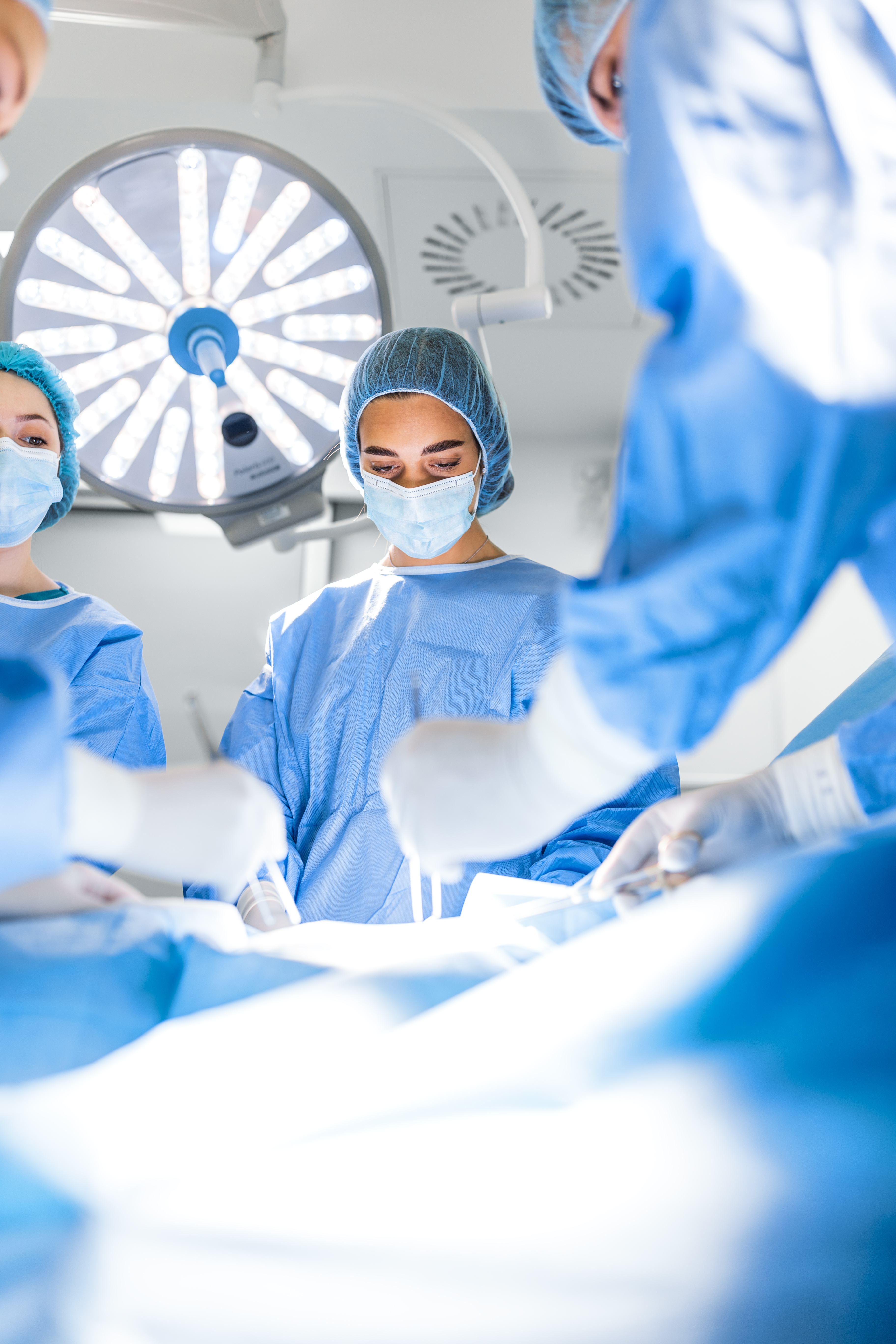
Keeping your skills sharp is essential for your career growth. Engaging with the latest training not only enriches your practice but also positions you as a leader in your field. Imagine being the go-to expert in your area for advanced wound healing. This reputation is built through continuous learning and adopting the best practices. By staying current, you set a standard for excellence that others will follow, enhancing your professional standing and opening new doors in your career.

Innovations in Wound Care

Cutting-edge technologies and solutions are transforming wound care. Let’s dive into two key innovations that are making waves in the industry.

MolecuLight DX Technology

MolecuLight DX revolutionizes how wounds are assessed. This tool provides real-time imaging, helping you identify bacterial hotspots with ease. Visual cues allow for targeted treatment, ensuring more precise outcomes. Imagine reducing complications because you can see what others can’t. This device also facilitates documentation, making your work more efficient. The result? Less guesswork, more informed decisions, and improved patient care.

Triple-Layer Allograft Solutions

Triple-layer allografts represent a breakthrough in scaffold technology. These allografts mimic the body’s natural healing processes, offering a scaffold that promotes tissue regeneration. For wounds that are hard to heal, this solution can make all the difference. You’ll find that using these allografts can speed up recovery time, providing your patients with much-needed relief. They’re not just a treatment; they’re a promise of recovery, approved by both the FDA and AATB for your peace of mind.

Resources for Continued Growth

To stay ahead, tapping into educational resources is key. Fortunately, there are many opportunities to expand your knowledge and skills in wound care.

Healthcare Professional Training Opportunities

Training is essential for keeping up with the latest advancements. Courses and certifications in wound care provide valuable insights and skills. Websites like Skilled Wound Care offer a range of options tailored to your needs. By investing in your education, you not only enhance your practice but also improve patient outcomes. This commitment to learning ensures that you remain at the forefront of your field.

Upcoming Webinars and Events

Webinars and conferences, such as those hosted by HMP Global, are excellent ways to stay informed about the latest trends and innovations. These events offer opportunities to network with industry leaders and peers. You’ll gain insights into new technologies and strategies that can be immediately applied in your practice. Attending these events demonstrates your commitment to excellence and positions you as a forward-thinking professional in wound care.

Essential Wound Care Tips for Healthcare Professionals

Specialty Wound Care | December 14th, 2025


Essential Wound Care Tips for Healthcare Professionals

Wound care challenges demand more than routine steps—they require precise methods and the right tools. As healthcare professionals, you face complex cases that call for advanced wound healing strategies and innovative treatment options. This guide shares essential tips to refine your wound management approach and highlights technologies designed to improve patient outcomes. For more information, you can refer to this resource.

Best Practices in Wound Care

Start by assessing the wound to determine the best care plan. A careful examination can reveal hidden challenges. Here’s how to refine your approach.

Patient Assessment Techniques

Accurate patient assessment is crucial for effective wound care. Begin by observing the wound’s size, depth, and condition. Notice any signs of infection, such as redness or swelling. Use a simple checklist to ensure nothing is overlooked.

  1. Visual Inspection: Look for tissue discoloration and odor.

  2. Palpation: Gently feel for hardness or warmth.

  3. Measurement: Record the wound dimensions regularly.

These steps help you track healing progress. Don’t underestimate the power of a thorough assessment; it sets the foundation for the entire treatment process. Most people think assessing is straightforward, but details make all the difference.

Dressing Selection Guidelines

Choosing the right dressing impacts healing significantly. Match the dressing to the wound type to enhance recovery. Consider moisture levels and the need for protection.

  • Dry Wounds: Opt for hydrogels to maintain moisture.

  • Exudative Wounds: Use foam dressings to absorb excess fluid.

  • Infected Wounds: Antimicrobial dressings are essential.

Selecting the right dressing can reduce healing time. The longer you wait to adjust treatment, the more complicated recovery becomes. Each choice you make directly influences patient outcomes.

Innovative Treatment Options

Technological advancements are reshaping wound care. By integrating the latest tools and methods, you can achieve better results efficiently.

Advanced Testing Methods

Speed is vital in wound care diagnostics. Traditional methods can delay treatment. With advanced testing, you get results faster, guiding precise interventions.

  • Rapid Pathogen Identification: Some methods provide results in hours, not weeks.

  • Sensitivity Testing: Helps tailor antibiotic use to specific bacteria.

These tools empower you to act quickly, preventing complications. Faster diagnostics mean faster healing, a benefit every healthcare professional can appreciate.

MolecuLight DX Technology

This device revolutionizes wound analysis. It offers real-time insights, transforming how you approach treatment. MolecuLight DX enables you to see bacterial presence with clarity.

  • Visual Bacteria Detection: Guides targeted cleaning and debridement.

  • Accurate Measurements: Ensures consistent tracking of wound size.

By using this technology, you gain a deeper understanding of wounds. Most people think typical methods suffice, but advanced tools provide a competitive edge.

Collaborative Approaches for Optimal Outcomes

Working together enhances patient care. Collaborative strategies can lead to superior results in wound management.

Team-Based Care Strategies

Effective wound care involves more than just one person. A team-based approach ensures comprehensive treatment. Involve nurses, doctors, and specialists in planning.

  • Regular Meetings: Discuss patient progress and adjust plans.

  • Shared Protocols: Ensure everyone follows the same guidelines.

Teams can solve problems more efficiently. When you combine expertise, the potential for successful outcomes increases dramatically.

Partnering with Specialty Wound Care Solutions

Partnerships can enhance your practice. Specialty Wound Care offers resources and expertise to support patient care. Collaborate for access to the latest treatments and technologies.

  • Training Sessions: Stay updated with the latest techniques.

  • Resource Sharing: Access cutting-edge equipment and protocols.

By partnering with experts, you improve patient outcomes and expand your knowledge. It’s not just about what you do alone but what you achieve together.

The Future of Pathogen Detection in Wound Management: A New Era of Precision

Specialty Wound Care | December 13th, 2025


The Future of Pathogen Detection in Wound Management: A New Era of Precision

Traditional methods of pathogen detection in wound management often miss critical signs, delaying effective treatment. You know how frustrating it is when infections linger despite your best efforts. Specialty Wound Care’s advanced wound healing technology, including MolecuLight DX, offers precise, rapid identification of pathogens, helping you tailor treatments faster and with greater confidence. Explore how these innovations can improve your patient outcomes and streamline your practice today. Learn more about the advancements in pathogen detection here.

Advancements in Pathogen Detection

The world of wound management is changing. With new tools, identifying pathogens is becoming quicker and more precise. This opens the door to faster treatments and better outcomes.

Cutting-Edge Technologies Unveiled

Imagine having a tool that spots bacteria in a wound instantly. That’s what modern technology offers. New devices can highlight harmful bacteria, allowing you to act before problems grow. In a study, 90% of infections were identified faster with these tools. Learn more about this technology here. This means less time guessing and more time healing. Most people think traditional methods are enough, but these innovations change the game by reducing guesswork and improving accuracy.

Role of MolecuLight DX in Detection

MolecuLight DX is at the forefront. This gadget shows you where bacteria hide using light. You can see problem areas in real time. Here’s the key insight: with MolecuLight DX, you get precise images that guide your decisions. Studies show that using this tool cuts down treatment time significantly. Consider a scenario where you spot trouble early and adjust care immediately. It’s a game-changer for patient care. See how MolecuLight DX is transforming wound care.

Precision in Wound Management

Precision isn’t just a buzzword; it’s essential. Early detection means early intervention, leading to better healing and fewer complications.

Benefits of Early Pathogen Identification

The sooner you find the pathogen, the better. Early identification lets you choose the right treatment from the start. This reduces the risk of spreading infection. You might think waiting is okay, but acting quickly changes everything. 70% of treated wounds improved with early detection methods. By using advanced tools, you ensure the best care for your patients. Don’t wait until it’s too late to make a difference.

Impact on Treatment Strategies

When you know what you’re dealing with, your strategy changes. You can tailor treatments specifically to the infection type. This targeted approach improves healing rates and reduces hospital stays. In fact, studies show targeted treatments reduce complications by 30%. Think of it like a master key opening a locked door. You use the right key, and healing happens more smoothly. Explore more about tailored treatment approaches here.

Future Trends in Wound Care

What’s next in wound care? The future is bright with technology leading the way. You’ll see rapid innovations that will redefine patient care standards.

Embracing Advanced Wound Care Solutions

The future of wound care is here. By adopting new technologies, you provide superior care. Imagine using artificial intelligence to predict healing times or new dressings that adapt as wounds heal. These solutions mean quicker recoveries and fewer setbacks. Discover how AI is shaping wound management.

Specialty Wound Care’s Role in Innovation

Specialty Wound Care is a leader in this field. By integrating advanced tools and methods, they set new standards. Their approach combines science with care, ensuring the best outcomes. When you partner with them, you gain cutting-edge support and expertise. This collaboration means you’re not alone in your mission to provide exceptional care. Join the journey to revolutionize wound management and see the difference it makes in patient recovery.
Unveiling the Healing Power of Triple-Layer Allografts for Challenging Wounds

Specialty Wound Care | December 12th, 2025


Unveiling the Healing Power of Triple-Layer Allografts for Challenging Wounds

Hard-to-treat wounds demand more than standard care—they need targeted solutions proven to work. Triple-layer allografts offer a unique approach by supporting faster tissue regeneration and reducing infection risks. In this post, you’ll learn how Specialty Wound Care’s advanced wound care strategies make a real difference in healing challenging wounds. Learn more here.

Benefits of Triple-Layer Allografts

Discover how triple-layer allografts bring significant advantages to wound healing. They are crafted to support rapid tissue repair and reduce infection risks, making them a powerful tool in advanced wound care.

Rapid Tissue Regeneration

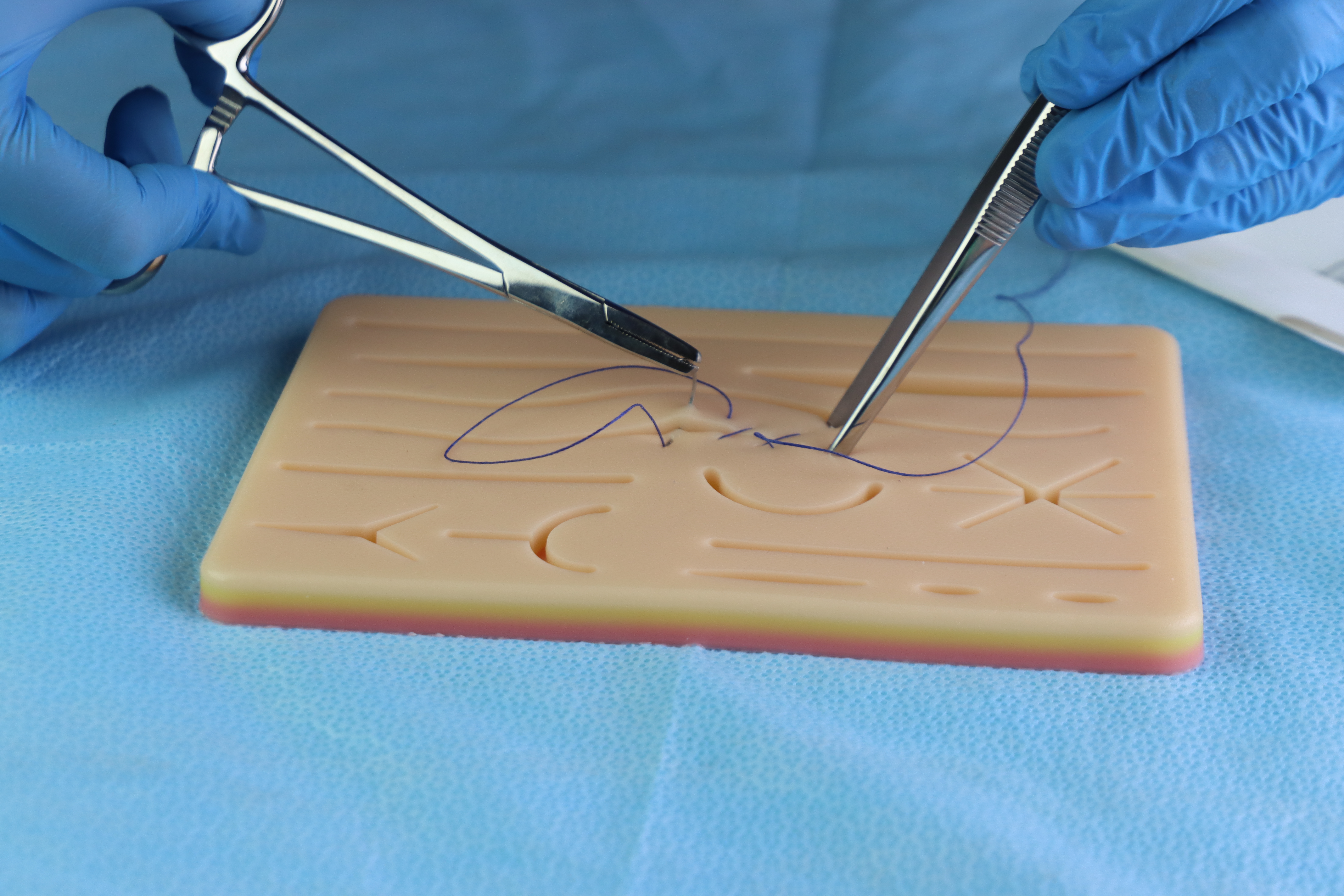
Imagine a healing solution that speeds up tissue repair. That’s what triple-layer allografts offer. These allografts contain a dehydrated extracellular matrix that acts as a scaffold, guiding the native tissue to regenerate faster than traditional methods. This means your wounds could heal in a fraction of the time you might expect.

The structure of these allografts is like a biological bridge. It connects the gap in the wound, allowing new cells to grow effectively. This process not only speeds up recovery but also reduces the chances of complications during healing. For those dealing with chronic wounds, this is a game-changer.

Reduced Infection Risk

Infections can derail recovery. Triple-layer allografts help lower this risk. Their unique design creates a barrier against bacterial invasion, providing a cleaner environment for healing.

The allograft’s natural properties support your body’s defense mechanisms. By minimizing bacterial growth, they offer a protective shield that allows the wound to heal without the fear of infection. This reduces hospital stays and the need for antibiotics, leading to better overall outcomes.

Addressing Hard-to-Treat Wounds

Tackling challenging wounds requires an understanding of their complexities. This section delves into what makes certain wounds hard to treat and how effective strategies can make a difference.

Understanding Challenging Wound Types

Not all wounds are the same. Some are stubborn and refuse to heal easily. These may include diabetic ulcers, pressure sores, and venous ulcers. Each type comes with its own set of challenges, requiring specialized care and attention.

Challenging wounds often occur due to poor blood flow or underlying health issues. They need more than basic care; they demand tailored solutions that address their specific needs. Recognizing these differences is the first step in effective treatment.

Effective Treatment Strategies

Here’s the key insight: effective treatment starts with a thorough assessment. Identifying the wound type and understanding its root cause is crucial. Once that’s clear, targeted therapies like triple-layer allografts come into play.

These advanced solutions are designed to address the specific needs of hard-to-treat wounds. By focusing on reducing infection risk and promoting rapid healing, they offer a comprehensive approach that traditional methods might lack. This ensures that even the toughest wounds can heal effectively.

Specialty Wound Care Solutions

Specialty Wound Care provides a full range of products and solutions designed to support healing. By partnering with healthcare providers, they offer enhanced outcomes for even the most challenging cases.

Comprehensive Product Range

Specialty Wound Care is committed to offering cutting-edge solutions. Their product range includes everything from advanced testing methods to innovative wound care tools like the MolecuLight DX. Each product is designed with precision to tackle specific wound care challenges.

By using advanced technology, these products deliver precise results. For instance, thanks to tools like the MolecuLight DX, healthcare providers can make informed decisions about wound care, ensuring that treatment is effective and efficient.

Partnering for Enhanced Outcomes

Collaboration is at the heart of Specialty Wound Care. By working closely with healthcare providers, they ensure that patients receive the best possible care. This partnership approach not only enhances outcomes but also fosters innovation in wound care practices.

Most people think they need to navigate wound care alone, but Specialty Wound Care proves otherwise. By partnering with them, you gain access to a network of experts dedicated to improving patient recovery. The longer you wait, the longer it takes to heal. Start exploring these advanced solutions today and take the first step toward better healing outcomes.

For more detailed insights into wound care advancements, check this comprehensive resource.

Facebook
Instagram
LinkedIn
SOCIALICON
Youtube
X (Twitter)
Bluesky