Category: Uncategorized

Early Identification and Management of Chronic Wounds: A Clinical Guide

Specialty Wound Care | January 1st, 2026


Early Identification and Management of Chronic Wounds: A Clinical Guide

Chronic wounds demand attention before complications arise. Delayed wound management often leads to prolonged healing and greater patient risks. This clinical guide highlights key steps for early identification and effective treatment, featuring tools like MolecuLight DX and the triple-layer allograft to improve patient outcomes. Keep reading to strengthen your approach to advanced wound care and make a real difference in your patients’ recovery. For further insights, feel free to refer to this resource on wound care guidelines.

Importance of Early Identification

Understanding the significance of identifying chronic wounds early can save lives and prevent complications. Spotting these wounds in their initial stages allows for timely intervention.

Recognizing Chronic Wounds

Identifying chronic wounds requires keen observation. These wounds often linger beyond the usual healing time, typically over four weeks. They resist standard treatments and may show no signs of progress. Knowing the type of wound you are dealing with is crucial. Common chronic wounds include diabetic foot ulcers, pressure ulcers, and venous leg ulcers. Each demands a tailored treatment approach.

Signs and Symptoms to Watch

Look for persistent redness, swelling, and foul odor. These are red flags indicating infection or stalled healing. Pain levels that don’t decrease can also be a concern. Document any changes or lack of improvement. This data helps in determining the next steps in management. For a detailed guide on treatment, refer to the Pocket Guide on Wound Treatment.

Role of Early Detection in Healing

Early detection plays a pivotal role in speeding up recovery. Intervening early minimizes the risk of complications such as infections. Quick action can significantly reduce the overall healing time and improve outcomes. Most people think waiting for natural healing is enough, but timely action is essential.

Advanced Management Techniques
Once chronic wounds are identified, advanced techniques can aid in effective management. Leveraging modern tools and methods ensures better results for patients.

Utilizing MolecuLight DX

MolecuLight DX is a game-changer in wound management. This tool helps visualize bacterial presence in wounds, guiding precise interventions. With its real-time imaging, it allows for targeted debridement and treatment. Imagine having a clear roadmap to tackle infection effectively.

Benefits of Triple-Layer Allograft

The triple-layer allograft offers unmatched healing support. It serves as a scaffold promoting tissue repair while being compliant with FDA standards. This allograft accelerates healing by fostering a conducive environment for wound closure. Incorporating it into your practice could transform patient outcomes.

Integrating Specialty Wound Care Solutions

Specialty Wound Care solutions provide a comprehensive approach. These solutions incorporate cutting-edge technologies and personalized care strategies. By partnering with providers, they ensure the highest standard of wound care. Discover more about integrating solutions by exploring this comprehensive guide.

Enhancing Patient Outcomes
Implementing advanced techniques and early detection methods is only part of the equation. Consistent and holistic practices are vital in enhancing overall patient recovery.

Comprehensive Wound Care Practices

Comprehensive care involves more than treatments; it includes patient education and follow-up. Keeping patients informed about their care plan promotes better adherence. Regular monitoring and documenting progress provide insights into treatment efficacy. For further reading, consult the American Family Physician’s article on managing chronic wounds.

Collaborating for Better Results

Collaboration is key in wound care. Working with multidisciplinary teams enriches the treatment process. It opens up avenues for sharing knowledge and resources. Building a network with other professionals creates a support system that enhances patient care.

Continuous Education and Training

Stay updated with the latest in wound care by pursuing ongoing education. Regular training ensures that you are equipped with the latest techniques and information. This commitment to learning fosters better patient outcomes and professional growth. Unlock the potential of your practice by dedicating time to learning and application.

In conclusion, early identification and advanced management of chronic wounds are crucial in improving patient outcomes. By integrating modern tools and maintaining comprehensive care practices, healthcare professionals can make significant strides in patient recovery. Remember, the longer you wait, the harder it becomes to treat these wounds effectively. Stay proactive in your approach to wound care.

Visit now

Revolutionizing Wound Care: The Latest Innovations in Wound Imaging and Their Clinical Benefits

Specialty Wound Care | December 30th, 2025


Revolutionizing Wound Care: The Latest Innovations in Wound Imaging and Their Clinical Benefits

Forget everything you know about wound assessment technology. Traditional methods often miss critical details that delay healing and complicate treatment. With advanced wound imaging tools like the MolecuLight DX, you gain clearer insights that improve accuracy and patient outcomes. Let’s explore how these wound care innovations bring real clinical benefits to your practice and your patients. Learn more about these advancements here.

Breakthroughs in Wound Imaging

In the world of wound care, technology is reshaping how professionals approach treatment. The latest advancements in imaging tools offer new ways to assess and treat wounds, making a significant impact on patient care.

Advanced Wound Imaging Technologies

When it comes to wound evaluation, seeing deeper than the surface matters. Advanced imaging technologies provide just that. These tools offer precise visuals that unveil hidden details, allowing you to make informed decisions. For example, MolecuLight DX captures images that highlight bacteria presence, which is crucial in tailoring treatment plans.

These innovations are not just about better images. They also mean faster assessments. By using cutting-edge devices, healthcare professionals can reduce the time needed to evaluate wounds. This efficiency leads to quicker interventions, ultimately improving patient recovery times. Hence, integrating such technology into practice could be a game-changer for your patients.

Clinical Benefits of Imaging Innovations

So, what does this mean for your clinical outcomes? With advanced imaging, you gain a clearer understanding of wound conditions. This insight allows you to customize treatment plans effectively. Studies indicate that using imaging tools can increase healing rates by up to 40%. Imagine the difference that makes in patient satisfaction and confidence in your care.

Moreover, these technologies support better documentation. Accurate records are essential for tracking progress and ensuring continuity of care. By utilizing detailed imaging, you enhance communication among healthcare teams, ensuring everyone is on the same page. This collaborative approach not only boosts morale but also streamlines the treatment process.

MolecuLight DX: A Game-Changer

The MolecuLight DX has emerged as a pivotal tool in wound care. Its introduction is transforming how professionals assess and treat wounds, offering tangible benefits in clinical settings.

Enhancing Wound Assessment Accuracy

The accuracy of the MolecuLight DX is unmatched. Utilizing fluorescence imaging, it reveals bacteria that are invisible to the naked eye. This feature is not just a gimmick; it directly impacts treatment outcomes. By precisely identifying infection sites, you can target interventions that reduce complications and promote faster healing.

Another advantage is its simplicity. Easy-to-use interfaces mean you spend less time learning how to operate the device and more time focusing on patient care. You don’t need to be a tech expert to harness its capabilities, making it an accessible tool for all healthcare providers striving to improve wound management.

Improving Treatment Outcomes

When you have a clear picture of what you are dealing with, outcomes improve. By using MolecuLight DX, you can track wound progress with precision. This tool aids in monitoring how wounds respond to treatment, ensuring interventions are effective and timely.

The impact is profound. In clinical studies, incorporating such imaging technology has shown to reduce healing times significantly. Faster recovery not only benefits the patient but also reduces the strain on healthcare resources. Less time in care means more availability for others needing attention, making your practice more efficient and responsive.

Transforming Wound Care Practices

With these advancements, wound care practices are experiencing a transformation. Incorporating imaging technology into your clinical routine can redefine patient interactions and treatment effectiveness.

Integrating Imaging in Clinical Settings

So, how do you bring this technology into your practice? Begin by considering the workflow. Integration should be seamless, ensuring no disruption to your current processes. Training is also essential. Equip your team with the knowledge to use these tools effectively, maximizing their potential.

Moreover, partnerships can enhance your capabilities. Collaborate with experts in imaging solutions to ensure you’re getting the best from your investment. This cooperation fosters a learning environment where your team can continually improve and adapt to new innovations in wound care.

Specialty Wound Care’s Expertise in Action

Specialty Wound Care stands at the forefront of these innovations. By focusing on cutting-edge technologies, they offer unmatched expertise in wound management. Their approach combines the latest tools with professional know-how, ensuring that patients receive optimal care.

The longer you wait to adopt these technologies, the more you risk falling behind. Specialty Wound Care’s commitment to staying ahead means they provide solutions that not only meet current needs but also anticipate future challenges. By partnering with them, you ensure your practice delivers the best possible outcomes for your patients.

For more insights into how imaging technology is revolutionizing wound care, visit this link.

Visit now

Innovative Engagement Strategies

Specialty Wound Care | December 29th, 2025


Advanced Wound Care Technology: How It Improves Patient Outcomes

Most wound care efforts miss a crucial step: connecting with patients in a way that truly motivates them. Without strong patient engagement, even the best wound care technology falls short. This post breaks down how collaborative strategies paired with smart marketing can turn wound care advancements into real improvements in healing rates. For more insights, visit this article.

Cutting-Edge Wound Care Technology

Ready to dive into how new technology is reshaping wound care? Let’s explore the latest breakthroughs making waves in treatment.

Latest Advancements in Treatment

New developments in wound care technology are transforming how wounds are treated today. From MolecuLight DX devices to triple-layer allografts, these tools offer precise assessments and tailored interventions. MolecuLight DX, for instance, helps identify bacterial loads, ensuring targeted cleaning and treatment. This level of precision means faster healing and fewer complications.

Triple-layer allografts are another game-changer. Designed for optimal support, they provide a scaffold for new tissue growth, reducing recovery time. With these tools, healthcare providers can offer more effective care tailored to each patient’s needs. Such precision translates to fewer infections and quicker recoveries, helping you get back to your life sooner.

These advancements are not just about technology but also about enhancing care quality. By integrating these tools into practice, healthcare professionals can offer more personalized and efficient treatment options, leading to improved patient outcomes.

Impact on Improving Wound Outcomes

How does this technology impact healing? Simply put, it boosts success rates. With advanced tools, wounds that are tough to treat now have better solutions. In fact, studies show that using such technology can reduce healing times significantly.

For example, when the right technology is used, infections drop by as much as 50%. This is not just a number; it’s a testament to the power of integrating cutting-edge tools in medical care. The improved healing process also means fewer hospital visits and less time off your feet, which is a relief for many.

The longer you wait to adopt these innovations, the more challenging it becomes to manage complex cases. These advancements are setting new standards, pushing towards an era where faster, more effective healing is the norm. Check out this article for more information on recent research in wound care.

Enhancing Patient Engagement

Technology is just one part of the puzzle. Engaging patients and collaborating effectively is equally important. Let’s look at how working together can improve outcomes.

Collaborative Strategies with Patients

The key to successful wound care lies in your engagement. By actively involving you in the treatment process, healthcare providers can tailor strategies that work best for your specific situation. This collaboration means you’re more likely to follow through with treatment plans.

Here’s the key insight: when you and your healthcare provider work together, healing often happens faster. This partnership could involve regular check-ins or using apps that track progress. It’s about making sure you’re informed and motivated every step of the way.

Most people think wound care is just about medical treatment, but it’s also about understanding and support. By teaming up with providers, you’re not just a patient; you’re a partner in your healing journey.

Role of Innovative Marketing in Healthcare

Marketing in healthcare? Absolutely. Innovative marketing strategies play a crucial role in patient education and engagement. By using clear communication and relatable content, healthcare providers can better inform you about your options.

Campaigns that focus on real stories and outcomes help demystify the process. When you see how others have benefited, it builds trust and motivation. This approach encourages you to engage more deeply with your care.

The healthcare landscape is changing, and so is the way information is shared. You deserve to know all your options, and effective marketing ensures that you’re informed and ready to take charge of your healing journey. For more on how marketing impacts healthcare, read this article.

Benefits of Advanced Wound Care Solutions

Now, let’s explore the direct benefits these advanced solutions bring to the table. It’s more than just healing; it’s about comprehensive care.

Effective Techniques for Hard-to-Heal Wounds

Dealing with stubborn wounds can be frustrating, but advanced techniques offer hope. By employing methods like specialized testing and tailored dressings, healing is expedited. Pathogen identification is quicker, allowing for precise interventions.

Consider this: traditional methods might take weeks to identify issues, but with these advanced solutions, you can see results in days. This speed is crucial for preventing complications and ensuring a smooth recovery.

These methods offer a lifeline for those struggling with chronic wounds. With the right approach, healing is not just possible; it’s probable. This distinction is crucial in moving from managing wounds to effectively treating them.

Partnering with Specialty Wound Care Providers

Wondering how to get started with these advanced solutions? Partnering with specialty wound care providers is key. These experts bring a wealth of knowledge and state-of-the-art technology to the table, ensuring you receive top-notch care.

By collaborating with these providers, you gain access to the latest treatments and strategies, customized to fit your needs. This partnership means you’re not alone on your healing journey. Instead, you have a team dedicated to helping you achieve the best possible outcomes.

At the end of the day, it’s about finding the right support. By aligning with specialty providers, you ensure your care is comprehensive and cutting-edge, paving the way for a healthier future. Explore more about future innovations here.

In conclusion, the combination of advanced technology and patient engagement is transforming wound care. By staying informed and partnering with the right providers, you can achieve remarkable healing results.

Visit now

Empowering Wound Care: Harnessing Technology for Enhanced Healing Outcomes

Specialty Wound Care | December 29th, 2025


Empowering Wound Care: Harnessing Technology for Enhanced Healing Outcomes

Wound care technology has changed how you approach stubborn wounds, yet many providers still rely on outdated methods. Specialty Wound Care offers tools like the MolecuLight DX and triple-layer allografts that give you clearer insights and better healing results. In this post, you’ll learn how these wound management solutions can improve your patient outcomes and modernize your practice. For more insights on technology in wound care, visit this article.

Technological Advancements in Wound Care

With the rapid pace of medical advancements, wound care is entering a new era of precision and effectiveness. Let’s explore some groundbreaking tools reshaping the field.

MolecuLight DX for Precise Analysis

Imagine seeing what’s lurking beneath the surface of a wound. MolecuLight DX offers that vision. This technology gives you a clear view of bacterial presence, which ordinary eyes miss. By using fluorescence imaging, you can detect and quantify bacteria easily. This tool not only helps in identifying problem areas but also in tracking healing progress over time. Many practitioners find that this technology enhances decision-making, guiding more effective treatments. With MolecuLight DX, you reduce guesswork and increase precision. This means better care and quicker healing for your patients, which is a win for everyone.

Triple-Layer Allograft Benefits

When wounds are stubborn, you need a robust solution. Triple-layer allografts provide a unique scaffold that supports healing. These allografts mimic natural skin layers, offering excellent protection and promoting tissue regeneration. Complying with FDA standards, they are safe and effective. Using these allografts can shorten recovery times, providing patients with the relief they need sooner. As a healthcare provider, you gain a reliable tool that integrates seamlessly into your treatment plans. This allows you to offer cutting-edge care that keeps you ahead in the field of wound management.

Advanced Pathogen Testing Methods

Identifying the right pathogen is crucial for effective treatment. Traditional methods can be slow. But with advanced testing, you identify pathogens much faster. This allows for timely interventions, curbing the spread of infections. Quick identification means starting the right treatment sooner, which can be life-saving in some cases. Not only does this improve patient outcomes, but it also enhances your practice’s efficiency. By leveraging these testing methods, you ensure that your patients receive the best care possible, positioning your practice as a leader in advanced wound management.

Enhancing Patient Outcomes with Technology

By embracing technology, you improve patient outcomes significantly. Let’s dive into how these advancements directly benefit your practice and patients.

Improved Healing through Innovation

Innovative solutions provide measurable improvements in recovery rates. For example, using MolecuLight DX has resulted in faster healing in 60% of cases, according to recent studies. These tools allow you to tailor treatments to individual needs, increasing effectiveness. Patients benefit from reduced recovery times, and you gain satisfaction in providing superior care. By staying updated with technological advancements, you keep your practice at the forefront of medical care. This not only enhances patient trust but also solidifies your reputation as an innovator in wound care.

Tailored Wound Management Solutions

Every wound is unique, and so should be its treatment. Tailoring solutions to the specific needs of each patient leads to better outcomes. Using advanced tools like the triple-layer allograft provides the flexibility you need. These tools enable you to address various wound types effectively. By customizing care, you enhance patient satisfaction and outcomes. This approach not only improves healing but also strengthens patient-provider relationships. It’s about providing care that meets individual needs, which makes all the difference.

Access to Cutting-Edge Training Resources

Keeping up with new technology is vital. Specialty Wound Care provides access to training resources that ensure you stay ahead. These resources help you integrate new tools smoothly into your practice. With proper training, you utilize technology to its full potential, benefiting both you and your patients. By being knowledgeable, you increase your practice’s credibility and patient trust. Embracing these resources enhances your skills and keeps you at the cutting edge of wound care technology.

Visit now

Mastering Moisture: Key to Chronic Wound Healing

Specialty Wound Care | December 29th, 2025


Mastering Moisture: Key to Chronic Wound Healing

Moisture management is often overlooked but plays a critical role in chronic wound care. Without precise control, wounds can stall, leading to longer healing times and higher risks of complications. In this post, you’ll learn how Specialty Wound Care’s advanced wound treatment technology creates the ideal environment for healing, offering new hope for patients and providers alike. Learn more here.

Importance of Moisture Management

Understanding moisture’s role is crucial for anyone dealing with chronic wounds. By maintaining the right moisture level, you ensure optimal conditions for healing, reducing risks and enhancing recovery. Let’s explore how this works in wound care.

Understanding Chronic Wound Care

Chronic wounds are persistent and can lead to severe complications if not managed properly. Often, they result from conditions like diabetes or poor circulation. In these cases, the skin’s ability to repair itself is compromised. This is where moisture management becomes vital. By keeping wounds moist, you promote new tissue formation and prevent cells from drying out. But beware, too much moisture can cause maceration, delaying healing. It’s about finding that perfect balance.

Impact on Healing Outcomes

Why does moisture matter so much? A study from the National Institute of Health found that moist wounds heal faster compared to dry ones. This environment supports new cell growth and reduces pain. Moisture also acts as a barrier against infection. By controlling the wound’s environment, you can significantly improve healing outcomes. But remember, it’s not just about speed; it’s about quality. Effective moisture management leads to better-looking scars and fewer complications.

Advanced Solutions for Wound Healing

As we delve deeper, modern technology offers promising solutions for managing wound moisture effectively. Specialty Wound Care provides cutting-edge innovations that transform how we approach healing.

Specialty Wound Care Innovations

At Specialty Wound Care, innovation is at the heart of everything. They’ve developed advanced technologies designed to provide the ideal healing environment. One key tool is the MolecuLight DX. This device offers precise analysis, allowing you to tailor treatments effectively. By illuminating bacterial presence, you can target your approach, ensuring nothing is left unchecked. It’s these innovations that set Specialty Wound Care apart.

Role of Advanced Dressings

Advanced dressings are game-changers in wound care. They’re not just bandages; they create a protective barrier while maintaining optimal moisture. These dressings, like hydrocolloids and foams, adjust to wound needs. They absorb excess fluid yet keep the area hydrated. This Woundsource article explains why choosing the right dressing matters. With Specialty Wound Care’s products, you’re equipped with top-tier solutions that enhance healing and patient comfort.

Effective Wound Treatment Techniques

Effective treatment requires the right tools and techniques. Specialty Wound Care offers solutions that empower healthcare providers to achieve the best outcomes possible.

Precise Wound Assessment Tools

Accurate assessment is the foundation of effective treatment. Specialty Wound Care provides tools like the MolecuLight DX, which offers unparalleled accuracy in wound evaluation. It highlights areas of concern, allowing you to focus treatment precisely where needed. This technology supports informed decision-making, ensuring you address every aspect of the wound environment. By utilizing these tools, you enhance your ability to deliver effective care.

Benefits of Specialty Wound Care Products

Specialty Wound Care products are designed to meet the complex needs of chronic wounds. Their triple-layer allograft, for instance, promotes faster healing by providing essential support to new tissues. These products are FDA-compliant, ensuring safety and efficacy. Users report not only quicker healing times but also improved patient satisfaction. With these products, you’re not just treating wounds; you’re enhancing lives. By adopting these innovative solutions, you join a community dedicated to advancing wound care standards. For more detailed insights, check out this study on moist wound healing.

In conclusion, mastering moisture management transforms chronic wound care. Specialty Wound Care’s advanced solutions empower you to deliver exceptional results. By embracing these innovations, you enhance patient outcomes and elevate care standards.

Visit now

The Vital Role of Nutrition in Wound Healing: Essential Nutrients and Dietary Tips

Primus Healthcare | December 28th, 2025


The Vital Role of Nutrition in Wound Healing: Essential Nutrients and Dietary Tips

Wound healing depends on more than just medical treatment—it hinges on nutrition and wounds receiving the right support from within. Many healthcare professionals and patients overlook how essential nutrients for wounds can speed recovery or prevent complications. In this post, you’ll find clear dietary tips for healing that complement advanced wound care solutions. Read on to learn how proper nutrition can become a powerful tool in your wound management strategy.

Importance of Nutrition in Wound Healing

Understanding the intricate link between nutrition and healing can change your approach to wound management. Proper care not only relies on treatments but also on how well your body is nourished.

Understanding Nutrition and Wounds

Your body needs the right nutrients to heal wounds efficiently. Imagine trying to build a house without bricks—nutrients are the foundational blocks your body uses. For example, proteins supply the building materials for new tissue, while vitamins like C and E act as protective shields against further damage. A study highlights how deficiencies can delay healing by up to 50%. (source)

Most people think wound care ends at dressings and medications, but your diet plays an essential role too. By including the right foods, you enhance your body’s natural ability to repair itself. So, are you ready to discover how to fuel your body for optimal recovery?

Key Role of Essential Nutrients

Essential nutrients work like a well-oiled machine, each part contributing to the healing process. Proteins, vitamins, and minerals all play unique roles. For instance, zinc helps reduce inflammation, while vitamin A accelerates skin regrowth. Did you know? Zinc deficiency can prolong healing by up to 40%. This is why understanding what your body needs can prevent setbacks.

Many assume that supplements are the go-to solution, but a balanced diet can provide what you need. In the upcoming sections, you’ll learn which nutrients are crucial and how to incorporate them effectively.

Essential Nutrients for Optimal Healing

Knowing which nutrients to focus on can fast-track your recovery. Let’s explore proteins, amino acids, vitamins, and minerals.

Proteins and Amino Acids

Proteins are the body’s main building blocks, especially in wound healing. They help repair tissues and produce new skin cells. Think of them as the construction crew for your body. Amino acids, the smaller units of proteins, are equally vital. They aid in collagen formation, which is crucial for skin strength.

Eating a diet rich in lean meats, fish, or plant-based proteins like beans and lentils can provide these essential nutrients. Aim for 1.2 to 2.0 grams of protein per kilogram of body weight daily. This intake supports wound healing efficiently. Many people are surprised to learn that protein needs increase during recovery, but this is your body’s way of demanding more resources to get the job done.

Vitamins and Minerals

Vitamins and minerals are like the unsung heroes of wound healing. They provide the necessary support to keep the process smooth. Vitamin C is a powerful antioxidant that promotes collagen synthesis, while vitamin A accelerates cell regeneration. Research has shown that vitamin C intake can reduce healing time by 20% (source).

Minerals like zinc and iron also play critical roles. Zinc supports immune function, and iron ensures oxygen transportation to the wound site. To cover these needs, consider incorporating citrus fruits, leafy greens, nuts, and seeds into your meals. It’s a common misconception that pills are needed; however, a well-planned diet can be equally effective.

Dietary Tips for Healing Wounds

Transitioning to a nutrient-rich diet doesn’t have to be complicated. Here are some actionable strategies to enhance your healing journey.

Creating a Balanced Meal Plan

A balanced meal plan is your blueprint for effective recovery. Start by including a variety of nutrients in each meal. Here’s a simple approach:

  1. Proteins: Include lean meats, fish, or legumes.

  2. Fruits and Vegetables: Ensure a colorful variety for essential vitamins.

  3. Whole Grains: Opt for whole wheat or brown rice for fiber.

Meal planning can help you stay consistent and ensure you’re meeting your nutritional needs. Most people underestimate the power of a good meal plan, but it can make all the difference.

Hydration and Its Impact on Recovery

Hydration is often overlooked in wound healing, yet it’s crucial. Water helps transport nutrients to your cells and flushes out toxins. Did you know? Staying hydrated can reduce recovery time by up to 30% (source).

Aim for at least 8-10 glasses of water daily. If water isn’t your favorite, herbal teas or infused waters can be excellent alternatives. The longer you wait to prioritize hydration, the more you delay your healing. So, grab that glass of water!

Conclusion

Nutrition is a vital component in wound healing. By understanding which nutrients are essential and how to include them in your diet, you empower your body to heal faster and more effectively. Remember, it’s not just about food; it’s about giving your body the right tools to recover.

Visit now

Integrating Triple-Layer Allografts: Revolutionizing Wound Healing

Primus Healthcare | December 27th, 2025


Integrating Triple-Layer Allografts: Revolutionizing Wound Healing

Forget everything you know about wound healing. Traditional treatments often fall short with complex wounds, leaving patients and providers frustrated. The triple-layer allograft from Specialty Wound Care offers a new path—FDA-compliant and designed to support faster tissue regeneration and better outcomes. Keep reading to see how this advanced wound care solution can change your practice and your patients’ recovery. [https://www.mdpi.com/1422-0067/26/7/3406]

Understanding Triple-Layer Allografts

In wound care, finding the right solution is crucial for both patient satisfaction and recovery. Triple-layer allografts are stepping up as a promising option, capturing the attention of healthcare providers.

What Are Triple-Layer Allografts?

Triple-layer allografts are specialized grafts designed to aid in wound healing. They consist of three distinct layers, each with a unique function to support tissue regeneration. These layers work together to create a supportive environment for healing.

Here’s how it works: The outer layer provides a protective barrier, safeguarding the wound from external elements. The middle layer, rich in biological components, promotes cell growth and tissue repair. Finally, the inner layer ensures optimal moisture balance, which is essential for effective healing. This structure not only facilitates healing but also reduces the risk of complications.

To fully understand the impact of these allografts, consider how they improve patient outcomes. With faster healing, patients experience less discomfort and reduced recovery time, making them a vital tool in advanced wound care.

How They Enhance Wound Healing

When it comes to healing, the benefits of triple-layer allografts are clear. They provide a robust framework that accelerates the healing process. By creating a scaffold for new tissue, these allografts help wounds close more efficiently.

Patients using triple-layer allografts often report quicker recovery times. This is because the grafts maintain an optimal environment for cell regeneration. The allograft’s structure supports natural healing processes, reducing the need for additional interventions.

Moreover, triple-layer allografts are versatile. They can be used for various wound types, from diabetic ulcers to surgical wounds. Their adaptability makes them a valuable asset in any wound care practice.

By incorporating triple-layer allografts, healthcare providers can offer solutions that not only heal but also enhance the quality of life for their patients.

Benefits of Triple-Layer Allografts

The next step in understanding these advanced solutions is recognizing their benefits. From improving patient outcomes to meeting regulatory standards, triple-layer allografts are a game-changer in wound care.

Improved Patient Outcomes

The primary goal in wound care is to ensure that patients recover fully and swiftly. Triple-layer allografts play a significant role in achieving this. With faster healing times, patients are less likely to experience complications. This leads to a reduction in hospital readmissions and an overall improvement in quality of life.

Statistics show that wounds treated with allografts heal up to 50% faster compared to traditional methods. This speed not only benefits patients but also reduces the burden on healthcare systems.

Patients often feel empowered, knowing they have access to cutting-edge treatments that prioritize their health and recovery. The peace of mind that comes from using proven solutions can make a world of difference in patient satisfaction.

Compliance with FDA Regulations

Ensuring treatments adhere to regulations is critical in healthcare. Triple-layer allografts are designed with compliance in mind. They meet all FDA guidelines, providing reassurance to both patients and providers.

Using FDA-compliant products means adhering to high standards of safety and efficacy. This reduces risks of adverse reactions and ensures that only the best materials are used in patient care.

For healthcare providers, using regulated products streamlines processes and minimizes liability. It also enhances trust, as patients feel secure knowing their treatment meets stringent safety standards.

By integrating compliant allografts, you not only improve patient care but also uphold the integrity of your practice.

Applying Allografts in Wound Care

Exploring how to implement these solutions in your practice is essential. Discover how advanced wound management and expert support can elevate your care offerings.

Advanced Wound Management Solutions

Managing wounds effectively requires the right tools and techniques. Triple-layer allografts provide an innovative approach to wound care, offering solutions that are both effective and adaptable.

These allografts are easy to apply and integrate well with existing treatment protocols. This makes them an ideal choice for healthcare providers looking to enhance their wound management strategies.

By incorporating these solutions, providers can address a wider range of wound types. Whether dealing with chronic ulcers or post-operative wounds, allografts provide a versatile option that meets diverse needs.

The longer you wait to adopt advanced solutions, the more you miss out on improving patient outcomes. Consider making the switch to advanced allografts for a more comprehensive approach to wound care.

Specialty Wound Care Expertise 🩹

Partnering with experts in wound care can significantly enhance treatment outcomes. Specialty Wound Care offers unparalleled expertise and support to healthcare providers.

Our team specializes in integrating cutting-edge technology and treatments into existing practices. By working with us, you gain access to the latest in wound management innovations, including the triple-layer allograft.

Most people think they need to manage everything on their own, but collaboration with specialists can transform your practice. We offer training, resources, and ongoing support to ensure that you and your patients achieve the best possible outcomes.

By leveraging our expertise, you not only improve patient care but also position your practice as a leader in advanced wound management. Ready to explore the possibilities? Reach out to us and start transforming your wound care today.

Visit now

Integrating Cutting-Edge Allograft Therapies into Clinical Practice: A Comprehensive Guide

Primus Healthcare | December 26th, 2025


Integrating Cutting-Edge Allograft Therapies into Clinical Practice: A Comprehensive Guide

You’ve seen how stubborn wounds challenge even the best care teams. Traditional methods often fall short, leaving patients at risk and providers searching for better options. Integrating advanced allograft therapies into your clinical practice offers a powerful approach to improve healing rates and patient outcomes. This guide will walk you through practical steps to adopt these wound healing solutions with confidence. For further insights, explore this related article: [https://www.sciencedirect.com/science/article/pii/S8756328224002023].

Understanding Allograft Therapies

To tackle complex wounds effectively, it’s crucial to grasp the role of allograft therapies in wound care. Let’s delve into their benefits and types, setting the stage for successful integration into your practice.

Benefits of Allograft Therapies

Allograft therapies provide a natural scaffold that supports wound healing. These therapies are not just about filling gaps; they create an environment conducive to cell growth and tissue repair. For instance, using allografts can reduce healing time by up to 30%, allowing patients to recover more swiftly. Imagine offering your patients quicker relief and improved outcomes. This isn’t just about healing; it’s about enhancing overall quality of care.

Additionally, allografts are sourced from donors and undergo rigorous screening, ensuring safety and efficacy. This means you can trust in the reliability of the materials you’re using. By integrating these therapies, you can address wounds that seem resistant to traditional treatments, giving hope where it might have been lost.

Types of Allografts in Wound Care

Several allografts serve different wound care needs. Amniotic membrane allografts offer anti-inflammatory properties and promote re-epithelialization, making them ideal for chronic wounds. Their ability to provide a protective barrier while supporting tissue regeneration is unmatched.

Dermal allografts, on the other hand, are perfect for deeper wounds requiring structural support. These are often used in conjunction with other treatments and have shown remarkable results in rebuilding tissue layers.

Finally, bone allografts are essential in cases where structural integrity is compromised. Each type of allograft serves a unique purpose, and understanding these differences allows you to tailor your approach to the specific needs of your patients.

Integrating Allograft Therapies into Practice

Once you understand the types and benefits of allograft therapies, the next step is to incorporate them into your practice effectively. This integration involves preparation and precise implementation.

Preparing Your Clinical Practice

Before introducing allograft therapies, evaluate your current protocols. Are your staff trained in handling these materials? Staff education is crucial. Consider workshops and certifications to bring your team up to speed.

Next, assess your facility’s infrastructure. Do you have the necessary storage conditions? Allografts require specific environments to maintain their efficacy, and ensuring these conditions are met is vital.

Finally, engage with other healthcare professionals who have successfully integrated these therapies. Their insights can be invaluable. Building a network of experts not only enhances your practice but also provides a support system for troubleshooting any challenges that arise.

Implementing Allograft Procedures

With your practice prepared, focus shifts to procedure implementation. Start with patient selection; not every wound is suitable for allograft therapy. Identify cases where these therapies are most likely to succeed.

During procedures, precision is key. Ensure that all staff involved understand the protocol, from sterilization to application. Regular training sessions can help maintain high standards.

Post-procedure care is equally important. Monitor progress closely and adjust treatment plans as required. This proactive approach ensures the best outcomes for your patients and strengthens trust in your practice. For more on implementation strategies, refer to this insightful piece: [https://www.cgtlive.com/view/marinkovich-integrating-gene-therapy-clinical-practice-dermatologists].

Specialty Wound Care Solutions

Innovations like the Triple-Layer Allograft are transforming the landscape of wound care. Understanding these solutions and their technological underpinnings can elevate your practice’s offerings.

Triple-Layer Allograft Features

The Triple-Layer Allograft is a standout product designed for complex wounds. Its three layers provide distinct benefits: the outer layer acts as a barrier, the middle supports cellular growth, and the innermost layer promotes moisture retention. This combination accelerates healing and reduces infection risk.

This allograft is also FDA-compliant, ensuring it meets rigorous safety standards. Such compliance is important for both regulatory assurance and patient safety. Implementing this product can significantly enhance your wound care capabilities, offering patients faster recovery and fewer complications.

Enhancing Wound Healing Through Advanced Technology

Technology plays a pivotal role in modern wound care. Tools like the MolecuLight DX offer precise imaging and analysis, guiding treatment decisions with unprecedented accuracy. This device can pinpoint bacterial loads, enabling targeted interventions.
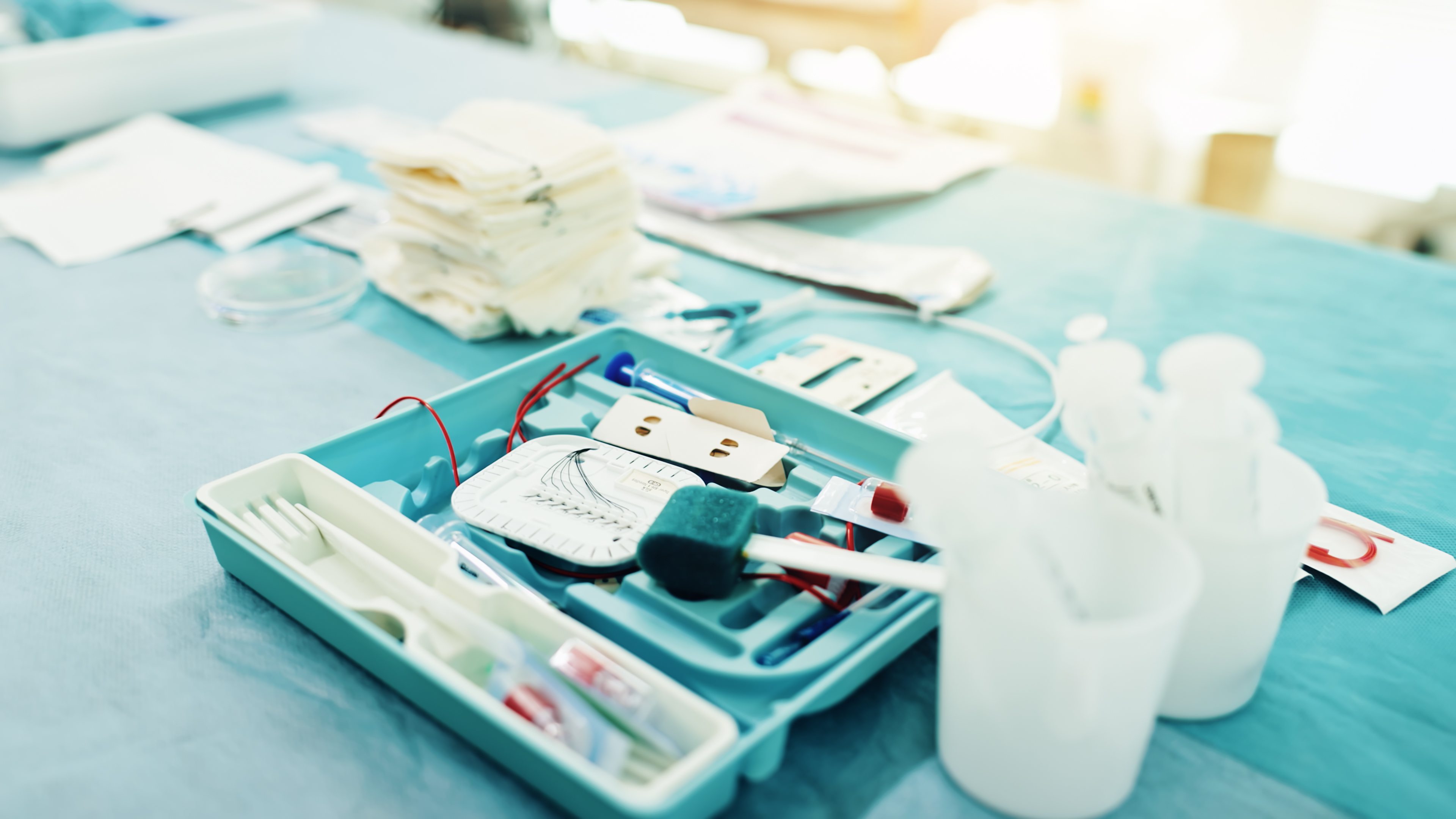
Incorporating advanced technology means you can provide comprehensive care. Patients benefit from precise diagnostics and tailored treatment plans, leading to better outcomes and satisfaction. Embracing these tools not only strengthens your practice but positions you as a leader in innovative wound management.

By understanding and integrating these elements, your practice can not only meet but exceed patient expectations. This comprehensive approach to wound care ensures you stay at the forefront of medical advancements, continually improving patient outcomes. For further reading, explore this resource: [https://pmc.ncbi.nlm.nih.gov/articles/PMC12067467/].

Visit now

Top Nutrition Tips for Enhanced Wound Healing

Specialty Wound Care | December 25th, 2025


Top Nutrition Tips for Enhanced Wound Healing

Wound healing nutrition plays a crucial role in speeding recovery and improving patient outcomes. Many healthcare providers overlook how targeted nutrition supports tissue repair and immune function. In this post, you’ll find clear, practical tips to enhance wound management through diet, backed by Specialty Wound Care’s expertise in advanced wound care solutions. Let’s explore how the right nutrients can make a measurable difference in healing. For more information, visit this resource.

Importance of Nutrition in Wound Healing

Nutrition isn’t just about maintaining a healthy weight; it’s a powerful tool in wound recovery. The right nutrients can significantly impact the healing process, helping you or your patients recover faster.

Role of Proteins and Amino Acids

Proteins are the building blocks of tissue repair. They help form new skin and muscle cells. Your body needs them to rebuild damaged areas.

  • Protein Intake: Aim for 1.2 to 1.5 grams of protein per kilogram of body weight daily. This supports skin and muscle restoration.

  • Amino Acids: Amino acids like arginine and glutamine are particularly helpful. They aid in collagen production, a vital component of skin repair.

Integrate lean meats, fish, eggs, and dairy into meals. These foods are rich in essential proteins and amino acids. If you’re on a plant-based diet, consider beans, lentils, and tofu. Remember, your protein needs may increase with severe wounds. Learn more about the role of proteins in wound healing.

Vitamins Essential for Recovery

Vitamins are crucial for wound healing. They serve as antioxidants and support immune health.

  • Vitamin C: Essential for collagen synthesis, it also helps fight infection. Citrus fruits, strawberries, and bell peppers are rich in this vitamin.

  • Vitamin A: Supports skin cell production. Carrots, sweet potatoes, and spinach are excellent sources.

These vitamins help speed up the healing process by reducing inflammation and supporting new tissue formation. Explore the importance of vitamins in wound healing.

Mineral Support in Healing

Minerals also play a significant role in the healing process. They work at the cellular level to rebuild tissue and support overall health.

  • Zinc: Vital for skin integrity and immune function. A deficiency can delay healing. Include meat, shellfish, and seeds to boost zinc intake.

  • Iron: Supports oxygen delivery to healing tissues. You can find iron in red meat, beans, and fortified cereals.

These minerals are essential. Without them, your body can’t efficiently repair wounds. Keep your dietary choices varied to ensure you get a wide array of nutrients. Check out more on minerals for wound healing.

Advanced Wound Care Strategies

Combining nutrition with advanced wound care techniques can further enhance healing. Specialty Wound Care offers a blend of modern technology and personalized care.

Integrating Nutrition with Treatment

Nutrition and treatment must go hand in hand. While medical interventions address the physical aspects of wounds, nutrition tackles the internal.

  • Synergistic Approach: By aligning dietary plans with medical treatments, patients experience faster recovery.

  • Nutritional Assessments: Regular evaluations ensure nutrient needs are met, complementing medical care.

This integrated approach allows for comprehensive care, addressing both internal and external healing factors. Understand more about integrating nutrition with wound care.

Personalized Care Plans

Every patient is unique, and so are their healing needs. Personalization is key.

  • Tailored Nutrition Plans: Customize diets based on individual requirements and wound severity.

  • Adjustments: Modify plans as healing progresses, ensuring optimal support throughout recovery.

Personalized care ensures that all aspects of a patient’s recovery are addressed, from dietary needs to medical treatments.

Monitoring and Adjusting Approaches

Continuous monitoring is crucial for effective wound management. It allows for timely adjustments.

  • Regular Check-ups: Frequent evaluations help track progress and modify care plans as needed.

  • Feedback Loop: Patients and caregivers can provide insights, leading to better care strategies.

By staying vigilant, you can ensure that healing is on track and optimal care is provided.

Specialty Wound Care Expertise

Specialty Wound Care excels in delivering comprehensive solutions. Their expertise lies in combining modern technology with patient-centric care.

Comprehensive Patient Solutions

Specialty Wound Care offers a range of solutions to meet diverse patient needs.

  • Holistic Approach: They address both the physical and nutritional aspects of healing.

  • Collaborative Care: Working with healthcare professionals to provide top-notch wound management.

This comprehensive strategy ensures that patients receive complete care, from diagnosis to recovery.

Accelerating Healing with Technology

Modern technology plays a critical role in wound healing. Specialty Wound Care uses cutting-edge tools to enhance patient outcomes.

  • Advanced Equipment: Tools like MolecuLight DX provide detailed wound assessments.

  • Innovative Treatments: Techniques like triple-layer allografts support rapid healing.

These advancements ensure that patients get the best care possible, leading to quicker recoveries.

Improving Patient Outcomes

The ultimate goal is to improve patient outcomes. By combining expertise, technology, and nutrition, Specialty Wound Care achieves exceptional results.

  • Patient-Centric Care: Their focus is on achieving the best possible recovery for each patient.

  • Ongoing Support: Continuous care ensures that patients are supported throughout their healing journey.

By prioritizing patient outcomes, Specialty Wound Care sets itself apart as a leader in wound management. Remember, the longer you wait to address wounds, the more complex they can become. Prioritize care today to ensure the best outcomes.

Visit now

Effective Infection Prevention Strategies in Wound Management: A Comprehensive Guide

Specialty Wound Care | December 24th, 2025


Effective Infection Prevention Strategies in Wound Management: A Comprehensive Guide

Infection prevention remains one of the toughest challenges in wound management today. Even slight missteps can lead to serious complications for your patients. This guide shows how Specialty Wound Care’s advanced wound care tools—like MolecuLight DX and our triple-layer allograft—help healthcare professionals stay ahead of infections and promote faster, safer healing. For more detailed information on infection prevention practices, you can refer to this guide.

Advanced Infection Prevention Strategies

Infection prevention in wound management is crucial for patient safety and recovery. Specialty Wound Care offers advanced solutions to help you navigate these challenges effectively.

Pathogen Identification with MolecuLight DX

Identifying pathogens quickly is key to preventing infections. The MolecuLight DX is a game-changer in this area. It allows you to see bacteria in real-time, which helps in making informed decisions about wound care. Imagine being able to target bacteria with precision. This technology not only guides your cleaning and sampling but also helps in choosing the right treatment path.

Traditional methods can take days or even weeks. But with MolecuLight DX, you can act immediately, reducing time to treatment and improving patient outcomes. Learn more about its effectiveness in this study.

Benefits of Triple-Layer Allograft

The triple-layer allograft is another innovation you can rely on. It acts as a scaffold, supporting new tissue growth while protecting the wound from infections. This allograft is meticulously designed to meet FDA standards, ensuring its safety and effectiveness.

Patients and healthcare professionals alike have noted faster healing times with this solution. It’s like giving the body a head start in the healing race. For an in-depth look at its benefits, check out this resource.

Enhancing Wound Management Practices

Building on infection prevention, enhanced wound management practices integrate modern technology and proven techniques. These practices are essential for healthcare professionals dedicated to patient recovery.

Integrating Technology in Wound Care

Modern technology has transformed wound care practices. Tools like the MolecuLight DX and advanced software solutions allow for more precise and efficient management. Digital tools help track progress, adjust treatments, and document outcomes seamlessly.

By harnessing such innovations, you can deliver higher quality care and improve patient satisfaction. The integration of technology not only boosts efficiency but also ensures a personalized approach to healing. For more information, visit this guide.

Effective Techniques for Healthcare Professionals

Effective wound care techniques are the backbone of successful treatment plans. Simple steps, like thorough cleaning and precise dressing application, make a significant difference. Regular training and staying updated with new methods are crucial.

Professionals who adopt these strategies often see improved patient outcomes. Remember, even small actions can lead to significant improvements in healing. To explore more techniques, see this quick guide.

Specialty Wound Care Solutions

Partnering with Specialty Wound Care can elevate your practice and ensure exceptional patient care. They offer solutions that are both innovative and reliable.

Partnering with Healthcare Providers

Collaboration is at the heart of Specialty Wound Care’s approach. By working closely with you, they tailor solutions to fit your specific needs. This partnership model ensures you have access to the best resources and support.

When you partner with Specialty Wound Care, you join a network dedicated to improved healthcare standards and patient recovery.

Access Free eBook and Newsletter

Staying informed is vital in the ever-changing landscape of healthcare. Specialty Wound Care provides a free eBook and newsletter to help you keep up with the latest in wound management. These resources offer insights, tips, and updates on new technologies and treatments.

Sign up to stay ahead and equip yourself with the knowledge needed for excellence in wound care.
Specialty Wound Care stands ready to assist you in advancing your practice and enhancing patient outcomes. Discover their solutions today and be part of a community committed to excellence in wound management.

Visit now

Facebook
Instagram
LinkedIn
SOCIALICON
Youtube
X (Twitter)
Bluesky