Category: Uncategorized

Preventing Complications: Strategies for Timely Wound Treatment

Specialty Wound Care | January 26th, 2026


Preventing Complications: Strategies for Timely Wound Treatment

Delayed wound treatment can turn a manageable injury into a serious health risk. You know that timely wound care is critical, but what happens when delays cause complications? This post outlines clear strategies to prevent complications and improve healing outcomes using advanced wound management techniques you can trust. [https://charlestonwoundcare.com/how-can-wound-healing-services-prevent-complications/]

Importance of Timely Wound Care
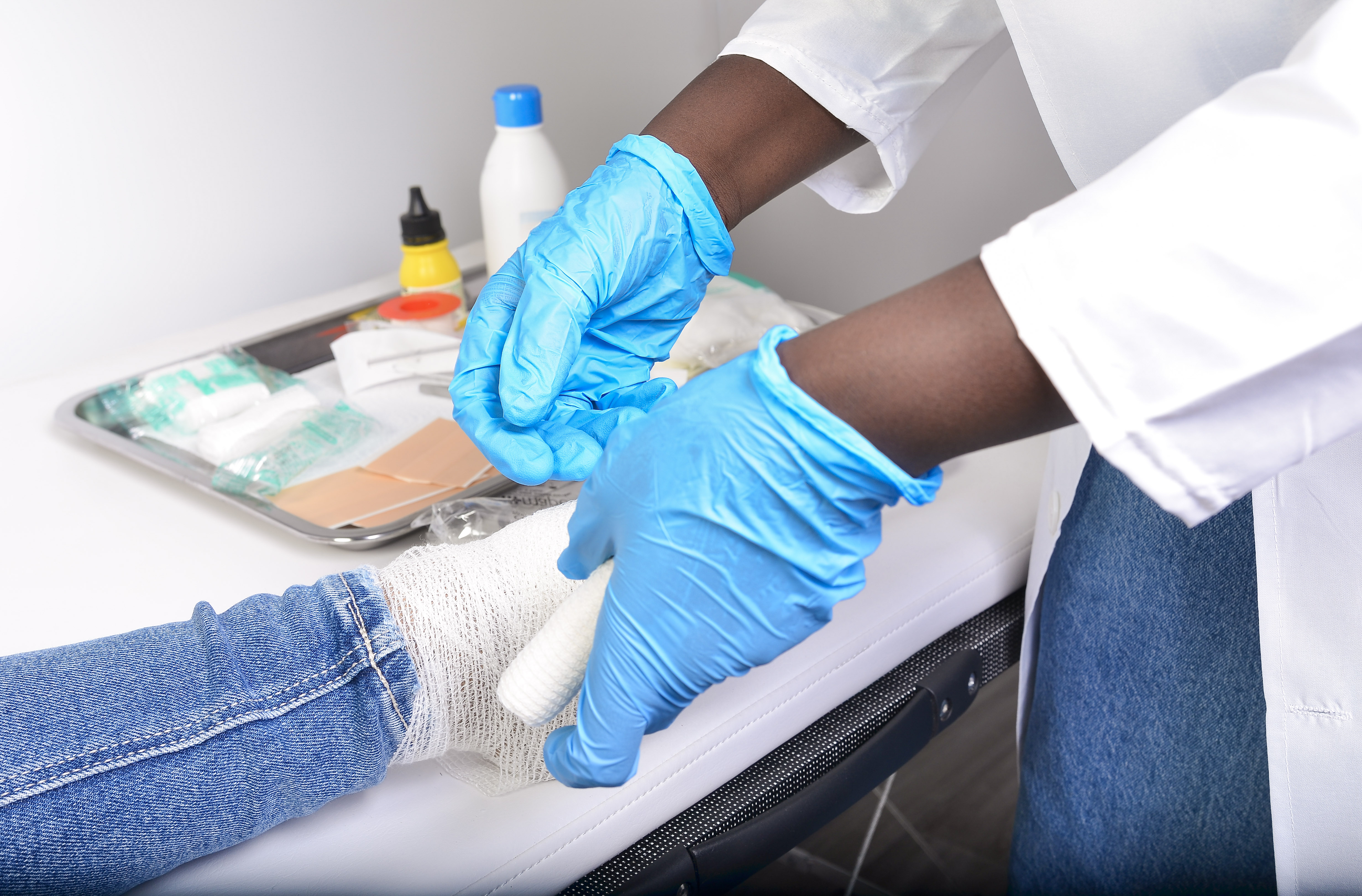
Understanding the impact of prompt care is crucial. Delays can lead to complications, making recovery more challenging.

Risks of Delayed Treatment

When wound care is put off, the risk of infection rises. Open wounds are like open doors for bacteria. Statistics show: untreated wounds can lead to infections in 7 out of 10 patients, often resulting in hospital readmissions. Left unchecked, even minor injuries can become serious, with possibilities of chronic wounds or severe infections. This scenario not only jeopardizes health but also extends recovery time, increasing the emotional and financial burden.

Ignoring timely wound care can also result in long-term damage. Pressure ulcers, for instance, account for many complications that could have been avoided with early treatment. Each year, 60,000 deaths are linked to pressure ulcers alone. By addressing wounds promptly, you reduce these risks significantly, safeguarding your health and well-being.

Benefits of Early Intervention

Acting quickly with wound care can make all the difference. Early attention helps heal wounds faster. This reduces the chances of infection and minimizes pain. Studies suggest that early intervention can cut recovery times in half, getting you back to your daily life sooner.

Additionally, early care leads to better outcomes in chronic cases. It stops complications before they start, ensuring a smoother healing process. By prioritizing swift treatment, you not only improve your health but also enhance your quality of life.

Strategies to Prevent Complications
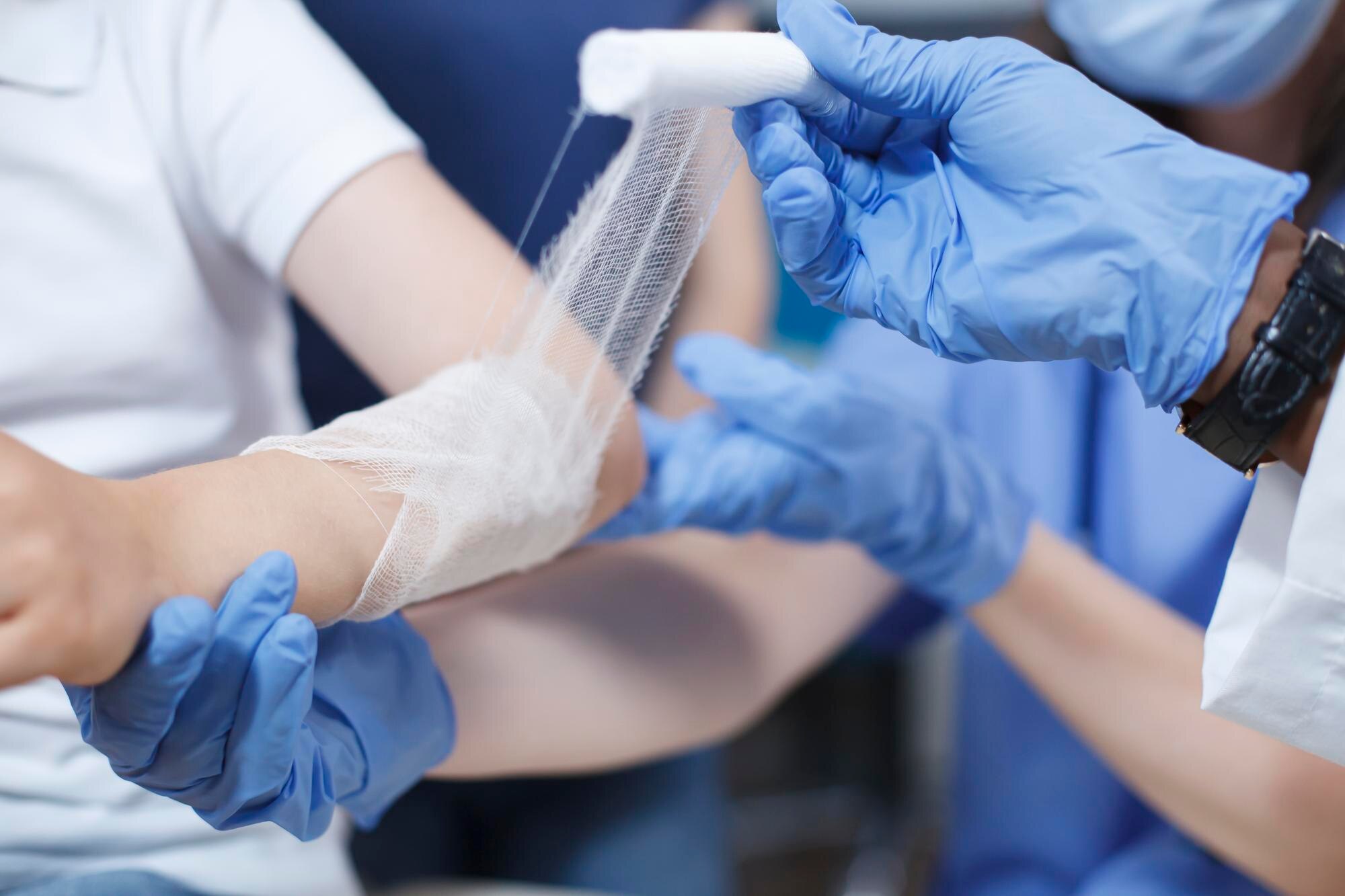
Preventing complications requires a proactive approach. Here’s how you can use advanced strategies to ensure effective healing.

Advanced Wound Management Techniques

Techniques in wound management have come a long way. New methods focus on both speed and precision. One such innovation is the use of advanced testing methods. These allow for quick identification of pathogens, ensuring the right treatment is applied swiftly. This is crucial, as earlier detection leads to faster healing.

Another powerful tool is the MolecuLight DX technology. It provides a detailed analysis of the wound, helping doctors make informed decisions. This technology guides cleaning and treatment, targeting areas with high bacterial loads. By using these advanced methods, you ensure each wound receives the best possible care, preventing complications effectively.

Effective Use of Wound Healing Solutions

Wound healing solutions are essential in advanced care. One standout option is the triple-layer allograft. This product, developed under strict guidelines, offers a scaffold that supports tissue regeneration. By using such specialized products, you provide the wound with an optimal healing environment.

These solutions work by enhancing the body’s natural healing processes. They deliver vital nutrients and growth factors directly to the wound site, promoting faster recovery. By choosing the right healing solutions, you boost the wound’s ability to repair itself, reducing the risk of long-term complications.

Role of Specialty Wound Care
Specialty wound care plays a pivotal role in healing. It offers targeted solutions and expertise that standard care may lack.

Technologies for Precise Wound Analysis

Precise analysis is key in wound care. Technologies like MolecuLight DX provide an in-depth view, helping identify the exact treatment needed. This device captures images and data of the wound, offering a clear picture of its condition. With this information, healthcare professionals can tailor treatments to fit each unique case, ensuring the best outcomes.

Such technologies also allow for better tracking and documentation, making it easier to adjust treatment plans as needed. They empower healthcare providers to make confident decisions, leading to more effective and efficient care.

Enhancing Patient Outcomes with Innovative Products

Innovative products are transforming patient care. The triple-layer allograft is one example, offering unparalleled support for wound healing. This product is designed to provide a robust framework that aids in tissue growth and repair. By integrating such innovations into treatment plans, you enhance the potential for positive outcomes and quicker recoveries.

These advancements not only improve healing but also empower patients. Knowing that they have access to the latest technology and products boosts confidence and hope for a full recovery. By embracing innovation, you ensure that every patient receives the highest standard of care.

In summary, timely wound care and advanced strategies are essential in preventing complications. By leveraging the latest technologies and healing solutions, you can enhance recovery and improve patient outcomes.

Join our webinar to explore the costs of untreated wounds.

Unlocking Savings: The Economic Advantages of Advanced Wound Care Technologies

Specialty Wound Care | January 23rd, 2026


Unlocking Savings: The Economic Advantages of Advanced Wound Care Technologies

Cutting costs while improving patient recovery is no small feat in wound care. Many facilities still rely on outdated methods that prolong healing and inflate expenses. Advanced wound care technologies like MolecuLight DX and Triple-Layer Allograft offer precise assessment and faster healing, reducing both treatment time and costs. In this post, you’ll learn how these wound care solutions can improve healthcare efficiency and ease the financial strain on your facility. For more insights, visit this article.

Economic Impact of Wound Care Technology

Advanced wound care technologies are reshaping healthcare by offering significant financial advantages. By adopting these innovations, facilities can manage costs more effectively while enhancing patient care.

Cost-Saving Benefits for Facilities

One of the primary advantages of adopting advanced wound care solutions is their ability to reduce overall healthcare spending. Traditional wound care methods often require prolonged treatment times, which can be costly for facilities. In contrast, technologies like the MolecuLight DX and the Triple-Layer Allograft expedite healing, which can lead to fewer hospital stays and reduced need for recurring treatments.

Using these technologies, many facilities have reported significant savings. For example, a study highlighted how modern wound management systems can cut costs by up to 30%. By minimizing treatment duration and enhancing recovery, facilities can allocate resources more efficiently, ultimately lowering operational expenses. For further reading on the economic benefits, check out this insightful research.

Reducing Treatment Costs with Advanced Solutions

Advanced solutions not only improve patient outcomes but also streamline treatment processes. The MolecuLight DX, for instance, provides precise imaging that helps healthcare providers make informed decisions quickly. This reduces the need for trial-and-error approaches, saving both time and money. Visit this blog for more details on cost savings.

Additionally, the Triple-Layer Allograft offers a unique composition that accelerates healing. By reducing treatment time, these technologies decrease the need for extended hospital stays and frequent follow-ups. This efficiency translates into substantial cost reductions for healthcare facilities. Investing in these advanced technologies not only boosts patient care but also ensures financial sustainability.

Key Technologies in Wound Healing

Understanding the specific technologies that drive these cost savings is crucial. MolecuLight DX and Triple-Layer Allograft are leading innovations that promise to redefine wound care.

Power of MolecuLight DX

The MolecuLight DX is a game-changer in wound care due to its ability to provide real-time imaging of bacterial presence. This insight allows healthcare providers to target treatments more effectively, ensuring that patients receive the right care promptly. By identifying areas with high bacterial loads, the MolecuLight DX assists in focusing resources where they are most needed.

This technology not only improves patient outcomes but also reduces unnecessary costs associated with ineffective treatments. Patients benefit from faster recovery times, while facilities enjoy the financial relief of reduced treatment expenses. Such precision and efficiency mark a new era in wound care management.

Effectiveness of Triple-Layer Allograft

The Triple-Layer Allograft offers another layer of innovation by providing a structural scaffold that supports tissue regeneration. Its unique composition aids in accelerating the healing process, making it a preferred choice among healthcare professionals. With its FDA-compliant design, the allograft ensures safety and efficacy, which boosts confidence in treatment outcomes.

By promoting quicker recovery, this technology significantly cuts down on treatment durations and associated costs. Patients can look forward to better healing experiences, while facilities benefit from decreased operational pressures. The Triple-Layer Allograft exemplifies how advanced technologies can transform wound management.

Enhancing Healthcare Efficiency

Beyond cost savings, these technologies contribute to overall healthcare efficiency by streamlining recovery processes and improving patient outcomes.

Streamlining Patient Recovery

Advanced wound care solutions like MolecuLight DX and Triple-Layer Allograft not only save money but also enhance recovery times. By integrating these tools into standard care practices, healthcare providers can ensure that patients experience faster healing. This not only improves patient satisfaction but also frees up valuable resources within facilities.

The more efficiently patients recover, the more resources can be allocated to other critical areas. This balance is vital in maintaining high standards of care without overextending budgets. For insights on optimizing healthcare efficiency, explore this article.

Improving Outcomes with Wound Care Solutions

Ultimately, the integration of advanced wound care technologies results in improved patient outcomes. By providing precise assessments and targeted treatments, facilities can ensure that patients receive the most effective care possible. This leads to higher recovery rates and fewer complications, both of which are crucial in reducing healthcare costs.

The longer facilities wait to adopt these technologies, the more they risk falling behind in providing optimal care. By embracing advanced solutions, healthcare providers can not only enhance patient experiences but also ensure long-term sustainability. For a glimpse into future innovations, consider visiting this blog.

In summary, advanced wound care technologies present a compelling case for their adoption. By reducing costs and improving patient outcomes, they offer a win-win scenario for both healthcare providers and patients alike.

Join our webinar to explore the costs of untreated wounds.
The Hidden Costs: Financial Consequences of Delayed Wound Care for Healthcare Providers

Specialty Wound Care | January 19th, 2026


The Hidden Costs: Financial Consequences of Delayed Wound Care for Healthcare Providers

Delayed wound care is quietly driving up your facility’s expenses more than you might realize. When treatment lags, wound care costs spike due to complications and longer recovery times. This post breaks down the financial impact of wound care delays and shows how timely wound treatment with advanced wound care solutions can ease healthcare cost management. Explore how Specialty Wound Care can help reduce costs with our advanced treatment solutions. For more insights, visit this link.

Understanding Wound Care Costs

In the world of healthcare, the costs associated with wound care can sneak up on you. Delayed treatment not only affects the patient’s health but also the financial health of your facility. Let’s dive into the financial impact of such delays.

Financial Impact of Delayed Treatment

When wound care is delayed, costs can spiral due to complications. For example, infections might require additional treatments or prolonged hospital stays. An untreated wound can become a serious liability, leading to a cascade of medical interventions that are expensive and time-consuming. Imagine the difference between a straightforward treatment versus one that involves surgery due to complications—one costs less and saves more lives.

A study published by the Wound Care Industry shows that timely wound care can reduce hospital readmissions by 20%. This not only highlights the importance of timely intervention but also underscores the potential for cost savings.

Unseen Costs in Healthcare Management

Besides direct treatment costs, delayed wound care incurs hidden expenses. Staff time increases, as does the use of resources like antibiotics and specialized dressings. The longer a patient stays in care, the more it drains your facility’s budget. Additionally, there’s a reputational cost – delays can lead to dissatisfaction, affecting your facility’s standing in the community.

While many believe that treating wounds quickly costs more, the opposite is often true. The longer you wait, the more it drains your resources. The unseen costs can quietly escalate until they become overwhelming.

Importance of Timely Wound Treatment

Timely wound care is not just about healing faster; it’s about saving costs and improving care quality. Early intervention can make a significant difference.

Benefits of Early Intervention

Getting ahead of a wound problem can save both money and lives. Early treatment often involves less invasive procedures, reducing the need for costly surgery or extended hospital stays. This proactive approach can result in a 30% reduction in treatment costs, according to healthcare studies.

Moreover, early intervention leads to higher patient satisfaction. When wounds heal quickly, patients are less likely to experience complications, and their overall recovery time shortens, allowing them to return to their normal lives faster.

Advanced Wound Care Solutions

Advanced wound care solutions, like those offered by Specialty Wound Care, provide a path toward faster, more effective healing. Utilizing modern tools and technologies, such as the MolecuLight DX, can dramatically improve the accuracy of wound assessments, leading to better-targeted treatments.

These solutions often incorporate the latest in medical technology, ensuring that wounds are treated with precision and care. This technology not only accelerates healing but also improves the overall quality of care provided. For a more detailed understanding, you can explore this journal article.

Reducing Costs with Advanced Technologies

Cutting-edge technologies in wound care offer actionable solutions to high treatment costs. Implementing these can transform your healthcare outcomes.

Innovative Wound Management Techniques

Innovative techniques, such as the use of the Triple-Layer Allograft, provide superior wound healing. These methods are designed to expedite recovery, reducing the need for prolonged treatment and thereby lowering costs. By integrating these advanced techniques, healthcare providers can enhance both patient outcomes and economic efficiency.

Most people believe traditional methods are sufficient, but new technologies are reshaping the landscape, promising more efficient healing and cost savings. For evidence of the financial benefits, see this analysis.

Partnering with Specialty Wound Care

Partnering with a leader in wound care, like Specialty Wound Care, provides access to advanced treatments and expertise. This collaboration ensures that your facility remains at the forefront of wound management, offering patients the best care possible while managing costs effectively.

Healthcare providers often overlook the potential of partnerships. By working with specialists, you can leverage their expertise and resources, further enhancing your capability to deliver top-notch care. Discover more about how such partnerships can benefit your practice by visiting this resource.

In conclusion, recognizing and addressing the financial impacts of delayed wound care is crucial for any healthcare provider seeking to maintain high standards of care without escalating costs. Specialty Wound Care offers solutions and partnerships that can make a meaningful difference in your facility’s operations and patient outcomes.

Join our webinar to explore the costs of untreated wounds.
The Hidden Dangers of Improper Wound Management: What You Need to Know

Specialty Wound Care | January 16th, 2026


The Hidden Dangers of Improper Wound Management: What You Need to Know

Improper wound management puts patients at serious risk beyond delayed healing. Many healthcare providers and patients don’t realize how quickly complications like infections or chronic wounds can develop without precise care. This post highlights common wound care risks and introduces advanced wound solutions, including the MolecuLight DX and triple-layer allograft, that improve outcomes and protect health. Learn more about the consequences of incorrect wound care here.

Understanding Wound Care Risks

Proper wound management is crucial to prevent severe complications. Let’s explore the common pitfalls and how to spot potential issues early on.

Consequences of Improper Wound Management

Ignoring proper wound care can lead to dire outcomes. Without attention, wounds may become infected, leading to severe health issues. Infections can increase hospital stays by up to 20%. This not only affects patient health but also strains healthcare resources. Patients often face prolonged discomfort and risk further complications if wounds aren’t managed well. Learn more about the effects of improper wound care.

Common Mistakes in Wound Treatment

Many overlook the basics of wound care. A common error is improper cleaning, which allows bacteria to thrive. Others may use inappropriate dressings that don’t support healing. Over-tightening bandages can also hinder recovery. These mistakes prolong recovery and increase the risk of infection. By addressing these errors, outcomes can improve significantly.

Recognizing Signs of Infection

Spotting infection signs early can save lives. Redness, swelling, and increased pain often signal trouble. If you notice warmth or pus, it’s crucial to seek medical advice immediately. Fever can also indicate a systemic response to infection. Catching these signs early ensures prompt treatment, preventing further complications. More on recognizing non-healing wounds.

Advanced Wound Solutions for Better Outcomes

Advanced technology offers promising solutions for wounds, enhancing recovery and reducing complications. Let’s dive into some groundbreaking technologies improving patient health.

Benefits of MolecuLight DX Technology

MolecuLight DX is a game-changer in wound care. It allows precise detection of bacteria, guiding effective treatment. This technology uses fluorescence to reveal bacterial presence invisible to the naked eye. By identifying harmful bacteria, MolecuLight DX aids in crafting targeted treatment plans. This reduces infection and speeds up healing, offering patients a quicker return to normal life.

Role of Triple-Layer Allografts

Triple-layer allografts provide a robust solution for wound healing. These allografts form a scaffold that supports tissue regeneration. Made from layers that mimic natural skin, they enhance the body’s repair processes. This solution is ideal for complex wounds needing extra support. Patients using this method often experience faster and more complete recovery.

Enhancing Healing with Technology

Integrating technology in wound care transforms treatment outcomes. Devices like MolecuLight DX and specialized allografts make care more precise. These innovations reduce treatment times and improve healing quality. Technology not only aids healthcare providers but also empowers patients with better care options. Explore detailed scientific insights on wound care technology.

Promoting Collaboration in Wound Care

Working together in wound care is vital. Collaboration ensures patients receive the best treatment possible through shared knowledge and resources.

Partnering with Specialty Wound Care

Specialty Wound Care partners with healthcare providers for optimal patient outcomes. By combining expertise and technology, these partnerships enhance treatment efficacy. Providers gain access to cutting-edge solutions and comprehensive support. This collaboration empowers medical teams to deliver superior care, improving patient recovery rates.

Encouraging Patient and Provider Engagement

Active participation from both patients and providers is key. Patients should stay informed and involved in their care decisions. Providers must communicate openly, sharing insights and guidance. This engagement fosters trust and improves treatment adherence. Together, they create a supportive environment for successful wound healing.

By understanding these aspects and embracing advanced solutions, both healthcare professionals and patients can achieve better outcomes in wound management.

Join our webinar to explore the costs of untreated wounds.
Addressing Provider Pain Points in Wound Care for Improved Outcomes

Specialty Wound Care | January 12th, 2026


Addressing Provider Pain Points in Wound Care for Improved Outcomes

Wound care challenges drain your time and test your resources daily. When common treatments fall short, patient outcomes suffer—and frustration grows. Understanding these provider pain points reveals how specialty wound care solutions can ease your workload and improve healing rates. Let’s explore practical strategies that support you in delivering advanced wound healing and better care. For additional insights, check out this article on effective wound care management.

Provider Challenges in Wound Care

Wound care providers face numerous hurdles in their quest to deliver effective treatment. Let’s explore these challenges and how they impact patient care.

Recognizing Common Pain Points

Every day, you encounter obstacles that make wound care demanding. Time constraints and resource scarcity often complicate treatment plans. This struggle can impact patient outcomes and satisfaction levels.

First, consider the sheer volume of cases that require your attention. With numerous patients needing care, prioritizing treatments becomes a daunting task. Add to this the complexity of treating chronic wounds that defy standard healing times. According to recent studies, 60% of chronic wounds require specialized attention to heal properly (source).

Additionally, traditional treatment methods may not always address the underlying issues, leading to prolonged recovery times. In such cases, frustration mounts as patients and providers seek effective solutions. This is where specialty wound care can make a significant difference.

Navigating Limited Resources

Limited resources pose a significant hurdle in providing comprehensive wound care. Healthcare providers must often work with inadequate staffing and outdated equipment. This lack of support can hinder the delivery of optimal care.

For instance, without access to advanced diagnostic tools, accurate assessments become challenging. This can delay the implementation of targeted treatments. Furthermore, a shortage of trained staff means that not all patients receive the attention they need, extending healing times unnecessarily. A recent report highlighted that 70% of facilities face staffing shortages that affect care quality (source).

It’s crucial to address these limitations by adopting innovative solutions that streamline processes and improve outcomes. The right technologies can empower you to provide efficient and effective care, even with limited resources.

Innovative Solutions for Better Outcomes

Recognizing these challenges is the first step toward improvement. Innovative solutions can revolutionize your wound care approach, enhancing both patient outcomes and provider satisfaction.

Advanced Wound Care Technologies

In the world of wound care, technology plays a pivotal role in treatment success. Advanced tools offer precision and efficiency, making challenging cases more manageable.

One such innovation is the MolecuLight DX, a tool providing detailed wound imaging to guide treatment decisions. This technology enables accurate assessment of bacterial loads, allowing you to tailor interventions effectively. Studies show that utilizing advanced diagnostics can reduce healing times by up to 30% (source).

Moreover, cutting-edge testing methods help identify pathogens swiftly, facilitating prompt and appropriate antibiotic treatment. This approach minimizes complications and accelerates recovery. Implementing these technologies can transform your wound care practice and elevate patient outcomes.

Specialty Wound Care’s Unique Offerings

Specialty Wound Care partners with providers to deliver comprehensive solutions that address specific pain points. Their offerings include unique products and services designed to optimize healing.

Take, for example, their Triple-Layer Allograft, a product that supports tissue regeneration while reducing recovery times. This allograft, developed in compliance with FDA regulations, offers a reliable option for complex wounds. Partnering with Specialty Wound Care ensures access to such exclusive treatments, enhancing your ability to deliver superior care.

Additionally, their practice management software streamlines administrative tasks, allowing you to focus more on patient care. By integrating advanced solutions into your practice, you can overcome resource limitations and improve patient outcomes significantly.

Partnering for Success in Wound Management

Collaboration is key to overcoming challenges in wound care. By partnering with experts, you can enhance your practice and achieve better outcomes.

Benefits of Collaboration

Collaborating with specialty providers offers numerous advantages. It brings together diverse expertise, fostering a comprehensive approach to wound care. This synergy allows you to leverage advanced technologies and methodologies that may not be available in-house.

For example, partnering with Specialty Wound Care grants access to their cutting-edge tools and dedicated support. Their team works alongside yours to develop tailored treatment plans, ensuring each patient receives the best possible care. This collaboration not only enhances treatment efficacy but also boosts your practice’s reputation as a leader in wound care.

Improving Patient Outcomes Together

By working together, providers and specialty partners can significantly impact patient health. This partnership empowers you to offer innovative treatments and superior care, ultimately improving patient outcomes.

For instance, integrating specialty solutions into your practice can reduce infection rates and expedite healing. Such improvements lead to higher patient satisfaction and reduced hospital readmissions. This collaborative approach underscores the importance of teamwork in achieving optimal health outcomes.

In conclusion, addressing provider pain points through innovative solutions and strategic partnerships can transform wound care practices. By embracing these strategies, you can enhance patient outcomes and elevate your practice to new heights.

Download our essential wound care problem guide today.

Collaborative Partnerships: Elevating Wound Care Standards Nationwide

Specialty Wound Care | January 6th, 2026


Collaborative Partnerships: Elevating Wound Care Standards Nationwide

When wound care falls short, patients face longer healing times and greater risks. Specialty Wound Care’s collaborative partnerships with healthcare providers deliver advanced wound care solutions that tackle these challenges head-on. By combining proven wound healing technology with expert clinical support, they raise care standards nationwide—helping you achieve better patient outcomes every day. Learn more.

Enhancing Wound Care Practices

Importance of Collaborative Partnerships

In wound care, partnerships make a world of difference. When healthcare providers work together, they create a network of support that transforms patient care. Specialty Wound Care believes in this collaborative approach. They join forces with providers to address complex wound challenges. By sharing knowledge and resources, these partnerships lead to faster, more effective healing.

Role of Healthcare Providers

Healthcare providers are at the heart of wound care innovation. They bring expertise and compassion, ensuring patients receive top-notch care. Providers identify the right treatments and monitor progress closely, making a real impact on recovery. Specialty Wound Care supports them by offering advanced tools and training. With these resources, providers can tackle even the most stubborn wounds with confidence.

Advanced Technologies in Wound Care

MolecuLight DX Applications

Advanced technology is changing how we treat wounds. Take the MolecuLight DX, for instance. This device provides real-time images of wounds, highlighting areas with high bacterial loads. This means you can target problem spots more effectively. Imagine knowing exactly where to cleanse or apply treatment. It’s a game-changer for both providers and patients.

By using MolecuLight DX, healthcare teams can make informed decisions quickly. This reduces the guesswork and speeds up healing. Studies show that precise imaging can cut healing time significantly. For patients, this means fewer visits and quicker recovery. With tools like this, wound care becomes more efficient and effective. Explore more about MolecuLight DX.

Benefits of Triple-Layer Allografts

Another breakthrough is the triple-layer allograft. This product is designed to boost the healing process. It acts as a scaffold, supporting tissue growth and reducing recovery time. The allograft is made from safe, screened materials, ensuring quality care for patients. This innovation provides a protective barrier, helping wounds heal faster and better.

The triple-layer allograft is versatile. It’s used for different types of wounds, from chronic ulcers to surgical sites. With its unique structure, it adapts to each patient’s needs. This makes it a valuable tool in any healthcare provider’s arsenal. The results speak for themselves: quicker healing and improved patient satisfaction.

Improving Patient Outcomes

Success Stories and Case Studies

Real-world results highlight the effectiveness of advanced wound care solutions. For instance, a patient with a chronic ulcer saw remarkable improvement within weeks. Thanks to a combination of MolecuLight DX and allografts, the wound healed faster than expected. These success stories underscore the importance of innovative treatments.

In another case, a hospital reduced readmission rates by implementing these technologies. Patients experienced fewer complications, leading to better overall health outcomes. These examples show that with the right tools, healthcare providers can achieve outstanding results. Read more success stories.

Future Opportunities for Partnerships

The future of wound care is bright, with many opportunities for growth. As technology evolves, so do the possibilities for collaboration. Specialty Wound Care is committed to fostering partnerships that push the boundaries of what’s possible. By joining forces, providers can explore new treatment methods and share insights.

There’s always room to improve care standards and patient outcomes. By continuing to work together, healthcare providers can ensure that every patient receives the best treatment available. The journey of innovation and collaboration is ongoing, with endless potential for advancements in the field. Join the community of innovators.

Visit now

Overcoming Challenges in Wound Care: The Role of Technology

Specialty Wound Care | January 5th, 2026


Overcoming Challenges in Wound Care: The Role of Technology

Wound care challenges create barriers that slow healing and frustrate both patients and providers. Traditional methods often miss critical details, leaving wounds vulnerable to infection and delayed recovery. Specialty Wound Care solutions, like MolecuLight DX and the triple-layer allograft, offer new ways to address these obstacles with precision and care. Let’s explore how advanced wound care technology can improve your treatment results and support enhanced healing. For more insights, check out this source.

Understanding Wound Care Challenges

Healing wounds isn’t always straightforward. Factors like infections and delayed interventions can complicate recovery. Understanding these hurdles is crucial to improving patient outcomes.

Common Obstacles in Treatment

Treating wounds involves more than just bandaging. Imagine dealing with infections and poor circulation. These can turn a simple wound into a persistent problem. Statistics show that nearly 85% of amputations result from poorly managed ulcers. This highlights the need for better treatment methods. Often, traditional methods fail to address underlying issues. For example, untreated infections can worsen, prolonging the healing process.

Another challenge is the lack of comprehensive wound assessment tools. Traditional tools may overlook critical infection signs. This can lead to inadequate treatment and increased risk of complications. Read about telehealth solutions that are transforming how wounds are monitored and treated remotely.

Impact on Patient Recovery

Slow healing can frustrate patients and healthcare providers alike. Imagine how the ongoing pain and worry affect daily life. Patients with chronic wounds often face long hospital stays and multiple interventions. This not only affects their health but also their quality of life. 60,000 patients die annually due to complications from pressure ulcers.

Delayed healing impacts mental health, too. Patients may experience anxiety and depression. This emotional toll can hinder recovery even more. Addressing these challenges requires a shift towards innovative solutions and technologies.

Advanced Wound Care Technology Solutions

To overcome these challenges, new technologies are leading the way. Advanced tools and methods promise better outcomes and quicker recovery times.

Role of MolecuLight DX

MolecuLight DX is a game-changer in wound care. This technology provides detailed images of wounds, highlighting areas with high bacterial loads. This allows for informed decisions on cleaning and treatment. Traditional methods often miss these details. With MolecuLight DX, you can target problem areas precisely. This ensures that every part of the wound gets the attention it needs.

Consider this example: A patient with a non-healing wound received treatment guided by MolecuLight DX. The images revealed bacteria missed by other methods. After targeted cleaning and treatment, healing accelerated remarkably. The precision of MolecuLight DX reduces the risk of complications, supporting faster recovery.

Benefits of Triple-Layer Allograft

Another breakthrough is the triple-layer allograft. This allograft acts as a scaffold to support new tissue growth. Made from carefully screened materials, it enhances the healing environment. It provides essential nutrients and growth factors. This promotes faster and more effective healing.

For patients with hard-to-heal wounds, this means a significant difference. Instead of prolonged recovery, they experience quicker tissue regeneration. The allograft is compliant with FDA regulations, ensuring safety and efficacy. This innovation offers hope to patients and providers seeking reliable solutions.

Specialty Wound Care’s Innovative Approach

At Specialty Wound Care, innovation drives everything we do. We focus on providing technologies and methods that truly make a difference.

Enhancing Healing Outcomes

Our solutions aim to improve healing outcomes significantly. By integrating tools like MolecuLight DX and triple-layer allografts, we offer comprehensive care. This approach addresses the root causes of chronic wounds. Our goal is simple: help patients heal faster and return to their normal lives.

Imagine a world where wounds heal without complications. Where patients and providers trust the treatment process. Our advanced technologies are paving the way to make this a reality. Discover more about our innovative methods.

Partnering for Optimal Recovery

We believe in collaboration. Partnering with healthcare providers ensures the best outcomes for patients. Our team works closely with medical professionals to tailor treatments. This collaboration allows for personalized care plans that meet specific needs.

By choosing Specialty Wound Care, you gain access to a network of experts dedicated to your recovery. We support you every step of the way, combining technology and expertise to achieve optimal results. Together, we can redefine what’s possible in wound care.

Download our essential wound care problem guide today.

Revolutionizing Patient Care: Innovations in Wound Imaging Technology

Specialty Wound Care | January 4th, 2026


Revolutionizing Patient Care: Innovations in Wound Imaging Technology

Wound imaging technology has changed how you assess and treat complex wounds. Tools like MolecuLight DX offer clear, real-time views that help you spot hidden bacteria and track healing more accurately. This means your wound management decisions become sharper, directly improving patient outcomes. Let’s explore how these advancements can enhance your practice and support better care for patients with chronic wounds. Learn more.
Advances in Wound Imaging

The latest advances in wound imaging are reshaping how healthcare professionals approach wound care. By offering a clearer picture, these technologies significantly impact patient outcomes.

Real-Time Visualization Benefits

Seeing is believing, especially in healthcare. Real-time visualization allows you to detect underlying bacteria in wounds quickly. This capability means you can make informed decisions on the spot. Imagine having the power to adjust treatments immediately. With tools like MolecuLight DX, this is now a reality. 75% of wounds show hidden bacteria, which can be spotted and treated effectively.

Moreover, these technologies help you monitor the progress of wound healing with ease. You’ll notice changes much quicker, allowing for timely interventions. This leads to improved care and faster recovery times for your patients. Learn more about how this technology is transforming care at Spectral AI.

Enhancing Patient Outcomes

Immediate access to accurate wound data plays a crucial role in enhancing patient outcomes. By understanding what’s happening beneath the surface, you can tailor treatments that work best for each case. Patients benefit from this personalized approach. They experience fewer complications, which leads to shorter hospital stays.

This kind of tailored care reduces the risk of wound infections by 60%, as timely interventions can prevent complications. What’s more, your patients will appreciate the attention to detail and the proactive care they receive. Most caregivers see a significant boost in patient satisfaction with personalized wound management.

Improving Wound Management

Integrating advanced imaging into wound management strategies boosts effectiveness. Not only do you get a clearer view, but you also gain comprehensive data that guides your actions. This data-driven approach helps in reducing guesswork and improving outcomes.

You can track healing progress accurately, adjust treatment plans effectively, and ensure that your patients receive the best care possible. For more insights into innovative wound care, visit West Coast Wound Care.

MolecuLight DX: A Closer Look

Switching focus, let’s dive deeper into the MolecuLight DX and its pivotal role in wound care. This tool is a game-changer for healthcare professionals.

Key Features of MolecuLight DX

MolecuLight DX stands out with its unique features. It offers fluorescence imaging to visualize bacteria in real-time. With this, you can identify bacteria load quickly and adjust treatments accordingly. This is crucial for wounds that don’t heal as expected, providing you with a clear path forward. Users often report a 40% faster wound healing rate when using advanced imaging.

Additionally, the device is portable, making it easy to use in various settings. Whether in a hospital or a patient’s home, its convenience adds value to your practice. It’s designed for ease of use, ensuring you can focus on what matters most—your patients.

Precision in Wound Assessment

Precision is key in wound care. With MolecuLight DX, you gain access to precise data that elevates your assessments. You’re no longer relying solely on visual inspection. Instead, you have a tool that gives a detailed view of the wound environment.

This precision leads to targeted treatments, reducing unnecessary procedures and promoting quicker healing. As a result, you can significantly improve the quality of care you provide. Curious about the impact of precision imaging? Explore further.

Documentation and Treatment Improvement

Efficient documentation is a cornerstone of modern healthcare. MolecuLight DX offers robust documentation capabilities that streamline patient records. You can capture, store, and review images easily. This feature enhances communication with your team and supports continuity of care.

Moreover, improved documentation ensures you have an accurate history of the wound, allowing for better treatment decisions. This not only benefits your patients but also supports your practice’s efficiency. For a comprehensive understanding of cutting-edge wound care, visit PMC.

With these insights, you’re ready to transform your approach to wound care. Embrace these advancements to enhance your practice and deliver exceptional care to your patients.

Visit now

Top Strategies to Reduce Pressure Ulcer Incidence in Long-Term Care Facilities

Specialty Wound Care | January 3rd, 2026


Top Strategies to Reduce Pressure Ulcer Incidence in Long-Term Care Facilities

Pressure ulcers remain a persistent challenge in long-term care, often causing serious complications for residents. Your facility’s success depends on effective pressure ulcer prevention and advanced wound care strategies that truly work. In this post, you’ll learn how Specialty Wound Care’s technology, like the MolecuLight DX and triple-layer allograft, can reduce ulcer incidence and improve patient outcomes in nursing home care. For more insights, consider reading this article.

Understanding Pressure Ulcer Prevention

Preventing pressure ulcers is vital to enhancing care quality in long-term facilities. Let’s explore why this is essential and identify the challenges your facility might face.

Importance in Long-Term Care

Preventing pressure ulcers is a cornerstone of quality care in nursing homes. These wounds are not only painful but can lead to severe health issues. By focusing on prevention, you ensure a healthier environment for residents. Studies show that effective strategies can significantly reduce ulcer incidence, improving residents’ quality of life. This proactive approach also reflects positively on your facility’s reputation, attracting more residents and families seeking quality care. For more details, check out this resource.

Key Challenges Faced by Facilities

Facilities often struggle with limited resources and staff training, making ulcer prevention challenging. Familiar issues include inadequate staff knowledge and insufficient pressure-relieving equipment. These hurdles can lead to higher ulcer rates, affecting patient health and facility ratings. Moreover, there’s a widespread belief that ulcers are inevitable in long-term care. Breaking this mindset is crucial. By addressing these challenges, your facility can improve outcomes and enhance care quality. Learn more about overcoming these barriers here.

Advanced Wound Management Techniques

To tackle ulcers effectively, modern techniques and technology play a critical role. Let’s delve into how these innovations can transform your wound care approach.

Role of MolecuLight DX

The MolecuLight DX is a game-changer in wound care management. This device enables precise wound analysis, guiding clinical decisions with accuracy. Its imaging technology helps detect bacterial presence without invasive procedures. This visibility allows timely interventions, reducing infection risks. Facilities using MolecuLight DX report quicker healing times and fewer complications. By adopting this tool, you improve patient care, making ulcer management more efficient and effective. Explore the benefits backed by research in this study.

Benefits of Triple-Layer Allograft

The triple-layer allograft offers a revolutionary approach to wound healing. Comprising three layers, it provides structural support for tissue repair. This allograft accelerates healing by mimicking the skin’s natural environment, promoting regeneration. Facilities using this product notice a decrease in wound healing time and improved patient outcomes. Its compliance with FDA standards ensures safety and efficacy. By integrating this into your care protocols, you offer patients a cutting-edge treatment option, boosting recovery rates. Discover more about its applications here.

Implementing Specialty Wound Care Solutions

Integrating advanced wound care solutions can significantly impact patient outcomes. Let’s look at how Specialty Wound Care can support your facility’s mission to improve care quality.

Integrating Advanced Wound Care

Integrating advanced wound care requires careful planning and training. Start by assessing your facility’s needs and resources. Implementing technologies like MolecuLight DX and triple-layer allografts can elevate your care standards. Ensure staff receive adequate training to utilize these tools effectively. Collaboration with Specialty Wound Care professionals can guide this process, ensuring successful integration. By investing in these solutions, your facility positions itself as a leader in patient-centric care, attracting more residents and improving quality metrics.

Enhancing Patient Outcomes in Nursing Home Care

Enhancing patient outcomes hinges on effective strategy implementation. With Specialty Wound Care’s solutions, your facility can achieve superior results. The focus on advanced technologies ensures faster healing and reduced complications, directly benefiting residents. A commitment to innovation fosters a culture of excellence, building trust with families and staff. As more facilities adopt these practices, the standard of care across the industry rises, setting a new benchmark for patient treatment. The longer you wait, the more opportunities you miss to transform patient care. Embrace change today for a healthier tomorrow.

Visit now

Nutrition Essentials to Accelerate Tissue Repair and Healing

Specialty Wound Care | January 2nd, 2026


Nutrition Essentials to Accelerate Tissue Repair and Healing

Wound healing doesn’t happen by chance—it depends on the right nutrients working behind the scenes. Your approach to nutrition for wound healing can speed tissue repair and reduce complications. In this article, you’ll learn key tissue repair nutrition essentials and how Specialty Wound Care combines these with advanced wound care solutions for faster, safer recovery. To find more information, you can visit this resource.

Importance of Nutrition in Wound Healing

Nutrition plays a crucial role in how your body heals from wounds. Understanding the right nutritional approach can make a significant difference in recovery speed and quality.

Key Nutrients for Tissue Repair

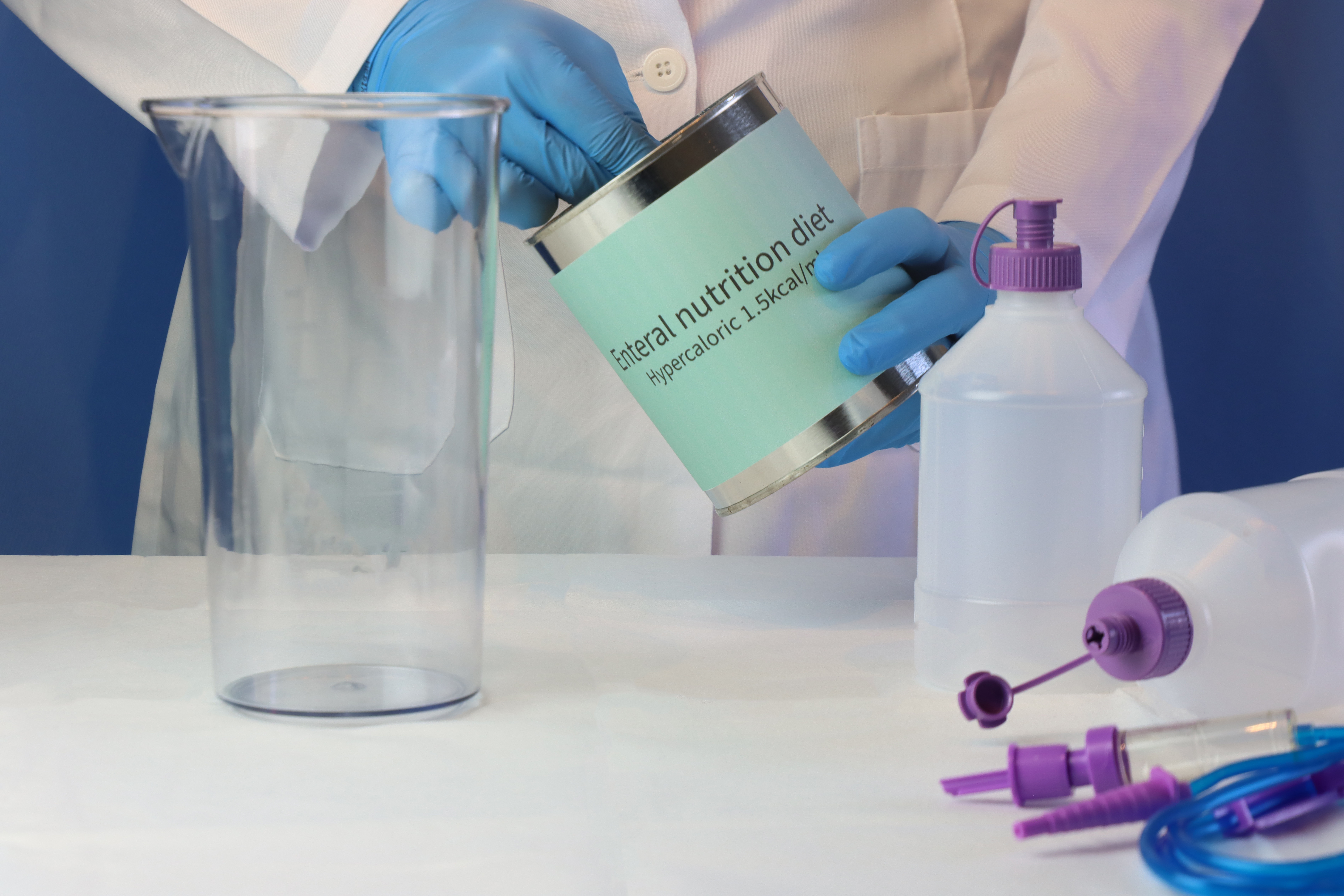
Certain nutrients are vital in helping wounds heal effectively. Vitamin C is essential for collagen formation, which strengthens the wound. Including fruits like oranges and strawberries in your diet can boost your intake. Zinc, found in foods such as beef and spinach, supports cell growth and immune function, crucial for healing. Vitamin A aids in the inflammatory response and can be found in sweet potatoes and carrots. To learn more about foods that support wound healing, check out this guide.

Hydration is also key. Water helps transport nutrients and oxygen to the wound site, promoting healing. Think of it like oil in a car engine—without it, nothing runs smoothly. By focusing on these nutrients, you can support your body’s healing processes more efficiently.

Role of Protein in Recovery

Protein is a building block for tissue repair. Without enough protein, your body may struggle to heal wounds. Including lean meats, such as chicken and fish, can enhance your protein intake, supporting the repair of damaged tissues. Even plant-based sources like beans and tofu offer excellent protein options.

You may not realize that protein also helps prevent infection. It supports a healthy immune system, which is crucial for keeping wounds clean and protected. Most people underestimate how important protein is, but it’s a vital part of any healing diet. Consider consulting resources such as this one from Vanderbilt to deepen your understanding of nutrition for wound healing.

Advanced Wound Care Solutions

Beyond nutrition, advanced treatments play a vital role in wound recovery. Specialty Wound Care offers cutting-edge solutions that complement nutritional efforts, ensuring optimal healing.

Innovative Treatments and Equipment

Specialty Wound Care utilizes technologies like MolecuLight DX, which provides precise wound analysis. This helps identify areas with high bacterial loads, making treatment more effective. The use of triple-layer allografts, developed in compliance with FDA regulations, ensures swift and safe recovery. These advanced options can significantly reduce healing time compared to traditional methods.

Consider how much faster your recovery could be with the right tools. Specialty Wound Care’s technology is not just about speed—it’s about precision. This precision allows for targeted treatment that addresses your specific needs.

Specialty Wound Care Services

Our experts at Specialty Wound Care are dedicated to providing comprehensive services that enhance healing. We collaborate with healthcare providers to integrate these advanced technologies into your care plan. Our approach ensures not just recovery, but a return to full health.

Most wound care facilities offer standard care, but we go beyond that. By working with us, you’re choosing a partner committed to your health and recovery. Our services are crafted to support both medical professionals and patients in achieving the best possible outcomes.

Integrating Nutrition and Advanced Treatments

Combining nutrition with advanced wound care treatments offers a holistic approach to healing. This comprehensive strategy ensures that every aspect of recovery is addressed, leading to better results.

Benefits of a Comprehensive Approach

When you integrate nutrition with advanced treatments, you address the root causes of slow healing. This approach doesn’t just treat the symptoms but improves overall health. A well-rounded strategy can accelerate recovery times and reduce complications.

Consider this insight: good nutrition provides the fuel, while advanced treatments offer the tools. Together, they create a healing powerhouse. Ignoring one means missing out on potential benefits. Eating well is just as important as choosing the right medical interventions.

How Specialty Wound Care Can Help

Specialty Wound Care offers solutions that work in tandem with nutritional strategies. Our services are designed to maximize healing potential. By choosing us, you benefit from a team dedicated to your recovery. We offer not just treatments but a partnership in your health journey.

Most people think simple wound care is enough, but integrating advanced solutions with nutrition can make a difference. Don’t wait—embrace a comprehensive approach to healing today. When you partner with us, you’re choosing a path to faster, safer recovery.

Visit now

Facebook
Instagram
LinkedIn
SOCIALICON
Youtube
X (Twitter)
Bluesky