Unlocking Savings: The Economic Advantages of Advanced Wound Care Technologies
Unlocking Savings: The Economic Advantages of Advanced Wound Care Technologies
Cutting costs while improving patient recovery is no small feat in wound care. Many facilities still rely on outdated methods that prolong healing and inflate expenses. Advanced wound care technologies like MolecuLight DX and Triple-Layer Allograft offer precise assessment and faster healing, reducing both treatment time and costs. In this post, you’ll learn how these wound care solutions can improve healthcare efficiency and ease the financial strain on your facility. For more insights, visit this article.
Economic Impact of Wound Care Technology
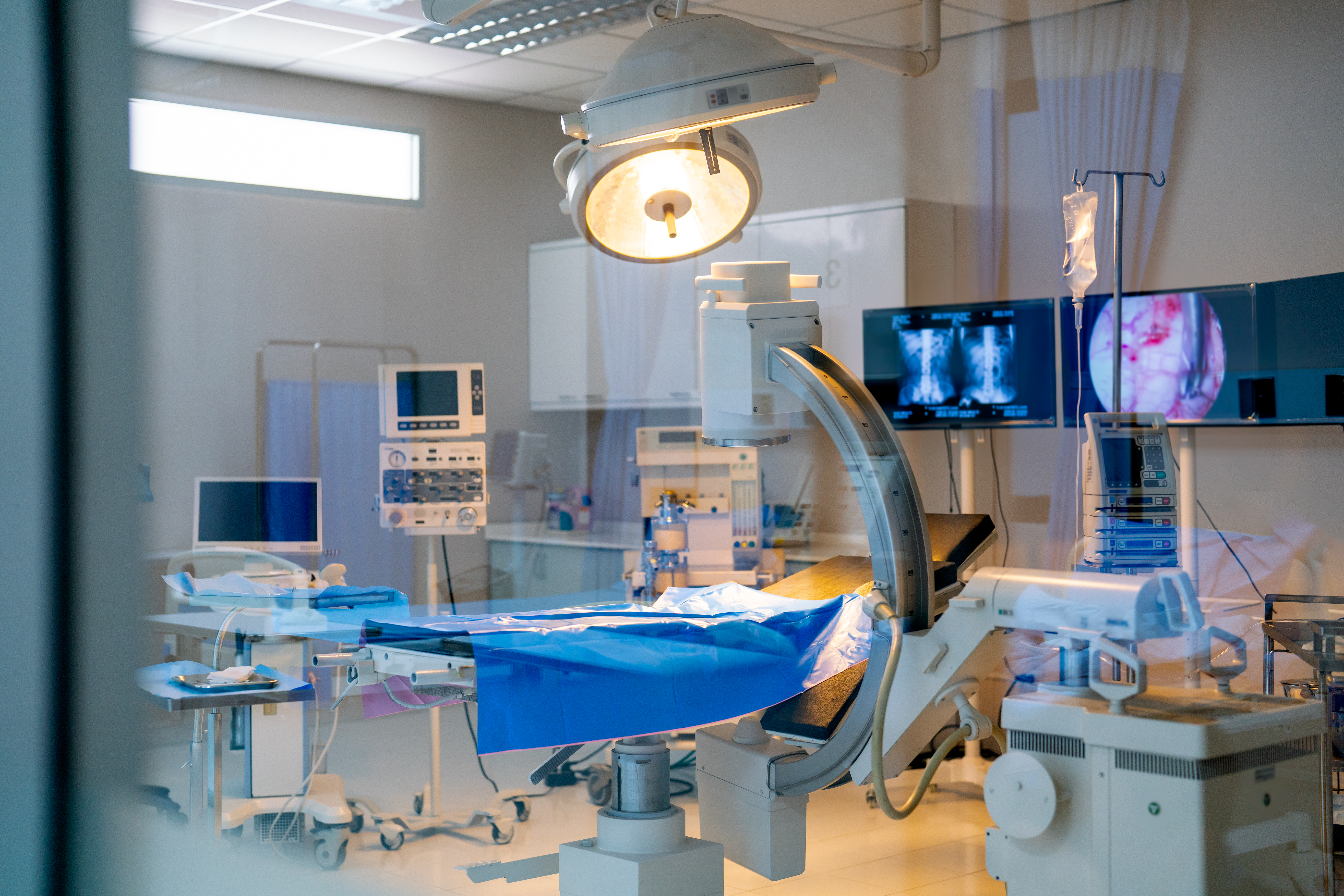
Advanced wound care technologies are reshaping healthcare by offering significant financial advantages. By adopting these innovations, facilities can manage costs more effectively while enhancing patient care.
Cost-Saving Benefits for Facilities
One of the primary advantages of adopting advanced wound care solutions is their ability to reduce overall healthcare spending. Traditional wound care methods often require prolonged treatment times, which can be costly for facilities. In contrast, technologies like the MolecuLight DX and the Triple-Layer Allograft expedite healing, which can lead to fewer hospital stays and reduced need for recurring treatments.
Using these technologies, many facilities have reported significant savings. For example, a study highlighted how modern wound management systems can cut costs by up to 30%. By minimizing treatment duration and enhancing recovery, facilities can allocate resources more efficiently, ultimately lowering operational expenses. For further reading on the economic benefits, check out this insightful research.
Reducing Treatment Costs with Advanced Solutions
Advanced solutions not only improve patient outcomes but also streamline treatment processes. The MolecuLight DX, for instance, provides precise imaging that helps healthcare providers make informed decisions quickly. This reduces the need for trial-and-error approaches, saving both time and money. Visit this blog for more details on cost savings.
Additionally, the Triple-Layer Allograft offers a unique composition that accelerates healing. By reducing treatment time, these technologies decrease the need for extended hospital stays and frequent follow-ups. This efficiency translates into substantial cost reductions for healthcare facilities. Investing in these advanced technologies not only boosts patient care but also ensures financial sustainability.
Key Technologies in Wound Healing
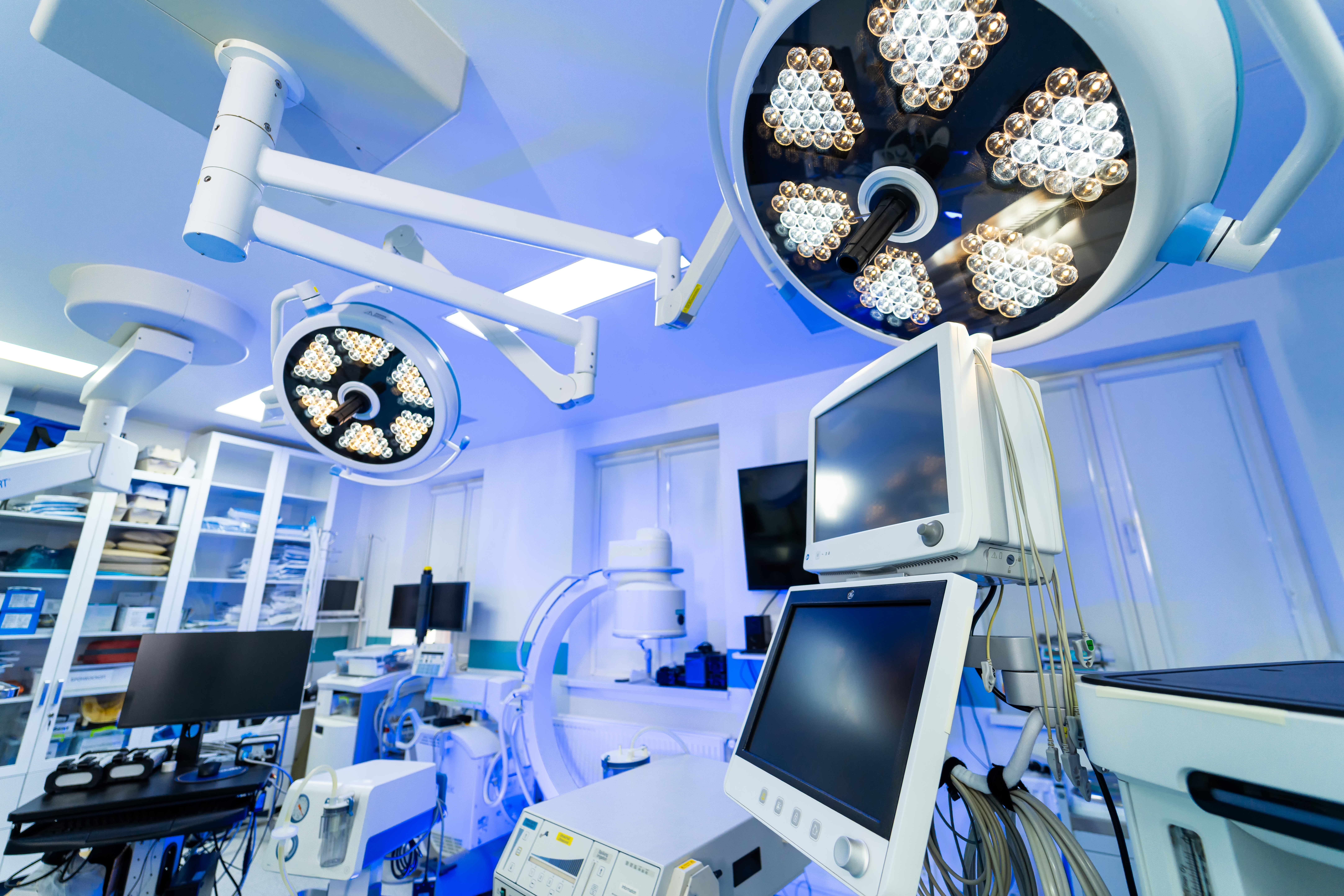
Understanding the specific technologies that drive these cost savings is crucial. MolecuLight DX and Triple-Layer Allograft are leading innovations that promise to redefine wound care.
Power of MolecuLight DX
The MolecuLight DX is a game-changer in wound care due to its ability to provide real-time imaging of bacterial presence. This insight allows healthcare providers to target treatments more effectively, ensuring that patients receive the right care promptly. By identifying areas with high bacterial loads, the MolecuLight DX assists in focusing resources where they are most needed.
This technology not only improves patient outcomes but also reduces unnecessary costs associated with ineffective treatments. Patients benefit from faster recovery times, while facilities enjoy the financial relief of reduced treatment expenses. Such precision and efficiency mark a new era in wound care management.
Effectiveness of Triple-Layer Allograft
The Triple-Layer Allograft offers another layer of innovation by providing a structural scaffold that supports tissue regeneration. Its unique composition aids in accelerating the healing process, making it a preferred choice among healthcare professionals. With its FDA-compliant design, the allograft ensures safety and efficacy, which boosts confidence in treatment outcomes.
By promoting quicker recovery, this technology significantly cuts down on treatment durations and associated costs. Patients can look forward to better healing experiences, while facilities benefit from decreased operational pressures. The Triple-Layer Allograft exemplifies how advanced technologies can transform wound management.
Enhancing Healthcare Efficiency
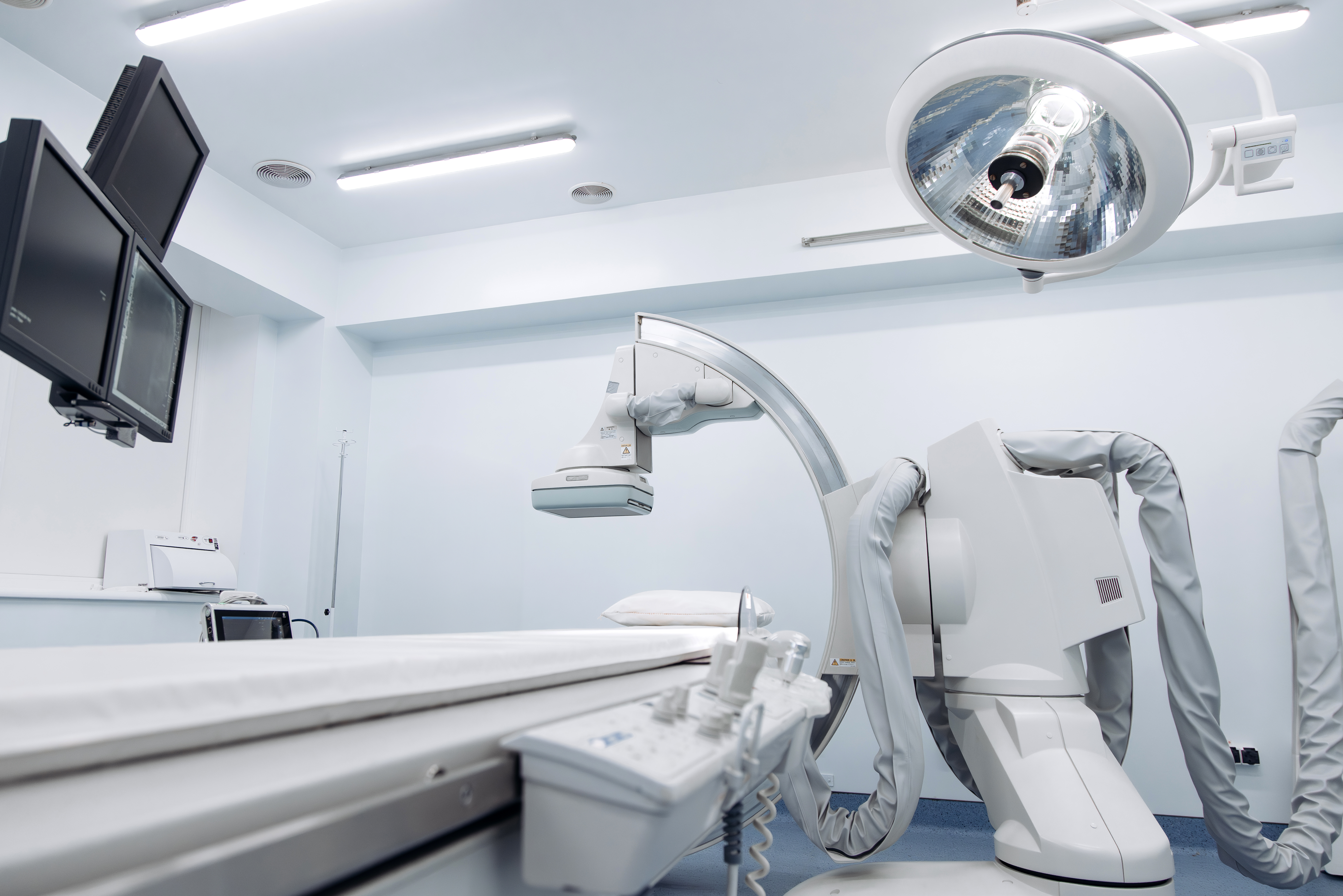
Beyond cost savings, these technologies contribute to overall healthcare efficiency by streamlining recovery processes and improving patient outcomes.
Streamlining Patient Recovery
Advanced wound care solutions like MolecuLight DX and Triple-Layer Allograft not only save money but also enhance recovery times. By integrating these tools into standard care practices, healthcare providers can ensure that patients experience faster healing. This not only improves patient satisfaction but also frees up valuable resources within facilities.
The more efficiently patients recover, the more resources can be allocated to other critical areas. This balance is vital in maintaining high standards of care without overextending budgets. For insights on optimizing healthcare efficiency, explore this article.
Improving Outcomes with Wound Care Solutions
Ultimately, the integration of advanced wound care technologies results in improved patient outcomes. By providing precise assessments and targeted treatments, facilities can ensure that patients receive the most effective care possible. This leads to higher recovery rates and fewer complications, both of which are crucial in reducing healthcare costs.
The longer facilities wait to adopt these technologies, the more they risk falling behind in providing optimal care. By embracing advanced solutions, healthcare providers can not only enhance patient experiences but also ensure long-term sustainability. For a glimpse into future innovations, consider visiting this blog.
In summary, advanced wound care technologies present a compelling case for their adoption. By reducing costs and improving patient outcomes, they offer a win-win scenario for both healthcare providers and patients alike.
Join our webinar to explore the costs of untreated wounds.