Early Identification and Management of Chronic Wounds: A Clinical Guide
Early Identification and Management of Chronic Wounds: A Clinical Guide
Chronic wounds demand attention before complications arise. Delayed wound management often leads to prolonged healing and greater patient risks. This clinical guide highlights key steps for early identification and effective treatment, featuring tools like MolecuLight DX and the triple-layer allograft to improve patient outcomes. Keep reading to strengthen your approach to advanced wound care and make a real difference in your patients’ recovery. For further insights, feel free to refer to this resource on wound care guidelines.
Importance of Early Identification

Understanding the significance of identifying chronic wounds early can save lives and prevent complications. Spotting these wounds in their initial stages allows for timely intervention.
Recognizing Chronic Wounds
Identifying chronic wounds requires keen observation. These wounds often linger beyond the usual healing time, typically over four weeks. They resist standard treatments and may show no signs of progress. Knowing the type of wound you are dealing with is crucial. Common chronic wounds include diabetic foot ulcers, pressure ulcers, and venous leg ulcers. Each demands a tailored treatment approach.
Signs and Symptoms to Watch
Look for persistent redness, swelling, and foul odor. These are red flags indicating infection or stalled healing. Pain levels that don’t decrease can also be a concern. Document any changes or lack of improvement. This data helps in determining the next steps in management. For a detailed guide on treatment, refer to the Pocket Guide on Wound Treatment.
Role of Early Detection in Healing
Early detection plays a pivotal role in speeding up recovery. Intervening early minimizes the risk of complications such as infections. Quick action can significantly reduce the overall healing time and improve outcomes. Most people think waiting for natural healing is enough, but timely action is essential.
Advanced Management Techniques
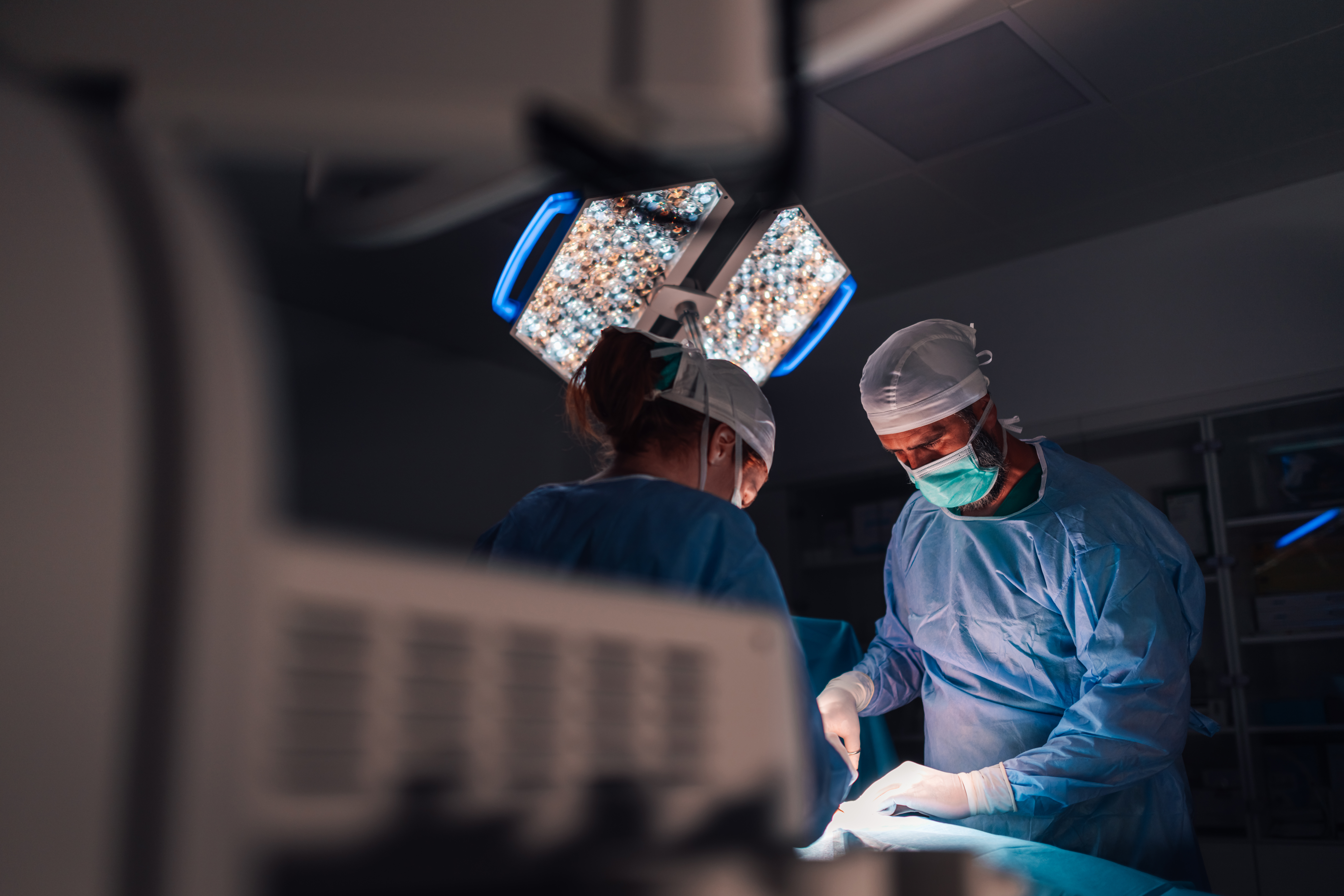
Once chronic wounds are identified, advanced techniques can aid in effective management. Leveraging modern tools and methods ensures better results for patients.
Utilizing MolecuLight DX
MolecuLight DX is a game-changer in wound management. This tool helps visualize bacterial presence in wounds, guiding precise interventions. With its real-time imaging, it allows for targeted debridement and treatment. Imagine having a clear roadmap to tackle infection effectively.
Benefits of Triple-Layer Allograft
The triple-layer allograft offers unmatched healing support. It serves as a scaffold promoting tissue repair while being compliant with FDA standards. This allograft accelerates healing by fostering a conducive environment for wound closure. Incorporating it into your practice could transform patient outcomes.
Integrating Specialty Wound Care Solutions
Specialty Wound Care solutions provide a comprehensive approach. These solutions incorporate cutting-edge technologies and personalized care strategies. By partnering with providers, they ensure the highest standard of wound care. Discover more about integrating solutions by exploring this comprehensive guide.
Enhancing Patient Outcomes
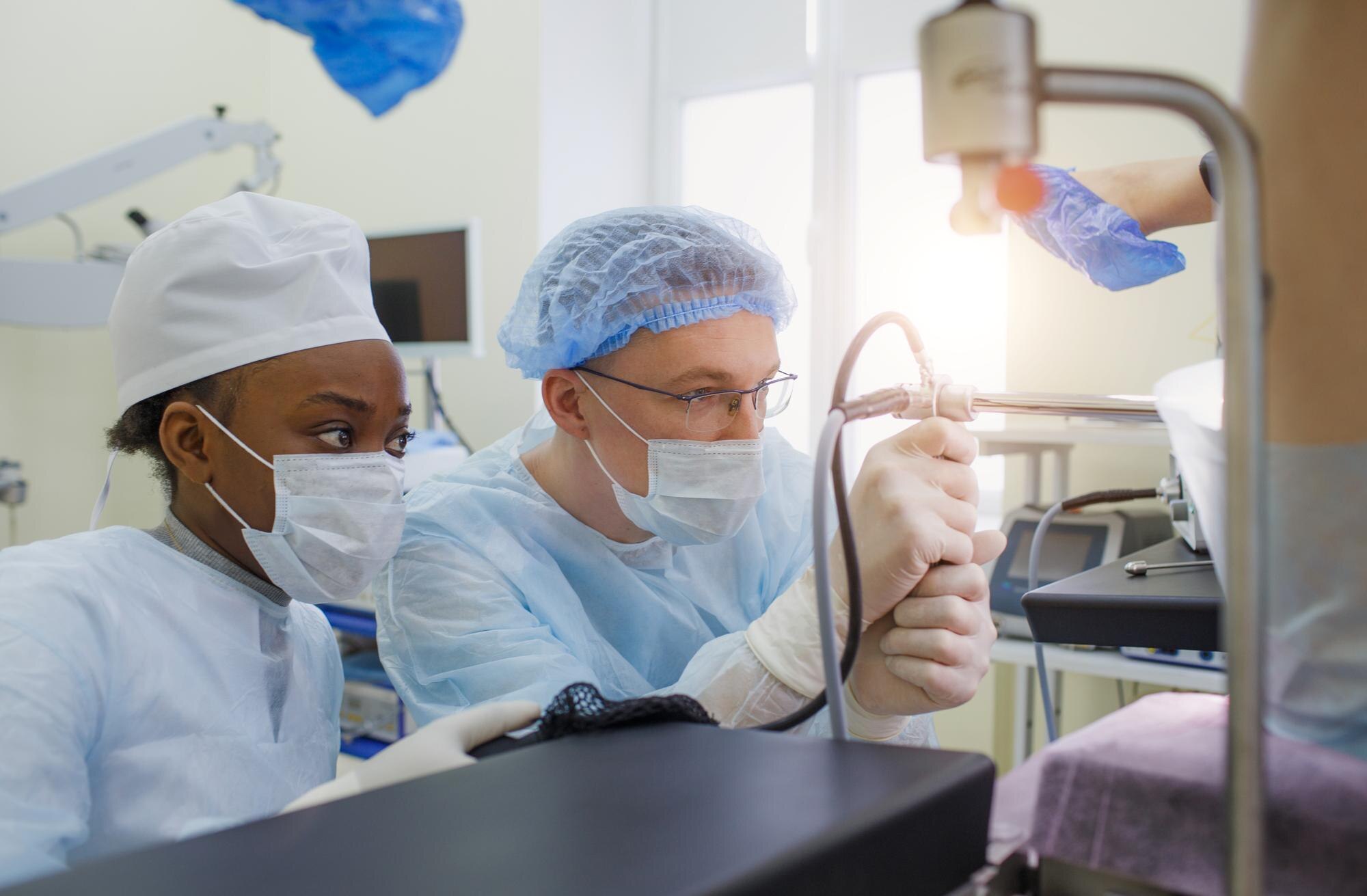
Implementing advanced techniques and early detection methods is only part of the equation. Consistent and holistic practices are vital in enhancing overall patient recovery.
Comprehensive Wound Care Practices
Comprehensive care involves more than treatments; it includes patient education and follow-up. Keeping patients informed about their care plan promotes better adherence. Regular monitoring and documenting progress provide insights into treatment efficacy. For further reading, consult the American Family Physician’s article on managing chronic wounds.
Collaborating for Better Results
Collaboration is key in wound care. Working with multidisciplinary teams enriches the treatment process. It opens up avenues for sharing knowledge and resources. Building a network with other professionals creates a support system that enhances patient care.
Continuous Education and Training
Stay updated with the latest in wound care by pursuing ongoing education. Regular training ensures that you are equipped with the latest techniques and information. This commitment to learning fosters better patient outcomes and professional growth. Unlock the potential of your practice by dedicating time to learning and application.
In conclusion, early identification and advanced management of chronic wounds are crucial in improving patient outcomes. By integrating modern tools and maintaining comprehensive care practices, healthcare professionals can make significant strides in patient recovery. Remember, the longer you wait, the harder it becomes to treat these wounds effectively. Stay proactive in your approach to wound care.