Preventing Pressure Ulcers: Essential Strategies for Nursing Home Care
Preventing Pressure Ulcers: Essential Strategies for Nursing Home Care
Pressure ulcers remain a persistent challenge in nursing home care, often leading to serious complications. You know preventing these wounds demands more than routine checks—it requires targeted strategies backed by advanced wound care. In this post, you’ll learn practical steps to reduce pressure ulcer risk and how Specialty Wound Care’s cutting-edge solutions support your efforts in wound management. For more information, visit this link.
Key Strategies for Ulcer Prevention

Preventing pressure ulcers requires a proactive approach. These key strategies will help you create a safer environment for your patients.
Regular Patient Assessment
Regular assessments are the backbone of effective care. By checking each patient thoroughly, you can catch early signs of ulcers. Pressure ulcer prevention starts with understanding risk factors. Use tools like the Braden Scale to evaluate each patient’s risk level. Frequent skin checks, ideally daily, can help in spotting redness or irritation early. This simple routine can drastically reduce ulcer occurrence.
For more information on pressure ulcer risk factors, consider reviewing resources such as the NCBI guide.
Repositioning and Mobility Support
Movement is your ally in ulcer prevention. When patients stay in one position too long, pressure builds up, leading to ulcers. Encourage repositioning every two hours to alleviate pressure. Along with repositioning, consider using support surfaces like specialized mattresses or cushions to further reduce risk. These surfaces help distribute weight evenly, which can protect vulnerable areas of the body.
Discover more tips for preventing bedsores in nursing homes here.
Skin Care and Nutrition
Healthy skin resists ulcers. Moisturize regularly to prevent dryness, and inspect for signs of damage. Nutrition also plays a key role. A balanced diet, rich in protein, vitamins, and minerals, supports skin health. Hydration is equally important to maintain skin elasticity. Educate patients and families on the importance of nutrition in ulcer prevention, making it a collaborative effort.
For more insights on skin care and nutrition in ulcer prevention, check out American Nurse’s article.
Advanced Wound Care Solutions
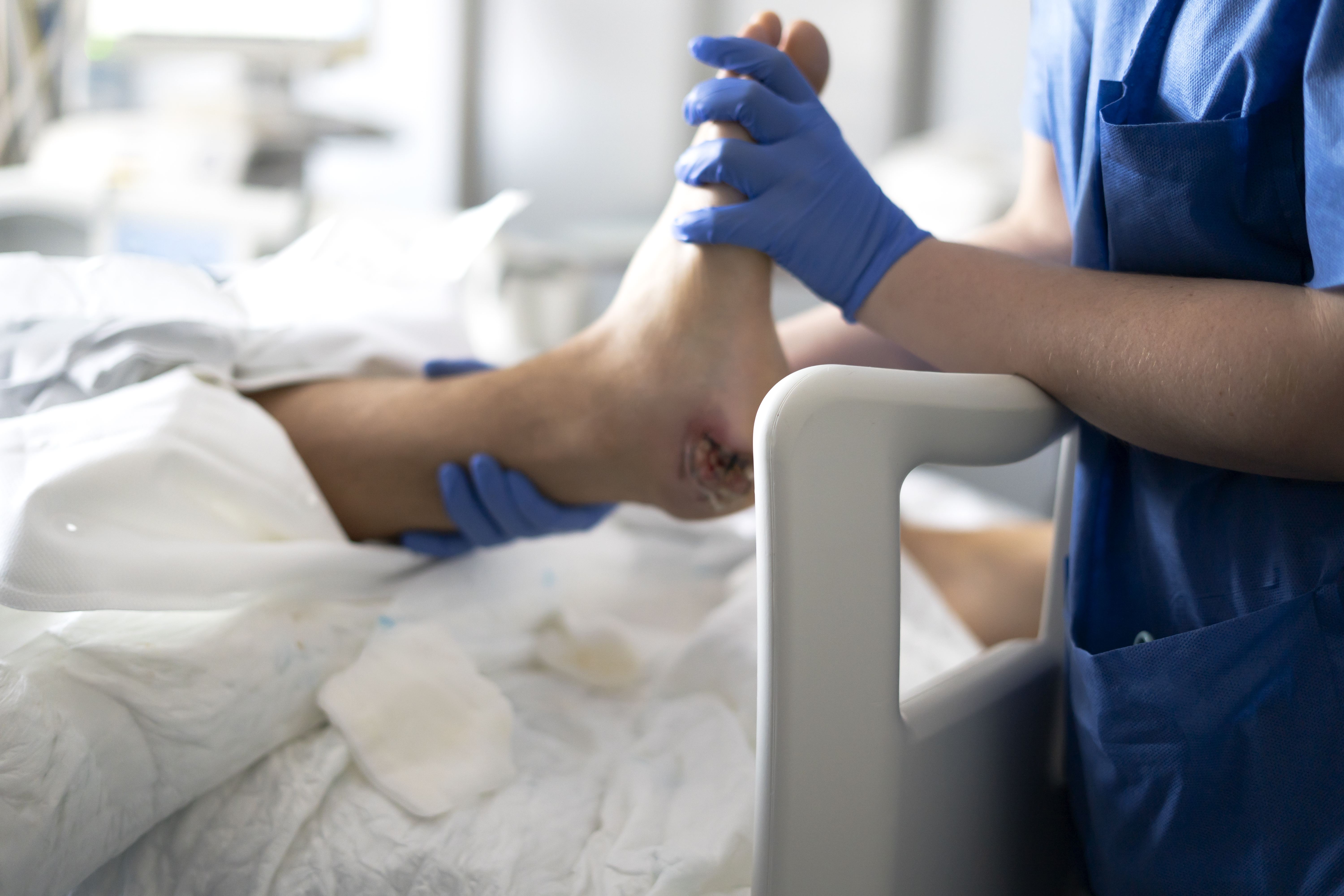
To enhance your wound care approach, exploring advanced solutions can make a significant difference. Specialty Wound Care offers cutting-edge products that support healing.
Benefits of Triple-Layer Allografts
Triple-layer allografts can be a game-changer. These allografts provide essential support for wound healing. They create a scaffold for new tissue growth, promoting faster recovery. By integrating these into your care plan, you ensure that patients receive top-notch treatment. This innovation not only improves outcomes but also instills confidence in your care.
MolecuLight DX Technology
MolecuLight DX Technology offers precision in wound management. This tool helps identify bacteria in wounds, guiding effective treatment. With real-time imaging, you can make informed decisions about care. This technology reduces guesswork and enhances healing, making it an invaluable asset in your toolkit.
Partnering with Specialty Wound Care

Collaboration with experts can elevate your practice. Specialty Wound Care offers comprehensive services to support your efforts.
Comprehensive Wound Management Services
From assessment to treatment, Specialty Wound Care provides complete support. Their team of experts works alongside you, ensuring best practices in wound management. By integrating their services, you enhance your facility’s capabilities, benefiting both patients and staff.
Contacting Specialty Wound Care for Support
Ready to improve your wound care approach? Reach out to Specialty Wound Care for tailored support. Their expertise and innovative solutions can transform your practice, making a positive impact on patient care.
For additional strategies, visit the AHRQ guide on pressure ulcer prevention.