Essential Wound Care Tips for Healthcare Professionals
Essential Wound Care Tips for Healthcare Professionals
Wound care challenges demand more than routine steps—they require precise methods and the right tools. As healthcare professionals, you face complex cases that call for advanced wound healing strategies and innovative treatment options. This guide shares essential tips to refine your wound management approach and highlights technologies designed to improve patient outcomes. For more information, you can refer to this resource.
Best Practices in Wound Care

Start by assessing the wound to determine the best care plan. A careful examination can reveal hidden challenges. Here’s how to refine your approach.
Patient Assessment Techniques
Accurate patient assessment is crucial for effective wound care. Begin by observing the wound’s size, depth, and condition. Notice any signs of infection, such as redness or swelling. Use a simple checklist to ensure nothing is overlooked.
-
Visual Inspection: Look for tissue discoloration and odor.
-
Palpation: Gently feel for hardness or warmth.
-
Measurement: Record the wound dimensions regularly.
These steps help you track healing progress. Don’t underestimate the power of a thorough assessment; it sets the foundation for the entire treatment process. Most people think assessing is straightforward, but details make all the difference.
Dressing Selection Guidelines
Choosing the right dressing impacts healing significantly. Match the dressing to the wound type to enhance recovery. Consider moisture levels and the need for protection.
-
Dry Wounds: Opt for hydrogels to maintain moisture.
-
Exudative Wounds: Use foam dressings to absorb excess fluid.
-
Infected Wounds: Antimicrobial dressings are essential.
Selecting the right dressing can reduce healing time. The longer you wait to adjust treatment, the more complicated recovery becomes. Each choice you make directly influences patient outcomes.
Innovative Treatment Options

Technological advancements are reshaping wound care. By integrating the latest tools and methods, you can achieve better results efficiently.
Advanced Testing Methods
Speed is vital in wound care diagnostics. Traditional methods can delay treatment. With advanced testing, you get results faster, guiding precise interventions.
-
Rapid Pathogen Identification: Some methods provide results in hours, not weeks.
-
Sensitivity Testing: Helps tailor antibiotic use to specific bacteria.
These tools empower you to act quickly, preventing complications. Faster diagnostics mean faster healing, a benefit every healthcare professional can appreciate.
MolecuLight DX Technology
This device revolutionizes wound analysis. It offers real-time insights, transforming how you approach treatment. MolecuLight DX enables you to see bacterial presence with clarity.
-
Visual Bacteria Detection: Guides targeted cleaning and debridement.
-
Accurate Measurements: Ensures consistent tracking of wound size.
By using this technology, you gain a deeper understanding of wounds. Most people think typical methods suffice, but advanced tools provide a competitive edge.
Collaborative Approaches for Optimal Outcomes
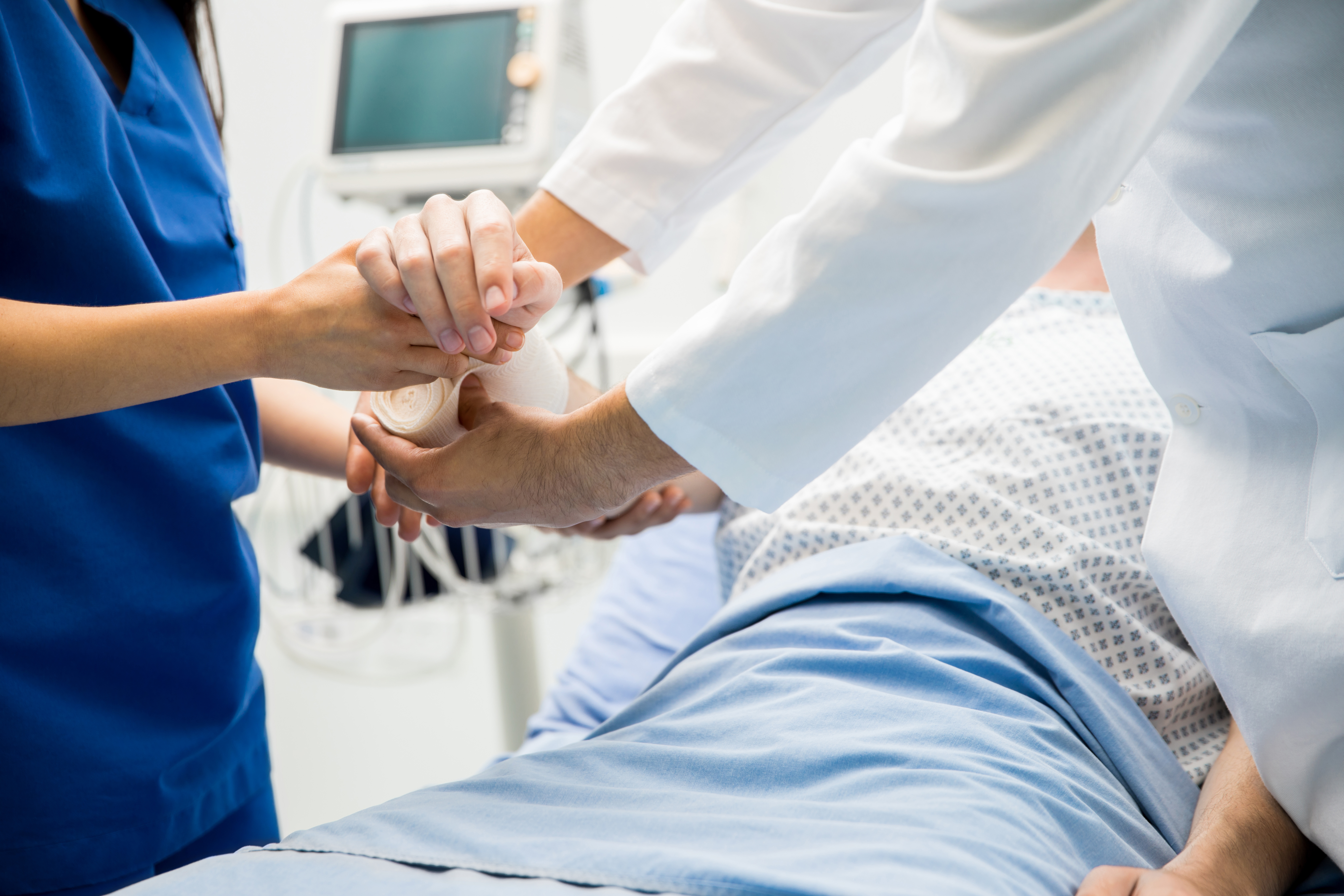
Working together enhances patient care. Collaborative strategies can lead to superior results in wound management.
Team-Based Care Strategies
Effective wound care involves more than just one person. A team-based approach ensures comprehensive treatment. Involve nurses, doctors, and specialists in planning.
-
Regular Meetings: Discuss patient progress and adjust plans.
-
Shared Protocols: Ensure everyone follows the same guidelines.
Teams can solve problems more efficiently. When you combine expertise, the potential for successful outcomes increases dramatically.
Partnering with Specialty Wound Care Solutions
Partnerships can enhance your practice. Specialty Wound Care offers resources and expertise to support patient care. Collaborate for access to the latest treatments and technologies.
-
Training Sessions: Stay updated with the latest techniques.
-
Resource Sharing: Access cutting-edge equipment and protocols.
By partnering with experts, you improve patient outcomes and expand your knowledge. It’s not just about what you do alone but what you achieve together.