Tag: Nutrition for Wound Healing

Nutrition Essentials to Accelerate Tissue Repair and Healing

Specialty Wound Care | January 2nd, 2026


Nutrition Essentials to Accelerate Tissue Repair and Healing

Wound healing doesn’t happen by chance—it depends on the right nutrients working behind the scenes. Your approach to nutrition for wound healing can speed tissue repair and reduce complications. In this article, you’ll learn key tissue repair nutrition essentials and how Specialty Wound Care combines these with advanced wound care solutions for faster, safer recovery. To find more information, you can visit this resource.

Importance of Nutrition in Wound Healing
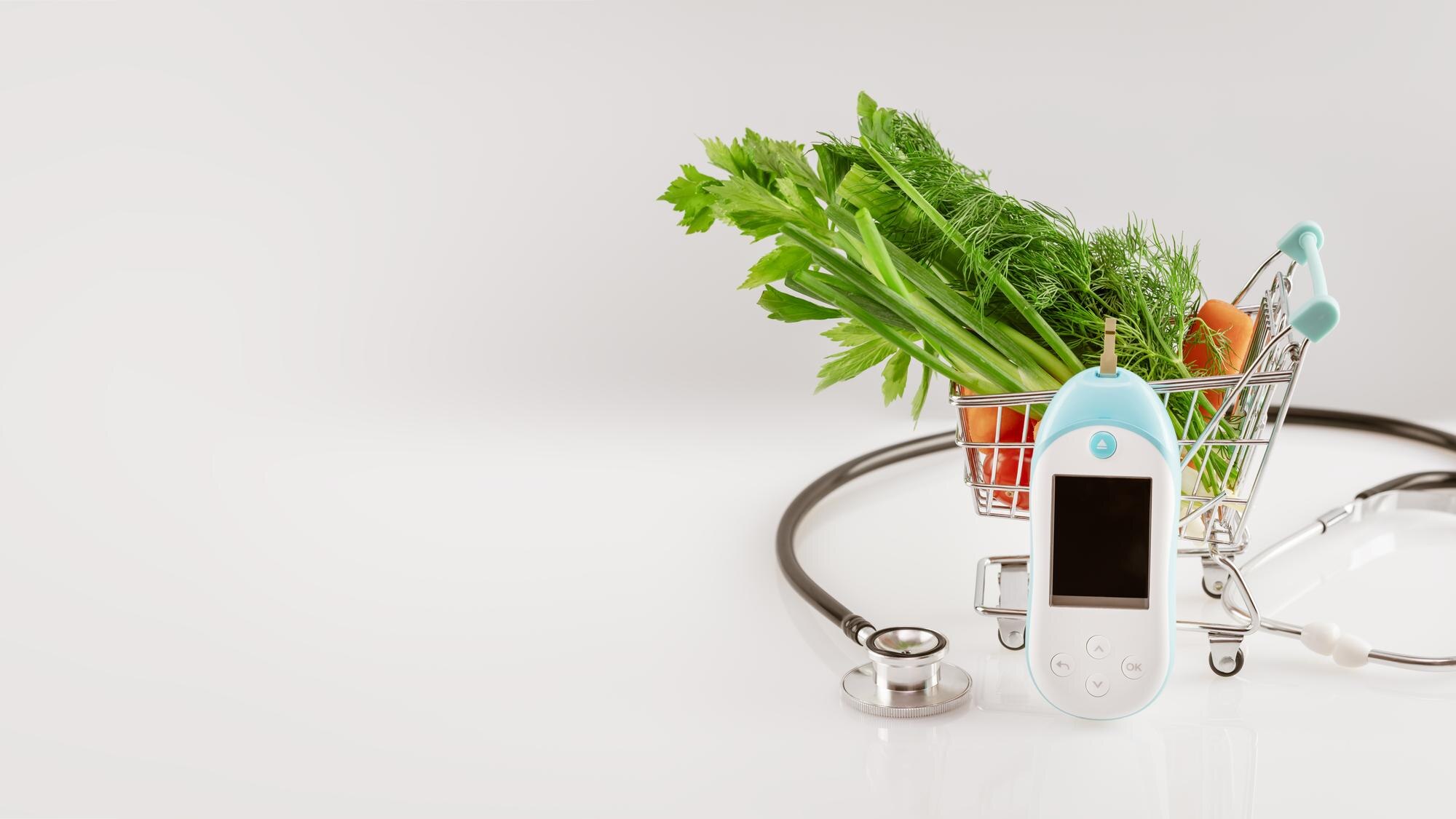
Nutrition plays a crucial role in how your body heals from wounds. Understanding the right nutritional approach can make a significant difference in recovery speed and quality.

Key Nutrients for Tissue Repair

Certain nutrients are vital in helping wounds heal effectively. Vitamin C is essential for collagen formation, which strengthens the wound. Including fruits like oranges and strawberries in your diet can boost your intake. Zinc, found in foods such as beef and spinach, supports cell growth and immune function, crucial for healing. Vitamin A aids in the inflammatory response and can be found in sweet potatoes and carrots. To learn more about foods that support wound healing, check out this guide.

Hydration is also key. Water helps transport nutrients and oxygen to the wound site, promoting healing. Think of it like oil in a car engine—without it, nothing runs smoothly. By focusing on these nutrients, you can support your body’s healing processes more efficiently.

Role of Protein in Recovery

Protein is a building block for tissue repair. Without enough protein, your body may struggle to heal wounds. Including lean meats, such as chicken and fish, can enhance your protein intake, supporting the repair of damaged tissues. Even plant-based sources like beans and tofu offer excellent protein options.

You may not realize that protein also helps prevent infection. It supports a healthy immune system, which is crucial for keeping wounds clean and protected. Most people underestimate how important protein is, but it’s a vital part of any healing diet. Consider consulting resources such as this one from Vanderbilt to deepen your understanding of nutrition for wound healing.

Advanced Wound Care Solutions

Beyond nutrition, advanced treatments play a vital role in wound recovery. Specialty Wound Care offers cutting-edge solutions that complement nutritional efforts, ensuring optimal healing.

Innovative Treatments and Equipment

Specialty Wound Care utilizes technologies like MolecuLight DX, which provides precise wound analysis. This helps identify areas with high bacterial loads, making treatment more effective. The use of triple-layer allografts, developed in compliance with FDA regulations, ensures swift and safe recovery. These advanced options can significantly reduce healing time compared to traditional methods.

Consider how much faster your recovery could be with the right tools. Specialty Wound Care’s technology is not just about speed—it’s about precision. This precision allows for targeted treatment that addresses your specific needs.

Specialty Wound Care Services

Our experts at Specialty Wound Care are dedicated to providing comprehensive services that enhance healing. We collaborate with healthcare providers to integrate these advanced technologies into your care plan. Our approach ensures not just recovery, but a return to full health.

Most wound care facilities offer standard care, but we go beyond that. By working with us, you’re choosing a partner committed to your health and recovery. Our services are crafted to support both medical professionals and patients in achieving the best possible outcomes.

Integrating Nutrition and Advanced Treatments
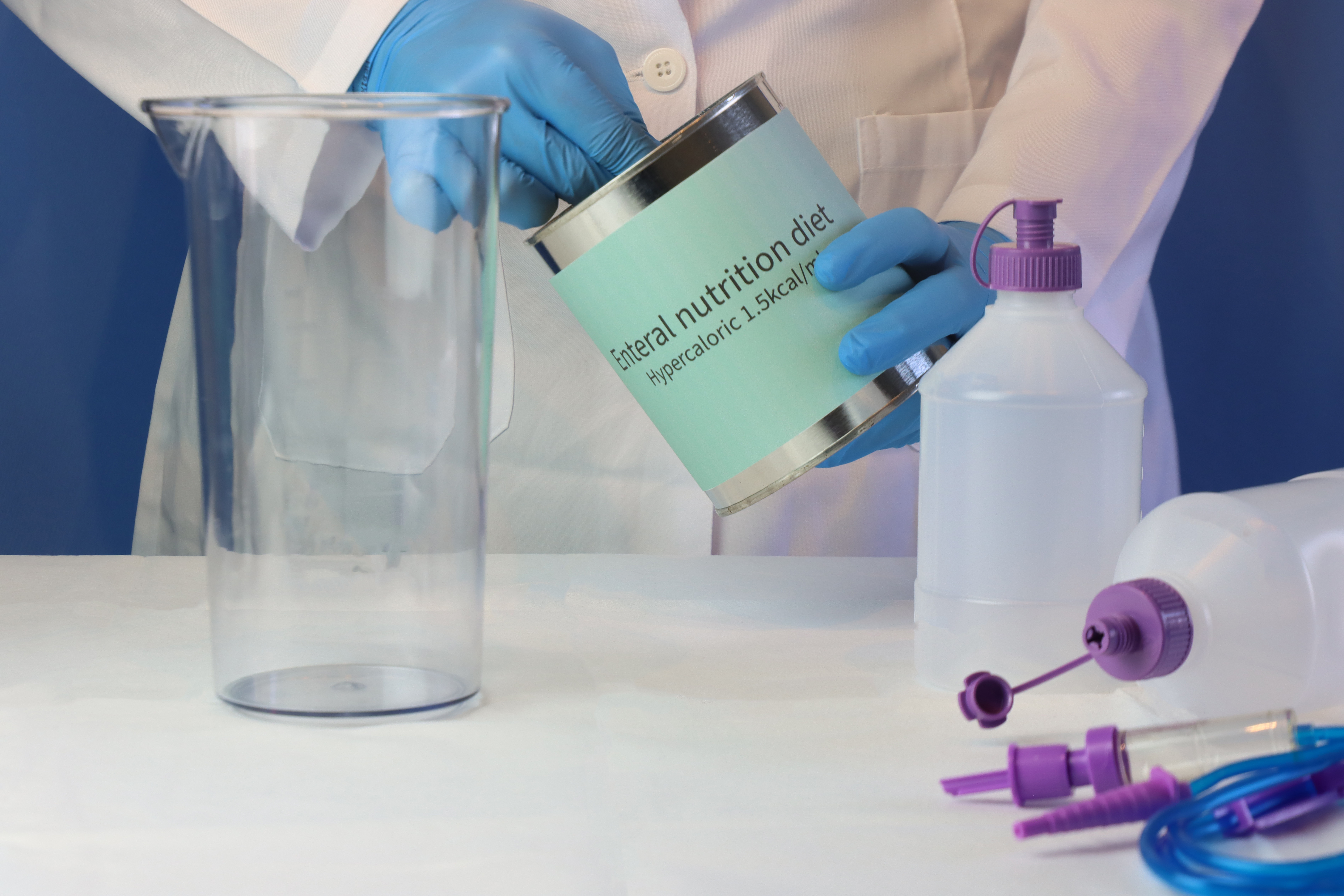
Combining nutrition with advanced wound care treatments offers a holistic approach to healing. This comprehensive strategy ensures that every aspect of recovery is addressed, leading to better results.

Benefits of a Comprehensive Approach

When you integrate nutrition with advanced treatments, you address the root causes of slow healing. This approach doesn’t just treat the symptoms but improves overall health. A well-rounded strategy can accelerate recovery times and reduce complications.

Consider this insight: good nutrition provides the fuel, while advanced treatments offer the tools. Together, they create a healing powerhouse. Ignoring one means missing out on potential benefits. Eating well is just as important as choosing the right medical interventions.

How Specialty Wound Care Can Help

Specialty Wound Care offers solutions that work in tandem with nutritional strategies. Our services are designed to maximize healing potential. By choosing us, you benefit from a team dedicated to your recovery. We offer not just treatments but a partnership in your health journey.

Most people think simple wound care is enough, but integrating advanced solutions with nutrition can make a difference. Don’t wait—embrace a comprehensive approach to healing today. When you partner with us, you’re choosing a path to faster, safer recovery.

Visit now

Stress Impacts Nutritional Status: Essential Healing Tips

Primus Healthcare | September 2nd, 2025


Nutrition & Healing: The Essential Guide to Wound Recovery

🥗 Why Nutrition Is the Missing Piece in Wound Recovery

Many recovering patients may not realize that poor nutrition can be a primary barrier to healing. Imagine struggling to recover from a chronic wound, only to discover that insufficient protein intake or lack of essential vitamins is sabotaging your efforts. Numerous studies indicate that a significant number of patients with chronic wounds experience nutritional gaps that impede their healing process.

To fully understand how nutrition plays a crucial role in recovery, it’s vital to delve deeper into what our bodies need to repair and regenerate.

Read more about nutrition for wound healing

🧬 What Happens Inside: Healing Requires Fuel

The healing process is an intricate ballet that requires various nutrients to perform its roles effectively.

Tissue Growth: Protein is the building block for cellular repair.
Immune Defense: Vitamins like A and C are essential for creating antibodies and facilitating the body’s immune response.
Collagen Repair: Collagen, which requires vitamin C for synthesis, is crucial for skin integrity and wound recovery.

In short, just as a car runs on fuel, our bodies require specific nutrients to drive the various stages of healing. Without adequate intake, the body may enter a prolonged healing phase, leading to complications and extended recovery times.

🍳 Top Nutrients for Healing Skin

When it comes to wound healing, several key nutrients take center stage:

Protein: Essential for tissue repair. Sources include lean meats, beans, and yogurt.
Vitamin C: Important for collagen production. Citrus fruits and bell peppers are excellent sources.
Vitamin A: Helps maintain skin integrity. Found in carrots, sweet potatoes, and spinach.
Zinc: Crucial for immune function and cellular repair. Rich sources include nuts and meats.
Iron: Supports oxygen transport to tissues. Lentils and spinach can help boost levels.
Omega-3 Fatty Acids: Promote anti-inflammatory responses. Found in fish such as salmon and flax seeds.

Incorporating these nutrients into your diet can create a powerful foundation for effective healing.

Explore our self-care nutrition guides

🥤 Hydration and Electrolytes Matter Too

Water isn’t merely a thirst quencher; it’s vital for numerous bodily functions that contribute to wound healing. Adequate hydration facilitates nutrient transport, helps oxygenate tissues, and aids in circulation. When patients are dehydrated, the likelihood of complications increases, which can significantly slow down the healing process.

Electrolytes like sodium and potassium also play roles in maintaining fluid balance and cellular function. Ensuring an optimal balance of hydration can be as important as focusing on solid food intake.

🧃 Real-World Healing Diet Tips

Transitioning to a healing diet can be as simple as incorporating specific meal ideas. Here are a few practical tips:

High-Protein Snacks: Greek yogurt, cottage cheese, or hard-boiled eggs make excellent snacks.
Substitutions for Dietary Restrictions: If lactose intolerant, consider almond or soy yogurt fortified with protein.
Meal Ideas:
– Breakfast: Scrambled eggs with spinach (for vitamin A) and whole-grain toast.
– Lunch: Quinoa salad loaded with colorful veggies and lean chicken.
– Dinner: Grilled salmon (for omega-3s) with steamed broccoli (rich in vitamin C).

These meal ideas can not only satiate you but also fortify your body for a robust recovery.

Real-world recovery stories with nutrition tips

💊 Supplements vs. Whole Food

While supplements might seem like an easy fix, they should generally be viewed as adjuncts, not replacements for whole foods. Ideally, nutrients should come from a balanced diet rich in colorful fruits, vegetables, lean proteins, and healthy fats. Whole foods contain a complex array of compounds that work synergistically to promote healing, which supplements often cannot replicate.

Consult with a healthcare provider before introducing any supplements into your regimen to avoid potential interactions or imbalances.

🩺 Nutrition Gaps That Delay Healing

Various warning signs can indicate that your nutrition may not be ideal for healing:

Anemia: Low iron levels can hinder oxygen transport, slowing recovery.
Malnutrition: A lack of essential nutrients often leads to extended healing times.
Diabetes-Related Appetite Issues: Uncontrolled blood sugar can impact hunger and food choices.
Undereating in Seniors: Older adults may not consume enough calories or nutrients, which can negatively affect their recovery.

Being aware of these gaps is key to making informed dietary decisions.

📈 Evidence-Based Guidance

Research has increasingly demonstrated that targeted nutritional interventions can significantly improve wound healing outcomes. For instance, a 2021 study published in the Journal of Wound Care found that patients who increased their protein intake saw faster wound closure rates compared to those who did not. Another recent study highlighted that implementing specific micronutrient supplementation reduced infection rates in surgical patients.

These findings emphasize the importance of making informed dietary choices and managing nutritional intake effectively.

🧑‍⚕️ Clinician Takeaway

A concise insight from clinical experience: “As wound care providers, we often see improved outcomes when patients engage in discussions about their nutritional needs. Tailoring a nutrition plan that focuses on adequate protein and micronutrient intake can make a significant difference in recovery time.”

📌 Healing Nutrition Checklist

– Drink at least 8 cups of water daily
– Include protein at every meal
– Eat colorful fruits and veggies for antioxidants
– Track iron, zinc, and vitamin C intake
– Use supplements only under guidance

Learn how dressings and diet work together

📢 Call to Action

Nutrition isn’t just fuel — it’s a healing tool. Whether you’re caring for someone or healing yourself, visit SpecialtyWoundCare.com to explore expert insights on nutrition and wound recovery.

Budget-Friendly High-Protein Meals: Effortless Must-Have Tips

Primus Healthcare | September 2nd, 2025


🥗 Why Nutrition Is the Missing Piece in Wound Recovery

Nutrition is often an overlooked player in the journey to healing, yet it’s a critical element that can significantly influence recovery outcomes. A study shows that patients with chronic wounds often suffer from malnutrition, which can delay healing and increase complications. For instance, an individual recovering from surgery may focus solely on wound care but neglect the importance of nutritious meals. Without the right fuel, even the best treatments may fall short.

This is why understanding how nutrition supports wound healing is essential for everyone involved in the recovery process.

Read more about nutrition for wound healing

🧬 What Happens Inside: Healing Requires Fuel

When we think about wound healing, it’s easy to focus on external treatments like dressings and ointments. However, what’s happening inside the body is just as crucial. Healing requires a variety of nutrients that work synergistically to promote tissue repair and growth. Proteins are vital for rebuilding cells, while vitamins and minerals like zinc and vitamin C are essential for collagen formation and immune response.

These nutrients act as the body’s building blocks, ensuring that healing processes function optimally. For example, when you consume adequate amounts of protein, your body can effectively synthesize collagen, which is foundational for new skin formation.

Explore our self-care nutrition guides

🍳 Top Nutrients for Healing Skin

Certain nutrients play starring roles in the wound healing process. Let’s break down some of the most important ones:

Protein: Essential for tissue repair and immune function. Think eggs, lean meats, and legumes.

Vitamin C: Crucial for collagen synthesis; found in citrus fruits, bell peppers, and strawberries.

Vitamin A: Supports skin health and immune function; sources include sweet potatoes and carrots.

Zinc: Important for immune response and wound healing; found in nuts, seeds, and whole grains.

Iron: Essential for oxygen transport in the blood; sources include spinach, red meat, and legumes.

Omega-3 Fatty Acids: Help decrease inflammation; found in fatty fish, flaxseeds, and walnuts.

Incorporating these foods into your diet can bolster your healing regimen, making it essential to choose the right nourishment during recovery.

🥤 Hydration and Electrolytes Matter Too

Hydration is often underestimated but is equally essential for the healing process. Water plays a pivotal role in tissue oxygenation, nutrient transport, and circulation. Dehydration can lead to reduced blood flow, impairing the body’s ability to supply oxygen and nutrients necessary for healing.

Moreover, electrolytes like sodium, potassium, and magnesium help maintain fluid balance, nerve function, and muscle contraction. Prioritizing hydration can ensure that the healing processes occur efficiently, facilitating a quicker recovery.

🧃 Real-World Healing Diet Tips

Practical meal ideas can make a world of difference in enhancing your nutrition during recovery. Here are some simple yet effective tips:

High-Protein Snacks: Opt for Greek yogurt, cottage cheese, or protein bars to keep energy up.

Meal Ideas:

– Breakfast: Omelet with spinach and tomatoes for vitamin A and protein.

– Lunch: Quinoa salad with chickpeas, bell peppers, and olive oil dressing for better antioxidants.

– Dinner: Grilled salmon with sweet potato for omega-3s and vitamin A.

Substitutions: If vegetarian, consider lentils and beans as protein sources. For gluten-free options, quinoa or brown rice are excellent alternatives.

Real-world recovery stories with nutrition tips

💊 Supplements vs. Whole Food

While supplements can fill nutritional gaps, whole foods provide a complex synergy of vitamins, minerals, and phytonutrients necessary for optimal health. Ideally, the first approach should always be to derive nutrients from a balanced diet. However, in cases where dietary restrictions exist or specific deficiencies are identified, supplements can be beneficial.

Consult a healthcare provider before starting any supplement regimen to ensure it supports your unique needs and healing process.

🩺 Nutrition Gaps That Delay Healing

Being aware of nutrition gaps can significantly influence recovery. Common signs that indicate a lack of necessary nutrients include:

Anemia: Low iron levels can cause fatigue, which diminishes healing capacity.

Malnutrition: Insufficient calorie intake may result in weakened immune response and slower tissue repair.

Diabetes-Related Appetite Issues: Fluctuating blood sugar levels can affect appetite and nutrient intake.

Undereating in Seniors: Older adults often face unique challenges that can impede their nutritional intake.

Recognizing these warning signs early can make a tremendous difference in healing outcomes.

📈 Evidence-Based Guidance

Recent studies corroborate the importance of nutrition for wound healing. A 2021 peer-reviewed study highlighted that patients with improved nutritional status experienced faster healing rates and fewer complications compared to their malnourished counterparts. Another study emphasized that patients receiving tailored nutritional interventions had significantly better health outcomes. These insights highlight that a focus on nutrition is critical for successful recovery.

🧑‍⚕️ Clinician Takeaway

Healthcare providers, including dietitians and nurses, play an integral role in educating patients about the importance of nutrition in the healing process. Understanding the synergy between diet and wound care can empower patients to take an active role in their recovery.

📌 Healing Nutrition Checklist

To summarize, here is a quick checklist to ensure you’re on the right track:

– Drink at least 8 cups of water daily
– Include protein at every meal
– Eat colorful fruits/veggies for antioxidants
– Track iron, zinc, and vitamin C intake
– Use supplements only under guidance

Learn how dressings and diet work together

📢 Call to Action

Nutrition isn’t just fuel — it’s a healing tool. Whether you’re caring for someone or healing yourself, visit

SpecialtyWoundCare.com

to explore expert insights on nutrition and wound recovery.

Gut-Skin Axis: Stunning Secrets for Better Healing

Primus Healthcare | September 2nd, 2025


Nutrition & Healing

🥗 Why Nutrition Is the Missing Piece in Wound Recovery

Imagine a patient, recovering from surgery, frustrated by slow healing and frequent complications. Many times, this struggle isn’t just about medical care but can be attributed to nutritional gaps that prevent the body from performing its best. According to recent studies, optimal nutrition can lessen healing time and enhance recovery outcomes significantly. This should ignite curiosity about how dietary choices can empower healing.

Read more about nutrition for wound healing

🧬 What Happens Inside: Healing Requires Fuel

When the body sustains an injury, it embarks on an intricate healing process that demands an array of nutrients. Nutrients support tissue growth, immune defense, and collagen repair — all essential components in wound recovery.

Protein aids in tissue regeneration and provides the building blocks for collagen.
Vitamins like C and A work to rebuild cells and bolster the immune response.
Minerals such as zinc are crucial for skin repair and inflammation control.

Essentially, without the right fuel, your body struggles to mount an effective healing response.

🍳 Top Nutrients for Healing Skin

Certain nutrients stand out as particularly significant for healing skin and wounds. Here are some key components and their sources:

Protein: Found in eggs, chicken, and legumes, it helps in tissue regeneration.
Vitamin C: Present in citrus fruits, bell peppers, and strawberries, it is vital for collagen formation.
Vitamin A: Found in carrots and sweet potatoes, it promotes skin health and immune function.
Zinc: Available in nuts, seeds, and meats, it plays a role in the inflammatory response.
Iron: Essential for oxygen transport, it can be found in leafy greens and lean meats.
Omega-3 Fatty Acids: Found in fish like salmon, these help reduce inflammation and accelerate wound healing.

Including these nutrients in your meals can make a significant difference in recovery time.

Explore our self-care nutrition guides

🥤 Hydration and Electrolytes Matter Too

Water is often underrated in the context of wound healing, but its importance cannot be overstated. Adequate hydration aids in:

Tissue Oxygenation: Essential for all cellular functions.
Circulation: Better circulation means improved delivery of nutrients to wound sites.
Nutrient Transport: Water helps in the absorption and transport of vitamins and minerals.

Keeping your body hydrated is crucial, especially when recovering from an injury or surgery.

🧃 Real-World Healing Diet Tips

For those embarking on the healing journey, meal planning can feel overwhelming. Here are some practical tips for creating nutritious meals:

High-Protein Snacks: Consider Greek yogurt, cottage cheese, or protein bars.
Meal Ideas:
– Breakfast: Scrambled eggs with spinach and whole-grain toast.
– Lunch: Grilled chicken salad topped with a colorful mix of veggies and a citrus dressing.
– Dinner: Quinoa with roasted vegetables and salmon.
Substitutions: If you’re lactose intolerant, substitute dairy with almond or soy milk that is fortified with calcium.

Simple swaps and mindful meal planning can elevate your recovery process.

Real-world recovery stories with nutrition tips

💊 Supplements vs. Whole Food

While dietary supplements can certainly provide benefits, the emphasis should always be on a food-first approach. Whole foods contain a multitude of nutrients that function synergistically, much more than isolated supplements can offer.

However, there are cases where supplementation may be necessary, such as for individuals with specific deficiencies or higher nutritional needs. Always consult healthcare professionals before beginning any supplement regimen.

🩺 Nutrition Gaps That Delay Healing

It’s crucial to recognize the warning signs of inadequate nutrition that can hinder healing. Some common gaps include:

Anemia: Low iron levels can lead to decreased energy and delayed recovery.
Malnutrition: Insufficient caloric intake slows down the healing process.
Diabetes-Related Issues: Both appetite changes and glucose levels can impact nutrient absorption.
Undereating among Seniors: Often due to lifestyle or health issues, having insufficient nutrients can extend recovery time.

Identifying these gaps early can help tailor nutritional strategies for faster healing.

📈 Evidence-Based Guidance

Recent studies have highlighted the powerful impact of nutrition on wound healing. For instance, a 2021 study published in the Journal of Wound Care demonstrated that patients who adhered to a high-protein diet had a 25% faster recovery rate in healing surgical wounds. Another 2022 study reaffirmed the impact of micronutrient supplementation on patients recovering from chronic wounds, showing improved healing metrics compared to those without nutritional intervention.

These studies reflect the significant connection between nutritional strategies and effective wound healing.

🧑‍⚕️ Clinician Takeaway

For healthcare professionals, assessing nutrition should be a routine part of wound care evaluations. A collaborative approach between dietitians and wound care specialists can ensure comprehensive care, promoting optimal healing outcomes.

📌 Healing Nutrition Checklist

– Drink at least 8 cups of water daily
– Include protein at every meal
– Eat colorful fruits/veggies for antioxidants
– Track iron, zinc, and vitamin C intake
– Use supplements only under guidance

Learn how dressings and diet work together

📢 Call to Action

Nutrition isn’t just fuel — it’s a healing tool. Whether you’re caring for someone or healing yourself, visit SpecialtyWoundCare.com to explore expert insights on nutrition and wound recovery.

Nutritional Myths in Wound Recovery: Stunning Facts Unveiled

Primus Healthcare | September 2nd, 2025


🥗 Why Nutrition Is the Missing Piece in Wound Recovery

Imagine a patient recovering from surgery, eagerly awaiting the day they can move freely again. However, healing is stalled, and the surgical site is slow to close. Often, the underlying culprit is inadequate nutrition. Research suggests that over 30% of patients experience delayed recovery due to nutritional deficiencies. This is alarming, yet it highlights how crucial our food choices are in the healing process. Making conscious dietary decisions can significantly impact the speed and efficacy of wound healing.

Understanding the role of nutrition can empower both patients and caregivers to prioritize it in recovery plans. By learning how specific nutrients support the body, we can better equip ourselves for healing. Read more about nutrition for wound healing.

🧬 What Happens Inside: Healing Requires Fuel

Healing is a complex biological process requiring various nutrients to facilitate tissue repair, immune defense, and collagen synthesis. When we sustain an injury, the body initiates a series of reactions that demand energy and building blocks. This is where nutrition becomes vital.

For instance, when your skin is wounded, it requires protein for new cell formation and collagen for structural integrity. Similarly, vitamins and minerals like vitamin C and iron help progressively enhance immune function and cellular regeneration. Without adequate nutrition, the body struggles to repair itself, sometimes leading to chronic wounds or infections.

🍳 Top Nutrients for Healing Skin

Several nutrients play a pivotal role in ensuring wound recovery. Below are some key players:

  • Protein: Essential for tissue formation. Sources include poultry, fish, eggs, and legumes.
  • Vitamin C: Crucial for collagen synthesis, found in citrus fruits, strawberries, and bell peppers.
  • Vitamin A: Supports skin health, available in carrots, sweet potatoes, and leafy greens.
  • Zinc: Plays a role in immune function and skin integrity; found in meat, shellfish, and nuts.
  • Iron: Necessary for oxygen transport; found in red meat, beans, and fortified cereals.
  • Omega-3 Fatty Acids: Reduce inflammation; found in fish like salmon, chia seeds, and walnuts.

Integrating these nutrients into daily meals can further enhance recovery. Explore our self-care nutrition guides for practical meal ideas.

🥤 Hydration and Electrolytes Matter Too

While it may be easy to overlook, hydration is crucial in wound healing. Water facilitates various bodily functions, including nutrient transport, circulation, and the removal of waste from cells. Proper hydration also improves tissue oxygenation, which is vital for recovery.

Moreover, electrolytes, such as sodium and potassium, help maintain fluid balance and muscle function. Dehydration can lead to slower healing times and increase the risk of complications like infection. Aim to drink at least 8 cups of water daily to support your healing process.

🧃 Real-World Healing Diet Tips

Creating a healing diet doesn’t have to be overwhelming. Here are some practical meal ideas and snacks that can help:

  • Breakfast: Scrambled eggs with spinach and whole-grain toast.
  • Lunch: Quinoa salad with mixed vegetables and grilled chicken.
  • Snacks: Greek yogurt topped with berries or nuts.
  • Dinner: Salmon with roasted sweet potatoes and broccoli.

For those with dietary restrictions, consider smart substitutions. For example, if you are vegan, legumes can replace meat for protein, while fruits can substitute for sweeteners in recipes.

Looking for more inspiration? Check out our real-world recovery stories with nutrition tips.

💊 Supplements vs. Whole Food

While supplements can provide additional support in specific situations, whole foods should form the basis of nutritional strategies for healing. Whole foods offer a complex array of nutrients that work synergistically, providing benefits beyond isolated vitamins and minerals. For example, whole fruits contain fiber, antioxidants, and phytochemicals that support overall health.

However, there are times when supplements may be necessary—particularly for patients with medical conditions affecting their ability to eat or absorb nutrients. Always consult healthcare providers before starting any supplement regimen to ensure safety and suitability for your individual needs.

🩺 Nutrition Gaps That Delay Healing

Certain conditions increase the risk of nutritional gaps, which can negatively impact healing:

  • Anemia: Low iron often leads to fatigue and slow recovery.
  • Malnutrition: Inadequate nutrient intake can slow tissue repair.
  • Diabetes: Elevated blood sugar levels can affect appetite and nutrient absorption.
  • Undereating in seniors: Older adults may often consume fewer nutrients, impacting healing.

Identifying these warning signs early can help you make changes to improve nutritional intake, allowing for better recovery outcomes.

📈 Evidence-Based Guidance

Recent studies highlight the importance of nutrition in wound healing. A 2022 study published in the Journal of Wound Care showed that patients who received tailored dietary interventions experienced faster healing rates compared to those who did not adjust their diets. Another study in 2021 demonstrated that higher protein intake was linked to improved outcomes in surgical recovery.

These studies reinforce the intelligence of incorporating nutritional assessments and tailored diets into wound care protocols.

🧑‍⚕️ Clinician Takeaway

As a healthcare provider, it’s essential to emphasize the significance of nutrition in recovery plans. Small changes—such as adding protein-rich snacks or enhancing vitamin intake—can yield significant improvements in wound healing. Collaborating with a registered dietitian can offer patients the personalized strategies they need to optimize their nutrition and recovery.

📌 Healing Nutrition Checklist

  • Drink at least 8 cups of water daily
  • Include protein at every meal
  • Eat colorful fruits/veggies for antioxidants
  • Track iron, zinc, and vitamin C intake
  • Use supplements only under guidance

If you want to understand how diet impacts wound care more broadly, check (Incomplete: max_output_tokens)

Caloric Needs: Essential Guide for Effective Injury Recovery

Primus Healthcare | September 2nd, 2025


Nutrition & Healing: The Essential Elements for Wound Recovery

🥗 Why Nutrition Is the Missing Piece in Wound Recovery

Nutritional status is often an overlooked factor in wound healing. Many people do not realize that inadequate nutrition can directly slow recovery times following surgery or wounds. A study noted that nearly 40% of patients with pressure ulcers had some degree of malnutrition, impacting their healing process. The main takeaway? The food you consume can significantly influence your body’s ability to heal.

If you’re recovering from an injury or surgery, ensuring you’re consuming a balanced diet filled with the essential nutrients is a game-changer.

Read more about nutrition for wound healing

🧬 What Happens Inside: Healing Requires Fuel

When a wound occurs, your body enters a complex healing process that requires various nutrients to support tissue growth, immune response, and collagen production.

Tissue Growth: Your body mobilizes resources to repair damaged cells. This requires proteins and amino acids to synthesize new tissue.
Immune Defense: Healing also demands a strong immune response to prevent infection. Vitamins A and C play key roles here, helping to strengthen skin and mucosal barriers.

Understanding that nutrients serve as fuel for these healing processes highlights their critical role in recovery.

🍳 Top Nutrients for Healing Skin

Certain nutrients are particularly influential when it comes to promoting skin repair and overall healing:

Protein: Essential for tissue repair. Sources include chicken, turkey, eggs, and legumes.

Vitamin C: Crucial for collagen synthesis. Citrus fruits, strawberries, and bell peppers are excellent sources.

Vitamin A: Assists in skin cell regeneration and immune function. Look to carrots, sweet potatoes, and spinach for your fix.

Zinc: Vital for immune function and vital for wound healing. Found in meat, shellfish, and seeds.

Iron: Supports oxygen transportation in the body, crucial for energy and recovery. Rich sources include red meat and leafy greens.

Omega-3 Fatty Acids: Have anti-inflammatory properties and promote blood circulation. Found in fish like salmon, flaxseeds, and walnuts.

Incorporating these nutrients into your daily meals can supercharge your healing process.

Explore our self-care nutrition guides

🥤 Hydration and Electrolytes Matter Too

Water plays an often-ignored yet vital role in wound healing. Proper hydration affects:

Tissue Oxygenation: Adequate fluid levels ensure that oxygen can properly reach your tissues, essential for healing.

Nutrient Transport: Water aids in the transportation of essential nutrients throughout the body.

Circulation: Good hydration supports blood volume, ensuring that nutrients reach the wound site effectively.

In addition, be mindful of your electrolyte intake, especially sodium, potassium, and magnesium, as these are crucial for cellular function.

🧃 Real-World Healing Diet Tips

Planning meals rich in nutrients isn’t just beneficial; it can also be simple. Here are some strategies to put good nutrition into practice:

High-Protein Snacks: Greek yogurt or cottage cheese are excellent choices that can keep you full and support recovery.

Easy Meal Ideas: Make a stir-fry with lots of vegetables and add chicken or tofu. Add a side of quinoa to boost protein content.

Substitutions: For those with dietary restrictions, consider plant-based proteins and dairy alternatives fortified with nutrients like calcium and vitamin D.

To help improve your healing process, consider meal prep that focuses on high-nutrition foods.

Real-world recovery stories with nutrition tips

💊 Supplements vs. Whole Food

While supplements can play a role in filling nutritional gaps, they should never replace whole foods. Whole foods offer a complex array of nutrients that work synergistically to support healing. Unless your healthcare provider suggests otherwise, a food-first approach is optimal.

However, when recovering from surgery or chronic wounds, you might find certain high-quality protein powders or specific vitamin supplements beneficial to boost your intake. Always consult with a healthcare professional before starting any supplementation.

🩺 Nutrition Gaps That Delay Healing

Being aware of potential nutrition gaps can help in timely intervention. Watch for the following warning signs:

Anemia: Low iron levels can impede your body’s ability to deliver oxygen to the wound.

Malnutrition: Often seen in seniors due to reduced appetite.

Diabetes-Related Appetite Issues: Uncontrolled blood sugar can lead to decreased hunger, complicating recovery.

Undereating: Failing to consume enough calories can dramatically slow healing.

Addressing these gaps promptly can provide a more supportive environment for recovery.

📈 Evidence-Based Guidance

Recent peer-reviewed research underscores the impact of nutrition on wound healing. A 2021 study found that patients who increased their vitamin C intake showed improved collagen synthesis, enhancing wound healing rates. Another study demonstrated that optimizing protein intake resulted in better recovery outcomes for post-surgical patients.

These studies reinforce the idea that what you eat can dramatically influence healing.

🧑‍⚕️ Clinician Takeaway

As a healthcare provider, it’s essential to educate patients about the importance of nutrition in wound healing. Encourage them to maintain a food diary to track achievements and identify gaps in their nutrition. Simple adjustments can create significant changes in their recovery journey.

📌 Healing Nutrition Checklist

– Drink at least 8 cups of water daily.
– Include protein at every meal.
– Eat colorful fruits/veggies for antioxidants.
– Track iron, zinc, and vitamin C intake.
– Use supplements only under guidance.

This checklist can help streamline your efforts toward effective nutrition for healing.

Learn how dressings and diet work together

📢 Call to Action

Nutrition isn’t just fuel — it’s a healing tool. Whether you’re caring for someone or healing yourself, visit
SpecialtyWoundCare.com
to explore expert insights on nutrition and wound recovery.

Healing from Within: How Nutrition Reduces Infection Risk in Chronic Wounds

Primus Healthcare | July 30th, 2025


Infection Prevention & Management in Wound Care

🦠 Why Wound Infections Deserve Attention

In the realm of healthcare, wound infections are not just a minor inconvenience; they can be devastating. Approximately 1 in 4 patients with chronic wounds develops an infection. This statistic highlights the grave nature of wounds left unattended, potentially leading to prolonged hospital stays, increased healthcare costs, and, in severe cases, amputations or even death. Imagine a patient recovering from surgery, excited to finally return home, only to find themselves grappling with an unexpected infection. Such emotional and physical turmoil underscores the need for effective infection management strategies.

🧫 Understanding the Enemy: Biofilm, Bacteria, and More

The journey of infection begins with contamination, leading to colonization and, if not addressed, to invasive infection. When bacteria first come into contact with a wound, they can temporarily settle on the surface. This phase is called colonization. Here, bacteria may grow but don’t cause infection yet. If conditions are favorable, these bacteria can multiply and form biofilms, a protective barrier that allows them to persist despite treatments.

Once the bacteria invade, the body’s response can lead to systemic issues, affecting overall health. Understanding this cascade is critical for effective prevention.

To learn more about infection prevention topics, check out this comprehensive guide.

⚖️ Local vs. Systemic Infection

Identifying the signs of infection early provides invaluable time for intervention. Local infections may present with:

– Increased pain or tenderness
– Odor from the wound
– Redness and swelling
– Color change in the surrounding skin

Systemic infections, however, can escalate quickly, often showing symptoms like:

– Fever
– Chills
– Sweating
– Increased heart rate

Recognizing these differences helps caregivers and patients take appropriate actions swiftly.

💥 Common Causes of Infection

Wound infections can arise from various factors, including:

– Unclean dressing techniques
– Uncontrolled diabetes
– Excess moisture in wounds
– Presence of foreign bodies (like sutures or debris)
– Poor hygiene practices

Understanding these risks allows for targeted preventive measures. For more detailed insights, consider these tips for caregivers on home wound care.

🧴 Prevention Strategies That Work

Implementing effective infection prevention protocols in both home and clinic settings can significantly reduce infection rates. Here are key strategies:

Handwashing: Ensure proper washing before touching the wound to minimize contamination.
Saline flush: Use saline to clean the wound and remove debris or bacteria.
Dry vs. Wet: Keep dressings dry and avoid excessive moisture that promotes bacterial growth.
Clean workspace: Maintain a sterile environment when dressing wounds.

Also, proper nutrition plays a crucial role in healing and can enhance the body’s ability to fend off infections. Discover how proper nourishment aids in infection control with this insightful resource.

🧬 Topical vs. Systemic Approaches

There are various antimicrobial options available for treating wound infections, including:

Silver dressings: Effective in minimizing bacterial load.
Iodine-based products: Known for their antiseptic properties.
Honey: Utilizes natural properties to combat infection.
PHMB (Polyhexamethylene biguanide): A broad-spectrum antiseptic.

In cases where infections are systemic, healthcare providers may prescribe systemic antibiotics. Knowing when to escalate the treatment is crucial for patient recovery. To explore more about antimicrobial options, visit this informative page.

🧠 What’s New in Infection Management

The landscape of infection management is evolving rapidly, led by advancements in technology. Notable innovations include:

Smart dressings: These monitor wound conditions and notify caregivers when intervention is needed.
Diagnostic imaging: Offers detailed insights into wound conditions, helping tailor treatment plans.
Phage therapy: An emerging treatment using bacteriophages to specifically target and eliminate harmful bacteria.

Stay updated on the latest innovations in wound care by exploring these monitoring technologies.

🧑‍⚕️ Case Reflection

Consider a patient named Sarah, who underwent knee surgery. Initially, she was healing well, but she began to notice increased redness around the incision. Dismissing it as a minor issue, she ignored the signs until she experienced fever and severe pain. By the time she sought help, the infection had worsened, requiring hospitalization for treatment. After receiving expert care and appropriate antibiotics, Sarah’s condition improved dramatically, emphasizing how crucial it is to act on early signs of infection. Read more about recovery stories in this resource.

🛡️ Reducing Infection Risk Long-Term

Long-term infection prevention is founded on a combination of strategies, including:

Glucose control: Particularly crucial for diabetic patients, as high glucose levels can impede healing and foster infection.
Offloading: Especially in diabetic foot wounds to relieve pressure and promote healing.
Hydration: Ensures proper blood flow and nutrient delivery to affected areas.
Education: Ongoing training for caregivers to recognize and manage early signs of infection.
Compliance: Ensuring that patients follow prescribed care plans.

By integrating these practices, patients can significantly reduce their risk of infection.

📌 Clean Wound Checklist

To maintain a clean wound environment, follow this checklist:

– Wash hands before touching the wound.
– Use sterile gloves or tools during dressing changes.
– Rinse the wound with saline or a wound cleanser.
– Change dressings according to the specified schedule.
– Monitor for odor, color changes, heat, or new drainage.

📢 Call to Action

At Specialty Wound Care, we understand the importance of infection prevention and management in wound care. Our expert team is here to provide you with the support and education you need to keep yourself and your loved ones safe from infections.

Facebook
Instagram
LinkedIn
SOCIALICON
Youtube
X (Twitter)
Bluesky