Tag: wound care best practices

Expert Eyes, Smarter Tools: How Combined Review and Technology Transform Wound Care

Specialty Wound Care | April 27th, 2026


Wound care is more complex than ever, yet many treatments still miss key details that slow healing. You know expert wound assessment matters, but pairing it with technology like MolecuLight DX brings a new level of precision. This combination sharpens diagnosis, targets therapy, and sets a clear path to better wound healing outcomes. Read more.

Enhancing Diagnostic Accuracy

The union of expert evaluation and advanced tools refines diagnostics, ensuring precise identification and treatment.

Expert Wound Assessment Techniques

Your expertise in wound assessment is crucial. It’s all about observing the wound, noticing changes, and understanding its needs. Look closely at the wound bed: is it red, yellow, or black? Each color tells a story. A red wound might be healing, while a black one might need cleaning. Check for edges, too. Rolled edges can slow down healing. Focus on these little things. They’re not just details; they’re keys to choosing the right path for healing. Remember: every wound has a tale to tell.

Advanced Wound Care Technologies

Having cutting-edge tools at your fingertips makes a difference. Imagine using something that gives you a clear view of what’s hidden beneath. Devices that measure size, shape, and depth can help you track real changes over time. It’s like having a magnifying glass for wounds. These tools don’t just save time. They give you solid, reliable data. When you’re equipped with the best technology, you’re not just treating wounds. You’re leading the way in care. That’s what makes a difference.

MolecuLight DX and Bacterial Fluorescence Imaging

Bacterial fluorescence imaging shines a light on the unseen. With MolecuLight DX, you peek into the bacterial world of a wound. This device shows you bacteria in real-time. No waiting for lab results. You know instantly where bacteria thrive. It even helps guide cleaning and treatment. By doing so, it cuts down on trial and error in therapy. Using this tool, you’re not just reacting. You’re acting with precision. That’s not just smart care; it’s next-level care.

Guiding Targeted Therapy

With accurate diagnostics, therapy becomes more focused and effective, addressing specific challenges faced by wounds.

Biofilm Detection and Pathogen Testing

Biofilms are tricky barriers. They protect bacteria, making them tough to treat. Detecting them early is crucial. Use specialized tests that spotlight these hidden foes. They tell you which pathogens are present. Equipped with this knowledge, you choose the right medicine quickly. No guesswork. This precision can prevent delays in healing. Biofilm detection is not just about finding bacteria. It’s about clearing the path to healing.

Triple-Layer Allograft for Grafting

Your wound healing toolkit just got an upgrade. The triple-layer allograft is a standout option. It’s crafted from three layers, giving it strength and flexibility. When grafted, it acts as a scaffold, supporting native tissue. This allograft is made following strict guidelines, ensuring safety and effectiveness. It merges seamlessly with the body’s natural healing process. Choosing this option means opting for a reliable, trusted solution. Transform your grafting with this advanced choice.

Personalized Treatment Plans

Every wound is unique. That’s why a one-size-fits-all approach doesn’t work. Crafting a personalized plan is key. Start by gathering all details: wound type, patient’s health, and potential complications. With this information, tailor a plan that meets the wound’s specific needs. Regular check-ins allow for adjustments based on progress. This dynamic approach ensures each step is aligned with healing goals. Personalized plans are not only effective but empower you with a roadmap to success.

Improving Healing Outcomes

When therapies are guided well, the journey towards recovery becomes smoother, leading to improved patient outcomes.

Diabetic Foot Ulcer Care Strategies

Diabetic foot ulcers require close attention. High blood sugar can slow healing. Start with controlling blood sugar levels. Next, focus on pressure relief. Special shoes or inserts can help. Regular check-ups are essential. Look for signs of infection or worsening. Early intervention can prevent complications. Preventive care, combined with these strategies, supports better healing outcomes. You’re not just managing wounds. You’re enhancing lives.

Venous Leg Ulcer and Pressure Injury Management

Managing these ulcers requires a two-pronged approach. First, address the root cause: poor circulation. Compression therapy can boost blood flow. Second, focus on wound care. Clean and dress wounds regularly. Use advanced products that support healing, like special bandages that keep the area moist. Regular assessments help track progress. By combining these strategies, you can turn a challenging situation into a manageable one. It’s about creating an environment where healing thrives.

Comprehensive Wound Documentation Technology

Documentation is more than just note-taking. It’s a vital tool in wound care. Use technology that captures every detail. Photos, measurements, and changes can be logged efficiently. This not only helps in tracking progress but also ensures everyone involved is on the same page. When team members see the same data, care becomes more consistent. Comprehensive documentation supports informed decisions, paving the way for better outcomes. It’s the backbone of effective wound management.

Discover how our solutions outperform standard treatments—contact us for a demo.

How Triple-Layer Allografts Accelerate Healing in Chronic Wounds

Specialty Wound Care | April 26th, 2026


How Triple-Layer Allografts Accelerate Healing in Chronic Wounds

Chronic wounds resist healing despite standard care, leaving patients vulnerable and providers searching for better options. Triple-layer allografts offer a unique bioengineered skin substitute designed to accelerate chronic wound healing by supporting granulation tissue formation and re-epithelialization. In this post, you’ll learn how this FDA-compliant allograft fits into advanced wound care protocols to improve outcomes in diabetic foot ulcers, venous leg ulcers, and pressure injuries. Learn more about the science behind triple-layer allografts in wound healing.

Clinical Benefits of Triple-Layer Allografts

Triple-layer allografts bring significant benefits to wound care. They promise to change how chronic wounds are treated. Let’s explore how they help accelerate healing, support tissue growth, and keep infections at bay.

Accelerating Chronic Wound Healing

Imagine a wound that heals quickly. That’s what triple-layer allografts aim to achieve. These allografts act as a bioengineered skin substitute, providing a scaffold for new tissue to grow. This extracellular matrix scaffold helps wounds repair more effectively by guiding natural healing processes. Studies show that such allografts can reduce healing times significantly, giving patients a faster path to recovery. By using these advanced solutions, you ensure that wounds close faster, reducing the risk of complications.

Supporting Tissue Regeneration

Tissue regeneration is crucial for wound healing. Triple-layer allografts offer a strong foundation for this process. They encourage granulation tissue formation, which is essential for building new, healthy skin. This means that the wound can regenerate from the inside out, creating a robust healing environment. The presence of growth factors within the allograft further stimulates cellular activity, enhancing tissue repair. With these tools, you’re not just healing wounds, but actively rebuilding them.

Infection Control in Wounds

Keeping infections at bay is vital in wound care. Triple-layer allografts play a key role in managing this. They provide a barrier against harmful bacteria, helping to maintain a clean wound environment. This reduces the chance of infection and supports healthier healing. The allografts are designed to balance wound moisture, which also helps prevent bacterial growth. By using this approach, you significantly lower the risk of infection, leading to better outcomes.

Indications for Use

Triple-layer allografts are versatile in their applications. They offer targeted solutions for specific types of chronic wounds. Let’s examine how they can be used effectively in different scenarios.

Diabetic Foot Ulcer Treatment

Diabetic foot ulcers are common and challenging to treat. Triple-layer allografts offer a promising option here. They help reduce the healing time by supporting effective tissue regeneration. This is crucial for diabetic patients, as faster healing minimizes the risk of severe complications, including amputations. By integrating these allografts into your treatment plan, you’re providing diabetic patients with a reliable way to manage and heal their ulcers more effectively.

Venous Leg Ulcer Management

Venous leg ulcers can be stubborn. Triple-layer allografts help by providing a structured healing environment. They support re-epithelialization, helping skin to grow over the ulcer more quickly. This benefit not only accelerates healing but also reduces pain and swelling, improving the patient’s quality of life. By choosing this treatment, you’re addressing the root cause of the problem while delivering relief to the patient.

Pressure Injury Care

Pressure injuries require careful management. Triple-layer allografts are an excellent choice for these challenging wounds. They provide a supportive matrix that encourages healing even in areas with poor circulation. This is vital in preventing the progression of injuries into more severe stages. By opting for this approach, you’re giving patients a chance at quicker recovery and reducing the likelihood of complications.

Workflow and Integration

Incorporating triple-layer allografts into your practice requires understanding the workflow. From application protocols to provider support, here’s how to integrate these solutions seamlessly.

Allograft Application Protocol

Applying the allograft correctly is crucial for success. The protocol involves cleaning the wound thoroughly and carefully positioning the allograft to cover it completely. This ensures that the healing benefits are maximized. Regular monitoring is necessary to assess progress and make any needed adjustments. By following these steps, you’re setting the stage for optimal healing.

Graft Integration and Re-epithelialization

Once applied, the allograft begins to integrate with the existing tissue. This process supports re-epithelialization, where new skin cells cover the wound. It’s important to maintain a moist environment to facilitate this process. Regular assessments help track the integration and ensure that the wound is healing as expected. By focusing on these details, you’re enhancing the effectiveness of the treatment.

Provider Partnerships and Support

Working with the right partners can enhance treatment outcomes. Specialty Wound Care offers support and training to help providers integrate triple-layer allografts into their practice. By collaborating with experts, you gain access to valuable resources and insights. This partnership ensures that patients receive the highest standard of care, improving overall treatment success.

Discover how our solutions outperform standard treatments—contact us for a demo.
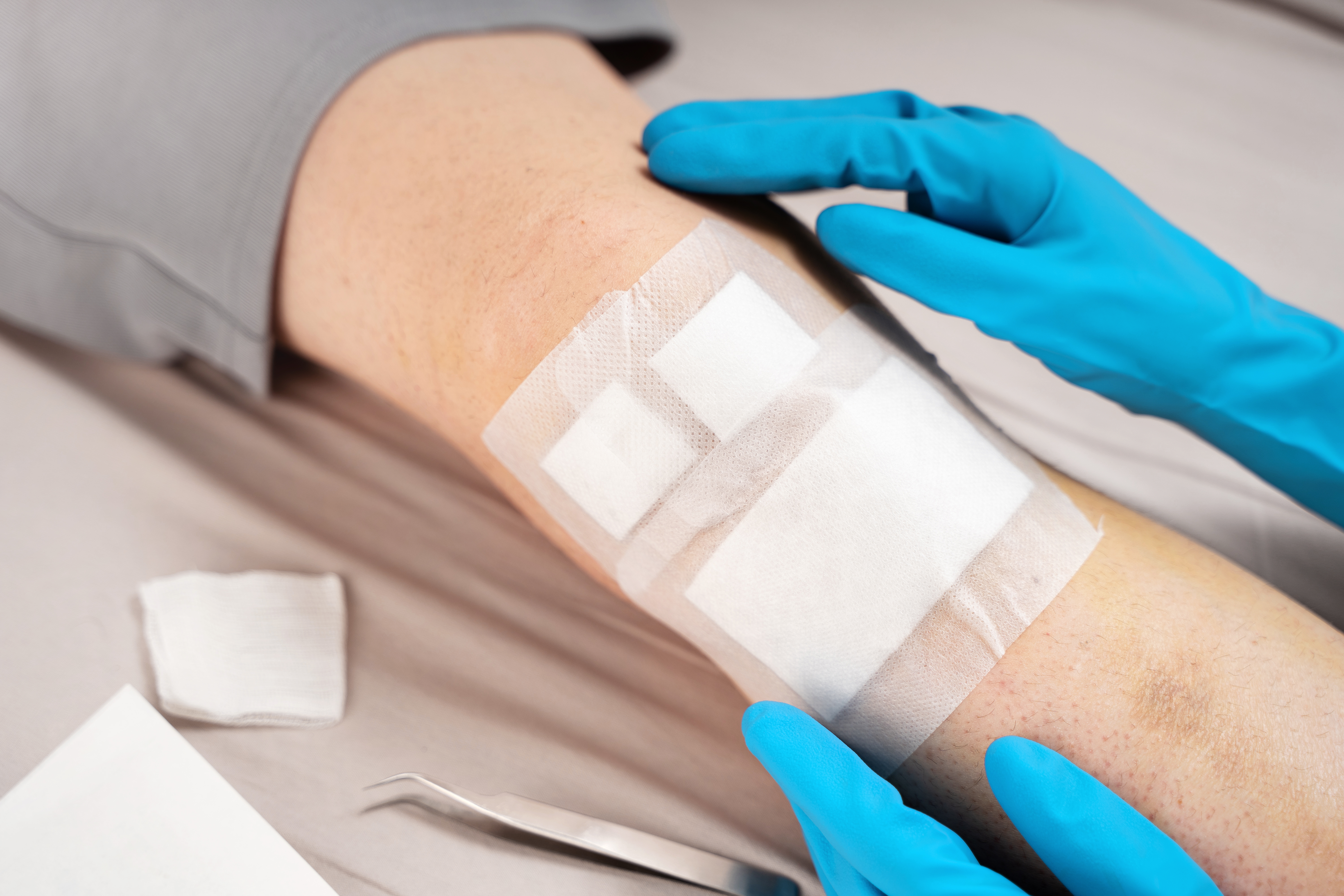
From Prevention to Healing: Best Practices for Wound Care in Nursing Homes and Hospitals

Specialty Wound Care | March 28th, 2026


From Prevention to Healing: Best Practices for Wound Care in Nursing Homes and Hospitals

Pressure injuries and chronic wounds remain stubborn challenges in nursing homes and hospitals. You spend hours managing these cases, yet complications and readmissions persist. This post shares wound care best practices that blend proven protocols with Specialty Wound Care’s advanced technology, like MolecuLight DX and triple-layer allografts, to improve healing and ease your team’s workload. Keep reading to see how your facility can raise care standards and reduce complications. For more insights on evidence-based practices, check out this link.

Evidence-Based Wound Care Protocols

Understanding the core of effective wound care is vital. Let’s dive into the key principles that lead to successful outcomes.

Key Principles for Success

Success in wound care starts with a solid foundation. Strong protocols are built on evidence and experience. Begin with regular assessments. Document your findings thoroughly. This helps in monitoring changes and adapting treatment plans. Remember, consistency is key. Regular checks and balances ensure that no detail is overlooked.

Next, focus on moisture balance. It’s important for wounds to neither be too dry nor too wet. Maintaining the right moisture levels promotes healing. Utilize dressings that manage exudate efficiently. This prevents complications and supports faster recovery.

Lastly, nutrition plays a crucial role. Adequate protein intake supports tissue repair. Consider supplements if necessary. Hydration is equally important. Keep patients well-hydrated to support their overall health.

Interdisciplinary Team Approach

Bringing together a diverse team can greatly enhance patient care. Collaboration is the key to success. Nurses, doctors, dietitians, and therapists each bring unique perspectives. This collective expertise leads to comprehensive care plans. Each member plays a crucial role.

Communication within the team is vital. Regular meetings ensure everyone is on the same page. Discuss patient progress and any necessary adjustments. This helps in identifying potential issues early on. A united team fosters better outcomes.

Invite family members to be part of the conversation. Their insights can be invaluable. They know the patient best. Their involvement ensures that care continues beyond the facility.

Advanced Technologies in Practice

Incorporating technology into wound care practices can be transformative. Modern tools offer precise insights. For example, digital imaging can track wound progress over time. This allows for adjustments in real-time, ensuring tailored care.

Education is crucial. Train your team on how to use these tools effectively. This not only enhances skills but also ensures that technology is used to its full potential. Encourage continuous learning. The field of wound care is ever-changing.

Lastly, share success stories. Highlight cases where technology made a significant difference. This motivates the team and showcases the benefits to stakeholders.

Advanced Technologies and Partnerships

Embracing technology and forming strategic partnerships are game-changers in wound management. Let’s explore these advances.

MolecuLight DX and Biofilm Detection

The MolecuLight DX is a powerful tool in wound care. It offers a unique advantage in detecting biofilm. Biofilm can hinder healing. Identifying it early is crucial for effective treatment. The MolecuLight DX provides visual proof of bacterial presence. This helps in making informed decisions on debridement and cleansing.

Using this tool is straightforward. It integrates easily into existing workflows. This ensures that minimal time is spent on training. The added benefit is better wound documentation. Accurate records are essential for adjusting treatment plans.

Patients and families appreciate seeing progress. The MolecuLight DX provides visual evidence. This builds trust and confidence in the care provided.

Triple-Layer Allograft for Healing

The triple-layer allograft is a revolutionary product in wound healing. It acts as a scaffold, supporting natural tissue regeneration. The three layers work in harmony. This supports faster and more effective healing.

The allograft is designed for easy application. This reduces the time needed for dressing changes. Patients experience less discomfort. This results in improved satisfaction and better overall experience.

Ensure your team is trained in its application. Understanding the product ensures optimal results. Collaborate with specialists for complex cases. Their expertise can guide challenging situations.

Enhanced Testing and Documentation

Accurate testing is crucial for effective wound management. Advanced testing methods provide quick and precise results. This enables targeted treatments. Early detection of pathogens can prevent complications.

Documentation is equally important. Use digital solutions to maintain comprehensive records. This supports continuity of care. It also aids in identifying trends and areas for improvement.

Encourage your team to embrace technology for routine tasks. This frees up time for more critical aspects of care. Ensure all staff are comfortable with these tools. Training and support should be ongoing.

Streamlining Workflows and Reducing Complications

Improving workflows can significantly reduce complications. Let’s explore effective strategies to achieve this.

Effective Debridement Guidance

Debridement is a crucial step in wound care. It removes dead tissue, promoting healing. Effective guidance ensures that debridement is performed safely and efficiently. Training is essential. Ensure your team understands the techniques and tools available.

Regular assessments determine the need for debridement. Use visual aids and technology to guide decisions. This ensures accuracy and precision. Patients benefit from less invasive procedures and faster recovery times.

Involve patients in the process. Educate them on the importance of debridement. This empowers them and encourages cooperation.

Antimicrobial Stewardship Strategies

Antimicrobial stewardship is vital for preventing resistance. It involves using antibiotics judiciously. Understanding the right time and dosage is crucial. Collaborate with pharmacists for expert guidance.

Monitor patient response to treatments. Adjust plans based on individual needs. Educate staff on the importance of stewardship. This fosters a culture of responsibility.

Patients should be informed about their treatment plans. This transparency builds trust. It also encourages adherence to prescribed regimens.

Readmission Reduction Tactics

Reducing readmissions is a priority. It improves patient outcomes and reduces costs. Identify common causes of readmissions. Implement preventive measures. This could include better discharge planning and follow-up care.

Use data to identify trends. This helps in tailoring interventions to specific needs. Engage patients in their care plans. Educate them on self-care and signs of complications.

Collaborate with community resources. This ensures continued support post-discharge. A comprehensive approach can significantly reduce readmissions.

By integrating these strategies, you can enhance your facility’s wound care program. Prioritize education, collaboration, and innovation for the best outcomes.

Register now for expert wound care insights and partnership benefits.

Facebook
Instagram
LinkedIn
SOCIALICON
Youtube
X (Twitter)
Bluesky