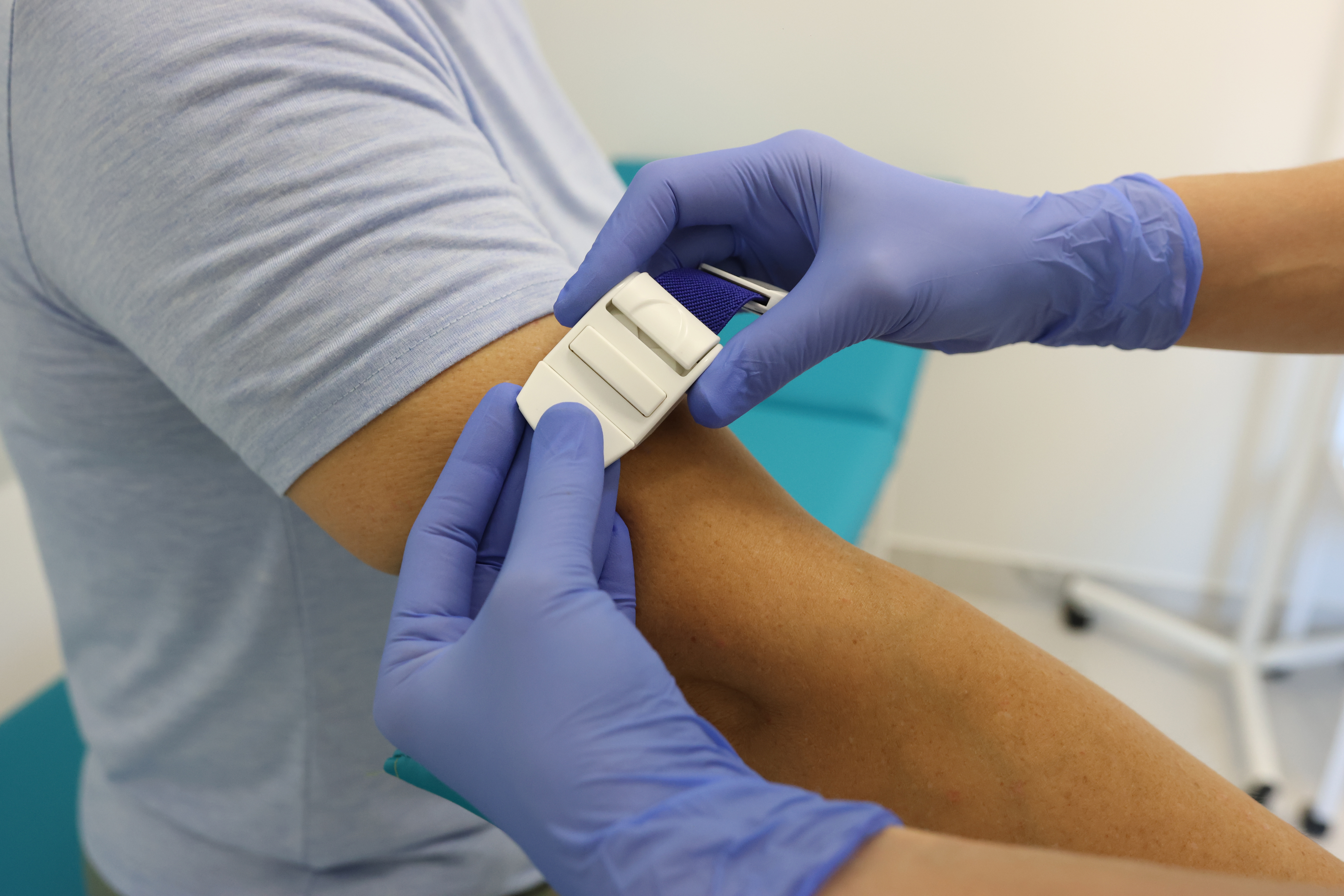
Tag: wound care education

Wound Care Empowerment

Specialty Wound Care | December 10th, 2025


Empowering Patients: The Importance of Wound Care Education in Recovery

Most people don’t realize how much their own care affects wound healing. When you understand wound care education, you gain control over your recovery instead of feeling lost. Knowing the right healing techniques, spotting infection signs early, and keeping up with follow-up care can build your confidence and improve your health. This guide will show you how to take charge of your treatment plans and boost your quality of life. For more insights, visit this resource.

The Role of Wound Care Education

Wound care education is not just about healing wounds—it’s about empowering you. Here’s how understanding wound care can transform your recovery journey.

Empowering Patient Involvement

When you know more about your care, you become an active participant in your recovery. No longer just following orders, you’re making informed decisions. This shift can significantly alter your healing outlook. For example, understanding how to change a dressing correctly doesn’t just keep your wound clean—it gives you a sense of control. Most people assume wound care is solely the doctor’s job, but your actions are crucial, too.

Empowerment comes from knowledge. As you learn about wound care, you discover the small steps that lead to big improvements. Learn more about empowering patient strategies.

Building Patient Confidence

Confidence in recovery stems from knowing what to do and why you’re doing it. Recognizing the signs of healing versus complications boosts your confidence levels. For instance, knowing when to call a healthcare provider can prevent small issues from becoming major setbacks.

When you feel unsure, you’re less likely to adhere to treatment plans. But when you’re confident, adherence improves, leading to better outcomes. Most people think confidence is inherent, yet it’s a skill you can build with practice and education.

Enhancing Health Recovery

The more you know about wound care, the better your recovery chances. Knowledge helps you avoid common pitfalls, like improper bandaging or ignoring subtle infection signs. Every step you take, informed by education, propels you toward a healthier recovery.

Seeing your efforts translate into healing progress reinforces your commitment to care. You realize that each action counts, motivating you to stay engaged in your treatment. Here’s the key insight: consistent education leads to consistent healing. Explore effective wound care management principles here.

Key Components of Wound Care

Understanding the core components of wound care can accelerate healing. Here’s what to focus on for effective recovery.

Recognizing Infection Signs

Spotting infection signs early can prevent complications. Redness, heat, and unusual discharge are common indicators. If you notice any of these, it’s time to contact your healthcare provider. Awareness of these symptoms means you can act promptly, reducing the risk of serious issues.

Many people overlook minor signs, thinking they’re part of normal healing. This misconception can delay necessary treatment. Remember, catching infections early helps avoid hospital visits and speeds up recovery.

Effective Wound Healing Techniques

Using the right techniques can make a significant difference in healing. Regular cleaning, proper dressing changes, and maintaining a balanced diet are key. These actions help maintain a clean environment for the wound, minimizing infection risk and promoting healing.

Techniques like these are simple yet effective. Most believe complex treatments are needed for healing, but often, basic care is the foundation. Sticking to proven methods ensures steady progress.

Importance of Follow-Up Care

Follow-up care bridges the gap between treatment and full recovery. Regular check-ins with your healthcare provider help track your progress and adjust care as needed. Follow-ups ensure that any issues are addressed quickly, preventing setbacks.

Skipping follow-up care is a common mistake. Many think healing is complete once the wound closes, but ongoing care is vital. It ensures you’re truly healed and reduces the chance of reopening the wound.

Improving Patient Adherence

Boosting adherence to treatment plans is crucial for successful recovery. Here’s how education and support systems help.

Utilizing Educational Materials

Educational materials provide ongoing support. Pamphlets, videos, and online resources offer step-by-step guidance on wound care. They reinforce what you learn from healthcare providers, helping you stick to your care plan.

Most people think they can remember every detail from doctor visits, but having resources at hand is beneficial. These materials act as a safety net, ensuring you have the information needed, anytime.

Encouraging Treatment Plan Commitment

Commitment to a treatment plan is essential. Set reminders for medication, create a checklist for wound care tasks, and involve family or friends for support. This structured approach keeps you on track and ensures all aspects of care are covered.

The idea that commitment solely relies on willpower is misleading. Structure and support foster adherence, leading to better outcomes. Knowing you’re not alone in your journey encourages continued engagement.

Boosting Quality of Life Through Support Systems

Support systems significantly improve your quality of life during recovery. Friends, family, and healthcare providers form a network that offers encouragement and assistance. This support helps manage emotional challenges and keeps you motivated.

Most assume recovery is a solo process, but involving others makes it more manageable. Share your journey with those who care. The longer you wait to seek support, the harder the process becomes. By engaging with support systems, you enhance both your recovery and overall well-being.

By understanding and applying wound care education, you take control of your healing journey, boosting confidence and improving health outcomes. Through empowerment and support, you can achieve a quality of life that reflects your commitment to recovery.

Visit now

Wound Care Empowerment

Specialty Wound Care | December 10th, 2025


Empowering Patients: The Importance of Wound Care Education in Recovery

Most people don’t realize how much their own care affects wound healing. When you understand wound care education, you gain control over your recovery instead of feeling lost. Knowing the right healing techniques, spotting infection signs early, and keeping up with follow-up care can build your confidence and improve your health. This guide will show you how to take charge of your treatment plans and boost your quality of life. For more insights, visit this resource.

The Role of Wound Care Education

Wound care education is not just about healing wounds—it’s about empowering you. Here’s how understanding wound care can transform your recovery journey.

Empowering Patient Involvement

When you know more about your care, you become an active participant in your recovery. No longer just following orders, you’re making informed decisions. This shift can significantly alter your healing outlook. For example, understanding how to change a dressing correctly doesn’t just keep your wound clean—it gives you a sense of control. Most people assume wound care is solely the doctor’s job, but your actions are crucial, too.

Empowerment comes from knowledge. As you learn about wound care, you discover the small steps that lead to big improvements. Learn more about empowering patient strategies.

Building Patient Confidence

Confidence in recovery stems from knowing what to do and why you’re doing it. Recognizing the signs of healing versus complications boosts your confidence levels. For instance, knowing when to call a healthcare provider can prevent small issues from becoming major setbacks.

When you feel unsure, you’re less likely to adhere to treatment plans. But when you’re confident, adherence improves, leading to better outcomes. Most people think confidence is inherent, yet it’s a skill you can build with practice and education.

Enhancing Health Recovery

The more you know about wound care, the better your recovery chances. Knowledge helps you avoid common pitfalls, like improper bandaging or ignoring subtle infection signs. Every step you take, informed by education, propels you toward a healthier recovery.

Seeing your efforts translate into healing progress reinforces your commitment to care. You realize that each action counts, motivating you to stay engaged in your treatment. Here’s the key insight: consistent education leads to consistent healing. Explore effective wound care management principles here.

Key Components of Wound Care

Understanding the core components of wound care can accelerate healing. Here’s what to focus on for effective recovery.

Recognizing Infection Signs

Spotting infection signs early can prevent complications. Redness, heat, and unusual discharge are common indicators. If you notice any of these, it’s time to contact your healthcare provider. Awareness of these symptoms means you can act promptly, reducing the risk of serious issues.

Many people overlook minor signs, thinking they’re part of normal healing. This misconception can delay necessary treatment. Remember, catching infections early helps avoid hospital visits and speeds up recovery.

Effective Wound Healing Techniques

Using the right techniques can make a significant difference in healing. Regular cleaning, proper dressing changes, and maintaining a balanced diet are key. These actions help maintain a clean environment for the wound, minimizing infection risk and promoting healing.

Techniques like these are simple yet effective. Most believe complex treatments are needed for healing, but often, basic care is the foundation. Sticking to proven methods ensures steady progress.

Importance of Follow-Up Care

Follow-up care bridges the gap between treatment and full recovery. Regular check-ins with your healthcare provider help track your progress and adjust care as needed. Follow-ups ensure that any issues are addressed quickly, preventing setbacks.

Skipping follow-up care is a common mistake. Many think healing is complete once the wound closes, but ongoing care is vital. It ensures you’re truly healed and reduces the chance of reopening the wound.

Improving Patient Adherence

Boosting adherence to treatment plans is crucial for successful recovery. Here’s how education and support systems help.

Utilizing Educational Materials

Educational materials provide ongoing support. Pamphlets, videos, and online resources offer step-by-step guidance on wound care. They reinforce what you learn from healthcare providers, helping you stick to your care plan.

Most people think they can remember every detail from doctor visits, but having resources at hand is beneficial. These materials act as a safety net, ensuring you have the information needed, anytime.

Encouraging Treatment Plan Commitment

Commitment to a treatment plan is essential. Set reminders for medication, create a checklist for wound care tasks, and involve family or friends for support. This structured approach keeps you on track and ensures all aspects of care are covered.

The idea that commitment solely relies on willpower is misleading. Structure and support foster adherence, leading to better outcomes. Knowing you’re not alone in your journey encourages continued engagement.

Boosting Quality of Life Through Support Systems

Support systems significantly improve your quality of life during recovery. Friends, family, and healthcare providers form a network that offers encouragement and assistance. This support helps manage emotional challenges and keeps you motivated.

Most assume recovery is a solo process, but involving others makes it more manageable. Share your journey with those who care. The longer you wait to seek support, the harder the process becomes. By engaging with support systems, you enhance both your recovery and overall well-being.

By understanding and applying wound care education, you take control of your healing journey, boosting confidence and improving health outcomes. Through empowerment and support, you can achieve a quality of life that reflects your commitment to recovery.

Visit now

Supporting Family Involvement: Essential & Effortless Wound Care

Primus Healthcare | September 5th, 2025


📣 Why Self-Care Is the Secret Weapon in Healing

Many caregivers have experienced the power of patient involvement in wound healing firsthand. For instance, Janice, a dedicated caregiver, noticed that her mother’s recovery from a diabetic ulcer significantly improved when her mother became actively involved in her own care. Janice encouraged her mother to monitor her wound daily, manage her diet, and understand the healing process. This not only allowed Janice to share the burden of care but also empowered her mother to take charge of her health.

By participating in their own recovery, patients can heal more effectively.

Explore more self-care wound education

🧼 Clean Wound Care Starts at Home

One of the most critical components of effective wound care is maintaining cleanliness. This begins with the most basic yet often overlooked practice: handwashing. Always wash your hands before handling any wound to prevent infection.

When changing dressings, use sterile technique. This involves gently removing the old dressing without touching the wound directly and applying a new, clean dressing while ensuring it is properly secured.

Be mindful of proper disposal of old dressings. Place them in a sealed plastic bag to avoid contamination. Understanding the signs of infection is equally essential. Watch out for prolonged redness, increased warmth, swelling, or foul odor. If you notice any of these symptoms, seek advice from your healthcare provider.

Learn the signs of wound infection

🔁 Daily Routines That Speed Healing

Establishing daily routines can enhance the healing process significantly. Start with hydration; drinking enough water supports overall health and helps your skin stay elastic, which is crucial for wound recovery.

If you have diabetes, regular glucose checks are vital. New studies show a direct link between blood sugar control and wound healing.

Incorporate light mobility exercises into your day, if possible. Moving the body can increase circulation, aiding in nutrient delivery to the wound site. Don’t forget to elevate the wound when resting; this can help reduce swelling. If you need to inspect your feet daily, especially if you have diabetes, it can catch potential issues early.

See how nutrition impacts self-care and healing

❌ Myths vs. Facts in Wound Care

Wound care is often shrouded in misconceptions. Let’s debunk some common myths:

Myth: Air drying a wound is better.
Fact: Keeping a wound covered with a sterile dressing helps protect it from bacteria and promotes a moist healing environment.

Myth: Scabs mean healing.
Fact: While scabs are a natural process, healing often occurs best in a moist environment, which reduces scab formation.

Myth: Ointments always help.
Fact: Overusing ointments can trap moisture and bacteria, leading to infection. Always follow your healthcare provider’s advice regarding the use of ointments.

Understanding these truths can build confidence in your self-care journey.

💬 When to Ask for Help

It’s crucial for patients and caregivers to recognize when professional help is needed. Common red flags include:

– Unpleasant odor
– Changes in color (especially dark or unusual hues)
– Unexpected pain that intensifies rather than lessens
– New drainage that seems abnormal

If you notice any of these signs, don’t hesitate to reach out to your healthcare provider for guidance.

🧰 What Belongs in a Home Wound Care Kit?

A well-equipped home wound care kit can simplify your daily routine. Key items to include are:

– Sterile saline solution for cleaning the wound
– Disposable gloves for handling the wound safely
– Sterile gauze pads for covering the wound
– Barrier cream to protect skin around the wound
– Scissors for cutting dressing materials

Make sure to restock supplies regularly and check expiration dates on any medical products.

Tips for changing wound dressings safely

🧠 Building Confidence in Caregiving

Caregiving can be overwhelming at times, but remember:

You’re not alone. Many resources are available, including support groups and online forums.
Progress takes patience. Each day brings small victories. Celebrate these milestones!
Use checklists. Having a daily checklist can help you stay organized and minimize errors during care.

Building a support network can also ease fears and uncertainties.

📺 Explaining Wound Care to a Loved One

If you’re caring for a loved one who has dementia or low health literacy, communication is key. Here are some tips for explaining wound care:

– Use simple language and avoid jargon.
– Demonstrate techniques instead of just explaining them.
– Be patient and encouraging; reassurance can help alleviate fear and anxiety.

These strategies can empower your loved one to participate actively in their care.

📌 Self-Care Checklist

To keep your wound healing on track, follow this self-care checklist:

– Wash hands before every dressing change
– Check for swelling, odor, or drainage daily
– Change dressings using clean technique
– Elevate the wound if needed
– Log symptoms and progress

Staying engaged in your health journey can make all the difference in recovery.

📢 Call to Action

Caring for a wound at home takes heart, not perfection. Visit SpecialtyWoundCare.com to find easy-to-follow guides, expert advice, and encouragement you can trust.

Train Home Health Aides: Must-Have Advanced Skills

Primus Healthcare | August 18th, 2025


💡 Quick-Hit Why It Matters

Chronic wounds affect more than 6.5 million people in the United States each year, challenging both patients and healthcare providers with their persistent nature. Introducing advanced wound dressings into your care regime can significantly enhance healing outcomes by providing targeted solutions tailored to specific wound needs. Whether you are a caregiver or a clinician, understanding the right dressings can transform care experiences and outcomes, ensuring wounds heal more effectively.

🔍 Dressing in the Spotlight

Today’s focus is on hydrocolloid dressings, a versatile type of advanced wound dressing. Made from a combination of gel-forming agents like carboxymethylcellulose, hydrocolloid dressings create a moist environment that accelerates the healing process. These dressings adhere to the skin and provide a waterproof barrier, allowing patients to shower without disturbing the wound site. Clinically, they are often used for wounds with low to moderate exudate and are praised for their ability to protect newly formed tissue.

See all advanced wound dressing articles: https://specialtywoundcare.com/category/blog/advanced-wound-dressings/

⚖️ Compare & Contrast

– High absorbency for low-to-moderate exudate
– Waterproof and protects from external contaminants
– Provides comfort and flexibility around joints
– Requires infrequent changes, reducing disruption
– Generally higher cost compared to basic dressings

🧪 Behind the Science

Hydrocolloid dressings work by creating a moist healing environment, which promotes cellular activity and granulation tissue formation. The gel-like substance that forms upon absorption helps manage exudate and reduce wound odor. Additionally, hydrocolloids protect against bacterial invasion by providing a physical barrier. A 2021 study in the “Journal of Wound Care” highlighted their effectiveness in reducing healing times in diabetic foot ulcers compared to traditional dressings.

Read about innovations like smart dressings: https://specialtywoundcare.com/category/blog/technology-innovation/

🩹 When & How to Apply

1. Clean the wound gently with saline and pat dry.
2. Choose a hydrocolloid dressing that extends about 1 inch beyond the wound edges.
3. Remove the backing and apply the sticky side to the wound, smoothing out any wrinkles.
4. Monitor and change the dressing every 3-5 days or as indicated.

Considerations:
– Avoid on highly exudative or infected wounds.
– Observe for signs of irritation or infection.

Wound care self-care tips for caregivers: https://specialtywoundcare.com/category/blog/technology-innovation/

🤝 Clinician + Caregiver Dialogue

Clinician: “This hydrocolloid dressing acts like a protective barrier and creates a cozy environment for the wound to heal.”

Caregiver: “How often should I check or change it?”

Clinician: “You’ll want to check for leaks or signs of infection but otherwise it can stay on for up to five days, reducing the stress on you and the wound.”

❓ Patient FAQs & Myths Busted

1. How long can I leave a hydrocolloid dressing on?
– Up to 5 days, depending on exudate level and clinical advice.

2. Can I get it wet?
– Yes, it’s waterproof, which allows showering.

3. Will it hurt when removing?
– Generally, hydrocolloids are gentle but ensure proper removal techniques to minimize discomfort.

4. Can I use them on infected wounds?
– No, avoid using on actively infected wounds without medical consultation.

Myth Busted: “Hydrocolloid dressings dry out wounds.”
– Truth: They maintain a moist environment, promoting optimal healing.

📊 Mini Case Snapshot

A 68-year-old male with a venous leg ulcer resistant to healing under basic dressings was transitioned to a hydrocolloid dressing regimen. Over four weeks, the wound showed a 40% reduction in size, with decreased exudate and improved granulation tissue. The patient reported more comfort and fewer dressing changes, enhancing overall quality of life.

Real patient stories using advanced dressings: https://specialtywoundcare.com/category/blog/advanced-wound-dressings/

🔭 Future Frontiers

The future of wound care dressing is promising with emerging innovations like biosensors embedded in dressings to provide real-time data on wound healing, pH levels, and bacterial presence. Hydrogel technology is also enhancing moisture retention and medicated dressings align treatment with specific bacterial threats. AI-assisted wound monitoring is paving the way for personalized, accurate care interventions.

Read about innovations like smart dressings: https://specialtywoundcare.com/category/blog/technology-innovation/

📌 Take-Home Cheat Sheet

– Choose dressings based on wound type and moisture
– Watch for signs of infection or delayed healing
– Don’t skip scheduled dressing changes
– Ask for help with tricky dressings or complex wounds

📢 Call to Action

At SpecialtyWoundCare.com, we’re committed to providing unparalleled expertise and innovative solutions for chronic wound care. Trust in our comprehensive wound management strategies to improve healing outcomes and elevate care experiences.

Facebook
Instagram
LinkedIn
SOCIALICON
Youtube
X (Twitter)
Bluesky