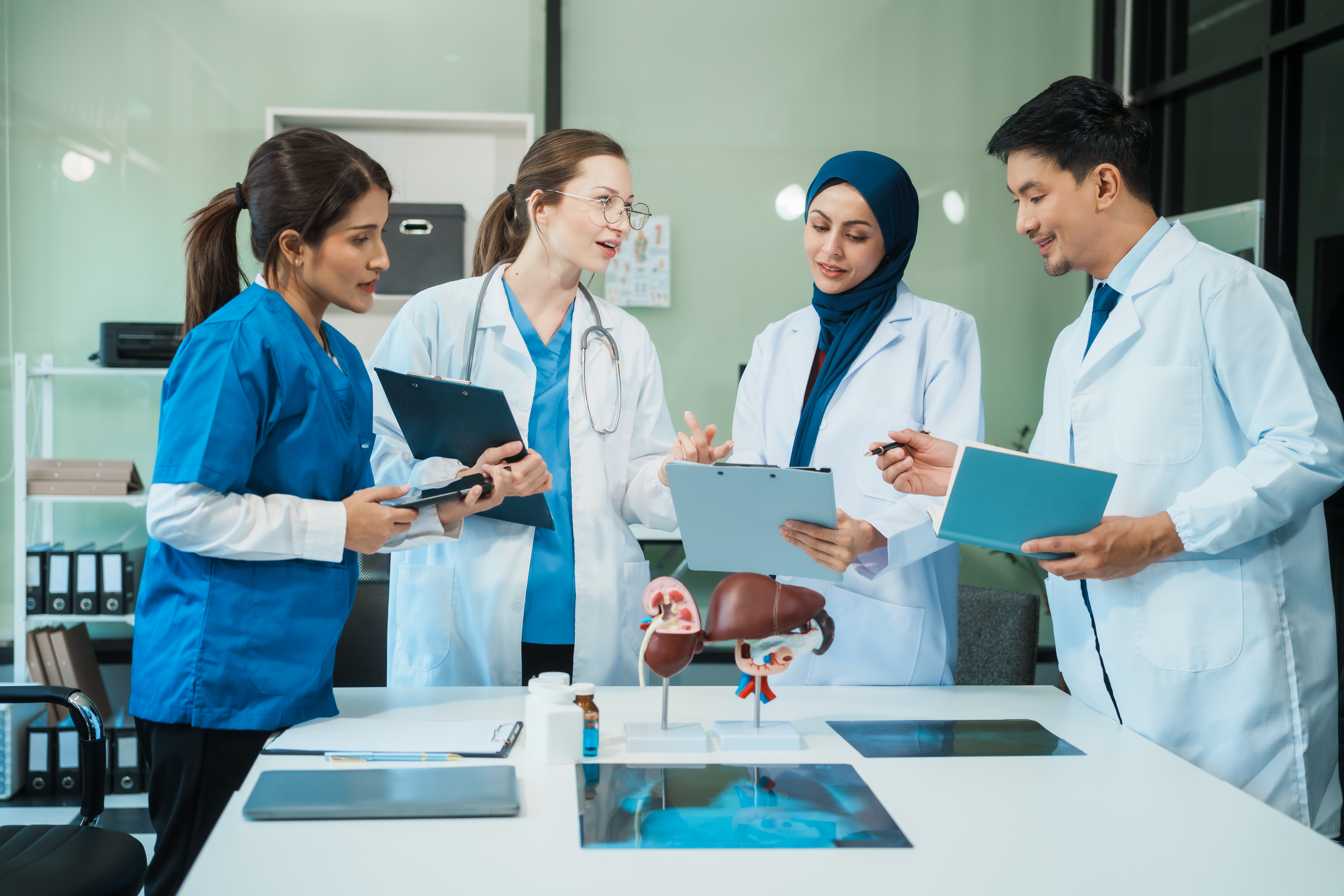
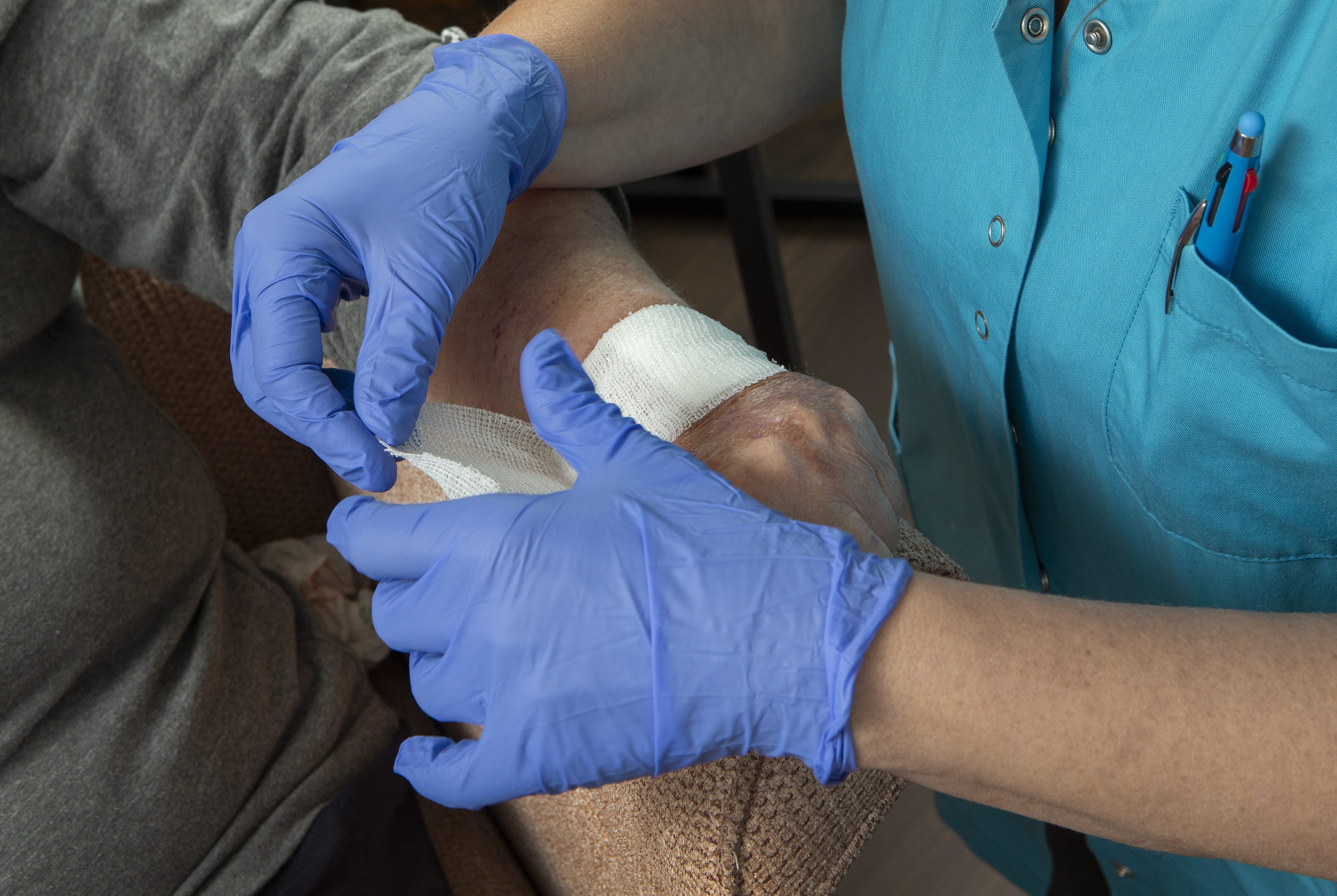
You spend hours coordinating wound care efforts, yet healing remains slow and documentation piles up. Collaborative wound care offers a way to speed recovery while simplifying your workflow. This guide breaks down how specialty wound management partnerships improve diagnostics, treatment plans, and reimbursement—helping your team deliver better outcomes with less hassle.
For more information, please visit Specialty Wound Care.
Evidence-Based Collaboration Models
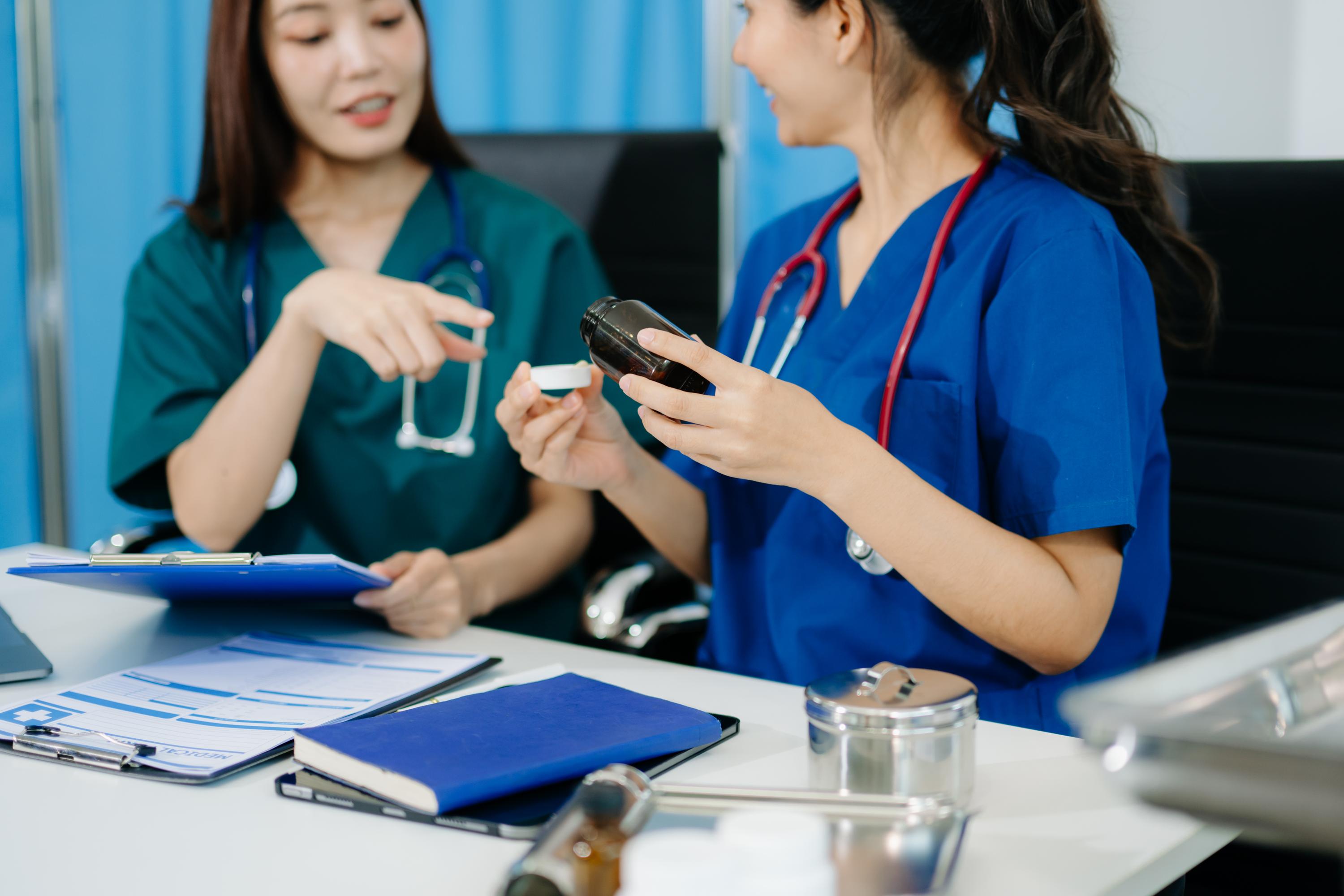
Working together in wound care can greatly improve patient outcomes. Let’s dive into how building a strong team and using advanced technologies boost healing and ease your workload.
Building an Interdisciplinary Wound Team
Imagine a team where doctors, nurses, and specialists collaborate seamlessly. This type of team ensures patients receive comprehensive care. Each member brings unique skills to the table, addressing different aspects of wound care. When everyone works together, healing happens faster.
Regular meetings and open communication among team members facilitate effective collaboration. They share insights, discuss patient progress, and adjust treatment plans as needed. This approach not only benefits patients but also reduces the burden on individual healthcare providers.
A single nurse might focus on one aspect of care. But a team approach means more expertise and faster solutions. For example, a wound care specialist can quickly identify issues that might be overlooked otherwise, speeding up recovery times significantly.
Advancing Diagnostics with MolecuLight DX
Harnessing the power of technology can change the way wounds are diagnosed. MolecuLight DX offers a breakthrough in wound imaging. This tool uses fluorescence imaging to reveal bacteria invisible to the naked eye. By pinpointing bacteria, your team can tailor treatments more effectively.
MolecuLight DX also allows for precise documentation. Images captured provide clear evidence of wound progress over time. This helps in adjusting treatments and showing improvements. With better diagnostics, you can make informed decisions more quickly, leading to better patient outcomes.
The real advantage is seeing what others can’t. By identifying bacteria early, MolecuLight DX helps prevent complications that can slow healing. This not only improves patient care but also streamlines your workflow by reducing unnecessary steps in wound management.
Streamlined Treatment Planning and Outcomes
Planning treatment is crucial in wound care. An organized approach ensures that every patient gets the right care at the right time. Your team can create tailored plans using comprehensive data from diagnostic tools like MolecuLight DX.
With clear treatment plans, your team can anticipate challenges and adjust strategies effectively. This proactive approach means fewer surprises and better outcomes. It also means that each patient’s care is personalized, considering their unique needs and circumstances.
When treatments are planned effectively, patients see results faster. They experience fewer setbacks and complications. This not only improves their quality of life but also reflects well on your practice, showcasing your commitment to high-quality care.
Enhancing Diagnostics and Treatment in Wound Care
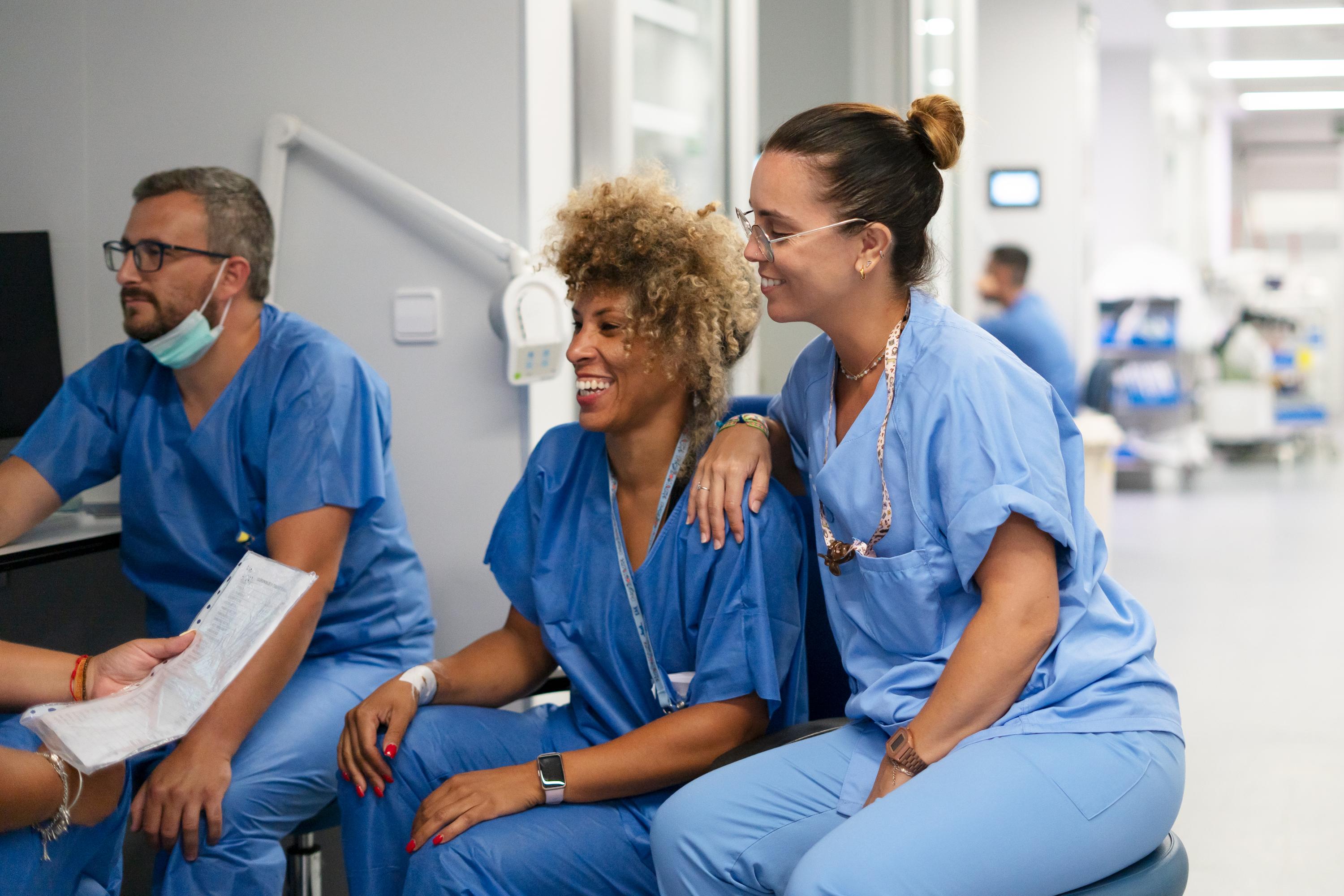
Advanced techniques and tools bring new possibilities in wound diagnostics and treatment. Let’s explore how they work together to improve patient care and outcomes.
Fluorescence Imaging for Wounds
Using fluorescence imaging, healthcare providers can see wounds in a new light. This technique highlights bacteria that are often missed in regular exams. By detecting these bacteria early, you can address potential infections before they escalate.
Fluorescence imaging also provides clear, visual documentation. This helps in tracking wound progress over time. By comparing images, you can see how wounds respond to treatment, making it easier to adjust plans as needed.
With this technology, you have a powerful tool at your disposal. It not only enhances your diagnostic capabilities but also supports better decision-making in treatment planning. This ultimately leads to improved patient care and satisfaction.
Pathogen Identification and Biofilm Detection
Knowing what pathogens are in a wound is vital for effective treatment. Advanced testing methods allow you to identify these pathogens quickly and accurately. This means you can choose the right antibiotics sooner, improving treatment efficacy.
Biofilms, which are groups of bacteria that stick together, can complicate wound healing. Detecting and addressing biofilms early is crucial for successful outcomes. Advanced testing helps identify these biofilms, allowing your team to target them with appropriate interventions.
By understanding the specific pathogens and biofilms present, you can tailor treatments to each patient. This personalized approach not only speeds up healing but also reduces the risk of complications, ensuring patients receive the best possible care.
Triple-Layer Allograft for Difficult Wounds
For wounds that don’t heal easily, triple-layer allografts offer a promising solution. These allografts provide a scaffold for new tissue growth, promoting faster healing. They are particularly effective in treating complex wounds that resist traditional methods.
Made from carefully screened materials, triple-layer allografts are safe and compliant with FDA regulations. They support the body’s natural healing processes, offering a reliable option for difficult cases.
When standard treatments fall short, triple-layer allografts can make a significant difference. By incorporating them into your practice, you provide patients with an advanced option that enhances healing and improves overall outcomes.
Streamlining Workflow and Documentation

Efficient workflows and accurate documentation are the backbone of effective wound care. Discover how technology and training can simplify these processes for your team.
EHR Integration for Wound Care
Integrating electronic health records (EHR) into your wound care practice can save time and reduce errors. EHR systems centralize patient information, making it easy to access and update records. This ensures your team has the most current data at their fingertips.
With EHR integration, documentation becomes more efficient. Automated features help track patient progress and treatment outcomes, reducing the administrative burden on your staff. This allows them to focus more on patient care rather than paperwork.
The benefits of EHR integration extend beyond efficiency. By having a comprehensive view of patient histories, your team can make informed decisions faster, leading to better patient outcomes and satisfaction.
Practice Management for Wound Clinics
Effective practice management is key to running a successful wound care clinic. By implementing structured systems and processes, you can streamline operations and enhance patient care.
Practice management software tailored to wound clinics can simplify scheduling, billing, and patient communication. This ensures that your clinic runs smoothly and efficiently, allowing your staff to focus on what they do best: caring for patients.
By optimizing your practice management, you not only improve the day-to-day operations of your clinic but also enhance the overall patient experience. This leads to higher satisfaction rates and better outcomes.
Protocol-Driven Wound Care Training
Training is essential for maintaining high standards in wound care. Protocol-driven training programs ensure that your team is equipped with the latest knowledge and skills. This empowers them to deliver consistent, high-quality care.
These training programs focus on evidence-based practices, ensuring that your team stays up-to-date with the latest advancements in wound care. By standardizing procedures, you reduce variability in care and improve patient outcomes.
Investing in training is an investment in your team’s success. By equipping them with the knowledge and skills they need, you foster a culture of excellence and continuous improvement in your practice.
See real success stories—schedule your consultation today.