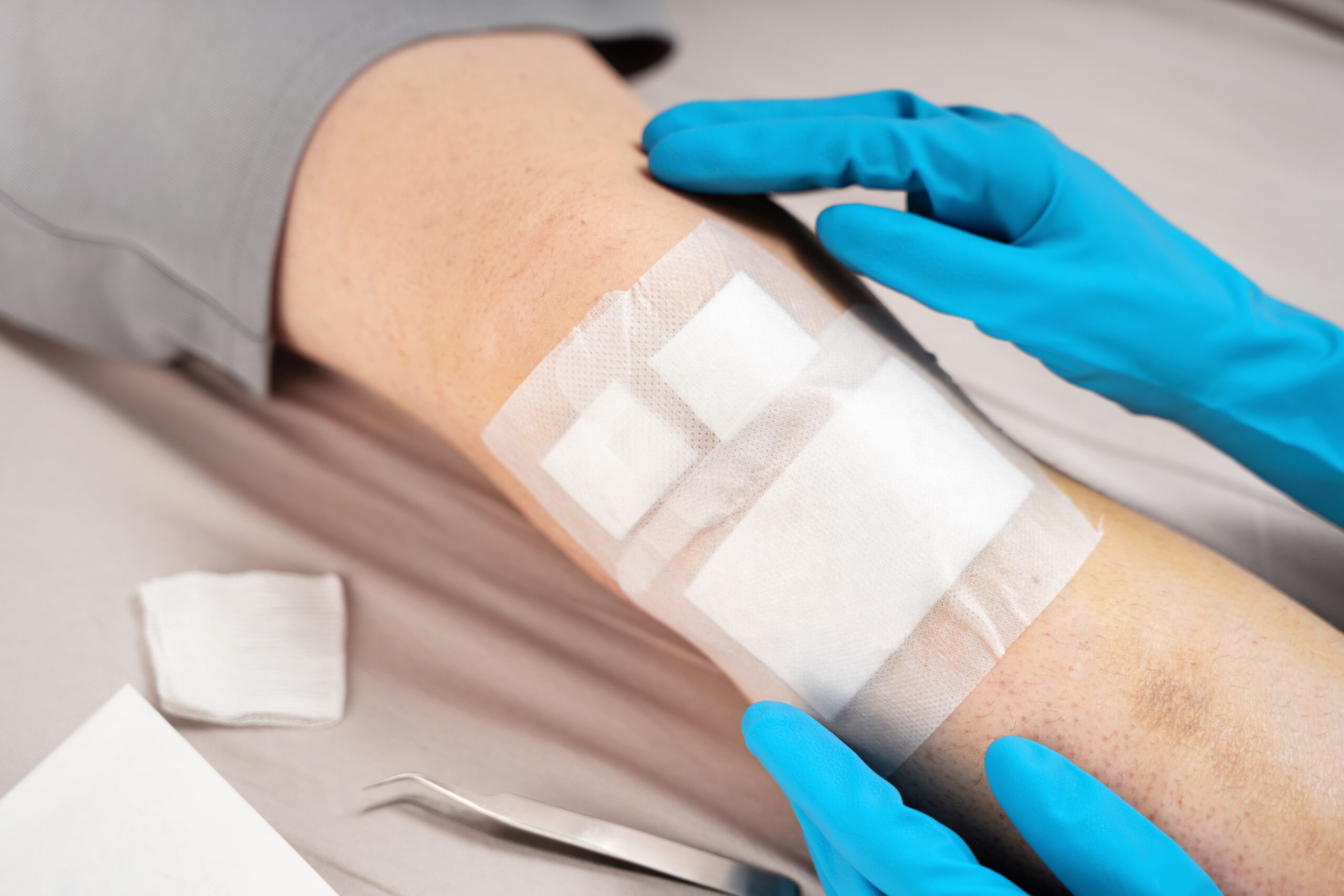
Accelerating Chronic Wound Healing With Triple-Layer Allografts
Accelerating Chronic Wound Healing With Triple-Layer Allografts
Chronic wounds resist healing despite standard care, costing time and resources you can’t afford to waste. Triple-layer allografts offer a biologic skin substitute designed to support angiogenesis, granulation tissue, and epithelialization in stubborn wounds like diabetic foot ulcers and pressure injuries. This post explains how integrating these allografts within a comprehensive wound care protocol can improve outcomes and streamline your clinical workflow. For more information, you can refer to this study.
Understanding Triple-Layer Allografts
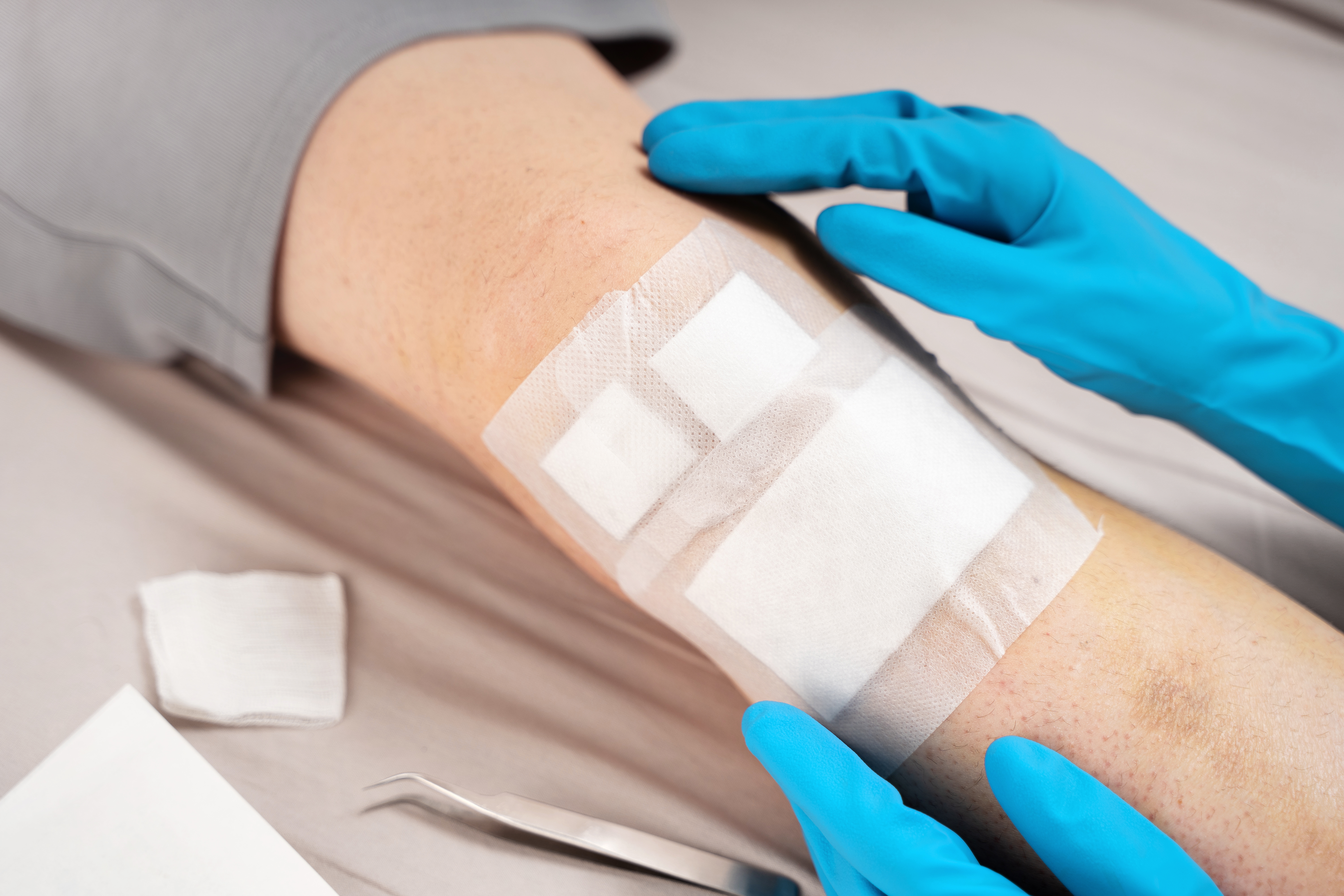
To tackle chronic wounds effectively, understanding the science behind triple-layer allografts is crucial. These advanced solutions play a game-changing role in healing complex wounds and improving patient outcomes.
What is a Triple-Layer Allograft?
A triple-layer allograft is an advanced biologic skin substitute. It comprises three layers meticulously designed to support wound healing processes like angiogenesis, granulation tissue formation, and epithelialization. These layers derive from donated human tissues screened and processed to meet FDA regulations. The benefits of using an allograft include providing a scaffold for cellular growth and promoting faster recovery compared to traditional methods. It creates an environment conducive to healing by mimicking natural tissue functions.
Benefits of Allograft Applications
The application of allografts offers significant benefits: enhanced wound closure, reduced healing time, and lower infection risks. Studies show that wounds treated with allografts heal faster than those without. This improvement is due to the allograft’s ability to support cell migration and tissue regeneration. For patients, it means fewer complications and a quicker return to everyday life. For healthcare providers, it translates to more efficient use of resources and better patient satisfaction.
Indications for Chronic Wound Treatment
Triple-layer allografts are suitable for various chronic wounds, including diabetic foot ulcers, venous leg ulcers, and pressure injuries. These stubborn wounds require a comprehensive approach, and allografts are a critical component of treatment plans. By addressing the unique needs of each wound type, allografts enhance the body’s natural healing processes. Their use is particularly beneficial in cases where standard treatments have failed, offering a new hope for healing and recovery.
Protocols for Effective Wound Management
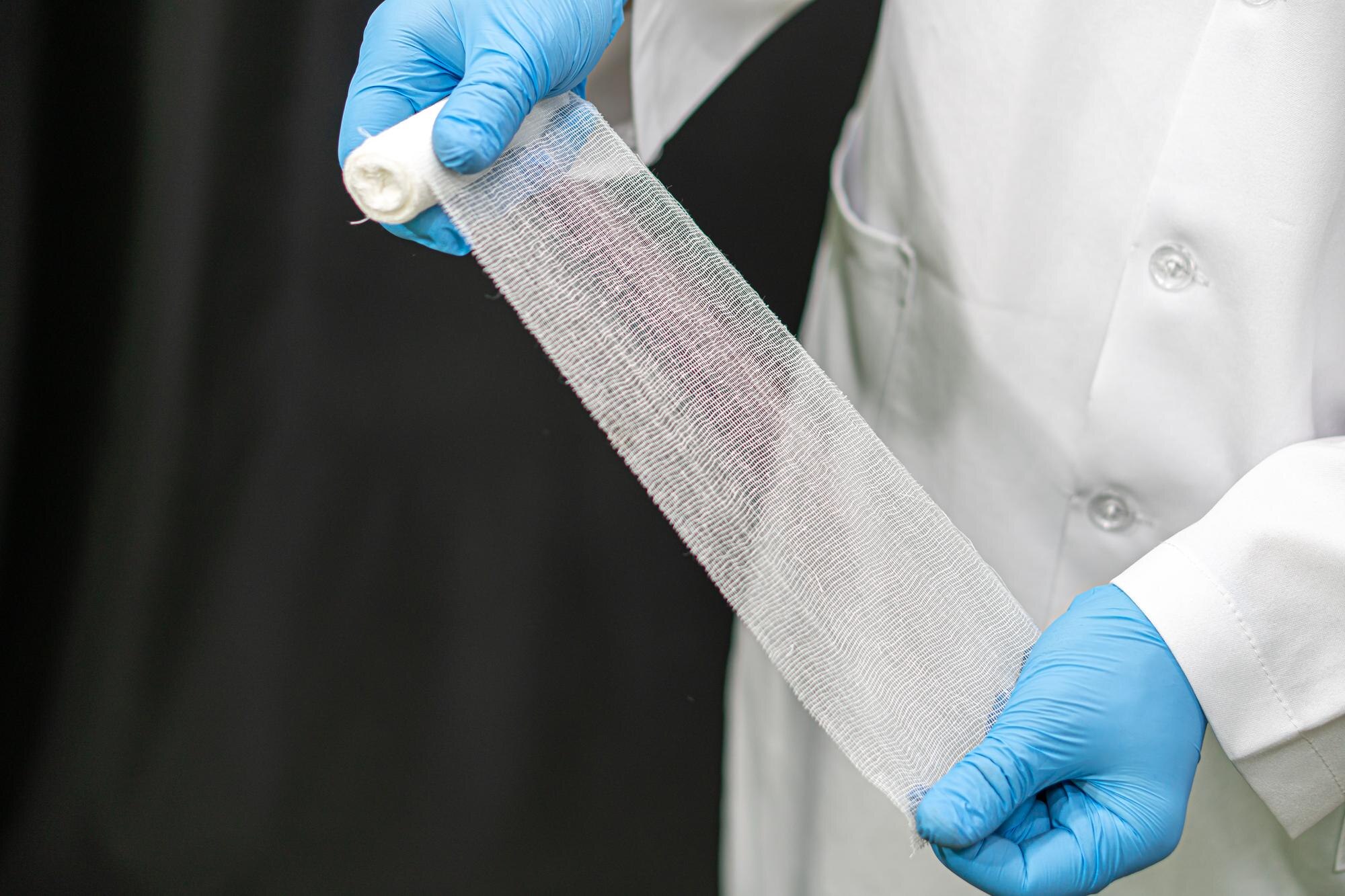
Integrating allografts into wound management protocols can make a significant impact. Comprehensive and tailored approaches ensure optimal healing and patient outcomes.
Comprehensive Wound Care Protocols
A well-rounded wound care protocol starts with a thorough assessment. This involves identifying wound type, size, and underlying conditions. Tailored plans should incorporate advanced therapies like triple-layer allografts to maximize healing. Each step of care, from cleaning to dressing, should aim to create an ideal environment for recovery. Implementing these protocols can lead to a 30% increase in healing rates, as supported by clinical studies.
Role of Debridement and Moisture Balance
Debridement is a critical step in preparing a wound for healing. Removing dead tissue reduces infection risks and promotes healthy tissue growth. Achieving proper moisture balance is equally vital. Wounds heal better in a moist environment, which prevents tissue drying and speeds up closure. This balance is a cornerstone of effective wound management, ensuring the allograft’s optimal performance.
Infection Control and Fluorescence Imaging
Infection control is paramount in wound care. Techniques like fluorescence imaging provide crucial insights into bacterial presence, guiding targeted treatments. Using tools like the MolecuLight DX, clinicians can visualize biofilms and ensure precise cleaning and treatment. This technology enhances decision-making and helps avoid complications, making it a valuable asset in wound management.
Advantages of Partnering with Specialty Wound Care
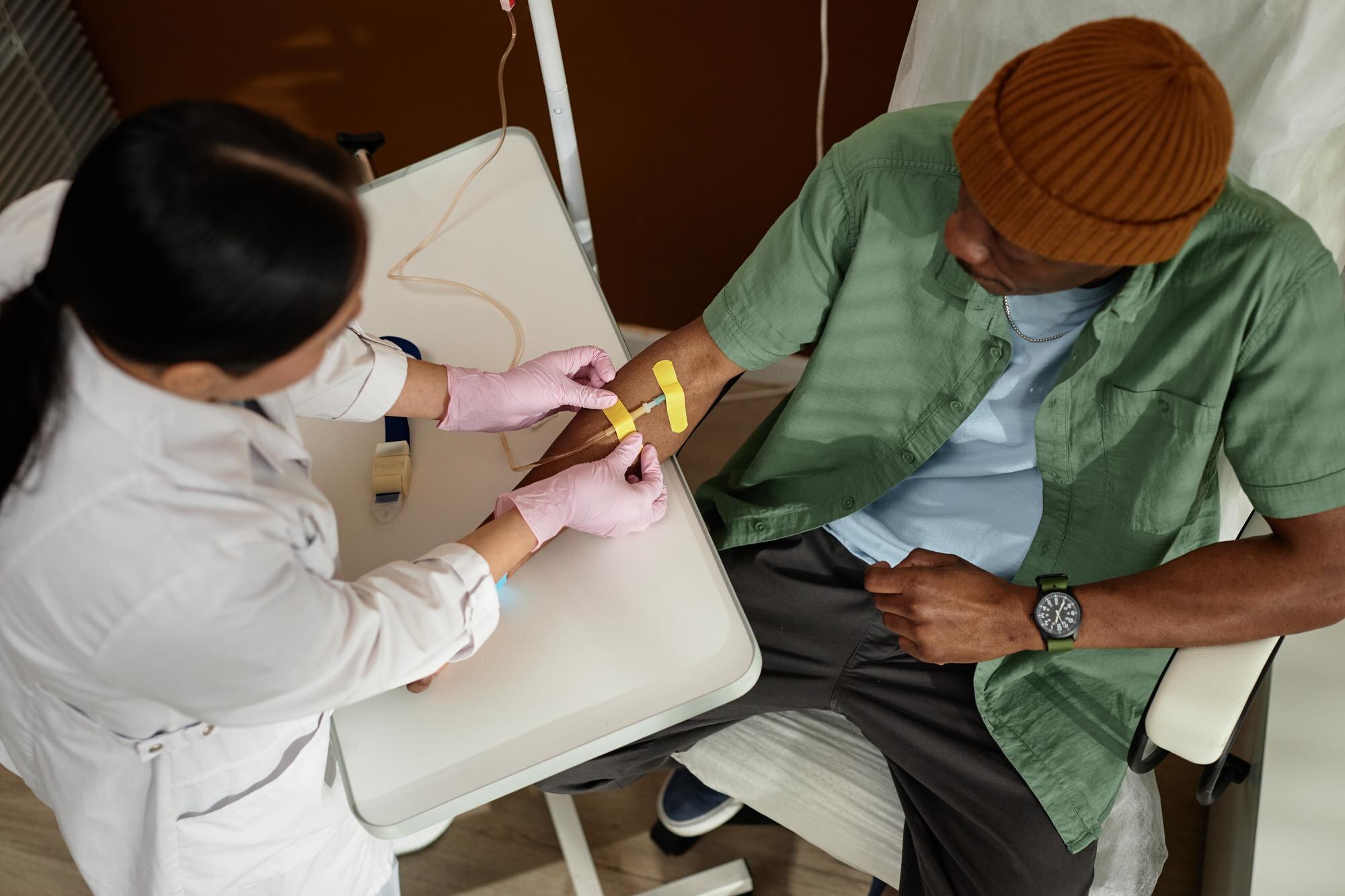
Choosing the right partner in wound care can significantly streamline processes and enhance treatment outcomes. Specialty Wound Care offers unique advantages in this area.
Support and Training for Clinicians
Specialty Wound Care provides extensive support and training for clinicians, empowering them with the latest knowledge and skills. This training ensures that healthcare providers are equipped to deliver top-notch care, utilizing cutting-edge technology and techniques. Continuous learning opportunities foster a culture of excellence and innovation in wound management.
Technology and Reimbursement Assistance
Access to state-of-the-art technology is a hallmark of Specialty Wound Care. Tools like the MolecuLight DX enhance wound analysis and treatment precision. Additionally, they offer reimbursement assistance, ensuring that clinicians can focus on patient care without financial hurdles. This support simplifies processes and improves the overall efficiency of wound care practices.
Scheduling and Consultation Opportunities
Specialty Wound Care offers flexible scheduling and consultation opportunities to meet the diverse needs of healthcare providers. By collaborating closely with your team, they ensure seamless integration of services and treatments. This partnership approach fosters a supportive environment for achieving exceptional patient outcomes, making Specialty Wound Care a valuable ally in advanced wound management.
Register now for expert wound care insights and partnership benefits.