Healing Chronic Wounds in a Burn Survivor with PTSD

Primus | November 24th, 2025


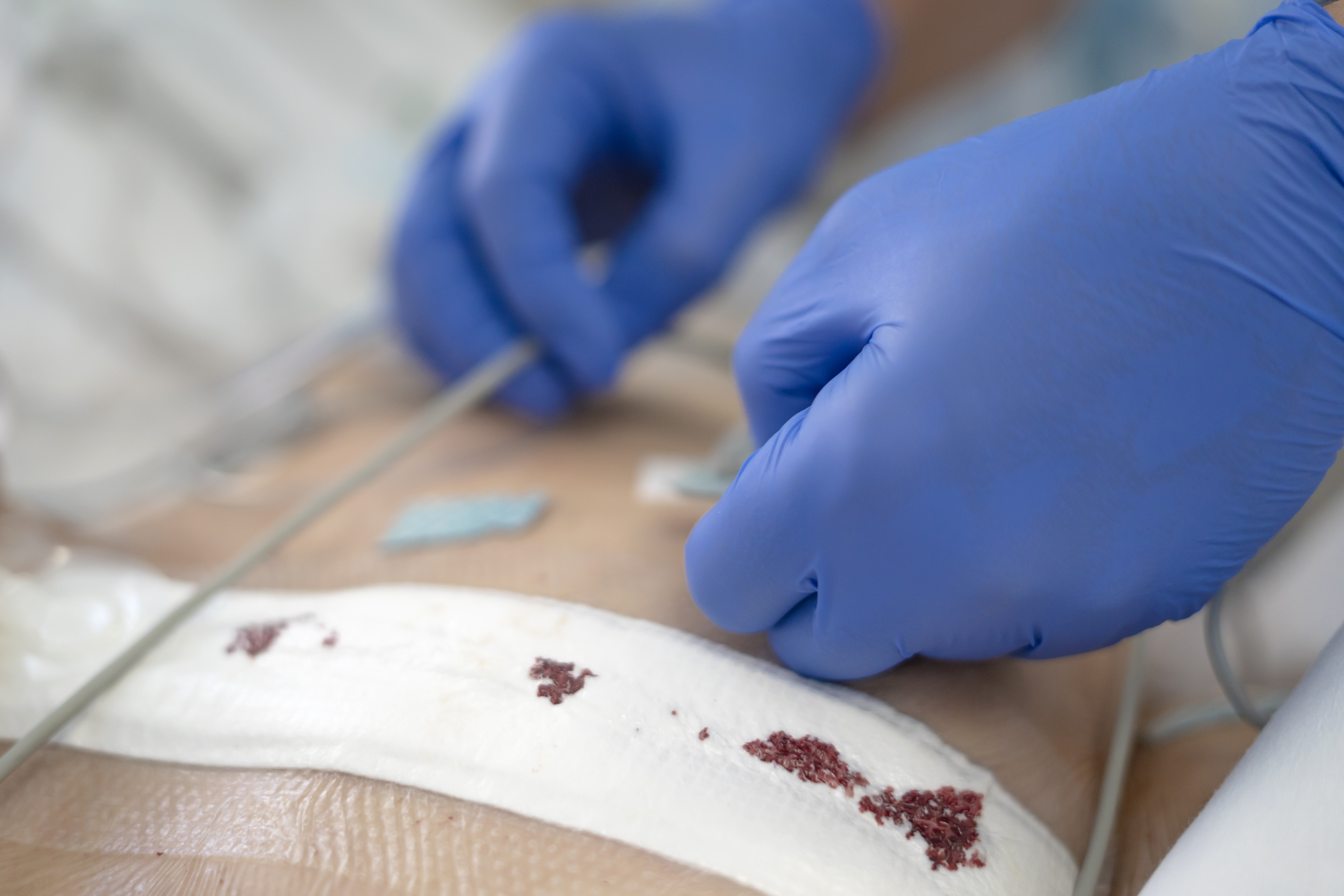
Understanding the Challenges of Healing Chronic Wounds in Burn Survivors with PTSD

Burn injuries are devastating and life-altering. They not only cause physical damage, but also emotional and psychological trauma. In addition to dealing with the physical pain and scars, burn survivors often struggle with Post-Traumatic Stress Disorder (PTSD), a mental health disorder that can develop after experiencing a traumatic event.

For burn survivors with PTSD, the process of healing chronic wounds can be even more challenging. The combination of physical and psychological factors can significantly impact wound healing and overall well-being. Let’s take a closer look at the challenges faced by burn survivors with PTSD and how they can be overcome.

The Impact of PTSD on Wound Healing

PTSD can have a direct effect on the body’s ability to heal wounds. The constant state of stress and anxiety that individuals with PTSD experience can suppress the immune system, making it harder for the body to fight off infections and heal wounds. This is especially problematic for burn survivors, as their wounds are often large, deep, and prone to infection.

Furthermore, individuals with PTSD may engage in behaviors, such as smoking or drinking, that can further hinder the body’s healing process. They may also have difficulty following wound care instructions and keeping up with appointments, leading to delayed healing and potential complications.

The Psychological Toll of Chronic Wounds

Chronic wounds can also take a toll on a burn survivor’s mental health, exacerbating their existing PTSD symptoms. The constant pain, discomfort, and appearance of the wound can trigger feelings of shame, frustration, and helplessness. These negative emotions can worsen PTSD symptoms, such as flashbacks, nightmares, and avoidance behaviors.

Additionally, the prolonged healing process can lead to feelings of hopelessness and despair, as the survivor may fear that their wound will never heal. This can further impact their mental health and motivation to actively participate in their wound care.

Strategies for Overcoming Challenges

Healing chronic wounds in burn survivors with PTSD requires a multidisciplinary approach, addressing both physical and psychological factors. This may include:

  • Effective wound care: The first step is to properly manage the wound itself. This may involve regular dressing changes, debridement, and other advanced wound care techniques to promote healing and prevent infection.
  • PTSD treatment: Addressing the underlying PTSD is crucial for improving wound healing. This may include therapy, medication, and other coping strategies to manage symptoms and reduce stress.
  • Supportive care: Burn survivors with PTSD may benefit from support groups, where they can connect with others who have gone through similar experiences. This can provide a sense of community and understanding, reducing feelings of isolation and stigma.
  • Healthy lifestyle choices: Encouraging burn survivors to quit smoking, limit alcohol consumption, and maintain a healthy diet and exercise routine can improve their overall health and aid in wound healing.

The Importance of Compassionate Care

Healing chronic wounds in burn survivors with PTSD requires not only medical expertise, but also compassion and understanding. It’s important for healthcare providers to acknowledge the emotional and psychological impact of burn injuries and work together with the patient to develop a holistic treatment plan.

Burn survivors with PTSD may also benefit from having a designated caregiver or support person who can provide emotional support and assistance with wound care. This can help alleviate some of the burden and improve the patient’s overall well-being.

It’s also crucial for healthcare providers to educate their patients on the importance of wound care and the potential impact of PTSD on healing. By providing information and resources, patients can better understand their condition and actively participate in their own care.

Conclusion

Healing chronic wounds in burn survivors with PTSD is a complex and challenging process. However, with a multidisciplinary approach and compassionate care, these individuals can overcome the obstacles and achieve successful wound healing. By addressing both physical and psychological factors, we can help improve the quality of life for burn survivors and support their journey to recovery.

For more information and expert wound care resources, visit SpecialtyWoundCare.com.

Tips for Applying Dressings in Sweaty or Damp Conditions

Primus | November 5th, 2025


Tips for Applying Dressings in Sweaty or Damp Conditions

As the weather gets warmer and humidity levels rise, it is common for people to experience increased sweating and dampness on their skin. This can pose a challenge for those who need to regularly change and apply dressings to their wounds. Not only can sweat and moisture make it difficult for dressings to adhere properly, but it can also create an ideal environment for bacteria to thrive and lead to infection. If you find yourself in this situation, here are some tips to help you effectively apply dressings in sweaty or damp conditions.

1. Keep the wound area clean and dry

The first step in applying dressings in sweaty or damp conditions is to ensure that the wound area is clean and dry. Wipe away any excess sweat or moisture with a clean cloth or gauze, being careful not to touch the wound directly with your fingers. If possible, gently pat the area dry with a clean towel. This will help the dressing adhere better and prevent bacteria from entering the wound.

2. Use a moisture-absorbing dressing

When dealing with excessive sweating or dampness, it is important to choose a dressing that is specifically designed to absorb moisture. Look for dressings that are made of a hydrocolloid material, which can help to keep the wound area dry and promote healing. These dressings also have the added benefit of creating a barrier between the wound and external moisture, reducing the risk of infection.

3. Consider using a waterproof dressing

If you know that you will be in a situation where you will be sweating or exposed to water, consider using a waterproof dressing. These dressings are designed to stay in place even when exposed to moisture, making them ideal for use in sweaty or damp conditions. They are also helpful for those who need to shower or bathe regularly, as they can be worn for several days without needing to be changed.

4. Use skin prep or barrier spray

In addition to using a moisture-absorbing or waterproof dressing, you can also apply a skin prep or barrier spray to the surrounding skin. These products create a protective layer that helps to keep moisture away from the wound and prevent bacteria from entering. They can also help to improve the adherence of the dressing and reduce the risk of skin irritation.

5. Change dressings more frequently

In hot and humid conditions, it may be necessary to change dressings more frequently to prevent excess moisture from building up. This is especially important for wounds that are prone to infection or those that are healing slowly. Keep an eye on the dressing and change it if it becomes saturated with sweat or other fluids. This will help to keep the wound area clean and reduce the risk of infection.

6. Seek professional advice

If you are unsure about how to properly manage your wound in sweaty or damp conditions, do not hesitate to seek advice from a healthcare professional. They can provide you with specific recommendations based on your individual wound and help you find the best dressing and care routine for your needs.

By following these tips, you can effectively apply dressings in sweaty or damp conditions and promote proper healing of your wound. Remember to always keep the wound clean and dry, choose the right dressing for your situation, and seek professional advice if needed. With proper care, your wound will heal in no time.

For more information and expert wound care resources, visit SpecialtyWoundCare.com.

Seasonal Foot Care Tips for Diabetic Patients

Primus | November 5th, 2025


Seasonal Foot Care Tips for Diabetic Patients

For diabetic patients, proper foot care is crucial to maintaining overall health and preventing serious complications. Changes in weather and environment can have a significant impact on foot health, making it important for individuals with diabetes to take extra precautions during seasonal changes. Here are some important tips to keep your feet healthy and safe throughout the year.

1. Keep your feet clean and dry

During the warmer months, it is important to keep your feet clean and dry to prevent fungal infections. After washing your feet, make sure to dry them thoroughly, especially between the toes. Use a mild soap and warm water to clean your feet, and avoid soaking them for too long as this can dry out the skin and increase the risk of infection.

2. Moisturize regularly

Dry skin can lead to cracking and peeling, making it easier for bacteria to enter the skin and cause infections. Moisturizing your feet regularly can help prevent this. Use a gentle, non-scented moisturizer and avoid applying it between the toes to prevent excess moisture from building up.

3. Wear appropriate footwear

During the summer months, it may be tempting to wear sandals and flip flops to keep your feet cool. However, these types of footwear do not provide adequate support and can increase the risk of foot injuries and blisters. Opt for closed-toe shoes with good arch support to protect your feet.

In the winter, it is important to wear warm, waterproof shoes to protect your feet from the cold and wet conditions. Make sure your shoes fit properly and are not too tight, as this can cause blisters and calluses.

4. Inspect your feet daily

Diabetic patients are at a higher risk of developing foot problems due to poor circulation and nerve damage. It is important to inspect your feet daily for any signs of injury, such as cuts, blisters, or redness. If you have trouble seeing or reaching your feet, ask a loved one for help or use a mirror.

5. Keep your toenails trimmed

Ingrown toenails can become a serious problem for diabetic patients, as they can easily become infected. Keep your toenails trimmed straight across and avoid cutting them too short. If you have trouble trimming your own toenails, visit a podiatrist for assistance.

6. Protect your feet from extreme temperatures

Extreme temperatures can cause damage to the feet, especially for diabetic patients. In the summer, avoid walking barefoot on hot surfaces and use sunscreen on your feet to prevent sunburn. In the winter, make sure to wear warm socks and protect your feet from frostbite by wearing insulated boots.

7. Stay active

Regular physical activity is important for maintaining overall health, but it is especially beneficial for diabetic patients. Exercise can help improve circulation and nerve function, reducing the risk of foot problems. Consult with your doctor to find a safe and appropriate exercise routine for you.

8. Visit your doctor regularly

Regular visits to your doctor are crucial for managing diabetes and monitoring any potential foot problems. Make sure to schedule appointments at least once a year, or more frequently if recommended by your doctor.

By following these seasonal foot care tips, diabetic patients can reduce their risk of foot complications and maintain healthy feet throughout the year. Remember to always consult with your doctor for personalized advice and treatment options.

For more information and expert wound care resources, visit SpecialtyWoundCare.com.

Wound Assessment Techniques for Patients with Limited Sensation

Primus | November 5th, 2025


Wound Assessment Techniques for Patients with Limited Sensation

Patients with limited sensation face unique challenges when it comes to wound care. Whether due to nerve damage, diabetes, or other conditions, these individuals may have difficulty detecting and properly caring for wounds. As a medical professional, it is important to understand the specific techniques and considerations for assessing wounds in patients with limited sensation.

Understanding Limited Sensation

Limited sensation, also known as hypoesthesia, is a condition in which a person experiences reduced or diminished sensation in a particular area of their body. This can be caused by nerve damage, diabetes, or other conditions that affect nerve function. Patients with limited sensation may have difficulty feeling pain, pressure, or temperature changes in the affected area.

For patients with limited sensation, it is important to regularly check for signs of wounds, as they may not be able to feel them until they have progressed and become more severe. This is especially important for patients with diabetes, as they are at a higher risk for developing foot ulcers and other wounds due to nerve damage and poor circulation.

Techniques for Assessing Wounds

When assessing wounds in patients with limited sensation, there are several techniques that can be used to ensure proper care and treatment.

  • Visual Inspection: Visual inspection is the most common technique for assessing wounds. Look for signs of redness, swelling, or changes in skin color or texture. In patients with limited sensation, wounds may not be accompanied by pain, so it is important to rely on visual cues to identify potential problems.
  • Temperature Changes: Use your hands to feel for temperature changes around the wound. Warmth or increased heat can indicate inflammation or infection, while coolness may indicate poor circulation.
  • Use of Instruments: In some cases, instruments such as a monofilament, cotton swab, or tuning fork may be used to test for sensation around the wound. This can help determine the extent of nerve damage and guide treatment decisions.

Considerations for Wound Care

There are a few additional considerations to keep in mind when caring for wounds in patients with limited sensation:

  • Prevention: The best way to care for wounds in patients with limited sensation is to prevent them from occurring in the first place. This includes proper foot care for patients with diabetes, avoiding pressure injuries for patients who are bedridden or use a wheelchair, and regular inspection of the skin for any signs of wounds.
  • Communication: For patients with limited sensation, it is important to communicate clearly about their wound care. They may not be able to feel pain or discomfort, so it is important to ask specific questions and provide detailed instructions for proper wound care.
  • Regular Check-Ups: Patients with limited sensation should have regular check-ups with a healthcare professional to monitor their wounds and address any issues that arise. This can also help prevent wounds from worsening and becoming more difficult to treat.

Seeking Professional Help

If you have a wound and limited sensation, it is important to seek professional help from a wound care specialist. They have the expertise and knowledge to properly assess and treat wounds in patients with limited sensation. They can also provide education and resources for proper wound care at home.

It is also important to seek medical attention if you notice any changes in your wound, such as increased pain, redness, or drainage. These could be signs of infection or other complications that require prompt treatment.

Conclusion

Patients with limited sensation require special attention when it comes to wound care. As a medical professional, it is important to understand the unique challenges these individuals face and utilize appropriate techniques for assessing and treating wounds. By following these guidelines, we can ensure that patients with limited sensation receive the best possible care for their wounds.

For more information and expert wound care resources, visit SpecialtyWoundCare.com.

Creating Inclusive Education Materials for Diverse Populations

Primus | November 5th, 2025


Introduction

Inclusivity is an important aspect of creating educational materials, especially in the healthcare field. As healthcare providers, it is crucial to ensure that our educational materials are accessible and inclusive for all individuals, regardless of their background or identity. This includes individuals from diverse populations, such as those with disabilities, different cultural backgrounds, and varying levels of education and literacy. In this article, we will discuss the importance of creating inclusive education materials and provide tips on how to achieve this for diverse populations.

Why is inclusivity important in educational materials?

Inclusivity in educational materials is crucial for promoting equal access to healthcare information and services. It ensures that all individuals, regardless of their background, have the same opportunities to educate themselves and make informed decisions about their health. This is especially important for individuals from diverse populations who may face barriers in accessing healthcare information due to language, culture, or disability.

Additionally, inclusivity in educational materials promotes cultural competency, which is the ability to understand and effectively communicate with individuals from different cultural backgrounds. By creating materials that are inclusive of diverse populations, healthcare providers can improve their ability to provide culturally competent care to their patients.

Understanding diverse populations

When creating educational materials, it is important to understand the unique needs and challenges of diverse populations. This includes individuals with disabilities, those from different cultural and ethnic backgrounds, and individuals with varying levels of education and literacy.

Individuals with disabilities may have visual, auditory, or cognitive impairments that make it difficult for them to access traditional educational materials. This can include individuals who are blind or have low vision, individuals who are deaf or hard of hearing, and individuals with learning disabilities. In order to make materials inclusive for these individuals, it is important to provide alternative formats such as large print, audio, or braille versions.

Individuals from different cultural backgrounds may have varying levels of health literacy, which is the ability to obtain, understand, and use healthcare information to make informed decisions about their health. Cultural and language barriers can also make it difficult for these individuals to access and understand educational materials. To ensure inclusivity for these populations, materials should be available in multiple languages and use culturally sensitive language and images.

Individuals with varying levels of education and literacy may also face challenges in accessing and understanding healthcare information. In order to make materials inclusive for these individuals, it is important to use simple language, avoid medical jargon, and provide visual aids and simple explanations.

Tips for creating inclusive education materials

  • Use images and graphics: Visual aids can be helpful for individuals with different learning styles and those with low literacy levels. Use images and graphics to supplement written information and make materials more engaging and easy to understand.
  • Use plain language: Avoid using complex medical terminology and jargon. Use simple and easy to understand language to ensure that all individuals can access and understand the information.
  • Provide alternative formats: As mentioned earlier, individuals with disabilities may require alternative formats such as large print, audio, or braille versions of educational materials. Make sure to provide these options to ensure inclusivity.
  • Consider cultural sensitivity: When creating materials for diverse populations, it is important to be culturally sensitive. Use images and language that are inclusive and avoid cultural stereotypes.
  • Seek feedback: Before publishing educational materials, seek feedback from individuals from diverse populations. This will help identify any potential barriers or areas for improvement in terms of inclusivity.

Inclusivity in the digital age

In today’s digital age, it is important to consider inclusivity when creating online educational materials. This includes making sure that websites and online platforms are accessible for individuals with disabilities, providing alternative text for images, and using readable fonts and colors.

It is also important to consider the accessibility of online materials for individuals with limited access to technology or internet. Providing multiple formats, such as downloadable PDFs, can ensure that everyone has access to the information.

Conclusion

Inclusivity in educational materials is crucial for promoting equal access to healthcare information and services. By understanding the unique needs and challenges of diverse populations and following the tips outlined in this article, healthcare providers can create materials that are inclusive and accessible for all individuals. This will not only improve the quality of care for patients but also promote cultural competency and understanding in the healthcare field.

For more information and expert wound care resources, visit SpecialtyWoundCare.com.

How to Train Home Health Aides in Advanced Dressing Use

Primus | October 21st, 2025


Why Advanced Dressings are Important in Wound Care

Wound care is an essential aspect of healthcare, and it requires a comprehensive approach to ensure proper healing and prevent infection. Advanced dressings play a crucial role in wound care, as they provide a protective barrier, promote healing, and manage exudate. These dressings are designed to address various wound types, including burns, pressure ulcers, diabetic foot ulcers, and surgical wounds. They are especially beneficial for patients with chronic or complex wounds that are difficult to heal.

Roles and Responsibilities of Home Health Aides in Wound Care

Home health aides are an integral part of the healthcare team, providing vital support and assistance to patients who require medical care at home. Their roles and responsibilities may vary depending on the patient’s needs, but they play a crucial role in wound care. Home health aides are responsible for assisting with dressing changes, monitoring wound healing, and reporting any changes or concerns to the healthcare provider. They also play a critical role in educating patients and their families on wound care management and prevention of complications.

Training Home Health Aides in Advanced Dressing Use

Proper training in advanced dressing use is essential for home health aides to ensure they can effectively manage and care for patients’ wounds. The training should cover the different types of advanced dressings, their indications, and how to apply them correctly. It should also include proper wound assessment and documentation, as this information is crucial for the healthcare team to monitor and track wound healing progress.

1. Understanding the Different Types of Advanced Dressings

There are various types of advanced dressings, each designed to address specific wound characteristics and promote healing. Some common types include foam dressings, hydrocolloid dressings, and alginate dressings. It is essential to educate home health aides on the different types of dressings and their indications to ensure they can choose the appropriate dressing for each wound.

2. Proper Application Techniques

Home health aides need to understand the correct technique for applying advanced dressings to ensure they provide optimal wound care. This includes proper cleansing and debridement of the wound before applying the dressing, as well as ensuring the dressing is appropriately sized and secured. The training should also cover how to change dressings and monitor for any signs of complications, such as infection or skin irritation.

3. Wound Assessment and Documentation

Accurate wound assessment and documentation are essential for monitoring wound healing progress and identifying any issues that may arise. Home health aides should be trained on how to assess wounds, measure their size and depth, and document any changes or concerns. This information is crucial for the healthcare team to determine the effectiveness of the chosen dressing and make any necessary adjustments to the treatment plan.

Benefits of Properly Trained Home Health Aides in Advanced Dressing Use

Having properly trained home health aides in advanced dressing use can significantly improve the quality of wound care for patients. It ensures that wounds are appropriately managed and monitored, reducing the risk of complications and promoting faster healing. Trained home health aides can also provide valuable insights and information to the healthcare team, facilitating better communication and collaboration in wound care management.

In Conclusion

Training home health aides in advanced dressing use is crucial for providing optimal wound care to patients in the home setting. It equips them with the necessary skills and knowledge to effectively manage wounds and prevent complications. As healthcare professionals, we must continue to educate and support home health aides in their roles to ensure the best outcomes for our patients.

For more information and expert wound care resources, visit SpecialtyWoundCare.com.

Environmental Sustainability of Single-Use Dressings

Primus | October 20th, 2025


The Environmental Sustainability of Single-Use Dressings

In recent years, there has been a growing concern about the environmental impact of healthcare practices. As healthcare professionals, it is important for us to not only prioritize the well-being of our patients, but also the well-being of our planet. With the increasing use of single-use dressings in wound care, it is important to examine the environmental sustainability of these products and explore alternatives that may be more eco-friendly.

The Use of Single-Use Dressings

In wound care, single-use dressings have become the standard practice due to their convenience and effectiveness in promoting healing. These dressings are designed to be used once and then disposed of, reducing the risk of infection and cross-contamination. They also come in various sizes and shapes, making them adaptable to different types of wounds.

However, the widespread use of single-use dressings has raised concerns about their environmental impact. These dressings are typically made from non-biodegradable materials such as plastic or synthetic fibers, which can take hundreds of years to decompose. As a result, they contribute to the growing problem of plastic pollution in our landfills and oceans.

The Environmental Impact

The production, use, and disposal of single-use dressings have several negative impacts on the environment. The manufacturing process requires large amounts of energy and resources, leading to greenhouse gas emissions and depletion of natural resources. The disposal of these dressings also adds to the growing amount of medical waste, which can contain harmful chemicals and pathogens that can contaminate the environment.

Furthermore, the use of single-use dressings has also been linked to the decline in bee populations. Bees play a crucial role in pollination, and the use of pesticides and other chemicals in the production of cotton, a common material used in dressings, can harm bee populations and disrupt the delicate balance of our ecosystem.

Exploring Eco-Friendly Alternatives

As healthcare professionals, it is our responsibility to consider the environmental impact of our practices and seek out more sustainable alternatives. Fortunately, there are several eco-friendly options available in wound care.

One alternative is the use of reusable dressings made from natural materials such as bamboo or organic cotton. These materials are biodegradable and have a lower environmental impact compared to traditional single-use dressings. They are also hypoallergenic and gentle on the skin, making them a suitable option for patients with sensitive skin.

Another option is the use of advanced wound dressings, such as hydrogels and foams, which can be left on the wound for longer periods and require fewer changes, reducing the amount of waste produced. These dressings are also designed to promote faster healing, reducing the need for multiple dressing changes.

What Can We Do?

As healthcare professionals, we can take small steps to reduce the environmental impact of our wound care practices. This can include properly disposing of single-use dressings in designated medical waste bins and encouraging patients to consider reusable or advanced wound dressings when appropriate.

We can also advocate for more sustainable practices within our healthcare facilities by working with suppliers to source eco-friendly alternatives and implementing recycling programs for medical waste.

Conclusion

The use of single-use dressings in wound care has become the norm, but it is important for us to consider the environmental impact of this practice. By exploring eco-friendly alternatives and implementing sustainable practices, we can reduce our carbon footprint and contribute to a healthier planet for future generations. As healthcare professionals, it is our responsibility to prioritize the well-being of our patients and our planet.

For more information and expert wound care resources, visit SpecialtyWoundCare.com.

Empathy in Education: Understanding the Emotional Toll of Chronic Wounds

Primus | October 16th, 2025


Empathy in Education: Understanding the Emotional Toll of Chronic Wounds

Chronic wounds are a common and often debilitating condition affecting millions of people worldwide. These wounds, which are defined as wounds that do not heal within three months, can be caused by a variety of factors such as diabetes, poor circulation, or pressure ulcers. While the physical effects of chronic wounds are well-documented, the emotional toll they can take on patients is often overlooked. In this article, we will explore the importance of empathy in patient education when it comes to chronic wounds.

The Emotional Impact of Chronic Wounds

Living with a chronic wound can be a challenging and isolating experience for patients. Not only do these wounds cause physical discomfort and limitations, but they can also take a toll on a patient’s mental and emotional well-being. Patients with chronic wounds often report feelings of frustration, helplessness, and anxiety. They may also experience social isolation and feelings of shame or embarrassment due to the appearance or odor of their wound.

Additionally, chronic wounds can have a significant impact on a patient’s quality of life. They may be unable to participate in activities they once enjoyed, and they may have difficulty performing daily tasks. This can lead to feelings of depression and a sense of loss of independence.

The Role of Empathy in Patient Education

Empathy, defined as the ability to understand and share the feelings of another, is a crucial component of patient education. When it comes to chronic wounds, healthcare providers must not only address the physical aspects of the condition but also the emotional impact it has on their patients.

By showing empathy and taking the time to listen to their patients’ concerns, healthcare providers can create a safe and supportive environment for patients to express their emotions. This can help patients feel heard and understood, which can have a positive impact on their overall well-being.

In addition to listening and showing understanding, healthcare providers can also educate their patients about the emotional toll of chronic wounds. By explaining the common feelings and challenges that patients may experience, providers can validate their patients’ emotions and offer support and guidance on how to cope with them.

Empathy in Self-Care

Empathy is not only important in patient education but also in self-care. Patients with chronic wounds often have to manage their condition at home, which can be overwhelming and emotionally taxing. By practicing self-compassion and empathy, patients can learn to be more understanding of their own emotions and needs.

Doctors and nurses can also play a role in promoting empathy in self-care by providing patients with resources and tools to manage the emotional impact of their chronic wounds. This can include connecting patients with support groups or counseling services and providing them with educational materials on self-care and coping strategies.

The Importance of Empathy in Healthcare

Empathy is a vital component of patient-centered care, and it is especially crucial when it comes to chronic wounds. By understanding and addressing the emotional toll of these wounds, healthcare providers can improve their patients’ overall well-being and quality of life.

Moreover, empathy in healthcare can also lead to better treatment outcomes. When patients feel understood and supported, they are more likely to comply with treatment plans and take an active role in their care.

In Conclusion

Chronic wounds not only cause physical discomfort but also have a significant emotional impact on patients. It is essential for healthcare providers to show empathy and understanding when educating patients about their condition. By acknowledging and addressing the emotional toll of chronic wounds, healthcare providers can improve their patients’ well-being and promote better treatment outcomes.

For more information and expert wound care resources, visit SpecialtyWoundCare.com.

Wound Self-Care During Flu or Illness: What to Watch

Primus | October 16th, 2025


Wound Self-Care During Flu or Illness: What to Watch

When you are sick with the flu or another illness, it can be easy to overlook caring for wounds or injuries. However, it is important to continue proper wound care during these times to prevent infection and promote healing.

Why wound care is important during illness

During illness, our immune systems are weakened and may not be able to fight off infection as effectively. This makes it even more crucial to properly care for wounds to prevent bacteria and other germs from entering the body. Additionally, illness can cause dehydration and a decrease in blood flow, both of which are important for wound healing. Neglecting wound care during this time can lead to delayed healing and potential complications.

Steps for proper wound care during illness

  • Wash your hands before and after caring for your wound to prevent spreading germs.
  • Keep the wound clean and dry. If you have a fever or are experiencing excessive sweating, change the bandage more frequently to prevent moisture buildup.
  • If you have a wound dressing, make sure to follow the instructions for changing it. If the dressing becomes soiled, change it immediately.
  • If you are experiencing nausea or vomiting, try to keep your head and upper body elevated to prevent any fluids from getting on the wound.
  • Stay hydrated by drinking plenty of water. This will help keep your body functioning properly and aid in wound healing.
  • Follow your healthcare provider’s instructions for any medications or treatments for your illness. Some medications can affect wound healing, so it is important to communicate with your healthcare team.
  • If you are unable to properly care for your wound, seek help from a caregiver or healthcare professional.

Signs of infection to watch for

During illness, it is important to monitor your wound for any signs of infection. This includes:

  • Redness, warmth, or swelling around the wound.
  • Increased pain or tenderness.
  • Pus or drainage from the wound.
  • Foul odor coming from the wound.
  • Fever.

If you notice any of these signs, seek medical attention immediately.

Tips for managing wound pain during illness

Illness can often cause discomfort and pain, making it challenging to manage wound pain. Here are a few tips to help ease pain and discomfort while caring for your wound:

  • Take over-the-counter pain relievers as directed by your healthcare provider.
  • Use distraction techniques such as listening to music or watching TV to take your mind off the pain.
  • Practice deep breathing and relaxation techniques to help manage pain.
  • Try using a cold compress or ice pack on the wound for short periods of time to numb the area and reduce pain.
  • Discuss pain management options with your healthcare provider if the pain becomes too difficult to manage.

When to seek medical attention

If you are experiencing any of the following symptoms, it is important to seek medical attention immediately:

  • Excessive bleeding that does not stop with direct pressure.
  • Worsening pain or pain that is not relieved with over-the-counter medications.
  • Signs of infection as mentioned above.
  • Changes in the appearance of the wound, such as increased redness or swelling.
  • Fever over 100.4°F (38°C).
  • Difficulty breathing or shortness of breath.
  • Changes in mental status, such as confusion or disorientation.

It is always better to err on the side of caution and seek medical attention if you are unsure about the status of your wound.

In summary

While caring for wounds during illness may seem like a daunting task, it is crucial to continue proper wound care to prevent infection and promote healing. Remember to practice good hygiene and seek medical attention if needed. By following these steps, you can help ensure that your wound heals properly and you can focus on recovering from your illness.

For more information and expert wound care resources, visit SpecialtyWoundCare.com.

How to Discuss Wound Odor and Drainage Without Shame

Primus | October 16th, 2025


Understanding Wound Odor and Drainage

Wounds are a common occurrence in our lives, whether through injury, surgery, or medical conditions. While they may vary in severity and type, one thing that can be concerning for patients and their caregivers is wound odor and drainage.

Wound odor and drainage are often interrelated. Wounds that are not healing properly or have been left untreated can produce a strong, unpleasant smell. This smell may be described as foul, putrid, or even rotting. Similarly, wounds that have excessive drainage or exudate can also have a distinct smell. This drainage can be clear, yellow, green, or even brown in color, and may vary in consistency from thin and watery to thick and purulent.

While wound odor and drainage can be uncomfortable and embarrassing to discuss, it is important to have an open and honest conversation with your healthcare provider. These symptoms may be indicative of a wound infection or other underlying issues that require prompt treatment. Ignoring or hiding these symptoms can lead to further complications and delay healing.

How to Talk to Your Healthcare Provider

If you are experiencing wound odor and drainage, it is important to address it with your healthcare provider. Here are some tips for discussing these symptoms without shame:

  • Be honest and open: Remember, your healthcare provider is there to help you and wants to see your wound heal. Be honest about what you are experiencing and do not be afraid to ask questions.
  • Use descriptive language: Instead of simply saying your wound smells bad, try to describe the odor as foul or putrid. This will help your healthcare provider better understand the severity of the issue.
  • Take pictures: If you are uncomfortable with the idea of discussing wound odor and drainage in person, consider taking pictures of your wound to show your healthcare provider. This can also help track changes in odor and drainage over time.
  • Discuss your concerns: If you are feeling embarrassed or ashamed about your wound odor and drainage, let your healthcare provider know. They can provide reassurance and help you understand that these symptoms are common and treatable.

It is also important to inform your healthcare provider of any other symptoms you may be experiencing, such as pain, swelling, fever, or changes in color or texture of the wound. This will help them get a complete picture of your wound and determine the best course of treatment.

Causes of Wound Odor and Drainage

There are several reasons why a wound may produce odor and drainage. These include:

  • Infection: Bacteria or other microorganisms can enter a wound and cause an infection, leading to increased production of pus and a foul odor.
  • Necrotic tissue: Dead tissue in a wound can provide a breeding ground for bacteria, resulting in an unpleasant smell.
  • Poor wound care: Improper cleaning and dressing of a wound can lead to increased bacterial growth and odor.
  • Underlying health conditions: Certain medical conditions, such as diabetes or compromised immune system, can make it harder for wounds to heal properly and increase the risk of infection.

If you are experiencing wound odor and drainage, it is important to work with your healthcare provider to identify the underlying cause and develop a treatment plan.

Treatment Options

The treatment for wound odor and drainage will depend on the underlying cause. In most cases, the first step is to clean and dress the wound properly. This may involve removing any dead tissue, using an antiseptic solution to clean the wound, and applying a dressing that absorbs excess drainage.

If an infection is present, your healthcare provider may prescribe antibiotics or other medications to help fight the infection. In some cases, surgical intervention may be necessary to remove infected tissue or close the wound.

In addition to medical treatment, there are also steps you can take at home to help manage wound odor and drainage. These include:

  • Changing dressings regularly: It is important to change dressings as directed by your healthcare provider to prevent bacteria from building up and causing odor and infection.
  • Keeping the wound clean and dry: Moisture can promote bacterial growth, so it is important to keep the wound clean and dry. You may also be instructed to use a moisture barrier cream or powder.
  • Proper nutrition: Eating a healthy diet rich in protein, vitamins, and minerals can help boost your immune system and support wound healing.
  • Quitting smoking: Smoking slows down the healing process and increases the risk of infection, so it is important to avoid smoking while you have a wound.

Final Thoughts

Wound odor and drainage may be uncomfortable to talk about, but it is important to address these symptoms with your healthcare provider. Ignoring or hiding these symptoms can lead to further complications and delay healing. By being open and honest with your healthcare provider, you can work together to identify the underlying cause and develop a treatment plan that will help your wound heal properly.

Remember, wound odor and drainage are common and treatable. Do not be ashamed or embarrassed to seek help. With proper care and treatment, your wound will heal and you can get back to living your life. For more information and expert wound care resources, visit SpecialtyWoundCare.com.

Facebook
Instagram
LinkedIn
SOCIALICON
Youtube
X (Twitter)
Bluesky