Debunking Chronic Wound Misconceptions: Evidence-Driven Care for Better Outcomes
Debunking Chronic Wound Misconceptions: Evidence-Driven Care for Better Outcomes
Chronic wound myths still steer many treatment plans—and that costs time and healing chances. You might see wounds linger despite your best efforts, stuck in cycles of ineffective care. This post clears up common chronic wound misconceptions and shows how evidence-based wound care, including tools like MolecuLight DX and advanced allografts, can change the outcome for your patients or loved ones. For more insights, you can refer to this resource.
Understanding Chronic Wound Myths

When it comes to chronic wounds, misinformation can hinder effective treatment. Understanding these myths is crucial for better healing.
Debunking Common Misconceptions
Many people believe that wounds need air to heal. In truth, a moist environment promotes faster healing and reduces infection risk. Some think frequent dressing changes are beneficial, but this can disturb the healing process and expose the wound to bacteria. Learn more about these myths in this study.
Another common myth is that wounds should always be cleaned with hydrogen peroxide. This can damage healthy tissue and delay healing. Instead, gentle cleansing with saline is recommended. Most people think wounds that don’t heal are just “bad luck,” but often there’s an underlying issue that can be addressed with the right approach.
Evidence-Based Wound Care Approaches
Moving beyond myths, evidence-based care focuses on strategies that are scientifically proven to work. Keeping the wound moist is key. Products like hydrocolloids and foams help maintain this environment. Compression therapy is crucial for conditions like venous leg ulcers, helping improve circulation and speed healing.
Offloading pressure is vital, especially in diabetic foot ulcer treatment. Proper offloading devices can prevent the worsening of these wounds. By using these evidence-based methods, you can see significant improvements in healing times and outcomes.
Role of Advanced Wound Care Specialists
Specialists in advanced wound care are essential for managing complex cases. They bring years of experience and the latest in medical technology. Their role includes assessing wounds, creating individualized treatment plans, and utilizing cutting-edge tools like rapid molecular testing for wound infections.
These specialists work with your existing healthcare team, ensuring a comprehensive approach to wound care. Their expertise provides reassurance and hope, guiding patients and caregivers through the healing journey.
Specialty Wound Care Innovations

Innovations in wound care technology are transforming treatment outcomes. These advancements provide precise diagnostics and targeted interventions.
Biofilm Detection and Fluorescence Imaging
Biofilms can shield bacteria in wounds, making them hard to treat. Fluorescence imaging is a game-changer, identifying these biofilms quickly. This allows for targeted treatments that break down biofilms and promote healing.
Fluorescence imaging also helps detect areas of high bacterial load, guiding more effective cleansing and debridement. With these insights, healthcare providers can take decisive action against infection and improve recovery rates. Discover more about fluorescence imaging in this article.
MolecuLight DX: Real-Time Wound Assessment
The MolecuLight DX provides real-time wound visualization. This handheld device uses fluorescence to highlight bacteria, even those invisible to the naked eye. This enables precise interventions, reducing unnecessary treatments.
Healthcare providers using MolecuLight DX can make informed decisions, reducing healing times and improving patient outcomes. The technology captures images and measurements, ensuring comprehensive wound documentation and tracking.
Triple-Layer Allograft for Complex Wounds
Complex wounds need advanced solutions. The Triple-Layer Allograft offers a unique approach. Derived from prescreened donors, it supports tissue regeneration and provides a scaffold for healing. This allograft is particularly effective for pressure injury management and venous leg ulcer care.
By providing essential growth factors and proteins, it accelerates healing and reduces complications. Used alongside other advanced treatments, it represents the forefront of wound care innovation.
Collaborative Care and Partnerships
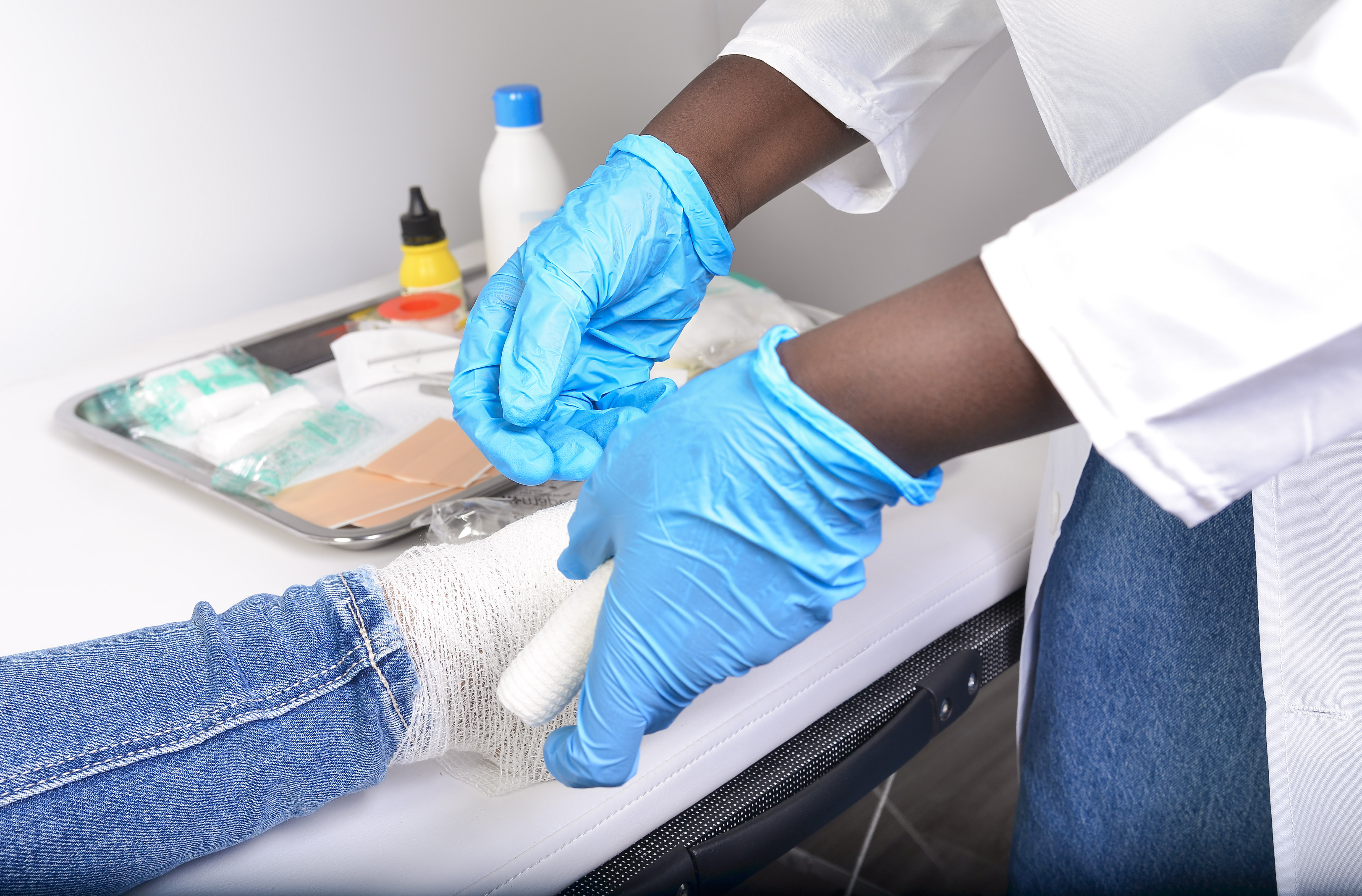
Collaboration is key in wound care. Partnerships between providers enhance treatment outcomes and streamline care delivery.
Wound Care Partnerships for Better Outcomes
Partnering with healthcare providers nationwide, Specialty Wound Care ensures the highest standards of care. These partnerships facilitate access to advanced treatments and technologies, improving patient recovery rates.
Working closely with hospitals and clinics, they tailor solutions to meet specific needs. This collaborative approach fosters innovation and improves healthcare delivery, benefiting patients and providers alike.
Provider Consultations and Technology Demos
Specialty Wound Care offers consultations and demos to showcase their cutting-edge solutions. These sessions provide healthcare professionals with insights into the latest technologies and how they can improve practice.
By experiencing these innovations firsthand, providers can implement advanced techniques in their own settings. This fosters continuous improvement and adoption of best practices in wound management.
Comprehensive Wound Documentation Technology
Accurate documentation is vital for effective wound management. Specialty Wound Care provides comprehensive technology solutions for tracking and documenting wound progress. This includes detailed imaging and measurement tools, enabling thorough monitoring.
Effective documentation supports better treatment decisions and enhances communication between healthcare teams. This ensures continuity of care and optimal outcomes for patients managing hard-to-heal wounds.
In conclusion, understanding and addressing chronic wound myths is essential for improving treatment outcomes. By embracing evidence-based approaches and leveraging advanced technologies, you can achieve better healing and recovery. Engage with Specialty Wound Care to explore innovative solutions and partnership opportunities.
Register now for expert wound care insights and partnership benefits.