Diabetes & Foot Ulcers
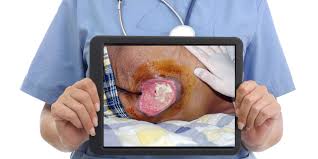
Diabetes is a chronic condition that affects millions of people worldwide. One of the most concerning complications associated with diabetes is the development of diabetic foot ulcers (DFU). These ulcers can lead to severe infections, amputations, and even death if not managed appropriately. Understanding the underlying causes and appropriate management strategies is crucial for healthcare professionals and patients alike.
Understanding Diabetic Foot Ulcers
Diabetic foot ulcers are open sores or wounds that occur in approximately 15% of patients with diabetes. They commonly appear on the bottom of the foot and are a significant cause of morbidity. The development of these ulcers is often attributed to a combination of factors including neuropathy, poor circulation, and pressure.
Neuropathy and Its Role in DFU
Neuropathy is a common complication of diabetes, characterized by nerve damage that typically affects the extremities. In diabetic patients, peripheral neuropathy can lead to a loss of sensation in the feet. This loss of sensation means that patients may not feel pain or discomfort from minor injuries, such as cuts or blisters, allowing these injuries to develop into more serious ulcers.
The absence of pain signals also means that individuals are less likely to adjust their activities or seek treatment early. As a result, neuropathy significantly increases the risk of developing diabetic foot ulcers.
Poor Circulation and Ischemia
Poor circulation is another critical factor in the development of diabetic foot ulcers. Diabetes can cause damage to blood vessels, leading to ischemia, a condition characterized by inadequate blood supply to specific areas of the body, including the feet. Ischemia impairs the delivery of essential nutrients and oxygen needed for wound healing, making it difficult for ulcers to heal once they form.
Patients with ischemia often experience cold feet, cramping in the legs while walking, and delayed healing of wounds. The combination of neuropathy and ischemia makes diabetic patients particularly vulnerable to developing foot ulcers that do not heal properly.
Pressure and Its Impact on Ulcer Formation
Another significant contributor to diabetic foot ulcers is pressure. Continuous pressure on certain areas of the foot, especially in patients who have lost sensation due to neuropathy, can lead to skin breakdown and ulcer formation. High-pressure areas often occur over bony prominences where the skin is compressed between the bones and hard surfaces, such as shoes or the ground.
To prevent pressure-induced ulcers, patients must regularly inspect their feet for signs of redness, calluses, or blisters and ensure that their footwear fits well and provides adequate support and cushioning.
Wound Healing Challenges in Diabetic Patients
Wound healing is a complex process that is often impaired in diabetic patients due to the combined effects of neuropathy, poor circulation, and pressure. The immune response may also be compromised, making it harder for the body to fight infections. Moreover, high blood glucose levels can impede the function of white blood cells, further complicating the healing process.
Effective management of diabetic foot ulcers requires a multidisciplinary approach that addresses these challenges and aims to promote optimal wound healing.
Strategies for Managing Diabetic Foot Ulcers
Management of diabetic foot ulcers involves a combination of medical, surgical, and lifestyle interventions. The primary goals are to prevent infection, reduce pressure on the ulcer, and improve circulation to promote healing.
Offloading: Reducing Pressure on the Ulcer
Offloading is a critical strategy in the management of diabetic foot ulcers. It involves relieving pressure from the affected area to prevent further damage and promote healing. This can be achieved through the use of specialized footwear, orthotic devices, or total contact casting.
Healthcare providers may recommend custom shoes or insoles designed to redistribute pressure away from the ulcer site. Total contact casting, a technique that involves the application of a cast to distribute weight evenly across the foot, is also an effective method for offloading.
Improving Circulation
Enhancing blood flow to the feet is essential for wound healing. This can be achieved through lifestyle changes, such as smoking cessation and regular exercise, as well as medical interventions. Pharmacological treatments may include medications that improve blood flow or surgical procedures to bypass blocked arteries.
In some cases, angioplasty may be performed to open narrowed blood vessels and improve circulation, thus facilitating better wound healing.
Infection Prevention and Management
Preventing and managing infections is crucial for successful healing of diabetic foot ulcers. This involves meticulous wound care, including regular cleaning and dressing changes. Healthcare providers may prescribe antibiotics if there is evidence of infection.
Patients should be educated on the importance of blood sugar control, as maintaining optimal glucose levels can enhance the body’s ability to fight infections and promote healing.
Monitoring and Regular Assessment
Regular monitoring and assessment of diabetic foot ulcers are essential to evaluate the effectiveness of treatment strategies and make necessary adjustments. Healthcare professionals should conduct thorough foot examinations during each visit, checking for signs of infection, changes in the wound, and effectiveness of offloading and circulation improvement measures.
Patients should also be encouraged to perform daily self-examinations to monitor for new or worsening symptoms.
Conclusion
Diabetic foot ulcers are a serious complication of diabetes that require a comprehensive approach to management. By understanding the roles of neuropathy, poor circulation, and pressure in ulcer development, healthcare providers can implement effective strategies to promote healing and prevent further complications.
Emphasizing the importance of offloading, improving circulation, and preventing infections can significantly enhance outcomes for patients with diabetic foot ulcers. Regular monitoring and patient education are integral components of successful ulcer management, ultimately leading to improved quality of life for individuals living with diabetes.