Diabetes & Foot Ulcers
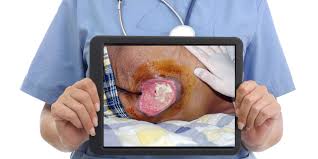
Diabetes is a chronic condition that affects millions of people worldwide, with significant implications for various bodily systems. One of the most concerning complications associated with diabetes is the development of foot ulcers, known as Diabetic Foot Ulcers (DFUs). These ulcers can lead to severe consequences if not managed properly. Understanding the connection between diabetes and foot ulcers, as well as the underlying factors such as neuropathy, poor circulation, and pressure, is crucial for effective prevention and management.
The Link Between Diabetes and Foot Ulcers
Diabetic Foot Ulcers are open sores or wounds that commonly occur on the bottom of the foot in individuals with diabetes. They are a result of a combination of factors that include neuropathy, ischemia, and pressure. These ulcers are particularly concerning because they can lead to infections, amputations, and a significant decrease in quality of life.
Neuropathy: A Silent Culprit
Neuropathy refers to nerve damage, which is a common complication of diabetes. High blood sugar levels over time can damage the nerves, especially in the extremities, leading to diabetic neuropathy. This condition is characterized by a loss of sensation in the feet, which means that injuries or sores may go unnoticed. Without the protective feedback of pain, individuals may continue to apply pressure or aggravate a wound, leading to the development of ulcers.
Neuropathy not only affects sensation but can also cause deformities in the feet due to muscle imbalance. These deformities can increase pressure points on the foot, making them more susceptible to ulceration.
Poor Circulation and Ischemia
Poor circulation or ischemia is another significant factor in the development of DFUs. Diabetes can lead to peripheral arterial disease (PAD), which reduces blood flow to the limbs. Adequate blood flow is essential for wound healing as it supplies necessary nutrients and oxygen to the affected area. Ischemia can thus severely impair the body’s ability to heal wounds, making ulcers more likely to develop and persist.
In individuals with diabetes, the combination of neuropathy and ischemia is particularly dangerous. While neuropathy prevents the detection of injuries, ischemia hampers the healing process, allowing ulcers to worsen over time.
The Role of Pressure in Ulcer Formation
Pressure plays a crucial role in the formation of diabetic foot ulcers. Areas of the foot that experience repeated pressure or friction, such as the ball of the foot or the heel, are more prone to ulceration. In individuals with diabetes, the lack of sensation due to neuropathy means that they may not adjust their gait or posture to alleviate pressure, allowing ulcers to form.
Pressure-related ulcers can also occur due to ill-fitting footwear or foot deformities. Ensuring proper footwear and regular foot examinations are essential preventive measures to reduce the risk of pressure-induced ulcers.
Challenges in Wound Healing
The process of wound healing in individuals with diabetes is often compromised due to several factors. High blood sugar levels can impair the immune system, making infections more likely and more difficult to treat. Furthermore, the presence of neuropathy and poor circulation can significantly slow down the healing process.
Effective management of DFUs requires a comprehensive approach that addresses these challenges. This includes maintaining optimal blood glucose levels, ensuring good foot hygiene, and seeking prompt medical attention for any foot injuries or abnormalities.
Offloading: A Critical Strategy
Offloading is a critical strategy in the management and prevention of diabetic foot ulcers. It involves reducing pressure on the affected area to allow the ulcer to heal. This can be achieved through specialized footwear, orthotic devices, or total contact casting.
Orthotic devices and custom footwear can be tailored to redistribute pressure away from high-risk areas, preventing the formation of new ulcers and aiding in the healing of existing ones. Total contact casting, although more restrictive, is one of the most effective offloading techniques, as it evenly distributes weight across the foot, minimizing pressure points.
Preventive Measures and Best Practices
Preventing diabetic foot ulcers requires a proactive approach that includes regular foot care and monitoring. Here are some best practices for individuals with diabetes:
- Daily foot inspections: Check for any cuts, blisters, redness, or swelling. Early detection of changes can prevent complications.
- Proper footwear: Wear shoes that fit well and provide adequate support. Avoid walking barefoot to reduce the risk of injury.
- Regular check-ups: Schedule regular appointments with a healthcare professional to assess foot health and address any issues promptly.
- Blood sugar management: Maintain optimal blood glucose levels to reduce the risk of neuropathy and improve wound healing.
- Smoking cessation: Smoking can exacerbate poor circulation, so quitting is crucial for better foot health.
The Importance of Multidisciplinary Care
Managing diabetic foot ulcers effectively often requires a multidisciplinary approach. This involves the collaboration of healthcare professionals such as podiatrists, endocrinologists, vascular surgeons, and wound care specialists. Each professional brings their expertise to address the various aspects of DFUs, from controlling blood sugar levels to providing specialized wound care.
By working together, these professionals can develop a comprehensive treatment plan tailored to the individual’s needs, improving outcomes and reducing the risk of complications.
Conclusion
Diabetic foot ulcers are a severe complication of diabetes that requires careful attention and management. By understanding the roles of neuropathy, poor circulation, and pressure in ulcer formation, healthcare professionals and individuals with diabetes can better prevent and manage these ulcers. Emphasizing wound healing, offloading, and preventive measures, and engaging in a multidisciplinary approach are all essential steps in improving patient outcomes and preserving quality of life.