How Triple-Layer Allografts Accelerate Healing for Chronic and Complex Wounds
How Triple-Layer Allografts Accelerate Healing for Chronic and Complex Wounds
Chronic wounds resist healing despite standard care, causing frustration for clinicians and patients alike. Triple-layer allografts offer a biologic skin substitute engineered to support graft integration and speed chronic wound healing. In this post, you’ll learn how this extracellular matrix scaffold promotes angiogenesis and durable repair, improving outcomes in diabetic foot ulcers, venous leg ulcers, and pressure injuries. Learn more.
Understanding Triple-Layer Allografts
Let’s explore how triple-layer allografts contribute significantly to wound care. Their unique structure plays a crucial role in enhancing healing for chronic wounds.
Key Benefits for Wound Healing
Triple-layer allografts offer several advantages for chronic wound healing. First, they help your body form new blood vessels, a process known as angiogenesis. This is crucial for providing nutrients and oxygen to the affected area, speeding up the healing process. A study from PMC highlights the importance of angiogenesis in wound repair.
Another benefit is their ability to act as a biologic skin substitute. These allografts provide a protective barrier, reducing the risk of infection and further damage. This aspect is particularly beneficial when dealing with stubborn wounds like diabetic foot ulcers.
Lastly, these allografts support durable repair by creating a scaffold for new tissue growth. This scaffold is made from an extracellular matrix that mimics natural tissues, helping wounds heal more effectively. It’s this combination of features that makes triple-layer allografts a powerful tool in advanced wound care.
Structure and Functionality
Understanding the structure of triple-layer allografts reveals why they are effective. Each layer serves a specific purpose, working together to support wound healing.
The outer layer protects against external threats, acting as the first line of defense. This is vital for maintaining a controlled environment for healing. The middle layer, rich in growth factors, encourages cell migration and new tissue formation, boosting the wound’s repair mechanism. The innermost layer provides support and stability, ensuring that the graft integrates smoothly with the patient’s tissue.
These structural components make triple-layer allografts a versatile choice for different types of chronic wounds. Their design facilitates graft integration, ensuring that the healing process is both efficient and durable. By using these allografts, you can significantly improve the outcomes for patients dealing with long-standing wounds.
Clinical Application and Protocol
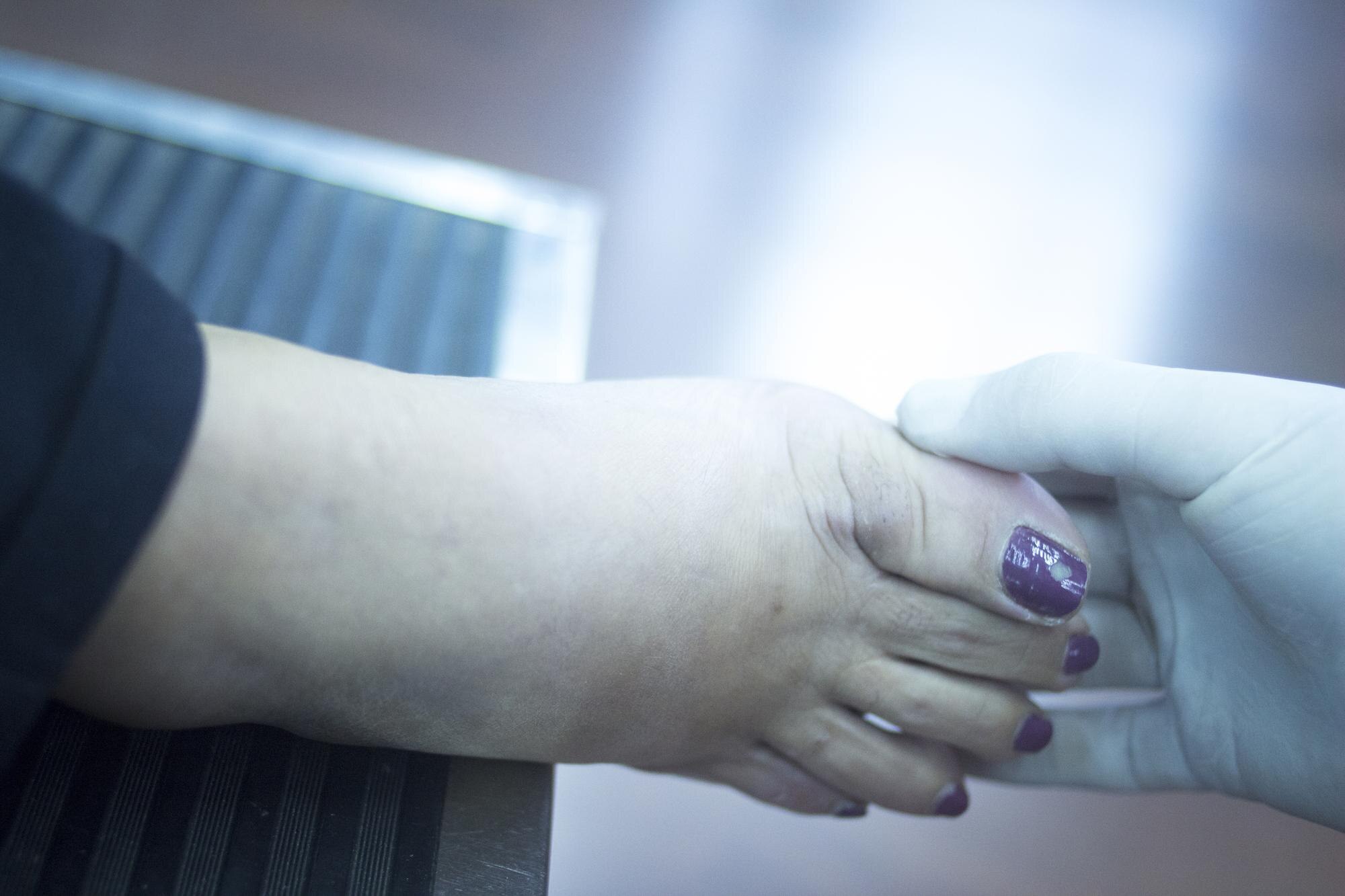
Applying triple-layer allografts correctly is vital to maximize their benefits. Let’s look at the necessary steps for proper application and preparation.
Wound Bed Preparation Steps
Preparing the wound bed is crucial for successful allograft application. Here’s a step-by-step guide to ensure readiness:
-
Debridement: Remove dead tissue to expose a clean wound bed. This step helps the graft adhere better and reduces infection risks.
-
Moisture Balance: Maintain an optimal moisture level to encourage healing. Too much moisture can lead to maceration, while too little can dry out the tissue.
-
Biofilm Detection: Use technologies like the MolecuLight DX for detecting bacterial biofilms. This device employs fluorescence imaging to highlight areas with high bacterial loads, allowing for targeted treatment.
-
Antimicrobial Stewardship: Apply appropriate antimicrobial treatments to control any existing infections. This step ensures the wound is free from harmful bacteria before grafting.
By adhering to these preparation steps, you set the stage for effective allograft application, enhancing the wound healing process.
Effective Allograft Application Protocol
Once the wound bed is prepared, the next step is applying the allograft. Here’s how to do it effectively:
-
Positioning: Carefully place the allograft over the wound, ensuring full coverage. This helps in proper integration and prevents exposure to external factors.
-
Securing: Use appropriate methods to secure the graft in place. This might include sutures or a specialized adhesive, depending on the wound type and location.
-
Monitoring: Regularly check the graft for signs of integration and healing progress. Look for any signs of infection or displacement that could hinder healing.
-
Offloading: Especially important in diabetic foot ulcers, ensure that pressure on the wound is minimized. This helps prevent further injury and allows the graft to work effectively.
By following this protocol, you’ll maximize the benefits of triple-layer allografts, promoting faster and more complete wound healing.
Enhancing Outcomes in Chronic Wounds
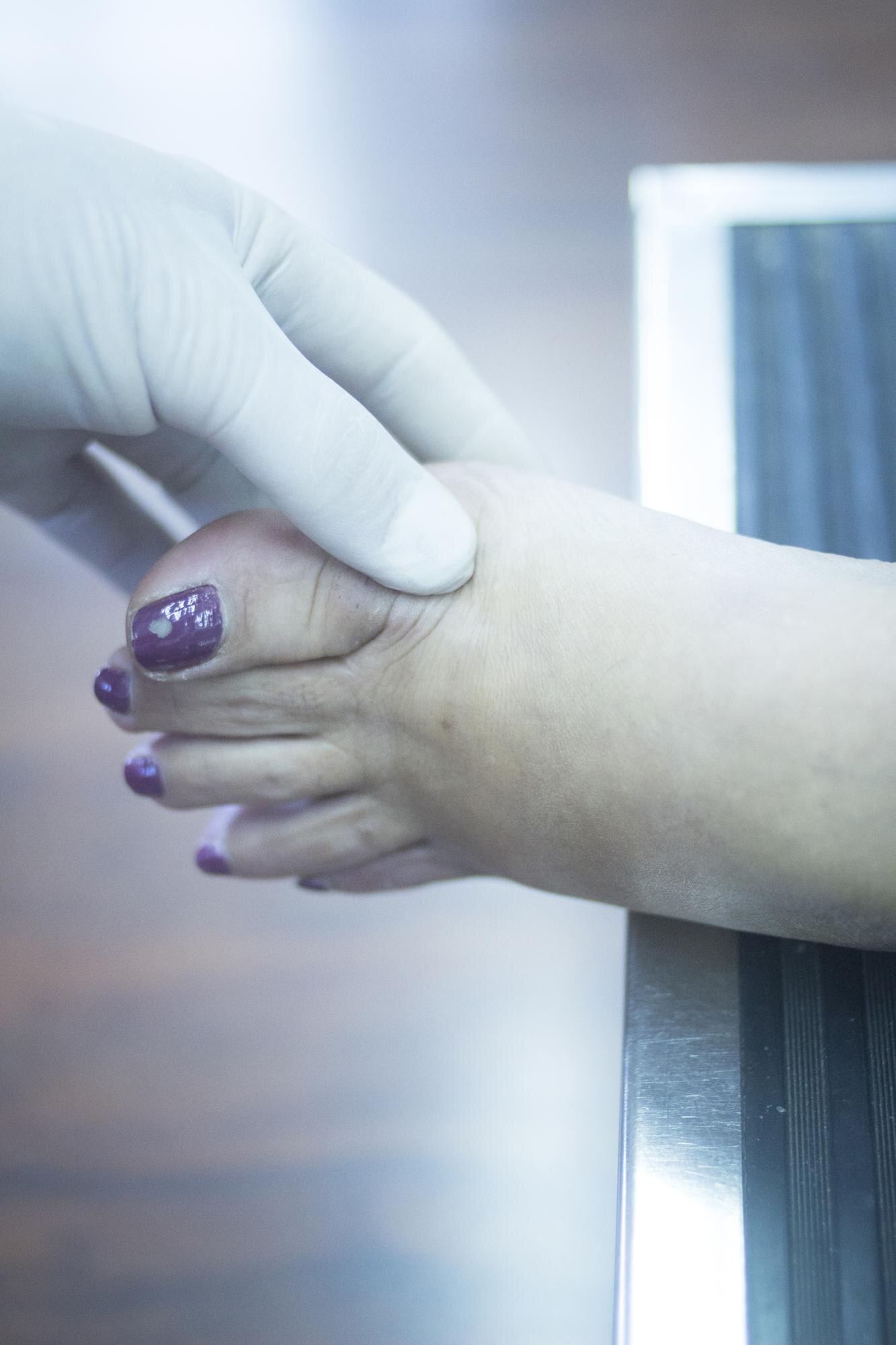
Triple-layer allografts are not just about healing; they transform difficult wounds into manageable conditions. Let’s see how they impact specific wound types.
Role in Diabetic Foot Ulcer Treatment
Diabetic foot ulcers are a common challenge in chronic wound care. Using triple-layer allografts can significantly improve healing outcomes. A study in ScienceDirect demonstrated enhanced healing when these allografts were used in diabetic foot care.
These allografts provide essential support by maintaining moisture and offering a scaffold for new tissue growth. By doing so, they address the unique challenges of diabetic wounds, such as poor circulation and high infection risk. Using allografts can reduce healing time and prevent complications like infections and amputations.
Pressure Injury Care and Management
Pressure injuries can be stubborn, often resisting traditional treatments. Here’s where triple-layer allografts shine. They provide a supportive environment that encourages healing, even in wounds compromised by constant pressure.
These allografts help manage moisture and protect against external irritants, crucial for sensitive pressure injuries. They also reduce the risk of infection by forming a barrier over the wound, which is vital in preventing further complications. Research from MDPI supports the effectiveness of these allografts in pressure injury care.
By integrating triple-layer allografts into pressure injury management, you enhance healing outcomes and improve patient quality of life.
In conclusion, triple-layer allografts offer a versatile and effective solution for various chronic wounds. By understanding their structure and following proper application protocols, healthcare providers can significantly improve patient outcomes and transform wound care practices.
Explore our advanced technology solutions for wound care today.