Solving Complex Wounds with Imaging, Precision Testing, and Advanced Allografts
Solving Complex Wounds with Imaging, Precision Testing, and Advanced Allografts
Complex wounds resist standard treatments and prolong patient suffering. You need tools that reveal hidden bacteria and guide precise therapies. Specialty Wound Care combines MolecuLight DX imaging, rapid pathogen testing, and an FDA-cleared triple-layer allograft to tackle these challenges head-on. Learn how these advanced wound care technologies improve healing for diabetic foot ulcers, venous leg ulcers, and pressure injuries. For more insights on wound healing technology, you can visit this link.
Advanced Imaging for Wound Care
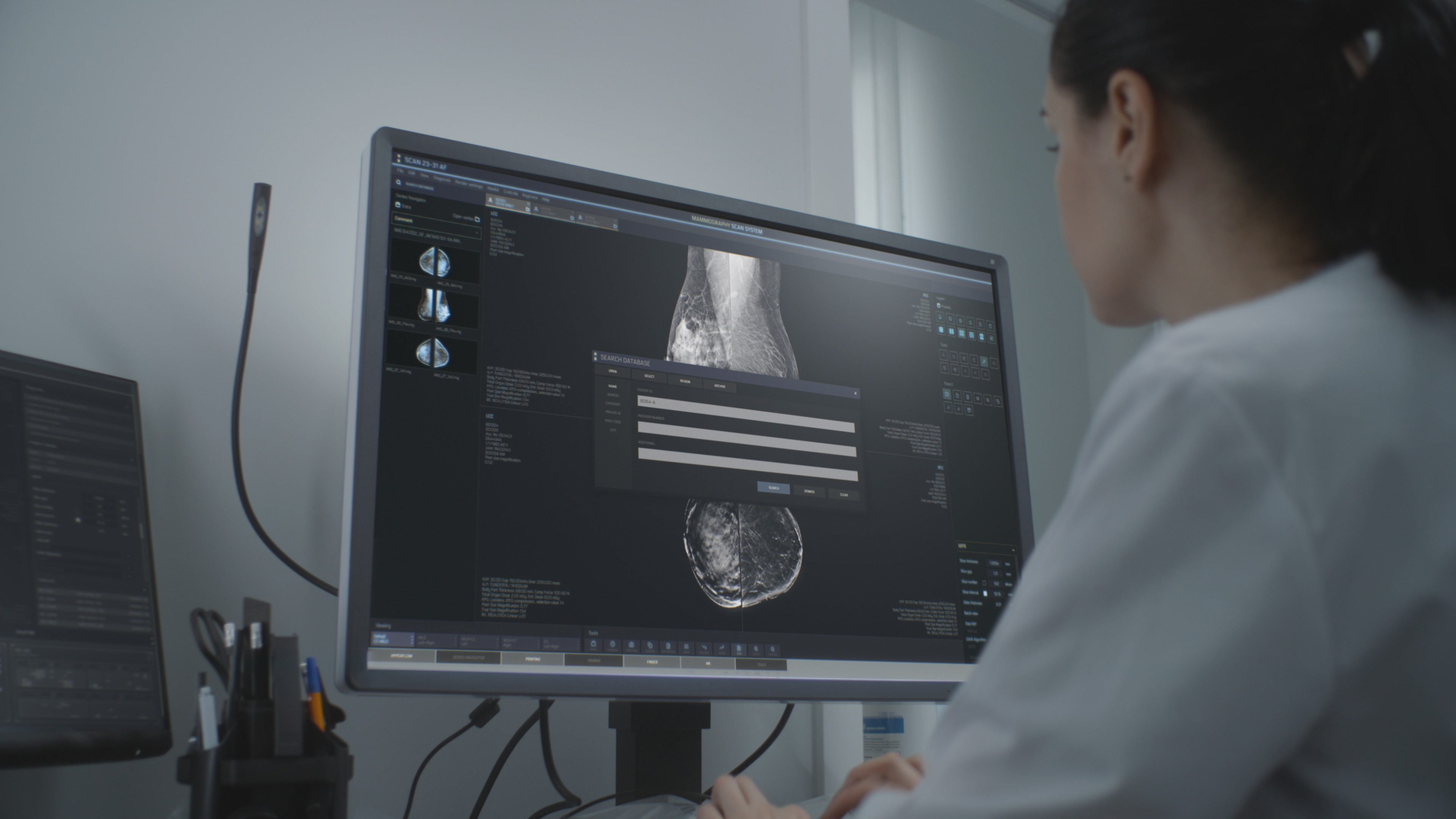
Cutting-edge imaging tools are transforming wound care by revealing details unseen by the naked eye. They guide healthcare professionals to make informed decisions, enhancing the healing process for complex wounds.
Real-Time Bacterial Fluorescence
Imagine seeing harmful bacteria directly in the wound. The MolecuLight DX allows you to do just that with its real-time bacterial fluorescence feature. This tool highlights bacteria using fluorescence, making it possible to target them effectively. This glimpse into the unseen world of wounds ensures you don’t miss areas that require treatment.
By detecting bacteria quickly, this technology helps you act fast, minimizing complications. Traditional methods might leave you guessing, but with this tool, you have a powerful ally in wound care. Learn more about how fluorescence imaging is shaping the future here.
Benefits of MolecuLight DX
The MolecuLight DX doesn’t just stop at highlighting bacteria. This advanced device also captures images and videos of wounds for meticulous tracking and documentation. With 85% of amputations due to ulcers, precise tracking becomes crucial in preventing severe outcomes.
This technology provides a clear view of wounds, helping you make more informed treatment decisions. You can measure wounds accurately, ensuring every change is documented. The longer you wait to adopt such technology, the more challenging it becomes to manage complex wounds. This device promises an evidence-based approach to wound care, increasing your confidence in treatment strategies.
Precision Testing Techniques
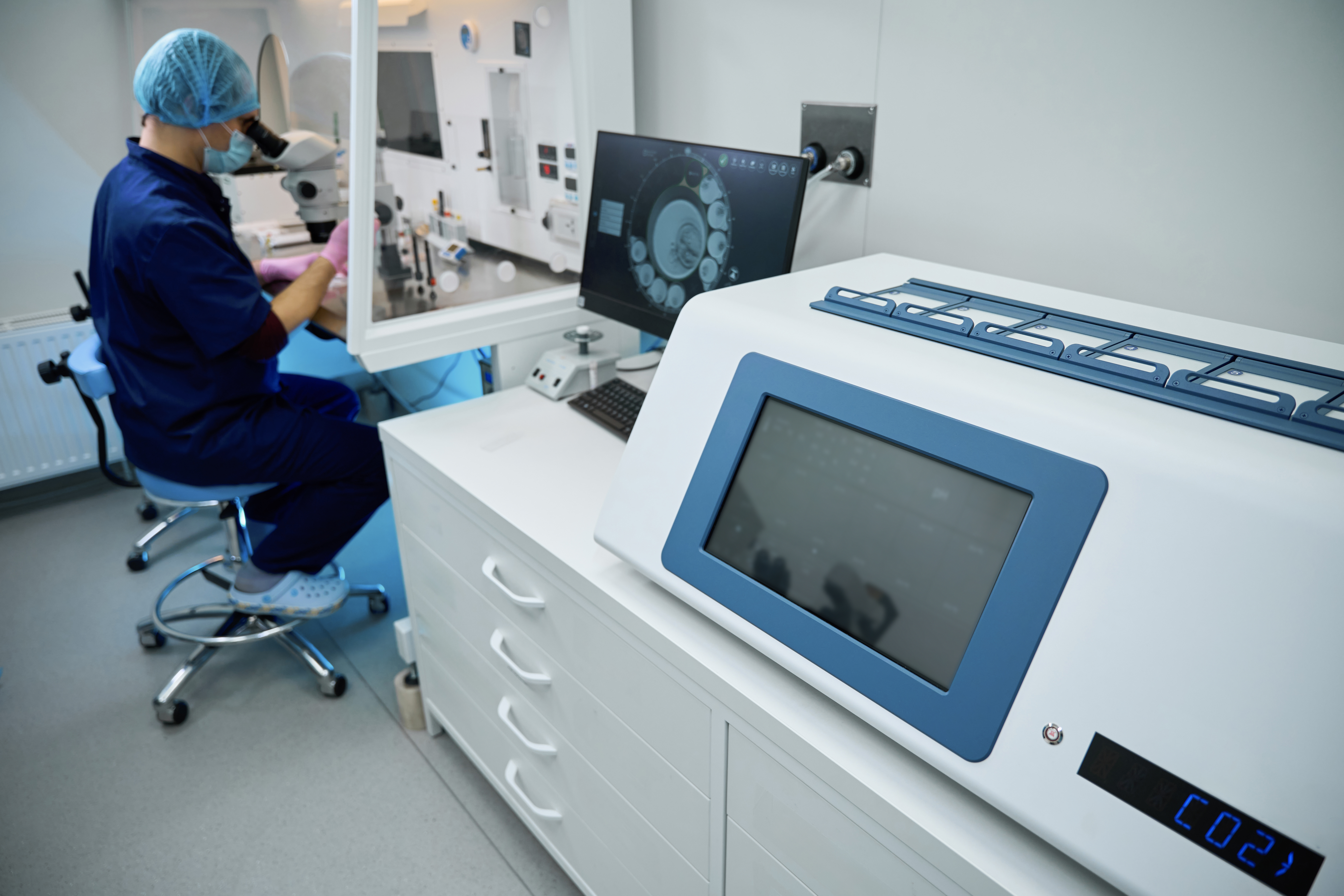
Precision in testing is as crucial as the treatment itself. Rapid pathogen identification leads to quicker solutions, reducing patient discomfort and enhancing recovery rates.
Rapid Pathogen Identification
Think about the time it takes to identify the right pathogen using traditional methods. Now, imagine having those results in your hands much faster. The rapid pathogen testing provided by Specialty Wound Care is a game-changer. It identifies the culprits behind infections swiftly, allowing you to choose the correct antibiotics without delay.
This quick turnaround is essential in minimizing infection-related complications. Traditional methods can take weeks, which might not be ideal for severe cases. With rapid testing, you are equipped to make decisions that directly impact recovery. For more on how this impacts wound care, visit here.
Precision Microbiology in Action
Precision in microbiology means knowing exactly what you’re up against. Specialty Wound Care’s methods bring this precision to your fingertips. By using advanced tools, you can pinpoint the specific pathogens causing trouble.
This specificity in wound care is vital for guiding treatment. It allows you to avoid unnecessary antibiotics and choose targeted therapies. Misguided treatments are costly and time-consuming, but with precision, you can enhance your practice, leading to better patient outcomes. Most assume traditional methods suffice, but precise tools offer a substantial edge in wound care.
Allograft Solutions for Complex Wounds

Wounds need more than just cleaning and dressing; they require support to heal effectively. Allografts provide essential support, promoting tissue regeneration and recovery.
Triple-Layer Biologic Allograft
The triple-layer allograft is a marvel in wound care. Designed to support complex wounds, it acts as a scaffold for new tissue growth. This allograft is FDA-cleared, ensuring safety and effectiveness in treatment.
Each layer plays a role in healing, offering structural support and biological components that encourage regeneration. It’s like providing a foundation for new skin to thrive. This allograft is a crucial tool in your kit for managing complex wounds like diabetic foot ulcers and venous leg ulcers.
Supporting Tissue Regeneration
Allografts do more than just cover wounds; they actively support healing. By integrating with the body’s natural processes, they provide a boost in areas where the body struggles. They bring hope to patients with hard-to-heal wounds, showing significant improvements in recovery times.
This innovation in wound care highlights the importance of using advanced materials. The unique properties of the allograft make it an ideal choice for challenging cases. For further reading on wound healing innovations, check out this article.
In conclusion, advanced imaging, precision testing, and triple-layer allografts provide a comprehensive approach to managing complex wounds. These tools not only improve healing outcomes but also bring new hope to patients and healthcare providers alike.
Explore our advanced technology solutions for wound care today.