Tag: advanced wound care

Innovations in Wound Care: Imaging, Allografts, and Precision Testing

Specialty Wound Care | April 5th, 2026


Innovations in Wound Care: Imaging, Allografts, and Precision Testing

Conventional wound care often falls short when treating chronic wounds like diabetic foot ulcers and pressure injuries. You know how frustrating it is when healing stalls despite your best efforts. Innovations in wound care now offer tools like MolecuLight DX fluorescence imaging and triple-layer allografts to catch infection early and support tissue repair. Let’s explore how these advances can improve outcomes for your patients and streamline your practice. For more information, you can check this link.

Cutting-Edge Imaging Techniques
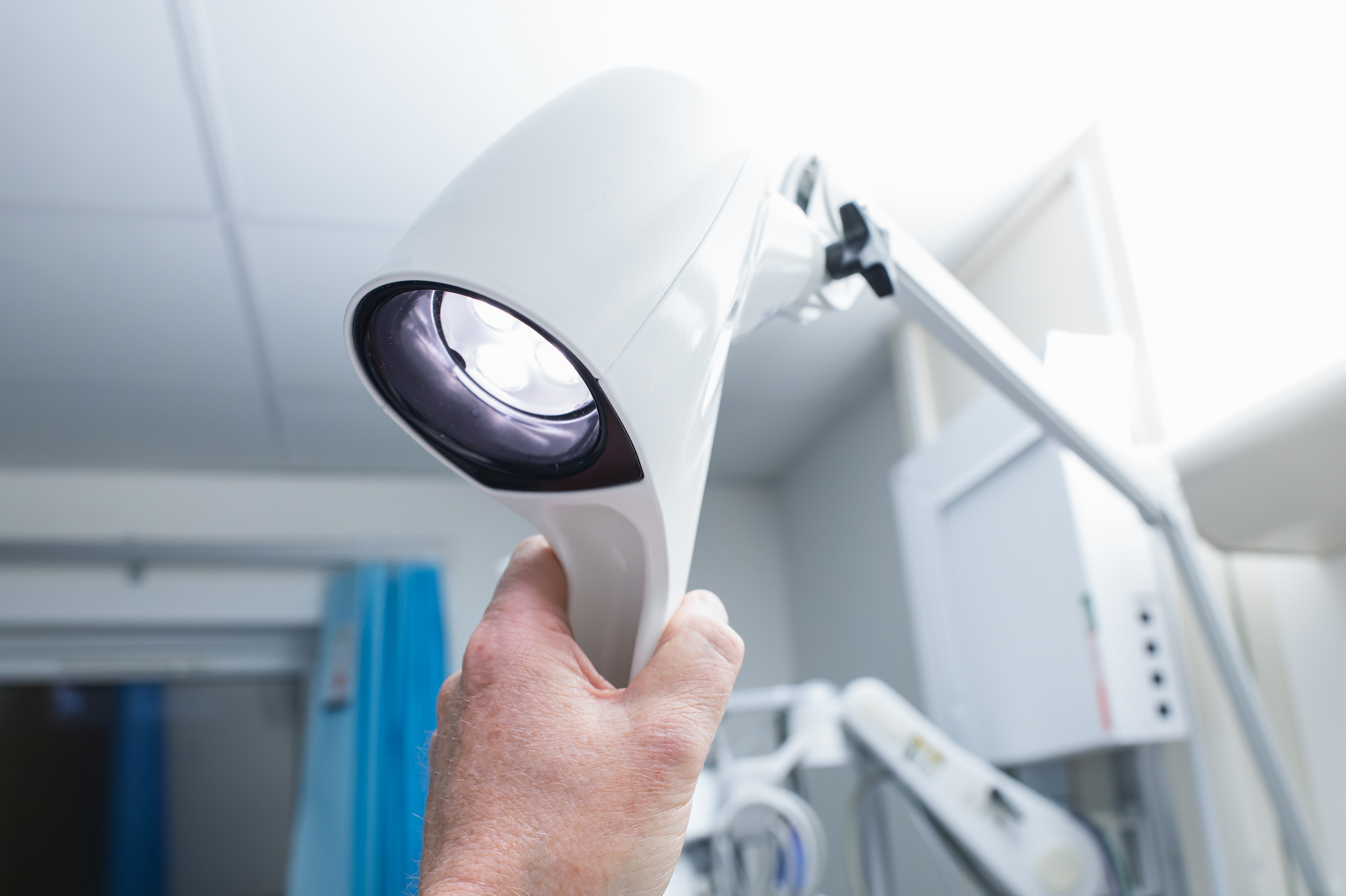
State-of-the-art imaging can greatly enhance wound care by providing outstanding insight into wound conditions. These advances allow for quicker and more accurate assessments.

Role of Fluorescence Imaging

Fluorescence imaging reveals hidden details of wounds that you might otherwise miss. This technique highlights areas of concern by illuminating bacterial presence. When you use it, you can identify problems earlier, which can be crucial for treatment success.

This method stands out because it shows you the bacterial burden without needing direct contact with the wound. By shining a specific light, fluorescence imaging provides a visual map of bacteria in real-time. This means faster decisions and more targeted care. You gain a clear advantage in treating complex cases, like diabetic foot ulcers and venous leg ulcers.

Detecting Bacterial Burden with MolecuLight DX

MolecuLight DX is a powerful tool in your wound care arsenal. It helps you spot bacteria that might not be visible otherwise. This device uses light to reveal the bacterial load, giving you a clearer picture of what you’re dealing with.

Using this tool, you gain immediate feedback. It reduces the guesswork in identifying infection hotspots. With this knowledge, you can tailor your treatments more effectively. Imagine detecting an infection before it spirals out of control: that’s what MolecuLight DX offers. This not only improves patient outcomes but also enhances your practice’s efficiency.

Advanced Skin Substitute Solutions
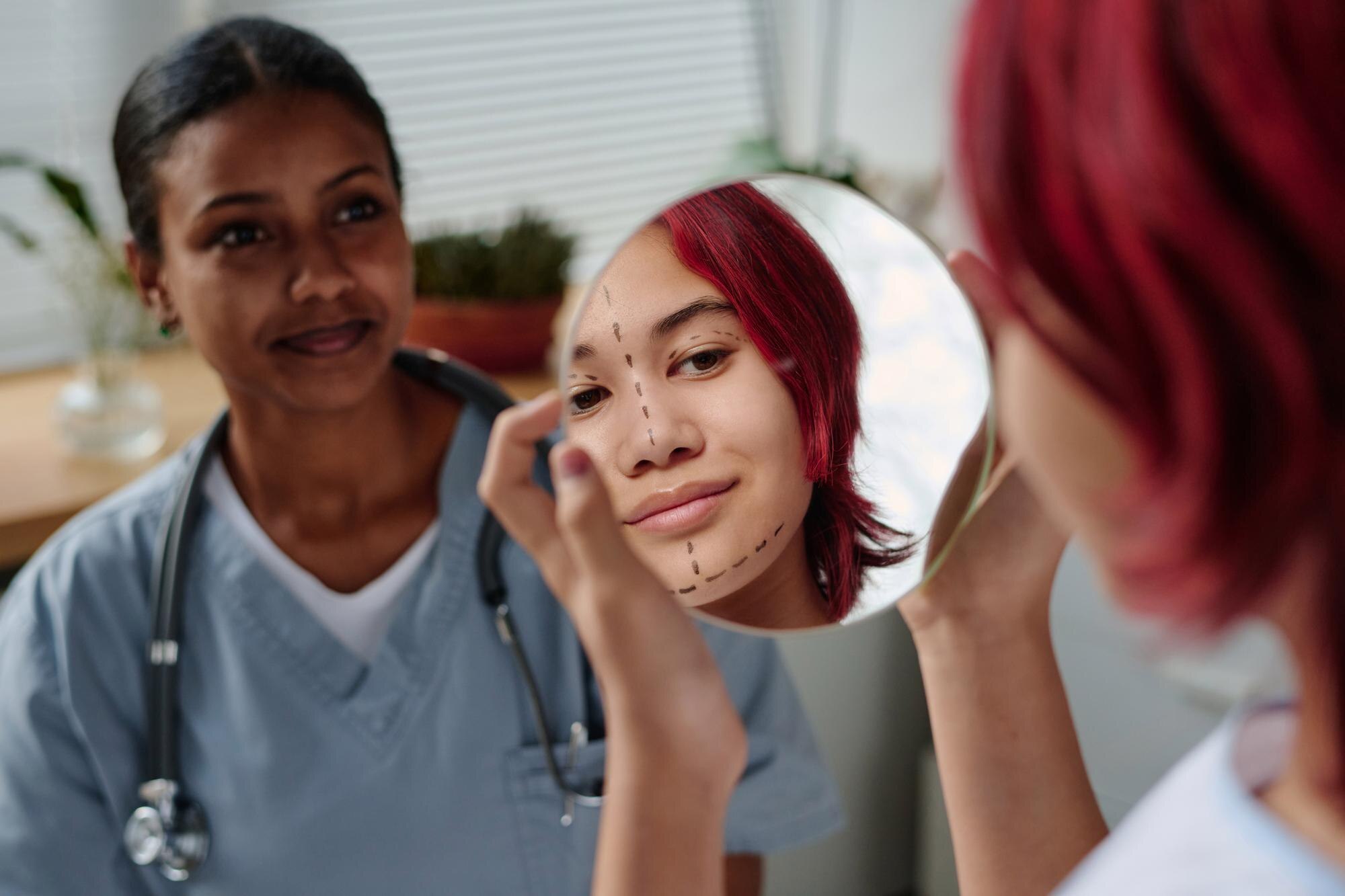
When traditional dressings aren’t enough, advanced skin substitutes come into play. These modern solutions offer significant benefits in wound management.

Benefits of Triple-Layer Allograft

Triple-layer allografts are game-changers in wound healing. They provide a scaffold that supports tissue regeneration. This structure mimics natural skin layers, promoting faster healing.

The allograft is made from carefully selected and screened materials, ensuring safety and effectiveness. It assists in closing wounds more rapidly, reducing the risk of complications. For pressure injuries and chronic wounds, this can mean the difference between prolonged treatment and swift recovery.

Cellular and Tissue-Based Products (CTPs)

CTPs are designed to enhance healing where conventional methods fall short. These products incorporate living cells that assist in tissue repair and regeneration.

CTPs offer a dynamic treatment option. They can be tailored to fit the needs of complex wounds like venous leg ulcers. With their ability to integrate seamlessly with your patient’s natural tissues, they provide a reliable option for difficult-to-heal wounds. The science behind CTPs means they not only close wounds but do so with a stronger, healthier skin structure.

Precision Testing and Therapy
Pinpoint testing and therapy bring a new level of precision to wound care, allowing you to treat wounds more effectively and efficiently.

Targeted Antimicrobial Therapy

When you know exactly what pathogens are present, you can choose the right treatment. Targeted antimicrobial therapy focuses on using specific medications that tackle identified bacteria.

This precise approach minimizes the use of broad-spectrum antibiotics, which can lead to resistance. By targeting the exact bacteria, you not only improve healing rates but also protect your patients from unnecessary drug exposure. This method is particularly useful in tackling complex infections that don’t respond to standard treatments.

Importance of Rapid Advanced Testing Methods

Quick and accurate testing is crucial in wound management. Advanced methods provide you with results far faster than traditional techniques.

These tests can identify pathogens in hours rather than days. This speed allows for rapid initiation of appropriate treatments. The result is a more effective management strategy that benefits both you and your patients. With fast testing, you can adapt your approach swiftly, improving recovery times and reducing hospital stays.

In summary, utilizing these innovations in wound care can significantly enhance your practice. By integrating imaging, advanced skin substitutes, and precision testing into your routine, you can offer superior care to your patients. For more insights, check out this blog.

Discover how our solutions outperform standard treatments—contact us for a demo.
Emerging Trends in Specialty Wound Care: Technologies and Solutions Shaping 2026

Specialty Wound Care | April 4th, 2026


Emerging Trends in Specialty Wound Care: Technologies and Solutions Shaping 2026

Forget relying on outdated methods for chronic wound treatment. Your patients deserve care backed by the latest specialty wound care technology, like MolecuLight DX’s fluorescence imaging and rapid molecular diagnostics. In this post, you’ll learn how these tools and advanced solutions are shaping wound healing in 2026, improving outcomes for diabetic foot ulcers, pressure ulcers, and more. For more information, visit this link.

Cutting-Edge Wound Healing Technologies

In the realm of wound care, staying ahead with the latest technology can make all the difference. Let’s begin by exploring the top innovations that are changing the way we treat wounds today.

MolecuLight DX and Fluorescence Imaging

Imagine seeing bacteria in real-time. With MolecuLight DX, you do just that. This tool uses fluorescence imaging to spot bacteria, making wound assessment clearer. You can identify problem areas quickly, which allows for more precise treatment. Not only does it help in planning the wound debridement, but it also aids in tracking healing progress. This means fewer surprises and more control over the healing process.

Healthcare professionals are finding that this technology reduces the guesswork. It’s like having an extra set of eyes that see what you can’t. Patients benefit too, experiencing faster and more effective treatments. You might even find more time in your day as this tool can make wound assessments quicker.

Rapid Molecular Diagnostics for Pathogen Identification

Waiting weeks for lab results is a thing of the past. With rapid molecular diagnostics, you can identify pathogens almost instantly. This is crucial when treating chronic wounds like diabetic foot ulcers. Knowing the exact bacteria present helps in choosing the right antibiotics from the get-go.

This advancement ensures treatments are tailored and precise. It also means fewer trial-and-error approaches, leading to quicker patient recovery. Patients appreciate the personalized treatment, and you gain peace of mind knowing you’re providing the best possible care.

Bioengineered Skin Substitutes and Allografts

For wounds that need a bit more help, bioengineered skin substitutes and allografts step in. These are crafted to mimic natural skin, helping wounds heal where traditional methods fall short. The triple-layer allograft is one such innovation. It provides a scaffold for new tissue growth, promoting faster healing.

Patients with pressure ulcers or venous leg ulcers might find relief with these substitutes. They not only speed up recovery but also reduce complications. This means fewer hospital visits and a quicker return to daily life. Advanced solutions like these make a significant difference in patient outcomes.

Smart Dressing Solutions

Moving from technology to dressing solutions, the right wound care products can transform healing processes. Let’s dive into smart dressing solutions that offer both innovation and practicality.

Negative Pressure Wound Therapy and Sensor-Enabled Dressing

Harness the power of suction with negative pressure wound therapy. This system removes fluids and infections, keeping wounds clean. It’s a hands-off approach that continues to work even when you’re not there. Patients find these dressings less intrusive and more comfortable.

Adding to this, sensor-enabled dressings provide real-time data on the wound environment. They alert you to potential issues before they escalate. This means you can adjust treatments swiftly, ensuring optimal healing conditions.

Telewound Care and Remote Monitoring

Imagine managing wound care from miles away. Telewound care makes it possible. With remote monitoring, you can track healing progress without the patient leaving home. This is especially beneficial for those with mobility issues or living in remote areas.

This approach is more than just convenient. It’s also incredibly effective. Regular updates allow for timely interventions, maintaining the quality of care from a distance. Patients appreciate the ease and accessibility, and you maintain control over their healing journey.

AI in Wound Assessment and Clinical Decision Support

Artificial intelligence is reshaping how we assess wounds. With AI in wound assessment, you gain insights that were previously hidden. The AI analyzes images and suggests treatment options, complementing your expertise. This reduces errors and enhances decision-making.

For healthcare professionals, AI offers a new level of support. It’s like having a seasoned assistant that never misses a detail. Patients benefit from more accurate diagnoses and tailored treatments. This partnership between technology and expertise marks a new era in wound care.

Specialty Wound Care Practice Management

Beyond treatments, effective practice management is key to delivering top-notch care. Discover how integrating technology and forming partnerships can elevate your wound care practice.

Integrated Software for Billing and Workflow

Managing a practice involves numerous administrative tasks. Integrated software simplifies billing and streamlines workflows, allowing you to focus on patient care. This technology handles the nitty-gritty details, so you don’t have to.

Efficiency in billing means fewer errors and quicker reimbursements. The software ensures all documentation aligns with required standards, safeguarding your practice and enhancing your profitability.

Building Strong Wound Care Partnerships

Collaboration can strengthen your practice in unexpected ways. By forming wound care partnerships, you tap into new resources and expertise. These relationships help expand your service offerings and improve patient care.

Partnering with others in the field opens doors to shared knowledge and innovation. It’s a win-win situation — your practice grows, and patients receive comprehensive care. Building these connections is a strategic move that enhances your professional network.

Enhancing Patient Outcomes with Wound Management Solutions

At the core of every practice is the desire to improve patient outcomes. Wound management solutions provide you with the tools needed to achieve this goal. From software to specialized treatments, these solutions support every step of the healing process.

By utilizing these resources, you ensure that each patient receives the highest level of care. This commitment to excellence builds trust and satisfaction, encouraging referrals and strengthening your reputation.

The advancements in wound care technology and solutions are exciting, offering new ways to improve healing and patient satisfaction. By embracing these innovations, you position yourself as a leader in the field, ready to meet the challenges of 2026 and beyond.

Discover how our solutions outperform standard treatments—contact us for a demo.
Technology-Driven Strategies to Improve Wound Healing Outcomes

Specialty Wound Care | March 25th, 2026


Technology-Driven Strategies to Improve Wound Healing Outcomes

Chronic wounds can stall recovery and challenge your care plans. Many treatments miss hidden bacteria or fail to provide clear healing guidance. Technology-driven tools like MolecuLight DX and rapid pathogen testing now give you precise data to tailor therapy and track progress. In this post, you’ll learn how advanced wound care solutions improve outcomes and how partnering with Specialty Wound Care can support your success. Learn more about wound healing technology here.

Advanced Wound Care Technology

Incorporating modern technology into wound care offers remarkable potential for enhancing healing processes. Let’s delve into some cutting-edge solutions that are changing the landscape of wound management.

MolecuLight DX Imaging

Imagine being able to see what is beneath the surface of a wound. MolecuLight DX does just that. This technology uses fluorescence imaging to detect bacteria in wounds. By shining a light on the wound, it reveals bacteria that are often invisible to the naked eye. This means you can target treatment more precisely, potentially reducing healing time significantly.

The clarity provided by this imaging helps guide decisions on cleaning and applying treatments. Clinicians can document progress with high accuracy, supporting effective care plans. Most people think wound care involves trial and error, but this tool challenges that assumption by offering concrete data. Explore more about this technology’s applications.

Rapid Pathogen Testing

Speed is crucial in treating infections, and traditional methods can take days or weeks for results. Enter rapid pathogen testing, which delivers results much faster. This technology pinpoints the specific bacteria or fungi in a wound, allowing you to start appropriate treatment quickly. This approach minimizes complications, giving you control over the infection’s spread.

The longer you wait, the more a wound can deteriorate. By using rapid testing, you make informed decisions swiftly, improving outcomes and patient satisfaction. Discover more insights on pathogen testing here.

Triple-Layer Allograft Solutions

Skin substitutes are vital for wound healing. The triple-layer allograft offers an advanced option, mimicking natural skin closely. This allograft provides a scaffold for tissue regeneration, supporting faster and more effective healing. With compliance to FDA standards, it is both safe and efficient.

Patients benefit from reduced healing times and fewer complications. While some may expect high costs, this solution often proves cost-effective by lowering overall treatment duration and resource use. Learn more about this innovative solution.

Enhancing Chronic Wound Management

Chronic wounds require specialized care. By focusing on specific conditions, you can enhance your management strategies and improve patient outcomes.

Diabetic Foot Ulcer Treatment

Diabetic foot ulcers are challenging, but targeted interventions can make a difference. Advanced wound care, like using specialized dressings and tools, helps manage these ulcers effectively. Regular assessment and timely intervention reduce the risk of severe complications, such as amputations.

Patients often face long healing times, but by integrating advanced treatments, you can shorten recovery periods. Consider adding MolecuLight DX for precise assessment and tracking. This approach ensures comprehensive care and quicker recovery.

Venous Leg Ulcer Care

Venous leg ulcers are persistent, but they are manageable with the right strategies. Compression therapy remains a staple, but combining it with advanced wound care technology enhances outcomes. Regular monitoring and adapting treatment plans based on wound progress are key.

By using tools like rapid pathogen testing, you make informed decisions on antibiotic use, preventing unnecessary treatments. This strategy leads to better resource management and patient satisfaction. Read more on effective ulcer management.

Pressure Injury Management

Pressure injuries, or bedsores, can be daunting but manageable with the right approach. Early detection through advanced technology allows for prompt intervention. Consider using skin substitutes to aid in tissue regeneration and prevent further deterioration.

Most believe pressure injuries are inevitable in long-term care, but proactive management defies this norm. By utilizing comprehensive monitoring and treatment strategies, you can significantly reduce occurrence rates and improve patient well-being.

Streamlining Wound Care Practices

Efficient practices are essential for successful wound care. Streamlining processes ensures better care delivery and optimal use of resources.

Wound Documentation Software

Accurate documentation is vital for effective wound care management. Wound documentation software simplifies this process, allowing you to capture detailed wound assessments and treatment plans seamlessly. This software helps maintain consistency and provides a clear history of interventions.

By using digital tools, you minimize errors and enhance communication among care teams. This leads to improved patient outcomes and satisfaction, breaking the myth that paperwork is a necessary drudgery.

Practice Management for Wound Care

Effective practice management is crucial. Tailored software solutions streamline billing, scheduling, and resource allocation, allowing you to focus on patient care. By automating routine tasks, you free up time for more critical activities.

Efficient management means reduced stress and better service delivery. Consider integrating these solutions to optimize operations and enhance patient experience.

Provider Partnerships with Specialty Wound Care

Collaborating with Specialty Wound Care offers numerous benefits. Partnering provides access to advanced technology and resources, supporting your practice in delivering top-tier care. You can leverage their expertise and tools to enhance your services and outcomes.

Most practices operate independently, but by joining forces with Specialty Wound Care, you gain a competitive edge. This partnership empowers you to offer exceptional care, aligning with your mission to improve patient health and recovery.

In summary, embracing technology-driven solutions in wound care can transform your practice. By integrating advanced tools like MolecuLight DX and rapid pathogen testing, you enhance your ability to manage wounds effectively. Collaborating with Specialty Wound Care further strengthens your position as a leader in wound healing.

Register now for expert wound care insights and partnership benefits.

Emerging Wound Care Technologies and Their Measurable Clinical Impact

Specialty Wound Care | March 21st, 2026


Emerging Wound Care Technologies and Their Measurable Clinical Impact

Emerging wound care technologies are changing how we treat chronic wounds, but the real question is: how much difference do they make? If you manage patients with diabetic foot ulcers, venous leg ulcers, or pressure injuries, you know the challenges of healing stubborn wounds. This post breaks down the clinical impact of tools like MolecuLight DX fluorescence imaging and triple-layer allografts, showing how Specialty Wound Care’s methods improve healing outcomes you can measure. Learn more about these advancements here.

Cutting-Edge Wound Care Solutions

Emerging wound care technologies are redefining treatment approaches. Let’s explore groundbreaking methods that are making measurable impacts in the field.

Advanced Wound Care Techniques

New techniques are designed to speed up the healing process. Triple-layer allografts offer a unique solution. By acting as a scaffold for tissue growth, they help wounds recover faster. This method is particularly useful for complex wounds that don’t respond to traditional treatments. In many cases, these techniques reduce healing time, allowing patients to return to their normal activities sooner. Imagine a patient with a venous leg ulcer who sees significant improvement within weeks instead of months. This is the promise of advanced wound care.

Role of Fluorescence Imaging

Fluorescence imaging has become an essential tool in wound care. The MolecuLight DX device provides real-time images, highlighting areas with high bacterial loads. This allows clinicians to target treatments more effectively. Instead of guessing where to focus treatment, you can see exactly where it’s needed. This approach not only saves time but also improves patient outcomes. It’s like having a map that guides you directly to the problem areas, ensuring that no time is wasted.

Benefits of Rapid Pathogen Testing

Identifying the right treatment quickly is crucial. Rapid pathogen testing offers precise results in record time. Traditional tests can take days, delaying treatment. With these new methods, doctors can identify the pathogens causing infections within hours. This means starting the right treatment sooner, reducing the risk of complications. For patients with diabetic foot ulcers, this can be a game-changer. The longer you wait for test results, the greater the risk of serious infection. Rapid testing helps avoid this, leading to better recovery rates.

Impactful Clinical Outcomes

It’s clear that these advanced techniques are more than just theory. They produce real results, improving healing in ways you can measure and see.

Diabetic Foot Ulcer Treatment

Diabetic foot ulcers are notoriously hard to heal. But with these new technologies, there’s hope. By using a combination of advanced allografts and rapid testing, healing times have been cut significantly. Patients often experience a reduction in wound size within weeks. This allows for earlier rehabilitation and reduces the risk of further complications. The story of a patient who avoided amputation thanks to timely intervention is becoming more common. Such outcomes not only improve life quality but also reduce healthcare costs.

Pressure Injury Treatment Success

Pressure injuries can lead to severe health issues if not treated effectively. The integration of fluorescence imaging in treatment plans has resulted in a reduction of infection rates. Clinicians now identify problem areas faster and treat them more efficiently. This proactive approach translates to fewer hospital readmissions. Imagine the relief for patients and their families when they learn that their loved one’s pressure injuries are healing faster and with fewer complications. This success is attributed to targeted treatments guided by cutting-edge imaging technology.

Enhanced Biofilm Management

Biofilms are a major hurdle in wound healing. They protect bacteria, making them resistant to antibiotics. Advanced imaging and rapid testing allow for precise biofilm management. By detecting problem areas early, treatments can be adjusted, breaking down biofilms effectively. This method has shown promising results in chronic wound management. For patients, this means less pain and faster healing. The ability to manage biofilms efficiently is a breakthrough that changes the game in wound care.

Specialty Wound Care Partnerships

Specialty Wound Care’s collaboration with healthcare providers is a cornerstone of their success. These partnerships enhance the delivery of advanced wound care solutions.

Building Strong Provider Relationships

Partnering with healthcare professionals is vital. Specialty Wound Care works closely with providers to deliver state-of-the-art care. This relationship ensures that clinicians have access to the latest treatments and technologies. By fostering these connections, Specialty Wound Care enhances patient outcomes. Providers feel supported and empowered to offer the best care possible. It’s a win-win situation, where collaboration leads to greater success.

Practice Management Software Benefits

Managing a wound care practice involves many moving parts. Specialty Wound Care offers practice management software tailored to this need. It simplifies billing, scheduling, and treatment tracking, allowing you to focus more on patient care. This software ensures that nothing slips through the cracks, supporting efficient workflow. It’s like having an extra set of hands that keep everything running smoothly.

Complimentary Clinical Technology Assessments

Understanding the best tools for your practice can be overwhelming. Specialty Wound Care provides complimentary assessments to help you choose the right technology. These assessments ensure that you have the most effective tools to support your patients. By evaluating your specific needs, they offer personalized recommendations. This support is invaluable in ensuring that your practice stays on the cutting edge of wound care.

In summary, integrating these advanced technologies and fostering strong partnerships leads to improved patient outcomes. Specialty Wound Care’s innovative approaches and dedicated support pave the way for a future where chronic wounds are no longer a significant challenge.

Register now for expert wound care insights and partnership benefits.

Innovations in Infection Prevention for Faster, Safer Wound Healing

Specialty Wound Care | March 18th, 2026


Innovations in Infection Prevention for Faster, Safer Wound Healing

Infection prevention in wound care has shifted dramatically in recent years, yet many chronic wounds still struggle to heal safely and quickly. You’ve likely faced frustrating setbacks managing stubborn infections or biofilms that slow recovery. Specialty Wound Care combines advanced tools like MolecuLight DX fluorescence imaging and rapid molecular diagnostics to target infections precisely, helping you reduce complications and speed healing. Let’s explore how these innovations support your practice and improve patient outcomes. Learn more here.

Fluorescence Imaging for Wound Assessment

Advancements in wound care are revolutionizing assessment methods, bringing tools like fluorescence imaging to the forefront. This technology provides crucial insights that traditional methods might miss.

MolecuLight DX Technology

MolecuLight DX is a game-changer in wound assessment. It uses fluorescence imaging to highlight bacteria in wounds, offering a clear picture of infection presence. This tool enables you to pinpoint areas needing attention, leading to precise treatments. No more guessing; you see exactly where the bacteria are hiding.

Clinicians find MolecuLight DX invaluable for its ability to guide cleaning and treatment. This direct approach reduces the risk of complications, promoting faster healing. Imagine having the power to visualize bacterial load, ensuring that your interventions are on target. This technology transforms how wounds are managed, setting a new standard for care.

Visualizing Bacterial Burden

Understanding bacterial burden is crucial in wound care, and visual tools offer a detailed view. With MolecuLight DX, you can see bacterial hotspots, helping tailor your treatment strategies. This visualization aids in effective infection control.

Consider a scenario: a patient with a diabetic foot ulcer. Traditional inspection might miss underlying issues, but fluorescence imaging reveals the full scope. This insight allows tailored interventions, reducing recovery time. The clarity provided by visualizing bacterial burden is unmatched, making it a cornerstone of advanced wound care practices.

Rapid Pathogen Identification

Identifying pathogens quickly is key to effective treatment. Rapid identification techniques now make it easier to target infections with precision, enhancing patient outcomes.

Molecular Diagnostics in Wound Care

Molecular diagnostics offer a fast track to understanding wound infections. These tests deliver results quickly, enabling timely treatment decisions. Speed is crucial in managing infections effectively.

When you suspect an infection, waiting for cultures is frustrating. With molecular diagnostics, you receive pathogen details in hours, not days. This rapid feedback loop allows for immediate action, tailoring treatments to the specific needs of each wound. This technology represents a leap forward in addressing complex infections. Read more about molecular diagnostics.

Advanced Testing for Resistance Insights

Knowing how bacteria respond to treatments is vital. Advanced testing sheds light on resistance patterns, guiding your therapeutic choices. This knowledge helps in selecting the most effective treatments.

Imagine you are treating a chronic wound. Advanced tests reveal antibiotic resistance, allowing you to adjust your approach. This precision reduces the trial-and-error of traditional methods, leading to better outcomes. Understanding resistance is essential in the fight against stubborn infections, and advanced testing makes this possible. Explore resistance insights further.

Antimicrobial Strategies and Therapies

Adopting new antimicrobial strategies is key to overcoming infections. These methods offer innovative solutions for managing complex wounds, ensuring effective treatment.

Triple-Layer Allograft Benefits

The triple-layer allograft is a standout in wound healing. This product supports tissue growth and acts as a physical barrier, reducing infection risk. It’s designed to integrate seamlessly with the body.

Consider a patient recovering from surgery. The allograft accelerates healing by providing necessary support and protection. Its unique properties promote tissue regeneration, leading to quicker recovery. This allograft is a valuable tool in the advanced wound care arsenal, offering tangible benefits for both patients and practitioners.

Negative Pressure Wound Therapy with Instillation

Negative Pressure Wound Therapy (NPWT) with instillation combines vacuum sealing with fluid delivery, enhancing wound healing. This method cleanses wounds effectively and stimulates healing.

Think of a pressure ulcer case. NPWT with instillation ensures continuous cleansing, removing debris and bacteria efficiently. This dynamic approach speeds up healing, reducing hospital stays. By integrating this therapy, you optimize care, improving patient outcomes significantly. Discover more about NPWT with instillation.

In conclusion, these innovations in infection prevention and wound care not only improve healing times but also enhance overall patient care. By embracing these advanced strategies, you ensure that your practice remains at the cutting edge, offering the best possible outcomes for your patients.

Register now for expert wound care insights and partnership benefits.

Healing Faster Together: The Power of Multidisciplinary Teams in Advanced Wound Care

Specialty Wound Care | March 16th, 2026


Healing Faster Together: The Power of Multidisciplinary Teams in Advanced Wound Care

Multidisciplinary wound care changes the way chronic wounds heal. When teams of specialists collaborate using advanced tools like MolecuLight DX fluorescence imaging and rapid pathogen testing, healing speeds up and complications drop. You’ll learn how Specialty Wound Care supports these teams with proven protocols and technology to improve outcomes for diabetic foot ulcers, venous leg ulcers, and pressure injuries. Partnering with experts means faster, safer recovery for your patients. For more insights, refer to this study on wound care approaches.

Accelerating Healing with Multidisciplinary Teams

Working together can make all the difference in wound healing. A team approach brings multiple perspectives and skills to tackle complex cases. Let’s see how this collaboration improves healing.

Collaborative Wound Care Approach

Imagine a group of experts focusing on one goal: your healing. This is the core of collaborative wound care. By combining skills, each specialist contributes to a well-rounded treatment plan. For example, a doctor may address medical needs, while a nurse ensures daily care. This teamwork means you receive comprehensive care from every angle.

But how does this help you directly? With a team, you get faster response times to changes in your condition. Problems can be spotted and addressed quickly. Patients often feel more supported and confident, knowing that there’s a dedicated group behind their recovery.

Interprofessional Expertise in Action

When experts work together, great things happen. They bring their specific knowledge to the table, which benefits patients with tailored care. Think about it like this: a nutritionist provides advice to boost healing through diet, while a physical therapist helps regain mobility. Each plays a vital role.

The outcome? More precise and effective treatment plans. By pooling their expertise, these professionals can innovate and adapt strategies to your needs. This dynamic approach often leads to better and quicker recovery times.

Specialty Wound Care’s Role in Teamwork

Specialty Wound Care stands out by supporting this teamwork model. They provide the tools and guidance needed to enhance collaboration. Their focus is on creating a seamless environment where professionals can thrive together.

Their role is vital in making sure that each team has access to the best resources. This support includes advanced technologies, such as MolecuLight DX, which aids in precise wound analysis. With Specialty Wound Care, teams are equipped to address even the most challenging cases efficiently.

Advanced Technologies in Wound Management

Technology plays a huge role in advancing wound care. By integrating new tools, teams can assess and treat wounds more effectively. Let’s explore some cutting-edge options that are making a difference.

Fluorescence Imaging and Biofilm Detection

Fluorescence imaging is like a flashlight for wounds. It helps reveal hidden bacteria that could hinder healing. By doing so, healthcare providers can target these areas precisely. This method provides a better understanding of the wound environment, leading to tailored treatments.

Biofilm detection is another breakthrough. Biofilms are groups of bacteria that can resist treatment. Identifying them early means they can be addressed before becoming a larger issue. This proactive approach prevents complications and supports faster healing.

MolecuLight DX and Rapid Pathogen Testing

The MolecuLight DX is a game-changer. It provides real-time imaging of bacterial presence, guiding healthcare decisions. This tool is essential in crafting effective treatment strategies. By identifying problem areas, it allows for targeted care that sidesteps guesswork.

Rapid pathogen testing is another crucial technology. Traditional methods might take days, but rapid tests offer results in hours. Quick identification means quicker treatment adjustments, which can significantly improve outcomes. The MolecuLight DX paired with rapid testing forms a powerful duo in wound management.

Triple-Layer Allograft and Protocols

The triple-layer allograft is a specialized product designed to enhance healing. Imagine it as a scaffold that supports your body’s natural healing process. It provides a structure for new tissue to grow, speeding up recovery.

Paired with well-defined protocols, this product ensures consistency in care. These protocols serve as a guide, helping professionals apply best practices in every case. This structured approach leads to better outcomes and increased patient satisfaction.

Improving Outcomes in Chronic Wound Care

Chronic wounds require special attention. With targeted strategies, these wounds can heal more effectively. Let’s break down the approaches for different types of chronic wounds.

Comprehensive Diabetic Foot Ulcer Strategies

Diabetic foot ulcers are a serious concern. A comprehensive strategy involves regular check-ups and preventive care. By catching issues early, major complications can be avoided.

Key components include vascular assessments and offloading strategies. These methods help reduce pressure on affected areas, promoting healing. By integrating these practices, recovery times can be shortened, and the risk of amputations minimized.

Effective Management of Venous Leg Ulcers

Venous leg ulcers need a focused management plan. Compression therapy is one essential approach. By applying pressure, blood flow improves, aiding healing.

In addition, elevating the legs and using specialized dressings can enhance outcomes. With these combined efforts, patients often see faster healing times and reduced discomfort.

Pressure Injury Prevention and Care

Pressure injuries can be challenging, but prevention is possible. Regular repositioning and skin inspections are key. By doing so, pressure points are relieved, reducing the risk of injury.

Advanced treatments like negative pressure wound therapy and hyperbaric oxygen therapy can support healing. These methods provide extra support, especially for severe cases. With a proactive plan, pressure injuries can be effectively managed or even prevented.

By embracing these advanced strategies and technologies, both healthcare professionals and patients can achieve remarkable outcomes in wound care. Specialty Wound Care is dedicated to supporting every step of this journey.

Register now for expert wound care insights and partnership benefits.

Accelerating Chronic Wound Healing With Triple-Layer Allografts

Specialty Wound Care | March 7th, 2026


Accelerating Chronic Wound Healing With Triple-Layer Allografts

Chronic wounds resist healing despite standard care, costing time and resources you can’t afford to waste. Triple-layer allografts offer a biologic skin substitute designed to support angiogenesis, granulation tissue, and epithelialization in stubborn wounds like diabetic foot ulcers and pressure injuries. This post explains how integrating these allografts within a comprehensive wound care protocol can improve outcomes and streamline your clinical workflow. For more information, you can refer to this study.

Understanding Triple-Layer Allografts

To tackle chronic wounds effectively, understanding the science behind triple-layer allografts is crucial. These advanced solutions play a game-changing role in healing complex wounds and improving patient outcomes.

What is a Triple-Layer Allograft?

A triple-layer allograft is an advanced biologic skin substitute. It comprises three layers meticulously designed to support wound healing processes like angiogenesis, granulation tissue formation, and epithelialization. These layers derive from donated human tissues screened and processed to meet FDA regulations. The benefits of using an allograft include providing a scaffold for cellular growth and promoting faster recovery compared to traditional methods. It creates an environment conducive to healing by mimicking natural tissue functions.

Benefits of Allograft Applications

The application of allografts offers significant benefits: enhanced wound closure, reduced healing time, and lower infection risks. Studies show that wounds treated with allografts heal faster than those without. This improvement is due to the allograft’s ability to support cell migration and tissue regeneration. For patients, it means fewer complications and a quicker return to everyday life. For healthcare providers, it translates to more efficient use of resources and better patient satisfaction.

Indications for Chronic Wound Treatment

Triple-layer allografts are suitable for various chronic wounds, including diabetic foot ulcers, venous leg ulcers, and pressure injuries. These stubborn wounds require a comprehensive approach, and allografts are a critical component of treatment plans. By addressing the unique needs of each wound type, allografts enhance the body’s natural healing processes. Their use is particularly beneficial in cases where standard treatments have failed, offering a new hope for healing and recovery.

Protocols for Effective Wound Management

Integrating allografts into wound management protocols can make a significant impact. Comprehensive and tailored approaches ensure optimal healing and patient outcomes.

Comprehensive Wound Care Protocols

A well-rounded wound care protocol starts with a thorough assessment. This involves identifying wound type, size, and underlying conditions. Tailored plans should incorporate advanced therapies like triple-layer allografts to maximize healing. Each step of care, from cleaning to dressing, should aim to create an ideal environment for recovery. Implementing these protocols can lead to a 30% increase in healing rates, as supported by clinical studies.

Role of Debridement and Moisture Balance

Debridement is a critical step in preparing a wound for healing. Removing dead tissue reduces infection risks and promotes healthy tissue growth. Achieving proper moisture balance is equally vital. Wounds heal better in a moist environment, which prevents tissue drying and speeds up closure. This balance is a cornerstone of effective wound management, ensuring the allograft’s optimal performance.

Infection Control and Fluorescence Imaging

Infection control is paramount in wound care. Techniques like fluorescence imaging provide crucial insights into bacterial presence, guiding targeted treatments. Using tools like the MolecuLight DX, clinicians can visualize biofilms and ensure precise cleaning and treatment. This technology enhances decision-making and helps avoid complications, making it a valuable asset in wound management.

Advantages of Partnering with Specialty Wound Care

Choosing the right partner in wound care can significantly streamline processes and enhance treatment outcomes. Specialty Wound Care offers unique advantages in this area.

Support and Training for Clinicians

Specialty Wound Care provides extensive support and training for clinicians, empowering them with the latest knowledge and skills. This training ensures that healthcare providers are equipped to deliver top-notch care, utilizing cutting-edge technology and techniques. Continuous learning opportunities foster a culture of excellence and innovation in wound management.

Technology and Reimbursement Assistance

Access to state-of-the-art technology is a hallmark of Specialty Wound Care. Tools like the MolecuLight DX enhance wound analysis and treatment precision. Additionally, they offer reimbursement assistance, ensuring that clinicians can focus on patient care without financial hurdles. This support simplifies processes and improves the overall efficiency of wound care practices.

Scheduling and Consultation Opportunities

Specialty Wound Care offers flexible scheduling and consultation opportunities to meet the diverse needs of healthcare providers. By collaborating closely with your team, they ensure seamless integration of services and treatments. This partnership approach fosters a supportive environment for achieving exceptional patient outcomes, making Specialty Wound Care a valuable ally in advanced wound management.

Register now for expert wound care insights and partnership benefits.

From Data to Healing: Personalizing Wound Care with Advanced Technology

Specialty Wound Care | February 28th, 2026


From Data to Healing: Personalizing Wound Care with Advanced Technology

Forget the one-size-fits-all approach to wound care. Chronic wounds like diabetic foot ulcers and pressure injuries demand personalized strategies powered by advanced wound care technology. Tools like MolecuLight DX fluorescence imaging reveal hidden biofilms and bacterial loads, guiding precise treatment plans that improve healing outcomes. Learn how Specialty Wound Care combines these innovations with expert clinical support to tailor care for every patient’s unique needs. Learn more about wound care technology here.

Personalized Wound Care Technologies

Today’s wound care solutions are tailored to meet each patient’s needs with precise, innovative tools. Let’s explore how these technologies redefine healing.

MolecuLight DX and Fluorescence Imaging

Imagine seeing bacteria that are typically invisible. The MolecuLight DX does just that with fluorescence imaging, revealing hidden bacterial loads. This technology helps you target treatment more accurately, reducing healing time.

For instance, a diabetic foot ulcer patient might benefit from this tool as it highlights areas needing immediate attention. By focusing on these spots, you can optimize treatment without delay. Explore more about this technology here.

Rapid Pathogen Testing for Targeted Therapy

Quickly identifying the cause of an infection can make all the difference. Rapid pathogen testing offers results faster than traditional methods, enabling you to start the right therapy immediately. Imagine treating a wound within hours of detection instead of waiting days.

This approach not only speeds up recovery but also minimizes unnecessary antibiotic use, aligning with best medical practices. It’s a breakthrough for those dealing with chronic wounds.

Triple-Layer Allograft for Tissue Regeneration

Healing complex wounds often requires advanced materials. Triple-layer allografts offer a unique solution by supporting tissue regeneration. These allografts provide a scaffold that promotes natural healing.

Consider a pressure injury patient benefiting from this technology. The allograft helps rebuild tissue, reducing recovery time significantly. For healthcare providers, this means better patient outcomes and fewer complications.

Evidence-Based Wound Care Approaches

Innovative tools are just one part of the equation. Evidence-based approaches ensure these technologies are used to their full potential.

Cellular Tissue Products in Healing

Cellular tissue products provide vital support in wound healing. These products use biological materials to encourage cell growth and repair. Patients dealing with long-term wounds can see remarkable improvements with these treatments.

Specific cases have shown increased healing rates when cellular products are integrated into care plans. By focusing on the biological needs of the wound, you enhance recovery. Read about cellular therapy advancements here.

Wound Debridement Guidance Tools

Removing dead tissue is crucial for healing, but it’s often a delicate process. Debridement guidance tools ensure precision and safety. These tools help direct the debridement process, reducing risks and improving healing outcomes.

For healthcare professionals, using these tools can mean the difference between a successful recovery and prolonged treatment. By ensuring accuracy, these tools support a smoother healing journey.

Advanced Wound Diagnostics and Pathogen Identification

Understanding a wound’s specific challenges is essential. Advanced diagnostics provide detailed insights into the wound’s condition and potential pathogens. With this information, treatment plans can be finely tuned to address individual needs.

This approach ensures that each patient receives care tailored to their situation, maximizing healing potential. Learn more about diagnostic advances in wound care here.

Engaging Specialty Wound Care Services

Specialty Wound Care offers comprehensive services to elevate patient outcomes through technology and expertise.

Scheduling a Technology-Enabled Wound Assessment

Early assessment can set the stage for successful treatment. Technology-enabled assessments allow you to capture detailed wound data quickly. This means less guesswork and more informed decisions right from the start.

By engaging with these assessments, you can ensure that patients receive the most appropriate care plan, minimizing complications and enhancing recovery.

Provider Partnerships and Clinical Training

Collaboration is key to advancing care. Specialty Wound Care partners with providers to offer clinical training and support. This partnership ensures that you stay updated with the latest in wound care technology.

By working together, you can enhance your practice and improve patient outcomes. This collaboration is an opportunity to share knowledge and improve care standards across the board.

Practice Management Solutions for Wound Care

Efficient practice management is crucial for delivering high-quality care. Specialty Wound Care provides tailored solutions to streamline practice management, ensuring smooth operations.

These solutions help manage billing, documentation, and patient tracking, allowing you to focus on what matters most—providing excellent care. It’s about making your practice more efficient and patient-centric.

In conclusion, personalized wound care technologies are transforming how we approach healing. By integrating advanced tools and evidence-based methods, you can achieve improved outcomes for your patients. Embrace these innovations and elevate your practice to new heights. Discover more about wound healing technology here.

Explore our advanced technology solutions for wound care today.

Harnessing Technology to Overcome Chronic Wound Obstacles

Specialty Wound Care | February 25th, 2026


Harnessing Technology to Overcome Chronic Wound Obstacles

Chronic wounds resist healing and drain your time and resources. Traditional methods miss hidden infections and fail to target stubborn biofilms. Advanced wound care technologies, like MolecuLight DX fluorescence imaging and rapid pathogen testing, change the game by revealing real-time bacterial loads and guiding precise treatment. In this post, you’ll learn how these tools and biologic skin substitutes improve healing rates and simplify your wound management process. For more information, visit this article.

Advanced Diagnostics and Imaging in Wound Care

Explore how modern tech reveals hidden issues, guiding your treatment in real-time.

Real-Time Bacterial Load Visualization

Seeing bacteria in wounds is like turning on a light in a dark room. MolecuLight DX does just that. It visualizes bacteria in real time, letting you see what was invisible before. This helps you focus treatment where it’s needed most. With this tool, you can make informed decisions quickly, reducing unnecessary treatments. Seeing bacteria means you catch infections early, stopping them before they get worse.

Rapid Pathogen Testing for Targeted Therapy

Imagine treating an infection without guessing. Rapid pathogen testing makes this possible. It identifies the exact bacteria causing the problem, allowing for precise treatment choices. This means you can choose the right antibiotic quickly, avoiding trial and error. Quick action means wounds heal faster, helping patients get back to normal life sooner. Research confirms the importance of specificity in treatment.

Fluorescence Imaging Techniques

Fluorescence imaging is like a highlighter for wounds. It shows the areas with bacteria, ensuring you don’t miss any spots. This technique is non-invasive, making it easy to use frequently. Regular imaging helps track wound progress, adjusting treatment as needed. The ability to see changes over time boosts confidence in care plans and improves outcomes.

Biologics and Allografts for Enhanced Healing

Biologics and allografts bring new life to wound care, offering solutions where others fail.

Triple-Layer Allograft Benefits

Triple-layer allografts provide a scaffolding for healing. This structure supports the body’s natural tissue, speeding up repair. It’s made to integrate smoothly, reducing rejection risks. The triple-layer design mimics natural skin, offering protection and support. These allografts are a reliable choice for difficult wounds, promoting steady, effective healing.

Biologic Skin Substitutes in Chronic Wounds

Biologic skin substitutes act like a protective shield over wounds. They provide essential nutrients, encouraging new cell growth. These substitutes are especially useful in chronic wounds where healing stalls. By creating a favorable environment, they accelerate recovery. Patients see quicker improvements, with less risk of complications.

Moisture Balance and Cellular Support

Maintaining moisture is key to healing. Products that balance moisture promote ideal conditions for cell growth. Too much or too little moisture can hinder progress. These solutions adjust to the wound’s needs, ensuring optimal healing conditions. This balance supports new cell formation and prevents further damage.

Streamlining Wound Care Management

Effective management systems make your job easier, leading to better patient outcomes.

Practice Management Software Advantages

Practice management software organizes patient information, simplifying your workflow. It stores data securely, making it easy to access when needed. This software reduces paperwork, freeing up time for patient care. Efficient systems lead to fewer errors, improving overall treatment success.

Effective Wound Assessment and Documentation

Accurate documentation ensures the right care at every step. Digital tools help track wound changes over time. Consistent records mean you can see what works and what doesn’t, adjusting treatment plans as needed. Studies show that good documentation is crucial for successful outcomes.

Building Wound Care Partnerships

Strong partnerships amplify your impact. Collaborating with other professionals brings new insights and resources to patient care. Sharing knowledge leads to innovative solutions, improving healing rates. By working together, you expand your ability to help patients and enhance your practice’s reputation.

By staying ahead with these advanced techniques and tools, you transform how wounds are managed. This approach not only improves healing but also elevates your practice, setting new standards in care.

Explore our advanced technology solutions for wound care today.

Innovative Approaches to Complex Wound Challenges: Technology, Technique, and Teamwork

Specialty Wound Care | February 23rd, 2026


Innovative Approaches to Complex Wound Challenges: Technology, Technique, and Teamwork

Complex wounds like diabetic foot ulcers and pressure ulcers resist standard treatments far too often. You know that relying on outdated methods delays healing and risks infection. Here’s how advanced wound care combines precise technologies like MolecuLight DX fluorescence imaging with targeted therapies and teamwork to change those outcomes. Read on to learn how Specialty Wound Care’s approach can support your patients’ recovery and your practice’s success. Learn more about innovative approaches to wound treatment.

Advanced Wound Care Techniques

Advanced wound care is reshaping how you manage complex wounds. Let’s explore how these innovative techniques can make a real difference for your patients.

Targeted Antimicrobial Therapy

Effective management of infection is crucial in wound care. Targeted antimicrobial therapy uses specific agents to combat harmful bacteria without affecting the surrounding tissue. For example, by focusing on eliminating bacteria like Staphylococcus aureus, therapy helps prevent further complications. You’ll find that this precise approach not only clears infections faster but also reduces the risk of resistance. Imagine the relief of seeing a stubborn infection finally subside, allowing your patient’s wound to heal more effectively.

Antimicrobial therapy is about being smart and strategic. It involves selecting the right antimicrobial agent tailored to the specific pathogen. This method is supported by research, showing improved healing rates and reduced recurrence. Explore new wound healing technology revolutionizing care.

Rapid Pathogen Testing

Identifying the cause of wound infection quickly is a game changer. Rapid pathogen testing provides results in hours instead of days, enabling you to begin appropriate treatment sooner. This speed is crucial when dealing with fast-progressing infections in complex wounds like diabetic foot ulcers.

By implementing this testing, you can instantly tailor treatment plans to each patient, reducing unnecessary antibiotic use. Think of it as a fast track to accurate care, ensuring your interventions are as effective as possible.

Hyperbaric Oxygen Therapy

Imagine a treatment that uses pure oxygen to accelerate healing. Hyperbaric oxygen therapy (HBOT) does just that by increasing oxygen supply directly to the tissues. This can be especially beneficial in treating chronic wounds where blood flow is compromised.

HBOT helps by reducing swelling, fighting infection, and promoting tissue growth. For patients with conditions like venous leg ulcers, this therapy can be the difference between prolonged healing and a speedy recovery. Patients notice quicker results and improved outcomes, making this a valuable option in your wound care arsenal.

Cutting-Edge Wound Assessment Tools

Assessing a wound accurately is essential for effective treatment. New tools help you gather precise data and enhance your care strategies.

Fluorescence Imaging with MolecuLight DX

Visualizing bacteria in wounds can significantly impact treatment decisions. The MolecuLight DX allows you to see bacterial presence that isn’t visible to the naked eye. This tool uses fluorescence imaging to highlight areas of bacterial concentration, guiding you to focus on the most critical areas during debridement.

The benefit is clear: targeted cleaning of the wound, reducing bacteria, and helping the wound heal faster. This technology ensures you’re not guessing but acting on accurate data. Discover more about this innovative tool.

Wound Documentation and Telewound Monitoring

Accurate documentation and remote monitoring of wounds are becoming essential. Telewound monitoring offers real-time data sharing and consultation, making it easier to track healing progress without frequent in-person visits. You can provide continuous care, adjusting treatment plans based on documented changes.

This approach not only streamlines the follow-up process but also engages patients in their recovery journey. By leveraging technology, you ensure every wound care decision is backed by the latest data, enhancing outcomes and patient satisfaction.

Collaborative Wound Care Partnerships

Building strong partnerships is key to transforming wound care. Collaborative efforts ensure comprehensive support for both you and your patients.

Practice Management Software for Providers

Managing a wound care practice efficiently requires the right tools. Practice management software can simplify billing, scheduling, and patient records, allowing you to focus more on patient care. This software is specifically designed to handle the complexities of wound management, offering features that cater to your needs.

By streamlining administrative tasks, you spend less time on paperwork and more on what truly matters—providing excellent care. The software becomes an invaluable ally, improving workflow and patient experiences.

Streamlined Provider Onboarding and Education

Educating and onboarding providers quickly is vital for maintaining high standards of care. Streamlined education programs ensure new team members are up to speed with the latest wound care techniques and technologies. This proactive approach fosters a culture of learning and excellence within your practice.

Investing in education results in better patient outcomes and a more knowledgeable team. When everyone is equipped with the right skills, you’re able to tackle complex cases with confidence and efficiency.

By embracing these advanced wound care techniques and tools, you’re setting the stage for more effective treatment outcomes. Each step forward is a step towards faster healing, better patient experiences, and a stronger practice.

Explore our advanced technology solutions for wound care today.

Facebook
Instagram
LinkedIn
SOCIALICON
Youtube
X (Twitter)
Bluesky