Collaborative Wound Care Models That Elevate Outcomes
Collaborative wound care is reshaping how complex wounds heal by bringing teams together with clear goals. You know managing chronic wounds demands more than one expert—it requires a coordinated approach using proven protocols and advanced tools. This post explains how Specialty Wound Care’s integrated care pathways and cutting-edge technology can reduce complications and improve outcomes for your patients.
Understanding Collaborative Wound Care
Teamwork is critical in managing wounds effectively. This approach encourages a combined effort from various experts, each playing a key role in the healing process.
Importance of Team-Based Models
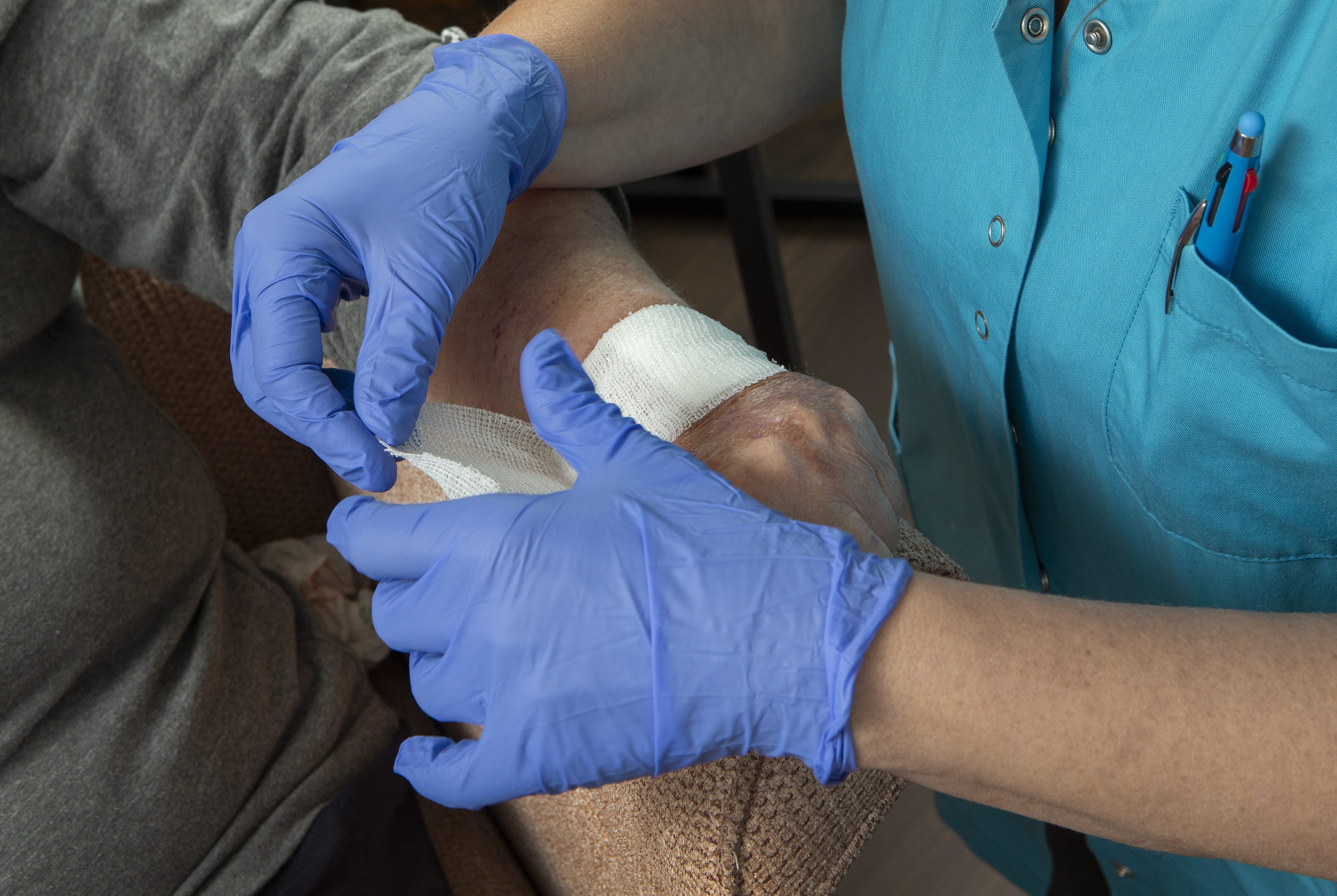
Imagine a team of specialists coordinating every step of a wound’s healing process. This method brings together doctors, nurses, and other care providers to focus on patient needs. By working together, they ensure that every aspect of wound care is covered. This teamwork helps patients heal faster and reduces the chances of complications. It’s like having a personal health team, all aiming for the best result.
Interdisciplinary Wound Team Dynamics
In these teams, each member contributes unique skills and knowledge. Doctors provide diagnoses, nurses manage day-to-day care, and specialists offer targeted treatments. This group dynamic allows for sharing insights and strategies, making the care process smoother. Think about how many eyes are better than one: it’s the same principle. This collaboration makes sure that no detail is overlooked, improving outcomes for patients.
Advancing Technology in Wound Care
Technology plays a crucial role in enhancing wound care. It brings precision and speed to diagnosing and treating wounds, making a significant difference in patient recovery.
MolecuLight DX Fluorescence Imaging
Using the MolecuLight DX, clinicians can see bacteria in wounds without waiting for lab results. This tool shines a special light on the wound, showing exactly where bacteria are hiding. Knowing this helps healthcare professionals target their cleaning and treatment efforts more accurately. Studies show that using this technology speeds up healing by allowing prompt and effective interventions. This means less guessing and more precision in treatment.
Rapid Pathogen Testing and Biofilm Detection
Imagine identifying the exact bacteria in a wound within hours, not days. Rapid pathogen testing makes this possible. It quickly reveals what bacteria are present, allowing for immediate treatment adjustments. Biofilms, which are protective layers bacteria form, can also be detected early with these tests. By breaking through these biofilms, treatments become more effective, attacking the root of the infection. This rapid response is key to preventing further complications and ensuring faster healing.
Evidence-Based Protocols and Outcomes
Using proven protocols ensures consistency in care and leads to better results. Evidence-based practices are the backbone of effective wound management.
Allograft for Wounds: Triple-Layer Approach
The triple-layer allograft offers a unique solution for wound healing. It acts as a scaffold, supporting the body’s natural repair processes. Each layer in the allograft serves a specific purpose, from protecting the wound to promoting new tissue growth. This method speeds up healing and reduces infection risks, providing a reliable treatment option. It’s an example of how using advanced materials can make a real difference in patient outcomes.
Chronic Wound Management and Integrated Care Pathways
Managing chronic wounds requires a well-structured plan. Integrated care pathways provide a step-by-step approach to treatment, ensuring no aspect of care is missed. These pathways combine the latest research with practical strategies to guide clinicians. By following these protocols, healthcare providers can reduce the chance of wound deterioration and improve healing times. It’s about using the best tools and information available to give patients the best chance at recovery.
In summary, collaborative approaches, advanced technology, and evidence-based protocols are transforming wound care. By embracing these strategies, healthcare providers can see significant improvements in patient outcomes, making treatment more effective and efficient.
Picking the best wound care product isn’t about simple coverage anymore. It’s about strategically choosing a tool that can actively steer the wound environment toward healing. The most effective options—like advanced dressings, biologics that kickstart tissue repair, and medical devices like Negative Pressure Wound Therapy (NPWT)—are all selected based on a deep understanding of the wound and the patient.
Decoding the Modern Wound Care Formulary
Choosing a wound care product today is a world away from just grabbing a bandage off the shelf. It's a critical clinical decision that hinges on knowing how different products can guide the healing process. The old one-size-fits-all mentality simply doesn't work for the complex, non-healing wounds we see so often now.
This reality is largely driven by major demographic shifts. With an aging population and a steady rise in chronic conditions like diabetes and vascular disease, clinicians are facing an epidemic of stalled wounds. This has, in turn, fueled a massive expansion in our treatment toolkit. The global wound care market, valued around USD 20.95 billion in 2024, is expected to jump to USD 35.86 billion by 2032, a clear sign of the urgent demand for better solutions. You can find more details on this market growth and what's driving it at fortunebusinessinsights.com.
Understanding the Core Product Pillars
To make sense of all the options, it helps to stop thinking of products as a random list and start seeing them as a formulary built on three core pillars. Each pillar offers a different level of intervention designed to tackle specific problems within the wound bed.
Advanced Dressings: These are the daily workhorses. Foams, alginates, hydrocolloids, and hydrogels do far more than just cover a wound—they actively manage moisture levels, help control bacteria, and create a safe space for new tissue to grow.
Biologics and Active Therapies: When a wound is stuck and just won't progress, these are the products we bring in to jump-start the body’s natural healing cascade. This category includes cellular and tissue-based products (CTPs) and collagen matrices, which provide a biological scaffold or release growth factors to get the rebuilding process moving again.
Medical Devices: This pillar includes powerful technologies that physically change the wound environment. The most well-known example is Negative Pressure Wound Therapy (NPWT), which uses a specialized vacuum to pull away excess fluid, shrink swelling, and encourage the growth of healthy new tissue.
The goal is to move beyond brand names and start thinking like a wound-environment engineer. Every product choice should be a deliberate intervention designed to correct a specific deficit—whether it's managing heavy exudate, donating moisture, or delivering cellular signals for repair.
Ultimately, mastering product selection means building a mental framework that connects the right product to the right wound at precisely the right time. By understanding these core pillars, clinicians can design truly individualized care plans that don’t just manage wounds, but actively accelerate healing. You can explore a variety of these advanced treatment options by Primus Specialty Wound Care to see how they are integrated into patient-centered protocols.
Mastering the Core Arsenal of Advanced Dressings
Forget simple bandages. The advanced dressings we use today are the foundational tools of modern wound management, acting less like passive covers and more like active participants in the healing process. Think of each one as a tiny, specialized engine designed to create the perfect environment for cells to do their work.
At the heart of every dressing choice is a single, critical concept: moisture management. A wound bed that’s too dry stalls healing because cells can't move and multiply. On the flip side, a wound that's too wet can macerate—or break down—the healthy skin around it. The right dressing is a master regulator, either adding or absorbing moisture to hit that perfect "not too wet, not too dry" sweet spot.
Matching the Dressing to the Wound Need
Choosing the right dressing isn't a guessing game; it's about reading the wound's needs and responding with the right tool. This quick-reference table breaks down the most common dressing categories by what they do best, helping you match the product to the problem.
Dressing Type
Primary Function
Ideal For (Wound Characteristics)
Clinical Pro-Tip
Foams
High Absorption
Moderate to heavy exudate, pressure injuries, leg ulcers
Provides excellent cushioning over bony areas. Some come with silicone borders for gentle adhesion.
Alginates
Maximum Absorption
Heavy exudate, deep or tunneling wounds, infected wounds
Turns into a gel as it absorbs, making it easy to remove from deep cavities without leaving fibers behind.
Hydrocolloids
Moisture Retention
Light to moderate exudate, partial-thickness wounds, autolytic debridement
Creates a "bubble" as it absorbs fluid, which is a visual cue that it's working. Don't mistake it for infection!
Hydrogels
Moisture Donation
Dry wounds, wounds with slough or eschar, painful wounds
Excellent for hydrating a dry wound bed to soften dead tissue and promote natural debridement.
Transparent Films
Protective Barrier
Superficial wounds with no drainage, securing other dressings
Allows for constant visual inspection of the wound or IV site without removing the dressing.
Collagen
Scaffolding
Stalled or chronic wounds that need a "kick-start"
Provides a structural template to encourage new tissue growth where the body's own efforts have slowed.
Understanding these core functions is the first step toward building effective, individualized treatment plans that get real results.
High Capacity Sponges for Wet Wounds
When a wound is weeping or producing a lot of fluid—what we call exudate—the number one job is to manage that moisture. This is where the heavy lifters of the dressing world come in: foams and alginates. They are the high-capacity sponges in your toolkit.
Foam Dressings: These are champions of absorption. They pull excess fluid away from the wound and lock it inside their structure, protecting the wound bed and preventing the surrounding skin from getting soggy. They're my go-to for wounds with moderate to heavy drainage.
Alginate Dressings: Made from seaweed, alginates are incredibly absorbent. Their real magic happens when they come into contact with wound fluid—they transform into a soft gel. This feature makes them perfect for packing deep or tunneling wounds, as the gel conforms to the wound's shape and is simple to remove.
Smart Second Skins for Drier Wounds
On the other end of the spectrum are dry wounds or those with very little drainage. Here, the goal is to add moisture or trap what little the wound produces. That's a job for hydrocolloids and hydrogels.
You can think of a hydrocolloid dressing as a "smart second skin." Its gel-forming agents create an insulated, moist healing environment perfect for shallow wounds with light drainage, like early-stage pressure injuries. As it works, it forms that characteristic gel bubble over the wound, letting you know it's doing its job.
A hydrogel dressing, in contrast, is a "moisture donor." It's mostly water in a gel base and actively hydrates dry, sloughy wounds. This softens up dead tissue and encourages autolytic debridement, which is just the body's natural process for cleaning out a wound.
Your dressing choice is a direct response to what the wound bed is telling you. A heavily draining venous leg ulcer screams for an absorbent foam or alginate, while a dry eschar-covered wound needs the hydrating power of a hydrogel to facilitate debridement.
Specialized Tools for Specific Jobs
Beyond just managing moisture, some dressings are designed for very specific tasks. These are the niche players that can solve unique challenges.
Transparent Films are like putting a clear, protective window over a wound. They’re waterproof but breathable, allowing for constant visual checks without disturbing the site. I often use them to cover IV catheters or protect areas prone to friction.
Collagen Dressings serve as a biological scaffold. Sourced from bovine or porcine tissue, they give the body a structural framework, encouraging its own cells to migrate and rebuild. These are invaluable for chronic wounds that have stalled, essentially providing a blueprint to get the repair process back on track.
Activating Healing with Biologics and Active Therapies
When a wound just won't heal, even with excellent standard care, it’s a clear sign the body's own repair crew has clocked out. This is exactly where we bring in the specialists: advanced biologics and active therapies. These aren't just passive dressings; they are the best wound care products for actively signaling the body to get back on the job.
Think of a chronic wound as a construction site that’s been abandoned. The workers have gone home, and the blueprints are nowhere to be found. Biologics step in like a new foreman with a fresh set of plans, providing the missing signals and structures the body needs to start building healthy tissue again.
This strategic shift is making waves across the industry. The advanced wound care market, valued at USD 15.6 billion in 2024, is expected to soar to USD 27.5 billion by 2034. This explosive growth isn't just about numbers; it reflects a clinical reality where active treatments are solving the toughest healing challenges. For a deeper dive into this market expansion, check out the analysis at gminsights.com.
Providing a Scaffold for New Growth
One of the main jobs of a biologic is to lay down a structural foundation—a scaffold—for new cells to build upon. In a wound that's been open for a long time, the body's natural matrix has often broken down and become useless.
Collagen Matrices: Often made from bovine or porcine sources, these dressings place a purified collagen framework right into the wound bed. This structure acts like a welcome mat, inviting the body’s own fibroblasts to move in and start weaving new, healthy tissue.
Cellular and Tissue-Based Products (CTPs): This is the next level. CTPs often contain living cells and growth factors embedded within a biological scaffold. Amniotic allografts are a fantastic example, providing a nutrient-rich matrix that kickstarts cellular attachment and tissue regeneration.
These products are game-changers for stalled diabetic foot ulcers or venous leg ulcers, where the body’s own construction capabilities are seriously compromised.
The Importance of a Clean Foundation
Here’s the thing about these powerful therapies: they need a clean worksite. Applying a high-cost biologic to a wound covered in dead tissue (slough or eschar) is like trying to build a house on a pile of rubble. It just won’t work. Meticulous wound bed preparation is non-negotiable.
Biologics are the "finish carpenters" of wound care. They require a clean, viable, and well-prepared worksite to be effective. This means the wound must be thoroughly debrided and free of significant bioburden before these therapies are applied.
Skipping this crucial first step wastes the investment in the product and, more importantly, robs the patient of a critical opportunity to heal.
When to Escalate to Active Therapies
Pulling the trigger on a biologic is a strategic clinical decision, not a first-line defense. It's time to consider escalating to these active therapies when a wound hits these specific benchmarks:
Failure to Progress: The wound hasn’t shrunk by 40-50% after four weeks of good, standard wound care.
Clean Wound Bed: The wound is clear of necrotic tissue and has been optimized for moisture and bioburden.
Addressed Underlying Issues: Key problems like poor circulation, uncontrolled blood sugar, or inadequate pressure offloading have been managed.
For example, a diabetic foot ulcer that remains stagnant despite proper offloading and advanced dressings is a perfect candidate for a product like a dual layer allograft that can force a "reboot" of the healing process. These therapies jump-start repair where the body’s own efforts have failed, offering a clear path forward for even the most difficult wounds.
Getting Active with Technology: NPWT and Other Devices
Beyond dressings that passively manage the wound environment, technology gives us a much more hands-on way to encourage healing. Advanced devices are some of the best tools in our wound care arsenal because they physically manipulate the wound bed, pushing the repair process forward in ways a simple dressing just can't.
At the top of this list is Negative Pressure Wound Therapy (NPWT). Picture a wound as a tiny, disorganized construction site. Debris and excess fluid are everywhere, slowing the whole project down. NPWT acts like a highly specialized, gentle vacuum, creating a sealed, controlled environment right over the wound.
This "healing vacuum" is a master multitasker. It constantly pulls away excess fluid (exudate) and infectious material, which immediately lowers the bacterial burden. At the same time, the negative pressure physically draws the wound edges closer, shrinks swelling (edema), and powerfully stimulates the growth of new, healthy granulation tissue.
When to Bring in the NPWT System
NPWT is a heavy hitter, so we reserve it for specific situations where its unique power can make the biggest difference. It’s the go-to choice for large, complex, and deep wounds that are producing a lot of fluid.
You'll often see clinicians turn to NPWT for:
Deep surgical wounds or incisions that have split open (dehisced).
Acute and traumatic wounds that demand intensive management from the start.
Stage 3 and 4 pressure injuries where there's been significant tissue loss.
Diabetic foot ulcers and other chronic wounds that have stalled and aren't healing.
This kind of technology is a huge deal in our field. The wound care market is projected to swell from a 2024 baseline of around USD 22.85 billion to nearly USD 40.85 billion by 2035, and that growth is being pushed by the proven clinical success of high-value systems like NPWT. You can get a closer look at the companies and trends shaping this market over at sphericalinsights.com.
Critical Times Not to Use NPWT
Knowing when to use NPWT is only half the battle; knowing when not to is just as crucial. Applying negative pressure in the wrong scenario is downright dangerous and can cause serious harm.
Negative Pressure Wound Therapy is an active intervention, not a passive dressing. You absolutely cannot use it if there's malignancy in the wound, untreated osteomyelitis (bone infection), non-enteric or unexplored fistulas, or over exposed blood vessels or organs.
Another huge mistake is applying NPWT over dead, leathery tissue (necrotic tissue with eschar). The wound bed must be cleaned out and properly debrided before starting the therapy. This ensures the negative pressure can actually stimulate the healthy tissue underneath.
Beyond the Vacuum: More Game-Changing Devices
While NPWT might be the most well-known device, it’s not the only piece of tech transforming how we manage wounds. A whole suite of other tools now gives clinicians invaluable data and treatment options, finally moving wound care from a subjective art to an objective science.
Ultrasonic Debridement Tools: These devices use low-frequency ultrasound waves to meticulously lift away dead tissue, slough, and bacteria. This method is often less painful than sharp debridement and is incredibly effective for cleaning up wounds with complex surfaces.
Tissue Perfusion Scanners: How do you know for sure if a wound is getting enough oxygenated blood to heal? These scanners use technologies like spectroscopy to give us real-time, non-invasive measurements of blood flow and oxygenation in the tissue around the wound.
Advanced Imaging Devices: Modern tech lets us see what the naked eye misses completely. For example, fluorescence imaging devices can pinpoint the exact location of high bacterial loads in a wound, which guides us to debride and sample with much greater precision. Our guide on a point-of-care wound imaging device explains exactly how this helps clinicians make smarter decisions right at the bedside.
These technologies give us a constant stream of objective data we simply never had before. By measuring blood flow, visualizing bacteria, and precisely removing non-viable tissue, these devices empower clinicians to make smarter, evidence-based decisions. They help us understand why a wound isn't healing and point us directly to the best products and therapies to get things back on track.
Building Your Wound Product Selection Framework
Knowing the individual tools is one thing; building the machine is another. This is where theory meets practice, where we create a repeatable framework for choosing the best wound care products for the right patient, every single time. It's a systematic process that moves beyond just looking at the wound to consider the whole person.
The process kicks off with a thorough evaluation of the wound itself. You have to become a detective, piecing together clues from its appearance, location, and behavior. This initial assessment guides your entire strategy, ensuring your product choice directly addresses the immediate problem stalling the healing process.
From there, the framework expands to include patient-specific factors. Let's be honest—a clinically perfect product is useless if it doesn't fit into the patient's lifestyle, abilities, or overall health status. This holistic view is the secret to creating treatment plans that are not just effective, but actually sustainable in the real world.
Starting with the Wound Itself
Every wound tells a story. Your first job is to listen carefully and translate that story into a clear set of needs. This involves a multi-point assessment that forms the very foundation of your product selection.
Wound Type and Depth: Is it a shallow pressure injury or a deep surgical wound? The depth dictates the need for packing materials like alginates or the potential use of technologies like NPWT.
Exudate Level: Is the wound bed dry, moist, or heavily draining? This is probably the most critical question for dressing selection. A dry wound needs a hydrogel to donate moisture, while a weeping wound needs an absorbent foam to manage it.
Bioburden and Infection: Are there signs of a high bacterial load or clinical infection? This might point you toward an antimicrobial dressing or a cleanser like hypochlorous acid to prep the wound bed properly.
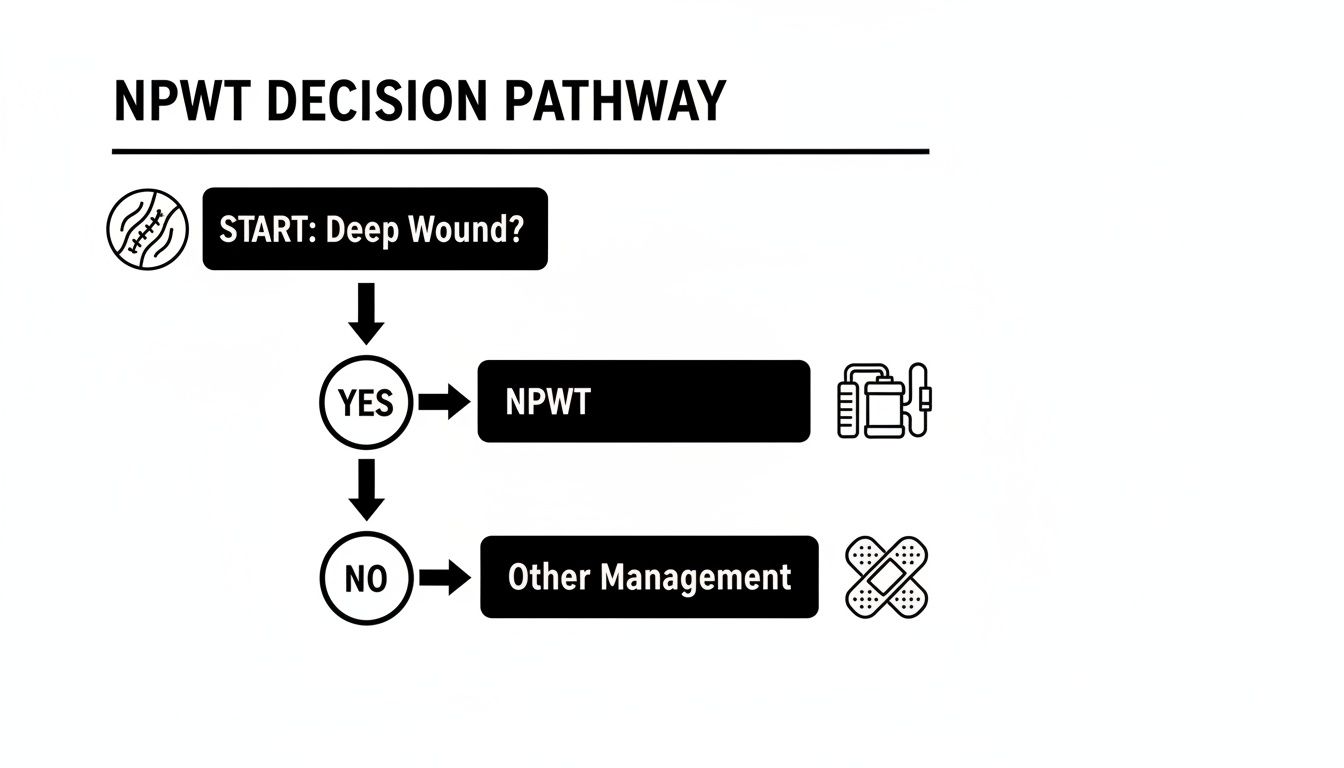
This simple decision tree shows a common clinical thought process for deep, complex wounds.
As you can see, a single characteristic—in this case, wound depth—can immediately steer treatment toward or away from advanced devices like NPWT.
Connecting the Product to the Healing Goal
Your product choice must be directly tied to the current phase of healing. The goal for a wound covered in dead tissue is completely different from the goal for one filled with healthy, new granulation tissue.
Choosing a product is an active intervention, not just a passive cover. You are selecting a tool to achieve a specific, immediate objective: debride, granulate, or epithelialize.
For example, if the primary goal is debridement (clearing out non-viable tissue), your best options are products that help with that, like hydrogels or hydrocolloids that support autolytic debridement. If the goal is to promote granulation (filling the wound with new tissue), you might reach for a collagen dressing or even consider NPWT.
Expanding the View to the Patient
The wound doesn't exist in a vacuum. The patient’s overall condition plays a massive role in both their healing potential and your product selection. Overlooking these factors is a common reason why technically "correct" treatment plans end up failing.
Think through these key patient-centered questions:
What are their comorbidities? Conditions like diabetes or peripheral artery disease severely impact healing and absolutely must be managed at the same time.
How is their nutrition? A patient who isn't getting enough protein simply can't build new tissue. Nutritional support, like protein shakes or specialized drink mixes, can be just as important as the dressing you choose.
What is their mobility and support system? Can the patient or a caregiver realistically manage complex dressing changes? Ease of use and wear time become critical factors for success at home.
Addressing the Practical Realities of Care
Finally, a truly effective framework has to acknowledge the practical hurdles of healthcare. Cost-effectiveness and reimbursement aren't secondary concerns; they are central to whether a patient can access and continue their treatment.
When building a comprehensive plan, it's also smart to integrate secure patient communication strategies. For instance, using a HIPAA compliant chatbot can help manage data and coordinate care securely. After all, a product choice that isn't covered by insurance or is prohibitively expensive is not a viable solution.
By systematically working through these layers—from the wound bed to the patient's life to the healthcare system—you move from simply picking products to designing intelligent, empathetic, and effective wound care strategies that deliver real results.
Common Questions About Wound Care Product Selection
Even the most experienced clinicians can feel swamped by the sheer volume of wound care products on the market. With new options popping up all the time, it's natural to have questions when you're standing at the bedside trying to make the right call.
Let's cut through the noise. Here are some direct, experience-driven answers to the questions we hear most often in the field. Think of this as a practical guide to help you turn your clinical knowledge into confident, real-world decisions for your patients.
How Do I Choose Between So Many Different Wound Dressings?
It's easy to get lost in the weeds here, but you can simplify things dramatically by asking one core question: What does this wound need right now? More specifically, think of yourself as a moisture regulator for the wound bed. Is it too wet, or is it too dry?
Your answer will immediately rule out dozens of options and point you in the right direction.
Is the wound draining heavily? You need something that absorbs. Think of high-capacity options like a foam dressing or an ultra-absorbent alginate to pull that excess fluid away from the wound and protect the surrounding skin from getting waterlogged.
Is the wound bed dry and struggling? It needs moisture. A hydrogel dressing is your go-to here. It actively donates hydration to soften up dead tissue and create the perfect environment for healthy new cells to get to work.
Are you trying to protect fragile new tissue? Be gentle. A dressing with a silicone adhesive border offers a secure barrier that won't tear away all your hard-earned progress when you change it.
It all comes down to matching the dressing’s primary job to the wound's most immediate need.
When Should I Consider Advanced Therapies Like Biologics or NPWT?
Think of these as your heavy hitters. You don't bring them in for every situation, but they are absolutely essential for wounds that are "stuck" and just aren't moving forward despite solid, consistent standard care.
Negative Pressure Wound Therapy (NPWT) is a fantastic choice for those big, deep, and heavily draining wounds—think of a dehisced surgical incision or a significant pressure injury. It's a workhorse that actively manages the wound environment while stimulating new tissue growth, making it perfect for complex cases.
Biologics, like amniotic allografts, are a different tool for a different job. They shine in chronic wounds, such as stubborn diabetic foot ulcers. You bring them in when the wound bed is clean and well-prepped but just seems to have forgotten how to heal. Biologics essentially reboot the healing process at a cellular level, providing the signals needed to finally close the gap.
What Is the Most Common Mistake in Product Selection?
The single biggest mistake we see is a "set it and forget it" mentality. Wound healing is a dynamic process; what a wound needs this week can be completely different from what it needed last week.
The perfect dressing for absorbing heavy drainage last Monday might be the very thing drying out the wound bed and stopping healing this Friday. That’s why you have to reassess the wound at every single dressing change.
If you aren't adjusting your plan based on what the wound is telling you, you risk stalling out or even going backward. The best product is always the one that meets the wound's needs today.
How Do Cost and Reimbursement Factor into My Choice?
In the real world, cost isn't just a factor; it's a massive one. The most clinically advanced product is useless if the patient or facility can't get it paid for.
You have to be a pragmatist. Always know your facility's approved formulary and what the patient's insurance will actually cover. Sometimes, a more affordable, traditional dressing that can be changed as often as needed is a far more effective real-world solution than a pricey advanced product that isn't covered or gets used too sparingly to cut costs.
A truly successful treatment plan works both clinically and financially. Balancing those two realities is one of the most critical skills any wound care provider can have.
At Specialty Wound Care, we know that choosing the right product is just one piece of the puzzle. Our teams bring together advanced diagnostics, biologics, and evidence-based protocols to build individualized treatment plans that address every angle of the healing process. Find out how our comprehensive approach can help your patients achieve better, faster outcomes by visiting https://specialtywoundcare.com.
💡 Quick-Hit Why It Matters
Did you know that chronic wounds affect over 6.5 million people in the United States? That’s a staggering number of individuals dealing with the challenges of managing difficult-to-heal wounds. One key aspect of effective wound care is the use of advanced wound dressings that can promote healing and provide comfort during the recovery process.
🔍 Dressing in the Spotlight
Today, we shine a light on hydrocolloid dressings, a type of advanced wound dressing that has revolutionized wound care. These dressings are designed to absorb exudate, provide a moist healing environment, and facilitate the body’s natural healing process. Hydrocolloid dressings are particularly well-suited for wounds with moderate exudate levels and are known for their flexibility and ease of use.
⚖️ Compare & Contrast
– High absorbency for moderate-to-heavy exudate
– Comfortable and flexible for joint areas
🧪 Behind the Science
Hydrocolloid dressings work by maintaining a moist wound environment, which has been shown to promote faster healing rates. According to a recent study published in 2021, the moisture-retentive properties of hydrocolloid dressings help create an optimal healing environment, reducing the risk of infection and promoting granulation tissue formation.
🩹 When & How to Apply
To properly apply a hydrocolloid dressing, clean the wound area, gently apply the dressing ensuring good contact with the wound bed, and secure it in place with tape or a bandage. Remember to change the dressing as instructed by your healthcare provider to ensure optimal healing.
🤝 Clinician + Caregiver Dialogue
Clinician: “Hydrocolloid dressings are designed to absorb excess fluid from the wound while maintaining a moist environment to promote healing.”
Caregiver: “How often do we need to change the dressing?”
Clinician: “We will need to change it every [frequency] days to ensure the best outcomes.”
❓ Patient FAQs & Myths Busted
– How often should I change the hydrocolloid dressing?
– Are hydrocolloid dressings suitable for all types of wounds?
– Can I shower with a hydrocolloid dressing on?
– Myth: “Hydrocolloid dressings delay wound healing.”
📊 Mini Case Snapshot
In a recent case, a patient with [wound type] was treated with a hydrocolloid dressing. Over the course of 4 weeks, the wound showed significant improvement in terms of reduced exudate levels and enhanced healing progression.
🔭 Future Frontiers
Looking ahead, advancements in wound-care technology are paving the way for innovative solutions such as biosensors, hydrogel technologies, and AI-assisted wound monitoring. These developments hold the potential to further improve patient outcomes and enhance the overall efficiency of wound care management.
📌 Take-Home Cheat Sheet
– Choose dressings based on wound type and moisture
– Watch for signs of infection or delayed healing
– Don’t skip scheduled dressing changes
– Ask for help with tricky dressings or complex wounds
📢 Call to Action
At SpecialtyWoundCare.com, we are dedicated to providing advanced wound care solutions tailored to your unique needs. Trust in our expertise to help you on your journey to healing and recovery.
Remember, when it comes to managing chronic wounds, having the right information and support can make all the difference. Contact us today to learn more about how we can assist you in your wound care journey.
Contact us for personalized wound care guidance and support.
—
This blog post has explored the benefits and applications of hydrocolloid dressings in wound care, highlighting their efficacy and potential to accelerate healing processes. By understanding the science behind these advanced dressings and learning how to properly apply them, patients, caregivers, and healthcare providers can work together to optimize wound healing outcomes.
Wound pain can significantly hinder the healing process, increase stress, and diminish a patient’s quality of life. For many, untreated wound pain isn’t just a temporary discomfort—it can lead to complications that prolong recovery. Understanding how pain impacts wound healing is crucial for both patients and caregivers, ensuring that appropriate measures are taken to alleviate it. For those dealing with conditions like diabetes, pain management is an essential aspect of maintaining overall health and preventing further issues, as discussed in our Tips for managing diabetic wound pain.
🧠 What Causes Pain in Chronic or Acute Wounds?
Wound pain can arise from a variety of causes. Nociceptive pain results from the body’s response to harmful stimuli, often involving nerve fibers that identify pain. Inflammation, a common occurrence in wound healing, can exacerbate pain levels. Ischemia, or reduced blood flow, can also contribute to discomfort. Moisture imbalance, such as excessive dryness or moisture, along with trauma during dressing changes, plays a significant role. Understanding these components can help tailor more effective treatments and is vital in preventing the development of chronic pain. For more complex situations like diabetic foot ulcers, it’s helpful to Explore diabetic foot ulcer resources.
🩹 Dressing-Related Pain: What Can Be Done?
Achieving comfort during dressing changes can prevent pain and promote healing. Silicone-based dressings are known for their gentle adherence, minimizing trauma. Atraumatic adhesives reduce skin damage, and moisture-retentive materials maintain an optimal healing environment. Techniques such as soaking dressings before removal or using layered approaches help minimize discomfort. These advancements provide significant relief, and you can Read about advanced wound dressing options to find out more.
💊 Medication: Topical, Oral, and Injectable Options
Pain management often involves medications like topical lidocaine gels, which provide targeted relief. Oral options include acetaminophen and NSAIDs, which are effective for managing mild to moderate pain. In some scenarios, nerve blocks may be administered by healthcare providers. Opioids, while sometimes necessary, require cautious use due to their potential for dependency. Patients benefit from understanding their medication options and can Explore our patient self-care guides for more information.
🌿 Beyond Pills: Alternative Pain Relief Techniques
For some patients, alternative methods provide significant relief from wound pain. Hydrotherapy, involving water immersion, can soothe discomfort, while compression therapy helps reduce swelling and pain. Massage encourages circulation, and aromatherapy can create a calming environment. These non-pharmaceutical options can be integral to a comprehensive pain relief plan, and exploring See the latest innovations in wound care may offer additional insights into these techniques.
🧘 Mind-Body Tools That Help
Holistic approaches to pain management often include techniques like deep breathing exercises and guided imagery, which promote relaxation. Meditation helps patients refocus their mental energy, reducing pain perception. Music therapy has also shown effectiveness in calming anxiety, a common companion to pain. By integrating these practices, patients can enhance their overall comfort and well-being.
👁️ Recognizing Pain When Patients Don’t Say It
Many patients, especially those non-verbal due to age or medical conditions, may not always communicate their pain verbally. Signs like withdrawal, changes in facial expressions, moaning, or altered behavior can indicate discomfort. Caregivers and clinicians should be vigilant in observing these non-verbal cues to ensure timely interventions. For more guidance, you can refer to Wound care insights for specialty populations.
🧑⚕️ What the Research Says
Recent studies highlight the effectiveness of a multimodal approach to pain management in wound care settings. A 2021 study demonstrated how combining different treatments significantly improves patient outcomes in chronic wounds. Utilizing both pharmacological and non-pharmacological methods, this approach ensures comprehensive care. For real-life examples and outcomes, View real patient healing stories.
📌 Pain Management Checklist
• Ask: “When does it hurt most—dressing changes, walking, resting?”
• Use topical relief when possible before procedures
• Choose non-adherent dressings for fragile skin
• Combine meds with mindfulness and movement
• Reassess pain every few days—don’t let it linger
📢 Call to Action
Pain relief isn’t just about comfort—it’s essential to healing. Explore how SpecialtyWoundCare.com supports your journey with expertise, empathy, and a commitment to pain-sensitive care. Visit us at SpecialtyWoundCare.com.
Picture this: a patient with a chronic wound avoiding their favorite activities due to persistent pain. This scenario isn’t uncommon. Untreated wound pain can delay healing, increase stress, and reduce overall quality of life. Addressing pain isn’t just about comfort; it’s a crucial part of effective wound care. Effective pain management promotes healing, ensures compliance with care plans, and enhances mental well-being.
Tips for managing diabetic wound pain
🧠 What Causes Pain in Chronic or Acute Wounds?
Wound pain can arise from various factors. Nociceptive pain occurs when injury receptors in the skin are activated. Nerve involvement, a frequent issue, leads to sharper, more intense sensations. Inflammation contributes significantly, as the body’s response to injury causes swelling and discomfort. Ischemia, or reduced blood flow, deprives tissues of oxygen, resulting in pain. Moisture imbalance, whether too dry or too wet, can irritate the wound bed, while trauma during dressing changes adds to the burden.
Explore diabetic foot ulcer resources
🩹 Dressing-Related Pain: What Can Be Done?
Dressing changes can be a painful process, especially if the wrong materials or techniques are used. Opting for silicone-based dressings or atraumatic adhesives can minimize discomfort. Moisture-retentive materials maintain optimal hydration and prevent sticking. Gentle removal techniques, like soaking before removal, protect delicate tissues. Choosing suitable dressings tailored to the wound type can make all the difference.
Read about advanced wound dressing options
💊 Medication: Topical, Oral, and Injectable Options
Pain relief may involve various medication forms. Topical treatments like lidocaine gels provide localized relief with minimal side effects. Oral medications such as acetaminophen and NSAIDs are common, but must be used judiciously. For severe pain, nerve blocks can offer temporary respite. While opioids might be necessary for some, they require careful management to avoid dependency, emphasizing the need for a comprehensive pain management plan.
Explore our patient self-care guides
🌿 Beyond Pills: Alternative Pain Relief Techniques
For those seeking alternatives to medications, several options can alleviate wound pain. Hydrotherapy and compression therapy promote circulation and reduce swelling. Massage can ease tension and discomfort. Aromatherapy, using scents like lavender, may help some patients relax. These non-pharmaceutical tools provide additional means to combat pain, complementing traditional treatments.
See the latest innovations in wound care
🧘 Mind-Body Tools That Help
Incorporating mind-body techniques can enhance pain control efforts. Deep breathing exercises reduce tension and promote relaxation. Guided imagery helps patients visualize a peaceful environment, distracting from pain. Meditation fosters a calm mind, while music therapy offers a comforting auditory escape. These tools empower patients to take an active role in their pain management journey.
👁️ Recognizing Pain When Patients Don’t Say It
Detecting pain in non-verbal patients requires keen observation. Withdrawal, such as pulling away when touched, might indicate discomfort. Facial expressions like grimacing or wincing are signals not to be ignored. Moaning and changes in behavior or mood can also imply distress. Recognizing these cues enables caregivers to address pain promptly, ensuring patients receive necessary relief.
Wound care insights for specialty populations
🧑⚕️ What the Research Says
Recent studies underscore the effectiveness of multimodal pain management in wound care. Integrating multiple treatments addresses pain from different angles and enhances outcomes. A 2021 study reflected significant pain reduction in patients receiving comprehensive pain management, demonstrating the value of personalized, multi-faceted approaches in clinical settings.
View real patient healing stories
📌 Pain Management Checklist
– Ask: “When does it hurt most — dressing changes, walking, resting?”
– Use topical relief when possible before procedures
– Choose non-adherent dressings for fragile skin
– Combine meds with mindfulness and movement
– Reassess pain every few days — don’t let it linger
📢 Call to Action
Pain relief isn’t just about comfort — it’s essential to healing. Explore how SpecialtyWoundCare.com supports your journey with expertise, empathy, and a commitment to pain-sensitive care. Visit SpecialtyWoundCare.com for more information.
Introduce the patient (use a fictionalized name): Sarah, a 55-year-old individual with a history of diabetes and long-term recovery from surgery. Sarah developed a diabetic foot ulcer due to poor circulation and nerve damage. Her emotional state was filled with anxiety and frustration as the wound refused to heal.
🔍 The Turning Point: Why They Sought Specialty Care
Sarah faced delays in wound healing, several misdiagnoses, and failed treatment attempts with previous providers. The wound became infected, worsening her symptoms and overall well-being. Desperate for a solution, Sarah sought out specialized wound care at SpecialtyWoundCare.com.
In the initial weeks, Sarah’s wound was assessed, and a personalized care plan was developed. Advanced wound dressings, offloading techniques, and nutritional adjustments were implemented. Through regular check-ups and monitoring, Sarah’s wound showed signs of improvement. By the fourth week, the wound began to heal from the inside out, reducing the risk of further complications.
Optional link: Read about advanced wound dressing options
🧪 What Made the Difference?
The key turning point in Sarah’s healing journey was the introduction of a moisture-balancing dressing that promoted a moist wound environment conducive to healing. This innovative approach accelerated the healing process significantly, leading to visible progress in just a matter of weeks.
Optional link: See the latest innovations in wound care
👩⚕️ The Team Behind the Scenes
Sarah benefited from a multidisciplinary team at SpecialtyWoundCare.com, including a registered nurse, podiatrist, wound specialist, dietitian, and social worker. This collaborative approach ensured that every aspect of Sarah’s care was addressed comprehensively, leading to more effective treatment outcomes.
Optional link: Learn how nutrition supports wound healing
📈 The Outcome: More Than Just Closure
Following weeks of specialized wound care, Sarah experienced a remarkable improvement in her quality of life. Not only did the wound close successfully, but Sarah also reported reduced pain, improved mobility, and a renewed sense of hope. The holistic approach taken by SpecialtyWoundCare.com restored not just Sarah’s physical health but her overall well-being.
Optional link: Tips for managing diabetic wound pain
📊 Patient Reflections
Sarah shared her fictionalized reflections, stating, “I never thought I would be able to walk without pain again. Thanks to the team at SpecialtyWoundCare.com, I am now able to enjoy activities like hiking pain-free, something I thought I had lost forever.”
📌 Key Lessons from This Case
– Early specialty care is crucial for preventing worsening outcomes.
– Maintaining moisture balance and proper offloading are critical for effective wound healing.
– Nutrition, movement, and emotional support play significant roles in the healing process.
– Healing is about restoring life and well-being, not just closing a wound.
Optional link: View real patient healing stories
📢 Call to Action
Every individual’s healing journey is unique. Discover how SpecialtyWoundCare.com provides personalized, compassionate care that addresses the holistic needs of each patient. Visit SpecialtyWoundCare.com to learn more about our comprehensive wound care services.
🔑 SUGGESTED SEO KEYWORDS
wound care case study, diabetic ulcer recovery, wound healing success, pressure ulcer treatment story, Specialty Wound Care Florida, chronic wound recovery, advanced wound therapy case
In the realm of healthcare, wound care stands as a beacon for technological innovation. Every year, chronic wounds affect millions worldwide, emphasizing the urgent need for effective and efficient solutions. Recent advancements in digital health are reshaping how these wounds are managed, offering both clinicians and patients groundbreaking tools to support healing.
🧠 Smart Tools That Learn as You Heal
Artificial Intelligence (AI) has become a game-changer in wound care. AI-based apps now allow for precise tracking of wound healing. These tools use image recognition to assess wound size, color, and texture changes over time. By integrating predictive analytics, these platforms offer clinicians deeper insights into potential healing trajectories, optimizing treatment protocols. To explore how these innovations are revolutionizing care, see the latest innovations in wound care.
📸 Visualizing the Invisible: Imaging & Diagnostics
Imaging technologies, such as thermal cameras and autofluorescence, have significantly improved wound diagnostics. These tools allow for early detection of infection and assessment of tissue viability by visualizing blood flow and detecting necrotic tissue. With 3D wound scans, clinicians can create detailed models to monitor progress with unparalleled precision. For more on preventing infections, see our infection prevention tips.
💉 From Passive to Interactive Dressings
Gone are the days of passive dressings that merely cover a wound. Today, advanced wound dressings come with embedded sensors capable of monitoring moisture levels, pH balance, and even temperature. Some dressings can release medication in controlled doses, reacting to the wound’s needs and environment. Learn more about these incredible advancements at Read about advanced wound dressing options.
🤖 Robots, Telehealth & Touch-Free Care
The COVID-19 pandemic highlighted the importance of remote healthcare solutions. Virtual wound consults and home monitoring have become a practical reality. Robotic debridement is an innovation allowing precision cleaning of wounds, minimizing human error and discomfort. By reducing in-person visits, telehealth platforms ensure continuous patient support at home.
🧬 Regenerative Therapies & Bioengineered Skin
Biotechnology offers promising breakthroughs with stem cell grafts and gene-edited tissue, pushing the boundaries of healing for complex chronic wounds. Bioprinting technology is now capable of creating skin layers customized for individual needs. To see how real patients benefited from these experimental therapies, view real patient healing stories.
🧩 Challenges & Ethics in High-Tech Healing
Despite the promising advancements, high-tech wound care faces challenges—affordability and accessibility in rural areas remain pressing issues. Moreover, with the rise of AI, concerns over patient data privacy and technology adoption must be addressed, ensuring innovations benefit all demographics.
🔭 Future Glimpse: What’s on the Horizon
The future of wound care is bright with possibilities. Imagine nanorobots actively repairing tissue at a cellular level, or wearable devices providing real-time diagnostics. Biodegradable smart dressings are not far from reality, poised to offer eco-friendly solutions without compromising care quality.
📌 Innovation Snapshot Checklist
– AI wound tracking — personalized healing insights
– Thermal imaging — detect infection early
– Smart dressings — monitor moisture and pH
– Telehealth platforms — support at-home care
– Stem cell therapies — accelerate tissue regrowth
📢 Call to Action
Wound care innovation is not science fiction — it’s saving limbs and lives today. Explore how SpecialtyWoundCare.com delivers advanced healing solutions with heart and humanity.
Imagine living with constant discomfort that slows every step, diminishes your sleep, and casts a shadow over your daily life. Untreated wound pain can do just that—delay healing, elevate stress levels, and significantly reduce quality of life. Particularly concerning in conditions like diabetes, mismanaged pain can even lead to further complications. Learning how to address and manage wound pain effectively is not just about comfort—it’s a crucial step in ensuring successful healing and improving overall well-being.
🧠 What Causes Pain in Chronic or Acute Wounds?
Wound pain can be complex, involving various factors. Nociceptive pain arises from damaged tissue signaling the nervous system. Inflammation is a natural response but can be painful. Nerve involvement, particularly in diabetic patients, can intensify this discomfort. Ischemia, or reduced blood flow, contributes to pain and hampers healing. Moisture imbalance due to excess drainage can irritate the skin, while trauma during dressing changes often triggers acute pain. Understanding these elements helps tailor pain management strategies.
🩹 Dressing-Related Pain: What Can Be Done?
Dressing changes can be a source of significant discomfort. Opting for silicone-based dressings provides a gentler experience, reducing the pain of removal. Atraumatic adhesives designed to minimize skin trauma are beneficial for sensitive areas. Moisture-retentive materials help maintain an ideal healing environment. Techniques such as soaking the dressing before removal can further ease this process. These advancements offer relief and promote compliance with care plans.
Read about advanced wound dressing options
💊 Medication: Topical, Oral, and Injectable Options
Medication plays a pivotal role in managing wound pain. Topical treatments like lidocaine gels provide localized relief without systemic side effects. Oral options, including acetaminophen and NSAIDs, address mild to moderate pain. For more severe pain, nerve blocks can offer targeted relief. While opioids can be effective, their use should be cautious and closely monitored. Exploring these options with healthcare providers ensures a personalized approach to pain management.
Explore our patient self-care guides
🌿 Beyond Pills: Alternative Pain Relief Techniques
Beyond traditional medications, many patients find comfort in alternative therapies. Hydrotherapy enhances circulation and alleviates discomfort. Compression therapy helps with swelling and pain. Massage and aromatherapy can ease tension and improve the healing experience. These non-pharmaceutical tools offer holistic benefits, providing relief and enhancing overall well-being.
See the latest innovations in wound care
🧘 Mind-Body Tools That Help
Mind-body techniques are integral to comprehensive pain management. Deep breathing exercises calm the nervous system and reduce pain perception. Guided imagery allows patients to mentally explore peaceful scenes, which can distract from discomfort. Meditation promotes relaxation, while music therapy can offer soothing effects. These methods empower patients to take an active role in their pain management journey.
👁️ Recognizing Pain When Patients Don’t Say It
Non-verbal patients may exhibit subtle signs of pain. Withdrawal, changes in facial expressions, moaning, and shifts in behavior often indicate discomfort. For clinicians and caregivers, understanding these cues is vital. Effective pain management begins with recognition, leading to interventions that can improve patient care and enhance recovery outcomes.
Wound care insights for specialty populations
🧑⚕️ What the Research Says
Recent studies underscore the importance of a multimodal approach in managing chronic wound pain. A 2022 study emphasized the effectiveness of combining topical and oral treatments with holistic therapies to enhance patient comfort and healing rates. Continued research in this field is vital for developing strategies that improve care and patient quality of life.
View real patient healing stories
📌 Pain Management Checklist
…Ask: “When does it hurt most — dressing changes, walking, resting?”
…Use topical relief when possible before procedures
…Choose non-adherent dressings for fragile skin
…Combine meds with mindfulness and movement
…Reassess pain every few days — don’t let it linger
📢 Call to Action
Pain relief isn’t just about comfort — it’s essential to healing. Explore how SpecialtyWoundCare.com supports your journey with expertise, empathy, and a commitment to pain-sensitive care.
Wound care is undergoing a revolution, with technology reshaping approaches and outcomes. According to recent studies, digital health innovations could potentially reduce chronic wound complications by up to 50%. With advances ranging from AI to regenerative therapies, the future of wound care is here, offering hope to patients and clinicians alike.
🧠 Smart Tools That Learn as You Heal
Artificial intelligence (AI) is now at the forefront of wound management. AI-based apps track wound healing in real-time, providing predictive analytics to optimize treatment plans. Machine learning models in clinical platforms improve decision-making by assessing wound status and predicting outcomes.
📸 Visualizing the Invisible: Imaging & Diagnostics
Imaging technologies are enhancing how we assess wounds. Tools like thermal cameras, autofluorescence, and 3D wound scans allow for earlier detection of infections and insights into tissue health. These imaging solutions empower clinicians to visualize conditions invisible to the naked eye.
Today’s advanced wound dressings go beyond simple coverage. They come embedded with sensors, pH indicators, and temperature controls. Some even offer controlled drug release, providing intelligent responses to the wound environment.
The pandemic accelerated remote healthcare solutions like virtual wound consults and telehealth platforms. Robotic debridement and home monitoring solutions are now integral to modern wound care, making access to care easier and more efficient than ever.
🧬 Regenerative Therapies & Bioengineered Skin
Stem cell grafts, gene-edited tissues, and bioprinting are revolutionizing treatment for complex chronic wounds. These techniques promote new tissue growth, offering healing where traditional methods fall short.
While the advancements are promising, challenges remain. Questions about affordability, access in rural areas, technology adoption, and ethical issues concerning AI and patient data continue to spark debate.
🔭 Future Glimpse: What’s on the Horizon
The future holds exciting prospects for wound care technology. Nanorobots capable of real-time diagnostics, biodegradable smart dressings, and advanced wearables are just a few innovations on the horizon.
📌 Innovation Snapshot Checklist
… AI wound tracking — personalized healing insights
… Thermal imaging — detect infection early
… Smart dressings — monitor moisture and pH
… Telehealth platforms — support at-home care
… Stem cell therapies — accelerate tissue regrowth
📢 Call to Action
Wound care innovation is not science fiction — it’s saving limbs and lives today. Explore how Specialty Wound Care delivers advanced healing solutions with heart and humanity.
🔑 SUGGESTED SEO KEYWORDS
wound care technology, AI in wound care, smart dressings, wound imaging, regenerative wound therapy, wearable wound sensors, digital wound tracking, Specialty Wound Care Florida
Title: Revolutionary Advances in Wound Care Technology: Paving the Way for Enhanced Healing
—
🚀 Why Technology Is Transforming Wound Care
Chronic wound care has entered a new era, thanks to groundbreaking technological advancements. By integrating digital health strategies, the treatment of wounds is becoming more accurate, efficient, and personalized. According to recent studies, digital tools can potentially reduce healing time by up to 50%, offering hope to millions worldwide.
🧠 Smart Tools That Learn as You Heal
Artificial intelligence (AI) is taking wound care into the future. AI-based wound tracking apps and predictive healing analytics provide clinicians with a more profound understanding of patient needs. Machine learning models, now integrated into clinical platforms, allow for real-time monitoring and personalized treatment plans. These innovations adapt as the patient’s condition evolves, providing insights that were once unimaginable. See the latest innovations in wound care.
📸 Visualizing the Invisible: Imaging & Diagnostics
Imagery technology is not just for aesthetic purposes; it plays a critical role in wound diagnostics. Tools like thermal cameras, autofluorescence imaging, and 3D wound scans help in evaluating infection and tissue viability with precision. These technologies allow for early detection of complications, contributing to more effective interventions. See our infection prevention tips.
💉 From Passive to Interactive Dressings
Gone are the days when dressings were merely protective coverings. Modern dressings now come embedded with sensors, pH indicators, and temperature control. Some even facilitate controlled drug release, providing active participation in the healing process. This innovation minimizes the need for frequent dressing changes, promoting a more seamless recovery. Read about advanced wound dressing options.
🤖 Robots, Telehealth & Touch-Free Care
The global pandemic catalyzed the adoption of telehealth and remote monitoring. Virtual wound consults enable patients to receive expert care without stepping outside their homes, while robotic debridement is revolutionizing the accuracy and effectiveness of the procedure. These technologies ensure continuous and touch-free care, expanding access to those in remote areas.
🧬 Regenerative Therapies & Bioengineered Skin
Stem cell grafts, gene-edited tissue, and bioprinting are no longer mere futuristic concepts. These regenerative therapies are being applied to treat complex chronic wounds by accelerating tissue regrowth. The ability to engineer skin that can replace damaged tissue signifies a monumental leap in healing strategies. View real patient healing stories.
🧩 Challenges & Ethics in High-Tech Healing
While high-tech healing offers numerous benefits, it also presents challenges such as cost, access disparities in rural areas, and technological literacy. There are also ethical concerns regarding AI’s role in patient data management and privacy. Balancing these challenges with innovation is essential for future development.
🔭 Future Glimpse: What’s on the Horizon
The horizon of wound care technology is bright, with potential breakthroughs such as nanorobots for precise treatment delivery and real-time wearable diagnostics. Biodegradable smart dressings could offer environmentally friendly solutions without compromising on efficiency.
📌 Innovation Snapshot Checklist
– AI wound tracking — personalized healing insights
– Thermal imaging — detect infection early
– Smart dressings — monitor moisture and pH
– Telehealth platforms — support at-home care
– Stem cell therapies — accelerate tissue regrowth
📢 Call to Action
Wound care innovation is not science fiction — it’s saving limbs and lives today. Explore how SpecialtyWoundCare.com delivers advanced healing solutions with heart and humanity.