Tag: complex wounds

From Guesswork to Guidance: Precision Diagnostics for Complex Wounds

Specialty Wound Care | May 18th, 2026


Guesswork has no place in complex wounds. When you face uncertain wound assessment and delayed healing, precision diagnostics offer clear answers. Learn how tools like MolecuLight DX and rapid molecular testing provide real-time insights that improve treatment decisions and patient outcomes. For more insights, visit this article.

Precision Diagnostics in Wound Care
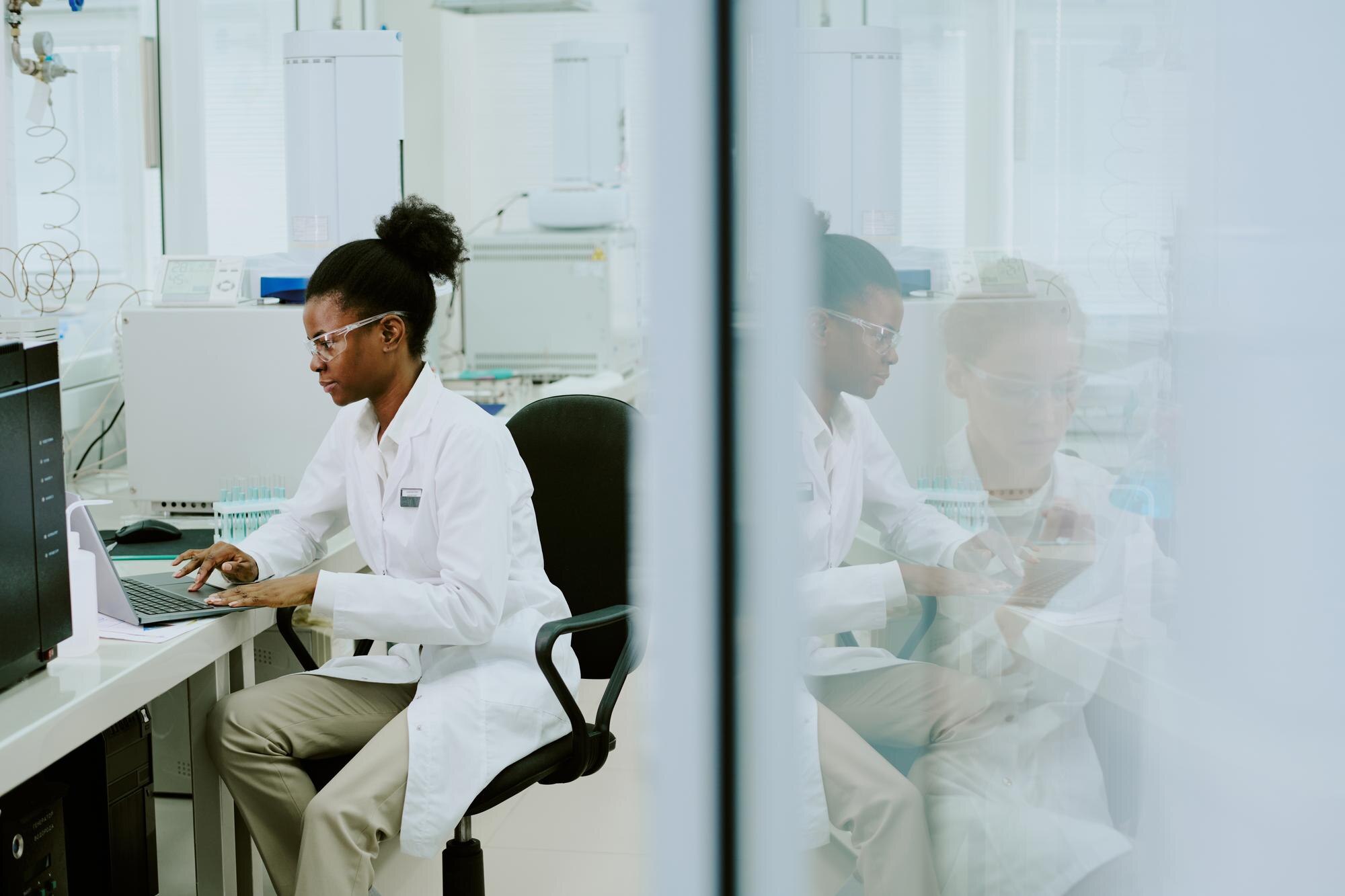
Precision diagnostics play a crucial role in managing complex wounds effectively. By reducing uncertainty, they pave the way for better healing and improved outcomes.

Advancing Complex Wound Management

You can transform wound care practices with the right tools. Precision diagnostics offer a glimpse into the wound’s condition, making complex cases more manageable. Clinicians gain critical insights into the wound environment and its needs. This information is vital for crafting effective treatment strategies.

Many healthcare providers have already adopted advanced diagnostics. These tools enable a more precise assessment of bacterial burden and biofilm detection. This leads to targeted interventions that can significantly improve healing rates. Taking the guesswork out of wound management benefits both providers and patients.

Reducing Guesswork with Technology

Technology is a game-changer in wound care. It offers a level of precision that traditional methods cannot match. Tools like fluorescence imaging provide real-time data. They help identify bacterial hotspots quickly, guiding you to make informed decisions on debridement and treatment.

Imagine having the ability to see bacterial load in a wound. This is no longer a futuristic concept. Technology enables you to visualize what was previously invisible. This advantage streamlines the treatment process, reducing complications and promoting faster healing.

Enhancing Patient Outcomes

With technology, patient outcomes improve significantly. Faster diagnosis leads to quicker treatment, reducing the risk of prolonged infections. The ability to tailor treatments to specific wound needs ensures that patients receive the most effective care possible.

Patients often experience better recovery rates when precision diagnostics are part of their care plan. By addressing issues early, you can avoid complications. This proactive approach not only enhances healing but also improves overall quality of life for patients with chronic wounds.

Tools for Precision in Healing
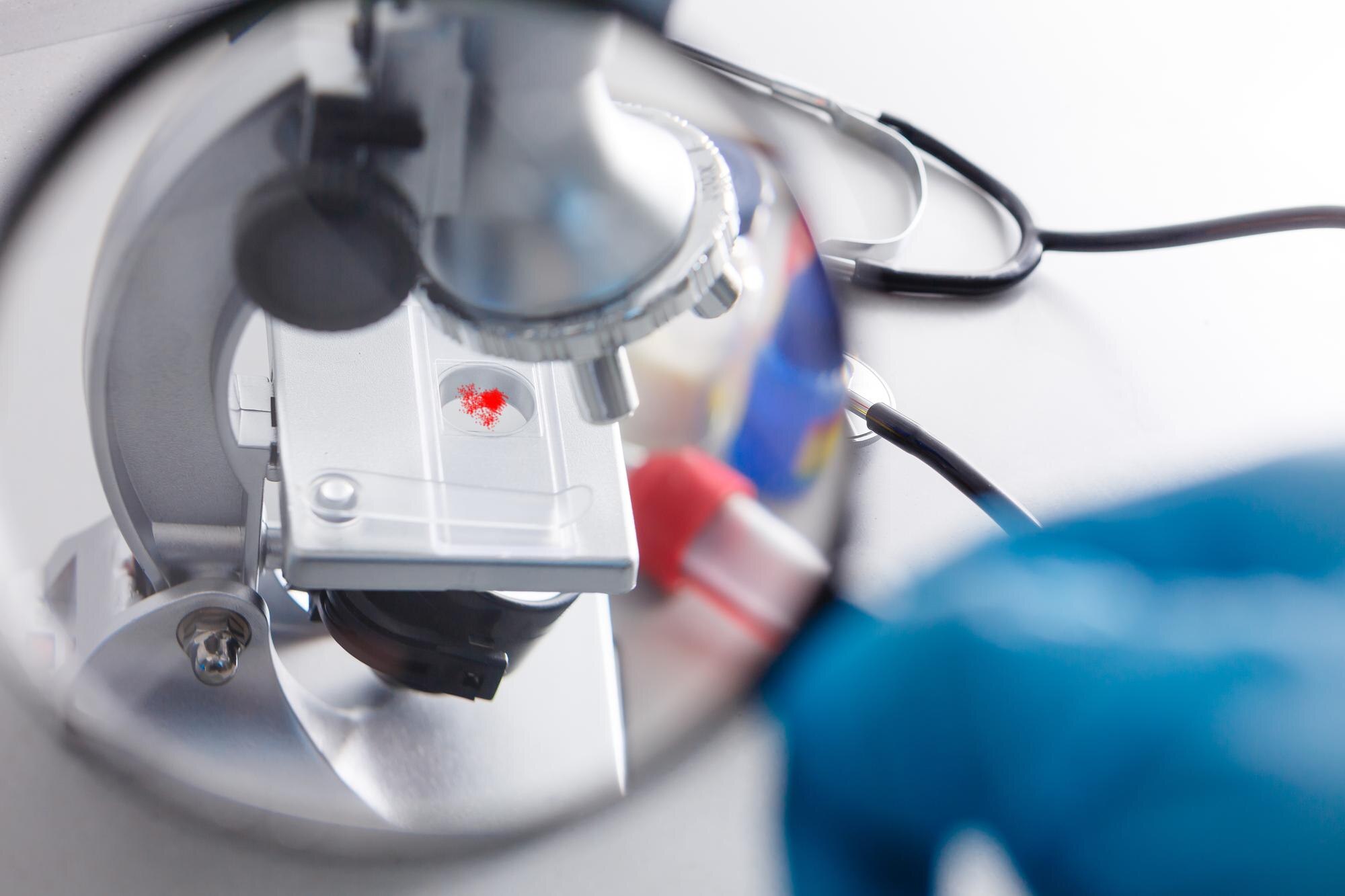
Various tools are available to support precision in wound healing. These innovations are pivotal in providing accurate and timely information.

MolecuLight DX and Fluorescence Imaging

The MolecuLight DX is a powerful tool in wound care. It uses fluorescence imaging to detect bacterial presence. This allows you to see areas of high bacterial load, guiding your treatment decisions effectively. Learn more about its applications in this study.

With MolecuLight DX, you can capture digital images that aid in monitoring the wound’s progress. This feature simplifies documentation and helps in tracking changes over time. By identifying critical areas that need attention, clinicians can intervene at the right moment, enhancing healing outcomes.

Pathogen Identification and Rapid Testing

Rapid testing methods are invaluable in identifying pathogens. These tests provide quick results, allowing treatment to commence sooner. Unlike traditional cultures, which can take weeks, rapid tests deliver answers in hours. This speed is crucial in preventing infections from getting worse.

Patients benefit from this swift approach as it minimizes the frustration of waiting. Rapid testing helps in selecting the right antibiotics, ensuring that the treatment is effective from the start. This efficiency supports better patient outcomes and faster recovery.

Triple-Layer Allograft for Wound Closure

The triple-layer allograft is a unique solution for wound closure. It acts as a scaffold, supporting natural tissue regeneration. This innovative treatment option is designed to enhance healing, particularly in difficult-to-treat wounds.

Its effectiveness is backed by compliance with strict FDA regulations. The allograft provides a protective barrier, promoting a conducive environment for healing. By integrating this into your wound care protocol, you can offer patients a robust solution for wound closure. Read more about its benefits in this research.

Future of Evidence-Based Wound Management
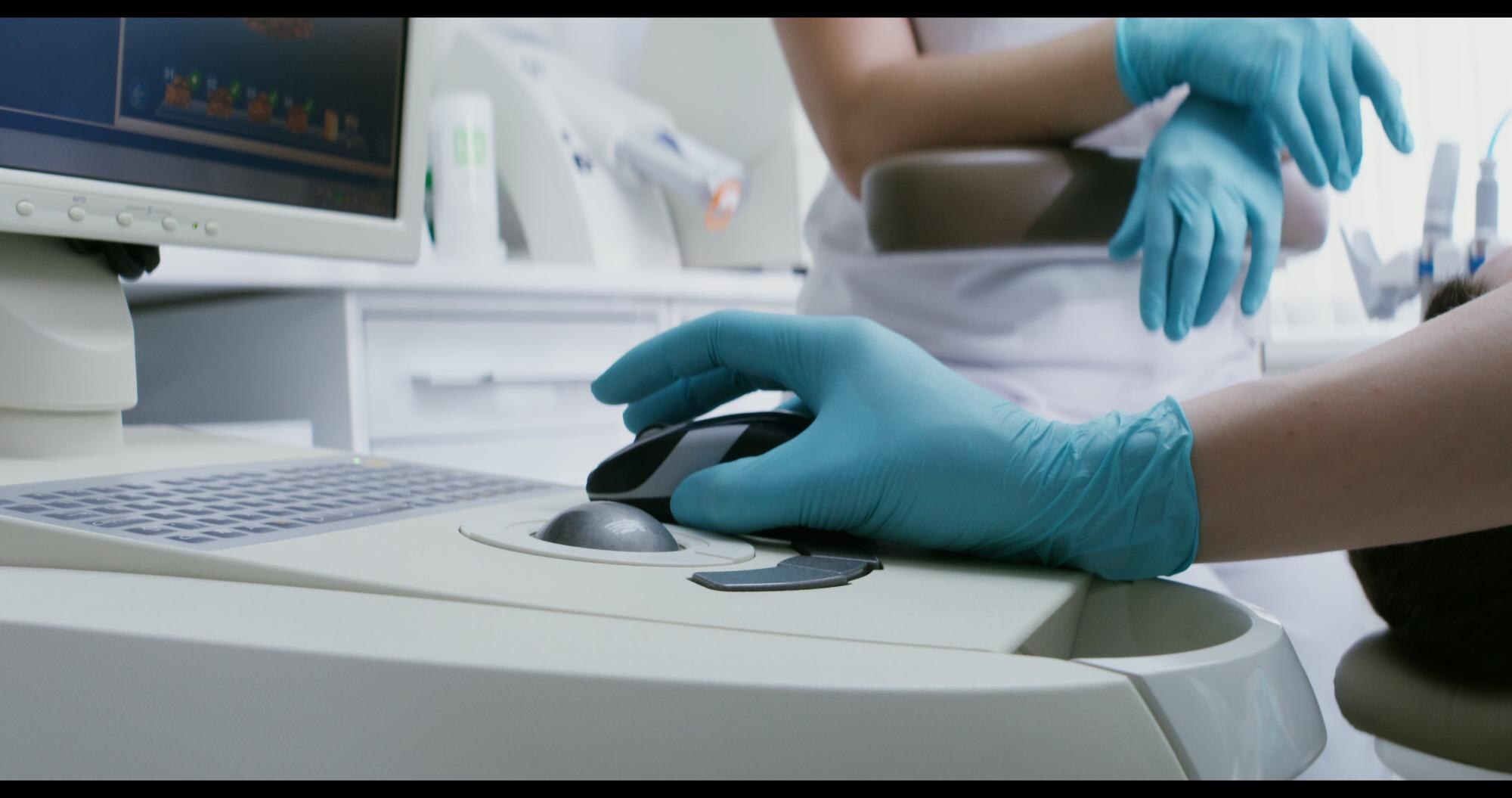
The future of wound care lies in evidence-based practices. By focusing on data and collaboration, the field continues to evolve.

Antibiotic Stewardship and Infection Control

Antibiotic stewardship is essential in managing infections effectively. By using antibiotics judiciously, you can prevent resistance and ensure that treatments remain effective. This approach is vital in controlling infections in complex wounds.

Implementing strict infection control measures is equally important. These practices protect patients and staff, reducing the spread of harmful pathogens. By prioritizing stewardship, you contribute to a safer healthcare environment.

Multidisciplinary Approach to Wound Care

A multidisciplinary approach brings together various expertise for comprehensive care. By collaborating with specialists, you can address all aspects of wound management. This teamwork ensures that patients receive holistic care, improving their overall treatment experience.

Such collaboration fosters innovation and enables sharing of best practices. The integration of different perspectives leads to more effective solutions, enhancing patient outcomes. For insights on this approach, check out this article.

Improving Documentation and Billing Practices

Accurate documentation is critical in wound care. It ensures that all information is captured for effective treatment planning. By improving documentation practices, you can streamline billing processes, ensuring that all services are accounted for.

This efficiency in billing helps avoid delays and errors, facilitating smoother operations. By focusing on these areas, you enhance the overall quality of wound care services, benefiting both providers and patients.

In conclusion, precision diagnostics are transforming wound care. By embracing these advancements, you can offer patients better, faster, and more reliable healing options.

See real success stories—schedule your consultation today.

Why Precision Wound Care Matters for Facilities Managing High-Risk Patients

Specialty Wound Care | April 17th, 2026


Why Precision Wound Care Matters for Facilities Managing High-Risk Patients

High-risk patients demand wound care precision that goes beyond routine checks. Facilities managing diabetic foot ulcers, pressure injuries, and complex wounds face rising readmissions and longer stays without targeted strategies. Precision wound care uses fluorescence imaging and tailored therapies to cut complications and boost healing rates. Read on to learn how Specialty Wound Care partners with you to deliver smarter protocols and proven technology that improve outcomes while controlling costs. For further reading, check out this article.

Precision Wound Care Basics

Precision wound care is the key to managing complex conditions effectively. Let’s delve into why understanding high-risk patients is crucial and how tailored therapies can make a significant difference.

Understanding High-Risk Patients

High-risk patients are those with conditions like diabetic foot ulcers and pressure injuries. They need extra attention because these wounds can lead to severe complications. For instance, without proper care, 85% of amputations are due to untreated ulcers. You must identify these patients early to prevent worsening conditions. The longer you wait, the more complicated the wound, leading to increased healthcare costs and longer recovery times.

Most people think only older adults are at risk, but anyone with limited mobility or poor circulation can face these issues. Your goal is to recognize the early signs and intervene swiftly. Understanding these risks enables you to take proactive steps in wound management and enhance patient outcomes.

Importance of Tailored Therapies

Every wound is unique, demanding a personalized treatment plan. Tailored therapies ensure that each patient’s specific needs are met, which accelerates healing. These therapies reduce the chance of infection and promote faster recovery. For example, using advanced wound dressings that keep the wound environment optimal can significantly cut down healing time.

It’s not just about treating the wound but addressing the underlying causes. Customizing care for each patient improves their healing journey, offering them hope and better health outcomes. Consider how personalized care can transform a patient’s recovery experience, boosting their confidence and trust in the care they receive.

Reducing Complications and Costs

Reducing complications leads to lower healthcare costs. You can achieve this by incorporating precision wound care techniques. It minimizes the chance of infections, reducing hospital readmissions by up to 30%. This approach not only benefits patients but also eases the financial burden on healthcare facilities.

The misconception is that advanced care is costly, but in reality, it saves money in the long run by preventing costly complications. By implementing these strategies, you provide high-quality care while managing expenses effectively.

Advanced Wound Care Strategies

Building on the basics, advanced wound care strategies offer more precise solutions. Let’s explore how fluorescence imaging and rapid pathogen testing enhance wound management.

Fluorescence Imaging and MolecuLight DX

Fluorescence imaging, especially with the MolecuLight DX, revolutionizes wound assessment. This tool helps identify bacteria in real-time, allowing you to target treatment where it’s needed most. Imagine being able to see what’s invisible to the naked eye and using that information to improve care.

By visualizing bacterial presence, you can guide debridement and ensure thorough cleansing. Most people believe wounds heal best with standard cleaning, but this advanced imaging reveals otherwise. It ensures that every treatment decision is based on accurate data, enhancing the patient’s recovery process.

Role of Rapid Pathogen Testing

Rapid pathogen testing provides quick insights into wound infections. Traditional methods can take weeks, delaying treatment and increasing risk. With rapid testing, you get results fast, enabling you to start the right treatment immediately. This is crucial for infection management, where time is of the essence.

The results guide your antibiotic choices, ensuring you tackle the infection effectively. This approach reduces misuse of antibiotics and promotes better healing. Think about how immediate answers can change the outcomes for your patients, offering them faster relief and recovery.

Benefits of Triple-Layer Allograft

Triple-layer allografts offer a robust solution for wound healing. These grafts integrate seamlessly into the wound site, promoting natural healing. The three layers work together to protect, support, and regenerate the tissue. It’s like giving the wound a second skin to heal beneath.

These grafts help reduce healing time and improve outcomes. They are particularly beneficial for complex wounds, providing a foundation for new tissue growth. By choosing such advanced solutions, you give your patients the best chance at recovery, minimizing the risk of complications.

Building Partnerships in Wound Healing

Collaboration is essential for effective wound management. By forming partnerships, you can enhance care delivery in various healthcare settings.

Hospital Wound Care Partnership

Hospitals can greatly benefit from specialized wound care partnerships. By collaborating with experts, you gain access to the latest technology and treatment methods. This partnership ensures that patients receive the highest standard of care, improving their outcomes and satisfaction.

Such collaborations bring fresh perspectives and resources, enabling you to tackle complex cases more effectively. Partnering with Specialty Wound Care, for example, allows hospitals to integrate cutting-edge solutions seamlessly, enhancing their service offerings.

Skilled Nursing Facility Programs

Skilled nursing facilities face unique challenges in wound care. By implementing targeted programs, you can address these effectively. These programs provide specialized training and resources, empowering staff to handle complex wounds confidently.

Families often worry about the care their loved ones receive in nursing facilities. By adopting comprehensive wound care programs, you reassure families that their loved ones are in capable hands. This not only enhances patient care but also boosts your facility’s reputation.

Long-Term Acute Care Solutions

Long-term acute care facilities require tailored solutions for wound management. These patients often have prolonged recovery periods, needing specialized attention. By employing advanced wound care strategies, you can significantly improve their healing outcomes.

Integrating comprehensive care programs ensures that every aspect of the patient’s needs is addressed. This holistic approach reduces complications and promotes faster recovery, helping patients return to their daily lives sooner. Explore how Specialty Wound Care can support your facility in delivering exceptional care to long-term patients.

By understanding high-risk patients and utilizing advanced wound care strategies, you can transform outcomes and enhance care quality. Implement these insights to improve patient recovery and satisfaction in your facility.

Discover how our solutions outperform standard treatments—contact us for a demo.

Innovative Approaches to Complex Wound Challenges: Technology, Technique, and Teamwork

Specialty Wound Care | February 23rd, 2026


Innovative Approaches to Complex Wound Challenges: Technology, Technique, and Teamwork

Complex wounds like diabetic foot ulcers and pressure ulcers resist standard treatments far too often. You know that relying on outdated methods delays healing and risks infection. Here’s how advanced wound care combines precise technologies like MolecuLight DX fluorescence imaging with targeted therapies and teamwork to change those outcomes. Read on to learn how Specialty Wound Care’s approach can support your patients’ recovery and your practice’s success. Learn more about innovative approaches to wound treatment.

Advanced Wound Care Techniques

Advanced wound care is reshaping how you manage complex wounds. Let’s explore how these innovative techniques can make a real difference for your patients.

Targeted Antimicrobial Therapy

Effective management of infection is crucial in wound care. Targeted antimicrobial therapy uses specific agents to combat harmful bacteria without affecting the surrounding tissue. For example, by focusing on eliminating bacteria like Staphylococcus aureus, therapy helps prevent further complications. You’ll find that this precise approach not only clears infections faster but also reduces the risk of resistance. Imagine the relief of seeing a stubborn infection finally subside, allowing your patient’s wound to heal more effectively.

Antimicrobial therapy is about being smart and strategic. It involves selecting the right antimicrobial agent tailored to the specific pathogen. This method is supported by research, showing improved healing rates and reduced recurrence. Explore new wound healing technology revolutionizing care.

Rapid Pathogen Testing

Identifying the cause of wound infection quickly is a game changer. Rapid pathogen testing provides results in hours instead of days, enabling you to begin appropriate treatment sooner. This speed is crucial when dealing with fast-progressing infections in complex wounds like diabetic foot ulcers.

By implementing this testing, you can instantly tailor treatment plans to each patient, reducing unnecessary antibiotic use. Think of it as a fast track to accurate care, ensuring your interventions are as effective as possible.

Hyperbaric Oxygen Therapy

Imagine a treatment that uses pure oxygen to accelerate healing. Hyperbaric oxygen therapy (HBOT) does just that by increasing oxygen supply directly to the tissues. This can be especially beneficial in treating chronic wounds where blood flow is compromised.

HBOT helps by reducing swelling, fighting infection, and promoting tissue growth. For patients with conditions like venous leg ulcers, this therapy can be the difference between prolonged healing and a speedy recovery. Patients notice quicker results and improved outcomes, making this a valuable option in your wound care arsenal.

Cutting-Edge Wound Assessment Tools

Assessing a wound accurately is essential for effective treatment. New tools help you gather precise data and enhance your care strategies.

Fluorescence Imaging with MolecuLight DX

Visualizing bacteria in wounds can significantly impact treatment decisions. The MolecuLight DX allows you to see bacterial presence that isn’t visible to the naked eye. This tool uses fluorescence imaging to highlight areas of bacterial concentration, guiding you to focus on the most critical areas during debridement.

The benefit is clear: targeted cleaning of the wound, reducing bacteria, and helping the wound heal faster. This technology ensures you’re not guessing but acting on accurate data. Discover more about this innovative tool.

Wound Documentation and Telewound Monitoring

Accurate documentation and remote monitoring of wounds are becoming essential. Telewound monitoring offers real-time data sharing and consultation, making it easier to track healing progress without frequent in-person visits. You can provide continuous care, adjusting treatment plans based on documented changes.

This approach not only streamlines the follow-up process but also engages patients in their recovery journey. By leveraging technology, you ensure every wound care decision is backed by the latest data, enhancing outcomes and patient satisfaction.

Collaborative Wound Care Partnerships

Building strong partnerships is key to transforming wound care. Collaborative efforts ensure comprehensive support for both you and your patients.

Practice Management Software for Providers

Managing a wound care practice efficiently requires the right tools. Practice management software can simplify billing, scheduling, and patient records, allowing you to focus more on patient care. This software is specifically designed to handle the complexities of wound management, offering features that cater to your needs.

By streamlining administrative tasks, you spend less time on paperwork and more on what truly matters—providing excellent care. The software becomes an invaluable ally, improving workflow and patient experiences.

Streamlined Provider Onboarding and Education

Educating and onboarding providers quickly is vital for maintaining high standards of care. Streamlined education programs ensure new team members are up to speed with the latest wound care techniques and technologies. This proactive approach fosters a culture of learning and excellence within your practice.

Investing in education results in better patient outcomes and a more knowledgeable team. When everyone is equipped with the right skills, you’re able to tackle complex cases with confidence and efficiency.

By embracing these advanced wound care techniques and tools, you’re setting the stage for more effective treatment outcomes. Each step forward is a step towards faster healing, better patient experiences, and a stronger practice.

Explore our advanced technology solutions for wound care today.

Solving Complex Wounds with Imaging, Precision Testing, and Advanced Allografts

Specialty Wound Care | February 7th, 2026


Solving Complex Wounds with Imaging, Precision Testing, and Advanced Allografts

Complex wounds resist standard treatments and prolong patient suffering. You need tools that reveal hidden bacteria and guide precise therapies. Specialty Wound Care combines MolecuLight DX imaging, rapid pathogen testing, and an FDA-cleared triple-layer allograft to tackle these challenges head-on. Learn how these advanced wound care technologies improve healing for diabetic foot ulcers, venous leg ulcers, and pressure injuries. For more insights on wound healing technology, you can visit this link.

Advanced Imaging for Wound Care

Cutting-edge imaging tools are transforming wound care by revealing details unseen by the naked eye. They guide healthcare professionals to make informed decisions, enhancing the healing process for complex wounds.

Real-Time Bacterial Fluorescence

Imagine seeing harmful bacteria directly in the wound. The MolecuLight DX allows you to do just that with its real-time bacterial fluorescence feature. This tool highlights bacteria using fluorescence, making it possible to target them effectively. This glimpse into the unseen world of wounds ensures you don’t miss areas that require treatment.

By detecting bacteria quickly, this technology helps you act fast, minimizing complications. Traditional methods might leave you guessing, but with this tool, you have a powerful ally in wound care. Learn more about how fluorescence imaging is shaping the future here.

Benefits of MolecuLight DX

The MolecuLight DX doesn’t just stop at highlighting bacteria. This advanced device also captures images and videos of wounds for meticulous tracking and documentation. With 85% of amputations due to ulcers, precise tracking becomes crucial in preventing severe outcomes.

This technology provides a clear view of wounds, helping you make more informed treatment decisions. You can measure wounds accurately, ensuring every change is documented. The longer you wait to adopt such technology, the more challenging it becomes to manage complex wounds. This device promises an evidence-based approach to wound care, increasing your confidence in treatment strategies.

Precision Testing Techniques

Precision in testing is as crucial as the treatment itself. Rapid pathogen identification leads to quicker solutions, reducing patient discomfort and enhancing recovery rates.

Rapid Pathogen Identification

Think about the time it takes to identify the right pathogen using traditional methods. Now, imagine having those results in your hands much faster. The rapid pathogen testing provided by Specialty Wound Care is a game-changer. It identifies the culprits behind infections swiftly, allowing you to choose the correct antibiotics without delay.

This quick turnaround is essential in minimizing infection-related complications. Traditional methods can take weeks, which might not be ideal for severe cases. With rapid testing, you are equipped to make decisions that directly impact recovery. For more on how this impacts wound care, visit here.

Precision Microbiology in Action

Precision in microbiology means knowing exactly what you’re up against. Specialty Wound Care’s methods bring this precision to your fingertips. By using advanced tools, you can pinpoint the specific pathogens causing trouble.

This specificity in wound care is vital for guiding treatment. It allows you to avoid unnecessary antibiotics and choose targeted therapies. Misguided treatments are costly and time-consuming, but with precision, you can enhance your practice, leading to better patient outcomes. Most assume traditional methods suffice, but precise tools offer a substantial edge in wound care.

Allograft Solutions for Complex Wounds

Wounds need more than just cleaning and dressing; they require support to heal effectively. Allografts provide essential support, promoting tissue regeneration and recovery.

Triple-Layer Biologic Allograft

The triple-layer allograft is a marvel in wound care. Designed to support complex wounds, it acts as a scaffold for new tissue growth. This allograft is FDA-cleared, ensuring safety and effectiveness in treatment.

Each layer plays a role in healing, offering structural support and biological components that encourage regeneration. It’s like providing a foundation for new skin to thrive. This allograft is a crucial tool in your kit for managing complex wounds like diabetic foot ulcers and venous leg ulcers.

Supporting Tissue Regeneration

Allografts do more than just cover wounds; they actively support healing. By integrating with the body’s natural processes, they provide a boost in areas where the body struggles. They bring hope to patients with hard-to-heal wounds, showing significant improvements in recovery times.

This innovation in wound care highlights the importance of using advanced materials. The unique properties of the allograft make it an ideal choice for challenging cases. For further reading on wound healing innovations, check out this article.

In conclusion, advanced imaging, precision testing, and triple-layer allografts provide a comprehensive approach to managing complex wounds. These tools not only improve healing outcomes but also bring new hope to patients and healthcare providers alike.

Explore our advanced technology solutions for wound care today.

Facebook
Instagram
LinkedIn
SOCIALICON
Youtube
X (Twitter)
Bluesky