Tag: venous leg ulcer

Stalled Wound Healing: What Clinicians Should Check—and When to Escalate

Specialty Wound Care | May 2nd, 2026


When a stalled wound refuses to heal despite your best routine care, it signals hidden barriers you need to uncover. Identifying these obstacles early can prevent complications and guide timely escalation to advanced wound care. This article breaks down what to check next, using evidence-based steps like the TIME framework and biofilm management, so you know exactly when to act or seek specialty support. https://woulgan.com/wound-healing-stalled-wounds-brief-overview/

Identifying Barriers in Stalled Wound Healing

Understanding why some wounds refuse to heal is crucial. When you encounter a stalled wound, assessing common causes is the first step.

Common Causes of Nonhealing Wounds

Several factors can contribute to a wound that won’t heal. Poor blood flow, infection, or pressure can slow down recovery. For instance, a diabetic foot ulcer may not heal if blood supply is reduced. Identifying these factors helps in planning treatment.

You also need to think about local wound conditions. A dry or moist environment can affect healing. If you see signs like redness or swelling, these might be clues to underlying problems. This careful observation helps you choose the right approach for each patient.

Importance of Wound Bed Preparation

The foundation of healing starts with preparing the wound bed. This involves cleaning the wound and removing dead tissue. A well-prepared wound bed supports new tissue growth, facilitating recovery.

You might use methods like wound debridement to achieve this. Removing dead tissue reduces infection risk and promotes healing. By addressing these factors early, you can improve outcomes for your patients.

Recognizing Wound Infection Signs

Infections are common barriers to healing. Signs include redness, warmth, or unusual odor. If a wound is warm to the touch or the patient feels increased pain, these could be infection indicators.

Early detection is key. By recognizing these signs, you can act quickly. This might involve using antibiotics or other treatments to control the infection. Addressing infections promptly can make a significant difference in healing outcomes.

Advanced Solutions for Chronic Wounds
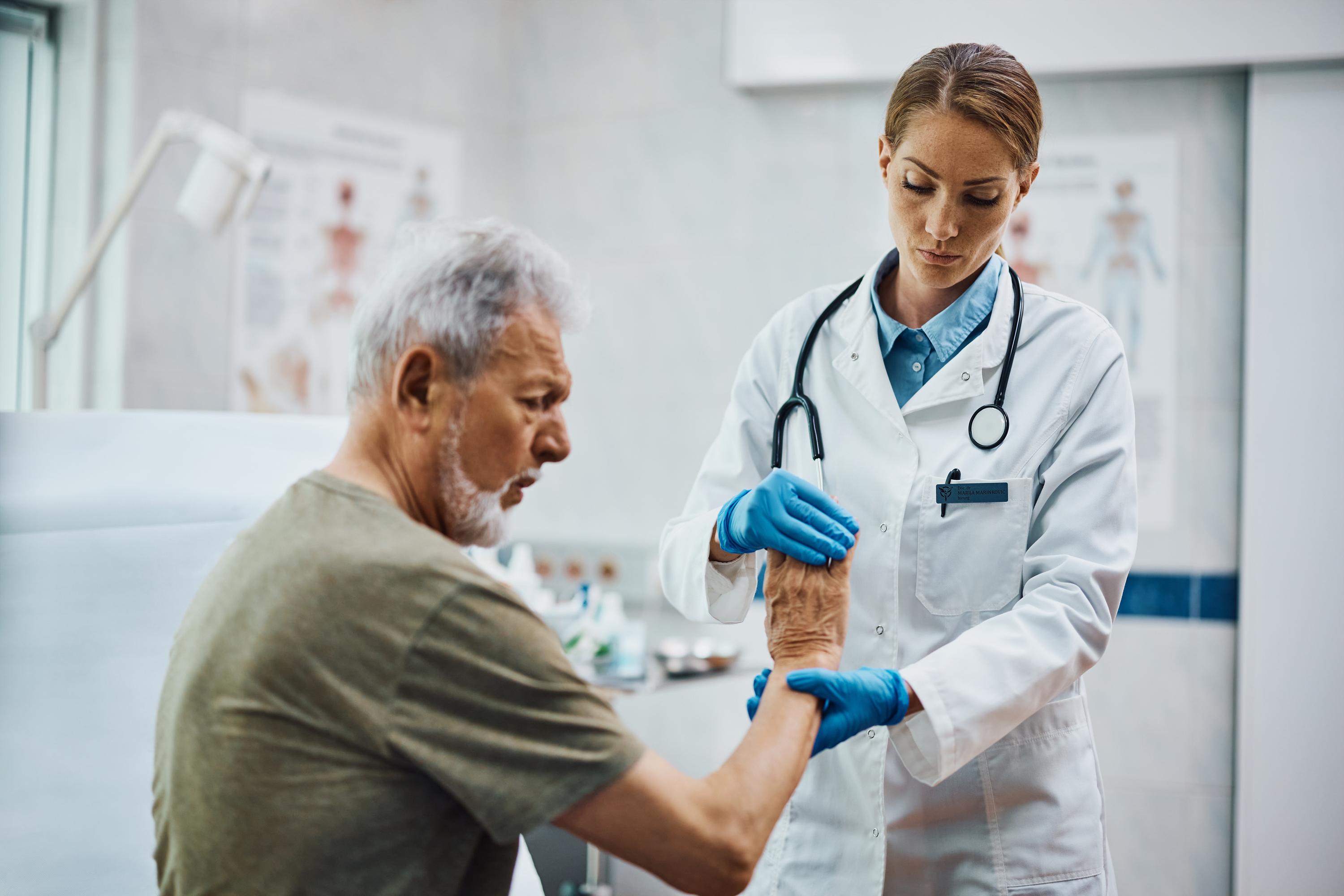
For wounds that persist despite initial efforts, advanced solutions are often necessary. These innovations offer hope where traditional methods fall short.

Role of Fluorescence Imaging with MolecuLight DX

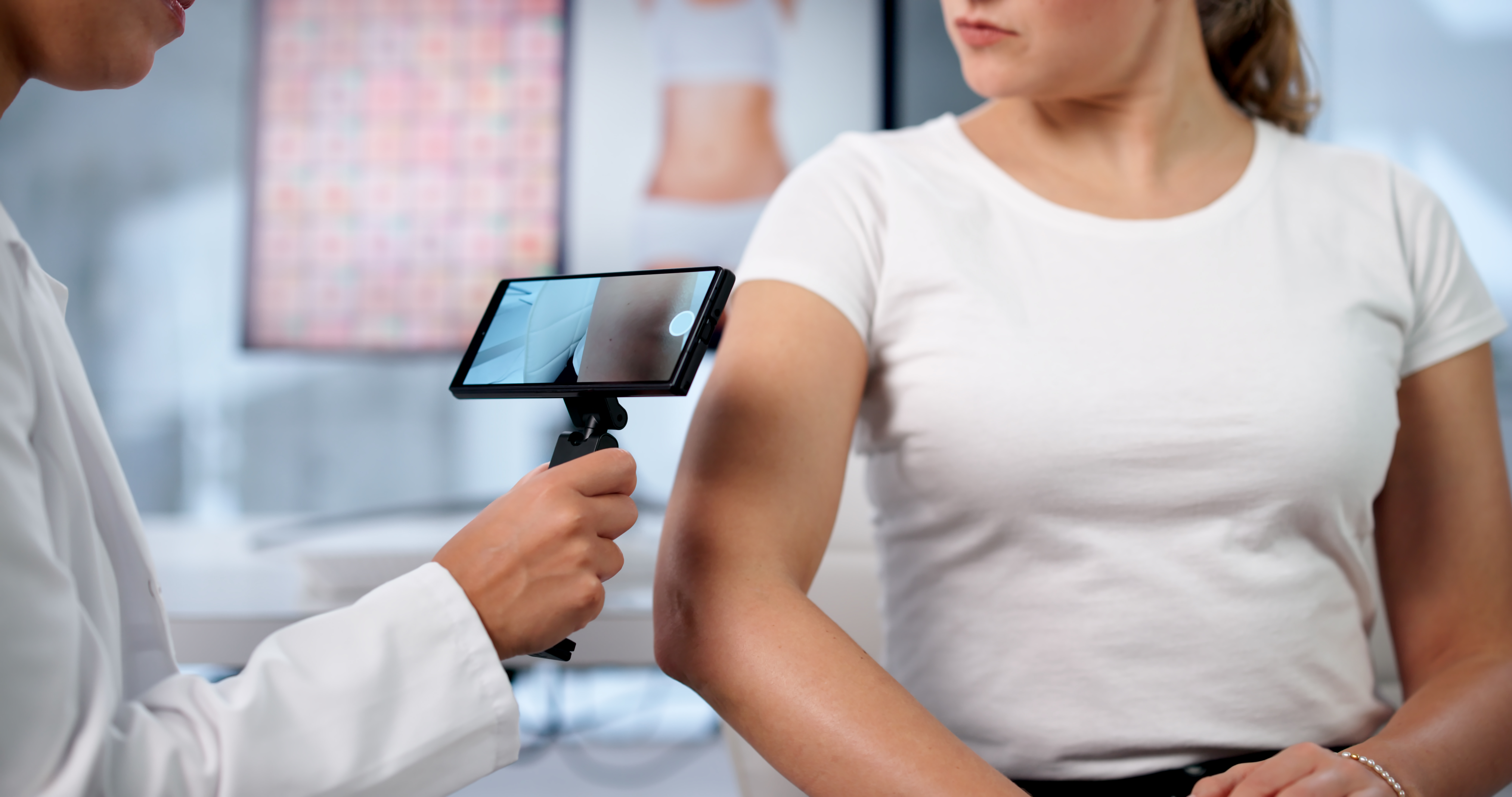
The MolecuLight DX is an innovative tool for wound assessment. It uses fluorescence imaging to detect bacteria presence. This immediate feedback allows you to tailor treatment effectively.

Using this tool, you can guide cleaning and debridement more accurately. By focusing on areas with high bacterial load, you reduce infection risks. This precision can accelerate healing in stubborn wounds.

Benefits of Rapid Pathogen Testing

Detecting wound pathogens quickly is vital. Rapid pathogen testing identifies microbes faster than traditional methods. This speed means you can start the right treatment sooner.

This method allows for targeted antibiotic use, reducing unnecessary drug exposure. Patients benefit from faster recovery times, improving overall care quality.

Utilizing Triple-layer Allografts in Treatment

Triple-layer allografts are another advanced option. These allografts provide a scaffold for new tissue growth. Compliant with FDA regulations, they offer a regulated and safe option for healing.

These allografts are particularly useful in complex cases like pressure injuries. By supporting natural healing processes, they enhance recovery rates and improve patient outcomes.

When to Escalate Wound Care
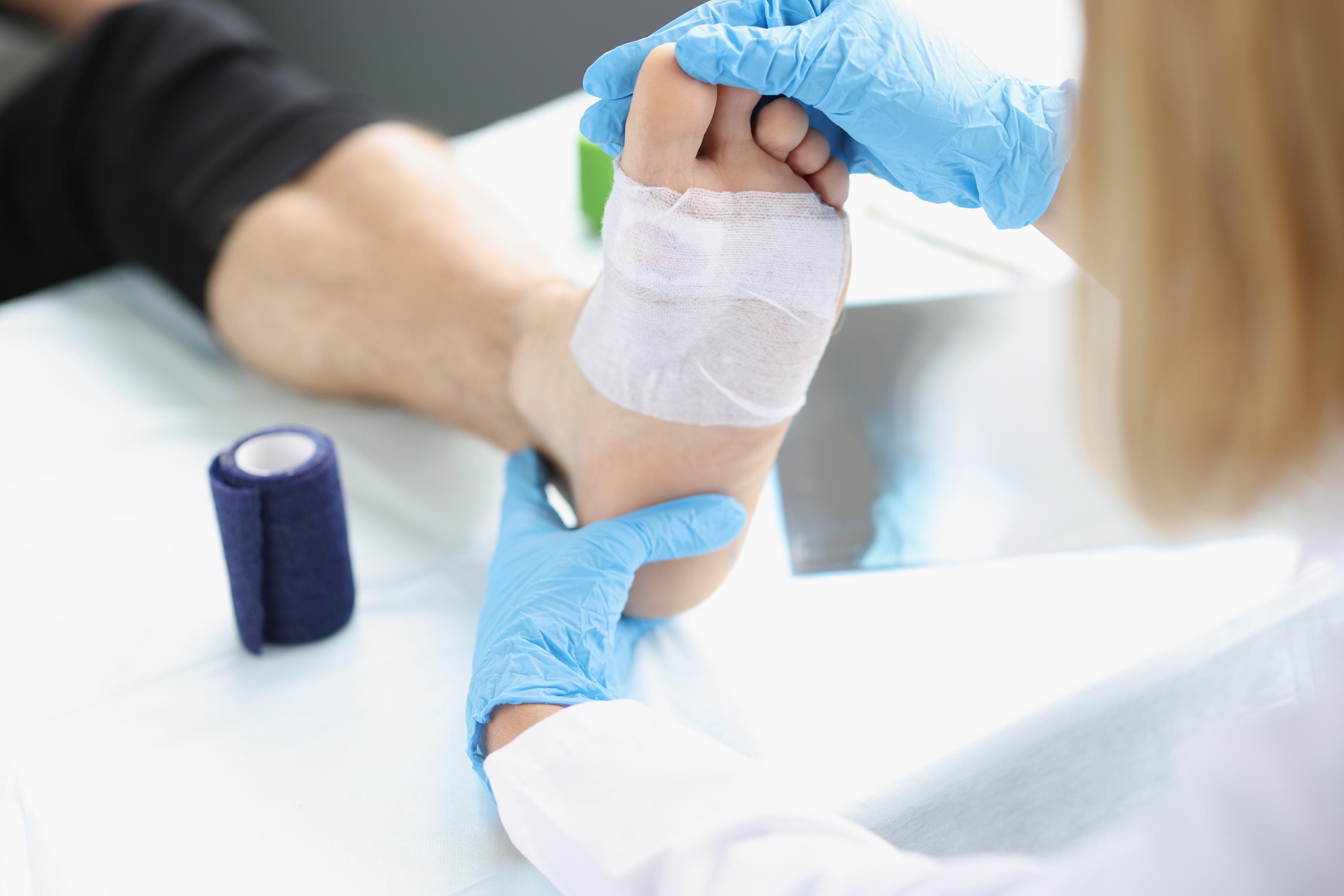
Sometimes, wound healing requires more specialized intervention. Knowing when to escalate care is crucial for patient safety and recovery.

Indicators for Specialty Intervention

Certain signs suggest the need for specialized care. If a wound remains unresponsive after weeks of treatment, it may need advanced intervention. You should also consider escalation if there are signs of severe infection or underlying conditions like arterial disease.

Timely escalation can prevent complications. By partnering with specialists, you ensure the patient receives comprehensive care tailored to their needs.

Importance of Comprehensive Osteomyelitis Workup

In cases where bone infection is suspected, a thorough osteomyelitis workup is essential. This involves imaging and lab tests to confirm diagnosis. Early detection allows for prompt treatment, preventing further complications.

A comprehensive approach helps in managing complex cases. By addressing bone infection early, you can improve patient outcomes and reduce lengthy recovery times.

Enhancing Patient Outcomes with Wound Debridement

Wound debridement is a critical part of advanced care. By removing dead tissue, you create an optimal environment for healing. This procedure reduces infection risks and supports new tissue growth.

Incorporating regular debridement into treatment plans can significantly enhance recovery. Patients experience quicker healing and reduced discomfort, leading to improved satisfaction and outcomes.

In conclusion, understanding when and how to escalate care is key in managing stalled wounds. By leveraging advanced technologies and methods, you can ensure effective healing and patient satisfaction.

See real success stories—schedule your consultation today.
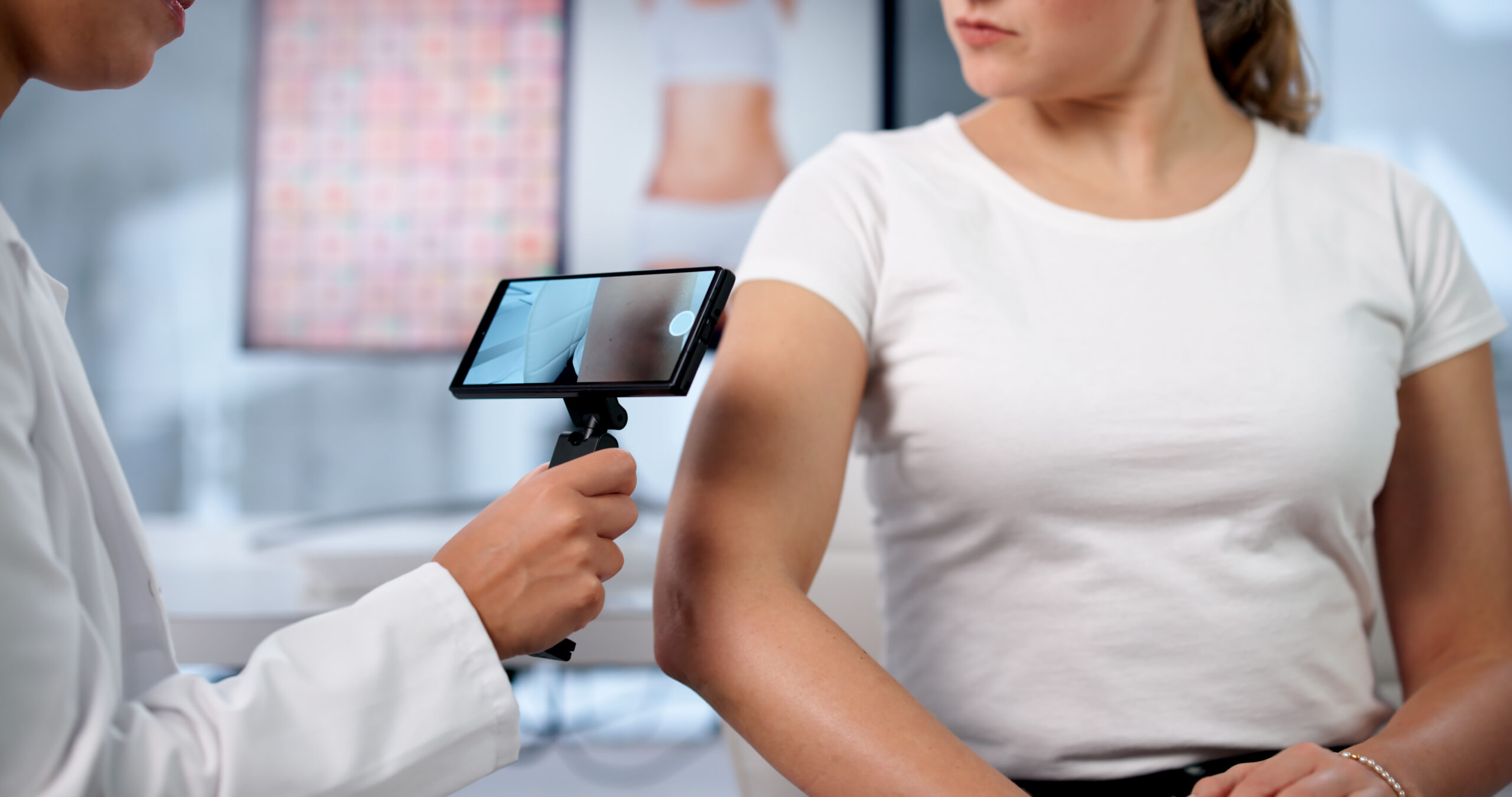
Seeing What Swabs Miss: How MolecuLight DX Elevates Wound Assessment Precision

Specialty Wound Care | April 25th, 2026


Seeing What Swabs Miss: How MolecuLight DX Elevates Wound Assessment Precision

Traditional swab tests often miss crucial bacterial details hidden deep within wounds. If you rely solely on those methods, you may overlook infection risks that slow healing. MolecuLight DX’s fluorescence imaging reveals bacterial fluorescence in real time, guiding precise wound assessment and treatment decisions. Keep reading to learn how this technology sharpens wound measurement and supports better outcomes for your patients.

Enhancing Wound Assessment Precision

Achieving accuracy in wound assessment is vital for effective healthcare. With innovative tools like MolecuLight DX, healthcare professionals can now reach precision levels previously thought unattainable.

The Role of MolecuLight DX

Imagine seeing beneath the surface of a wound without invasive procedures. MolecuLight DX provides that insight by using fluorescence imaging to reveal bacterial presence. This portable device helps you quickly identify problematic areas, ensuring you make informed decisions about patient care. Swab tests alone may miss harmful bacteria, delaying healing. With MolecuLight DX, you can detect these issues early, reducing the chances of complications. The tool’s real-time data allows for immediate responses, ensuring the right treatment path is followed. This approach not only optimizes patient care but also enhances your confidence in treatment decisions.

Fluorescence Imaging in Wound Care

Fluorescence imaging shines a light on hidden bacterial threats. By illuminating bacteria, this technique guides you in assessing wounds more thoroughly. Traditional methods might overlook biofilms, leading to prolonged recovery times. With fluorescence imaging, you pinpoint exact bacterial locations, allowing for targeted treatment. This method stands out in advanced wound care by providing visual evidence of infection, facilitating precise therapeutic actions. The images captured can be shared across your care team, ensuring everyone is on the same page regarding patient needs. As a result, care is more coordinated and effective.

Benefits of Accurate Wound Measurement

Precise wound measurement is more than just numbers; it’s about optimizing patient outcomes. MolecuLight DX offers a detailed view, enabling you to measure wounds accurately every time. This precision is crucial for tracking healing progress and adjusting treatments as needed. Inconsistent measurements can lead to inappropriate treatments, delaying recovery. By using this technology, you ensure that each assessment contributes to a comprehensive understanding of the wound’s status. This approach enhances treatment plans, promoting faster healing and reducing complications. Accurate data empowers you to make confident, informed decisions that benefit your patients.

Advanced Techniques in Infection Detection

Modern wound care requires advanced approaches to detect infections. MolecuLight DX offers groundbreaking techniques that elevate your practice’s ability to identify and address bacterial presence.

Bacterial Fluorescence and Bioburden Visualization

Understanding the bacterial load in wounds is crucial for effective care. MolecuLight DX enables you to visualize bacterial fluorescence, offering a clear picture of bioburden levels. This tool helps detect areas with high bacterial concentration, which can guide your treatment approach. Traditional methods may miss scattered bacteria, but this technology reveals them in vivid detail. By seeing what’s often invisible, you can address potential issues before they escalate. Sharing these visual insights with your team ensures everyone is aligned in the treatment approach, fostering a collaborative care environment.

Debridement Guidance and Therapy Selection

Choosing the right treatment depends on accurate information. MolecuLight DX aids in directing debridement efforts by highlighting areas needing attention. This guidance ensures that your interventions are as effective as possible. By targeting specific zones, you avoid unnecessary tissue removal, preserving healthy areas. Precision in debridement means that you can tailor therapy selection more accurately, enhancing patient outcomes. This approach minimizes risks, accelerates recovery, and ensures that each step taken is in the best interest of your patient.

Supporting Antibiotic Stewardship

Antibiotic stewardship is essential in today’s healthcare landscape. MolecuLight DX supports this by providing accurate bacterial insights. By identifying bacterial presence precisely, you can make informed decisions about antibiotic use. This reduces unnecessary prescriptions, combating antibiotic resistance. With this technology, you ensure that antibiotics are used only when truly needed, preserving their effectiveness. Your patients benefit from targeted treatments, reducing exposure to broad-spectrum antibiotics. This approach aligns with best practices in healthcare, promoting responsible use of medications.

Streamlining Wound Care Management

Efficient wound care management is key to patient satisfaction and recovery. MolecuLight DX streamlines various aspects of care, enhancing workflow and documentation processes.

Improving Wound Documentation

Accurate documentation is crucial for continuity of care. MolecuLight DX supports this by capturing detailed wound images, which you can easily integrate into patient records. These images provide a visual timeline of healing, making it easier to track progress. This tool simplifies documentation, ensuring that records are comprehensive and up-to-date. With clear visual evidence, you enhance communication with your team and patients, facilitating a shared understanding of treatment plans. Improved documentation leads to better patient outcomes and streamlined care processes.

Enhancing Wound Clinic Workflow

Clinic efficiency directly impacts patient experiences. MolecuLight DX enhances your workflow by enabling quick, precise assessments. This technology minimizes the time needed for wound evaluations, allowing you to focus on patient care. Faster assessments mean you can see more patients without compromising quality. By reducing bottlenecks in your clinic, you enhance the overall patient experience, fostering satisfaction and trust. Your clinic becomes a model of efficiency, leading to increased patient loyalty and improved outcomes.

Clinical Decision Support with MolecuLight DX

Making informed decisions is the cornerstone of effective care. MolecuLight DX provides the support you need for confident clinical decisions. With real-time bacterial visualization, you have the data necessary for precise treatment choices. This tool complements your expertise, offering insights that enhance your decision-making process. By incorporating this technology into your practice, you ensure that every decision is backed by solid evidence. This leads to improved patient outcomes, reduced complications, and a reputation for excellence in wound care.

Incorporating MolecuLight DX into your practice offers numerous benefits, from enhancing wound assessment precision to streamlining management. By leveraging this technology, you position yourself at the forefront of advanced wound care, ensuring the best possible outcomes for your patients.

Discover how our solutions outperform standard treatments—contact us for a demo.

Beyond Cultures: How Advanced Pathogen Detection Accelerates Wound Healing

Specialty Wound Care | April 18th, 2026


Beyond Cultures: How Advanced Pathogen Detection Accelerates Wound Healing

Traditional wound infection diagnostics can take days, delaying critical treatment decisions. You know that every hour lost increases the risk of complications and graft failure. Advanced pathogen detection changes that timeline by providing rapid, precise results that guide targeted care and improve wound healing outcomes. In this post, you’ll learn how molecular wound testing and tools like MolecuLight DX support faster recovery and smarter antimicrobial stewardship. For more information, visit this article.

The Evolution of Wound Infection Diagnostics

Traditional methods in wound infection diagnostics have long relied on cultures, but advancements have paved the way for more precise solutions. Let’s explore how these innovations are shaping modern wound care.

From Cultures to Molecular Testing

Cultures have been the backbone of infection diagnostics, yet their limitations are clear. They require days to yield results, potentially delaying vital treatments. Enter molecular wound testing. This method, including PCR wound testing, provides results within hours. By identifying pathogens swiftly, you can initiate appropriate therapies sooner. For instance, MolecuLight DX allows for immediate visualization of wound biofilm, taking diagnostics beyond just numbers. It’s a game-changer in how you approach chronic wound management, especially in cases like diabetic foot ulcers.

Benefits of Rapid Wound Diagnostics

Rapid diagnostics offer more than just speed. They lead to better-targeted treatments, reducing unnecessary antibiotic use. Imagine the impact on antimicrobial stewardship: precise pathogen detection means you only use what’s necessary. Patients benefit too. Faster identification of bacterial load aids in quicker recovery and potentially fewer complications. In pressure injury care, this can dramatically alter outcomes. A study found that rapid diagnostics reduced treatment delays by 40%. This efficiency translates into improved care, especially for complex wounds like venous leg ulcers.

Role of Point-of-Care Imaging

Point-of-care imaging plays a crucial role in modern diagnostics. Technologies like fluorescence imaging allow for real-time assessment. With MolecuLight DX, you see bacterial presence directly, which guides targeted debridement. This visual insight ensures that treatments are precise, improving wound healing outcomes. Such tools are indispensable in environments where quick decision-making is vital. They transform how you monitor progress and adjust care plans, ensuring that each step is based on accurate, timely data.

Enhancing Wound Healing Outcomes

Next, we delve into how these diagnostic advancements enhance overall wound healing. The impact is far-reaching, from reducing therapy time to boosting graft success rates.

Reducing Time-to-Therapy

Time is of the essence in wound care. With advanced pathogen detection, therapy initiation is faster. Traditional methods might delay treatment decisions by several days. Now, molecular testing can slash this period to mere hours. In practice, this means patients receive timely interventions, drastically reducing the risk of complications. For healthcare professionals, it’s a relief knowing that each decision is backed by solid data, paving the way for proactive rather than reactive care.

Improving Graft Success Rates

Graft procedures demand precision. Any delay or misstep can lead to failure, something neither patients nor practitioners want. By using advanced diagnostics, you can better prepare for grafting procedures. Identifying the specific pathogens involved allows for tailored antimicrobial strategies, ensuring the wound environment is optimal for graft acceptance. This approach has been shown to increase success rates by up to 30%, a significant improvement that underscores the value of precise diagnostics in surgical settings.

Antimicrobial Stewardship in Wound Care

Antimicrobial stewardship is crucial, especially in today’s healthcare landscape. Rapid wound diagnostics support this by ensuring antibiotics are used appropriately. Instead of broad-spectrum treatments, you can target specific infections, reducing the risk of resistance. This precision helps preserve antibiotic efficacy, a critical component of chronic wound management. By being judicious with treatments, you not only ensure better patient outcomes but also contribute to the broader fight against antimicrobial resistance.

Specialty Wound Care as a Partner

Specialty Wound Care stands as a leader in this diagnostic revolution. Their programs and tools are designed to integrate seamlessly into your practice, enhancing care delivery.

Advanced Pathogen Detection Program Features

Specialty Wound Care offers comprehensive pathogen detection programs. These programs are tailored to meet the needs of modern healthcare facilities. They utilize cutting-edge technology, including the MolecuLight DX for real-time imaging and triple-layer allografts for wound healing. By partnering with Specialty Wound Care, you gain access to tools that streamline diagnostics and treatment planning, ensuring patients receive the highest standard of care efficiently.

Integrating MolecuLight DX in Practice

Integrating MolecuLight DX into your practice is straightforward. This tool offers clear advantages in daily wound assessment. It enhances your ability to visualize and document bacterial load, a crucial aspect of effective wound management. Training is provided to ensure seamless incorporation into your workflow, making it a valuable addition for any facility focused on precision-driven care. It’s not just about technology; it’s about empowering you to deliver better outcomes.

Requesting a Clinical Demo and Consultation

Interested in seeing these innovations in action? Specialty Wound Care offers clinical demos and consultations. This is your opportunity to experience firsthand how advanced diagnostics can transform your practice. By scheduling a demo, you can explore the potential benefits for your patients and streamline your wound care processes. It’s a step towards elevating the standard of care and ensuring you remain at the forefront of wound management excellence.

Discover how our solutions outperform standard treatments—contact us for a demo.

Accelerating Chronic Wound Healing With Triple-Layer Allografts

Specialty Wound Care | March 7th, 2026


Accelerating Chronic Wound Healing With Triple-Layer Allografts

Chronic wounds resist healing despite standard care, costing time and resources you can’t afford to waste. Triple-layer allografts offer a biologic skin substitute designed to support angiogenesis, granulation tissue, and epithelialization in stubborn wounds like diabetic foot ulcers and pressure injuries. This post explains how integrating these allografts within a comprehensive wound care protocol can improve outcomes and streamline your clinical workflow. For more information, you can refer to this study.

Understanding Triple-Layer Allografts

To tackle chronic wounds effectively, understanding the science behind triple-layer allografts is crucial. These advanced solutions play a game-changing role in healing complex wounds and improving patient outcomes.

What is a Triple-Layer Allograft?

A triple-layer allograft is an advanced biologic skin substitute. It comprises three layers meticulously designed to support wound healing processes like angiogenesis, granulation tissue formation, and epithelialization. These layers derive from donated human tissues screened and processed to meet FDA regulations. The benefits of using an allograft include providing a scaffold for cellular growth and promoting faster recovery compared to traditional methods. It creates an environment conducive to healing by mimicking natural tissue functions.

Benefits of Allograft Applications

The application of allografts offers significant benefits: enhanced wound closure, reduced healing time, and lower infection risks. Studies show that wounds treated with allografts heal faster than those without. This improvement is due to the allograft’s ability to support cell migration and tissue regeneration. For patients, it means fewer complications and a quicker return to everyday life. For healthcare providers, it translates to more efficient use of resources and better patient satisfaction.

Indications for Chronic Wound Treatment

Triple-layer allografts are suitable for various chronic wounds, including diabetic foot ulcers, venous leg ulcers, and pressure injuries. These stubborn wounds require a comprehensive approach, and allografts are a critical component of treatment plans. By addressing the unique needs of each wound type, allografts enhance the body’s natural healing processes. Their use is particularly beneficial in cases where standard treatments have failed, offering a new hope for healing and recovery.

Protocols for Effective Wound Management

Integrating allografts into wound management protocols can make a significant impact. Comprehensive and tailored approaches ensure optimal healing and patient outcomes.

Comprehensive Wound Care Protocols

A well-rounded wound care protocol starts with a thorough assessment. This involves identifying wound type, size, and underlying conditions. Tailored plans should incorporate advanced therapies like triple-layer allografts to maximize healing. Each step of care, from cleaning to dressing, should aim to create an ideal environment for recovery. Implementing these protocols can lead to a 30% increase in healing rates, as supported by clinical studies.

Role of Debridement and Moisture Balance

Debridement is a critical step in preparing a wound for healing. Removing dead tissue reduces infection risks and promotes healthy tissue growth. Achieving proper moisture balance is equally vital. Wounds heal better in a moist environment, which prevents tissue drying and speeds up closure. This balance is a cornerstone of effective wound management, ensuring the allograft’s optimal performance.

Infection Control and Fluorescence Imaging

Infection control is paramount in wound care. Techniques like fluorescence imaging provide crucial insights into bacterial presence, guiding targeted treatments. Using tools like the MolecuLight DX, clinicians can visualize biofilms and ensure precise cleaning and treatment. This technology enhances decision-making and helps avoid complications, making it a valuable asset in wound management.

Advantages of Partnering with Specialty Wound Care

Choosing the right partner in wound care can significantly streamline processes and enhance treatment outcomes. Specialty Wound Care offers unique advantages in this area.

Support and Training for Clinicians

Specialty Wound Care provides extensive support and training for clinicians, empowering them with the latest knowledge and skills. This training ensures that healthcare providers are equipped to deliver top-notch care, utilizing cutting-edge technology and techniques. Continuous learning opportunities foster a culture of excellence and innovation in wound management.

Technology and Reimbursement Assistance

Access to state-of-the-art technology is a hallmark of Specialty Wound Care. Tools like the MolecuLight DX enhance wound analysis and treatment precision. Additionally, they offer reimbursement assistance, ensuring that clinicians can focus on patient care without financial hurdles. This support simplifies processes and improves the overall efficiency of wound care practices.

Scheduling and Consultation Opportunities

Specialty Wound Care offers flexible scheduling and consultation opportunities to meet the diverse needs of healthcare providers. By collaborating closely with your team, they ensure seamless integration of services and treatments. This partnership approach fosters a supportive environment for achieving exceptional patient outcomes, making Specialty Wound Care a valuable ally in advanced wound management.

Register now for expert wound care insights and partnership benefits.

Facebook
Instagram
LinkedIn
SOCIALICON
Youtube
X (Twitter)
Bluesky