Collaborative Wound Care Models That Elevate Outcomes
Collaborative wound care is reshaping how complex wounds heal by bringing teams together with clear goals. You know managing chronic wounds demands more than one expert—it requires a coordinated approach using proven protocols and advanced tools. This post explains how Specialty Wound Care’s integrated care pathways and cutting-edge technology can reduce complications and improve outcomes for your patients.
Understanding Collaborative Wound Care

Teamwork is critical in managing wounds effectively. This approach encourages a combined effort from various experts, each playing a key role in the healing process.
Importance of Team-Based Models
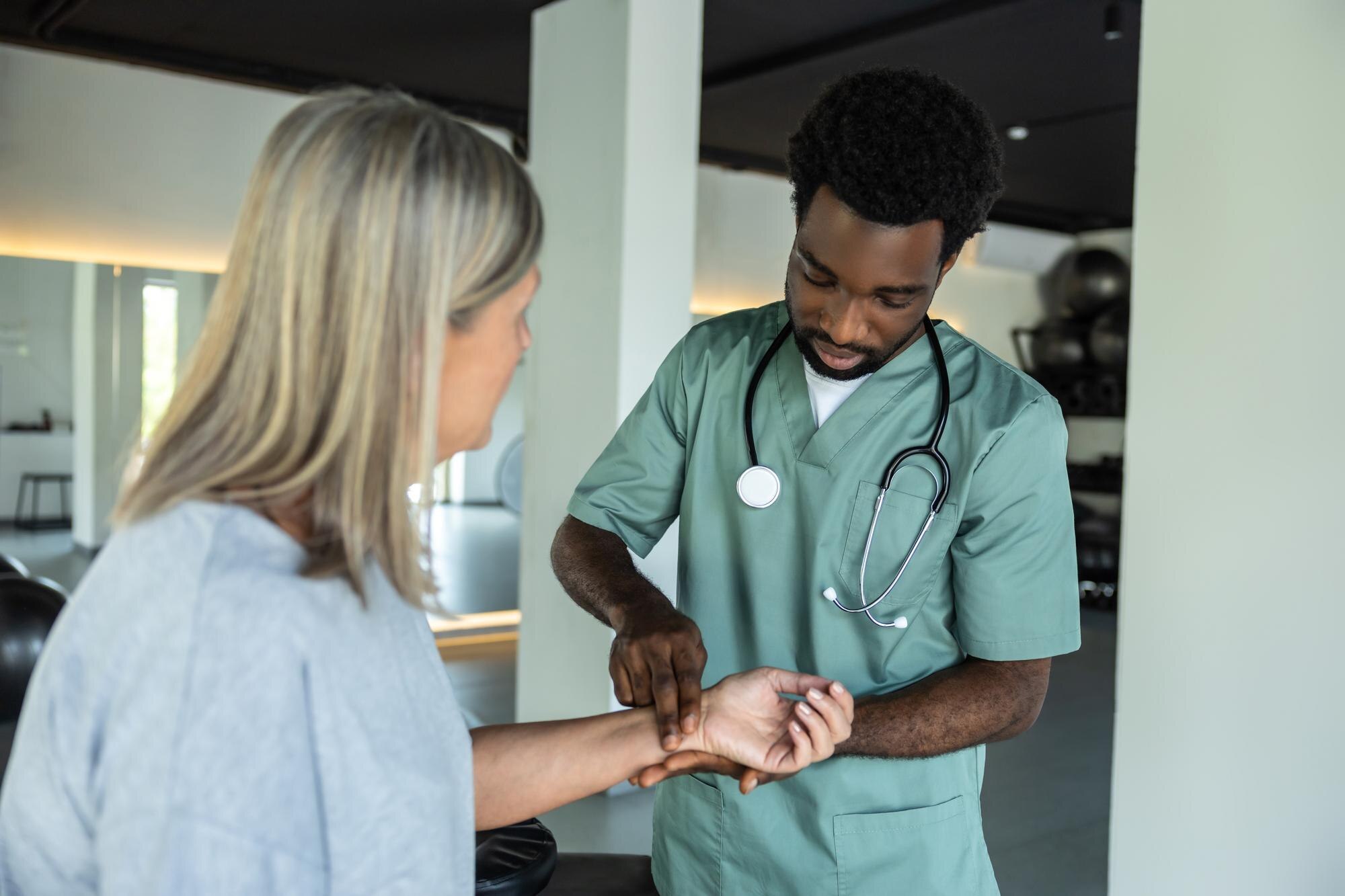
Imagine a team of specialists coordinating every step of a wound’s healing process. This method brings together doctors, nurses, and other care providers to focus on patient needs. By working together, they ensure that every aspect of wound care is covered. This teamwork helps patients heal faster and reduces the chances of complications. It’s like having a personal health team, all aiming for the best result.
Interdisciplinary Wound Team Dynamics
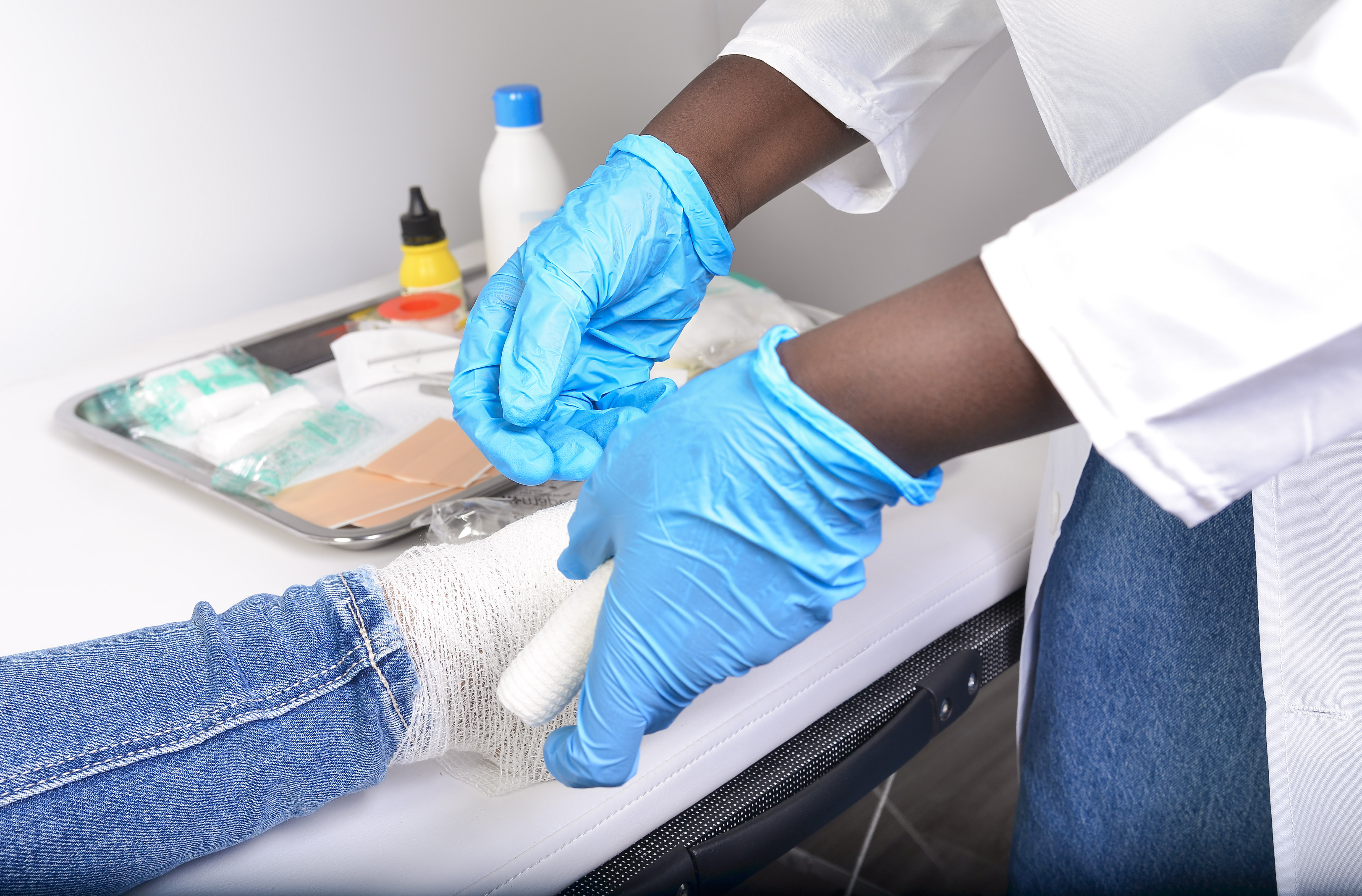
In these teams, each member contributes unique skills and knowledge. Doctors provide diagnoses, nurses manage day-to-day care, and specialists offer targeted treatments. This group dynamic allows for sharing insights and strategies, making the care process smoother. Think about how many eyes are better than one: it’s the same principle. This collaboration makes sure that no detail is overlooked, improving outcomes for patients.
Advancing Technology in Wound Care
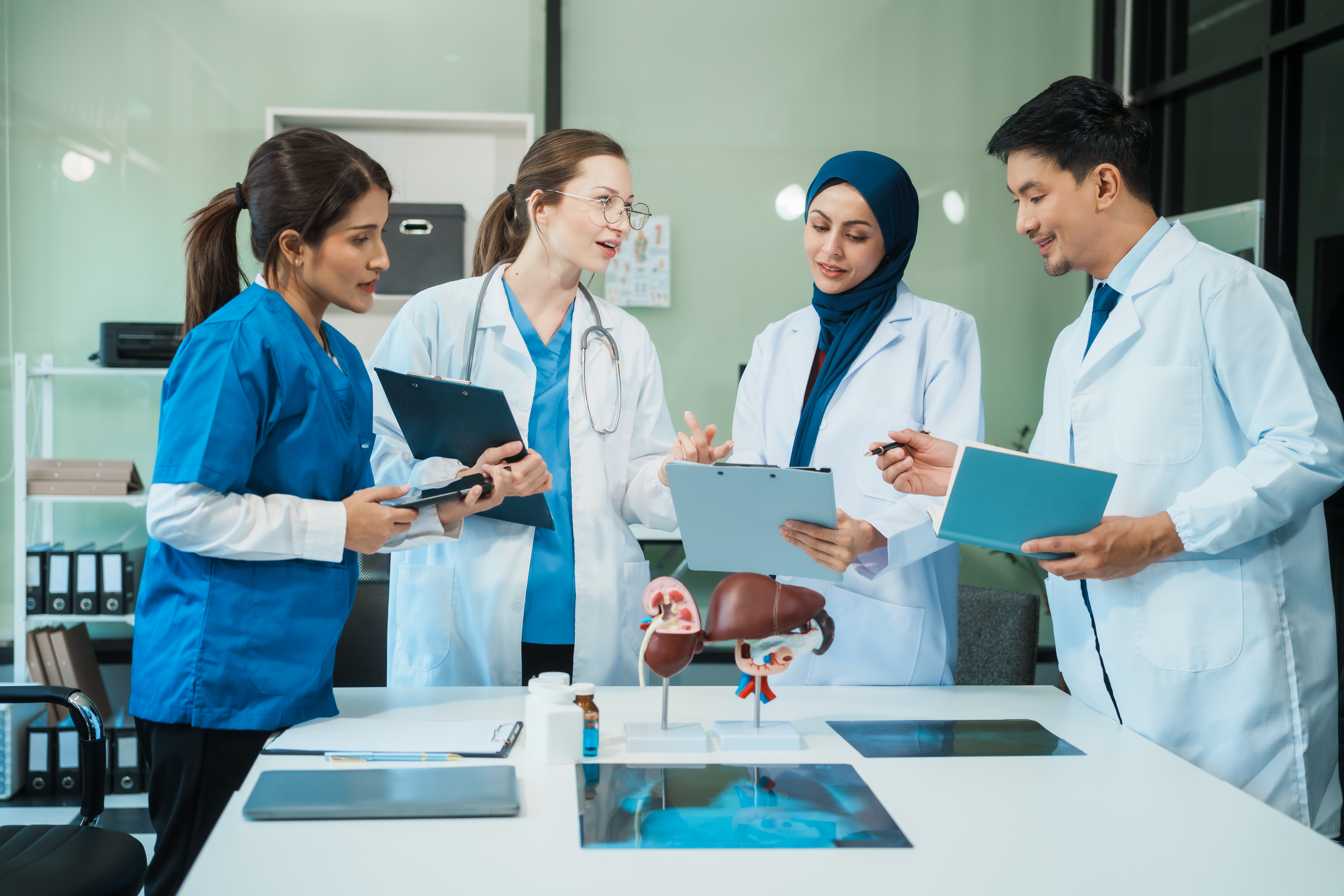
Technology plays a crucial role in enhancing wound care. It brings precision and speed to diagnosing and treating wounds, making a significant difference in patient recovery.
MolecuLight DX Fluorescence Imaging
Using the MolecuLight DX, clinicians can see bacteria in wounds without waiting for lab results. This tool shines a special light on the wound, showing exactly where bacteria are hiding. Knowing this helps healthcare professionals target their cleaning and treatment efforts more accurately. Studies show that using this technology speeds up healing by allowing prompt and effective interventions. This means less guessing and more precision in treatment.
Rapid Pathogen Testing and Biofilm Detection
Imagine identifying the exact bacteria in a wound within hours, not days. Rapid pathogen testing makes this possible. It quickly reveals what bacteria are present, allowing for immediate treatment adjustments. Biofilms, which are protective layers bacteria form, can also be detected early with these tests. By breaking through these biofilms, treatments become more effective, attacking the root of the infection. This rapid response is key to preventing further complications and ensuring faster healing.
Evidence-Based Protocols and Outcomes
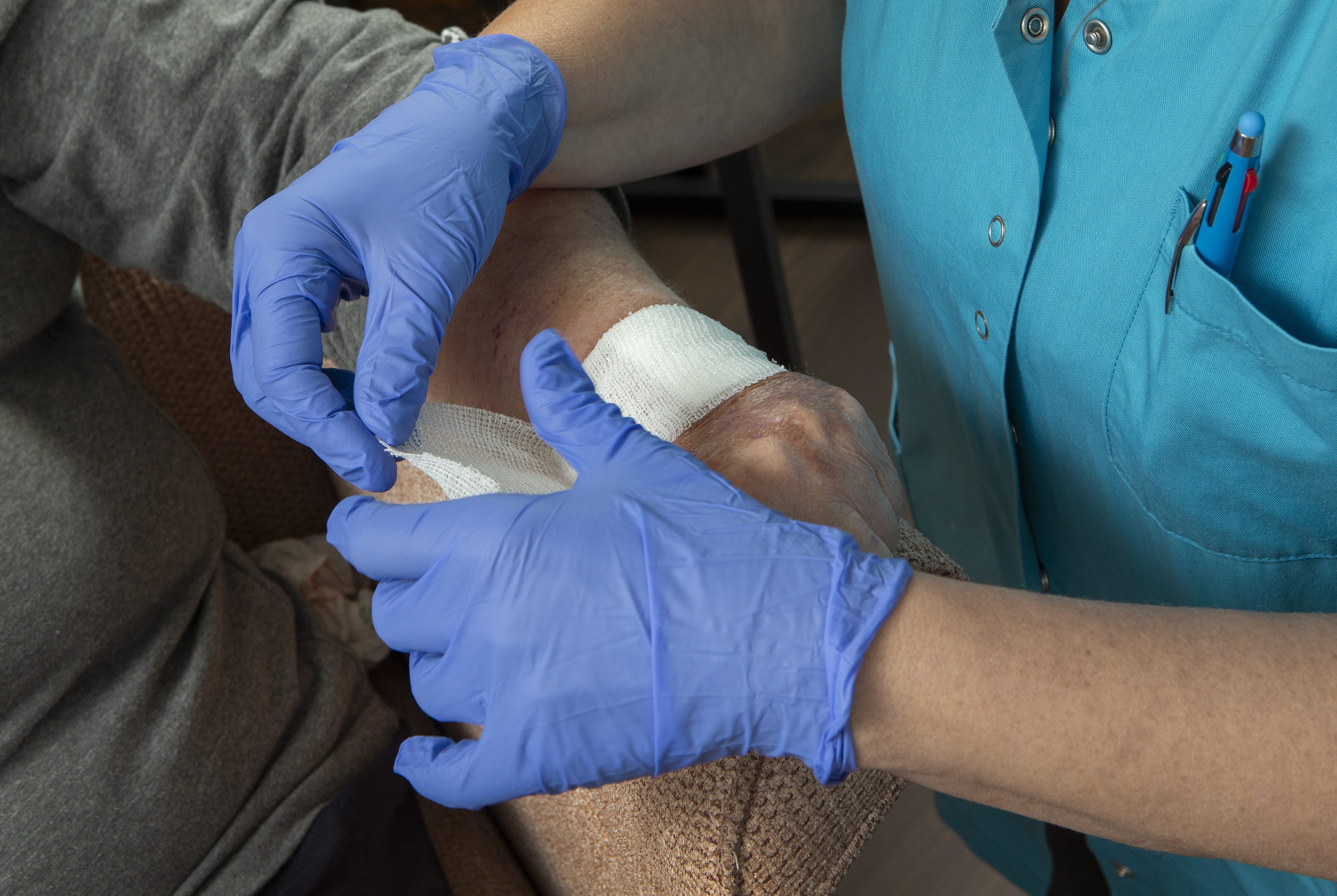
Using proven protocols ensures consistency in care and leads to better results. Evidence-based practices are the backbone of effective wound management.
Allograft for Wounds: Triple-Layer Approach
The triple-layer allograft offers a unique solution for wound healing. It acts as a scaffold, supporting the body’s natural repair processes. Each layer in the allograft serves a specific purpose, from protecting the wound to promoting new tissue growth. This method speeds up healing and reduces infection risks, providing a reliable treatment option. It’s an example of how using advanced materials can make a real difference in patient outcomes.
Chronic Wound Management and Integrated Care Pathways
Managing chronic wounds requires a well-structured plan. Integrated care pathways provide a step-by-step approach to treatment, ensuring no aspect of care is missed. These pathways combine the latest research with practical strategies to guide clinicians. By following these protocols, healthcare providers can reduce the chance of wound deterioration and improve healing times. It’s about using the best tools and information available to give patients the best chance at recovery.
In summary, collaborative approaches, advanced technology, and evidence-based protocols are transforming wound care. By embracing these strategies, healthcare providers can see significant improvements in patient outcomes, making treatment more effective and efficient.
Discover how our solutions outperform standard treatments—contact us for a demo.