Triple-Layer Allografts: How Multi-Layer Design Enhances Wound Healing
Triple-Layer Allografts: How Multi-Layer Design Enhances Wound Healing
Triple-layer allografts offer a new approach to chronic wound healing that many clinicians find promising. Their unique three-layer design supports moisture balance, encourages granulation tissue formation, and improves graft integration over challenging wound beds. In this post, you’ll learn how Specialty Wound Care’s FDA-compliant biologic skin substitute fits into advanced wound care strategies for diabetic foot ulcers, venous leg ulcers, and pressure injuries. For more information, visit this link.
Understanding Triple-Layer Allografts

Triple-layer allografts are redefining how wounds are healed. These allografts bring a unique design that promises better outcomes for patients. By looking at how these layers work, you can see their true potential.
Structure and Function of Layers
Each layer in a triple-layer allograft has a critical role. The top layer handles moisture balance, ensuring the wound is neither too dry nor too wet. The middle layer focuses on granulation tissue formation, which is crucial for new tissue to grow. The bottom layer aids in graft integration, allowing the allograft to blend seamlessly with the wound bed. This structure not only supports healing but also minimizes the risk of complications. You can explore the science behind these layers here.
Benefits in Chronic Wound Healing
The advantage of using triple-layer allografts in chronic wound healing is clear. They provide a conducive environment for wounds to heal faster. Patients with hard-to-heal wounds often find relief as these allografts help in re-epithelialization. By promoting a balanced healing environment, they lower infection risks and support better patient outcomes. For a deeper dive into their efficacy in chronic wounds, check out this study.
Compatibility with Adjunct Therapies
Triple-layer allografts work well with other treatments. They are often used alongside negative pressure wound therapy and are compatible with biofilm control techniques. This flexibility makes them a versatile choice for many medical professionals. Their integration with multiple therapies enhances overall treatment efficacy, paving the way for faster recovery. Discover more about adjunct therapy compatibility here.
Clinical Advantages for Providers

Understanding the clinical benefits of triple-layer allografts can elevate patient care. These allografts offer targeted solutions for various types of ulcers and injuries, making them invaluable in clinical settings.
Enhancing Diabetic Foot Ulcer Treatment
Diabetic foot ulcers pose a significant challenge, but these allografts make a difference. They help control moisture and promote tissue growth, which is critical in these ulcers. Many patients experience improved healing times and reduced infection rates. This is particularly important for diabetic patients who need precise care. By incorporating these allografts, you can enhance treatment outcomes and offer patients a more reliable solution.
Managing Venous Leg Ulcers Effectively
For venous leg ulcers, triple-layer allografts provide much-needed support. They assist in wound bed preparation, ensuring the wound is ready for healing. This preparation makes it easier for new, healthy tissue to form. Patients often find that their ulcers heal more consistently when these allografts are part of their treatment plan. By focusing on the unique needs of venous leg ulcers, you can ensure better recovery pathways.
Pressure Injury Care Innovations
Pressure injuries require specialized care, and that’s where these allografts shine. They balance moisture while supporting tissue regeneration. Patients with these injuries benefit from a more stable healing environment, reducing complications and discomfort. The allografts’ ability to adapt to various wound conditions makes them an excellent choice for pressure injuries. This innovation in care can significantly improve patient experiences and outcomes.
Implementing Advanced Wound Care Solutions
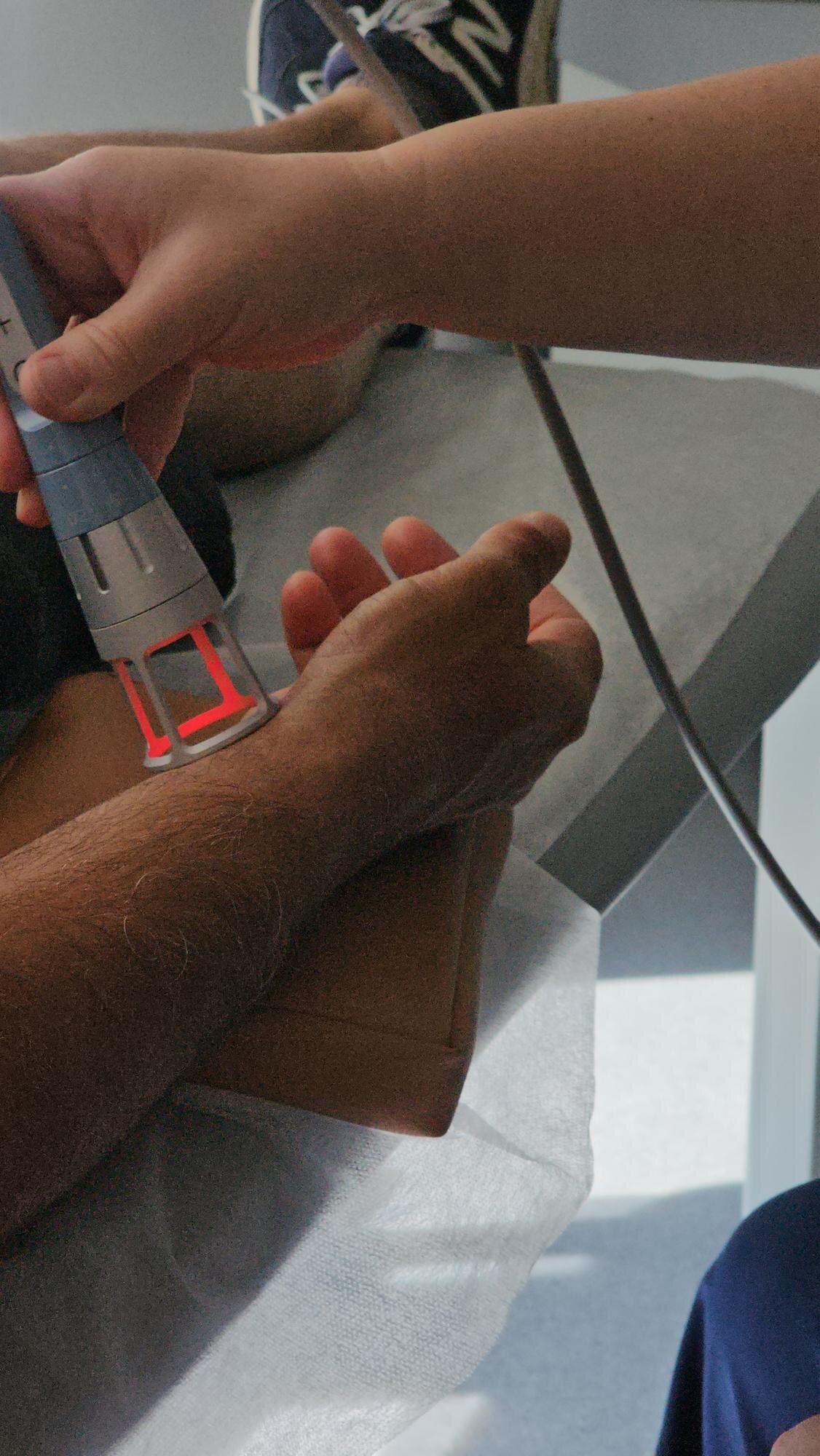
To make the most of triple-layer allografts, it’s essential to educate and partner with healthcare providers. This ensures everyone is on the same page, leading to better patient outcomes.
Educating Clinicians and Decision Makers
Education is key to implementing these allografts effectively. Clinicians need to understand their benefits and how they fit into existing treatments. By providing thorough training and resources, you empower medical professionals to make informed decisions. This knowledge helps integrate allografts into treatment plans efficiently, improving care for patients across various settings.
Building Strategic Wound Care Partnerships
Partnerships are crucial in the healthcare field. By collaborating with other providers, you can ensure comprehensive wound care. These partnerships allow for shared knowledge and resources, enhancing overall patient outcomes. Working together, you can provide superior care and tackle even the most challenging wounds.
Requesting Consultations and Evaluation Kits
To fully appreciate the benefits of triple-layer allografts, consider requesting consultations and evaluation kits. These resources offer direct insights into how allografts can be implemented in practice. By exploring real-world applications, you gain a better understanding of their impact. It’s a step towards enhancing your wound care offerings and providing patients with cutting-edge solutions.
Explore our advanced technology solutions for wound care today.