Understanding Your Recovery Journey
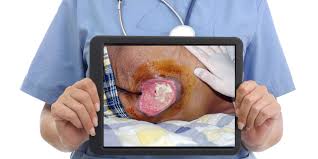
Recovering from a wound, whether surgical, traumatic, or chronic, is a journey that involves several stages, each crucial to achieving successful healing. Understanding the wound care recovery process is essential for patients, caregivers, and healthcare professionals alike. By comprehending the phases of the wound healing process and effective wound management strategies, one can better support the body’s natural healing mechanisms and optimize recovery outcomes.
The Wound Healing Process: An Overview
The wound healing process is complex and involves a series of orderly events that occur in phases. Each phase is characterized by certain cellular and biochemical activities that are pivotal for tissue repair. The primary stages of wound healing include hemostasis, inflammation, proliferation, and remodeling.
Hemostasis: The Initial Response
Immediately following an injury, the body initiates the hemostasis phase to stop bleeding. Blood vessels constrict, and platelets aggregate to form a clot, providing a temporary barrier against pathogens and further blood loss. This phase is vital as it sets the stage for subsequent healing activities.
Inflammation: Cleaning the Wound
Once bleeding is controlled, the body enters the inflammation phase. This stage is marked by redness, heat, swelling, and pain, often seen as the classic signs of inflammation. During this phase, white blood cells, particularly neutrophils and macrophages, migrate to the wound site to eliminate debris and bacteria. This process cleans the wound and prevents infection, laying the groundwork for tissue repair.
Proliferation: Building New Tissue
The proliferation phase is where the body begins to rebuild the damaged tissue. This stage involves the formation of granulation tissue, characterized by new connective tissue and tiny blood vessels. Fibroblasts play a critical role during this phase by synthesizing collagen, a protein that provides strength and structure to the new tissue. Epithelial cells then migrate across the wound bed, covering the new tissue and restoring the skin barrier.
Remodeling: Strengthening the Repair
The final phase of the wound healing process is remodeling, which can last for several months to years. During this stage, collagen fibers are reorganized and realigned along tension lines, increasing the tensile strength of the repaired tissue. While the wound may never regain the full strength of uninjured skin, remodeling ensures that it is strong enough to withstand normal daily activities.
Factors Influencing Wound Healing
Several factors can influence the rate and success of wound healing. Understanding these can assist in effective wound management and improve recovery outcomes.
Systemic Factors
Systemic factors refer to overall health conditions that can affect healing. These include:
- Age: Older individuals may experience slower healing due to reduced cellular activity and circulation.
- Nutritional Status: Adequate nutrition, particularly protein, vitamins, and minerals, is essential for tissue repair and regeneration.
- Chronic Conditions: Diseases such as diabetes, vascular disorders, and immune deficiencies can impair healing processes.
- Lifestyle Factors: Smoking, alcohol consumption, and stress can negatively impact the body’s ability to heal.
Local Factors
Local factors pertain to the specific characteristics of the wound itself, including:
- Wound Size and Depth: Larger and deeper wounds typically require more time to heal.
- Wound Location: Areas with poor blood supply or those subject to constant movement may heal more slowly.
- Infection: Bacterial contamination can delay healing and lead to complications.
- Foreign Bodies: Debris or necrotic tissue within the wound can impede the healing process.
Wound Management: Strategies for Optimal Healing
Effective wound management is crucial for optimizing healing outcomes. This involves selecting appropriate treatments and interventions based on the type, severity, and location of the wound.
Wound Assessment
The first step in wound management is a thorough assessment. This includes evaluating the wound’s size, depth, appearance, and exudate (fluid produced by the wound). Understanding these characteristics helps in determining the most suitable treatment plan.
Cleaning and Debridement
Keeping the wound clean is essential to prevent infection and promote healing. Debridement, the removal of dead or infected tissue, may be necessary to facilitate the healing process. This can be achieved through various methods, including surgical, enzymatic, or autolytic debridement.
Dressing Selection
Choosing the right dressing is a critical aspect of wound care recovery. Dressings protect the wound, maintain a moist environment, and absorb excess exudate. The choice of dressing depends on the wound’s characteristics and may include options such as hydrocolloids, alginates, foams, or gauze.
Moisture Balance
A key principle in wound management is maintaining an optimal moisture balance. A moist wound environment facilitates cell migration and tissue repair while preventing the wound from becoming too dry or macerated.
Infection Control
Preventing and managing infection is a priority in wound care. This may involve the use of topical antimicrobial agents, systemic antibiotics, or specialized dressings with antimicrobial properties. Regular monitoring for signs of infection is crucial for timely intervention.
Patient Education and Involvement
Educating patients about their wound and involving them in their care is vital for successful recovery. Patients should be informed about the importance of proper wound care, adherence to treatment plans, and lifestyle modifications that can enhance healing.
Advanced Therapies in Wound Care
In some cases, advanced therapies may be necessary to promote healing, particularly for chronic or non-healing wounds. These therapies can include:
- Negative Pressure Wound Therapy (NPWT): A technique that uses a vacuum dressing to promote healing by removing exudate and increasing blood flow to the wound.
- Hyperbaric Oxygen Therapy (HBOT): Involves breathing pure oxygen in a pressurized room, enhancing oxygen delivery to tissues and accelerating healing.
- Growth Factors and Skin Substitutes: Application of bioengineered skin or growth factors to stimulate cell growth and tissue repair.
Conclusion
Understanding the intricacies of the wound healing process and implementing effective wound management strategies are crucial for a successful wound care recovery journey. By recognizing the phases of healing, factors influencing recovery, and the available therapeutic options, healthcare professionals and patients can work collaboratively to achieve optimal outcomes. With the right knowledge and approach, the complex process of wound healing can be navigated effectively, leading to improved health and quality of life.