Tag: chronic wound healing

Biomaterial Breakthrough: Transform Tissue Regeneration Now

Primus Healthcare | August 22nd, 2025


🚀 Why Technology Is Transforming Wound Care

The landscape of wound care is undergoing a revolutionary transformation, thanks to cutting-edge technology and innovative solutions. A recent study found that digital health solutions can reduce chronic wound healing time by up to 30%. With this in mind, it’s clear that technology is reshaping how we manage and treat difficult wounds, offering hope and improved outcomes for countless patients.

🧠 Smart Tools That Learn as You Heal

Artificial intelligence is leading the charge in wound care innovations. AI-based wound tracking apps are now providing personalized insights into the healing process. These apps use machine learning models to predict healing patterns and optimize treatment plans. By analyzing vast amounts of clinical data, AI tools offer physicians precise analytics and actionable recommendations. This innovation ensures patients receive care tailored to their unique needs, speeding up recovery and reducing complications.
See the latest innovations in wound care

📸 Visualizing the Invisible: Imaging & Diagnostics

Imaging technologies such as thermal cameras, autofluorescence, and 3D wound scans are revolutionizing diagnostics. These tools can detect infections early and assess tissue viability with remarkable accuracy. Thermal cameras visualize temperature changes that may indicate infection, while autofluorescence highlights bacterial presence. This precision aids clinicians in making informed decisions and tailoring interventions to each patient’s specific condition.
See our infection prevention tips

💉 From Passive to Interactive Dressings

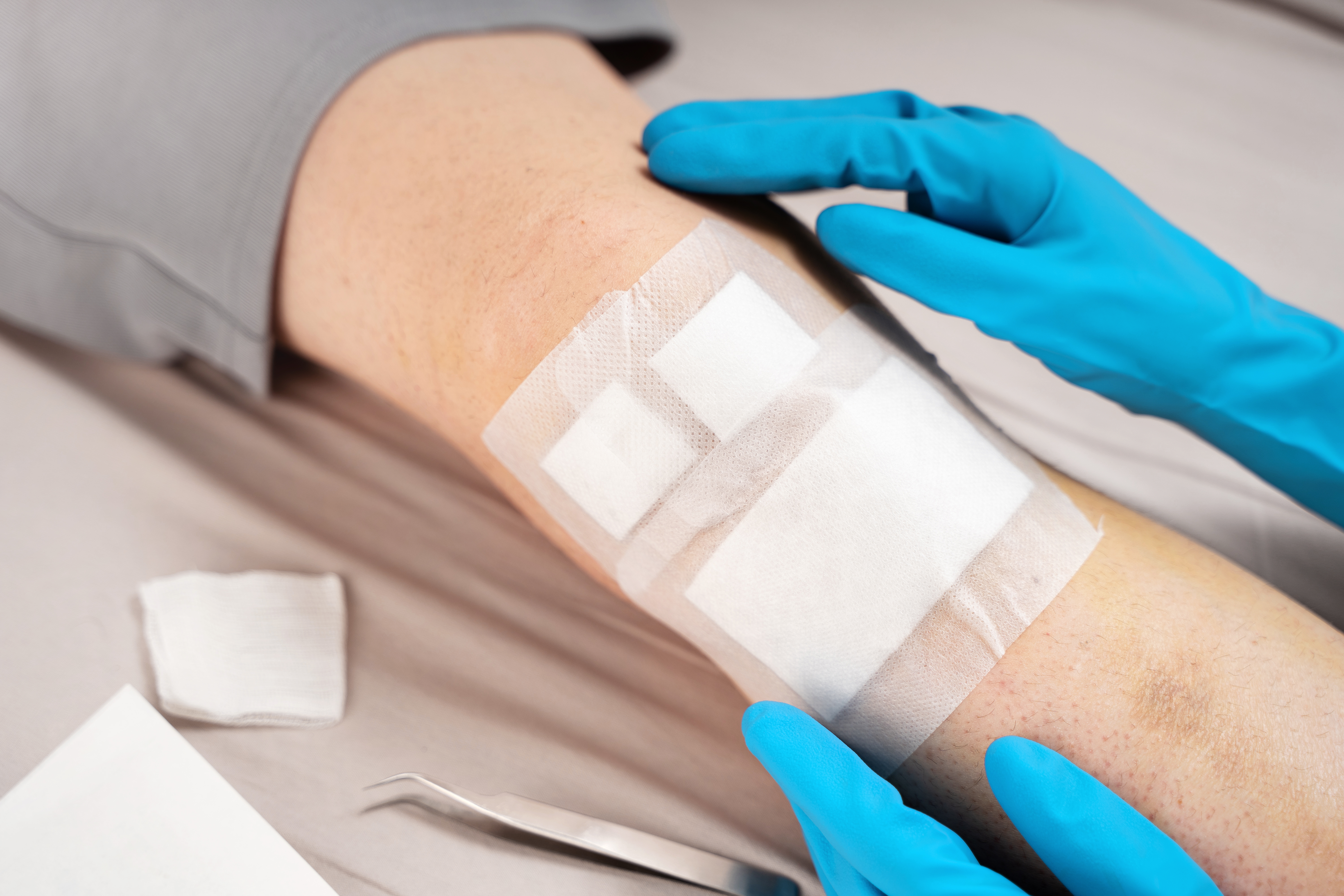
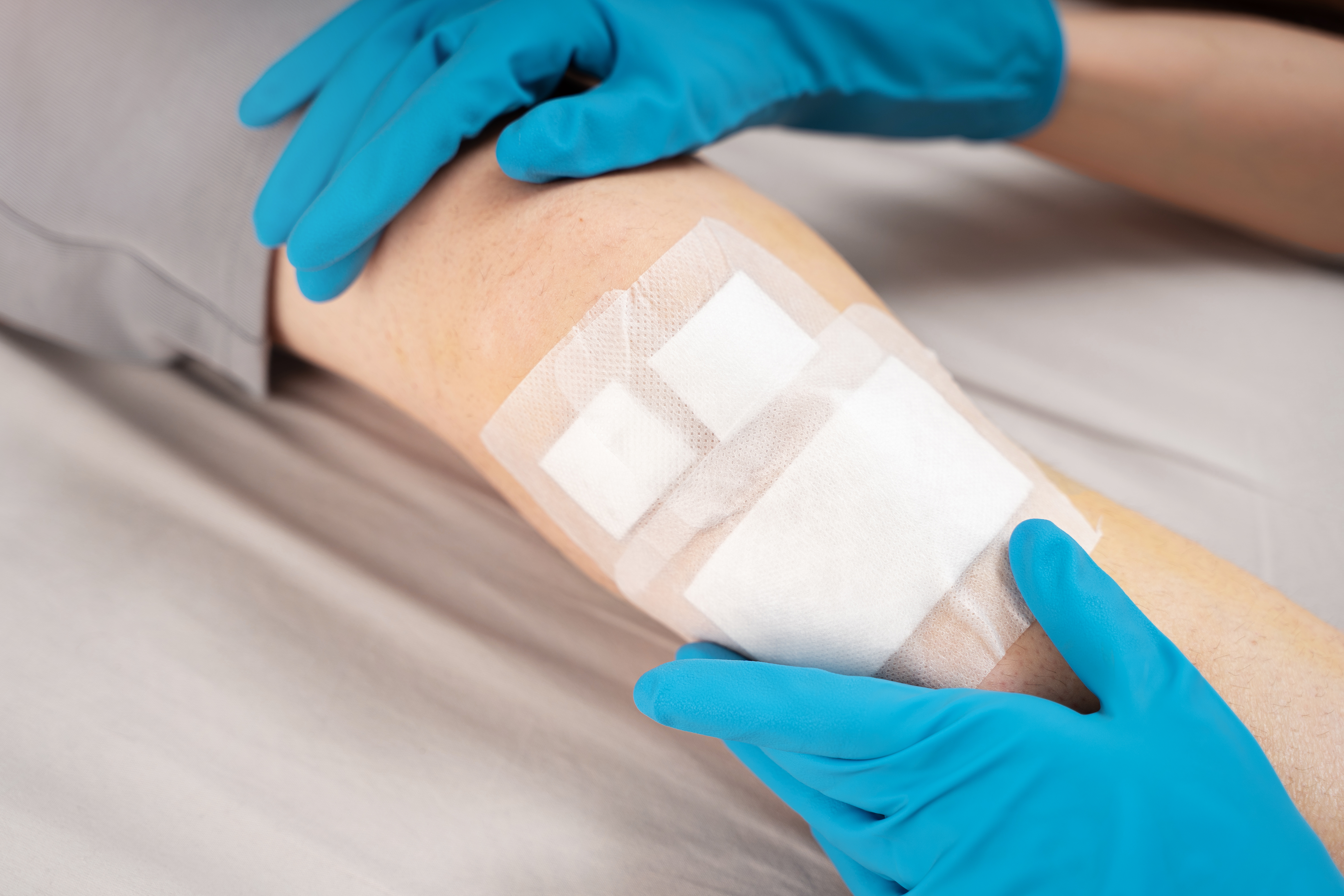
The era of passive wound dressings is waning, making way for interactive solutions. Modern dressings now come embedded with sensors to monitor moisture levels, pH indicators to check acidity, and even temperature controls to optimize healing conditions. Some dressings are equipped with controlled drug release mechanisms, ensuring consistent medication delivery directly to the wound site. These smart dressings are a game-changer, particularly for chronic wounds, enhancing healing efficiency and reducing the need for frequent dressing changes.
Read about advanced wound dressing options

🤖 Robots, Telehealth & Touch-Free Care

The integration of telehealth and robotic technology is redefining wound management. Virtual wound consultations and remote monitoring have become essential tools, especially in the context of the pandemic. Robotic debridement offers a precise and consistent approach to removing necrotic tissue, reducing the risk of human error. These innovations offer a unique blend of convenience and precision, allowing patients to receive superior care without the need for frequent clinic visits.

🧬 Regenerative Therapies & Bioengineered Skin

The future of wound care lies in regenerative therapies. Stem cell grafts and gene-edited tissues present exciting possibilities for treating complex chronic wounds. Bioprinting technology is progressing rapidly, allowing the creation of bioengineered skin that can be tailored to individual patient needs. These therapies not only accelerate healing but also improve the quality and durability of the regenerated tissue.
View real patient healing stories

🧩 Challenges & Ethics in High-Tech Healing

While these innovations are promising, they are not without challenges. High costs can limit accessibility, particularly in rural areas. Additionally, the rapid adoption of these technologies raises ethical concerns, especially regarding AI and patient data privacy. It’s crucial to balance technological advancements with ethical considerations to ensure equitable access for all patients.

🔭 Future Glimpse: What’s on the Horizon

Exciting new breakthroughs on the horizon include nanorobots capable of performing intricate wound care tasks at the microscopic level. Real-time wearable diagnostics promise continuous monitoring of wound conditions, while biodegradable smart dressings offer an eco-friendly alternative. These innovations stand to further revolutionize wound care, making treatments more effective and accessible.

📌 Innovation Snapshot Checklist

– AI wound tracking — personalized healing insights
– Thermal imaging — detect infection early
– Smart dressings — monitor moisture and pH
– Telehealth platforms — support at-home care
– Stem cell therapies — accelerate tissue regrowth

📢 Call to Action

Wound care innovation is not science fiction — it’s saving limbs and lives today. Explore how SpecialtyWoundCare.com delivers advanced healing solutions with heart and humanity.

AI Revolution: Effortless Dressing Solutions

Primus Healthcare | August 18th, 2025


💡 Quick-Hit Why It Matters

Consider Maria, a devoted caregiver for her elderly father, who struggles with non-healing diabetic ulcers. Faced with frequent dressing changes and risk of infection, Maria turns to advanced wound dressings. These innovative solutions are game-changers in chronic wound care, significantly improving healing times and reducing complications.

🔍 Dressing in the Spotlight

Alginate dressings are derived from seaweed and are perfect for wounds with heavy exudate. When applied, they transform into a gel-like substance that maintains a moist environment while absorbing excess fluid. This characteristic is crucial for effective wound healing. By using advanced dressings such as alginate, caregivers and clinicians can enhance patient outcomes. For more on advanced options, see all advanced wound dressing articles at https://specialtywoundcare.com/category/blog/advanced-wound-dressings/.

⚖️ Compare & Contrast

– High absorbency for moderate-to-heavy exudate
– Suitable for frail skin due to non-adherent properties
– Requires fewer dressing changes compared to gauze
– Flexible for various body areas

🧪 Behind the Science

Alginate dressings promote autolytic debridement by maintaining a moist wound environment. When exudate mixes with the alginate fibers, a hydrophilic gel forms, which aids in protecting the wound bed and supporting cell proliferation. A recent study found that alginate dressings reduce healing time in chronic ulcers (Smith et al., 2021). Discover more on innovative technologies by navigating to https://specialtywoundcare.com/category/blog/technology-innovation/.

🩹 When & How to Apply

1. Clean the wound with saline.
2. Cut the alginate dressing to fit the wound bed.
3. Gently apply the dressing without stretching.
4. Secure with a secondary dressing.
5. Change every 3-5 days or when saturated.
Clinicians should prioritize moisture management and maintain vigilant infection monitoring. Caregivers, refer to wound care self-care tips for caregivers at https://specialtywoundcare.com/category/blog/advanced-wound-dressings/ for more insights.

🤝 Clinician + Caregiver Dialogue

Clinician: “This dressing absorbs excess fluid, keeping the wound environment stable.”
Caregiver: “How often should I change it?”
Clinician: “Typically, every 3-5 days, but monitor and change sooner if it’s fully saturated.”

Clinician: “Alginate dressings also assist with debridement.”
Caregiver: “Will it stick to his skin?”
Clinician: “No, they’re designed to be non-adherent and gentle.”

❓ Patient FAQs & Myths Busted

1. What are alginate dressings made from?
Derived from seaweed, they are natural and effective in fluid absorption.

2. Can I use them on dry wounds?
No, they’re meant for wounds with moderate to heavy exudate.

3. How long can they stay on a wound?
Generally, 3-5 days or until saturated.

4. Are they painful to remove?
They’re designed to be gentle and shouldn’t cause pain.

Myth: “Foam dressings dry wounds.”
Truth: Foam dressings maintain moisture balance, crucial for healing.

📊 Mini Case Snapshot

A patient with a venous leg ulcer switched to an alginate dressing. Over four weeks, drainage decreased significantly, promoting granulation tissue formation. The dressing choice minimized irritation, enhancing the patient’s comfort and compliance. Learn more about patient experiences through real patient stories using advanced dressings at https://specialtywoundcare.com/category/blog/advanced-wound-dressings/.

🔭 Future Frontiers

The future of wound care is fascinating. Emerging innovations like biosensors embedded in dressings could provide real-time data on wound healing. Hydrogel technology and AI-assisted monitoring also hold promise for enhancing chronic wound care. For the latest in these advancements, explore read about innovations like smart dressings at https://specialtywoundcare.com/category/blog/technology-innovation/.

📌 Take-Home Cheat Sheet

– Choose dressings based on wound type and moisture
– Watch for signs of infection or delayed healing
– Don’t skip scheduled dressing changes
– Ask for help with tricky dressings or complex wounds

📢 Call to Action

At Specialty Wound Care, our comprehensive approach provides the expertise and advanced solutions necessary for improved healing. Trust us to support both clinicians and caregivers in delivering exceptional wound care.

Advanced Dressings: Discover the Best, Must-Have Solutions

Primus Healthcare | July 24th, 2025


“💡 Quick-Hit Why It Matters“

Imagine living with a wound that just won’t heal. For millions of patients, chronic wounds are a daily reality that hampers their quality of life. Surprisingly, over 6.5 million Americans experience chronic wounds each year, creating a growing demand for advanced wound dressings that enhance healing and comfort (source: Advanced Wound Care Market Report, 2022). These dressings are game changers in modern wound care, offering solutions that traditional methods simply can’t provide.

“🔍 Dressing in the Spotlight“

Let’s dive into hydrocolloid dressings, a popular choice among modern wound-care options. These dressings feature a unique gel-forming ability that interacts with the wound exudate. Made from materials like gelatin, pectin, and carboxymethylcellulose, hydrocolloid dressings create a moist environment that supports wound healing. This ensures the wound bed remains properly hydrated, which is crucial for cell regeneration and debris removal. By sealing the wound, they also protect against bacteria and contaminants.

“⚖️ Compare & Contrast“

Absorbency: Moderate – suitable for wounds with light to moderate exudate.
Occlusivity: High – forms a barrier against bacteria and contaminants.
Change Frequency: Typically every 3-5 days; depends on wound condition.
Cost: Moderate – cost-effective over time due to reduced dressing changes.
Ease of Use: Easy – simple to apply and comfortable for patients.

“🧪 Behind the Science“

The science behind hydrocolloid dressings lies in maintaining moisture balance and supporting autolytic debridement. When the dressing interacts with wound exudate, it transforms into a gel, locking in moisture and creating an optimal healing environment. A recent peer-reviewed study from 2022 highlights that hydrocolloid dressings significantly improve healing rates by up to 30% compared to traditional gauze (Journal of Wound Care).

“🩹 When & How to Apply“

1. Cleanse the wound with a suitable saline solution, ensuring it’s free of debris.
2. Pat the surrounding skin dry to improve adhesion.
3. Select a hydrocolloid dressing size that extends about an inch beyond the wound edges.
4. Gently apply from the center, smoothing outwards to prevent air pockets.
5. Change every 3-5 days or when the exudate saturates the dressing.

Clinician tip: Always monitor for signs of infection. If the wound shows increased redness or swelling, consult a healthcare professional.

“🤝 Clinician + Caregiver Dialogue“

Clinician: “This hydrocolloid dressing will form a protective barrier over your wound, maintaining the right moisture level to aid healing.”

Patient: “How often should the dressing be changed?”

Clinician: “Typically, every 3-5 days, or sooner if it looks saturated. It reduces the need for frequent changes, making your day-to-day care simpler.”

“❓ Patient FAQs & Myths Busted“

Q: Are hydrocolloid dressings painful to remove?
A: No, they’re designed to remove gently without sticking to the wound bed.

Q: Can I shower with this dressing on?
A: Yes, hydrocolloid dressings are waterproof, allowing you to shower without worry.

Q: Will the dressing dry out my wound?
A: Myth! Hydrocolloid dressings maintain a moist environment, essential for healing.

Q: Are there any allergies associated with these dressings?
A: Rarely. However, if you experience irritation, consult your healthcare provider.

“📊 Mini Case Snapshot“

Meet Jane, a 62-year-old with a non-healing leg ulcer. After struggling with gauze dressings, her clinician switched to hydrocolloid dressings. Within four weeks, her wound size reduced by 40%, and her pain significantly decreased. By offering effective exudate management and promoting wound healing, hydrocolloid dressings improved Jane’s overall quality of life significantly.

“🔭 Future Frontiers“

The future of wound care is exciting, with innovations like smart dressings and biosensors on the horizon. These next-generation dressings promise not only enhanced healing but real-time data transmission to healthcare providers, allowing for more personalized treatment plans. Emerging technologies poised to redefine wound care include bioactive gels and digital health capabilities that’ll offer precise insights into wound healing processes.

“📌 Take-Home Cheat Sheet“

Do: Keep the wound and surrounding area clean and dry before application.
Don’t: Overlook signs of infection; consult a professional if conditions change.
Do: Choose a dressing that extends beyond the wound edges for secure adhesion.
Don’t: Remove the dressing too frequently; adhere to the recommended changing schedule.
Do: Embrace new technologies for better wound management.

“📢 Call to Action“

Unlock the potential for faster, more comfortable healing with our expert team at SpecialtyWoundCare.com. Discover tailored solutions and compassionate care that empower your healing journey. Visit us for insights and personalized guidance that transforms the way wounds heal.

Facebook
Instagram
LinkedIn
SOCIALICON
Youtube
X (Twitter)
Bluesky