Tag: graft integration

How Triple-Layer Allografts Accelerate Healing in Chronic Wounds

Specialty Wound Care | April 26th, 2026


How Triple-Layer Allografts Accelerate Healing in Chronic Wounds

Chronic wounds resist healing despite standard care, leaving patients vulnerable and providers searching for better options. Triple-layer allografts offer a unique bioengineered skin substitute designed to accelerate chronic wound healing by supporting granulation tissue formation and re-epithelialization. In this post, you’ll learn how this FDA-compliant allograft fits into advanced wound care protocols to improve outcomes in diabetic foot ulcers, venous leg ulcers, and pressure injuries. Learn more about the science behind triple-layer allografts in wound healing.

Clinical Benefits of Triple-Layer Allografts
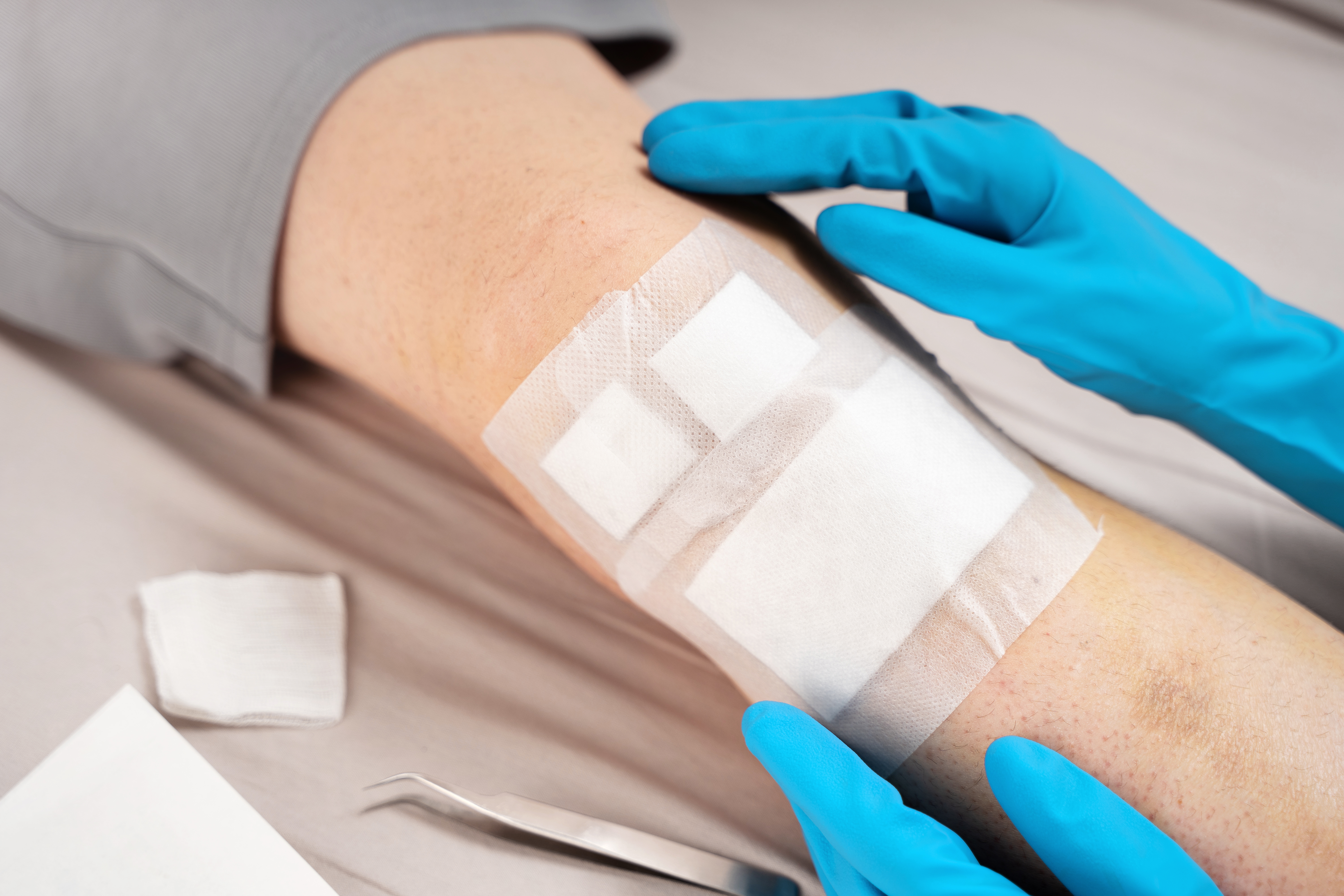
Triple-layer allografts bring significant benefits to wound care. They promise to change how chronic wounds are treated. Let’s explore how they help accelerate healing, support tissue growth, and keep infections at bay.

Accelerating Chronic Wound Healing

Imagine a wound that heals quickly. That’s what triple-layer allografts aim to achieve. These allografts act as a bioengineered skin substitute, providing a scaffold for new tissue to grow. This extracellular matrix scaffold helps wounds repair more effectively by guiding natural healing processes. Studies show that such allografts can reduce healing times significantly, giving patients a faster path to recovery. By using these advanced solutions, you ensure that wounds close faster, reducing the risk of complications.

Supporting Tissue Regeneration

Tissue regeneration is crucial for wound healing. Triple-layer allografts offer a strong foundation for this process. They encourage granulation tissue formation, which is essential for building new, healthy skin. This means that the wound can regenerate from the inside out, creating a robust healing environment. The presence of growth factors within the allograft further stimulates cellular activity, enhancing tissue repair. With these tools, you’re not just healing wounds, but actively rebuilding them.

Infection Control in Wounds

Keeping infections at bay is vital in wound care. Triple-layer allografts play a key role in managing this. They provide a barrier against harmful bacteria, helping to maintain a clean wound environment. This reduces the chance of infection and supports healthier healing. The allografts are designed to balance wound moisture, which also helps prevent bacterial growth. By using this approach, you significantly lower the risk of infection, leading to better outcomes.

Indications for Use
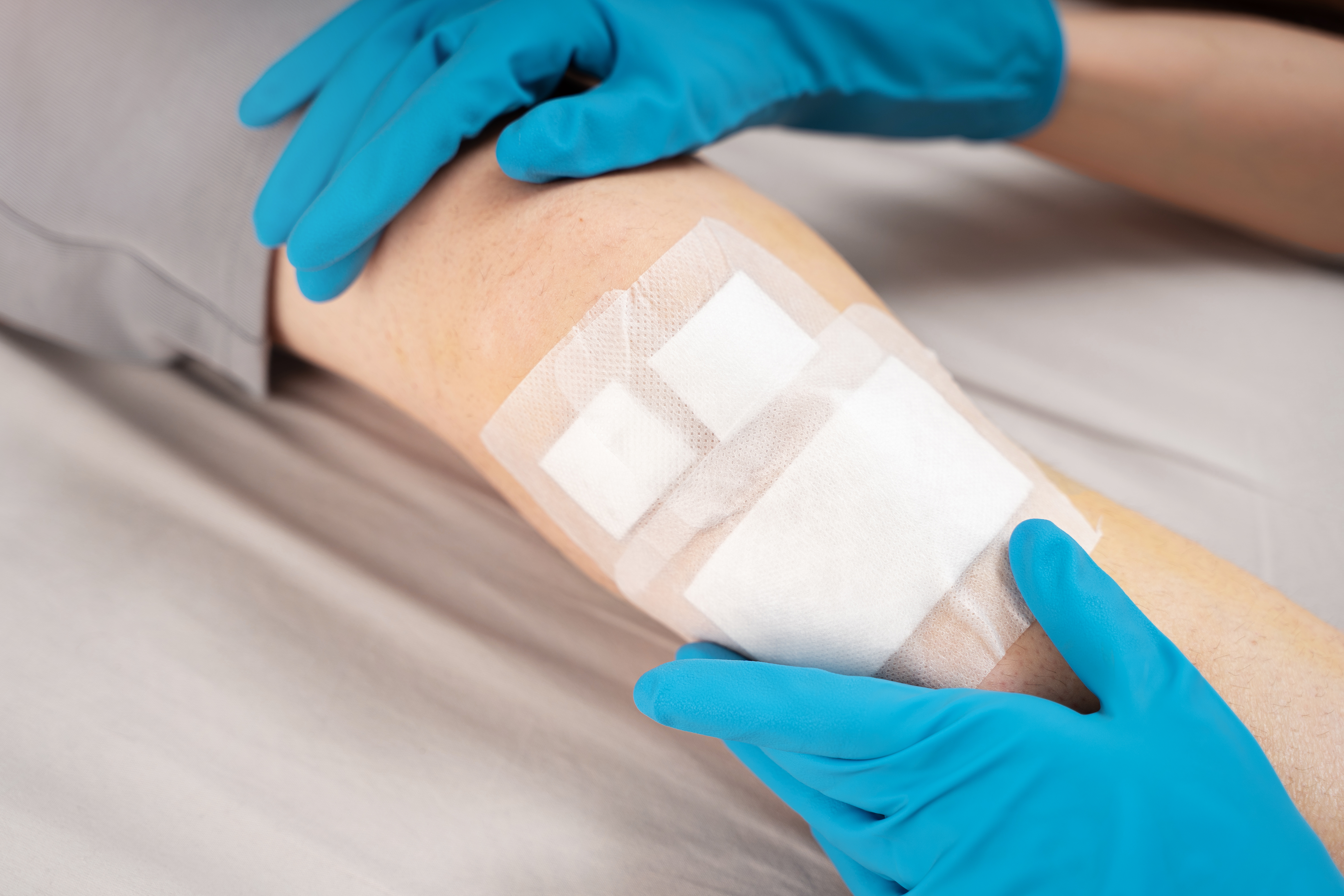
Triple-layer allografts are versatile in their applications. They offer targeted solutions for specific types of chronic wounds. Let’s examine how they can be used effectively in different scenarios.

Diabetic Foot Ulcer Treatment

Diabetic foot ulcers are common and challenging to treat. Triple-layer allografts offer a promising option here. They help reduce the healing time by supporting effective tissue regeneration. This is crucial for diabetic patients, as faster healing minimizes the risk of severe complications, including amputations. By integrating these allografts into your treatment plan, you’re providing diabetic patients with a reliable way to manage and heal their ulcers more effectively.

Venous Leg Ulcer Management

Venous leg ulcers can be stubborn. Triple-layer allografts help by providing a structured healing environment. They support re-epithelialization, helping skin to grow over the ulcer more quickly. This benefit not only accelerates healing but also reduces pain and swelling, improving the patient’s quality of life. By choosing this treatment, you’re addressing the root cause of the problem while delivering relief to the patient.

Pressure Injury Care

Pressure injuries require careful management. Triple-layer allografts are an excellent choice for these challenging wounds. They provide a supportive matrix that encourages healing even in areas with poor circulation. This is vital in preventing the progression of injuries into more severe stages. By opting for this approach, you’re giving patients a chance at quicker recovery and reducing the likelihood of complications.

Workflow and Integration
Incorporating triple-layer allografts into your practice requires understanding the workflow. From application protocols to provider support, here’s how to integrate these solutions seamlessly.

Allograft Application Protocol

Applying the allograft correctly is crucial for success. The protocol involves cleaning the wound thoroughly and carefully positioning the allograft to cover it completely. This ensures that the healing benefits are maximized. Regular monitoring is necessary to assess progress and make any needed adjustments. By following these steps, you’re setting the stage for optimal healing.

Graft Integration and Re-epithelialization

Once applied, the allograft begins to integrate with the existing tissue. This process supports re-epithelialization, where new skin cells cover the wound. It’s important to maintain a moist environment to facilitate this process. Regular assessments help track the integration and ensure that the wound is healing as expected. By focusing on these details, you’re enhancing the effectiveness of the treatment.

Provider Partnerships and Support

Working with the right partners can enhance treatment outcomes. Specialty Wound Care offers support and training to help providers integrate triple-layer allografts into their practice. By collaborating with experts, you gain access to valuable resources and insights. This partnership ensures that patients receive the highest standard of care, improving overall treatment success.

Discover how our solutions outperform standard treatments—contact us for a demo.

Why Precision Wound Care Matters for Facilities Managing High-Risk Patients

Specialty Wound Care | April 17th, 2026


Why Precision Wound Care Matters for Facilities Managing High-Risk Patients

High-risk patients demand wound care precision that goes beyond routine checks. Facilities managing diabetic foot ulcers, pressure injuries, and complex wounds face rising readmissions and longer stays without targeted strategies. Precision wound care uses fluorescence imaging and tailored therapies to cut complications and boost healing rates. Read on to learn how Specialty Wound Care partners with you to deliver smarter protocols and proven technology that improve outcomes while controlling costs. For further reading, check out this article.

Precision Wound Care Basics

Precision wound care is the key to managing complex conditions effectively. Let’s delve into why understanding high-risk patients is crucial and how tailored therapies can make a significant difference.

Understanding High-Risk Patients

High-risk patients are those with conditions like diabetic foot ulcers and pressure injuries. They need extra attention because these wounds can lead to severe complications. For instance, without proper care, 85% of amputations are due to untreated ulcers. You must identify these patients early to prevent worsening conditions. The longer you wait, the more complicated the wound, leading to increased healthcare costs and longer recovery times.

Most people think only older adults are at risk, but anyone with limited mobility or poor circulation can face these issues. Your goal is to recognize the early signs and intervene swiftly. Understanding these risks enables you to take proactive steps in wound management and enhance patient outcomes.

Importance of Tailored Therapies

Every wound is unique, demanding a personalized treatment plan. Tailored therapies ensure that each patient’s specific needs are met, which accelerates healing. These therapies reduce the chance of infection and promote faster recovery. For example, using advanced wound dressings that keep the wound environment optimal can significantly cut down healing time.

It’s not just about treating the wound but addressing the underlying causes. Customizing care for each patient improves their healing journey, offering them hope and better health outcomes. Consider how personalized care can transform a patient’s recovery experience, boosting their confidence and trust in the care they receive.

Reducing Complications and Costs

Reducing complications leads to lower healthcare costs. You can achieve this by incorporating precision wound care techniques. It minimizes the chance of infections, reducing hospital readmissions by up to 30%. This approach not only benefits patients but also eases the financial burden on healthcare facilities.

The misconception is that advanced care is costly, but in reality, it saves money in the long run by preventing costly complications. By implementing these strategies, you provide high-quality care while managing expenses effectively.

Advanced Wound Care Strategies

Building on the basics, advanced wound care strategies offer more precise solutions. Let’s explore how fluorescence imaging and rapid pathogen testing enhance wound management.

Fluorescence Imaging and MolecuLight DX

Fluorescence imaging, especially with the MolecuLight DX, revolutionizes wound assessment. This tool helps identify bacteria in real-time, allowing you to target treatment where it’s needed most. Imagine being able to see what’s invisible to the naked eye and using that information to improve care.

By visualizing bacterial presence, you can guide debridement and ensure thorough cleansing. Most people believe wounds heal best with standard cleaning, but this advanced imaging reveals otherwise. It ensures that every treatment decision is based on accurate data, enhancing the patient’s recovery process.

Role of Rapid Pathogen Testing

Rapid pathogen testing provides quick insights into wound infections. Traditional methods can take weeks, delaying treatment and increasing risk. With rapid testing, you get results fast, enabling you to start the right treatment immediately. This is crucial for infection management, where time is of the essence.

The results guide your antibiotic choices, ensuring you tackle the infection effectively. This approach reduces misuse of antibiotics and promotes better healing. Think about how immediate answers can change the outcomes for your patients, offering them faster relief and recovery.

Benefits of Triple-Layer Allograft

Triple-layer allografts offer a robust solution for wound healing. These grafts integrate seamlessly into the wound site, promoting natural healing. The three layers work together to protect, support, and regenerate the tissue. It’s like giving the wound a second skin to heal beneath.

These grafts help reduce healing time and improve outcomes. They are particularly beneficial for complex wounds, providing a foundation for new tissue growth. By choosing such advanced solutions, you give your patients the best chance at recovery, minimizing the risk of complications.

Building Partnerships in Wound Healing

Collaboration is essential for effective wound management. By forming partnerships, you can enhance care delivery in various healthcare settings.

Hospital Wound Care Partnership

Hospitals can greatly benefit from specialized wound care partnerships. By collaborating with experts, you gain access to the latest technology and treatment methods. This partnership ensures that patients receive the highest standard of care, improving their outcomes and satisfaction.

Such collaborations bring fresh perspectives and resources, enabling you to tackle complex cases more effectively. Partnering with Specialty Wound Care, for example, allows hospitals to integrate cutting-edge solutions seamlessly, enhancing their service offerings.

Skilled Nursing Facility Programs

Skilled nursing facilities face unique challenges in wound care. By implementing targeted programs, you can address these effectively. These programs provide specialized training and resources, empowering staff to handle complex wounds confidently.

Families often worry about the care their loved ones receive in nursing facilities. By adopting comprehensive wound care programs, you reassure families that their loved ones are in capable hands. This not only enhances patient care but also boosts your facility’s reputation.

Long-Term Acute Care Solutions

Long-term acute care facilities require tailored solutions for wound management. These patients often have prolonged recovery periods, needing specialized attention. By employing advanced wound care strategies, you can significantly improve their healing outcomes.

Integrating comprehensive care programs ensures that every aspect of the patient’s needs is addressed. This holistic approach reduces complications and promotes faster recovery, helping patients return to their daily lives sooner. Explore how Specialty Wound Care can support your facility in delivering exceptional care to long-term patients.

By understanding high-risk patients and utilizing advanced wound care strategies, you can transform outcomes and enhance care quality. Implement these insights to improve patient recovery and satisfaction in your facility.

Discover how our solutions outperform standard treatments—contact us for a demo.

Triple-Layer Allografts: How Multi-Layer Design Enhances Wound Healing

Specialty Wound Care | February 18th, 2026


Triple-Layer Allografts: How Multi-Layer Design Enhances Wound Healing

Triple-layer allografts offer a new approach to chronic wound healing that many clinicians find promising. Their unique three-layer design supports moisture balance, encourages granulation tissue formation, and improves graft integration over challenging wound beds. In this post, you’ll learn how Specialty Wound Care’s FDA-compliant biologic skin substitute fits into advanced wound care strategies for diabetic foot ulcers, venous leg ulcers, and pressure injuries. For more information, visit this link.

Understanding Triple-Layer Allografts

Triple-layer allografts are redefining how wounds are healed. These allografts bring a unique design that promises better outcomes for patients. By looking at how these layers work, you can see their true potential.

Structure and Function of Layers

Each layer in a triple-layer allograft has a critical role. The top layer handles moisture balance, ensuring the wound is neither too dry nor too wet. The middle layer focuses on granulation tissue formation, which is crucial for new tissue to grow. The bottom layer aids in graft integration, allowing the allograft to blend seamlessly with the wound bed. This structure not only supports healing but also minimizes the risk of complications. You can explore the science behind these layers here.

Benefits in Chronic Wound Healing

The advantage of using triple-layer allografts in chronic wound healing is clear. They provide a conducive environment for wounds to heal faster. Patients with hard-to-heal wounds often find relief as these allografts help in re-epithelialization. By promoting a balanced healing environment, they lower infection risks and support better patient outcomes. For a deeper dive into their efficacy in chronic wounds, check out this study.

Compatibility with Adjunct Therapies

Triple-layer allografts work well with other treatments. They are often used alongside negative pressure wound therapy and are compatible with biofilm control techniques. This flexibility makes them a versatile choice for many medical professionals. Their integration with multiple therapies enhances overall treatment efficacy, paving the way for faster recovery. Discover more about adjunct therapy compatibility here.

Clinical Advantages for Providers

Understanding the clinical benefits of triple-layer allografts can elevate patient care. These allografts offer targeted solutions for various types of ulcers and injuries, making them invaluable in clinical settings.

Enhancing Diabetic Foot Ulcer Treatment

Diabetic foot ulcers pose a significant challenge, but these allografts make a difference. They help control moisture and promote tissue growth, which is critical in these ulcers. Many patients experience improved healing times and reduced infection rates. This is particularly important for diabetic patients who need precise care. By incorporating these allografts, you can enhance treatment outcomes and offer patients a more reliable solution.

Managing Venous Leg Ulcers Effectively

For venous leg ulcers, triple-layer allografts provide much-needed support. They assist in wound bed preparation, ensuring the wound is ready for healing. This preparation makes it easier for new, healthy tissue to form. Patients often find that their ulcers heal more consistently when these allografts are part of their treatment plan. By focusing on the unique needs of venous leg ulcers, you can ensure better recovery pathways.

Pressure Injury Care Innovations

Pressure injuries require specialized care, and that’s where these allografts shine. They balance moisture while supporting tissue regeneration. Patients with these injuries benefit from a more stable healing environment, reducing complications and discomfort. The allografts’ ability to adapt to various wound conditions makes them an excellent choice for pressure injuries. This innovation in care can significantly improve patient experiences and outcomes.

Implementing Advanced Wound Care Solutions

To make the most of triple-layer allografts, it’s essential to educate and partner with healthcare providers. This ensures everyone is on the same page, leading to better patient outcomes.

Educating Clinicians and Decision Makers

Education is key to implementing these allografts effectively. Clinicians need to understand their benefits and how they fit into existing treatments. By providing thorough training and resources, you empower medical professionals to make informed decisions. This knowledge helps integrate allografts into treatment plans efficiently, improving care for patients across various settings.

Building Strategic Wound Care Partnerships

Partnerships are crucial in the healthcare field. By collaborating with other providers, you can ensure comprehensive wound care. These partnerships allow for shared knowledge and resources, enhancing overall patient outcomes. Working together, you can provide superior care and tackle even the most challenging wounds.

Requesting Consultations and Evaluation Kits

To fully appreciate the benefits of triple-layer allografts, consider requesting consultations and evaluation kits. These resources offer direct insights into how allografts can be implemented in practice. By exploring real-world applications, you gain a better understanding of their impact. It’s a step towards enhancing your wound care offerings and providing patients with cutting-edge solutions.

Explore our advanced technology solutions for wound care today.

How Triple-Layer Allografts Accelerate Healing for Chronic and Complex Wounds

Specialty Wound Care | February 14th, 2026


How Triple-Layer Allografts Accelerate Healing for Chronic and Complex Wounds

Chronic wounds resist healing despite standard care, causing frustration for clinicians and patients alike. Triple-layer allografts offer a biologic skin substitute engineered to support graft integration and speed chronic wound healing. In this post, you’ll learn how this extracellular matrix scaffold promotes angiogenesis and durable repair, improving outcomes in diabetic foot ulcers, venous leg ulcers, and pressure injuries. Learn more.

Understanding Triple-Layer Allografts

Let’s explore how triple-layer allografts contribute significantly to wound care. Their unique structure plays a crucial role in enhancing healing for chronic wounds.

Key Benefits for Wound Healing

Triple-layer allografts offer several advantages for chronic wound healing. First, they help your body form new blood vessels, a process known as angiogenesis. This is crucial for providing nutrients and oxygen to the affected area, speeding up the healing process. A study from PMC highlights the importance of angiogenesis in wound repair.

Another benefit is their ability to act as a biologic skin substitute. These allografts provide a protective barrier, reducing the risk of infection and further damage. This aspect is particularly beneficial when dealing with stubborn wounds like diabetic foot ulcers.

Lastly, these allografts support durable repair by creating a scaffold for new tissue growth. This scaffold is made from an extracellular matrix that mimics natural tissues, helping wounds heal more effectively. It’s this combination of features that makes triple-layer allografts a powerful tool in advanced wound care.

Structure and Functionality

Understanding the structure of triple-layer allografts reveals why they are effective. Each layer serves a specific purpose, working together to support wound healing.

The outer layer protects against external threats, acting as the first line of defense. This is vital for maintaining a controlled environment for healing. The middle layer, rich in growth factors, encourages cell migration and new tissue formation, boosting the wound’s repair mechanism. The innermost layer provides support and stability, ensuring that the graft integrates smoothly with the patient’s tissue.

These structural components make triple-layer allografts a versatile choice for different types of chronic wounds. Their design facilitates graft integration, ensuring that the healing process is both efficient and durable. By using these allografts, you can significantly improve the outcomes for patients dealing with long-standing wounds.

Clinical Application and Protocol

Applying triple-layer allografts correctly is vital to maximize their benefits. Let’s look at the necessary steps for proper application and preparation.

Wound Bed Preparation Steps

Preparing the wound bed is crucial for successful allograft application. Here’s a step-by-step guide to ensure readiness:

  1. Debridement: Remove dead tissue to expose a clean wound bed. This step helps the graft adhere better and reduces infection risks.

  2. Moisture Balance: Maintain an optimal moisture level to encourage healing. Too much moisture can lead to maceration, while too little can dry out the tissue.

  3. Biofilm Detection: Use technologies like the MolecuLight DX for detecting bacterial biofilms. This device employs fluorescence imaging to highlight areas with high bacterial loads, allowing for targeted treatment.

  4. Antimicrobial Stewardship: Apply appropriate antimicrobial treatments to control any existing infections. This step ensures the wound is free from harmful bacteria before grafting.

By adhering to these preparation steps, you set the stage for effective allograft application, enhancing the wound healing process.

Effective Allograft Application Protocol

Once the wound bed is prepared, the next step is applying the allograft. Here’s how to do it effectively:

  1. Positioning: Carefully place the allograft over the wound, ensuring full coverage. This helps in proper integration and prevents exposure to external factors.

  2. Securing: Use appropriate methods to secure the graft in place. This might include sutures or a specialized adhesive, depending on the wound type and location.

  3. Monitoring: Regularly check the graft for signs of integration and healing progress. Look for any signs of infection or displacement that could hinder healing.

  4. Offloading: Especially important in diabetic foot ulcers, ensure that pressure on the wound is minimized. This helps prevent further injury and allows the graft to work effectively.

By following this protocol, you’ll maximize the benefits of triple-layer allografts, promoting faster and more complete wound healing.

Enhancing Outcomes in Chronic Wounds

Triple-layer allografts are not just about healing; they transform difficult wounds into manageable conditions. Let’s see how they impact specific wound types.

Role in Diabetic Foot Ulcer Treatment

Diabetic foot ulcers are a common challenge in chronic wound care. Using triple-layer allografts can significantly improve healing outcomes. A study in ScienceDirect demonstrated enhanced healing when these allografts were used in diabetic foot care.

These allografts provide essential support by maintaining moisture and offering a scaffold for new tissue growth. By doing so, they address the unique challenges of diabetic wounds, such as poor circulation and high infection risk. Using allografts can reduce healing time and prevent complications like infections and amputations.

Pressure Injury Care and Management

Pressure injuries can be stubborn, often resisting traditional treatments. Here’s where triple-layer allografts shine. They provide a supportive environment that encourages healing, even in wounds compromised by constant pressure.

These allografts help manage moisture and protect against external irritants, crucial for sensitive pressure injuries. They also reduce the risk of infection by forming a barrier over the wound, which is vital in preventing further complications. Research from MDPI supports the effectiveness of these allografts in pressure injury care.

By integrating triple-layer allografts into pressure injury management, you enhance healing outcomes and improve patient quality of life.

In conclusion, triple-layer allografts offer a versatile and effective solution for various chronic wounds. By understanding their structure and following proper application protocols, healthcare providers can significantly improve patient outcomes and transform wound care practices.

Explore our advanced technology solutions for wound care today.

Facebook
Instagram
LinkedIn
SOCIALICON
Youtube
X (Twitter)
Bluesky