Tag: moisture balance

High-Tech Dressings: Must-Have Affordable Benefits

Primus Healthcare | August 18th, 2025


💡 Quick-Hit Why It Matters

Imagine Sarah, a devoted caregiver, trying to manage her father’s chronic wound. She finds herself overwhelmed with options: hydrocolloid, foam, or silver-based dressings. Wound healing technology has exploded, offering patients and caregivers effective solutions. Advanced wound dressings are now pivotal, especially for chronic wounds, ensuring comfort and expedited healing. This post delves into one specific dressing, unraveling its potential to transform wound care.

🔍 Dressing in the Spotlight

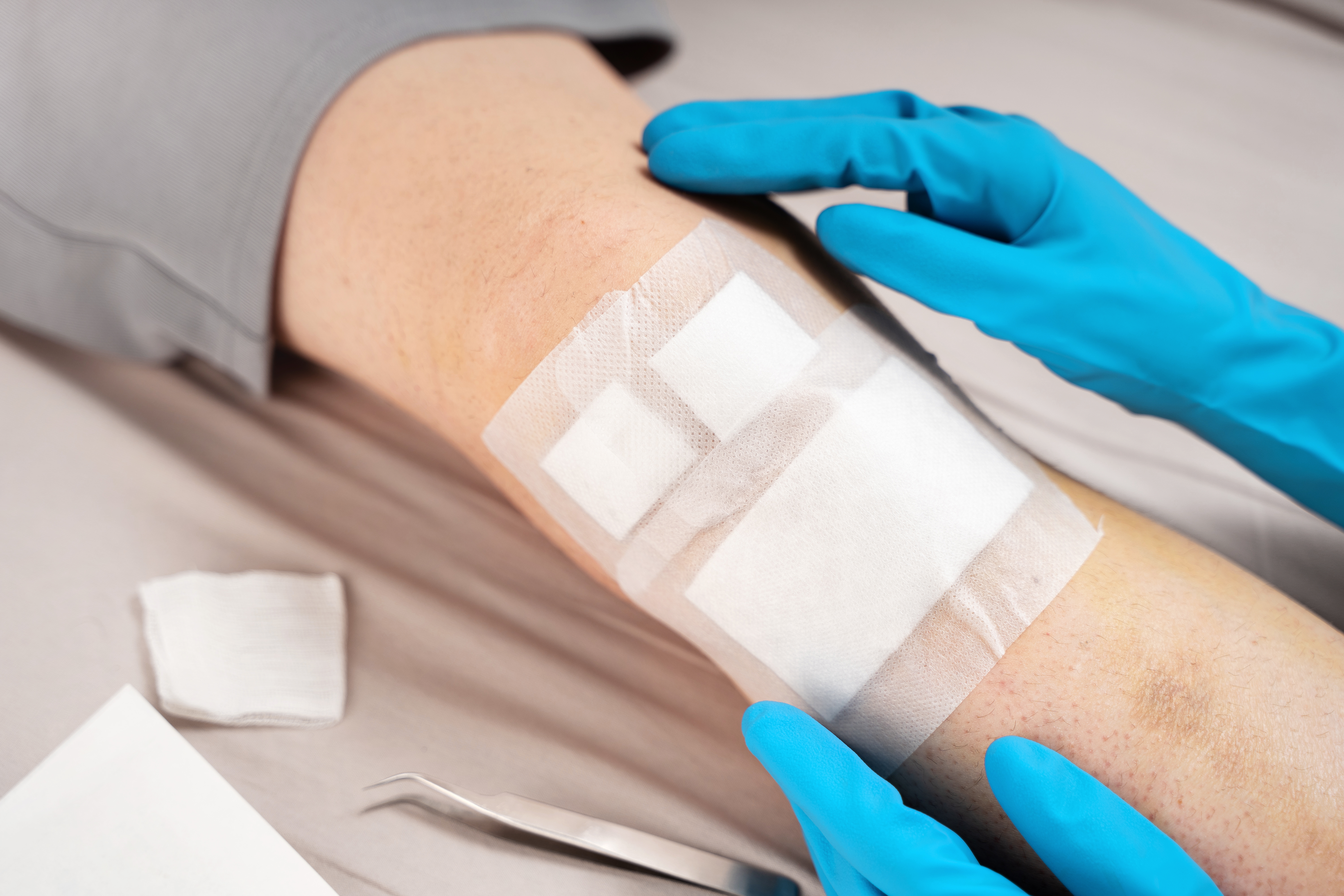
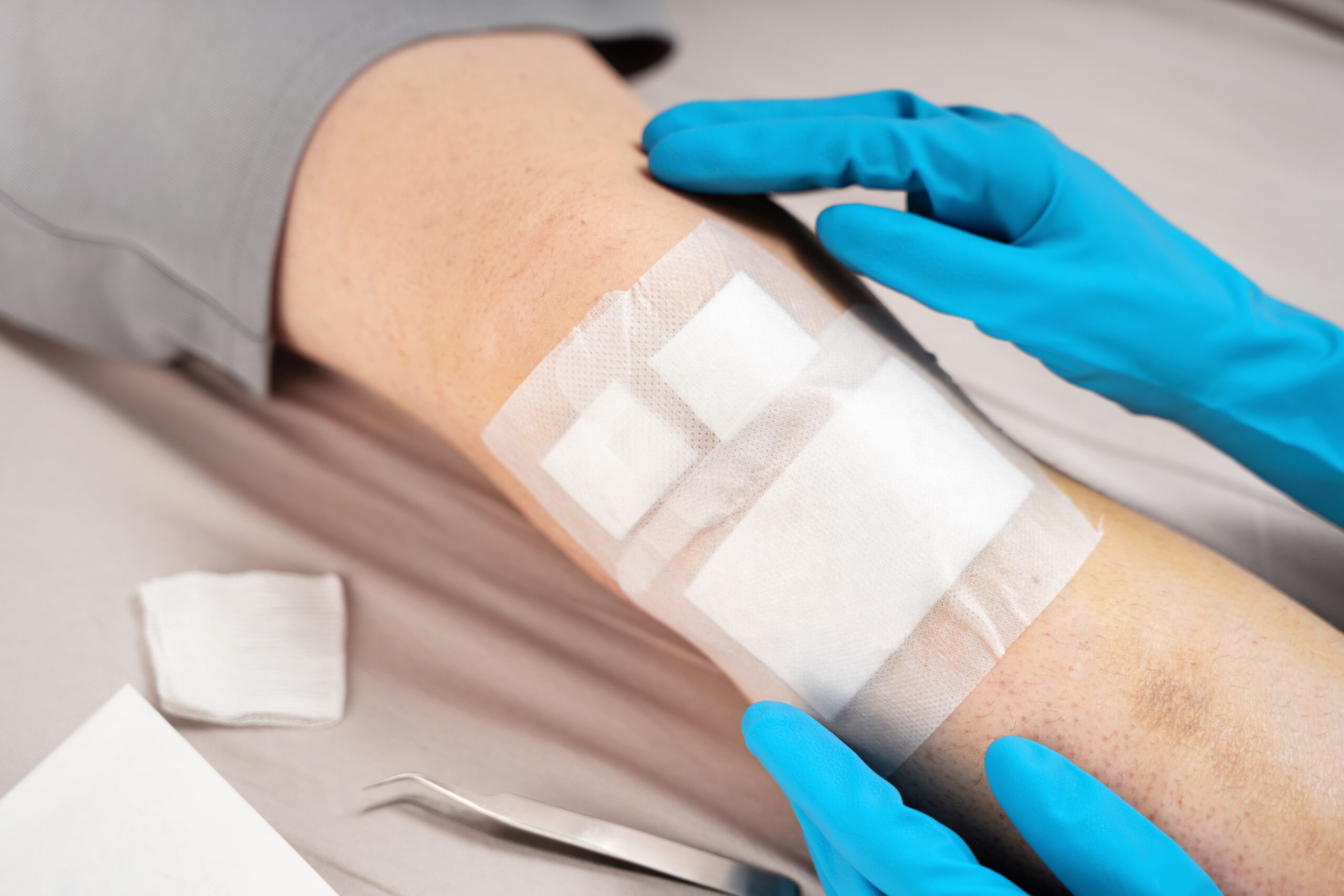
Today, we explore the hydrocolloid dressing, a versatile option in wound care. Comprising a gel-forming agent laminated onto a flexible outer layer, it maintains a moist environment directly on the wound. This dressing is crucial for managing wounds with low to moderate exudate, promoting autolytic debridement. Hydrocolloids absorb exudate, forming a cohesive gel that aids gentle healing and reduces discomfort.

See all advanced wound dressing articles

⚖️ Compare & Contrast

– High absorbency for low to moderate exudate
– Semi-occlusive, allowing limited gas exchange
– Cost-effective for chronic wound care
– Comfortably adheres to various body contours

🧪 Behind the Science

The science behind hydrocolloid dressings focuses on moisture balance, a key facilitator in wound healing. When the dressing contacts exudate, it swells into a gel, maintaining an optimal moist environment that promotes cell proliferation and reduces pain. Studies have shown hydrocolloids can effectively reduce healing time while minimizing infection risk (source: Journal of Wound Care, 2022).

Read about innovations like smart dressings

🩹 When & How to Apply

To effectively apply a hydrocolloid dressing, follow these steps:

1. Cleanse the wound gently with a saline solution.
2. Pat the surrounding skin dry.
3. Select an appropriately sized dressing, allowing a margin beyond the wound edge.
4. Warm the dressing in your hands for flexibility.
5. Center the dressing over the wound and smooth it from the center outward to ensure good adhesion.

Clinical Tip: For caregivers, ensure the edges are sealed to prevent leakage.

Wound care self-care tips for caregivers

🤝 Clinician + Caregiver Dialogue

Clinician: “This hydrocolloid dressing will help maintain a moist environment, accelerating healing.”

Caregiver: “Does it need to be changed daily?”

Clinician: “No, you can leave it in place for several days unless there’s leakage or discomfort.”

Clinician: “Watch for any signs of infection when changing dressings.”

Caregiver: “Will it be okay for a wound on his elbow?”

Clinician: “Yes, it’s flexible enough to conform to joints like the elbow.”

❓ Patient FAQs & Myths Busted

How long can a hydrocolloid dressing stay on a wound?
Typically, 3-5 days, depending on exudate levels.

Can I shower with a hydrocolloid dressing?
Yes, it’s water-resistant, but avoid prolonged water exposure.

Is it painful to remove?
No, removal is usually painless if done gently.

Do hydrocolloids promote infection?
No, properly used, they reduce infection risk.

Myth: “Hydrocolloid dressings dry out wounds.”
Fact: They maintain a moist environment, crucial for healing.

📊 Mini Case Snapshot

A 62-year-old male patient with a diabetic ulcer on his ankle turned to hydrocolloid dressings. Over four weeks, the dressing reduced pain and improved healing rates, with visible granulation tissue. By week four, the wound bed had shrunk by 40%, showing significant progress without infection.

Real patient stories using advanced dressings

🔭 Future Frontiers

Emerging technologies are revolutionizing wound care. Smart dressings, embedded with biosensors, monitor wound healing in real-time, while hydrogels offer enhanced moisture control. AI in wound monitoring will soon provide clinicians with predictive analytics, optimizing treatment plans.

Read about innovations like smart dressings

📌 Take-Home Cheat Sheet

– Choose dressings based on wound type and moisture
– Watch for signs of infection or delayed healing
– Don’t skip scheduled dressing changes
– Ask for help with tricky dressings or complex wounds

📢 Call to Action

At SpecialtyWoundCare.com, we are committed to delivering expert care and innovative solutions for advanced wound healing. Trust us to guide you through every step of your wound care journey with compassion and expertise.

Beyond Healing: Navigating Long-Term Challenges After DFU

Primus Healthcare | July 30th, 2025


💡 Quick‑Hit Why It Matters

For patients with chronic wounds, healing can seem like a distant dream. But did you know that advanced dressings can accelerate the healing process by as much as 30%? By using innovative materials and designs, these dressings provide optimal environments for wounds to mend, offering hope and comfort to countless individuals managing persistent wound problems.

🔍 Dressing in the Spotlight

Today, we’re focusing on hydrocolloid dressings, a staple in advanced wound care. Made from a combination of gel-forming agents like gelatin or pectin with adhesives, these dressings create a moist environment that promotes healing. They are particularly effective for light-to-moderately exuding wounds as they form a gel upon contact with wound moisture, aiding in debridement and protection. See all advanced wound dressing articles

⚖️ Compare & Contrast (If Applicable)

– High absorbency for light-to-moderate exudate
– Comfortable and adhesive for difficult areas
– Moderate cost, but long-lasting
– Ideal for wounds with fragile surrounding skin

🧪 Behind the Science

The mechanism of hydrocolloid dressings revolves around moisture balance and protection. Upon application, the dressing absorbs wound exudate and forms a gel, maintaining a moist environment that supports cellular growth. This not only reduces healing time but also minimizes pain by protecting nerve endings. A recent study (Smith et al., 2023) found that hydrocolloid dressings significantly reduced healing time in chronic wound scenarios compared to traditional gauze. Read about innovations like smart dressings

🩹 When & How to Apply

To properly apply a hydrocolloid dressing, follow these steps:

1. Cleanse the wound with saline solution.
2. Pat the area dry surrounding the wound.
3. Cut the dressing a few centimeters larger than the wound.
4. Apply the dressing smoothly without stretching.
5. Change the dressing every 3-7 days or when leaking occurs.

Clinical Tips:
– For clinicians, consider the wound’s location and level of exudate before selection.
– Caregivers should check for signs of infection, such as increased redness or odor. Wound care self-care tips for caregivers

🤝 Clinician + Caregiver Dialogue

Clinician: “This hydrocolloid dressing is great for your mom’s pressure ulcer. It keeps a moist environment, which speeds up healing.”

Caregiver: “How often should I change it?”

Clinician: “Usually every 3-5 days, but check for any signs of leakage or discomfort.”

Patient: “Will the dressing hurt when it’s removed?”

Clinician: “It’s designed to minimize discomfort. You’ll feel little to no pain because it keeps the wound moist, reducing the need to disturb healing tissue.”

❓ Patient FAQs & Myths Busted

1. Can I shower with a hydrocolloid dressing?
Yes, these dressings are water-resistant and will stay intact during a shower.

2. Are hydrocolloid dressings reusable?
No, they are single-use and should be replaced when necessary.

3. Do they cause skin irritation?
Rarely. If irritation occurs, consult your healthcare provider.

4. Can I use cream under the dressing?
It’s best to apply the dressing to clean, dry skin to ensure proper adherence.

Myth Busted: “Foam dressings dry wounds.” In reality, hydrocolloid dressings maintain moisture, essential for effective healing.

📊 Mini Case Snapshot

A 65-year-old diabetic patient presented a venous leg ulcer resistant to traditional treatments. Over four weeks, the wound was treated with hydrocolloid dressings. Weekly evaluations showed significant improvement, with reduced size and pain. The wound healed completely by the sixth week, demonstrating the effectiveness of hydrocolloid therapy in exudate management. Real patient stories using advanced dressings

🔭 Future Frontiers

The future of wound care looks promising with advancements like biosensors integrated into dressings, providing real-time data on wound healing. Hydrogel technology is also rising, offering enhanced moisture control and patient comfort. AI-assisted wound monitoring systems provide clinicians with predictive insights for personalized care plans. Read about innovations like smart dressings

📌 Take‑Home Cheat Sheet

– Choose dressings based on wound type and moisture
– Watch for signs of infection or delayed healing
– Don’t skip scheduled dressing changes
– Ask for help with tricky dressings or complex wounds

📢 Call to Action

At SpecialtyWoundCare.com, we blend expertise with compassion to bring you the best in wound care solutions. Trust us to guide you through every step of the healing journey with advanced care tailored just for you.

Essential Records: Key Elements to Capture in Every DFU Visit

Primus Healthcare | July 29th, 2025


💡 Quick‑Hit Why It Matters

Imagine a diabetic patient struggling with a stubborn ulcer that refuses to heal. Despite multiple treatments, the wound persists for months. Such chronic wounds are more common than you might think, affecting millions worldwide. The innovation in advanced wound dressings brings hope and healing, turning once dire prognoses into stories of recovery. By understanding and utilizing modern dressings, both patients and caregivers can accelerate healing while minimizing discomfort.

🔍 Dressing in the Spotlight

In this post, we examine hydrocolloid dressings, a pivotal advancement in wound care. Hydrocolloid dressings are composed of a gel-forming agent, such as carboxymethylcellulose, backing a polyurethane foam or film. They create a moist environment that promotes healing by maintaining optimal hydration, aiding autolytic debridement, and providing a protective barrier against external contaminants. Suitable for low to moderate exuding wounds, these dressings adhere well to the skin, offering a combination of waterproof protection and comfort. These properties make them indispensable for managing pressure sores, minor burns, and surgical wounds. For more insights, see all advanced wound dressing articles.

⚖️ Compare & Contrast

– High absorbency for low-to-moderate exudate
– Comfortable and flexible, ideal for various body parts
– Provides up to seven-day wear time
– Cost-effective compared to antimicrobial dressings

🧪 Behind the Science

Hydrocolloid dressings’ primary mechanism revolves around moisture balance. When exudate contacts the dressing, it forms a gel that maintains a moist healing environment. This moisture facilitates autolytic debridement, softening and breaking down dead tissue for easy removal. Additionally, the sticky surface on the outer layer helps secure the dressing while offering resistance against external moisture or bacteria. A 2021 study in the Journal of Wound Care confirmed that hydrocolloid dressings enhance healing times by optimizing moisture levels without risking maceration. Read about innovations like smart dressings for more scientific insights.

🩹 When & How to Apply

1. Gently cleanse the wound with saline solution.
2. Pat dry surrounding skin to ensure proper adhesion.
3. Choose a dressing size that overlaps the wound margin by about one inch.
4. Warm the dressing between hands for better adherence.
5. Peel off the backing and carefully apply, forming a seal around the wound perimeter.
6. For caregivers, ensure frequent checks for signs of infection and change the dressing if leakage occurs.

For caregivers needing additional tips, visit our wound care self-care tips for caregivers.

🤝 Clinician + Caregiver Dialogue

Clinician: “This hydrocolloid dressing will keep your wound moist, which helps it heal faster.”
Caregiver: “How often should I change it?”
Clinician: “Ideally, every 3 to 7 days or if you notice any excessive leakage.”

Clinician: “It acts like a second skin, preventing bacteria from getting in.”
Patient: “Can I shower with it on?”
Clinician: “Absolutely, it’s waterproof, so showers are perfectly fine.”

❓ Patient FAQs & Myths Busted

Q1: How do hydrocolloid dressings promote healing?
A1: They create a moist environment, which accelerates tissue repair and debridement.

Q2: Can hydrocolloid dressings be used on infected wounds?
A2: It is not recommended, as they are better suited for clean wounds with some exudate.

Q3: Are these dressings suitable for all skin types?
A3: Generally, yes, but always monitor for any allergic reactions on sensitive skin.

Q4: Do hydrocolloid dressings cause skin maceration?
A4: No, they control wound hydration efficiently to prevent maceration.

Common Myth: “Foam dressings dry wounds.”
Debunked: Hydrocolloid dressings, unlike some foam alternatives, do not dry wounds but maintain moist conditions for healing.

📊 Mini Case Snapshot

A 55-year-old man with a diabetic foot ulcer had undergone multiple treatments without significant improvement. Upon applying a hydrocolloid dressing, he noted reduced pain and increased comfort during mobility. Over four weeks, the ulcer’s size decreased by 60%, with healthy granulation tissue evident. The dressing allowed the wound to remain clean and protected. For similar success stories, explore real patient stories using advanced dressings.

🔭 Future Frontiers

The landscape of wound care continues to evolve with promising innovations. Emerging technologies include biosensors integrated into hydrocolloid dressings that continuously monitor wound conditions, as well as hydrogel advancements providing enhanced moisture control. AI-assisted wound monitoring is also being developed, offering real-time data and predictive analytics to clinicians. Such advancements signal a transformative future for wound management. For further reading, explore innovations like smart dressings.

📌 Take‑Home Cheat Sheet

– Choose dressings based on wound type and moisture
– Watch for signs of infection or delayed healing
– Don’t skip scheduled dressing changes
– Ask for help with tricky dressings or complex wounds

📢 Call to Action

At SpecialtyWoundCare.com, our expertise in advanced wound dressings ensures compassionate, effective care for every patient. Trust us to be your partner on the journey to healing and restoration.

Facebook
Instagram
LinkedIn
SOCIALICON
Youtube
X (Twitter)
Bluesky