Innovative Approaches to Complex Wound Challenges: Technology, Technique, and Teamwork

Specialty Wound Care | February 23rd, 2026


Innovative Approaches to Complex Wound Challenges: Technology, Technique, and Teamwork

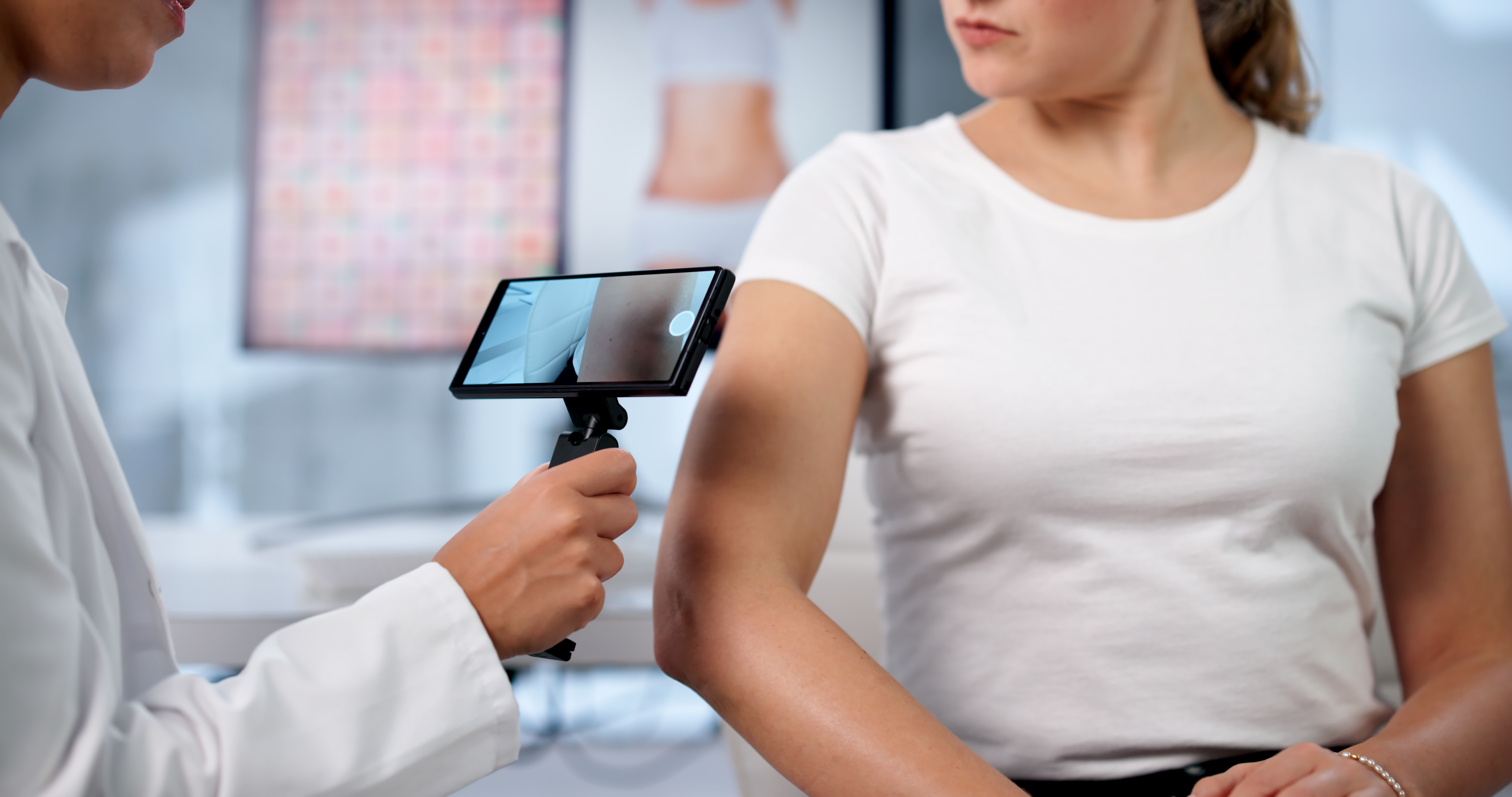
Complex wounds like diabetic foot ulcers and pressure ulcers resist standard treatments far too often. You know that relying on outdated methods delays healing and risks infection. Here’s how advanced wound care combines precise technologies like MolecuLight DX fluorescence imaging with targeted therapies and teamwork to change those outcomes. Read on to learn how Specialty Wound Care’s approach can support your patients’ recovery and your practice’s success. Learn more about innovative approaches to wound treatment.

Advanced Wound Care Techniques
Advanced wound care is reshaping how you manage complex wounds. Let’s explore how these innovative techniques can make a real difference for your patients.

Targeted Antimicrobial Therapy

Effective management of infection is crucial in wound care. Targeted antimicrobial therapy uses specific agents to combat harmful bacteria without affecting the surrounding tissue. For example, by focusing on eliminating bacteria like Staphylococcus aureus, therapy helps prevent further complications. You’ll find that this precise approach not only clears infections faster but also reduces the risk of resistance. Imagine the relief of seeing a stubborn infection finally subside, allowing your patient’s wound to heal more effectively.

Antimicrobial therapy is about being smart and strategic. It involves selecting the right antimicrobial agent tailored to the specific pathogen. This method is supported by research, showing improved healing rates and reduced recurrence. Explore new wound healing technology revolutionizing care.

Rapid Pathogen Testing

Identifying the cause of wound infection quickly is a game changer. Rapid pathogen testing provides results in hours instead of days, enabling you to begin appropriate treatment sooner. This speed is crucial when dealing with fast-progressing infections in complex wounds like diabetic foot ulcers.

By implementing this testing, you can instantly tailor treatment plans to each patient, reducing unnecessary antibiotic use. Think of it as a fast track to accurate care, ensuring your interventions are as effective as possible.

Hyperbaric Oxygen Therapy

Imagine a treatment that uses pure oxygen to accelerate healing. Hyperbaric oxygen therapy (HBOT) does just that by increasing oxygen supply directly to the tissues. This can be especially beneficial in treating chronic wounds where blood flow is compromised.

HBOT helps by reducing swelling, fighting infection, and promoting tissue growth. For patients with conditions like venous leg ulcers, this therapy can be the difference between prolonged healing and a speedy recovery. Patients notice quicker results and improved outcomes, making this a valuable option in your wound care arsenal.

Cutting-Edge Wound Assessment Tools
Assessing a wound accurately is essential for effective treatment. New tools help you gather precise data and enhance your care strategies.

Fluorescence Imaging with MolecuLight DX

Visualizing bacteria in wounds can significantly impact treatment decisions. The MolecuLight DX allows you to see bacterial presence that isn’t visible to the naked eye. This tool uses fluorescence imaging to highlight areas of bacterial concentration, guiding you to focus on the most critical areas during debridement.

The benefit is clear: targeted cleaning of the wound, reducing bacteria, and helping the wound heal faster. This technology ensures you’re not guessing but acting on accurate data. Discover more about this innovative tool.

Wound Documentation and Telewound Monitoring

Accurate documentation and remote monitoring of wounds are becoming essential. Telewound monitoring offers real-time data sharing and consultation, making it easier to track healing progress without frequent in-person visits. You can provide continuous care, adjusting treatment plans based on documented changes.

This approach not only streamlines the follow-up process but also engages patients in their recovery journey. By leveraging technology, you ensure every wound care decision is backed by the latest data, enhancing outcomes and patient satisfaction.

Collaborative Wound Care Partnerships
Building strong partnerships is key to transforming wound care. Collaborative efforts ensure comprehensive support for both you and your patients.

Practice Management Software for Providers

Managing a wound care practice efficiently requires the right tools. Practice management software can simplify billing, scheduling, and patient records, allowing you to focus more on patient care. This software is specifically designed to handle the complexities of wound management, offering features that cater to your needs.

By streamlining administrative tasks, you spend less time on paperwork and more on what truly matters—providing excellent care. The software becomes an invaluable ally, improving workflow and patient experiences.

Streamlined Provider Onboarding and Education

Educating and onboarding providers quickly is vital for maintaining high standards of care. Streamlined education programs ensure new team members are up to speed with the latest wound care techniques and technologies. This proactive approach fosters a culture of learning and excellence within your practice.

Investing in education results in better patient outcomes and a more knowledgeable team. When everyone is equipped with the right skills, you’re able to tackle complex cases with confidence and efficiency.

By embracing these advanced wound care techniques and tools, you’re setting the stage for more effective treatment outcomes. Each step forward is a step towards faster healing, better patient experiences, and a stronger practice.

Explore our advanced technology solutions for wound care today.

Illuminating Healing: The Role of Advanced Imaging in Modern Wound Management

Specialty Wound Care | February 21st, 2026


Illuminating Healing: The Role of Advanced Imaging in Modern Wound Management

Forget using guesswork to assess wounds. You spend hours trying to spot hidden infections and measure progress, yet uncertainty remains. Advanced wound imaging with MolecuLight DX reveals bacterial burden and biofilms in real time, guiding precise care that speeds healing and cuts costs. Let’s explore how this technology reshapes wound assessment and supports targeted treatment decisions. Learn more here.

Advanced Wound Imaging Benefits

Imagine being able to see beneath the surface of a wound. Advanced imaging offers this capability, revealing details that are invisible to the naked eye. These insights can drastically change how wounds are treated.

Fluorescence Imaging for Bacterial Burden

Bacteria can hide within wounds, making it difficult to gauge infection levels. With fluorescence imaging, you can see these bacteria in real time. This technology highlights areas where bacteria are present by making them glow. It’s as if you’re putting a spotlight on the problem, allowing you to target treatment more effectively. By addressing the bacterial burden early, you prevent further complications.

Imagine a patient with a wound that wouldn’t heal. Traditional methods failed to identify the cause, but with fluorescence imaging, the underlying infection was revealed. The targeted treatment led to rapid improvement, showing the power of this technology. Check out this study for more insights.

3D Wound Measurement and Documentation

Accurate measurements are crucial in wound care. 3D imaging provides precise wound dimensions, capturing even the smallest changes over time. This level of detail is essential for monitoring progress and adjusting treatment plans. The documentation process becomes straightforward, helping you track healing outcomes with ease.

Consider a case where a patient’s wound seemed stagnant. With 3D measurement, subtle improvements were detected, boosting morale and guiding continued care. This technology supports both effective treatment and meticulous record-keeping, essential for successful wound management.

Thermal and Ultrasound Techniques

Thermal imaging and ultrasound bring additional layers of understanding. Thermal imaging detects temperature changes, indicating inflammation or infection. Meanwhile, ultrasound offers a glimpse into wound depth and underlying structures. These techniques complement other imaging methods, providing a comprehensive view of the wound’s status.

In a scenario where a wound appeared superficially healed, thermal imaging revealed underlying inflammation. This insight prevented premature treatment cessation, ensuring complete recovery. Combined, these tools form a robust foundation for wound care, enhancing accuracy and treatment efficacy.

Guiding Effective Wound Care

Armed with advanced imaging, you can now guide treatment with precision. Beyond identifying issues, these technologies inform your next steps.

Debridement Guidance and Antimicrobial Stewardship

Effective debridement removes dead tissue, paving the way for healing. Imaging pinpoints areas needing attention, ensuring thorough debridement. This targeted approach reduces the risk of infection. It also supports antimicrobial stewardship by preventing unnecessary antibiotic use, aligning with best practices in wound care.

Picture a wound with mixed signals. Through precise imaging, debridement was guided accurately, resulting in a cleaner wound bed and faster healing. By focusing on areas that truly need treatment, you conserve resources and enhance outcomes. Explore this article on antimicrobial strategies in wound care.

Diabetic Foot Ulcer and Venous Leg Ulcer Care

Diabetic foot ulcers and venous leg ulcers pose unique challenges. Advanced imaging identifies issues early, preventing complications. For diabetic patients, detecting changes before they become severe is vital. Similarly, venous ulcers benefit from detailed visualization, guiding effective compression therapy.

Consider a diabetic patient whose foot ulcer was worsening. Imaging revealed hidden infections, enabling timely intervention. The result? Reduced pain and quicker healing. This approach exemplifies how technology can transform chronic wound management.

Pressure Injury Management and Hard-to-Heal Wounds

Pressure injuries can escalate quickly without proper care. Detailed imaging helps you catch early signs of deterioration. For hard-to-heal wounds, identifying barriers to healing is crucial. Imaging uncovers these barriers, informing tailored treatment plans that address specific needs.

In one instance, a hard-to-heal wound showed no surface changes. Imaging, however, detected hidden tissue damage, prompting necessary adjustments in treatment. This proactive approach accelerates healing and minimizes patient discomfort.

Specialty Wound Care’s MolecuLight DX Program

With the right tools, you can achieve remarkable outcomes. Specialty Wound Care’s MolecuLight DX program embodies this, offering a powerful solution for wound management.

Point-of-Care Imaging and Protocols

MolecuLight DX brings imaging to the bedside, offering real-time insights. This device empowers you to make informed decisions instantly. By integrating it into your protocols, you ensure consistent, high-quality care for every patient.

Imagine being able to adjust treatment immediately based on fresh data. MolecuLight DX makes this possible, enhancing your ability to deliver optimal care. This technology supports both immediate and long-term improvements in wound healing.

Partnerships and Collaborations in Wound Care

Collaboration amplifies impact. Specialty Wound Care partners with providers nationwide, sharing expertise and resources. These partnerships foster innovation and drive better outcomes across the board. By working together, you expand your capabilities and improve patient experiences.

Consider joining this network of professionals committed to excellence in wound care. Together, you can set new standards for healing and patient satisfaction. Learn about collaborative efforts in wound care.

Schedule a No-Cost Demo and In-Service

The potential of advanced imaging is vast. By experiencing MolecuLight DX firsthand, you can unlock its full benefits for your practice. Don’t wait to enhance your wound care capabilities. Schedule a no-cost demo and in-service today to see how this technology can transform your approach.

Remember, the sooner you integrate these tools, the quicker you can improve outcomes for your patients. Take the first step towards optimizing your wound care practice now.

Explore our advanced technology solutions for wound care today.

Triple-Layer Allografts: How Multi-Layer Design Enhances Wound Healing

Specialty Wound Care | February 18th, 2026


Triple-Layer Allografts: How Multi-Layer Design Enhances Wound Healing

Triple-layer allografts offer a new approach to chronic wound healing that many clinicians find promising. Their unique three-layer design supports moisture balance, encourages granulation tissue formation, and improves graft integration over challenging wound beds. In this post, you’ll learn how Specialty Wound Care’s FDA-compliant biologic skin substitute fits into advanced wound care strategies for diabetic foot ulcers, venous leg ulcers, and pressure injuries. For more information, visit this link.

Understanding Triple-Layer Allografts

Triple-layer allografts are redefining how wounds are healed. These allografts bring a unique design that promises better outcomes for patients. By looking at how these layers work, you can see their true potential.

Structure and Function of Layers

Each layer in a triple-layer allograft has a critical role. The top layer handles moisture balance, ensuring the wound is neither too dry nor too wet. The middle layer focuses on granulation tissue formation, which is crucial for new tissue to grow. The bottom layer aids in graft integration, allowing the allograft to blend seamlessly with the wound bed. This structure not only supports healing but also minimizes the risk of complications. You can explore the science behind these layers here.

Benefits in Chronic Wound Healing

The advantage of using triple-layer allografts in chronic wound healing is clear. They provide a conducive environment for wounds to heal faster. Patients with hard-to-heal wounds often find relief as these allografts help in re-epithelialization. By promoting a balanced healing environment, they lower infection risks and support better patient outcomes. For a deeper dive into their efficacy in chronic wounds, check out this study.

Compatibility with Adjunct Therapies

Triple-layer allografts work well with other treatments. They are often used alongside negative pressure wound therapy and are compatible with biofilm control techniques. This flexibility makes them a versatile choice for many medical professionals. Their integration with multiple therapies enhances overall treatment efficacy, paving the way for faster recovery. Discover more about adjunct therapy compatibility here.

Clinical Advantages for Providers

Understanding the clinical benefits of triple-layer allografts can elevate patient care. These allografts offer targeted solutions for various types of ulcers and injuries, making them invaluable in clinical settings.

Enhancing Diabetic Foot Ulcer Treatment

Diabetic foot ulcers pose a significant challenge, but these allografts make a difference. They help control moisture and promote tissue growth, which is critical in these ulcers. Many patients experience improved healing times and reduced infection rates. This is particularly important for diabetic patients who need precise care. By incorporating these allografts, you can enhance treatment outcomes and offer patients a more reliable solution.

Managing Venous Leg Ulcers Effectively

For venous leg ulcers, triple-layer allografts provide much-needed support. They assist in wound bed preparation, ensuring the wound is ready for healing. This preparation makes it easier for new, healthy tissue to form. Patients often find that their ulcers heal more consistently when these allografts are part of their treatment plan. By focusing on the unique needs of venous leg ulcers, you can ensure better recovery pathways.

Pressure Injury Care Innovations

Pressure injuries require specialized care, and that’s where these allografts shine. They balance moisture while supporting tissue regeneration. Patients with these injuries benefit from a more stable healing environment, reducing complications and discomfort. The allografts’ ability to adapt to various wound conditions makes them an excellent choice for pressure injuries. This innovation in care can significantly improve patient experiences and outcomes.

Implementing Advanced Wound Care Solutions

To make the most of triple-layer allografts, it’s essential to educate and partner with healthcare providers. This ensures everyone is on the same page, leading to better patient outcomes.

Educating Clinicians and Decision Makers

Education is key to implementing these allografts effectively. Clinicians need to understand their benefits and how they fit into existing treatments. By providing thorough training and resources, you empower medical professionals to make informed decisions. This knowledge helps integrate allografts into treatment plans efficiently, improving care for patients across various settings.

Building Strategic Wound Care Partnerships

Partnerships are crucial in the healthcare field. By collaborating with other providers, you can ensure comprehensive wound care. These partnerships allow for shared knowledge and resources, enhancing overall patient outcomes. Working together, you can provide superior care and tackle even the most challenging wounds.

Requesting Consultations and Evaluation Kits

To fully appreciate the benefits of triple-layer allografts, consider requesting consultations and evaluation kits. These resources offer direct insights into how allografts can be implemented in practice. By exploring real-world applications, you gain a better understanding of their impact. It’s a step towards enhancing your wound care offerings and providing patients with cutting-edge solutions.

Explore our advanced technology solutions for wound care today.
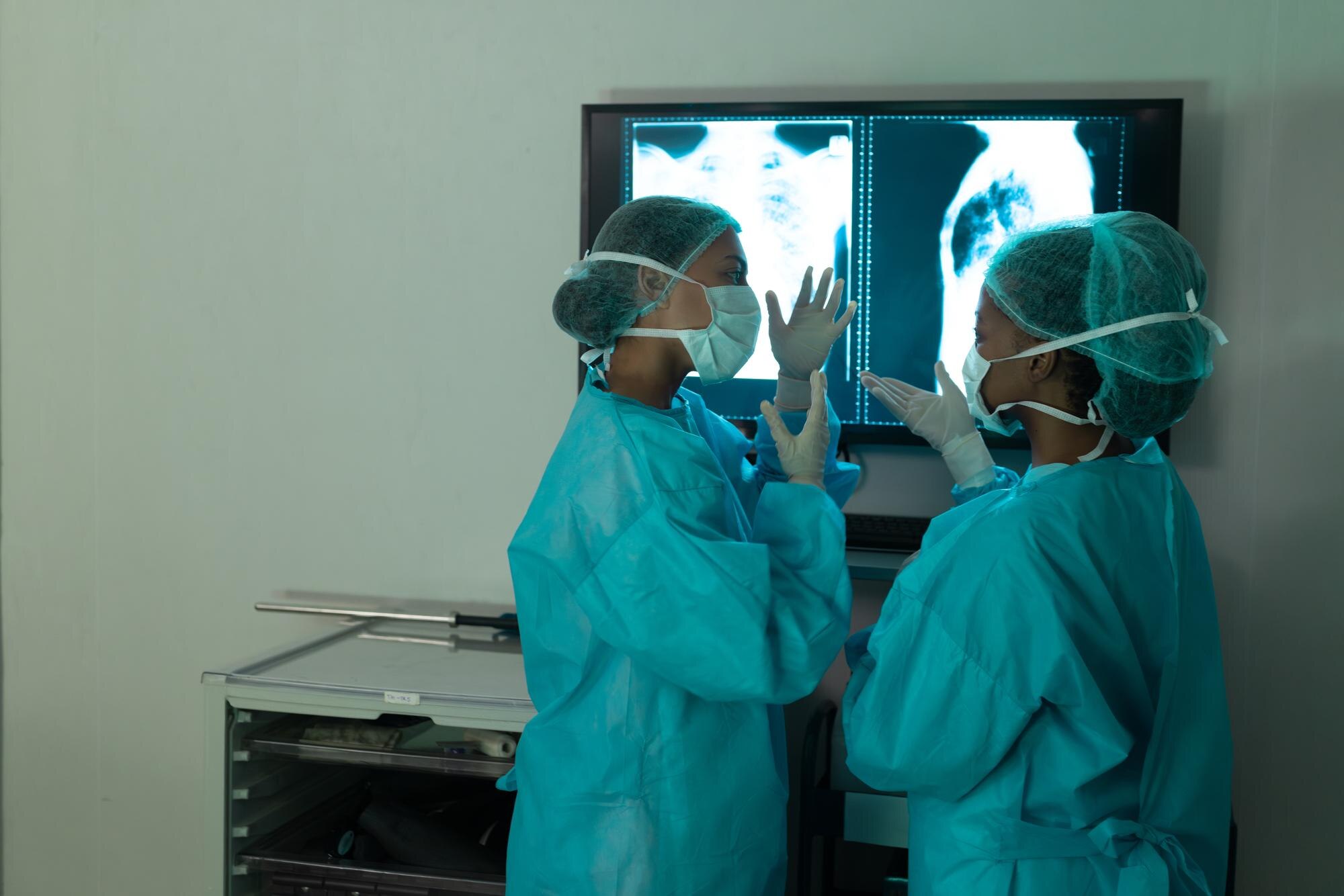
From Insight to Healing: Advanced Wound Care Technology for Better Outcomes

Specialty Wound Care | February 16th, 2026


From Insight to Healing: Advanced Wound Care Technology for Better Outcomes

Forget the slow guesswork in wound healing. Advanced wound care now offers tools like MolecuLight DX to visualize bacterial presence instantly, speeding up your clinical decisions. These technologies reshape how you assess wounds, detect biofilms, and tailor treatments—helping patients heal faster and safer. Let’s explore how Specialty Wound Care’s integrated solutions can support your practice and improve outcomes today. For more information on how wound care technology connects patients and providers, click here.

Modern Wound Technologies

In the world of wound healing, cutting-edge technology is changing the game. Let’s dig into some of the most advanced solutions transforming patient care today.

Advanced Wound Care Solutions

Imagine having a toolbox filled with the latest gadgets. That’s what modern wound care offers you. From digital imaging to high-tech dressings, these tools help you tackle wounds with precision. One standout is the MolecuLight DX, which allows you to see bacteria in real-time. This means faster decision-making and better outcomes for your patients. By identifying issues earlier, you can apply targeted treatments right away, minimizing complications and improving recovery times.

Fluorescence Imaging for Wounds

Seeing the unseen is now possible. With fluorescence imaging, you can detect bacteria invisible to the naked eye. This technology shines a light on problem areas, guiding your treatment choices. For example, a patient with a stubborn ulcer can benefit from this insight, as it pinpoints where bacteria lurk. You gain a clear picture, allowing for more effective debridement and care. This approach not only speeds up healing but also reduces infection rates.

Rapid Pathogen Identification

Time is of the essence in wound care. Rapid pathogen identification is your ally in quick diagnosis. Traditional methods can take days, but with advanced testing, you get results fast. Take a look at how this approach helps manage diabetic foot ulcers. By knowing the exact pathogen, you can choose the right antibiotic immediately. This precision reduces hospital stays and prevents further complications, ensuring your patients get back to their lives sooner.

Improving Healing Outcomes

Modern techniques are opening doors to faster recovery. Let’s explore methods that enhance healing and make a real difference for those with chronic wounds.

Biofilm Detection Techniques

Invisible biofilms can stall healing, but not anymore. New detection methods break through these barriers. They identify biofilms quickly, allowing you to address them directly. This is crucial for conditions like venous leg ulcers, where persistent infection is a challenge. By targeting biofilms, you disrupt the bacteria’s stronghold, paving the way for effective healing. Patients experience fewer setbacks and enjoy better outcomes, creating a smoother path to recovery.

Triple-Layer Allograft Benefits

Think of a triple-layer allograft as a super bandage. It supports the body’s natural healing while offering protection. This allograft is crafted to fit seamlessly into the wound, encouraging tissue growth. Consider a case of pressure injury prevention where such a solution can reduce pain and speed up recovery. The allograft acts like scaffolding, providing the structure needed for new tissue to form. This innovative approach minimizes risk and maximizes healing potential.

Chronic Wound Management Strategies

Long-lasting solutions for long-term problems. Managing chronic wounds requires a blend of strategies. Specialty Wound Care integrates advanced dressings, targeted therapies, and expert advice to keep wounds in check. One effective strategy involves personalized care plans that adapt to each patient’s needs. By focusing on individual requirements, you ensure treatments are both effective and efficient. This personalized approach empowers patients and enhances healing outcomes, giving them hope for a healthier future.

Partnerships and Education

Collaboration and learning are keys to success in wound care. By working together, we can push the boundaries of what’s possible in treatment and recovery.

Wound Care Partnerships

Great things happen when we join forces. Specialty Wound Care partners with healthcare providers to deliver top-notch care. These partnerships ensure you have access to the latest technologies and methodologies. For instance, partnering with local hospitals enhances patient care through shared resources and expertise. This collaborative model improves clinical outcomes and fosters innovation, making it a win-win for everyone involved.

Practice Management Software Benefits

Streamline your practice with the right tools. Practice management software designed for wound care simplifies operations and boosts efficiency. It handles everything from scheduling to billing, allowing you to focus on patient care. By using this software, you reduce administrative burdens and enhance patient experiences. It’s about working smarter, not harder, and ensuring your practice runs smoothly.

Wound Care Education and Training

Knowledge is power, especially in wound care. Continuous education and training keep you updated on the latest advancements. Specialty Wound Care offers resources to help you stay at the forefront of the field. Whether it’s workshops or online courses, these opportunities enrich your skills and broaden your understanding. By investing in education, you enhance your expertise, ultimately benefiting your patients and your practice.

Explore our advanced technology solutions for wound care today.

How Triple-Layer Allografts Accelerate Healing for Chronic and Complex Wounds

Specialty Wound Care | February 14th, 2026


How Triple-Layer Allografts Accelerate Healing for Chronic and Complex Wounds

Chronic wounds resist healing despite standard care, causing frustration for clinicians and patients alike. Triple-layer allografts offer a biologic skin substitute engineered to support graft integration and speed chronic wound healing. In this post, you’ll learn how this extracellular matrix scaffold promotes angiogenesis and durable repair, improving outcomes in diabetic foot ulcers, venous leg ulcers, and pressure injuries. Learn more.

Understanding Triple-Layer Allografts

Let’s explore how triple-layer allografts contribute significantly to wound care. Their unique structure plays a crucial role in enhancing healing for chronic wounds.

Key Benefits for Wound Healing

Triple-layer allografts offer several advantages for chronic wound healing. First, they help your body form new blood vessels, a process known as angiogenesis. This is crucial for providing nutrients and oxygen to the affected area, speeding up the healing process. A study from PMC highlights the importance of angiogenesis in wound repair.

Another benefit is their ability to act as a biologic skin substitute. These allografts provide a protective barrier, reducing the risk of infection and further damage. This aspect is particularly beneficial when dealing with stubborn wounds like diabetic foot ulcers.

Lastly, these allografts support durable repair by creating a scaffold for new tissue growth. This scaffold is made from an extracellular matrix that mimics natural tissues, helping wounds heal more effectively. It’s this combination of features that makes triple-layer allografts a powerful tool in advanced wound care.

Structure and Functionality

Understanding the structure of triple-layer allografts reveals why they are effective. Each layer serves a specific purpose, working together to support wound healing.

The outer layer protects against external threats, acting as the first line of defense. This is vital for maintaining a controlled environment for healing. The middle layer, rich in growth factors, encourages cell migration and new tissue formation, boosting the wound’s repair mechanism. The innermost layer provides support and stability, ensuring that the graft integrates smoothly with the patient’s tissue.

These structural components make triple-layer allografts a versatile choice for different types of chronic wounds. Their design facilitates graft integration, ensuring that the healing process is both efficient and durable. By using these allografts, you can significantly improve the outcomes for patients dealing with long-standing wounds.

Clinical Application and Protocol

Applying triple-layer allografts correctly is vital to maximize their benefits. Let’s look at the necessary steps for proper application and preparation.

Wound Bed Preparation Steps

Preparing the wound bed is crucial for successful allograft application. Here’s a step-by-step guide to ensure readiness:

  1. Debridement: Remove dead tissue to expose a clean wound bed. This step helps the graft adhere better and reduces infection risks.

  2. Moisture Balance: Maintain an optimal moisture level to encourage healing. Too much moisture can lead to maceration, while too little can dry out the tissue.

  3. Biofilm Detection: Use technologies like the MolecuLight DX for detecting bacterial biofilms. This device employs fluorescence imaging to highlight areas with high bacterial loads, allowing for targeted treatment.

  4. Antimicrobial Stewardship: Apply appropriate antimicrobial treatments to control any existing infections. This step ensures the wound is free from harmful bacteria before grafting.

By adhering to these preparation steps, you set the stage for effective allograft application, enhancing the wound healing process.

Effective Allograft Application Protocol

Once the wound bed is prepared, the next step is applying the allograft. Here’s how to do it effectively:

  1. Positioning: Carefully place the allograft over the wound, ensuring full coverage. This helps in proper integration and prevents exposure to external factors.

  2. Securing: Use appropriate methods to secure the graft in place. This might include sutures or a specialized adhesive, depending on the wound type and location.

  3. Monitoring: Regularly check the graft for signs of integration and healing progress. Look for any signs of infection or displacement that could hinder healing.

  4. Offloading: Especially important in diabetic foot ulcers, ensure that pressure on the wound is minimized. This helps prevent further injury and allows the graft to work effectively.

By following this protocol, you’ll maximize the benefits of triple-layer allografts, promoting faster and more complete wound healing.

Enhancing Outcomes in Chronic Wounds

Triple-layer allografts are not just about healing; they transform difficult wounds into manageable conditions. Let’s see how they impact specific wound types.

Role in Diabetic Foot Ulcer Treatment

Diabetic foot ulcers are a common challenge in chronic wound care. Using triple-layer allografts can significantly improve healing outcomes. A study in ScienceDirect demonstrated enhanced healing when these allografts were used in diabetic foot care.

These allografts provide essential support by maintaining moisture and offering a scaffold for new tissue growth. By doing so, they address the unique challenges of diabetic wounds, such as poor circulation and high infection risk. Using allografts can reduce healing time and prevent complications like infections and amputations.

Pressure Injury Care and Management

Pressure injuries can be stubborn, often resisting traditional treatments. Here’s where triple-layer allografts shine. They provide a supportive environment that encourages healing, even in wounds compromised by constant pressure.

These allografts help manage moisture and protect against external irritants, crucial for sensitive pressure injuries. They also reduce the risk of infection by forming a barrier over the wound, which is vital in preventing further complications. Research from MDPI supports the effectiveness of these allografts in pressure injury care.

By integrating triple-layer allografts into pressure injury management, you enhance healing outcomes and improve patient quality of life.

In conclusion, triple-layer allografts offer a versatile and effective solution for various chronic wounds. By understanding their structure and following proper application protocols, healthcare providers can significantly improve patient outcomes and transform wound care practices.

Explore our advanced technology solutions for wound care today.

Collaboration That Accelerates Healing: Innovative Wound Solutions in Action

Specialty Wound Care | February 11th, 2026


Collaboration That Accelerates Healing: Innovative Wound Solutions in Action

Traditional wound care often falls short for complex cases, leaving patients stuck in slow healing cycles. You know faster recovery means fewer complications and better quality of life. Specialty Wound Care combines advanced wound care tools like MolecuLight DX with expert collaboration to speed healing and improve outcomes. Read on to see how our approach reshapes chronic wound treatment and why partnering with us benefits your practice and patients alike. For more insights, visit this link.

Accelerating Healing Through Collaboration

Healing complex wounds requires more than just traditional methods. By bringing together experts from various fields, we can create a powerful team that speeds up recovery and improves patient outcomes.

The Power of Cross-Disciplinary Teams

Imagine a team where every member brings their unique expertise to the table. That’s the strength of cross-disciplinary teams in wound care. You might have a dermatologist, a surgeon, and a nurse all working together. Each offers insights and skills that others might miss. This approach ensures that every aspect of wound care is covered. For example, a surgeon might focus on the physical aspects of a wound, while a dermatologist could provide insights into skin healing. Together, they create a comprehensive treatment plan that speeds up recovery.

Such collaboration doesn’t just improve healing times; it also enhances the quality of care. Patients get the benefit of multiple experts looking after them. This means fewer complications and a smoother recovery. Most people think wounds are best treated by a single expert, but it’s teamwork that really makes the difference.

Leveraging Advanced Technologies

When you combine advanced technology with expert teams, the results can be remarkable. Cutting-edge tools can provide insights that were previously unavailable, making them invaluable in modern wound care.

One of the most exciting advancements is the use of imaging technology. With tools like MolecuLight DX, healthcare providers can see the wound in a way that was never possible before. This allows them to target areas that need the most attention. For instance, areas with high bacterial loads can be identified and treated promptly. This precise approach reduces healing times and prevents complications. Imagine the difference it could make in managing chronic wounds, where time is often the enemy.

Innovative Solutions in Wound Care

The world of wound care is evolving, and innovative solutions are at the forefront. From new imaging techniques to advanced grafts, these solutions are changing the way wounds are treated.

MolecuLight DX and Wound Imaging

MolecuLight DX offers a new way to visualize wounds. This technology uses light to highlight bacteria that are invisible to the naked eye. By identifying these areas, healthcare providers can focus their treatment on the spots that need it most. This not only speeds up healing but also prevents infection.

For instance, consider a patient with a diabetic foot ulcer. Traditional methods might miss underlying bacterial issues, but MolecuLight DX shines a light—literally—on these problems. With this information, doctors can provide targeted treatments that work faster and more effectively. This technology is a game-changer, moving beyond the guesswork of traditional wound assessments.

Triple-Layer Allograft for Tissue Regeneration

Regeneration is key in healing, and triple-layer allografts offer a significant leap forward. These allografts act as a scaffold for new tissue to grow, providing a robust foundation for healing. They are crafted to mimic the body’s natural tissues, promoting faster and more effective recovery.

The triple-layer structure ensures that the graft supports different stages of healing. For example, the outer layer protects the wound, while the inner layers encourage cell growth. This comprehensive support is critical for wounds that struggle to heal on their own. As a result, patients experience quicker recovery times and fewer complications.

Rapid Pathogen Identification Techniques

Identifying pathogens quickly is crucial in wound care. Traditional methods can take days or weeks, but rapid pathogen identification techniques offer results in hours. This speed allows healthcare providers to start the right treatment sooner, reducing the risk of infection and shortening recovery times.

Imagine a patient with a pressure ulcer. By quickly identifying the bacteria present, doctors can prescribe the precise antibiotics needed. This targeted approach not only saves time but also improves outcomes. With rapid identification, there’s no waiting around for lab results—action can be taken immediately.

Enhancing Patient Outcomes

Improving patient outcomes is the ultimate goal of any healthcare provider. Through targeted strategies and comprehensive management, better results become achievable.

Targeted Antimicrobial Strategies

Using antimicrobials effectively can transform wound care. By targeting specific bacteria, these strategies prevent infections and promote healing. It’s not just about applying a cream and hoping for the best; it’s about knowing exactly what the wound needs.

For instance, in the case of venous leg ulcers, targeted antimicrobials can reduce swelling and speed up recovery. By understanding the precise bacteria involved, healthcare providers can tailor treatments that directly address the patient’s needs. This specificity is what sets targeted strategies apart from generic treatments.

Comprehensive Management of Chronic Wounds

Chronic wounds require a comprehensive approach. It’s not enough to treat the wound alone; the underlying causes must also be addressed. This might involve lifestyle changes, medication adjustments, or even diet modifications.

Consider a patient with a diabetic foot ulcer. Comprehensive management might include better blood sugar control, specialized footwear, and regular check-ups. By tackling the problem from all angles, healing becomes not only possible but sustainable.

Partnering for Better Healing Results

When healthcare providers partner with experts, the results can be transformative. Specialty Wound Care offers such partnerships, bringing together advanced technology and expert knowledge. By collaborating with us, healthcare providers can enhance their treatment offerings and improve patient outcomes.

The longer you wait to embrace these innovations, the more your patients could suffer. Join us in transforming wound care and see the difference it makes.

For more information on innovative wound solutions, explore our resources.

Explore our advanced technology solutions for wound care today.

Managing Pressure Ulcers With Breakthrough Wound Care Technology

Specialty Wound Care | February 9th, 2026


Managing Pressure Ulcers With Breakthrough Wound Care Technology

Pressure ulcer management remains a complex challenge for healthcare teams caring for patients with Stage 3 and Stage 4 wounds. Traditional methods often fall short in detecting hidden infections or guiding precise treatment decisions. Specialty Wound Care introduces advanced wound care technologies like MolecuLight DX fluorescence imaging and rapid pathogen testing to target biofilms, accelerate healing, and reduce complications. In this post, you’ll learn how these tools and our triple-layer allograft program can improve outcomes and support your clinical workflow.

Evidence-Based Pressure Ulcer Management

Understanding pressure ulcers is the first step in tackling these persistent wounds. They are more than just skin deep, often impacting soft tissue layers beneath. Knowing the stages, from minor redness to deep tissue damage, is crucial. Pressure ulcer management requires a nuanced approach, especially for Stage 3 and Stage 4 wounds.

Understanding Pressure Ulcers

Pressure ulcers, commonly known as bedsores, occur when prolonged pressure cuts off blood flow to the skin. This often happens in people with limited mobility. The skin can start breaking down within hours, leading to serious infections. You might wonder, how can something so common be so dangerous? It’s all about the hidden damage. Beneath what seems like a minor sore, tissue can die, leading to severe complications.

Key Strategies for Prevention

Preventing pressure ulcers is crucial. Simple changes can make a huge difference. First, regular movement and repositioning are vital. This reduces pressure on vulnerable areas. Next, skin inspections should be routine. Look for early signs like redness or warmth. Finally, offloading and pressure redistribution devices can help. These tools ensure weight is spread evenly, reducing stress on the skin.

Advanced Treatment Techniques

When prevention isn’t enough, advanced treatments step in. Negative pressure wound therapy (NPWT) is one such method. It uses a vacuum dressing to increase blood flow and heal the wound faster. Another approach involves allograft wound coverage. This technique uses donor tissue to cover and heal the wound. These methods, combined with traditional care, offer a comprehensive treatment plan.

Breakthrough Wound Care Technologies

Emerging technologies are revolutionizing wound care. They offer precision and speed, essential for managing complex wounds. These innovations not only improve healing but also help clinicians make informed decisions quickly.

MolecuLight DX and Fluorescence Imaging

Imagine being able to see bacteria invisible to the naked eye. That’s what MolecuLight DX offers. This device uses fluorescence imaging to highlight bacterial presence in wounds. Clinicians can now identify infection hotspots quickly. This leads to better-targeted treatments and faster healing times. The result? Less guesswork, more science.

Triple-Layer Allograft for Closure

Closing a wound effectively is crucial. Our triple-layer allograft does just that. It combines three layers of tissue, each serving a unique purpose. The outer layer acts as a barrier, the middle supports growth, and the inner nourishes the wound. This synergy promotes healing in a controlled manner. Patients can expect reduced recovery times and fewer complications.

Rapid Pathogen Testing and Antimicrobial Therapy

Speed is vital in treating infections. Rapid pathogen testing identifies harmful bacteria within hours, not days. Once identified, targeted antimicrobial therapy can begin immediately. This precision ensures the right treatment is used from the start, cutting down recovery time and improving outcomes. The longer you wait, the harder infections are to control.

Partnering for Successful Outcomes

Collaboration is key to wound care success. By partnering with experts, you gain access to cutting-edge techniques and support. This teamwork enhances patient care and drives better results.

Benefits of Collaboration

Working with specialists brings several benefits. You get access to the latest technologies and treatment protocols. This means patients receive top-notch care tailored to their needs. Furthermore, collaboration fosters a learning environment. You can stay updated on the latest advancements in wound care, ensuring your practice remains at the forefront.

Education and Training Opportunities

Continuous education is vital in a field as dynamic as wound care. We offer extensive training sessions and workshops. These are designed to keep your skills sharp and your knowledge current. From hands-on demonstrations to in-depth seminars, there’s something for everyone. Staying informed equips you to handle even the toughest cases with confidence.

Referral and Consultation Process

Our referral and consultation process is straightforward. Once you refer a patient, we handle the rest. Our team assesses the wound, develops a treatment plan, and keeps you informed every step of the way. This seamless process ensures your patients receive the care they need without delay. It’s all about working together for the best possible outcomes.

In summary, managing pressure ulcers requires a blend of traditional care and advanced technology. By integrating these methods, you can significantly improve patient outcomes. Consider partnering with us to enhance your practice and provide exceptional care.

Explore our advanced technology solutions for wound care today.

Solving Complex Wounds with Imaging, Precision Testing, and Advanced Allografts

Specialty Wound Care | February 7th, 2026


Solving Complex Wounds with Imaging, Precision Testing, and Advanced Allografts

Complex wounds resist standard treatments and prolong patient suffering. You need tools that reveal hidden bacteria and guide precise therapies. Specialty Wound Care combines MolecuLight DX imaging, rapid pathogen testing, and an FDA-cleared triple-layer allograft to tackle these challenges head-on. Learn how these advanced wound care technologies improve healing for diabetic foot ulcers, venous leg ulcers, and pressure injuries. For more insights on wound healing technology, you can visit this link.

Advanced Imaging for Wound Care

Cutting-edge imaging tools are transforming wound care by revealing details unseen by the naked eye. They guide healthcare professionals to make informed decisions, enhancing the healing process for complex wounds.

Real-Time Bacterial Fluorescence

Imagine seeing harmful bacteria directly in the wound. The MolecuLight DX allows you to do just that with its real-time bacterial fluorescence feature. This tool highlights bacteria using fluorescence, making it possible to target them effectively. This glimpse into the unseen world of wounds ensures you don’t miss areas that require treatment.

By detecting bacteria quickly, this technology helps you act fast, minimizing complications. Traditional methods might leave you guessing, but with this tool, you have a powerful ally in wound care. Learn more about how fluorescence imaging is shaping the future here.

Benefits of MolecuLight DX

The MolecuLight DX doesn’t just stop at highlighting bacteria. This advanced device also captures images and videos of wounds for meticulous tracking and documentation. With 85% of amputations due to ulcers, precise tracking becomes crucial in preventing severe outcomes.

This technology provides a clear view of wounds, helping you make more informed treatment decisions. You can measure wounds accurately, ensuring every change is documented. The longer you wait to adopt such technology, the more challenging it becomes to manage complex wounds. This device promises an evidence-based approach to wound care, increasing your confidence in treatment strategies.

Precision Testing Techniques

Precision in testing is as crucial as the treatment itself. Rapid pathogen identification leads to quicker solutions, reducing patient discomfort and enhancing recovery rates.

Rapid Pathogen Identification

Think about the time it takes to identify the right pathogen using traditional methods. Now, imagine having those results in your hands much faster. The rapid pathogen testing provided by Specialty Wound Care is a game-changer. It identifies the culprits behind infections swiftly, allowing you to choose the correct antibiotics without delay.

This quick turnaround is essential in minimizing infection-related complications. Traditional methods can take weeks, which might not be ideal for severe cases. With rapid testing, you are equipped to make decisions that directly impact recovery. For more on how this impacts wound care, visit here.

Precision Microbiology in Action

Precision in microbiology means knowing exactly what you’re up against. Specialty Wound Care’s methods bring this precision to your fingertips. By using advanced tools, you can pinpoint the specific pathogens causing trouble.

This specificity in wound care is vital for guiding treatment. It allows you to avoid unnecessary antibiotics and choose targeted therapies. Misguided treatments are costly and time-consuming, but with precision, you can enhance your practice, leading to better patient outcomes. Most assume traditional methods suffice, but precise tools offer a substantial edge in wound care.

Allograft Solutions for Complex Wounds

Wounds need more than just cleaning and dressing; they require support to heal effectively. Allografts provide essential support, promoting tissue regeneration and recovery.

Triple-Layer Biologic Allograft

The triple-layer allograft is a marvel in wound care. Designed to support complex wounds, it acts as a scaffold for new tissue growth. This allograft is FDA-cleared, ensuring safety and effectiveness in treatment.

Each layer plays a role in healing, offering structural support and biological components that encourage regeneration. It’s like providing a foundation for new skin to thrive. This allograft is a crucial tool in your kit for managing complex wounds like diabetic foot ulcers and venous leg ulcers.

Supporting Tissue Regeneration

Allografts do more than just cover wounds; they actively support healing. By integrating with the body’s natural processes, they provide a boost in areas where the body struggles. They bring hope to patients with hard-to-heal wounds, showing significant improvements in recovery times.

This innovation in wound care highlights the importance of using advanced materials. The unique properties of the allograft make it an ideal choice for challenging cases. For further reading on wound healing innovations, check out this article.

In conclusion, advanced imaging, precision testing, and triple-layer allografts provide a comprehensive approach to managing complex wounds. These tools not only improve healing outcomes but also bring new hope to patients and healthcare providers alike.

Explore our advanced technology solutions for wound care today.
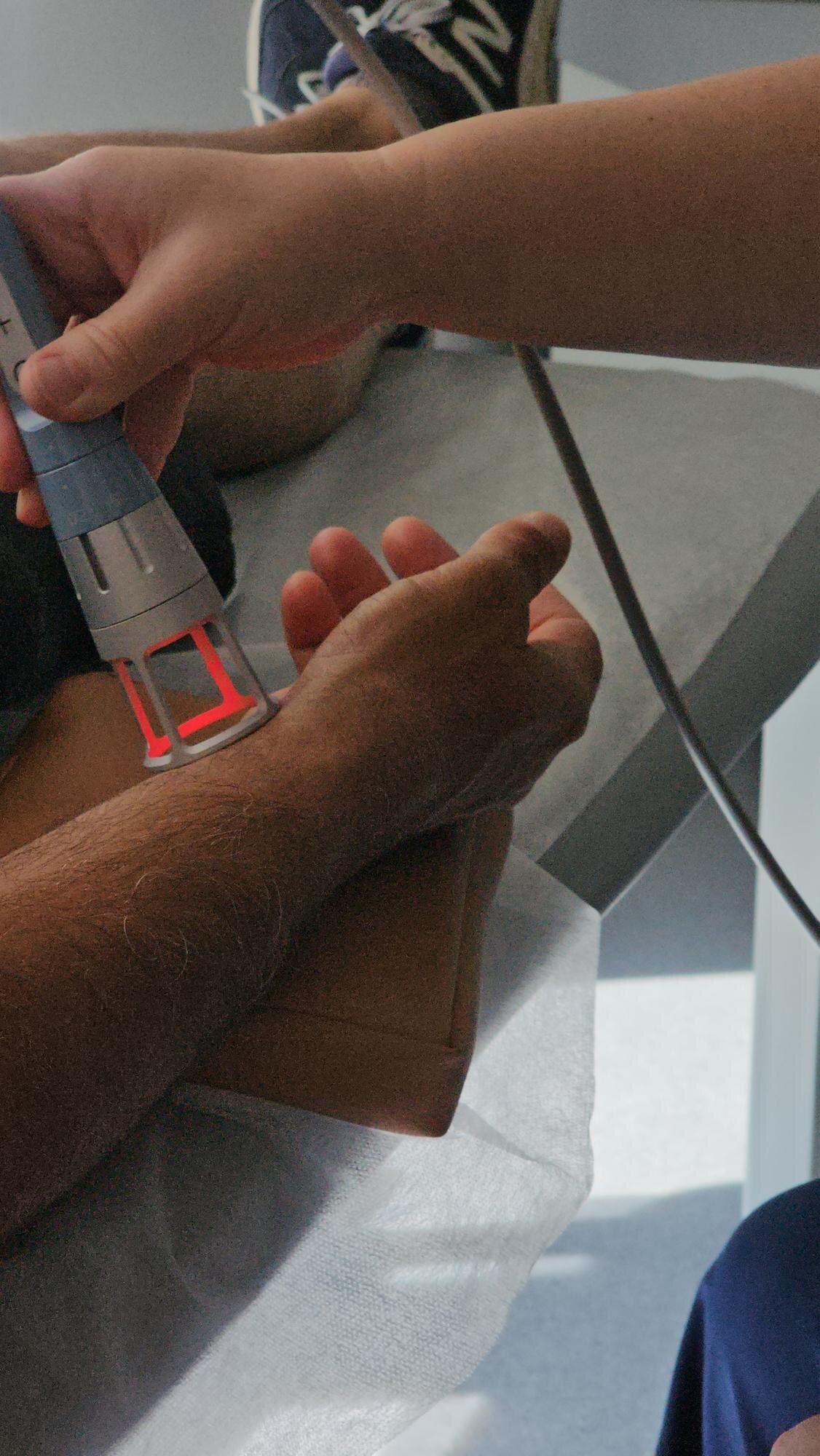
Seeing Healing Clearly: Advanced Imaging and Diagnostics in Modern Wound Management

Specialty Wound Care | February 4th, 2026


Seeing Healing Clearly: Advanced Imaging and Diagnostics in Modern Wound Management

Forget the guesswork in wound care. When you rely on traditional methods alone, hidden bacteria and biofilms can stall healing and raise infection risks. Advanced wound imaging and diagnostics, like MolecuLight DX fluorescence imaging, reveal what the eye misses—helping you assess wounds accurately and tailor treatments that speed recovery. In this post, you’ll learn how Specialty Wound Care’s cutting-edge tools and expertise support better outcomes for your patients and practice. For further reading, check out this link.

Accelerating Wound Healing

Examining wounds with precision tools uncovers issues that traditional methods miss. This section explores modern techniques that speed recovery and improve patient care.

Advanced Wound Imaging Techniques

Picture this: a tool that lets you see beneath the surface of a wound. Advanced imaging technology, like MolecuLight DX, uses fluorescence to highlight bacteria invisible to the naked eye. This method equips you to pinpoint areas needing attention, ensuring treatments are accurately targeted. Instead of guessing, you know precisely where interventions are required, reducing complications and promoting healing.

These imaging techniques don’t just enhance clarity; they transform how you approach wound care. The ability to visualize infection-prone areas means fewer surprises during treatment. You gain confidence knowing that each decision is based on comprehensive data. Switch from uncertainty to informed action, and watch your patients benefit from faster recoveries. Explore more about these innovative approaches here.

Rapid Pathogen Identification and Testing

Imagine identifying a wound’s bacterial culprit in hours, not days. Rapid testing methods now exist that allow for this breakthrough. With molecular testing, you can swiftly detect pathogens and tailor treatments accordingly. Quicker identification means treatment starts sooner, improving outcomes and reducing infection risks. This is crucial for chronic wound management where time is of the essence.

Using these advanced tests, you cut down on trial-and-error prescribing. Instead, you prescribe with precision, minimizing antibiotic resistance. It’s a leap forward in ensuring every action counts. As you embrace these technologies, consider the benefits of accurate, timely interventions.

Allograft Coverage for Tissue Regeneration

Consider the power of using triple-layer allografts to spur tissue regeneration. These grafts provide a scaffold that supports new cell growth, essential for healing stubborn wounds. Such coverage accelerates recovery by promoting a conducive environment for tissue development. This method is particularly effective in managing challenging conditions like pressure ulcers and diabetic foot ulcers.

Integrating allografts into your practice means offering patients a robust option for faster healing. It’s a testament to how modern techniques can revolutionize wound care. The results speak volumes: quicker recovery, less pain, and improved patient satisfaction. Dive deeper into the specifics of allograft application here.

Improving Wound Outcomes

The next logical step is enhancing the outcomes with innovative strategies. Here, we discuss infection control, biofilm management, and debridement guidance.

Infection Control in Wounds

Infection control is paramount in wound management. With advanced diagnostics, you can detect and address infections early, preventing complications. Using tools like MolecuLight DX, you identify high-risk areas and apply targeted treatments. This approach minimizes the likelihood of infections worsening, ensuring better recovery paths for your patients.

Most people think traditional methods suffice, but modern challenges require modern solutions. By adopting these practices, you stay ahead, offering your patients the best in care. Ultimately, this proactive stance means fewer complications and enhanced healing trajectories for those under your care.

Biofilm Detection and Management

Biofilms are often hidden culprits in delayed healing. Left unchecked, they shield bacteria, complicating treatment. Advanced diagnostic tools now enable you to identify and manage biofilms effectively. By addressing these bacterial communities, you clear the path for healing.

The longer biofilms persist, the harder they are to treat. With timely detection and management, you prevent the cycle of persistent infections. This means better outcomes and less frustration for both you and your patients. Delve into innovative strategies for biofilm management here.

Wound Debridement Guidance

Accurate debridement is crucial for removing dead tissue and promoting healing. Advanced imaging guides your hand, ensuring precision in removing only what’s necessary. This guidance minimizes trauma and speeds up recovery.

Most people think debridement is a straightforward task, but precision matters. With these advanced tools, you confidently perform debridement, knowing your actions are backed by data. This method enhances healing potential and patient comfort, transforming the debridement process into a precise, effective intervention.

Partnering with Specialty Wound Care

Specialty Wound Care offers the tools and expertise to enhance your practice. Discover ways to benefit from their partnership.

Point-of-Care Wound Assessment

Empower your practice with point-of-care assessments that integrate seamlessly into your workflow. These assessments provide immediate insights, allowing you to make informed decisions during patient consultations. With tools like MolecuLight DX, you conduct thorough evaluations without delay, ensuring every patient receives tailored care from the start.

By implementing these assessments, you offer patients timely interventions, fostering trust and improving outcomes. It’s a game-changer in wound management, making your practice a leader in patient care. Discover the full potential of point-of-care assessments in your setting here.

Training and Support for Healthcare Providers

Specialty Wound Care believes in equipping you with the knowledge to deliver advanced care. They offer comprehensive training and ongoing support, ensuring you’re confident in using new technologies. This education empowers you to leverage the latest advancements effectively, improving your practice and patient outcomes.

Most people think training is a one-time event, but continuous support ensures long-term success. With Specialty Wound Care, you have a partner committed to your growth and expertise. This collaboration transforms your practice into a hub of innovation and excellence.

Complimentary Consultation and Technology Demo

Ready to elevate your practice? Specialty Wound Care offers a complimentary consultation and technology demo. Experience firsthand how their solutions integrate into your workflow, enhancing care delivery and patient satisfaction. This opportunity allows you to explore advanced techniques without commitment, empowering you to make informed decisions.

The longer you wait, the more potential advancements you miss. Take the first step towards revolutionizing your wound care approach. By seeing the technology in action, you understand its impact and potential for transformative care. Reach out today and explore the future of wound management with Specialty Wound Care.

Explore our advanced technology solutions for wound care today.

Facebook
Instagram
LinkedIn
SOCIALICON
Youtube
X (Twitter)
Bluesky