Unveiling the Power of Teamwork: Collaboration Benefits Between Healthcare Providers and Wound Care Specialists
Collaboration in healthcare isn’t just a buzzword—it’s the key to better patient outcomes in wound care. When healthcare providers team up with wound care specialists, treatment becomes more precise and recovery faster. You’ll see how combining expertise with advanced wound care solutions leads to stronger healthcare partnerships and improved healing. Learn more.
Enhancing Patient Outcomes
The power of teamwork in healthcare is undeniable. By joining forces, healthcare providers and wound care specialists can achieve better results for patients. This synergy is crucial in tackling complex medical cases, particularly in wound management.
Collaboration in Healthcare
When healthcare providers and specialists work together, patients benefit tremendously. Imagine a system where your physician collaborates closely with a wound care expert. This partnership ensures you receive targeted treatments that consider every aspect of your health.
Streamlined Care: Collaboration allows for coordinated treatment plans, reducing the risk of conflicting therapies and improving recovery times.
Shared Knowledge: Providers can share insights and strategies, making sure you get the best possible care.
In many places, collaboration has proven to reduce hospital stays and improve patient satisfaction. The longer you wait to integrate these practices, the more you miss out on these benefits. Explore how this works.
Role of Wound Care Specialists
Wound care specialists play a vital role in the healing process. They bring their expertise to the table, focusing on what they do best. These specialists are trained to handle challenging wounds that don’t heal easily, using techniques and tools specifically designed for such cases.
Specialized Skills: They provide advanced care that general practitioners may not offer.
Focused Treatments: Their knowledge in wound management ensures that you receive tailored solutions.
A compelling example is a patient who had a chronic wound for years. After consulting with a wound care specialist, they experienced significant improvement within months due to the specialist’s targeted approach. This transformation highlights the importance of having dedicated experts in your care team.
Advanced Wound Care Solutions
As collaboration in healthcare sets the foundation, advanced wound care solutions take healing to the next level. From cutting-edge technologies to comprehensive allograft solutions, these innovations are game-changers in patient care.
Cutting-Edge Technologies
New technologies are revolutionizing wound care, making treatment more efficient and effective. Tools like the MolecuLight DX provide real-time data, guiding precise treatment decisions.
Innovative Devices: These tools offer detailed wound analysis, helping specialists choose the best course of action.
Faster Results: With accurate diagnostics, treatment times can be reduced, accelerating your path to recovery.
For example, using MolecuLight DX, a specialist can identify bacterial loads quickly, ensuring that appropriate steps are taken to manage the wound. This precision is pivotal in avoiding complications and promoting healing.
Comprehensive Allograft Solutions
Allografts are a cornerstone in modern wound management, offering a biological approach to healing. Specialty Wound Care has developed a unique triple-layer allograft that supports tissue regeneration.
Advanced Healing: This solution acts as a scaffold, fostering natural tissue growth.
Regulatory Compliance: Our allografts meet stringent FDA standards, ensuring safety and efficacy.
Consider a patient with a severe burn. The application of a triple-layer allograft can significantly reduce healing time and improve tissue repair, demonstrating the power of integrating scientific advancements in treatment. Discover more about allograft benefits.
Building Healthcare Partnerships
Strong partnerships in healthcare translate to better patient care. By fostering collaborations, healthcare providers can ensure a higher standard of treatment and overall experience.
Benefits of Collaboration
Partnerships between healthcare providers and wound care specialists bring numerous advantages. They create a cohesive care delivery system focused on you.
Holistic Approach: Collaborative care considers all aspects of your health, leading to comprehensive treatment plans.
Resource Sharing: Partners can pool resources, providing access to the latest technologies and methodologies.
Most people think individual expertise is enough, but teamwork often yields superior outcomes. Working together opens doors to possibilities that one specialist might overlook. Learn more about partnership benefits.
Exploring Partnership Opportunities
Exploring new partnership opportunities is essential for advancing wound care. By connecting with other professionals, more innovative solutions can be devised, enhancing patient outcomes.
Networking Events: Attending summits and workshops can lead to valuable collaborations.
Joint Research Projects: Partnering on research initiatives can uncover new treatment methods and technologies.
Imagine the impact of a collaborative summit where experts exchange ideas and strategies. These gatherings pave the way for breakthroughs in wound management. Explore partnership strategies.
By embracing collaboration and advanced solutions, healthcare providers can significantly improve patient care and outcomes. As we look to the future, the integration of specialized expertise and innovative technologies will continue to shape the landscape of wound management.
Preventing Complications: Strategies for Timely Wound Treatment
Delayed wound treatment can turn a manageable injury into a serious health risk. You know that timely wound care is critical, but what happens when delays cause complications? This post outlines clear strategies to prevent complications and improve healing outcomes using advanced wound management techniques you can trust. [https://charlestonwoundcare.com/how-can-wound-healing-services-prevent-complications/]
Importance of Timely Wound Care
Understanding the impact of prompt care is crucial. Delays can lead to complications, making recovery more challenging.
Risks of Delayed Treatment
When wound care is put off, the risk of infection rises. Open wounds are like open doors for bacteria. Statistics show: untreated wounds can lead to infections in 7 out of 10 patients, often resulting in hospital readmissions. Left unchecked, even minor injuries can become serious, with possibilities of chronic wounds or severe infections. This scenario not only jeopardizes health but also extends recovery time, increasing the emotional and financial burden.
Ignoring timely wound care can also result in long-term damage. Pressure ulcers, for instance, account for many complications that could have been avoided with early treatment. Each year, 60,000 deaths are linked to pressure ulcers alone. By addressing wounds promptly, you reduce these risks significantly, safeguarding your health and well-being.
Benefits of Early Intervention
Acting quickly with wound care can make all the difference. Early attention helps heal wounds faster. This reduces the chances of infection and minimizes pain. Studies suggest that early intervention can cut recovery times in half, getting you back to your daily life sooner.
Additionally, early care leads to better outcomes in chronic cases. It stops complications before they start, ensuring a smoother healing process. By prioritizing swift treatment, you not only improve your health but also enhance your quality of life.
Strategies to Prevent Complications
Preventing complications requires a proactive approach. Here’s how you can use advanced strategies to ensure effective healing.
Advanced Wound Management Techniques
Techniques in wound management have come a long way. New methods focus on both speed and precision. One such innovation is the use of advanced testing methods. These allow for quick identification of pathogens, ensuring the right treatment is applied swiftly. This is crucial, as earlier detection leads to faster healing.
Another powerful tool is the MolecuLight DX technology. It provides a detailed analysis of the wound, helping doctors make informed decisions. This technology guides cleaning and treatment, targeting areas with high bacterial loads. By using these advanced methods, you ensure each wound receives the best possible care, preventing complications effectively.
Effective Use of Wound Healing Solutions
Wound healing solutions are essential in advanced care. One standout option is the triple-layer allograft. This product, developed under strict guidelines, offers a scaffold that supports tissue regeneration. By using such specialized products, you provide the wound with an optimal healing environment.
These solutions work by enhancing the body’s natural healing processes. They deliver vital nutrients and growth factors directly to the wound site, promoting faster recovery. By choosing the right healing solutions, you boost the wound’s ability to repair itself, reducing the risk of long-term complications.
Role of Specialty Wound Care
Specialty wound care plays a pivotal role in healing. It offers targeted solutions and expertise that standard care may lack.
Technologies for Precise Wound Analysis
Precise analysis is key in wound care. Technologies like MolecuLight DX provide an in-depth view, helping identify the exact treatment needed. This device captures images and data of the wound, offering a clear picture of its condition. With this information, healthcare professionals can tailor treatments to fit each unique case, ensuring the best outcomes.
Such technologies also allow for better tracking and documentation, making it easier to adjust treatment plans as needed. They empower healthcare providers to make confident decisions, leading to more effective and efficient care.
Enhancing Patient Outcomes with Innovative Products
Innovative products are transforming patient care. The triple-layer allograft is one example, offering unparalleled support for wound healing. This product is designed to provide a robust framework that aids in tissue growth and repair. By integrating such innovations into treatment plans, you enhance the potential for positive outcomes and quicker recoveries.
These advancements not only improve healing but also empower patients. Knowing that they have access to the latest technology and products boosts confidence and hope for a full recovery. By embracing innovation, you ensure that every patient receives the highest standard of care.
In summary, timely wound care and advanced strategies are essential in preventing complications. By leveraging the latest technologies and healing solutions, you can enhance recovery and improve patient outcomes.
Unlocking Savings: The Economic Advantages of Advanced Wound Care Technologies
Cutting costs while improving patient recovery is no small feat in wound care. Many facilities still rely on outdated methods that prolong healing and inflate expenses. Advanced wound care technologies like MolecuLight DX and Triple-Layer Allograft offer precise assessment and faster healing, reducing both treatment time and costs. In this post, you’ll learn how these wound care solutions can improve healthcare efficiency and ease the financial strain on your facility. For more insights, visit this article.
Economic Impact of Wound Care Technology
Advanced wound care technologies are reshaping healthcare by offering significant financial advantages. By adopting these innovations, facilities can manage costs more effectively while enhancing patient care.
Cost-Saving Benefits for Facilities
One of the primary advantages of adopting advanced wound care solutions is their ability to reduce overall healthcare spending. Traditional wound care methods often require prolonged treatment times, which can be costly for facilities. In contrast, technologies like the MolecuLight DX and the Triple-Layer Allograft expedite healing, which can lead to fewer hospital stays and reduced need for recurring treatments.
Using these technologies, many facilities have reported significant savings. For example, a study highlighted how modern wound management systems can cut costs by up to 30%. By minimizing treatment duration and enhancing recovery, facilities can allocate resources more efficiently, ultimately lowering operational expenses. For further reading on the economic benefits, check out this insightful research.
Reducing Treatment Costs with Advanced Solutions
Advanced solutions not only improve patient outcomes but also streamline treatment processes. The MolecuLight DX, for instance, provides precise imaging that helps healthcare providers make informed decisions quickly. This reduces the need for trial-and-error approaches, saving both time and money. Visit this blog for more details on cost savings.
Additionally, the Triple-Layer Allograft offers a unique composition that accelerates healing. By reducing treatment time, these technologies decrease the need for extended hospital stays and frequent follow-ups. This efficiency translates into substantial cost reductions for healthcare facilities. Investing in these advanced technologies not only boosts patient care but also ensures financial sustainability.
Key Technologies in Wound Healing
Understanding the specific technologies that drive these cost savings is crucial. MolecuLight DX and Triple-Layer Allograft are leading innovations that promise to redefine wound care.
Power of MolecuLight DX
The MolecuLight DX is a game-changer in wound care due to its ability to provide real-time imaging of bacterial presence. This insight allows healthcare providers to target treatments more effectively, ensuring that patients receive the right care promptly. By identifying areas with high bacterial loads, the MolecuLight DX assists in focusing resources where they are most needed.
This technology not only improves patient outcomes but also reduces unnecessary costs associated with ineffective treatments. Patients benefit from faster recovery times, while facilities enjoy the financial relief of reduced treatment expenses. Such precision and efficiency mark a new era in wound care management.
Effectiveness of Triple-Layer Allograft
The Triple-Layer Allograft offers another layer of innovation by providing a structural scaffold that supports tissue regeneration. Its unique composition aids in accelerating the healing process, making it a preferred choice among healthcare professionals. With its FDA-compliant design, the allograft ensures safety and efficacy, which boosts confidence in treatment outcomes.
By promoting quicker recovery, this technology significantly cuts down on treatment durations and associated costs. Patients can look forward to better healing experiences, while facilities benefit from decreased operational pressures. The Triple-Layer Allograft exemplifies how advanced technologies can transform wound management.
Enhancing Healthcare Efficiency
Beyond cost savings, these technologies contribute to overall healthcare efficiency by streamlining recovery processes and improving patient outcomes.
Streamlining Patient Recovery
Advanced wound care solutions like MolecuLight DX and Triple-Layer Allograft not only save money but also enhance recovery times. By integrating these tools into standard care practices, healthcare providers can ensure that patients experience faster healing. This not only improves patient satisfaction but also frees up valuable resources within facilities.
The more efficiently patients recover, the more resources can be allocated to other critical areas. This balance is vital in maintaining high standards of care without overextending budgets. For insights on optimizing healthcare efficiency, explore this article.
Improving Outcomes with Wound Care Solutions
Ultimately, the integration of advanced wound care technologies results in improved patient outcomes. By providing precise assessments and targeted treatments, facilities can ensure that patients receive the most effective care possible. This leads to higher recovery rates and fewer complications, both of which are crucial in reducing healthcare costs.
The longer facilities wait to adopt these technologies, the more they risk falling behind in providing optimal care. By embracing advanced solutions, healthcare providers can not only enhance patient experiences but also ensure long-term sustainability. For a glimpse into future innovations, consider visiting this blog.
In summary, advanced wound care technologies present a compelling case for their adoption. By reducing costs and improving patient outcomes, they offer a win-win scenario for both healthcare providers and patients alike.
The Hidden Costs: Financial Consequences of Delayed Wound Care for Healthcare Providers
Delayed wound care is quietly driving up your facility’s expenses more than you might realize. When treatment lags, wound care costs spike due to complications and longer recovery times. This post breaks down the financial impact of wound care delays and shows how timely wound treatment with advanced wound care solutions can ease healthcare cost management. Explore how Specialty Wound Care can help reduce costs with our advanced treatment solutions. For more insights, visit this link.
Understanding Wound Care Costs
In the world of healthcare, the costs associated with wound care can sneak up on you. Delayed treatment not only affects the patient’s health but also the financial health of your facility. Let’s dive into the financial impact of such delays.
Financial Impact of Delayed Treatment
When wound care is delayed, costs can spiral due to complications. For example, infections might require additional treatments or prolonged hospital stays. An untreated wound can become a serious liability, leading to a cascade of medical interventions that are expensive and time-consuming. Imagine the difference between a straightforward treatment versus one that involves surgery due to complications—one costs less and saves more lives.
A study published by the Wound Care Industry shows that timely wound care can reduce hospital readmissions by 20%. This not only highlights the importance of timely intervention but also underscores the potential for cost savings.
Unseen Costs in Healthcare Management
Besides direct treatment costs, delayed wound care incurs hidden expenses. Staff time increases, as does the use of resources like antibiotics and specialized dressings. The longer a patient stays in care, the more it drains your facility’s budget. Additionally, there’s a reputational cost – delays can lead to dissatisfaction, affecting your facility’s standing in the community.
While many believe that treating wounds quickly costs more, the opposite is often true. The longer you wait, the more it drains your resources. The unseen costs can quietly escalate until they become overwhelming.
Importance of Timely Wound Treatment
Timely wound care is not just about healing faster; it’s about saving costs and improving care quality. Early intervention can make a significant difference.
Benefits of Early Intervention
Getting ahead of a wound problem can save both money and lives. Early treatment often involves less invasive procedures, reducing the need for costly surgery or extended hospital stays. This proactive approach can result in a 30% reduction in treatment costs, according to healthcare studies.
Moreover, early intervention leads to higher patient satisfaction. When wounds heal quickly, patients are less likely to experience complications, and their overall recovery time shortens, allowing them to return to their normal lives faster.
Advanced Wound Care Solutions
Advanced wound care solutions, like those offered by Specialty Wound Care, provide a path toward faster, more effective healing. Utilizing modern tools and technologies, such as the MolecuLight DX, can dramatically improve the accuracy of wound assessments, leading to better-targeted treatments.
These solutions often incorporate the latest in medical technology, ensuring that wounds are treated with precision and care. This technology not only accelerates healing but also improves the overall quality of care provided. For a more detailed understanding, you can explore this journal article.
Reducing Costs with Advanced Technologies
Cutting-edge technologies in wound care offer actionable solutions to high treatment costs. Implementing these can transform your healthcare outcomes.
Innovative Wound Management Techniques
Innovative techniques, such as the use of the Triple-Layer Allograft, provide superior wound healing. These methods are designed to expedite recovery, reducing the need for prolonged treatment and thereby lowering costs. By integrating these advanced techniques, healthcare providers can enhance both patient outcomes and economic efficiency.
Most people believe traditional methods are sufficient, but new technologies are reshaping the landscape, promising more efficient healing and cost savings. For evidence of the financial benefits, see this analysis.
Partnering with Specialty Wound Care
Partnering with a leader in wound care, like Specialty Wound Care, provides access to advanced treatments and expertise. This collaboration ensures that your facility remains at the forefront of wound management, offering patients the best care possible while managing costs effectively.
Healthcare providers often overlook the potential of partnerships. By working with specialists, you can leverage their expertise and resources, further enhancing your capability to deliver top-notch care. Discover more about how such partnerships can benefit your practice by visiting this resource.
In conclusion, recognizing and addressing the financial impacts of delayed wound care is crucial for any healthcare provider seeking to maintain high standards of care without escalating costs. Specialty Wound Care offers solutions and partnerships that can make a meaningful difference in your facility’s operations and patient outcomes.
The Hidden Dangers of Improper Wound Management: What You Need to Know
Improper wound management puts patients at serious risk beyond delayed healing. Many healthcare providers and patients don’t realize how quickly complications like infections or chronic wounds can develop without precise care. This post highlights common wound care risks and introduces advanced wound solutions, including the MolecuLight DX and triple-layer allograft, that improve outcomes and protect health. Learn more about the consequences of incorrect wound care here.
Understanding Wound Care Risks
Proper wound management is crucial to prevent severe complications. Let’s explore the common pitfalls and how to spot potential issues early on.
Consequences of Improper Wound Management
Ignoring proper wound care can lead to dire outcomes. Without attention, wounds may become infected, leading to severe health issues. Infections can increase hospital stays by up to 20%. This not only affects patient health but also strains healthcare resources. Patients often face prolonged discomfort and risk further complications if wounds aren’t managed well. Learn more about the effects of improper wound care.
Common Mistakes in Wound Treatment
Many overlook the basics of wound care. A common error is improper cleaning, which allows bacteria to thrive. Others may use inappropriate dressings that don’t support healing. Over-tightening bandages can also hinder recovery. These mistakes prolong recovery and increase the risk of infection. By addressing these errors, outcomes can improve significantly.
Recognizing Signs of Infection
Spotting infection signs early can save lives. Redness, swelling, and increased pain often signal trouble. If you notice warmth or pus, it’s crucial to seek medical advice immediately. Fever can also indicate a systemic response to infection. Catching these signs early ensures prompt treatment, preventing further complications. More on recognizing non-healing wounds.
Advanced Wound Solutions for Better Outcomes
Advanced technology offers promising solutions for wounds, enhancing recovery and reducing complications. Let’s dive into some groundbreaking technologies improving patient health.
Benefits of MolecuLight DX Technology
MolecuLight DX is a game-changer in wound care. It allows precise detection of bacteria, guiding effective treatment. This technology uses fluorescence to reveal bacterial presence invisible to the naked eye. By identifying harmful bacteria, MolecuLight DX aids in crafting targeted treatment plans. This reduces infection and speeds up healing, offering patients a quicker return to normal life.
Role of Triple-Layer Allografts
Triple-layer allografts provide a robust solution for wound healing. These allografts form a scaffold that supports tissue regeneration. Made from layers that mimic natural skin, they enhance the body’s repair processes. This solution is ideal for complex wounds needing extra support. Patients using this method often experience faster and more complete recovery.
Enhancing Healing with Technology
Integrating technology in wound care transforms treatment outcomes. Devices like MolecuLight DX and specialized allografts make care more precise. These innovations reduce treatment times and improve healing quality. Technology not only aids healthcare providers but also empowers patients with better care options. Explore detailed scientific insights on wound care technology.
Promoting Collaboration in Wound Care
Working together in wound care is vital. Collaboration ensures patients receive the best treatment possible through shared knowledge and resources.
Partnering with Specialty Wound Care
Specialty Wound Care partners with healthcare providers for optimal patient outcomes. By combining expertise and technology, these partnerships enhance treatment efficacy. Providers gain access to cutting-edge solutions and comprehensive support. This collaboration empowers medical teams to deliver superior care, improving patient recovery rates.
Encouraging Patient and Provider Engagement
Active participation from both patients and providers is key. Patients should stay informed and involved in their care decisions. Providers must communicate openly, sharing insights and guidance. This engagement fosters trust and improves treatment adherence. Together, they create a supportive environment for successful wound healing.
By understanding these aspects and embracing advanced solutions, both healthcare professionals and patients can achieve better outcomes in wound management.
Addressing Provider Pain Points in Wound Care for Improved Outcomes
Wound care challenges drain your time and test your resources daily. When common treatments fall short, patient outcomes suffer—and frustration grows. Understanding these provider pain points reveals how specialty wound care solutions can ease your workload and improve healing rates. Let’s explore practical strategies that support you in delivering advanced wound healing and better care. For additional insights, check out this article on effective wound care management.
Provider Challenges in Wound Care
Wound care providers face numerous hurdles in their quest to deliver effective treatment. Let’s explore these challenges and how they impact patient care.
Recognizing Common Pain Points
Every day, you encounter obstacles that make wound care demanding. Time constraints and resource scarcity often complicate treatment plans. This struggle can impact patient outcomes and satisfaction levels.
First, consider the sheer volume of cases that require your attention. With numerous patients needing care, prioritizing treatments becomes a daunting task. Add to this the complexity of treating chronic wounds that defy standard healing times. According to recent studies, 60% of chronic wounds require specialized attention to heal properly (source).
Additionally, traditional treatment methods may not always address the underlying issues, leading to prolonged recovery times. In such cases, frustration mounts as patients and providers seek effective solutions. This is where specialty wound care can make a significant difference.
Navigating Limited Resources
Limited resources pose a significant hurdle in providing comprehensive wound care. Healthcare providers must often work with inadequate staffing and outdated equipment. This lack of support can hinder the delivery of optimal care.
For instance, without access to advanced diagnostic tools, accurate assessments become challenging. This can delay the implementation of targeted treatments. Furthermore, a shortage of trained staff means that not all patients receive the attention they need, extending healing times unnecessarily. A recent report highlighted that 70% of facilities face staffing shortages that affect care quality (source).
It’s crucial to address these limitations by adopting innovative solutions that streamline processes and improve outcomes. The right technologies can empower you to provide efficient and effective care, even with limited resources.
Innovative Solutions for Better Outcomes
Recognizing these challenges is the first step toward improvement. Innovative solutions can revolutionize your wound care approach, enhancing both patient outcomes and provider satisfaction.
Advanced Wound Care Technologies
In the world of wound care, technology plays a pivotal role in treatment success. Advanced tools offer precision and efficiency, making challenging cases more manageable.
One such innovation is the MolecuLight DX, a tool providing detailed wound imaging to guide treatment decisions. This technology enables accurate assessment of bacterial loads, allowing you to tailor interventions effectively. Studies show that utilizing advanced diagnostics can reduce healing times by up to 30% (source).
Moreover, cutting-edge testing methods help identify pathogens swiftly, facilitating prompt and appropriate antibiotic treatment. This approach minimizes complications and accelerates recovery. Implementing these technologies can transform your wound care practice and elevate patient outcomes.
Specialty Wound Care’s Unique Offerings
Specialty Wound Care partners with providers to deliver comprehensive solutions that address specific pain points. Their offerings include unique products and services designed to optimize healing.
Take, for example, their Triple-Layer Allograft, a product that supports tissue regeneration while reducing recovery times. This allograft, developed in compliance with FDA regulations, offers a reliable option for complex wounds. Partnering with Specialty Wound Care ensures access to such exclusive treatments, enhancing your ability to deliver superior care.
Additionally, their practice management software streamlines administrative tasks, allowing you to focus more on patient care. By integrating advanced solutions into your practice, you can overcome resource limitations and improve patient outcomes significantly.
Partnering for Success in Wound Management
Collaboration is key to overcoming challenges in wound care. By partnering with experts, you can enhance your practice and achieve better outcomes.
Benefits of Collaboration
Collaborating with specialty providers offers numerous advantages. It brings together diverse expertise, fostering a comprehensive approach to wound care. This synergy allows you to leverage advanced technologies and methodologies that may not be available in-house.
For example, partnering with Specialty Wound Care grants access to their cutting-edge tools and dedicated support. Their team works alongside yours to develop tailored treatment plans, ensuring each patient receives the best possible care. This collaboration not only enhances treatment efficacy but also boosts your practice’s reputation as a leader in wound care.
Improving Patient Outcomes Together
By working together, providers and specialty partners can significantly impact patient health. This partnership empowers you to offer innovative treatments and superior care, ultimately improving patient outcomes.
For instance, integrating specialty solutions into your practice can reduce infection rates and expedite healing. Such improvements lead to higher patient satisfaction and reduced hospital readmissions. This collaborative approach underscores the importance of teamwork in achieving optimal health outcomes.
In conclusion, addressing provider pain points through innovative solutions and strategic partnerships can transform wound care practices. By embracing these strategies, you can enhance patient outcomes and elevate your practice to new heights.
When it comes to wound care, one of the first questions on everyone's mind is, "How often should I change this dressing?" For a long time, the answer was simple: every single day. But we've learned a lot since then, and it turns out, that old advice might actually do more harm than good.
The truth is, there's no magic number. The right schedule depends entirely on the wound itself, the type of dressing you're using, and how much the wound is draining. The goal has shifted from a rigid, calendar-based routine to a more flexible approach that listens to what the wound needs.
Why "Less Is More" Is Often the Best Approach
Think of a healing wound as a delicate construction site. Every time you lift the dressing, you expose that site to the outside world. The wound bed's temperature plummets, and it can take up to four hours for the cellular healing activity to get back up to speed.
Since the cells that rebuild tissue do their best work at a consistent temperature—around 91.4°F (33°C)—frequent changes can feel like hitting the pause button on healing over and over again. You can read more about this dynamic and why clinicians now aim for just one to three changes per week for a stable wound in these insights on dressing change frequency. This is why modern wound care is built on a "less is more" philosophy.
A wound isn’t just a break in the skin; it’s a complex microenvironment. Protecting that environment is just as crucial as cleaning it. The right dressing, left in place for the right amount of time, acts as a shield, letting the body do its remarkable work without constant interruption.
Finding the Right Rhythm for Healing
So, how do we find that perfect rhythm? It comes down to balancing three key factors. Getting this balance right is what separates a healing plan that works from one that stalls.
We’ll dig into each of these, but here’s a quick look:
The Type of Wound: A clean, post-op surgical incision has completely different needs than a chronic diabetic foot ulcer.
The Dressing Material: Advanced materials like foams, hydrogels, or hydrocolloids are designed to stay on for days, unlike simple gauze.
The Amount of Drainage (Exudate): A heavily draining wound will always need more attention than a relatively dry one.
Understanding how these elements work together is the first step. With guidance from a wound care specialist, you can create a schedule that truly supports healing instead of accidentally getting in its way.
Before we dive deeper, here is a quick-reference table to give you a general idea of how these factors influence dressing changes.
General Guidelines for Dressing Change Frequency
Wound Condition
Typical Change Frequency
Clean, Low-Exudate Wounds
Every 3-7 days
Moderate Exudate Wounds
Every 2-4 days
Heavy Exudate Wounds
Daily, or more often as needed
Infected Wounds
At least once daily, or as directed
Post-Surgical Incisions
Often left for 48 hours initially, then every 2-7 days
Skin Grafts/Allografts
Initial dressing often left undisturbed for 5-7 days
Remember, this table is just a starting point. Your specific plan will always be tailored to your unique situation.
Factors That Determine Your Dressing Change Schedule
Figuring out how often to change a wound dressing isn’t a one-size-fits-all situation; it’s a careful balance based on several moving parts. Think of it like caring for a garden. You wouldn't water a cactus and a fern on the same schedule, especially if one is in a humid greenhouse and the other is in a dry, sunny window. A wound is just as dynamic.
To get the timing right, clinicians focus on three main things: the wound itself, the type of dressing being used, and the amount of fluid—what we call exudate—the wound is producing. These factors work together to create a personalized plan. For example, a dry, clean wound with an advanced hydrocolloid dressing might stay put for days, while a heavily draining wound covered in simple gauze could need changing several times a day.
The Role of the Wound and Dressing Type
The nature of the wound is the first piece of the puzzle. A clean surgical incision has very different needs than a chronic venous leg ulcer. The first mainly needs protection from bacteria, while the second often needs help managing moisture to encourage new tissue to grow.
Likewise, dressings are tools designed for specific jobs.
Gauze: Very absorbent, but it doesn't know the difference between good moisture and bad, often sticking to the wound bed and requiring frequent changes.
Foams: These are great for soaking up moderate to heavy drainage while cushioning and protecting the wound.
Hydrocolloids: These create a moist, gel-like environment that's perfect for drier wounds and can be worn for longer periods.
Alginates: Made from seaweed, these are superstars for heavily draining wounds because they can absorb a remarkable amount of fluid.
Each dressing type has its own ideal wear time based on what it's designed to do.
Why Exudate Is a Key Decision-Maker
Of all the factors, the amount of wound drainage is often the most critical driver of a dressing change schedule. Some exudate is a normal, healthy part of healing. But too much can damage the skin around the wound, and too little can let the wound bed dry out, stalling progress.
This isn't just theory; it's what happens in clinics every day. A Swedish survey found that while wounds with low drainage were changed about twice a week, highly draining wounds needed fresh dressings almost daily—that’s nearly seven times per week. It’s a clear sign that the wound's output, not a fixed calendar, should dictate the schedule. You can see more on how drainage levels drive dressing frequency in this in-depth wound care study.
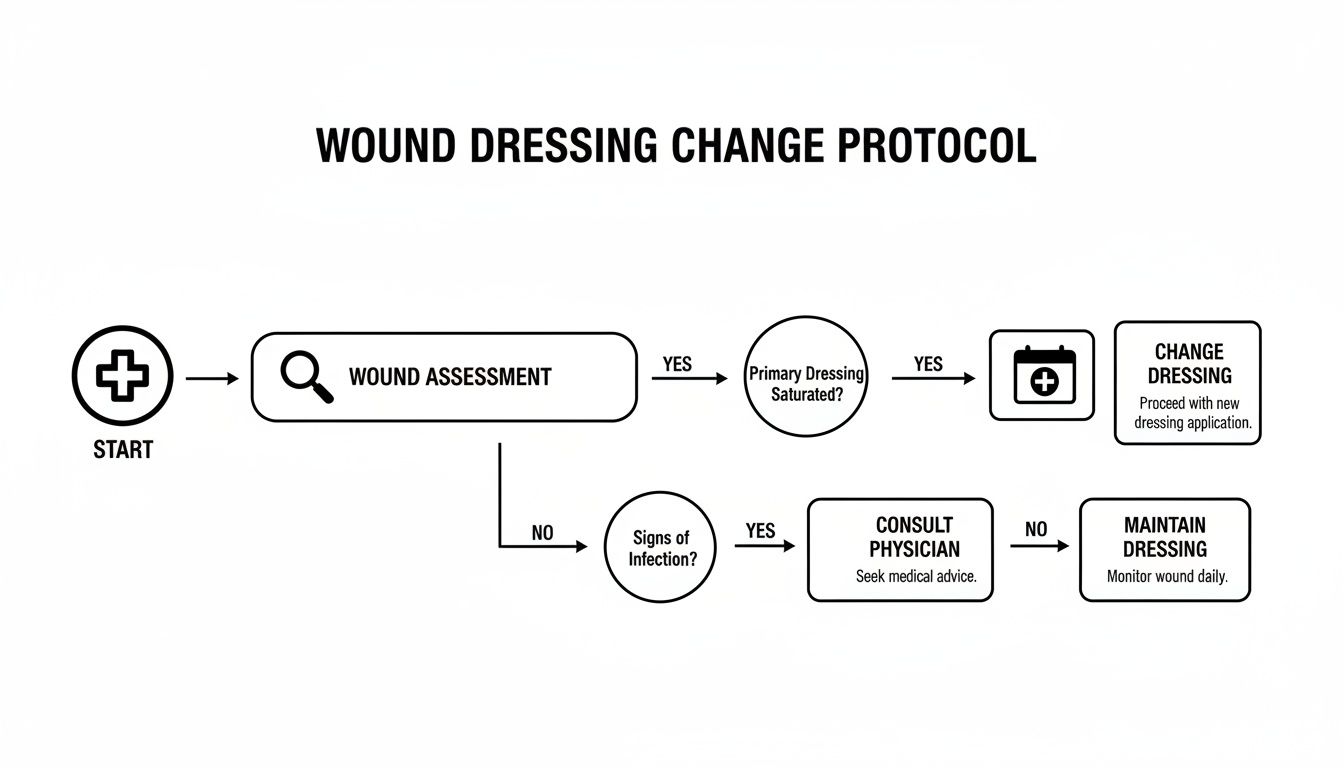
The flowchart below gives a simple look at how this decision-making process works, from checking the wound to scheduling the next change.
This visual guide shows that the wound's condition—especially its drainage and any signs of infection—is the real signal for when a change is needed. Placing these individual decisions into the context of wider healthcare process improvement initiatives helps ensure we're getting the best patient outcomes while using our resources wisely.
Dressing Schedules for Common Wound Types
When we talk about wound care principles, it’s easy to get lost in the theory. But applying them to real-world situations is where things click. The "right" frequency for changing a dressing isn't a single answer; it's a practical schedule built around the unique needs of the wound itself.
Let's walk through a few common scenarios. You'll see that every wound has its own healing journey, and a clean surgical cut behaves entirely differently than a chronic ulcer. That means the dressing schedule has to match.
Post-Surgical Incisions: A Protective Start
For a clean, closed surgical incision, the first 48 hours are absolutely critical. This is the window where the wound is most vulnerable to infection. The number one goal is simple: provide an undisturbed, sterile shield while the body begins its initial repair work.
Evidence backs this up. A major 2023 analysis on post-operative dressing changes found that waiting until the 48-hour mark for the first change was linked to the lowest risk of surgical site infections. Changing it sooner didn't help, and waiting much longer could actually introduce risk.
After that crucial two-day period, if the incision is clean and dry, it might only need a new dressing every two to seven days. The exact timing depends on the type of dressing and whether there's any minor drainage.
Typical Schedule for Surgical Wounds:
First 48 Hours: The initial sterile dressing should be left alone to act as a barrier against bacteria.
Day 2-3: The first dressing change happens now. It’s a chance to inspect the incision for good healing or any early signs of trouble.
Following Changes: If everything looks good, changes can be spaced out to every 2-7 days until the wound is fully closed.
Diabetic Foot Ulcers: Managing a Chronic Challenge
Diabetic foot ulcers (DFUs) are a different beast entirely. These chronic wounds are notorious for moderate to heavy drainage and a high risk of infection, thanks to underlying issues like poor circulation and nerve damage. The dressing schedule here is much more hands-on and dynamic.
Frequency is driven almost entirely by managing exudate and the need for regular cleaning and debridement. A foam or alginate dressing might need to be changed every 1-3 days just to keep the wound bed clean and control the moisture levels.
With these tough-to-heal wounds, advanced treatments can completely change the game plan.
Initial Phase: In the beginning, we might be changing dressings daily or every other day to manage heavy drainage and clear away unhealthy tissue.
Healing Phase: As the wound bed improves and drainage lessens, we can often extend the time between changes to every 3-5 days.
Advanced Treatments: When we bring in powerful tools like amniotic allografts to rebuild the wound bed, the strategy flips. The new goal is to disturb the area as little as possible. This could mean leaving a specialized dressing in place for up to a week, giving the graft time to integrate and kickstart the body’s healing cascade.
Venous Leg Ulcers: The Exudate Factor
Venous leg ulcers are often defined by one thing: heavy drainage. Because of underlying circulatory problems, these wounds produce a lot of fluid, and the primary goal of the dressing is absorption. It has to soak up a large amount of exudate to keep the surrounding skin from breaking down.
Multi-layer compression therapy is the gold standard for these ulcers. The dressing change is usually timed to coincide with the reapplication of the compression wraps.
Here, the schedule is almost completely dictated by the amount of drainage. At the start, that might mean daily changes. But as compression therapy begins to work and the swelling goes down, drainage lessens. This allows us to stretch the changes out to every 3-7 days. The golden rule is simple: change the dressing before it gets saturated.
A Guide to Common Dressing Types and Wear Times
Wound dressings aren't a one-size-fits-all solution. How often a dressing needs to be changed comes down to the materials it's made of and the job it’s designed to do. Some dressings are built to absorb fluid, others donate moisture, and some just act as a simple shield.
Think of it like choosing the right tool for a household repair. You wouldn't use a hammer to turn a screw. In the same way, putting a highly absorbent dressing on a dry wound can actually slow down healing, while a simple film over a heavily draining wound will fail in no time. Understanding what a dressing does is the first step in knowing how long it can stay on.
Traditional vs. Modern Dressings
The most familiar dressing, traditional gauze, is a workhorse for absorption. Its main drawback is that it’s non-selective, meaning it can dry out the wound bed and stick to delicate new tissue. Because of this, gauze often requires changing at least once a day, and sometimes more.
Modern dressings, on the other hand, are engineered with specific goals in mind, allowing them to stay in place longer and create a more stable healing environment.
Transparent Films: These are like a second skin, giving you a waterproof barrier over clean, dry wounds or helping to secure other dressings. They can often be left on for up to 7 days.
Foams: Fantastic for soaking up moderate to heavy drainage while also providing a cushion for the wound. Depending on how much fluid they’re managing, they typically need to be changed every 3 to 7 days.
Hydrocolloids: When these dressings meet wound fluid, they form a gel that creates a moist healing environment. They are ideal for dry or lightly draining wounds and usually stay in place for 3 to 7 days.
To make it easier to see how these compare, here’s a quick-reference table.
Dressing Type vs. Typical Change Frequency
This table breaks down some of the most common dressing materials, what they're best used for, and their standard wear time. It’s a helpful guide for patients and caregivers trying to understand their wound care supplies.
Dressing Type
Primary Use
Typical Change Frequency
Gauze
General absorption and wound packing
1-2 times daily
Transparent Film
Protective cover for low-exudate wounds, securing other dressings
Up to 7 days
Foam
Moderate to heavy exudate absorption, cushioning
3-7 days
Hydrocolloid
Light to moderate exudate, promoting moist healing
3-7 days
Alginate
Heavy exudate absorption
1-3 days
Hydrogel
Donating moisture to dry wounds
1-3 days
Remember, these are just typical timeframes. The actual frequency will always depend on the specific wound's condition, as instructed by your healthcare provider.
Advanced Dressings for Specific Challenges
When a wound is more complex, you need to bring in specialized materials. These dressings are designed to handle tough challenges like heavy drainage or stalled healing.
Alginates, which come from seaweed, are superstars of absorption. They can soak up an incredible amount of fluid—up to 20 times their own weight. This makes them perfect for wounds with heavy drainage, like venous leg ulcers. The change schedule is dictated entirely by the drainage, usually falling between 1 to 3 days.
Choosing the right dressing is about creating an ideal microenvironment for healing. The goal is to balance moisture, protect new tissue, and manage bacteria with the fewest disturbances possible. The dressing’s material directly impacts how long that ideal state can be maintained.
The Role of Biologics and Amniotic Allografts
For chronic, non-healing wounds that just won't close, clinicians may turn to advanced biologics like amniotic allografts. These are much more than a simple cover; they are therapeutic products that provide a structural scaffold and growth factors to actively kick-start tissue regeneration.
When a specialist at a clinic like Specialty Wound Care applies an amniotic allograft, the primary goal is to leave it undisturbed for as long as possible. The initial dressing placed over the allograft might stay in place for 5 to 7 days or even longer, based on the provider's specific instructions. Subsequent changes are carefully timed to monitor progress, not just to swap out a dressing. This hands-off approach creates the stable, uninterrupted environment these powerful regenerative therapies need to do their work.
Red Flags That Require an Immediate Dressing Change
While having a planned dressing schedule is great for routine, your wound is the ultimate authority on its own needs. Think of the schedule as a guideline, not a hard-and-fast rule. It's absolutely critical to recognize the warning signs that demand a dressing be changed immediately, no matter when it was last applied.
Consider these signs your body’s own emergency alert system. Ignoring them can open the door to complications like a serious infection or a major setback in healing. Acting fast keeps you ahead of potential problems and ensures your recovery stays on track.
Critical Signs to Watch For
You need to pay close attention to what the wound and the dressing are telling you. If you spot any of the following signs, it’s time for an unscheduled change and a prompt call to your provider.
Fluid Soaking Through: If you see drainage seeping through the outer layer of the dressing, that's a classic sign of strike-through. It means the dressing is totally saturated and can no longer shield the wound from outside bacteria.
Dressing Shifts or Peels Away: A dressing that has moved or started peeling off at the edges has lost its sterile seal. This exposure lets contaminants in and has to be fixed with a fresh dressing right away.
A Sudden Increase in Pain: Some discomfort can be normal, but a sudden spike in pain, throbbing, or tenderness at the wound site can signal an infection or another brewing complication.
Foul or Sweet Odor: A slight, earthy smell can be normal with certain types of dressings. However, a strong, foul, or strangely sweet odor is a major red flag for a bacterial infection that needs immediate attention.
Visual and Sensory Clues Around the Wound
Beyond the dressing itself, the skin surrounding the wound offers vital clues. During a change, or if you can see the nearby skin, be on the lookout for these warning signs.
A wound that is healing well should show progress, not distress. Increased pain, unusual drainage, and spreading redness are clear signals that the healing environment has been compromised and needs immediate intervention.
Spreading redness, warmth, or swelling in the skin around the wound are classic signs of a developing infection. If you notice the red area seems to be expanding, it’s a good indication the infection is getting worse.
Additionally, any discolored drainage—like yellow, green, or cloudy fluid—is a sign that you should contact your clinician. Advanced technologies, like those used to help detect elevated bacterial presence in wounds, are crucial in these situations for guiding the right treatment.
When to Partner with a Wound Care Expert
Knowing how often to change a dressing isn't about following a rigid schedule; it’s about creating the perfect healing environment with as few disruptions as possible. While this guide gives you a solid foundation, some wounds just don't play by the rules.
If you're dealing with a non-healing wound, a serious infection, or a complex situation like a diabetic ulcer, it can feel overwhelming. This is exactly when you should bring in a dedicated wound care specialist. Their involvement shifts your care from guesswork to a precise, evidence-based plan.
The Benefits of Specialized Care
A professional wound care provider does a lot more than just tell you when to change a bandage. They bring a whole coordinated strategy to the table, designed for safer, faster healing.
Accurate Diagnostics: Using advanced tools, specialists can pinpoint the exact reasons a wound isn't healing, whether it's hidden bacteria or poor circulation.
Advanced Treatments: They have access to therapies you won't find in a standard clinic, like amniotic allografts that help rebuild tissue from the cellular level up.
Tailored Plans: You get a care plan built specifically for your wound, your overall health, and your day-to-day life.
Partnering with an expert takes the mystery out of the healing process. It replaces uncertainty with a clear, actionable strategy. This dramatically cuts down the risk of serious complications like infection or amputation and helps you get back to your life that much sooner.
For those managing complicated health conditions that require continuous wound management at home, looking into specialized complex care services can provide that crucial layer of professional support.
Here’s the bottom line: if a wound shows no signs of improvement after two weeks, seems to be getting worse, or is tied to a chronic condition, it’s a clear signal to get help. Don’t wait for a small problem to turn into a major one. You can easily book a consultation with a wound care expert to get the targeted support you need for a successful recovery.
Frequently Asked Questions
Even with the best wound care plan, questions are bound to pop up. Feeling confident about the small, practical details is key to keeping your healing on the right track.
Can I Shower with My Wound Dressing On?
That’s a great question, and the answer comes down to what kind of dressing you’re using.
Some materials, like transparent films and certain hydrocolloids, are designed to be waterproof. They create a seal that shields the wound from water, so a quick shower is usually fine. On the other hand, traditional materials like gauze offer no protection from water and have to stay completely dry.
If a non-waterproof dressing gets wet, it’s a problem. Moisture can create a pathway for bacteria to get into the wound. You’ll need to change it out for a fresh, dry one immediately. Your provider will give you specific instructions—always follow their lead.
What Should I Do if My Dressing Sticks to the Wound?
The first rule is: don't panic and don't pull. Forcing or ripping off a dressing that’s stuck can tear away the delicate new tissue that’s working so hard to form. You’d be taking one step forward and two steps back.
Instead, try moistening the dressing with a sterile saline solution. Let it soak for a few minutes to gently loosen the adhesive. If it’s still stuck or trying to remove it causes sharp pain, just stop. It’s better to leave it and contact your healthcare provider for guidance. They might recommend switching to a non-adherent dressing to prevent it from happening again.
A slight, mild odor from old wound fluid can be normal when changing a dressing. However, a foul, pungent, or sweet smell is a major red flag for infection and requires immediate medical attention, especially if paired with increased pain or discolored drainage.
For a deeper dive into common wound care concerns, you can explore this helpful list of frequently asked questions put together by wound care specialists. It's a great resource for getting more clarity as you manage your healing at home.
At Specialty Wound Care, our mission is to provide clear answers and advanced solutions for even the most complex wounds. If you have questions about your care plan or are dealing with a wound that just won’t heal, our team is ready to help. Visit us to learn more about our patient-centered approach.
Accurate wound assessment is the bedrock of effective treatment, yet relying solely on subjective observations and a simple ruler is no longer sufficient. The complexity of chronic and non-healing wounds demands a more sophisticated, evidence-based approach. For nurses on the front lines, mastering a combination of validated scales, diagnostic technologies, and structured documentation methods is critical to accelerating healing, preventing complications, and securing appropriate reimbursement. This guide provides a comprehensive breakdown of essential wound assessment tools for nurses, moving beyond basic techniques to explore the instruments and frameworks that define modern wound care.
This resource is designed for practical application. We will examine not just what each tool is, but precisely how to integrate it into your daily workflow, interpret its findings accurately, and leverage the data to justify treatment plans and advanced interventions for your patients. From validated scales like the Bates-Jensen and PUSH tools to advanced fluorescence imaging and rapid microbiology tests, you will gain a clear understanding of the purpose, limitations, and documentation requirements of each.
We will cover a range of instruments, including:
Validated assessment scales for tracking healing and staging.
Objective measurement and imaging technologies.
Diagnostic tools for assessing bacterial burden and perfusion.
Structured documentation frameworks and software to ensure consistency and compliance.
By the end of this article, you will have a practical toolkit to enhance your clinical judgment, improve patient outcomes, and streamline your documentation process, ensuring your assessments are both comprehensive and defensible.
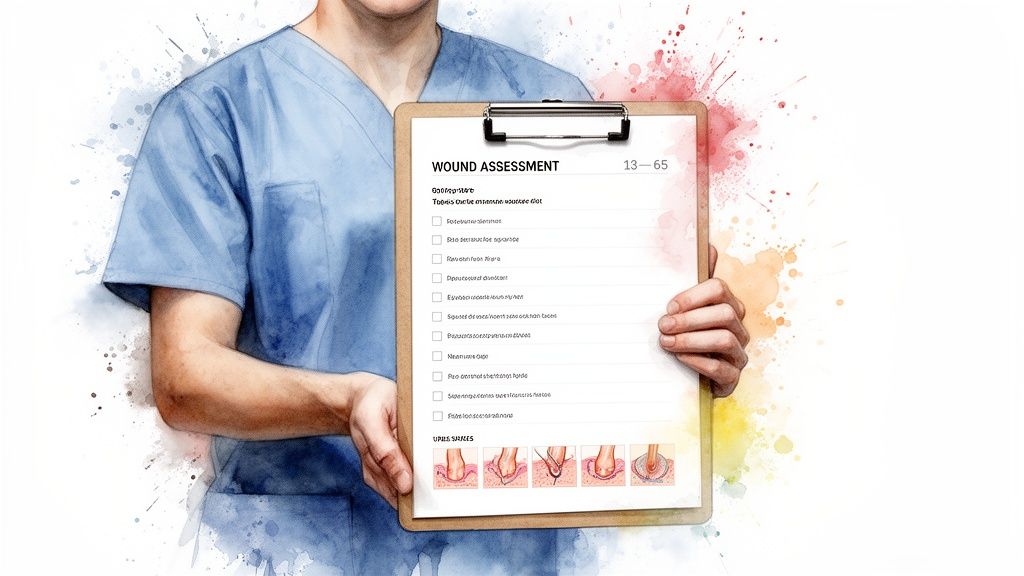
1. Bates-Jensen Wound Assessment Tool (BWAT)
The Bates-Jensen Wound Assessment Tool (BWAT) is a validated, comprehensive scale that standardizes the process of wound evaluation. Developed by Barbara Bates-Jensen, RN, PhD, it moves beyond simple measurements to provide a structured method for assessing 13 distinct wound characteristics. This tool is one of the most essential wound assessment tools for nurses in specialty settings, converting subjective observations into an objective, numerical score.
Each of the 13 items, such as necrotic tissue type, exudate amount, and surrounding skin condition, is rated on a 1-to-5 scale. These individual scores are summed to produce a total score ranging from 13 (best) to 65 (worst), creating a clear, quantitative measure of wound status. A decreasing score over time indicates healing, while a rising or stagnant score signals a need to re-evaluate the treatment plan.
Use Cases and Clinical Application
The BWAT is highly versatile and integrated into various care settings to drive clinical decisions and justify interventions. For instance, major academic medical centers often mandate its use in their pressure injury prevention programs to ensure consistent documentation. Home health agencies embed the BWAT into their electronic health records (EHRs), allowing for reliable tracking of wound progress between different nurses' visits.
Furthermore, specialty wound clinics use serial BWAT scores as objective evidence to payers when requesting authorization for advanced treatments, like cellular and tissue-based products. The tool’s structure provides the detailed, standardized data required for reimbursement and quality reporting.
Implementation and Documentation Tips
To ensure the BWAT is used effectively, consistent application is crucial.
Standardize the Process: Always assess the wound in the same location with consistent lighting to minimize variability.
Ensure Staff Competency: Before clinical use, train all nursing staff on the specific definitions for each descriptor in the scale. You can find excellent resources and guides to support your team with training and documentation protocols.
Track Trends: Document the BWAT score at every single assessment. This creates a meaningful data trend that clearly illustrates the wound’s healing trajectory or stagnation over time.
Correlate with Other Data: Pair BWAT scores with point-of-care diagnostic results, such as rapid pathogen tests, to create a holistic view that can guide antimicrobial stewardship and other targeted therapies.
2. Pressure Injury Scale for Healing (PUSH Tool)
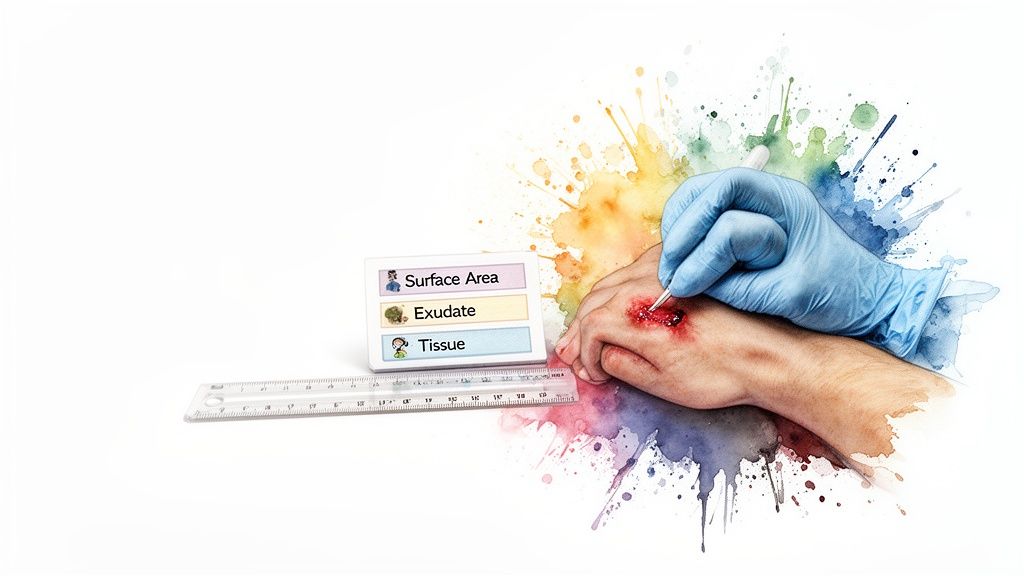
The Pressure Injury Scale for Healing (PUSH Tool) is a straightforward, validated instrument developed by the National Pressure Injury Advisory Panel (NPIAP) to specifically monitor the healing of pressure injuries. Unlike more comprehensive scales, the PUSH Tool focuses on three core parameters: surface area (length × width), exudate amount, and tissue type. It simplifies wound assessment into a targeted scoring system, making it one of the most practical wound assessment tools for nurses in fast-paced settings.
Each of the three items is assigned a score, and these are added together for a total score ranging from 0 (healed) to 17 (worst). A progressively decreasing score over time provides clear, objective evidence that the wound is healing. This simplicity and strong predictive validity for healing outcomes have made it a widely adopted tool, particularly where pressure injuries are a primary concern.
Use Cases and Clinical Application
The PUSH Tool's efficiency makes it ideal for settings that require rapid, repeatable assessments. For example, visiting nurse agencies use it during each home visit to quickly flag wound deterioration and alert the supervising physician. Skilled nursing facilities (SNFs) frequently employ the PUSH Tool for regulatory compliance and quality reporting, as its data aligns with metrics required by the Centers for Medicare & Medicaid Services (CMS).
In specialty wound clinics, clinicians may use the PUSH Tool as an initial screening device. A stagnant or worsening score can trigger a more comprehensive evaluation with a tool like the BWAT or justify the use of advanced diagnostics to investigate non-healing factors.
Implementation and Documentation Tips
Effective use of the PUSH Tool depends on consistency and accurate technique.
Train for Accuracy: Ensure all staff are proficient in measuring surface area using the length-times-width method in centimeters. Consistent measurement is the foundation of a reliable score.
Document Tissue Type Carefully: Precisely identify and score the tissue type (closed/resurfaced, epithelial, granulation, slough, or necrotic tissue/eschar). Accompany documentation with a photograph taken at a consistent angle and with good lighting.
Use as a Screening Tool: Implement the PUSH Tool for initial and routine checks. If a score shows concern or stagnation, follow up with a more comprehensive assessment to explore underlying causes.
Set Realistic Timelines: Apply a PUSH predictive calculator early in the care plan. This helps set realistic healing expectations to discuss with patients, families, and the interdisciplinary team.
3. Wound Bed Preparation (WBP) Framework—TIME Principle
The TIME principle is a dynamic and systematic framework designed to guide wound bed preparation, a crucial step in managing chronic wounds. Popularized by wound care experts like Keith Dowsett and Diane Ayello, TIME is not a numerical scoring tool but rather a conceptual model that helps clinicians organize their assessment and treatment strategy. It stands for Tissue management, Inflammation/Infection control, Moisture balance, and Epithelial (edge) advancement.
This framework guides nurses through a logical sequence of evaluating and addressing the primary barriers to healing. By breaking down the complex wound environment into four manageable components, it ensures a holistic and structured approach. The goal is to create an optimal wound bed that is well-vascularized, free of non-viable tissue and infection, and has a balanced moisture level, all of which are necessary for healing to progress.
Use Cases and Clinical Application
The TIME framework's strength lies in its applicability across various clinical settings as one of the most practical wound assessment tools for nurses. Academic wound centers often use it as a foundational model during nurse orientation to instill a systematic assessment process. In multidisciplinary wound care teams, the TIME structure provides a common language for case conferences and grand rounds, ensuring all specialists from podiatry to infectious disease are aligned.
Additionally, home health agencies integrate TIME principles into their electronic nursing notes, promoting consistent documentation and care planning between visits. Primary care providers can use a simplified TIME checklist to identify when a wound is not progressing and a referral to a wound specialist is warranted, ensuring timely intervention for complex cases.
Implementation and Documentation Tips
Effective use of the TIME framework depends on its consistent application in clinical practice.
Create a Quick-Reference Checklist: Develop a laminated, one-page TIME checklist that nurses can carry for a quick reference during assessments to ensure all four pillars are evaluated.
Objectify the Assessment: Pair the TIME framework with diagnostic tools. For instance, use rapid pathogen testing to add objective data to the 'Infection' pillar or fluorescence imaging to better inform both the 'Tissue' and 'Infection' components.
Structure Documentation: Document findings for each of the four pillars separately in the patient's chart. This approach clearly justifies specific interventions, such as ordering a debriding agent for the 'Tissue' component or an antimicrobial dressing for 'Infection' control.
Guide Patient Assessment: Train your team to ask specific TIME-guided questions at the bedside: 'Is there non-viable tissue present?' 'Are there signs of clinical or subclinical infection?' 'Is the moisture level balanced?' and 'Is epithelialization occurring at the wound edges?'
4. Sussman Wound Healing Tool (SWHT)
The Sussman Wound Healing Tool (SWHT) is a validated, 10-item scale that provides a quantitative score for tracking wound healing progress. Developed by physical therapist Cathy Sussman, this tool assesses key attributes of the wound and periwound tissue to generate a score that correlates with the physiological phases of healing. As one of the foundational wound assessment tools for nurses, it translates complex clinical observations into a simple, objective number.
The SWHT evaluates characteristics such as wound size, depth, edges, undermining, exudate, necrotic tissue, granulation tissue, and epithelialization. Each item is rated on a scale, and the scores are summed to produce a total score ranging from 10 (healthiest) to 40 (worst). A decreasing score over time provides clear evidence of healing, while a static score can alert clinicians to a stalled wound that requires a new treatment strategy.
Use Cases and Clinical Application
The SWHT is particularly effective in settings where tracking healing trajectories over time is critical for both clinical management and reimbursement. For example, diabetic foot ulcer clinics use serial SWHT scores to justify the medical necessity of advanced interventions, such as cellular and tissue-based products, when a wound fails to show improvement. Community wound care centers also rely on the SWHT to provide standardized progress reports to insurance payers.
In post-operative settings, nurses use the SWHT to monitor surgical site incisions. An increasing score can serve as an early warning sign of delayed healing or potential dehiscence, prompting closer evaluation and intervention. Its structured format ensures that all clinicians are evaluating the wound based on the same criteria, improving communication and continuity of care.
Implementation and Documentation Tips
For the SWHT to be a reliable instrument, consistent and accurate application is essential.
Establish a Protocol: Always perform the assessment at the same point in the care routine, such as after cleansing, and under consistent, adequate lighting.
Educate the Team: Provide clear training on the definitions for each category, especially the visual distinction between healthy granulation tissue (bright red, bumpy) and slough (yellow/gray, moist).
Track Serial Scores: Document the SWHT score at baseline and at regular intervals (e.g., weekly). Charting this trend (e.g., baseline, week 2, week 4) helps predict whether the wound is progressing or has plateaued.
Integrate with Patient Education: Use the scoring trend as a visual aid to engage patients in their care. Showing them objective proof of healing can reinforce their adherence to the treatment plan and improve overall outcomes.
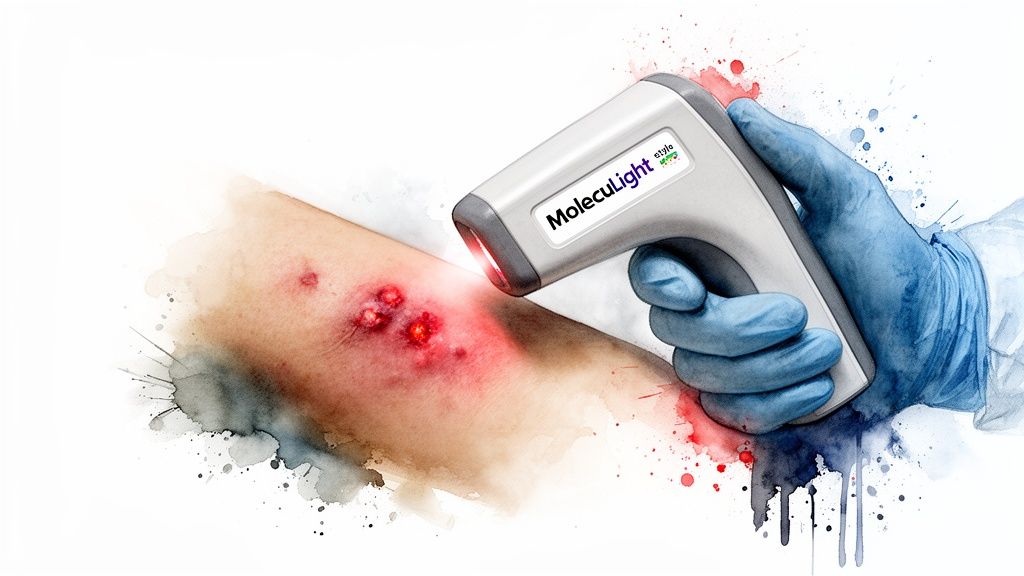
5. MolecuLight DX Fluorescence Imaging Tool
The MolecuLight DX is a handheld, non-invasive fluorescence imaging device that provides real-time visualization of clinically significant bacteria in wounds. It functions by shining a safe, specific wavelength of light onto the wound bed. Bacteria autofluoresce, emitting a red or cyan glow when present in high concentrations, allowing clinicians to see bacterial burden that is invisible to the naked eye. This makes it one of the most innovative wound assessment tools for nurses, moving beyond subjective signs to provide immediate, actionable diagnostic data at the point of care.
Unlike traditional scales, MolecuLight DX offers a diagnostic adjunct that directly impacts treatment. The presence, location, and load of bacteria are instantly visible, enabling more targeted debridement, precise sampling for cultures, and informed antimicrobial stewardship. The device also includes a built-in measurement feature for consistent, objective tracking of wound dimensions over time.
Use Cases and Clinical Application
The MolecuLight DX is rapidly becoming a standard of care in specialty settings to guide interventions and justify treatments. For example, diabetic foot ulcer clinics use its imaging to determine the severity of bioburden and guide decisions between topical antimicrobials and systemic antibiotics. Surgical centers utilize it post-debridement to confirm the wound bed is adequately prepared before applying costly cellular and tissue-based products.
Home health agencies are also piloting the technology and have found it helps identify rising bacterial loads earlier, potentially reducing hospital readmissions. The objective, visual evidence captured by the device is also used to support reimbursement claims for advanced procedures and products, providing clear justification to payers.
Implementation and Documentation Tips
To maximize the clinical benefit of the MolecuLight DX, a structured workflow is essential.
Standardize Imaging Protocols: Establish a routine of performing fluorescence imaging at the initial assessment and at every subsequent visit to track changes in bacterial load.
Guide Sampling: Use the fluorescence images to pinpoint the exact areas of highest bacterial concentration for swabbing or biopsy. This dramatically improves the diagnostic yield of microbiology tests. You can find more information about this point-of-care wound imaging device.
Enhance Patient Education: Show patients the real-time images on the device's screen. Demonstrating the reduction in bacterial fluorescence after cleansing or debridement is a powerful tool to reinforce their adherence to the treatment plan.
Integrate with Documentation: Store the fluorescence images directly in the patient’s EHR. Correlate these images with BWAT or PUSH scores to create a comprehensive, multi-modal assessment that fully supports clinical decision-making.
Rapid pathogen testing represents a pivotal diagnostic framework rather than a traditional assessment scale. It revolutionizes how clinicians identify and address wound bioburden by significantly shortening the time needed to determine bacterial presence and antibiotic susceptibility. While traditional cultures can take 48-72 hours or more, rapid molecular methods like Polymerase Chain Reaction (PCR) can deliver results in as little as one to two days. This speed allows nurses and providers to correlate clinical wound assessment findings, such as increased exudate or periwound inflammation, with objective microbiological data for timely, targeted interventions.
This diagnostic tool integrates directly into the wound assessment process, providing a crucial piece of the puzzle that visual inspection alone cannot. By rapidly identifying the specific microorganisms colonizing a wound and their resistance patterns, clinicians can move beyond broad-spectrum antibiotics. This approach is fundamental among modern wound assessment tools for nurses, facilitating antimicrobial stewardship and justifying the use of advanced therapies when bioburden is a primary barrier to healing.
Use Cases and Clinical Application
The clinical impact of rapid pathogen testing is profound across various care settings. Specialty wound centers frequently send samples from all non-healing wounds for rapid PCR, using the results to de-escalate or change antimicrobial therapies with precision. Diabetic foot ulcer programs rely on this framework to quickly identify complex polymicrobial infections, enabling them to select effective combination antibiotic regimens from the outset.
In post-operative settings, surveillance programs use rapid testing to detect emerging resistant pathogens like MRSA early, helping to prevent progression to deeper infections or sepsis. Home health agencies also leverage this technology by ordering tests at the first sign of infection. The faster turnaround allows for proactive management in the outpatient setting, often preventing costly and disruptive hospitalizations for patients.
Implementation and Documentation Tips
Effective integration of rapid pathogen testing requires clear protocols and skilled execution.
Master Sample Collection: Train nursing staff on proper wound sampling techniques. Cleanse the wound, remove old dressings, and obtain the sample from viable, non-necrotic tissue to ensure an accurate microbiological picture.
Establish Testing Criteria: Develop clear, evidence-based criteria for when to order a rapid test. This could include wounds delayed in healing for more than two weeks, new signs of clinical infection, or an abrupt change in exudate character.
Contextualize the Order: When ordering the test, document the sample site, clinical wound characteristics, and any adjunct findings (like fluorescence imaging results) to provide complete context for the interpreting clinician. You can discover more about these protocols and the value of advanced pathogen detection in wound care.
Act on Results Swiftly: When results are available, convene a multidisciplinary team to review the organism identity, antibiotic susceptibilities, and the patient's clinical response. Adjust the treatment plan immediately based on this comprehensive data.
7. Comprehensive Wound Assessment Checklist (CWAC) – Structured Documentation Form
A Comprehensive Wound Assessment Checklist (CWAC) is not a scored scale but a structured documentation form that guides nurses through a complete and consistent evaluation. It consolidates critical assessment domains-like wound characteristics, periwound skin condition, infection signs, and patient-specific factors-into a single, standardized template. This organizational framework ensures that no critical element is overlooked, making it one of the most practical wound assessment tools for nurses focused on regulatory compliance and thorough documentation.
The primary function of a CWAC is to enforce a minimum standard of care during every assessment. By prompting the clinician through each necessary step, from measuring dimensions to evaluating exudate and pain levels, it creates a robust, reproducible record. This structured data is invaluable for tracking progress, facilitating clear communication between shifts, and defending clinical decisions during audits.
Use Cases and Clinical Application
The CWAC is a foundational tool for standardizing care across large healthcare systems. Major hospital networks often mandate a specific CWAC template within their EHR for all wound care entries, particularly for pressure injuries, to meet regulatory reporting requirements from agencies like The Joint Commission and CMS. Its utility extends beyond acute care; home health agencies equip visiting nurses with printable or digital CWACs to ensure consistent data collection in the field, which is later uploaded to the central EHR.
In specialty wound clinics, custom CWACs are often enhanced with fields for advanced diagnostics. For example, a template might include dedicated sections to document results from fluorescence imaging or rapid pathogen tests, directly linking these findings to the overall assessment. This integration provides a complete clinical picture that practice administrators can leverage to justify higher-acuity billing codes and secure reimbursement for advanced treatments.
Implementation and Documentation Tips
Effective implementation transforms the CWAC from a simple form into a powerful clinical governance tool.
Promote Collaborative Design: Develop the CWAC with input from bedside nurses, wound specialists, providers, and IT staff. A checklist that reflects the actual clinical workflow is far more likely to be adopted and used correctly.
Embed Clinical Decision Support: Integrate decision trees directly into the form. For example, a prompt could state, "If wound shows no improvement for 2 weeks, consider referral to a wound specialist or ordering advanced imaging."
Integrate into the EHR: Work with your EHR vendor to build the CWAC as a smart form. This allows it to auto-populate data from previous assessments, making it easy for clinicians to see trends and changes over time.
Train Staff on Purpose: Emphasize to staff that the CWAC is the minimum standard for documentation. Encourage them to add detailed narrative notes to provide the clinical context and nuance that a checklist alone cannot capture.
Wound Healing Trajectory Assessment is a dynamic method that shifts the focus from single-point evaluations to a continuous, data-driven narrative of healing. It leverages serial assessment data, often from tools like the BWAT or PUSH, and combines it with predictive analytics algorithms. This approach forecasts healing timelines and proactively identifies wounds at high risk for delayed healing, making it one of the most forward-thinking wound assessment tools for nurses.
Instead of a static snapshot, this framework uses longitudinal data comparison, such as comparing baseline measurements to those at week two and week four. By tracking the rate of change, clinicians can detect stalled or worsening trends far earlier than with isolated assessments. This enables proactive escalation to advanced interventions, transforming wound care from a reactive to a predictive discipline, often powered by modern wound care software platforms.
Use Cases and Clinical Application
This data-centric approach is being integrated across the continuum of care to improve outcomes and resource allocation. For example, specialty wound networks use predictive analytics to flag chronic wounds approaching the 30-day plateau threshold, automatically triggering specialist referral orders. Large health systems track diabetic foot ulcer cohorts via trajectory analysis to identify patients who are falling behind expected healing rates, which can trigger provider education or more intensive patient follow-up.
In acute care, post-operative wound surveillance programs can alert surgical teams when a wound's trajectory suggests a heightened risk of incisional infection. Similarly, home health agencies use healing trajectory graphs in weekly team meetings to visually prioritize high-risk wounds for additional nursing visits or a telehealth consultation with a wound specialist.
Implementation and Documentation Tips
Effective trajectory assessment relies on consistent data collection and analysis.
Establish a Clear Baseline: Your first assessment before any significant intervention is the critical reference point. All future progress is measured against this initial evaluation.
Maintain Fixed Intervals: Schedule follow-up assessments at consistent intervals (e.g., day 7, day 14, day 28), even if the wound appears stable. This consistency is essential for valid trajectory comparison.
Educate and Engage Patients: Show patients their wound's healing graph. Visualizing progress can significantly boost morale and adherence, while a plateau can help explain the need for a change in treatment.
Investigate Plateaus: When a trajectory flattens despite standard care, use it as a trigger to investigate underlying causes. Assess for poor nutrition, infection, patient compliance issues, or inadequate debridement before escalating therapy.
Standardizes documentation; reduces variability and chart time ★★★★
💰 Medium — IT/customization costs; training
👥 Health systems, EHR-integrated clinics, home health
🏆 Ensures complete, defensible documentation for quality & billing
Wound Healing Trajectory & Predictive Analytics
Serial scoring + predictive algorithms; dashboards/flags ✨
Data-driven early warning; supports escalation decisions ★★★★
💰 Medium–High — software/subscription + IT integration
👥 Specialty networks, population health teams, wound programs
🏆 Forecasts stalled healing and automates escalation to advanced care
Integrating Your Toolkit for Superior Wound Outcomes
Navigating the complex landscape of wound care requires more than just clinical skill; it demands a strategic, data-driven approach. As we've explored, the most effective wound assessment strategy isn't about finding a single perfect tool. Instead, it’s about skillfully assembling an integrated, multi-modal toolkit that provides a complete, objective picture of the wound environment from every angle. By moving beyond subjective observation and embracing a combination of validated scales, advanced diagnostics, and structured documentation, nurses can transform routine assessment into a powerful therapeutic intervention.
Synthesizing Your Assessment Strategy
The true power of these wound assessment tools for nurses is realized when they are used in concert. A validated scale like the Bates-Jensen Wound Assessment Tool (BWAT) provides a comprehensive, longitudinal record of wound characteristics, ideal for tracking complex cases over time. In contrast, the Pressure Ulcer Scale for Healing (PUSH) tool offers a rapid, efficient method for quick progress checks, perfect for busy clinical settings or large patient loads.
By layering these foundational scales with advanced diagnostics, you gain unprecedented insight. A fluorescence imaging device, for instance, can reveal the invisible threat of high bacterial loads before overt signs of infection appear, while rapid pathogen testing provides the specific microbial data needed to guide targeted antimicrobial stewardship. This combination empowers you to move from a reactive to a proactive care model, anticipating complications and intervening before they derail the healing process.
From Data Collection to Actionable Insights
Effective tool integration is about creating a clear, defensible narrative of the patient's healing journey. This process hinges on three key pillars:
Standardization: Adopting tools like the TIME framework or a Comprehensive Wound Assessment Checklist (CWAC) ensures that every assessment is thorough, consistent, and follows best practices. This standardization minimizes variability between clinicians and creates a reliable dataset for tracking outcomes.
Objectivity: Incorporating objective measurements, whether from a simple ruler or advanced 3D imaging, removes guesswork. This data-rich approach provides undeniable evidence of wound progression or stagnation, justifying the continuation or modification of the care plan.
Prediction: The ultimate goal is not just to document the present but to predict the future. By feeding consistent, objective data into wound healing trajectory models, clinicians can identify non-healing wounds earlier, allowing for timely escalation to advanced therapies.
Beyond traditional assessment methods, nurses should also be aware of advanced therapeutic interventions that can significantly impact a wound's progress. For instance, understanding the principles of wound oxygen therapy for healing can provide another crucial option for patients with compromised perfusion or stalled wounds, complementing the data gathered from your assessment toolkit.
Ultimately, mastering this diverse array of wound assessment tools for nurses elevates your practice. It empowers you to advocate for your patients with confidence, providing clear justification for advanced treatments and securing necessary reimbursement. This methodical, evidence-based approach not only accelerates healing and improves clinical outcomes but also reinforces your role as a critical, strategic leader in the wound care team, dedicated to restoring function and quality of life for every patient you serve.
Ready to elevate your wound care practice with expert support and the industry’s most advanced assessment protocols? Specialty Wound Care partners with healthcare facilities to implement data-driven wound management programs that improve outcomes and ensure compliance. Discover how our specialized teams can integrate these tools into your workflow by visiting Specialty Wound Care.
When faced with a complex or slow-healing wound, the focus is often on advanced treatments, dressings, and clinical interventions. While these are critical, the building blocks for tissue repair are delivered directly through your diet. The food you eat provides the essential proteins, vitamins, and minerals that power cellular regeneration, manage inflammation, and defend against infection. Proper nutrition isn't just a supportive measure; it's a foundational component of effective wound management, working in concert with advanced therapies to achieve the best possible outcomes.
This guide moves beyond generic advice to provide an actionable, evidence-informed roadmap to the best foods for wound healing. We will detail not just what to eat, but why specific nutrients work, how to incorporate them into your daily meals, and practical serving suggestions. Understanding this connection is the first step toward taking an active role in your recovery, ensuring your body has everything it needs to rebuild and restore itself from the inside out. For a comprehensive approach to fueling your body's healing, exploring nutrient-dense options can be a powerful strategy; for instance, some find that learning about the Beef Organ Supplement Benefits for Peak Energy and Recovery offers insights into maximizing micronutrient intake.
From the protein required for new tissue synthesis to the specific vitamins that orchestrate immune responses, each item on this list plays a unique and vital role. We will explore ten key nutritional powerhouses, providing clear, practical guidance for patients, caregivers, and healthcare providers to harness the power of food in the healing process.
1. Protein (Lean Meats, Fish, Poultry, Eggs)
Protein is the fundamental building block for tissue repair, making it one of the best foods for wound healing. When your body is injured, it requires a significant amount of amino acids, the components of protein, to build new tissue, form collagen, and support a robust immune response. Without adequate protein, the healing process can stall, leaving wounds vulnerable to infection and delayed closure.
For individuals with significant wounds, protein needs can nearly double. Clinicians often recommend an intake of 1.5 to 2.0 grams of protein per kilogram of body weight. Complete proteins, which contain all essential amino acids, are particularly effective. These are readily found in animal-based sources.
Why It's Essential for Healing
Collagen Synthesis: Amino acids like proline and glycine are critical for creating collagen, the primary structural protein in the skin and connective tissues that form the scaffold for new tissue growth.
Immune Function: Antibodies and immune cells are made from protein. A strong immune system is vital for fighting off potential infections at the wound site.
Tissue Regeneration: Protein supports the creation of fibroblasts and epithelial cells, which are necessary for closing the wound and forming a new protective skin layer.
Practical Ways to Increase Protein Intake
To maximize the benefits of protein, focus on high-quality sources and strategic timing.
Even Distribution: Aim for 25–35 grams of protein at each meal to provide a steady supply of amino acids throughout the day. A 4-ounce chicken breast or a 5-ounce salmon fillet easily meets this goal.
Smart Pairings: Combine protein sources with vitamin C-rich foods (like bell peppers or citrus) to enhance collagen production.
Adapt for Chewing Difficulties: If chewing is a challenge, opt for ground meats, flaked fish, scrambled eggs, or high-quality protein shakes.
Monitor Your Intake: Keeping a simple food diary can help you and your healthcare provider track your daily protein consumption and ensure you are meeting healing targets.
For complex wounds that are slow to heal despite dietary changes, specialized interventions may be necessary. Explore the advanced treatment options that complement nutritional support by visiting Primus Specialty Wound Care.
2. Vitamin C (Citrus Fruits, Berries, Bell Peppers, Leafy Greens)
Vitamin C, also known as ascorbic acid, is an indispensable nutrient in the wound healing process. It acts as a crucial cofactor in the synthesis of collagen, the protein that provides structure and strength to new tissue. Beyond tissue formation, vitamin C bolsters the immune system by enhancing neutrophil activity to fight infection and supports the growth of new blood vessels, a process called angiogenesis, which is vital for delivering oxygen and nutrients to the injury site.
Standard dietary allowances for vitamin C are often insufficient for healing. The body’s demand can increase significantly, with recommendations for wound recovery ranging from 200–500 mg daily, and sometimes higher for severe wounds. A deficiency can severely delay healing, weaken newly formed tissue, and heighten the risk of infection. Incorporating a variety of vitamin C-rich foods is a key strategy for accelerating recovery.
Why It's Essential for Healing
Collagen Stabilization: Vitamin C is required for the enzymes that cross-link and stabilize collagen fibers, essentially creating a strong, durable scaffold for new skin and tissue.
Antioxidant Protection: It acts as a powerful antioxidant, protecting the wound site from damage caused by free radicals, which are produced in higher amounts during inflammation.
Enhanced Immune Defense: It supports the function of immune cells like neutrophils and lymphocytes, helping them to effectively clear debris and pathogens from the wound.
Practical Ways to Increase Vitamin C Intake
To ensure you are meeting the elevated demands for healing, focus on incorporating potent sources of vitamin C throughout your day.
Choose High-Potency Foods: A single cup of sliced red bell peppers provides over 190 mg, while one large kiwi offers about 137 mg. A cup of strawberries or an 8-ounce glass of orange juice each provides nearly 100 mg.
Preserve Nutrient Content: Consume fresh fruits and vegetables quickly, as vitamin C levels can degrade over time with exposure to air, light, and heat. Lightly steam or microwave vegetables instead of boiling to minimize nutrient loss.
Pair with Iron: Eat vitamin C sources alongside iron-rich foods like leafy greens, beans, or lean meats to significantly boost iron absorption, which is also critical for healing.
Consider Supplementation: If dietary intake is insufficient due to appetite loss or other factors, a supplement of 500–1000 mg daily may be recommended. Always consult your healthcare provider before starting any new supplement.
Zinc is a powerful trace mineral that plays a central role in nearly every stage of the healing cascade. It acts as a cofactor for over 300 enzymes essential for protein synthesis, cell division, and immune defense. When the body sustains a wound, the demand for zinc increases significantly to support the rapid creation of new skin cells and connective tissue. A deficiency in this mineral can severely delay healing, weaken new tissue, and increase susceptibility to infection.
For individuals with significant wounds, a daily intake of 15–30 mg of zinc is often recommended, which is higher than the standard dietary allowance. This mineral is crucial for regulating matrix metalloproteinases (MMPs), enzymes that help break down old tissue to make way for new, healthy growth during the remodeling phase of healing. Ensuring adequate zinc levels is a key nutritional strategy for promoting efficient and complete recovery.
Why It's Essential for Healing
Cell Proliferation and Epithelialization: Zinc is required for DNA synthesis and cell division, processes that are critical for building new skin (epithelialization) to cover the wound.
Immune System Support: It is vital for the function of neutrophils and lymphocytes, key white blood cells that protect the wound from bacterial invasion and manage inflammation.
Collagen Synthesis: Zinc-dependent enzymes are necessary for producing and cross-linking collagen fibers, which provide strength and structure to the healing tissue.
Practical Ways to Increase Zinc Intake
Integrating zinc-rich foods into your diet can be straightforward with a few strategic choices.
Focus on Potent Sources: Oysters are the most concentrated natural source of zinc, but more common options like a 3-ounce serving of beef provide a substantial 5.5 mg. Plant-based sources like pumpkin seeds (9 mg per ounce) and chickpeas (2.4 mg per cup) are also excellent.
Avoid Mineral Competition: Zinc, iron, and calcium compete for absorption. If taking supplements, separate them by at least two hours to maximize their effectiveness.
Balance with Copper: High-dose zinc supplementation can interfere with copper absorption. Be sure to include copper-rich foods like nuts, shellfish, and whole grains to maintain a healthy mineral balance.
Supplement Wisely: If your dietary intake is insufficient, a healthcare provider may recommend a supplement. Always take zinc with food to minimize the risk of nausea.
When nutritional support alone is not enough to close a persistent wound, it may be time to consider more direct interventions. You can explore how advanced modalities complement dietary strategies by learning more about wound care management at Primus Specialty Wound Care.
Omega-3 fatty acids are powerful anti-inflammatory agents, making them some of the best foods for wound healing. While the initial inflammatory stage is a necessary part of the healing cascade, a prolonged or excessive inflammatory response can hinder progress. Omega-3s, particularly EPA and DHA, help modulate this response, promoting the transition from the inflammatory phase to the rebuilding (proliferative) phase.
These essential fatty acids, which the body cannot produce on its own, are incorporated into cell membranes and improve blood flow to the wound site. This enhanced circulation ensures that vital oxygen and nutrients can reach the damaged tissue, accelerating repair and reducing complications.
Why It's Essential for Healing
Inflammation Regulation: Omega-3s help resolve inflammation by reducing pro-inflammatory cytokines and promoting the production of anti-inflammatory mediators called resolvins and protectins.
Enhanced Blood Flow: They support endothelial function and vasodilation, improving microcirculation and the delivery of oxygen and healing cells to the wound bed.
Cell Membrane Integrity: As a key component of cell membranes, omega-3s contribute to the structure and function of new cells being formed during tissue regeneration.
Practical Ways to Increase Omega-3 Intake
Incorporating omega-3-rich foods consistently is key to harnessing their anti-inflammatory benefits for wound care.
Prioritize Marine Sources: Aim to eat fatty fish like salmon, mackerel, or sardines 2–3 times per week. A 3-ounce serving of salmon provides a potent dose of direct EPA and DHA.
Include Plant-Based Options: Add a tablespoon of chia seeds or ground flaxseeds to oatmeal, yogurt, or smoothies. A one-ounce serving of walnuts makes for a convenient, anti-inflammatory snack.
Consider Supplementation: For individuals who do not consume fish, an algae-based supplement offers a direct source of EPA and DHA. A fish oil supplement may also be recommended, but it's crucial to discuss this with your healthcare provider, as high doses can have blood-thinning effects and may interact with anticoagulant medications.
Effective wound management often requires a team-based approach that combines targeted nutrition with expert clinical care. Learn more about the goals of advanced home wound collaborative care to see how a comprehensive strategy supports optimal healing outcomes.
5. Iron (Red Meat, Spinach, Lentils, Fortified Cereals)
Iron is a critical mineral for healing, primarily because it is a key component of hemoglobin, the protein in red blood cells that transports oxygen. A healing wound has high metabolic demands and requires a rich supply of oxygen for energy production and cellular functions. Iron deficiency can lead to anemia, which significantly impairs this oxygen delivery system, slowing tissue repair and weakening the immune response at the wound site.
The recommended daily intake is typically 8 mg for adult men and 18 mg for adult women, but these needs may increase if anemia is present. Iron is also an essential cofactor for enzymes involved in the synthesis of collagen, providing another direct link between this mineral and the structural integrity of new tissue. Therefore, including iron-rich foods for wound healing is a non-negotiable part of any recovery plan.
Why It's Essential for Healing
Oxygen Transport: Iron is fundamental to hemoglobin, ensuring that oxygen-rich blood reaches the wound to fuel the repair process and support cell regeneration.
Collagen Synthesis: It acts as a cofactor for hydroxylase enzymes, which are necessary for linking collagen fibers, giving new skin its strength and structure.
Immune Cell Function: Adequate iron supports the proliferation and maturation of immune cells like lymphocytes, which are vital for preventing wound infections.
Practical Ways to Increase Iron Intake
Maximizing iron absorption is just as important as consuming iron-rich foods.
Choose Heme Sources: Prioritize heme iron from animal sources like lean red meat (3.6 mg per 3-ounce serving) and poultry, as it is more easily absorbed than non-heme (plant-based) iron.
Pair with Vitamin C: To boost the absorption of non-heme iron from sources like lentils (6.6 mg per cooked cup) or spinach (6.4 mg per cooked cup), consume them with a vitamin C-rich food, such as bell peppers, tomatoes, or a glass of orange juice.
Time It Right: If you take iron supplements, separate them from calcium supplements, dairy products, or high-tannin drinks like coffee and tea by at least two hours, as these can interfere with absorption.
Consider Fortification: Fortified cereals can be an excellent source, with some providing up to 18 mg per serving, offering an easy way to meet daily requirements.
Arginine is a conditionally essential amino acid, meaning your body’s need for it skyrockets during periods of stress, such as when you have a significant wound. It plays a pivotal role in healing by boosting nitric oxide (NO) production, which improves blood flow and oxygen delivery to the injured tissue. This enhanced circulation is critical for clearing debris and supplying the nutrients needed for repair.
During the acute healing phase, arginine requirements can increase dramatically, from a typical 1–2 grams to as high as 15 grams daily. Citrulline, found abundantly in watermelon, is also valuable as the body efficiently converts it into arginine. Meeting these heightened needs through diet and sometimes supplementation makes arginine one of the best foods for wound healing, particularly for chronic or complex wounds.
Why It's Essential for Healing
Improved Blood Flow: Arginine is a precursor to nitric oxide, a powerful vasodilator that widens blood vessels, ensuring the wound receives a robust supply of oxygen and nutrients.
Collagen Deposition: It directly promotes the creation and deposit of collagen at the wound site, which is essential for building a strong new tissue matrix.
Enhanced Immune Response: Arginine supports the proliferation of T-cells, a type of immune cell that helps protect the wound from infection and manages the inflammatory response.
Practical Ways to Increase Arginine & Citrulline Intake
Safely increasing your intake of these amino acids involves a strategic approach that often combines whole foods with targeted supplementation for significant wounds.
Focus on Food Sources: Incorporate arginine-rich foods like pumpkin seeds (nearly 7 grams per ounce) and chicken breast (about 3.2 grams per 3-ounce serving). For citrulline, watermelon is an excellent and hydrating option.
Consider Supplementation: For active, significant wounds, achieving the therapeutic goal of 6–15 grams daily often requires supplementation. Consult your healthcare provider about using 3–6 gram doses taken with food to minimize potential GI upset.
Balance with Lysine: If you have a history of herpes simplex virus (HSV), be mindful of your arginine-to-lysine ratio. High arginine intake can potentially trigger an outbreak. If this occurs, reduce your dose and speak with your provider.
Stay Consistent: A steady supply is more effective than sporadic intake. Aim to include these sources daily throughout the most active phase of your wound healing journey.
7. Antioxidants (Vitamin E, Selenium, Green Tea, Berries)
Antioxidants play a crucial protective role in the wound healing process by combating oxidative stress. When tissue is injured, the inflammatory response generates unstable molecules called free radicals. If left unchecked, these molecules can damage healthy cells, impair growth factor signaling, and prolong inflammation, effectively stalling recovery. Antioxidants neutralize these free radicals, creating a more stable environment for cellular repair and regeneration.
This makes foods rich in antioxidants some of the best foods for wound healing, as they help protect the delicate new tissues being formed. Key antioxidants like vitamin E and selenium, along with potent plant compounds like polyphenols and anthocyanins, work together to reduce cellular damage and support the body’s natural repair mechanisms. Maintaining a balance is crucial; while a deficiency can hinder healing, excessive supplementation can interfere with necessary inflammatory signals.
Why It's Essential for Healing
Neutralizes Free Radicals: Antioxidants directly counter the damaging effects of oxidative stress at the wound site, protecting cellular structures like DNA and proteins from harm.
Reduces Inflammation: By managing oxidative stress, antioxidants like the anthocyanins in berries can help modulate the inflammatory response, preventing it from becoming chronic and destructive.
Protects Cell Membranes: Vitamin E is a fat-soluble antioxidant that integrates into cell membranes, shielding them from damage and preserving cellular integrity during tissue regeneration.
Supports Enzyme Function: Selenium is a critical component of antioxidant enzymes like glutathione peroxidase, which is one of the body’s most powerful defense systems against oxidative damage.
Practical Ways to Increase Antioxidant Intake
Focus on incorporating a diverse range of whole foods rather than relying on high-dose supplements, which can sometimes be counterproductive.
Embrace a Colorful Plate: Include a variety of antioxidant-rich foods daily. A handful of almonds provides an excellent source of vitamin E, while just one or two Brazil nuts can meet your daily selenium needs (portion control is important here).
Hydrate with a Purpose: Swap a regular beverage for green tea, which is rich in polyphenols and also contributes to the hydration necessary for delivering nutrients to the wound tissue.
Snack on Berries: Add a cup of blueberries, strawberries, or raspberries to yogurt, oatmeal, or smoothies. Their high anthocyanin content provides potent anti-inflammatory and antioxidant benefits.
Create Synergistic Meals: Combine multiple antioxidant sources for a greater effect. For example, have a spinach salad (vitamin E) topped with sunflower seeds (vitamin E and selenium) and a berry vinaigrette.
8. B Vitamins Complex (Whole Grains, Eggs, Legumes, Leafy Greens)
The B vitamins are a group of essential cofactors that play a critical, behind-the-scenes role in wound healing. Wound repair is a highly energy-intensive process, and these vitamins are indispensable for converting the food we eat into usable cellular energy (ATP). Without sufficient B vitamins, critical processes like cell division, collagen synthesis, and immune cell proliferation can be severely hampered, leading to a stalled or prolonged healing timeline.
Deficiencies in B vitamins, particularly B12 and folate, are surprisingly common, especially among older adults, individuals with gastrointestinal disorders, and those on certain medications. Ensuring a steady supply of these nutrients is crucial for providing the metabolic support needed for effective tissue regeneration, making them one of the best foods for wound healing.
Why It's Essential for Healing
Energy Production: Niacin (B3) and riboflavin (B2) are fundamental to cellular respiration, the process that generates the vast amounts of energy required for immune cell activity and tissue construction.
Cellular Division and Proliferation: Folate (B9) and vitamin B12 are vital for DNA synthesis, which is necessary for creating the millions of new cells (like fibroblasts) needed to rebuild damaged tissue.
Amino Acid Metabolism: Vitamin B6 is essential for metabolizing amino acids, the building blocks of protein that form the foundation of new skin and connective tissue.
Practical Ways to Increase B Vitamin Intake
To support the high metabolic demands of healing, focus on incorporating a variety of B vitamin-rich foods into your daily meals.
Incorporate Nutrient-Dense Sources: A single large egg provides both B12 and folate, while a cup of cooked lentils is an excellent plant-based source of folate. Fortified whole-grain cereals are specifically designed to deliver a broad spectrum of B vitamins.
Consider Patient-Specific Needs: Older adults, vegans, and patients with GI conditions should be screened for B12 deficiency. Vegans and vegetarians may require B12-fortified foods or supplementation to meet their needs.
Be Aware of Medication Interactions: Metformin, a common medication for diabetes, can interfere with B12 absorption. Patients taking this medication should discuss potential supplementation with their healthcare provider.
Diversify Your Diet: Rely on a mix of sources like leafy greens, legumes, eggs, and whole grains rather than a single food to ensure you get the full complex of B vitamins.
9. Collagen-Boosting Micronutrients Stack (Copper, Manganese, Vitamin A, Glycine)
While individual nutrients are powerful, combining key micronutrients creates a synergistic effect that significantly accelerates collagen production. This "stack" of copper, manganese, vitamin A, and the amino acid glycine targets collagen formation from multiple angles, supporting everything from gene expression to the final cross-linking of collagen fibers. This integrated approach makes it one of the most effective strategies for promoting the best foods for wound healing.
This micronutrient team works together to build, strengthen, and remodel tissue. Copper is essential for the enzyme that cross-links collagen fibers, giving new tissue its strength. Manganese activates other key enzymes, vitamin A directs cellular activity, and glycine provides the literal building blocks, as it makes up one-third of every collagen molecule.
Why It's Essential for Healing
Enzyme Activation: Copper is required for the enzyme lysyl oxidase, which creates strong bonds between collagen and elastin fibers, ensuring tissue durability.
Collagen Synthesis Support: Manganese activates prolidase, an enzyme that provides the proline needed for collagen synthesis.
Cellular Regulation: Vitamin A regulates the genes responsible for collagen deposition and promotes the growth of new epithelial cells to cover the wound.
Structural Foundation: Glycine is the most abundant amino acid in collagen. A sufficient supply is non-negotiable for forming the basic triple-helix structure of new collagen.
Practical Ways to Increase These Micronutrients
Focusing on a variety of whole foods is the best way to get these synergistic nutrients.
Eat Nutrient-Dense Foods: Include foods like cashews (2.2 mg of copper per ounce), sweet potatoes (1.1 mg of manganese per medium potato), and chicken liver (over 5,000 IU of vitamin A per 3 ounces).
Incorporate Bone Broth: Bone broth is a rich source of glycine and other collagen components. A daily cup can directly supply these foundational building blocks.
Balance Your Minerals: If supplementing, coordinate copper with zinc to maintain a healthy balance, typically aiming for a 10:1 zinc-to-copper ratio.
Mind Your Dosages: For wound healing, clinicians may recommend 2-3 mg of copper, 2-5 mg of manganese, and 2,500–5,000 IU of vitamin A daily. It is critical to follow medical guidance, as excess manganese can be toxic and high-dose vitamin A is contraindicated in pregnancy.
While not a food in the traditional sense, optimal hydration is a non-negotiable foundation for the healing process. Water is a critical component of every cell and is essential for transporting vital nutrients and oxygen to the wound site. Without adequate fluid, cellular function slows, nutrient delivery is impaired, and the body’s ability to build new tissue grinds to a halt.
Dehydration can severely delay healing by impairing new blood vessel formation (angiogenesis) and slowing the migration of skin cells needed to close the wound. Electrolytes such as sodium, potassium, and magnesium work alongside water to maintain fluid balance and support nerve and muscle function, which are crucial for overall recovery. Ensuring a steady intake of fluids is one of the most effective strategies to support the body's natural repair mechanisms.
Why It's Essential for Healing
Nutrient Transport: Water is the primary medium for transporting oxygen, amino acids, vitamins, and minerals to the cells responsible for rebuilding tissue.
Cellular Function: Proper hydration supports the proliferation and migration of fibroblasts and epithelial cells, which are necessary for creating new skin and connective tissue.
Toxin Removal: Adequate fluid intake helps flush metabolic waste and toxins from the wound area, reducing inflammation and supporting a healthy healing environment.
Practical Ways to Increase Hydration & Electrolyte Intake
To effectively support healing, focus on consistent fluid intake and replenishing key electrolytes, especially if there is fluid loss from wound drainage, fever, or diarrhea. For a deeper dive into their essential functions in the body's processes, you can explore understanding the role of electrolytes.
Calculate Your Needs: A general guideline for healing is 30–35 mL of fluid per kilogram of body weight daily. This means a 150 lb (68 kg) person would need approximately 2.0–2.4 liters per day, with needs increasing with fever or significant wound drainage.
Vary Your Sources: While plain water is excellent, other beverages can provide both hydration and key nutrients. Bone broth offers collagen and electrolytes, while unsweetened coconut water is a natural source of potassium.
Check Your Status: Monitor your urine color. A pale, straw-like yellow typically indicates good hydration, while dark or amber-colored urine is a clear sign you need to drink more.
Manage for Health Conditions: Patients with congestive heart failure (CHF) or renal disease must carefully monitor fluid intake to avoid fluid overload (edema). Always consult with your healthcare provider to establish a safe hydration target.
Top 10 Wound-Healing Foods Comparison
Nutrient / Food Group
Implementation Complexity 🔄
Resource Requirements ⚡
Expected Outcomes 📊⭐
Ideal Use Cases 💡
Key Advantages
Protein (Lean meats, fish, poultry, eggs)
🔄 Medium — meal planning, distribution across meals
Rapid, low‑cost impact on perfusion and healing; easy to implement
Integrating Nutrition into Your Comprehensive Wound Care Plan
Navigating the path to recovery from a significant wound involves many components, but as we've explored, the food you eat is one of the most powerful and accessible tools at your disposal. Your plate is not just a source of calories; it is a meticulously designed toolkit packed with the raw materials your body needs to rebuild, defend against infection, and restore function. Harnessing the power of the best foods for wound healing is a proactive and essential step toward recovery.
This journey begins with a foundation of high-quality protein to build new tissue, bolstered by the collagen-synthesizing power of Vitamin C. We've seen how crucial minerals like zinc and iron are for cellular replication and oxygen transport, respectively, while anti-inflammatory Omega-3 fatty acids help manage the body's response to injury. The synergy between these nutrients creates an internal environment primed for healing.
From Knowledge to Action: Your Healing Plate
Understanding which foods help is the first step; consistently incorporating them into your daily routine is where true progress is made. The goal is not to execute a perfect, restrictive diet, but to make strategic, nutrient-dense choices meal after meal.
Think of it as a strategic checklist for your daily intake:
Protein at Every Meal: Did your breakfast, lunch, and dinner include a significant source like eggs, chicken, fish, or legumes?
A Rainbow of Produce: Did you consume colorful fruits and vegetables rich in Vitamin C, antioxidants, and other vital micronutrients?
Strategic Hydration: Did you drink enough water, bone broth, or electrolyte-rich fluids to support cellular function and nutrient delivery?
Healthy Fats and Seeds: Have you included sources of Omega-3s, zinc, and arginine like walnuts, pumpkin seeds, or flaxseeds?
By framing your nutrition this way, you transform a complex topic into a series of simple, actionable daily goals. Remember, consistency trumps perfection. Small, sustained dietary improvements can lead to significant and measurable advancements in your healing timeline.
Key Insight: Your nutritional strategy is most effective when it is part of a holistic, coordinated care strategy. For complex or non-healing wounds, dietary changes should complement, not replace, advanced clinical interventions.
Partnering with Professionals for Optimal Outcomes
While a nutrient-rich diet lays the groundwork for recovery, it's crucial to recognize that nutrition is one pillar of a comprehensive wound care plan. This is especially true for individuals managing chronic conditions like diabetes, renal disease, or vascular issues that can complicate the healing process.
Discussing your nutritional plan with your healthcare provider is a non-negotiable step. They can help you tailor your intake to your specific medical needs, ensuring your dietary choices support, rather than hinder, your overall health. For instance, a patient with kidney disease will need to carefully manage protein intake, a detail that requires expert medical guidance.
When facing a complex or non-healing wound, partnering with a specialized provider is paramount. A dedicated wound care center can integrate targeted nutritional counseling with state-of-the-art diagnostics and treatments. They can use advanced tools like MolecuLight™ imaging to assess tissue viability or employ regenerative therapies like amniotic allografts. This integrated approach, which combines the best foods for wound healing with expert clinical management, creates the optimal environment for your body to heal efficiently, reduce the risk of complications, and accelerate your return to a full and active life.
Don't let a non-healing wound control your life. The expert team at Specialty Wound Care integrates advanced treatments with personalized care plans, including nutritional guidance, to create the best possible healing environment. Contact Specialty Wound Care today to learn how our comprehensive approach can accelerate your recovery and help you regain your quality of life.
To really speed up wound healing, you need a proactive plan that kicks into gear from the moment a wound appears. It all starts with a swift and accurate assessment to figure out exactly what you're dealing with, followed by diligent infection control and proper cleansing to prepare the wound bed. This foundational framework is critical for setting the stage for rapid recovery.
The Foundational Steps for Accelerated Healing
When a wound stalls, the first few actions taken by both the patient and the clinician are the best predictors of success. The chronic wound crisis is a massive challenge, impacting approximately 6.5 million Americans who suffer from deficient healing. That number is climbing, thanks to an aging population and rising risk factors like diabetes and vascular disease.
The consequences are severe—from persistent pain and life-threatening infections to amputations. A structured, decisive approach isn't just a good idea; it's non-negotiable. This is why we have to move beyond a "wait-and-see" mindset. A fast, well-thought-out plan can be the difference between a wound that closes in weeks versus one that lingers for months or even years.
To lay the groundwork for effective treatment, we can break down the initial process into a few core pillars. Each one builds on the last, creating a comprehensive strategy for healing.
Here's a quick look at these foundational pillars:
Foundational Pillars of Accelerated Wound Healing
Pillar
Primary Goal
Key Actions
Accurate Assessment
To identify the root cause and specific characteristics of the wound.
Measure size and depth, identify tissue types (granulation, slough, eschar), and evaluate the surrounding skin.
Infection Control
To eliminate bacterial barriers and prevent complications.
Cleanse the wound properly, use diagnostic tools like fluorescence imaging, and perform targeted debridement.
Wound Bed Preparation
To create an optimal environment for new tissue growth.
Remove non-viable tissue (debridement), manage exudate, and ensure the wound bed is ready for advanced dressings or therapies.
This table simplifies the core principles, but let's dive into what these actions look like in practice.
Accurate Wound Assessment Is Non-Negotiable
You can't effectively treat what you haven't accurately identified. The entire course of treatment hinges on that first, thorough wound assessment. A diabetic foot ulcer, for instance, demands a completely different strategy than a post-surgical incision or a pressure injury.
This initial evaluation goes far beyond just a quick look. A clinician will dig into:
Wound Type and Cause: Is it neuropathic, ischemic, or a combination? Getting to the root cause is everything.
Size and Depth: Precise measurements aren't just for the record; they track progress and inform treatment choices.
Wound Bed Condition: Are we looking at healthy, beefy red granulation tissue, or is the wound covered in non-viable slough or eschar?
Surrounding Skin: The health of the skin around the wound gives us critical clues about circulation and potential infection.
Proactive Infection Control and Cleansing
Once we know what we're up against, the focus immediately shifts to creating an optimal healing environment. This starts with aggressive infection control and proper cleansing. The goal isn’t just to "clean" the wound—it’s to meticulously prepare the wound bed for regeneration.
Modern tools have completely changed how we do this. For example, fluorescence imaging lets clinicians see high concentrations of bacteria in real-time, often long before the classic signs of infection ever appear. This technology guides debridement—the removal of dead or infected tissue—with incredible precision, ensuring we only remove non-viable tissue while preserving healthy cells. It's a game-changer for preventing complications.
Key Takeaway: Think of debridement not as cleaning, but as cultivating a garden. You must remove the weeds (dead tissue and bacteria) to allow the flowers (new, healthy tissue) to grow.
The simple illustration below captures this core process flow for foundational wound healing.
This simple three-part framework—Assess, Cleanse, Protect—forms the backbone of every effective wound care plan. It guides every subsequent action. The collaborative nature of this process is also key; understanding the goals of advanced home wound collaborative care can empower patients to take a more active role in their own recovery alongside their clinical team.
Why Early Intervention Is a Game Changer
When you're dealing with a non-healing wound, time is the one thing you can't get back. The impulse to "wait and see" is understandable, but it's also one of the biggest roadblocks to recovery. Every single day a wound stays open, the door is also open for complications like infection, biofilm, and further tissue damage.
This isn't just about being patient; it's about biology. A wound that's been around for a few weeks is a completely different beast than one that has lingered for months. Chronic wounds get stuck in a persistent state of inflammation, and their very physiology changes, making them incredibly resistant to healing. Acting fast disrupts this cycle before it becomes deeply entrenched.
The Critical Window for Healing
Think of a new wound as having a certain "healing momentum." In the early days, the body's repair systems are firing on all cylinders, ready to get the job done. Stepping in during this critical window with the right treatments leverages that natural momentum and guides the wound toward closure.
But if you miss that window, the wound loses its forward progress. The surrounding tissue gets weaker, circulation might drop off, and the wound bed can become a perfect breeding ground for stubborn bacteria. This is exactly why a six-month-old wound often demands a much more aggressive and complex treatment plan than a six-week-old one.
The data backs this up without question. Wound duration is a huge predictor of healing. Studies consistently show that wounds present for a shorter time respond far better to treatment. One major study found that chronic wounds present for less than 12 months were significantly more likely to heal than older wounds, with an odds ratio of 3.378. This pattern held true for all kinds of wounds—traumatic injuries, venous leg ulcers, and pressure injuries alike. You can explore the full study on wound duration and healing outcomes for a deeper dive.
A Tale of Two Patients
To see how this plays out in the real world, let's look at a common scenario with two patients who both have a diabetic foot ulcer.
Patient A: Notices a small sore on the bottom of their foot. It doesn't hurt because of neuropathy, but they remember their doctor's advice and immediately make an appointment with a wound specialist. Within a week, the specialist has started a plan, using advanced diagnostics to check the bacterial load and implementing proper offloading and dressings.
Patient B: Finds a similar sore but decides to "give it a week or two" to see what happens. That week turns into a month. By the time they finally seek care, the ulcer has burrowed deeper, a quiet infection has set in, and the whole area is inflamed. Their path to healing is now much longer and far more complicated.
Patient A’s ulcer heals within a few weeks because of proactive, targeted care. Patient B, on the other hand, is now facing a long-term battle that could take months of intensive treatment, possibly involving advanced therapies and a much higher risk of serious complications like a bone infection or even amputation. The contrast couldn't be clearer: the best way to speed up wound healing is to get aggressive right from the start.
The Takeaway: Early intervention isn’t about impatience. It’s a strategic decision rooted in the biological reality of how wounds heal. Hesitation allows a manageable problem to spiral into a complex, treatment-resistant condition.
Recognizing the warning signs of a non-healing wound—stalled progress, more pain, a strange odor—and getting a specialist involved is the most powerful move you can make. You have to fight that "wait and see" instinct to avoid the serious fallout that comes with a chronic, unmanaged wound.
Leveraging Advanced Therapies for Stubborn Wounds
When standard care—even excellent standard care—just isn't getting the job done, it's time to bring in more powerful tools. For a stubborn wound that won't close, advanced therapies stop being a future consideration and become a present necessity. Their entire purpose is to break the cycle of a non-healing wound stuck in a chronic state of inflammation.
One of the most effective approaches we have today is the use of amniotic membrane allografts. Don't think of these as just sophisticated wound covers. A better analogy is a biological "scaffold" for the body. The allograft is packed with essential growth factors, collagens, and other proteins that actively signal the body to start rebuilding healthy tissue from the ground up.
This goes far beyond simply protecting a wound. It actively recruits the body's own healing machinery, giving it the structure and chemical signals needed to do its job. It fundamentally changes the wound environment from stagnant to regenerative.
The Science Behind Amniotic Allografts
Amniotic membrane allografts come from the amniotic sac, which is carefully screened and donated after a healthy C-section birth. This tissue is uniquely suited for healing because it's immunologically privileged, meaning it rarely causes an immune reaction in the recipient.
Its main functions in wound care are threefold:
Reducing Inflammation: It helps calm the chronic inflammation that stalls a wound's progress.
Providing a Scaffold: The allograft creates a matrix for new cells to migrate across and build upon.
Delivering Growth Factors: It releases a host of powerful proteins that stimulate cell growth and blood vessel formation.
This combination of benefits jump-starts the healing cascade, effectively pushing a chronic wound back into an active healing phase. The patient experience is often quite straightforward; the allograft is applied directly to the prepared wound bed in a clinical setting. It's common to see tangible signs of progress, like the appearance of healthy pink granulation tissue, relatively quickly.
A key advantage of these therapies is their ability to transform the wound bed. Instead of just waiting for the body to heal, we are giving it the precise biological instructions and materials to accelerate tissue repair and regeneration.
Clinical Evidence for Faster Healing
The impact of these advanced therapies isn’t just theoretical—it's backed by solid clinical evidence. For particularly challenging wounds, or when looking to significantly boost recovery, exploring these options is just smart medicine. You can learn more about similar regenerative approaches in a masterclass on peptides, stem cells, and hormone replacement for injury healing.
Take dehydrated amnion/chorion membrane (DHACM) allografts, for example. Clinical research shows their remarkable ability to speed up closure. A landmark multicenter trial on chronic venous leg ulcers found that patients treated weekly with DHACM achieved a 75% healing rate at 12 weeks. That was a dramatic improvement over the 30% healing rate in patients who only received compression therapy.
Another case series showed that approximately 86% of patients with various chronic wounds achieved complete closure, with an average healing time of just 7.9 weeks. These aren't just numbers; they represent real patients getting better, faster.
These statistics highlight a crucial point. For the right patient, these therapies aren't a last resort but an evidence-based choice to avoid severe complications and get them back on their feet.
Knowing When to Escalate Care
So, how do you know when it’s time to consider these options? The decision is always made in partnership with a wound care specialist, but a few key indicators often point toward the need for advanced intervention.
A wound may be a candidate if it:
Shows little to no progress for two to four consecutive weeks, even with good standard care.
Is stuck in an inflammatory state with persistent swelling, redness, or drainage.
Has underlying complexities like poor circulation, deep infection, or significant tissue loss.
By understanding the advanced treatment options available through specialty wound care, both patients and clinicians can make more informed decisions. The goal is always to match the right therapy to the right wound at the right time, creating a clear and efficient path toward complete healing.
Fueling Your Body for Optimal Tissue Repair
Advanced treatments are incredible, but they're only half the battle. Real, sustainable healing happens from the inside out, powered by the food you eat every single day. The connection between what's on your plate and how fast you recover is crystal clear—your body needs specific building blocks to reconstruct skin, grow new blood vessels, and keep infections at bay.
This isn't about some miserable, restrictive diet. It’s about being smart and strategic with your food choices to give your body the raw materials it needs. Think of your body as a construction site. You can have the most skilled crew in the world, but if they don't have bricks, mortar, and steel, the project grinds to a halt.
The Macronutrient Powerhouse: Protein
When it comes to healing, protein is the star player. It's the primary building block for every single new cell your body is trying to make—skin, muscle, blood vessels, you name it. When you're recovering from a wound, your protein needs can shoot up, sometimes requiring 1.2 to 1.5 grams of protein per kilogram of body weight.
Skimping on protein will directly slow down collagen production, leaving new tissue weak and fragile. The good news is that getting enough is straightforward if you incorporate high-quality sources into every meal.
Lean Meats: Chicken breast, turkey, and lean cuts of beef are fantastic.
Fish: Salmon and tuna are great choices, and they also deliver a dose of anti-inflammatory omega-3 fatty acids.
Eggs and Dairy: Greek yogurt, cottage cheese, and eggs are protein-packed and easy to prepare.
Plant-Based Options: For those on a vegetarian or vegan diet, lentils, chickpeas, beans, and tofu are excellent sources.
It can be as simple as adding a scoop of Greek yogurt to your breakfast, tossing some grilled chicken on your salad at lunch, and having a side of lentils with dinner. Small changes add up quickly.
Essential Vitamins and Minerals for Repair
Beyond the big stuff like protein, certain micronutrients have very specific, critical jobs in the healing process. They're like the foremen on the construction site, making sure every task happens correctly and on time.
Key Insight: Many nutrients are "co-factors" in healing. This means that without them, vital steps like forming collagen simply can't happen efficiently. A deficiency in just one area can create a major bottleneck in your recovery.
Two of the most important players here are Vitamin C and Zinc.
Vitamin C is absolutely essential for creating collagen, the fibrous protein that gives new skin its strength and structure. Without enough of it, the tissue your body builds will be weak and prone to breaking down.
Zinc is a workhorse, helping with cell growth and supporting your immune system. It helps your body both build new tissue and defend the wound from bacteria.
To make it easier, here's a quick cheat sheet of key nutrients and where to find them.
Key Nutrients for Wound Healing and Their Food Sources
This table is a simple reference guide to the essential nutrients your body needs for tissue repair and the best places to find them.
Nutrient
Role in Healing
Excellent Food Sources
Vitamin C
Critical for collagen production and immune support.
Citrus fruits (oranges, grapefruit), bell peppers, strawberries, broccoli.
Zinc
Aids in cell growth, protein synthesis, and immune defense.
Keep this handy when you're making your grocery list to ensure you're stocking up on healing foods.
Hydration and Blood Sugar: The Hidden Accelerators
Finally, let's talk about two factors that are often overlooked but can make or break your healing progress: hydration and blood sugar.
Staying hydrated is non-negotiable. Water is what transports all those vital nutrients and oxygen to the wound, and it’s also what flushes away waste products. When you're dehydrated, your blood thickens, circulation slows down, and the whole healing process can grind to a crawl. The goal is to sip water consistently all day long, even before you feel thirsty.
For anyone with diabetes, controlling blood sugar is arguably the single most powerful thing you can do to promote wound healing. Persistently high glucose levels paralyze white blood cells, damage circulation, and create a five-star hotel for bacteria. Diligent blood sugar management isn't just about managing a chronic condition; it's a direct and potent wound healing therapy.
For a deeper dive, check out these essential nutrition tips that can give your body an extra edge. By fueling yourself correctly, you stop being a bystander and become an active, powerful partner in your own recovery.
Protecting the Wound from Daily Pressures
What happens to a wound between clinical appointments is just as crucial as the treatment itself. We can apply the most advanced therapies, but they can be completely undone by the simple, repetitive forces of daily life. This is where two critical concepts come into play: advanced dressings and pressure offloading.
Thinking of a dressing as just a passive bandage is an outdated idea. Modern dressings are active tools engineered to create the perfect microenvironment for healing. They do far more than just cover a wound; they meticulously manage moisture, shield fragile new tissue, and can even help control bacteria.
Dressings as Active Healing Tools
The goal of a modern dressing is to maintain a state of moist wound healing. I’ve seen countless wounds stall simply because they were too dry. On the flip side, a wound that’s too wet can lead to maceration, causing the healthy skin around the edges to break down. The right dressing strikes that perfect balance.
Different wounds demand different types of dressings to manage this moisture effectively. For instance:
Foam Dressings: These are my go-to for wounds with moderate to heavy drainage. They are highly absorbent, pulling excess fluid away from the wound bed while keeping it just moist enough to heal.
Hydrocolloid Dressings: These create a gel-like environment over the wound, which is excellent for promoting new tissue growth in wounds with light to moderate drainage.
Alginate Dressings: Derived from seaweed, these are incredibly absorbent. I often use them for wounds with significant drainage or even some minor bleeding.
The choice of dressing is a clinical decision based on the wound's specific needs, which can absolutely change from one week to the next. The key is that the dressing is an active part of the treatment plan, not just an afterthought. For a deeper understanding, a point-of-care wound imaging device can help clinicians assess bacterial load with incredible precision, guiding a more informed dressing selection.
The Critical Role of Offloading
For wounds on the lower extremities, especially diabetic foot ulcers, pressure is the silent enemy of healing. Imagine trying to repair a crack in a sidewalk while people continue to walk on it all day. Every step a patient takes can crush delicate new cells and restrict vital blood flow, effectively erasing any progress made in the clinic.
This is why offloading—the process of removing pressure from the wound area—is absolutely non-negotiable. Without it, many lower extremity wounds simply will not heal. It's a hard truth, but one we have to face.
Real-World Impact: Constant pressure on a foot ulcer doesn't just slow healing; it can actively reverse it. Offloading is a 24/7 commitment that protects the investment made in advanced therapies and gives new tissue the uninterrupted time it needs to mature.
Effective offloading requires specialized equipment and, just as importantly, a commitment from the patient to use it consistently.
Common offloading methods include:
Total Contact Casts (TCC): Often considered the gold standard, a TCC is a specially designed cast that expertly redistributes weight and pressure away from the ulcer.
Removable Cast Walkers: Also known as "CAM boots," these provide significant pressure relief but hinge entirely on the patient wearing them correctly and consistently.
Therapeutic Footwear: For less severe ulcers or as a step-down therapy, diabetic shoes with custom inserts can help redistribute pressure during daily activities.
Protecting the wound is a full-time job. It’s a true partnership between the clinician's choice of an active dressing and the patient's dedication to offloading pressure. This dual approach ensures the wound has the protected, optimized environment it needs to finally close.
Your Healing Journey and Signs of Progress
Think of healing as a journey you're actively navigating, not just a destination you're waiting to arrive at. You’re in the driver’s seat. Everything we've covered—from the initial assessment and advanced treatments to nutrition and daily wound protection—are the tools that empower you to take control of your recovery.
A huge part of this is knowing what to look for. When you can confidently tell the difference between a wound that’s on the right track and one that’s heading for trouble, you become an invaluable partner to your clinical team. This partnership is what truly accelerates healing.
Green Flags: Positive Signs of Healing
It's always encouraging to see clear evidence that your hard work is paying off. Keep an eye out for these positive signs that your wound is healing properly:
It’s Getting Smaller: The most obvious sign. You’ll notice the wound gradually shrinking in width, length, or even how deep it is.
Healthy New Tissue Appears: Look for the growth of granulation tissue. This is new connective tissue that has a bumpy, almost berry-like texture and a healthy pink or red color. It’s the foundation for new skin.
Drainage is Decreasing: The amount of fluid, or exudate, coming from the wound should lessen over time.
Red Flags: When to Call Your Specialist
On the flip side, some signs demand immediate attention from your wound care specialist to get ahead of any potential complications. Don't wait to make the call if you notice any of the following:
Pain or Swelling Gets Worse: Any increase in discomfort, tenderness, or puffiness around the wound area is a major red flag.
A Foul Odor: A bad or unusual smell coming from the wound or the dressing is often a primary indicator of infection.
Thick, Colored Drainage: Any discharge that looks like pus—especially if it’s yellow or green—is a serious concern.
You Have a Fever: A body temperature over 101°F (38.3°C) can mean the infection is no longer localized and has become systemic.
Your active involvement is the final, essential piece of the puzzle. By recognizing these signs, communicating with your team, and seeking expert care when needed, you’re paving a clear and hopeful path toward full recovery.
Your Top Questions About Wound Healing, Answered
When you're focused on recovery, a lot of practical questions can pop up. Let's cut through the noise and get straight to the answers for some of the most common concerns we hear from patients about speeding up the healing process.
How Do I Know if My Wound Is Healing or Infected?
A healing wound gives you clear, positive feedback. You should see it gradually getting smaller. Look for the development of healthy granulation tissue—that’s the pink or reddish, slightly bumpy tissue that fills the wound bed. Another good sign is that the drainage lessens over time.
Infection, on the other hand, sends out alarm bells. Be on the lookout for redness spreading out from the wound, skin that feels warm to the touch, or noticeable swelling. Pus-like drainage (often yellow or green), a bad smell, or pain that’s getting worse instead of better are all red flags. If you spike a fever, that’s a sign the infection could be spreading.
This is where modern tools really shine. Things like fluorescence imaging can spot high bacterial loads long before the classic signs of infection show up, which is why regular checks with a specialist are so important.
Can I Use Hydrogen Peroxide to Clean My Chronic Wound?
That's a hard no. While many of us grew up with hydrogen peroxide or rubbing alcohol as the go-to for cuts and scrapes, we now know better, especially for chronic wounds.
These harsh solutions are cytotoxic, a technical term that means they kill living cells. That includes the delicate, brand-new cells your body is working so hard to build. Using them can actually set your healing back significantly.
So, what's the right move? Stick to a gentle, pH-balanced wound cleanser or sterile saline solution, just as your provider recommends. The goal is to clean away debris and bacteria without harming the fragile new tissue that’s trying to grow.
Expert Insight: Proper wound cleansing is a balancing act. It must be aggressive enough to remove barriers to healing but gentle enough to protect the new tissue that signals recovery. Harsh antiseptics disrupt this delicate balance.
What Is an Amniotic Membrane Allograft?
It sounds complex, but the concept is pretty straightforward. An amniotic membrane allograft is a medical product made from the amniotic sac, which is donated with full consent after a healthy, scheduled C-section.
The tissue is processed under strict, sterile guidelines to preserve all its natural healing power. This includes a rich supply of growth factors that act as a scaffold, encouraging your own cells to build new tissue.
These allografts are considered very safe and are regulated by the FDA. Because the tissue is immunologically privileged, it rarely triggers an immune reaction from the recipient. It's become a powerful, evidence-based tool we use to jump-start healing in wounds that have stalled with standard care.
How Much Protein Do I Need to Heal Faster?
Your body's demand for protein skyrockets during the healing process. Think of it as the essential building material for all the new tissue you need to create.
While a typical healthy adult needs about 0.8 grams of protein per kilogram of body weight, someone with a major wound might need 1.2 to 1.5 grams per kilogram.
Let’s make that real. For a 150-pound (68 kg) person, that’s a jump to about 82-102 grams of protein every single day. You can hit this target by focusing on high-quality sources like lean meats, fish, eggs, dairy, beans, and lentils. A wound care specialist or a nutritionist can help you dial in the exact amount you need to give your body the fuel it needs for recovery.
At Specialty Wound Care, we’re focused on one thing: accelerating healing for patients with complex wounds. Our team brings together advanced science and deep clinical experience to create treatment plans that get results. See how our approach can help you or your patients by visiting https://specialtywoundcare.com.