Moisture management is often overlooked but plays a critical role in chronic wound care. Without precise control, wounds can stall, leading to longer healing times and higher risks of complications. In this post, you’ll learn how Specialty Wound Care’s advanced wound treatment technology creates the ideal environment for healing, offering new hope for patients and providers alike. Learn more here.
Importance of Moisture Management
Understanding moisture’s role is crucial for anyone dealing with chronic wounds. By maintaining the right moisture level, you ensure optimal conditions for healing, reducing risks and enhancing recovery. Let’s explore how this works in wound care.
Understanding Chronic Wound Care
Chronic wounds are persistent and can lead to severe complications if not managed properly. Often, they result from conditions like diabetes or poor circulation. In these cases, the skin’s ability to repair itself is compromised. This is where moisture management becomes vital. By keeping wounds moist, you promote new tissue formation and prevent cells from drying out. But beware, too much moisture can cause maceration, delaying healing. It’s about finding that perfect balance.
Impact on Healing Outcomes
Why does moisture matter so much? A study from the National Institute of Health found that moist wounds heal faster compared to dry ones. This environment supports new cell growth and reduces pain. Moisture also acts as a barrier against infection. By controlling the wound’s environment, you can significantly improve healing outcomes. But remember, it’s not just about speed; it’s about quality. Effective moisture management leads to better-looking scars and fewer complications.
Advanced Solutions for Wound Healing
As we delve deeper, modern technology offers promising solutions for managing wound moisture effectively. Specialty Wound Care provides cutting-edge innovations that transform how we approach healing.
Specialty Wound Care Innovations
At Specialty Wound Care, innovation is at the heart of everything. They’ve developed advanced technologies designed to provide the ideal healing environment. One key tool is the MolecuLight DX. This device offers precise analysis, allowing you to tailor treatments effectively. By illuminating bacterial presence, you can target your approach, ensuring nothing is left unchecked. It’s these innovations that set Specialty Wound Care apart.
Role of Advanced Dressings
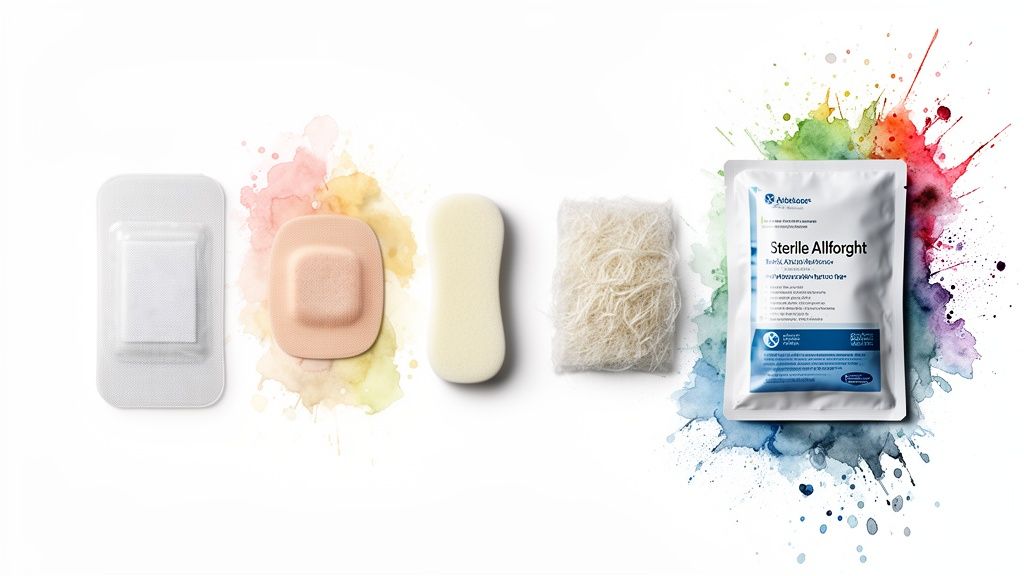
Advanced dressings are game-changers in wound care. They’re not just bandages; they create a protective barrier while maintaining optimal moisture. These dressings, like hydrocolloids and foams, adjust to wound needs. They absorb excess fluid yet keep the area hydrated. This Woundsource article explains why choosing the right dressing matters. With Specialty Wound Care’s products, you’re equipped with top-tier solutions that enhance healing and patient comfort.
Effective Wound Treatment Techniques
Effective treatment requires the right tools and techniques. Specialty Wound Care offers solutions that empower healthcare providers to achieve the best outcomes possible.
Precise Wound Assessment Tools
Accurate assessment is the foundation of effective treatment. Specialty Wound Care provides tools like the MolecuLight DX, which offers unparalleled accuracy in wound evaluation. It highlights areas of concern, allowing you to focus treatment precisely where needed. This technology supports informed decision-making, ensuring you address every aspect of the wound environment. By utilizing these tools, you enhance your ability to deliver effective care.
Benefits of Specialty Wound Care Products
Specialty Wound Care products are designed to meet the complex needs of chronic wounds. Their triple-layer allograft, for instance, promotes faster healing by providing essential support to new tissues. These products are FDA-compliant, ensuring safety and efficacy. Users report not only quicker healing times but also improved patient satisfaction. With these products, you’re not just treating wounds; you’re enhancing lives. By adopting these innovative solutions, you join a community dedicated to advancing wound care standards. For more detailed insights, check out this study on moist wound healing.
In conclusion, mastering moisture management transforms chronic wound care. Specialty Wound Care’s advanced solutions empower you to deliver exceptional results. By embracing these innovations, you enhance patient outcomes and elevate care standards.
Effective pressure ulcer treatment guidelines are the bedrock of modern wound care. They give us a systematic, evidence-based roadmap to prevent, assess, and manage these incredibly complex wounds. By establishing best practices for everything from staging and debridement to nutrition and offloading, they standardize care. This ensures every patient receives high-quality, consistent treatment rooted in proven clinical outcomes.
Why Modern Pressure Ulcer Guidelines Matter
Imagine trying to build a house without a blueprint. You might have the right materials—dressings, support surfaces, and skilled staff—but the process would be chaotic, inconsistent, and probably doomed to fail. Modern pressure ulcer treatment guidelines are that essential blueprint for wound care.
These protocols aren’t just arbitrary rules. They represent the culmination of decades of hands-on clinical experience and hard-nosed scientific research. They create a common language and a standardized playbook, making sure every patient benefits from the most effective strategies known to medicine. That consistency is what truly moves the needle on improving patient outcomes.
The Evolution from Description to Evidence
In the early days, our approach was often descriptive and reactive. We saw a wound, we described it, we reacted. Today, the focus has flipped to a proactive, evidence-based model that reflects a much deeper understanding of wound physiology and the roadblocks to healing.
These guidelines have been refined over decades, moving from simple descriptive staging to comprehensive, multidisciplinary protocols. Now, the emphasis is squarely on risk assessment, prevention, and standardized measurement. A pivotal moment came in 2016 when the National Pressure Ulcer Advisory Panel (NPUAP), founded in 1987, updated its terminology. "Pressure ulcer" officially became "pressure injury" to better capture the full scope of underlying tissue damage, not just what's visible on the surface.
This solid, evidence-based foundation is what gives the guidelines their power. To really appreciate the science behind these protocols, it helps to know how to effectively read scientific papers and pull out the key clinical data.
Creating a Standard of Care
Ultimately, these guidelines establish a clear standard of care that protects both patients and clinicians. For patients, it means receiving care that is validated and effective, slashing the risk of devastating complications like infection and amputation.
For clinicians, it provides a defensible framework for decision-making, aligning their practice with nationally recognized best practices. Adhering to these guidelines is a core part of providing great collaborative care, no matter the setting. You can learn more about the goals of advanced home wound collaborative care in our related article. This systematic approach ensures that every step we take is purposeful and laser-focused on one thing: healing the wound.
Mastering Pressure Injury Staging and Assessment
Getting the staging right is the absolute foundation of any effective pressure ulcer treatment plan. Think of it as the GPS for wound healing—without knowing your exact starting point, you can’t map out the quickest, most direct route to recovery. This initial assessment isn't just about sticking a label on a wound; it’s about truly understanding its depth and severity so you can pick the right interventions from day one.
Treating a Stage 1 injury on intact skin is worlds apart from managing a Stage 4 that goes down to muscle or bone. When we nail the staging, we ensure the treatment plan is appropriate, stop the wound from getting worse, and set realistic goals for healing.
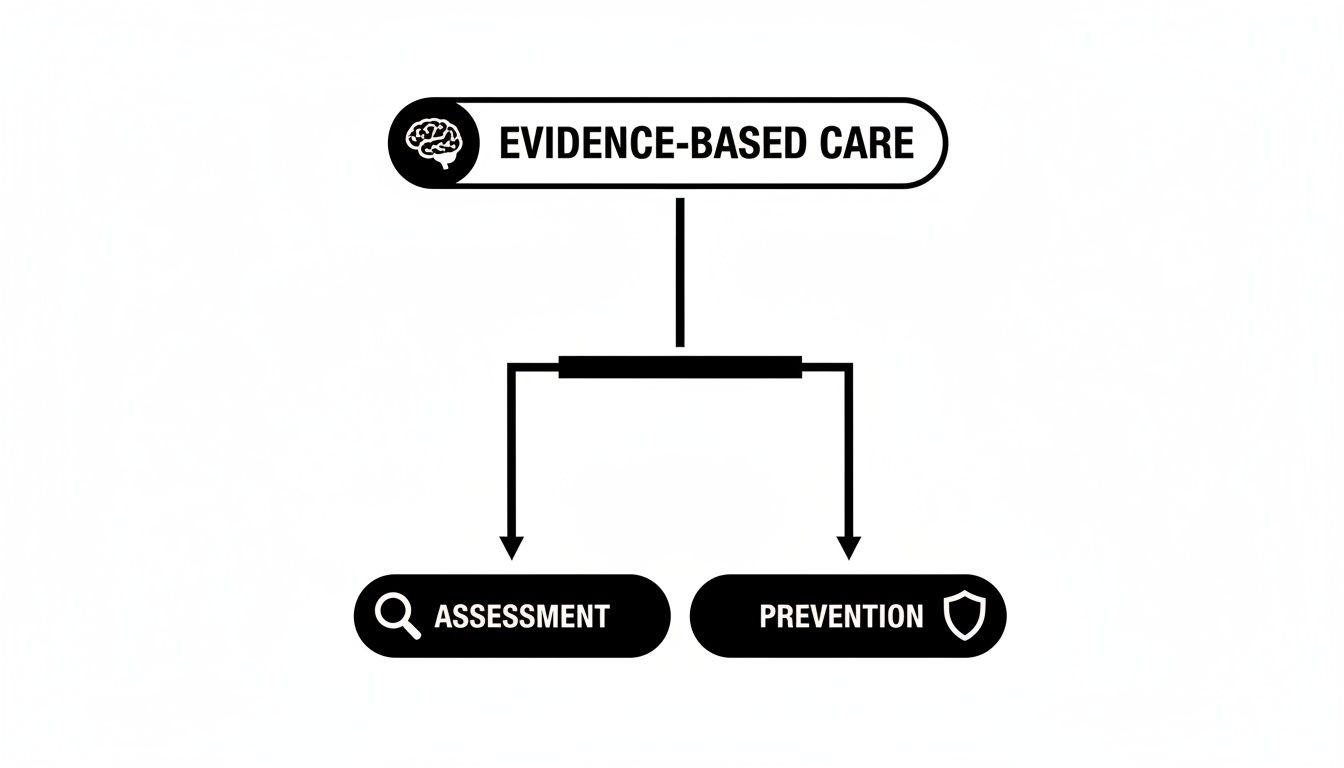
This visual shows how a commitment to evidence-based care is the bedrock for both assessment and prevention.
Simply put, a solid, evidence-based approach sharpens our ability to evaluate existing injuries and, just as importantly, to prevent new ones from ever forming.
Understanding the Stages of Pressure Injuries
To make sure everyone is speaking the same language, the National Pressure Injury Advisory Panel (NPIAP) created a standardized staging system. This system classifies injuries based on how much tissue damage we can see.
For a quick reference, this table breaks down the key characteristics of each stage, making it easier to identify them in a clinical setting.
Pressure Injury Staging at a Glance
Stage
Key Characteristics
Clinical Appearance
Stage 1
Non-blanchable erythema of intact skin.
Persistent redness that doesn't turn white when pressed. In darker skin, it may appear as a different color (purple/maroon) than surrounding skin. Area may be painful, firm, or have a different temperature.
Stage 2
Partial-thickness skin loss with exposed dermis.
A shallow, open ulcer with a red-pink wound bed. It might also look like an intact or ruptured serum-filled blister. No slough is visible.
Stage 3
Full-thickness skin loss.
Deeper than Stage 2, with visible adipose (fat) tissue. Slough may be present, but you can still see the depth of the wound. Muscle, tendon, and bone are not exposed.
Stage 4
Full-thickness skin and tissue loss.
The most severe stage. Muscle, tendon, ligament, cartilage, or even bone is directly visible. Slough or eschar may be present.
Unstageable
Obscured full-thickness skin and tissue loss.
The wound bed is completely covered by slough (yellow, tan, gray) or eschar (tan, brown, black). The true depth—and therefore the stage—can't be determined until the covering is removed.
Deep Tissue Pressure Injury (DTPI)
Persistent non-blanchable deep red, maroon, or purple discoloration.
Appears as a deep bruise under intact skin or as a blood-filled blister. This injury happens from intense pressure deep at the bone-muscle interface. It can evolve rapidly.
As you can see, the stages give us a clear, progressive picture of tissue damage. The ability to distinguish between a DTPI and a Stage 1, for example, is critical because their underlying pathology and potential for deterioration are vastly different.
Beyond Staging: A Comprehensive Wound Assessment
Correct staging is the first step, not the last. To build a truly effective treatment strategy, we need to perform a complete assessment that paints the full clinical picture. This means looking closely at the wound itself and the skin around it.
A thorough assessment should always include these key components:
Wound Dimensions: Accurately measure the length, width, and depth. Tracking these numbers over time is how we know if our plan is working.
Tissue Types: Document the percentage of different tissues in the wound bed—is it healthy red granulation tissue, or is it covered in yellow slough or black eschar?
Exudate Amount and Type: Note the volume of drainage (scant, moderate, copious) and its character (clear serous, bloody sanguineous, or pus-like purulent).
Periwound Skin: Examine the skin around the ulcer. Is it macerated from moisture? Is there spreading redness (erythema) suggesting infection?
The Role of Advanced Diagnostic Imaging
While a trained eye is our most fundamental tool, some problems hide beneath the surface. Advanced diagnostics can give us a look at what the naked eye can't see, like high bacterial loads that stall the healing process.
Fluorescence imaging, for instance, is a non-invasive technology that lights up bacteria in real time. This allows for incredibly targeted debridement and sampling, making sure we’re treating the problem area directly. You can see exactly how a point-of-care wound imaging device detects bacteria to guide treatment decisions.
When we combine our classic assessment skills with modern technology, we can make more informed decisions, which ultimately leads to better, faster healing for our patients.
Applying the TIME Framework for Wound Bed Preparation
Once you've staged and assessed a pressure ulcer, the real work begins: preparing the wound bed for healing. I always tell new clinicians to think of the wound bed like a garden plot. You can’t expect healthy tissue to grow if the soil is packed with weeds, rocks, and debris. This is where the TIME framework comes in as an indispensable tool, guiding our approach to modern pressure ulcer treatment.
The acronym TIME stands for Tissue, Infection/Inflammation, Moisture, and Edge. It's more than just a memory aid; it's a clinical checklist that forces us to tackle the four biggest local barriers that can stall—or completely stop—the healing process. By methodically working through each part, we create the perfect environment for the body's natural healing powers to take over.
This structured method shifts wound care from a reactive guessing game to a proactive, evidence-based strategy, ensuring we don't miss a single crucial step.
T is for Tissue Management
The "T" in TIME is all about Tissue management, which means removing non-viable or dead tissue. We call this process debridement. Dead tissue, whether it's yellowish slough or black, leathery eschar, is a major roadblock. It physically blocks healthy granulation tissue from forming and acts as a buffet for bacteria, dramatically increasing the risk of infection.
We have several debridement methods in our toolkit, and the right choice depends on the wound, the patient's overall condition, and the clinical setting.
Surgical/Sharp Debridement: This is the fastest method, using a scalpel or scissors to precisely cut away non-viable tissue. It's our go-to for wounds with extensive necrotic tissue or signs of a rapidly advancing infection.
Enzymatic Debridement: This involves applying a topical agent with enzymes that selectively break down dead tissue while leaving healthy cells alone.
Autolytic Debridement: Here, we leverage the body's own enzymes to liquefy the dead tissue. It's a slower, more selective process that we encourage by using moisture-retentive dressings.
Mechanical Debridement: Older methods like wet-to-dry dressings fall into this category. They're used much less frequently now because they can be non-selective and accidentally tear away healthy new cells along with the bad stuff.
Clearing out this dead tissue is the absolute, non-negotiable first step. Without it, you're not going to get far.
I is for Infection and Inflammation
Next up, the "I" focuses on managing Infection and Inflammation. A key thing to remember is that all chronic wounds have bacteria on them, but that doesn't mean they're all infected. Our goal is to manage the bacterial load, or bioburden, so it doesn't overwhelm the patient’s immune system and kick off a destructive inflammatory response.
A core principle in pressure ulcer treatment is telling the difference between bacterial colonization (where bacteria are present but not causing harm) and critical colonization or outright infection (where their presence is delaying healing and causing a reaction).
In chronic wounds, the classic signs of infection like fever might be absent. Instead, we have to look for more subtle clues: a sudden increase in pain, a change in the color or smell of the exudate, or a wound that simply stops making progress. These are the red flags. If we suspect an infection, we'll turn to antimicrobial dressings or, in more serious cases, systemic antibiotics, ideally guided by diagnostic tests.
M is for Moisture Balance
"M" stands for Moisture balance. Wounds need moisture to heal—it helps cells move around and get their work done. But it’s a delicate balance. Too much moisture, and the skin around the wound gets soggy and breaks down (a process called maceration). Too little, and the wound bed dries out, forming a hard scab that stops healing in its tracks.
Getting this balance right is truly an art. It’s all about picking the right dressing for the job. We need to decide if the wound needs a dressing that can donate moisture to a dry bed or one that can soak up excess fluid from a weeping wound. This is exactly why a one-size-fits-all approach to dressings is doomed to fail; the dressing choice has to match what the wound needs right now.
E is for Edge of the Wound
Finally, "E" represents the Edge of the wound, where we focus on epithelial advancement. For a wound to finally close, new skin cells have to migrate from the edges across the healthy, prepared wound bed. But if those edges are rolled under (epibole), dried out, or just plain unhealthy, that migration process grinds to a halt.
Managing the wound edge effectively often comes down to making sure the other three steps—debridement, infection control, and moisture balance—have been handled correctly. Sometimes, even with perfect preparation, the edges remain stubborn. In these cases, we might need to bring in advanced therapies to kickstart the healing cascade and finally get that wound to close.
Selecting the Right Dressings and Advanced Therapies
Once the wound bed is clean and ready, the next step in pressure ulcer treatment is picking the right dressing. Don't think of dressings as just simple covers; they are active tools we use to create the perfect healing environment. The sheer number of options can feel overwhelming, but it all gets simpler when you ask one key question: What does this specific wound need right now?
Getting the dressing right is all about moisture balance. The goal is to hit that sweet spot—not too dry, which stops healthy cells from moving in, and not too wet, which can macerate and damage the surrounding skin.
Matching Dressing Types to Wound Needs
Different dressings have different superpowers. Some are built to soak up a ton of fluid, while others are designed to add moisture. Here’s a quick rundown of common types and what they’re best for:
Transparent Films: These thin, see-through dressings are perfect for protecting Stage 1 injuries or covering shallow wounds that have very little drainage. They lock in moisture but aren't absorbent.
Hydrocolloids: These contain gel-forming agents that create a moist environment, which is ideal for helping the body’s own enzymes break down dead tissue (autolytic debridement). They work best for wounds with light to moderate drainage.
Foams: These are the real workhorses for absorption. Foam dressings are fantastic for managing moderate to heavy drainage, pulling that excess fluid away from the wound to keep the surrounding skin healthy.
Alginates and Hydrofibers: Made from seaweed (alginates) or super-absorbent fibers, these are the champions of absorption. They turn into a gel as they soak up heavy drainage, making them the go-to for deep or heavily draining wounds.
The key here is to keep reassessing. A wound that needs a heavy-duty alginate today might be ready for a simple foam dressing next week as it heals and drainage lessens.
When Standard Care Is Not Enough
Sometimes, even with the best wound prep and the perfect dressing, a wound just hits a wall. It stalls. When that happens, it's time to bring in advanced therapies.
Advanced therapies aren't a last resort. They are a strategic move when a wound shows no signs of healing after 2-4 weeks of solid, evidence-based standard care.
This is our cue to shift gears. Instead of just managing the wound environment, we need to actively kickstart the body's own regenerative engine. Escalating care at the right time is a core principle of modern pressure ulcer guidelines, ensuring our patients with stubborn wounds get the help they need.
Exploring Advanced Biologic Therapies
For these tough, non-healing wounds, advanced biologics like amniotic membrane allografts can be a game-changer. Think of a stalled wound like a construction site where the crew has run out of scaffolding. They have the materials (cells, growth factors) but no structure to build on.
Amniotic allografts provide that missing scaffold. These biologics deliver a rich matrix loaded with essential growth factors and proteins that do three crucial things:
Reduce Inflammation: They help calm the chronic inflammation that keeps a wound stuck in a non-healing state.
Support Cell Migration: They provide the physical framework cells need to travel across the wound bed and rebuild tissue.
Stimulate Healing: The growth factors they contain send a powerful signal to the body to ramp up its repair processes.
This structured approach is a key part of current treatment guidelines, which are built on clinical studies and measurable outcomes. By providing this biological jumpstart, amniotic allografts can effectively reboot the healing process in wounds that have stopped responding to conventional care.
You can learn more about the specific advanced treatment options available from Specialty Wound Care in our detailed guide. These therapies are a critical tool in our arsenal, allowing us to manage even the most difficult pressure injuries successfully.
Integrating Offloading and Nutrition Into Your Plan
When you're treating a pressure ulcer, it’s easy to get tunnel-vision and focus only on the wound itself. But effective treatment is about looking at the whole patient, not just the hole in the patient. Two of the most critical—and sometimes neglected—pieces of the puzzle are offloading and nutrition.
Think of it like this: the most advanced dressing in the world is fighting a losing battle if the underlying causes of the injury aren't fixed. You can't heal a pressure ulcer if the patient is still lying on it. And you can't expect the body to build new tissue without giving it the right raw materials.
Offloading: The Non-Negotiable First Step
Let’s be clear: offloading—removing all pressure from the injured area—is the absolute foundation of treatment. It’s not a suggestion; it’s a requirement. Without consistent, effective pressure redistribution, even the most expensive therapies are set up to fail.
The goal is simple: spread the pressure over a larger surface area and constantly change the points of contact. This one-two punch allows blood to rush back into those starved tissues, delivering the oxygen and nutrients they desperately need to start repairing themselves.
We make this happen with two key tactics:
Regular Repositioning: This means creating—and sticking to—a strict turning schedule. For someone in bed, that often means a repositioning move at least every two hours. For a patient in a wheelchair, pressure-relieving shifts need to happen much more frequently, as often as every 15 minutes.
Specialized Support Surfaces: These aren't your average mattresses or cushions. They are sophisticated medical devices designed specifically to redistribute pressure. Options run the gamut from reactive surfaces like high-density foam or gel overlays to active surfaces like alternating pressure air mattresses, which mechanically shift pressure points for the patient.
Fueling the Healing Engine with Nutrition
Wound healing is an incredibly demanding process for the body. A patient with a major pressure ulcer has a super-charged metabolism, almost like someone recovering from major surgery. If their nutritional needs aren't met, their body simply won't have the fuel to build new tissue, fight off infection, and close the wound.
Proper nutrition isn't just a good idea; it's a core component of international pressure ulcer treatment guidelines. The focus goes beyond just calories to the specific building blocks required for tissue repair.
Inadequate nutrition is a top risk factor for both developing pressure ulcers and the failure of existing wounds to heal. A nutritional assessment should be a standard part of every single initial wound evaluation.
Key Nutrients for Wound Repair
A targeted nutritional strategy is essential to support the body's healing cascade. Several key nutrients are the stars of the show, and a deficiency in any one of them can bring healing to a screeching halt.
Here are the most critical components to zero in on:
Protein: This is the absolute MVP of wound healing. Protein is vital for every single stage of repair, from making new cells and collagen to powering the immune system. Patients with pressure ulcers often need a lot more protein than the average person.
Vitamin C (Ascorbic Acid): You can't form collagen—the main structural protein in skin—without it. Vitamin C also acts as a potent antioxidant, protecting fragile new cells from damage.
Zinc: This mineral is a critical helper for many of the enzymes involved in making protein and dividing cells, making it essential for regenerating tissue.
Hydration: Staying well-hydrated is crucial for maintaining skin elasticity and supporting healthy blood flow to the wound. Dehydration can put a serious drag on the healing process.
By pairing a robust offloading schedule with a targeted nutrition plan, you create the perfect internal and external environment to give the body its best possible shot at healing.
Getting Your Documentation and Reimbursement Right
Great clinical care is one thing, but getting paid for it is another. The critical link between the two? Your documentation. You have to start thinking of your clinical notes as more than just a medical record. They are the story that proves the medical necessity of your care and justifies every decision you make.
When it comes to wound care, flimsy or vague documentation is a fast track to claim denials. Payers need to understand the why behind your treatment plan, plain and simple. Your notes have to paint a clear picture of the wound's complexity and how your clinical reasoning aligns with established pressure ulcer treatment guidelines.
How to Craft a Denial-Proof Wound Note
A solid wound note is so much more than just the wound’s stage. It's a living document that shows off your expertise and explains why you’re using certain resources. Each entry should build on the last, either showing progress or clearly explaining why you're shifting your strategy.
To make sure your notes hold up, they need to be packed with specific, measurable details. Throw out vague phrases like "wound looks better." That won't cut it. Instead, your documentation needs to be a precise log of the wound's entire journey.
Here’s what every single note must include:
Precise Measurements: Get out the ruler. Document the length, width, and depth in centimeters at every single visit. This data is your primary evidence of whether the wound is getting better or worse.
Tissue Type Percentages: Don't just eyeball it—quantify the wound bed. For example, write "70% granulation tissue, 20% slough, 10% epithelializing tissue."
Exudate Description: Note the amount (scant, moderate, copious) and type (serous, sanguineous, purulent). This detail is absolutely essential for justifying your choice of dressings.
Periwound Condition: What does the skin around the wound look like? Describe it. Is it intact, macerated, or showing signs of erythema?
Clinical Rationale: This is where you connect all the dots for the reviewer. Clearly spell out why you chose a specific dressing, debridement method, or advanced therapy based on the wound's current state.
Think of it this way: a well-documented note is your best defense in an audit. It should let a reviewer who has never even seen the patient completely understand the wound's status and why your treatment plan was necessary.
Supporting Medical Necessity for Advanced Care
When a wound hits a wall and you need to bring in advanced therapies like amniotic allografts or diagnostic imaging, your documentation has to work even harder. Your notes need to tell a clear story of why standard care just wasn't enough.
This means you must document the failure of conservative treatments over a period of 2-4 weeks. This is what establishes the medical necessity for escalating to a higher level of care.
Navigating this can be a headache, but you don't have to do it alone. At Specialty Wound Care, we have dedicated billing specialists and documentation workflows built specifically for wound management. Our team makes sure your notes are compliant and strong, cutting down your administrative burden so you can get the right reimbursement for the expert care you provide.
Answering Common Pressure Ulcer Treatment Questions
Even with the best guidelines, clinical practice is where the real questions pop up. You're at the bedside, managing a complex case, and you need practical answers. This is where we bridge the gap between textbook knowledge and day-to-day patient care.
Let's walk through some of the most frequent questions we hear from clinicians, breaking down the evidence-based principles that should guide your decisions. Getting these details right is what separates a good care plan from a great one—ensuring every action is consistent, defensible, and gets your patient closer to healing.
How Often Should a Pressure Ulcer Be Reassessed?
The standard guideline is a formal reassessment at least once a week. This isn't just a quick look; it means you're documenting measurements, identifying tissue types, and noting the amount and type of exudate.
But think of that as the bare minimum. For a patient in acute care or someone whose wound is changing quickly—for better or worse—you’ll want to assess it far more often. Consistent, detailed documentation is your best tool for proving medical necessity, tracking progress, and confidently adjusting the treatment plan.
When Should I Refer to a Wound Care Specialist?
Knowing when to call for backup is a crucial clinical skill. You should strongly consider referring to a wound care specialist if a pressure ulcer shows no clear signs of healing after 2 to 4 weeks of solid, standard care.
Other situations demand an immediate referral:
High-Stage Ulcers: Any Stage 3 or 4 pressure injury should have a specialist involved.
Unstageable Wounds: If necrotic tissue is hiding the true depth of the wound, you need an expert to debride it safely and effectively.
Suspected Deep Infection: Signs of osteomyelitis or a deep tissue infection are red flags that require advanced management.
Complex Comorbidities: Patients juggling conditions like severe peripheral artery disease or uncontrolled diabetes need a specialist's oversight.
Getting a specialist involved early doesn't just help the wound; it’s proven to prevent serious complications and get patients on a faster healing track.
Can a Pressure Ulcer Reverse Stage as It Heals?
This is a very common point of confusion, and the answer is a firm no. Pressure injuries do not heal in reverse. A wound closes by filling the damaged area with granulation tissue and, eventually, scar tissue. It doesn't magically regenerate the original muscle, fat, or bone that was lost.
So, when a Stage 4 ulcer is healing, you must document it as a "healing Stage 4 pressure injury"—not a Stage 3 or 2. This distinction is absolutely critical for maintaining an accurate medical record and ensuring everyone on the care team understands the wound's true history.
What Is the Role of Antibiotics in Treatment?
Good antibiotic stewardship is at the heart of modern wound care. We now know that topical antibiotics are generally not recommended for uninfected wounds. Why? They can promote bacterial resistance and even be toxic to the very cells trying to heal the wound.
Systemic (oral or IV) antibiotics are only for wounds with clear clinical signs of a spreading or systemic infection—think cellulitis, sepsis, or osteomyelitis. This decision should always be driven by a thorough clinical assessment, and whenever possible, by diagnostic tests that pinpoint the exact pathogen and its sensitivities. Using antibiotics "just in case" on a colonized wound is not best practice and can do more harm than good.
At Specialty Wound Care, we work alongside clinicians to navigate these tough treatment decisions every day. We provide the advanced diagnostics and therapies needed to tackle the most challenging cases. Find out how we can support your practice at SpecialtyWoundCare.com.
Wound healing is a complex and dynamic process, essential for restoring the integrity of tissue following injury. A critical element in this process is the blood supply, which plays multiple roles in different stages of healing. From delivering essential substances such as oxygen, nutrients, and immune cells, to removing waste products, the blood supply is fundamental in fueling all phases of wound healing. This blog post explores the key roles of blood supply in the stages of wound healing: Hemostasis, Inflammation, Proliferation, and Remodeling, with a particular focus on angiogenesis, new vessel growth, perfusion to support tissue repair, collagen formation, and infection control.
Hemostasis: The Initial Response
Hemostasis is the first stage of wound healing, occurring immediately after injury. The primary goal during this phase is to stop bleeding and form a stable clot. The blood supply plays a vital role in this process by delivering clotting factors and platelets to the wound site. These elements work together to initiate the clotting cascade, leading to the formation of a fibrin clot that serves as a temporary matrix for incoming cells.
Beyond clot formation, the blood supply in hemostasis is crucial for delivering growth factors such as platelet-derived growth factor (PDGF) and transforming growth factor-beta (TGF-β). These growth factors are released from degranulating platelets and play a significant role in attracting immune cells to the wound site, setting the stage for the subsequent inflammatory phase.
Inflammation: Defense and Debridement
The inflammatory phase is characterized by the recruitment of immune cells to the wound site. Blood supply is essential in this phase for transporting immune cells such as neutrophils and macrophages. These cells are tasked with clearing debris and pathogens, thereby preventing infection and facilitating a clean environment for tissue repair.
Neutrophils are among the first responders, arriving within hours of injury, where they perform phagocytosis of bacteria and cellular debris. Subsequently, macrophages take over, continuing the debridement process and secreting cytokines and growth factors that further propagate the healing process. The blood supply ensures a continuous flow of these immune cells, maintaining an effective inflammatory response until the threat of infection or contamination is mitigated.
Proliferation: Building the New Framework
The proliferation phase marks the period of new tissue formation and is heavily dependent on an adequate blood supply. This stage involves angiogenesis, the process of new blood vessel formation, which is crucial for delivering oxygen and nutrients required for tissue synthesis and repair.
During angiogenesis, endothelial cells are stimulated by factors such as vascular endothelial growth factor (VEGF) to proliferate and migrate, forming new capillaries. These new vessels improve perfusion to the wound area, ensuring that fibroblasts and other cells involved in tissue formation receive sufficient oxygen and nutrients. This enhanced perfusion supports critical processes in the proliferation phase, including collagen synthesis and extracellular matrix formation.
Collagen deposition is a hallmark of the proliferation phase, providing structural integrity to the healing wound. Fibroblasts, fueled by the nutrients delivered via the blood supply, lay down collagen in a manner that strengthens the newly formed tissue. The adequacy of the blood supply during this phase directly impacts the quality and speed of wound healing.
Remodeling: Strengthening and Maturation
The remodeling phase is the final stage of wound healing, where the newly formed tissue is strengthened and matured. During this phase, the blood supply continues to play a crucial role in providing oxygen and nutrients necessary for the remodeling of collagen fibers and the overall maturation of the wound.
In this stage, type III collagen, initially laid down during the proliferation phase, is replaced with type I collagen, which is stronger and more resilient. This process is dependent on adequate perfusion to the wound area. Furthermore, the blood supply aids in the gradual reduction of cellularity within the wound, as excess cells are removed and the tissue structure becomes more organized.
Effective remodeling also involves the contraction of the wound, reducing its size and improving tensile strength. This contraction is facilitated by myofibroblasts, which are supported by the nutrients and oxygen delivered through the blood supply. As remodeling progresses, the density of blood vessels in the wound area decreases, reflecting the reduced metabolic demand as the tissue reaches a state of equilibrium.
Infection Control: The Role of Blood Supply
Throughout all stages of wound healing, infection control is paramount. The blood supply is essential in delivering immune cells to the wound site, which play a critical role in preventing and controlling infections. Neutrophils and macrophages, transported via the bloodstream, are key players in identifying and eliminating pathogens, ensuring that the wound remains uncontaminated.
Furthermore, the oxygen delivered through the blood supply has direct antimicrobial effects, as many pathogens are unable to thrive in oxygen-rich environments. Thus, maintaining an adequate blood supply not only supports tissue repair but also serves as a protective mechanism against infection.
Conclusion
The blood supply is indispensable in wound healing, influencing each stage from hemostasis to remodeling. By delivering oxygen, nutrients, and immune cells while removing waste products, the blood supply fuels the entire healing process. Angiogenesis and new vessel growth enhance perfusion, supporting tissue repair, collagen formation, and infection control.
Understanding the pivotal role of blood supply in wound healing can inform clinical strategies to optimize healing outcomes, particularly in cases where circulation may be compromised. By ensuring an adequate blood supply, healthcare professionals can enhance the body’s innate ability to repair and regenerate tissue, ultimately improving patient outcomes.
The Vital Role of Nutrition in Wound Healing: Essential Nutrients and Dietary Tips
Wound healing depends on more than just medical treatment—it hinges on nutrition and wounds receiving the right support from within. Many healthcare professionals and patients overlook how essential nutrients for wounds can speed recovery or prevent complications. In this post, you’ll find clear dietary tips for healing that complement advanced wound care solutions. Read on to learn how proper nutrition can become a powerful tool in your wound management strategy.
Importance of Nutrition in Wound Healing
Understanding the intricate link between nutrition and healing can change your approach to wound management. Proper care not only relies on treatments but also on how well your body is nourished.
Understanding Nutrition and Wounds
Your body needs the right nutrients to heal wounds efficiently. Imagine trying to build a house without bricks—nutrients are the foundational blocks your body uses. For example, proteins supply the building materials for new tissue, while vitamins like C and E act as protective shields against further damage. A study highlights how deficiencies can delay healing by up to 50%. (source)
Most people think wound care ends at dressings and medications, but your diet plays an essential role too. By including the right foods, you enhance your body’s natural ability to repair itself. So, are you ready to discover how to fuel your body for optimal recovery?
Key Role of Essential Nutrients
Essential nutrients work like a well-oiled machine, each part contributing to the healing process. Proteins, vitamins, and minerals all play unique roles. For instance, zinc helps reduce inflammation, while vitamin A accelerates skin regrowth. Did you know? Zinc deficiency can prolong healing by up to 40%. This is why understanding what your body needs can prevent setbacks.
Many assume that supplements are the go-to solution, but a balanced diet can provide what you need. In the upcoming sections, you’ll learn which nutrients are crucial and how to incorporate them effectively.
Essential Nutrients for Optimal Healing
Knowing which nutrients to focus on can fast-track your recovery. Let’s explore proteins, amino acids, vitamins, and minerals.
Proteins and Amino Acids
Proteins are the body’s main building blocks, especially in wound healing. They help repair tissues and produce new skin cells. Think of them as the construction crew for your body. Amino acids, the smaller units of proteins, are equally vital. They aid in collagen formation, which is crucial for skin strength.
Eating a diet rich in lean meats, fish, or plant-based proteins like beans and lentils can provide these essential nutrients. Aim for 1.2 to 2.0 grams of protein per kilogram of body weight daily. This intake supports wound healing efficiently. Many people are surprised to learn that protein needs increase during recovery, but this is your body’s way of demanding more resources to get the job done.
Vitamins and Minerals
Vitamins and minerals are like the unsung heroes of wound healing. They provide the necessary support to keep the process smooth. Vitamin C is a powerful antioxidant that promotes collagen synthesis, while vitamin A accelerates cell regeneration. Research has shown that vitamin C intake can reduce healing time by 20% (source).
Minerals like zinc and iron also play critical roles. Zinc supports immune function, and iron ensures oxygen transportation to the wound site. To cover these needs, consider incorporating citrus fruits, leafy greens, nuts, and seeds into your meals. It’s a common misconception that pills are needed; however, a well-planned diet can be equally effective.
Dietary Tips for Healing Wounds
Transitioning to a nutrient-rich diet doesn’t have to be complicated. Here are some actionable strategies to enhance your healing journey.
Creating a Balanced Meal Plan
A balanced meal plan is your blueprint for effective recovery. Start by including a variety of nutrients in each meal. Here’s a simple approach:
Proteins: Include lean meats, fish, or legumes.
Fruits and Vegetables: Ensure a colorful variety for essential vitamins.
Whole Grains: Opt for whole wheat or brown rice for fiber.
Meal planning can help you stay consistent and ensure you’re meeting your nutritional needs. Most people underestimate the power of a good meal plan, but it can make all the difference.
Hydration and Its Impact on Recovery
Hydration is often overlooked in wound healing, yet it’s crucial. Water helps transport nutrients to your cells and flushes out toxins. Did you know? Staying hydrated can reduce recovery time by up to 30% (source).
Aim for at least 8-10 glasses of water daily. If water isn’t your favorite, herbal teas or infused waters can be excellent alternatives. The longer you wait to prioritize hydration, the more you delay your healing. So, grab that glass of water!
Conclusion
Nutrition is a vital component in wound healing. By understanding which nutrients are essential and how to include them in your diet, you empower your body to heal faster and more effectively. Remember, it’s not just about food; it’s about giving your body the right tools to recover.
Recovering from a wound, whether surgical, traumatic, or chronic, is a journey that involves several stages, each crucial to achieving successful healing. Understanding the wound care recovery process is essential for patients, caregivers, and healthcare professionals alike. By comprehending the phases of the wound healing process and effective wound management strategies, one can better support the body’s natural healing mechanisms and optimize recovery outcomes.
The Wound Healing Process: An Overview
The wound healing process is complex and involves a series of orderly events that occur in phases. Each phase is characterized by certain cellular and biochemical activities that are pivotal for tissue repair. The primary stages of wound healing include hemostasis, inflammation, proliferation, and remodeling.
Hemostasis: The Initial Response
Immediately following an injury, the body initiates the hemostasis phase to stop bleeding. Blood vessels constrict, and platelets aggregate to form a clot, providing a temporary barrier against pathogens and further blood loss. This phase is vital as it sets the stage for subsequent healing activities.
Inflammation: Cleaning the Wound
Once bleeding is controlled, the body enters the inflammation phase. This stage is marked by redness, heat, swelling, and pain, often seen as the classic signs of inflammation. During this phase, white blood cells, particularly neutrophils and macrophages, migrate to the wound site to eliminate debris and bacteria. This process cleans the wound and prevents infection, laying the groundwork for tissue repair.
Proliferation: Building New Tissue
The proliferation phase is where the body begins to rebuild the damaged tissue. This stage involves the formation of granulation tissue, characterized by new connective tissue and tiny blood vessels. Fibroblasts play a critical role during this phase by synthesizing collagen, a protein that provides strength and structure to the new tissue. Epithelial cells then migrate across the wound bed, covering the new tissue and restoring the skin barrier.
Remodeling: Strengthening the Repair
The final phase of the wound healing process is remodeling, which can last for several months to years. During this stage, collagen fibers are reorganized and realigned along tension lines, increasing the tensile strength of the repaired tissue. While the wound may never regain the full strength of uninjured skin, remodeling ensures that it is strong enough to withstand normal daily activities.
Factors Influencing Wound Healing
Several factors can influence the rate and success of wound healing. Understanding these can assist in effective wound management and improve recovery outcomes.
Systemic Factors
Systemic factors refer to overall health conditions that can affect healing. These include:
Age: Older individuals may experience slower healing due to reduced cellular activity and circulation.
Nutritional Status: Adequate nutrition, particularly protein, vitamins, and minerals, is essential for tissue repair and regeneration.
Chronic Conditions: Diseases such as diabetes, vascular disorders, and immune deficiencies can impair healing processes.
Lifestyle Factors: Smoking, alcohol consumption, and stress can negatively impact the body’s ability to heal.
Local Factors
Local factors pertain to the specific characteristics of the wound itself, including:
Wound Size and Depth: Larger and deeper wounds typically require more time to heal.
Wound Location: Areas with poor blood supply or those subject to constant movement may heal more slowly.
Infection: Bacterial contamination can delay healing and lead to complications.
Foreign Bodies: Debris or necrotic tissue within the wound can impede the healing process.
Wound Management: Strategies for Optimal Healing
Effective wound management is crucial for optimizing healing outcomes. This involves selecting appropriate treatments and interventions based on the type, severity, and location of the wound.
Wound Assessment
The first step in wound management is a thorough assessment. This includes evaluating the wound’s size, depth, appearance, and exudate (fluid produced by the wound). Understanding these characteristics helps in determining the most suitable treatment plan.
Cleaning and Debridement
Keeping the wound clean is essential to prevent infection and promote healing. Debridement, the removal of dead or infected tissue, may be necessary to facilitate the healing process. This can be achieved through various methods, including surgical, enzymatic, or autolytic debridement.
Dressing Selection
Choosing the right dressing is a critical aspect of wound care recovery. Dressings protect the wound, maintain a moist environment, and absorb excess exudate. The choice of dressing depends on the wound’s characteristics and may include options such as hydrocolloids, alginates, foams, or gauze.
Moisture Balance
A key principle in wound management is maintaining an optimal moisture balance. A moist wound environment facilitates cell migration and tissue repair while preventing the wound from becoming too dry or macerated.
Infection Control
Preventing and managing infection is a priority in wound care. This may involve the use of topical antimicrobial agents, systemic antibiotics, or specialized dressings with antimicrobial properties. Regular monitoring for signs of infection is crucial for timely intervention.
Patient Education and Involvement
Educating patients about their wound and involving them in their care is vital for successful recovery. Patients should be informed about the importance of proper wound care, adherence to treatment plans, and lifestyle modifications that can enhance healing.
Advanced Therapies in Wound Care
In some cases, advanced therapies may be necessary to promote healing, particularly for chronic or non-healing wounds. These therapies can include:
Negative Pressure Wound Therapy (NPWT): A technique that uses a vacuum dressing to promote healing by removing exudate and increasing blood flow to the wound.
Hyperbaric Oxygen Therapy (HBOT): Involves breathing pure oxygen in a pressurized room, enhancing oxygen delivery to tissues and accelerating healing.
Growth Factors and Skin Substitutes: Application of bioengineered skin or growth factors to stimulate cell growth and tissue repair.
Conclusion
Understanding the intricacies of the wound healing process and implementing effective wound management strategies are crucial for a successful wound care recovery journey. By recognizing the phases of healing, factors influencing recovery, and the available therapeutic options, healthcare professionals and patients can work collaboratively to achieve optimal outcomes. With the right knowledge and approach, the complex process of wound healing can be navigated effectively, leading to improved health and quality of life.
Diabetes is a chronic condition that affects millions of people worldwide, with significant implications for various bodily systems. One of the most concerning complications associated with diabetes is the development of foot ulcers, known as Diabetic Foot Ulcers (DFUs). These ulcers can lead to severe consequences if not managed properly. Understanding the connection between diabetes and foot ulcers, as well as the underlying factors such as neuropathy, poor circulation, and pressure, is crucial for effective prevention and management.
The Link Between Diabetes and Foot Ulcers
Diabetic Foot Ulcers are open sores or wounds that commonly occur on the bottom of the foot in individuals with diabetes. They are a result of a combination of factors that include neuropathy, ischemia, and pressure. These ulcers are particularly concerning because they can lead to infections, amputations, and a significant decrease in quality of life.
Neuropathy: A Silent Culprit
Neuropathy refers to nerve damage, which is a common complication of diabetes. High blood sugar levels over time can damage the nerves, especially in the extremities, leading to diabetic neuropathy. This condition is characterized by a loss of sensation in the feet, which means that injuries or sores may go unnoticed. Without the protective feedback of pain, individuals may continue to apply pressure or aggravate a wound, leading to the development of ulcers.
Neuropathy not only affects sensation but can also cause deformities in the feet due to muscle imbalance. These deformities can increase pressure points on the foot, making them more susceptible to ulceration.
Poor Circulation and Ischemia
Poor circulation or ischemia is another significant factor in the development of DFUs. Diabetes can lead to peripheral arterial disease (PAD), which reduces blood flow to the limbs. Adequate blood flow is essential for wound healing as it supplies necessary nutrients and oxygen to the affected area. Ischemia can thus severely impair the body’s ability to heal wounds, making ulcers more likely to develop and persist.
In individuals with diabetes, the combination of neuropathy and ischemia is particularly dangerous. While neuropathy prevents the detection of injuries, ischemia hampers the healing process, allowing ulcers to worsen over time.
The Role of Pressure in Ulcer Formation
Pressure plays a crucial role in the formation of diabetic foot ulcers. Areas of the foot that experience repeated pressure or friction, such as the ball of the foot or the heel, are more prone to ulceration. In individuals with diabetes, the lack of sensation due to neuropathy means that they may not adjust their gait or posture to alleviate pressure, allowing ulcers to form.
Pressure-related ulcers can also occur due to ill-fitting footwear or foot deformities. Ensuring proper footwear and regular foot examinations are essential preventive measures to reduce the risk of pressure-induced ulcers.
Challenges in Wound Healing
The process of wound healing in individuals with diabetes is often compromised due to several factors. High blood sugar levels can impair the immune system, making infections more likely and more difficult to treat. Furthermore, the presence of neuropathy and poor circulation can significantly slow down the healing process.
Effective management of DFUs requires a comprehensive approach that addresses these challenges. This includes maintaining optimal blood glucose levels, ensuring good foot hygiene, and seeking prompt medical attention for any foot injuries or abnormalities.
Offloading: A Critical Strategy
Offloading is a critical strategy in the management and prevention of diabetic foot ulcers. It involves reducing pressure on the affected area to allow the ulcer to heal. This can be achieved through specialized footwear, orthotic devices, or total contact casting.
Orthotic devices and custom footwear can be tailored to redistribute pressure away from high-risk areas, preventing the formation of new ulcers and aiding in the healing of existing ones. Total contact casting, although more restrictive, is one of the most effective offloading techniques, as it evenly distributes weight across the foot, minimizing pressure points.
Preventive Measures and Best Practices
Preventing diabetic foot ulcers requires a proactive approach that includes regular foot care and monitoring. Here are some best practices for individuals with diabetes:
Daily foot inspections: Check for any cuts, blisters, redness, or swelling. Early detection of changes can prevent complications.
Proper footwear: Wear shoes that fit well and provide adequate support. Avoid walking barefoot to reduce the risk of injury.
Regular check-ups: Schedule regular appointments with a healthcare professional to assess foot health and address any issues promptly.
Blood sugar management: Maintain optimal blood glucose levels to reduce the risk of neuropathy and improve wound healing.
Smoking cessation: Smoking can exacerbate poor circulation, so quitting is crucial for better foot health.
The Importance of Multidisciplinary Care
Managing diabetic foot ulcers effectively often requires a multidisciplinary approach. This involves the collaboration of healthcare professionals such as podiatrists, endocrinologists, vascular surgeons, and wound care specialists. Each professional brings their expertise to address the various aspects of DFUs, from controlling blood sugar levels to providing specialized wound care.
By working together, these professionals can develop a comprehensive treatment plan tailored to the individual’s needs, improving outcomes and reducing the risk of complications.
Conclusion
Diabetic foot ulcers are a severe complication of diabetes that requires careful attention and management. By understanding the roles of neuropathy, poor circulation, and pressure in ulcer formation, healthcare professionals and individuals with diabetes can better prevent and manage these ulcers. Emphasizing wound healing, offloading, and preventive measures, and engaging in a multidisciplinary approach are all essential steps in improving patient outcomes and preserving quality of life.
Diabetes is a chronic condition that affects millions of people worldwide. One of the most concerning complications associated with diabetes is the development of diabetic foot ulcers (DFU). These ulcers can lead to severe infections, amputations, and even death if not managed appropriately. Understanding the underlying causes and appropriate management strategies is crucial for healthcare professionals and patients alike.
Understanding Diabetic Foot Ulcers
Diabetic foot ulcers are open sores or wounds that occur in approximately 15% of patients with diabetes. They commonly appear on the bottom of the foot and are a significant cause of morbidity. The development of these ulcers is often attributed to a combination of factors including neuropathy, poor circulation, and pressure.
Neuropathy and Its Role in DFU
Neuropathy is a common complication of diabetes, characterized by nerve damage that typically affects the extremities. In diabetic patients, peripheral neuropathy can lead to a loss of sensation in the feet. This loss of sensation means that patients may not feel pain or discomfort from minor injuries, such as cuts or blisters, allowing these injuries to develop into more serious ulcers.
The absence of pain signals also means that individuals are less likely to adjust their activities or seek treatment early. As a result, neuropathy significantly increases the risk of developing diabetic foot ulcers.
Poor Circulation and Ischemia
Poor circulation is another critical factor in the development of diabetic foot ulcers. Diabetes can cause damage to blood vessels, leading to ischemia, a condition characterized by inadequate blood supply to specific areas of the body, including the feet. Ischemia impairs the delivery of essential nutrients and oxygen needed for wound healing, making it difficult for ulcers to heal once they form.
Patients with ischemia often experience cold feet, cramping in the legs while walking, and delayed healing of wounds. The combination of neuropathy and ischemia makes diabetic patients particularly vulnerable to developing foot ulcers that do not heal properly.
Pressure and Its Impact on Ulcer Formation
Another significant contributor to diabetic foot ulcers is pressure. Continuous pressure on certain areas of the foot, especially in patients who have lost sensation due to neuropathy, can lead to skin breakdown and ulcer formation. High-pressure areas often occur over bony prominences where the skin is compressed between the bones and hard surfaces, such as shoes or the ground.
To prevent pressure-induced ulcers, patients must regularly inspect their feet for signs of redness, calluses, or blisters and ensure that their footwear fits well and provides adequate support and cushioning.
Wound Healing Challenges in Diabetic Patients
Wound healing is a complex process that is often impaired in diabetic patients due to the combined effects of neuropathy, poor circulation, and pressure. The immune response may also be compromised, making it harder for the body to fight infections. Moreover, high blood glucose levels can impede the function of white blood cells, further complicating the healing process.
Effective management of diabetic foot ulcers requires a multidisciplinary approach that addresses these challenges and aims to promote optimal wound healing.
Strategies for Managing Diabetic Foot Ulcers
Management of diabetic foot ulcers involves a combination of medical, surgical, and lifestyle interventions. The primary goals are to prevent infection, reduce pressure on the ulcer, and improve circulation to promote healing.
Offloading: Reducing Pressure on the Ulcer
Offloading is a critical strategy in the management of diabetic foot ulcers. It involves relieving pressure from the affected area to prevent further damage and promote healing. This can be achieved through the use of specialized footwear, orthotic devices, or total contact casting.
Healthcare providers may recommend custom shoes or insoles designed to redistribute pressure away from the ulcer site. Total contact casting, a technique that involves the application of a cast to distribute weight evenly across the foot, is also an effective method for offloading.
Improving Circulation
Enhancing blood flow to the feet is essential for wound healing. This can be achieved through lifestyle changes, such as smoking cessation and regular exercise, as well as medical interventions. Pharmacological treatments may include medications that improve blood flow or surgical procedures to bypass blocked arteries.
In some cases, angioplasty may be performed to open narrowed blood vessels and improve circulation, thus facilitating better wound healing.
Infection Prevention and Management
Preventing and managing infections is crucial for successful healing of diabetic foot ulcers. This involves meticulous wound care, including regular cleaning and dressing changes. Healthcare providers may prescribe antibiotics if there is evidence of infection.
Patients should be educated on the importance of blood sugar control, as maintaining optimal glucose levels can enhance the body’s ability to fight infections and promote healing.
Monitoring and Regular Assessment
Regular monitoring and assessment of diabetic foot ulcers are essential to evaluate the effectiveness of treatment strategies and make necessary adjustments. Healthcare professionals should conduct thorough foot examinations during each visit, checking for signs of infection, changes in the wound, and effectiveness of offloading and circulation improvement measures.
Patients should also be encouraged to perform daily self-examinations to monitor for new or worsening symptoms.
Conclusion
Diabetic foot ulcers are a serious complication of diabetes that require a comprehensive approach to management. By understanding the roles of neuropathy, poor circulation, and pressure in ulcer development, healthcare providers can implement effective strategies to promote healing and prevent further complications.
Emphasizing the importance of offloading, improving circulation, and preventing infections can significantly enhance outcomes for patients with diabetic foot ulcers. Regular monitoring and patient education are integral components of successful ulcer management, ultimately leading to improved quality of life for individuals living with diabetes.
Diabetes is a chronic condition that affects millions of people worldwide, and it brings with it a host of complications that require careful management. One such complication is the development of diabetic foot ulcers (DFU), which can significantly impact a patient’s quality of life and lead to severe consequences if not properly managed. This blog post will delve into the critical aspects of diabetic foot ulcers, including the role of neuropathy, poor circulation, pressure, ischemia, and the importance of wound healing and offloading in managing this condition.
Understanding Diabetic Foot Ulcers
Diabetic foot ulcers are open sores or wounds that commonly develop on the bottom of the foot in people with diabetes. These ulcers are a serious complication that can lead to infections and, in severe cases, amputation. The multifactorial nature of these ulcers often involves neuropathy, poor circulation, and increased pressure on the foot, making them challenging to manage.
The Role of Neuropathy
Neuropathy, particularly peripheral neuropathy, is a common complication of diabetes that affects the nerves in the feet and legs. This condition can lead to a loss of sensation, making it difficult for patients to feel pain, temperature changes, or injuries. As a result, minor cuts or blisters can go unnoticed and develop into serious ulcers. Neuropathy also affects the muscles in the feet, leading to structural changes that can increase pressure points and further contribute to ulcer formation.
Impact of Poor Circulation
Poor circulation in diabetic patients is often due to peripheral arterial disease (PAD), which reduces blood flow to the extremities. Adequate blood flow is essential for nourishing tissues and promoting healing. When circulation is compromised, the body’s ability to heal wounds is significantly impaired, making diabetic foot ulcers more difficult to treat. This reduced blood flow, or ischemia, can lead to tissue death and increase the risk of infection.
Pressure and Its Effects
Increased pressure on certain areas of the foot is a significant contributing factor to the development of diabetic foot ulcers. This pressure can result from improper footwear, foot deformities, or changes in gait due to neuropathy. Over time, continuous pressure can cause skin breakdown and ulceration. Therefore, managing pressure through appropriate interventions is crucial to preventing and treating DFUs.
Strategies for Wound Healing
Effective wound healing is key to managing diabetic foot ulcers. The treatment involves a multidisciplinary approach that includes regular wound care, infection control, and optimizing the patient’s overall health and glucose levels. Debridement, or the removal of dead tissue, is often necessary to promote healing. Additionally, maintaining a moist wound environment can facilitate the healing process.
The Importance of Offloading
Offloading is a critical strategy in the management of diabetic foot ulcers. It involves reducing pressure on the affected area to allow for healing. Offloading can be achieved through various methods, such as specialized footwear, orthotics, or total contact casting. These methods help redistribute pressure away from the ulcer site, thereby promoting recovery and preventing further damage.
Preventative Measures
Preventing diabetic foot ulcers is a vital aspect of diabetes management. Patients are encouraged to conduct daily foot inspections to check for any signs of injury, redness, or swelling. Proper foot hygiene, including keeping the feet clean and moisturized, is essential. Choosing well-fitting shoes and using protective padding can also help prevent excessive pressure on the feet.
Collaborative Care Approach
Managing diabetic foot ulcers requires a collaborative care approach involving various healthcare professionals, including podiatrists, endocrinologists, and wound care specialists. Regular check-ups and monitoring are essential to identify any changes in the condition of the feet and to adjust treatment plans accordingly. Education and support for patients and caregivers are also crucial components of effective management.
Conclusion
Diabetic foot ulcers pose a significant challenge in diabetes management due to the interplay of neuropathy, poor circulation, and pressure. Understanding these factors and implementing effective strategies for wound healing and offloading can prevent complications and improve outcomes for patients. By focusing on preventative measures and adopting a comprehensive, multidisciplinary approach to care, healthcare professionals can help reduce the incidence and severity of diabetic foot ulcers.
When a wound just won't heal, it's almost always a red flag pointing to a deeper, hidden problem. An unseen infection or poor blood flow can completely shut down your body's natural repair system. These roadblocks can stall healing indefinitely, turning what should have been a minor injury into a chronic problem that demands a specialist's attention.
Why Some Wounds Get Stuck and Refuse to Heal
It’s incredibly frustrating when a wound just stops getting better. If you're asking, "Why won't my wound heal?" you're not alone. Your body has an amazing, highly organized, four-step process for repairing itself, but sometimes, that intricate system gets thrown off course.
Think of wound healing like a biological construction project. First, the body has to stop the bleeding (hemostasis). Next, it sends in a "cleanup crew" of white blood cells to fight off any invading bacteria (inflammation). Then, it starts laying down the foundation for new tissue (proliferation). Finally, it strengthens and remodels the area, which often leaves a scar (maturation).
For this entire project to succeed, it needs a steady supply line of oxygen, nutrients, and specialized cells.
A wound gets "stuck" when one of these critical stages is interrupted. This is what creates a chronic wound—one that shows little to no improvement within four weeks. A non-healing wound isn't just a skin-deep problem; it's a clear signal of an underlying issue that has to be fixed before healing can truly begin.
The Main Roadblocks to Healing
The reasons a wound stalls are varied, but they are often connected. They act like literal roadblocks, preventing the necessary resources from reaching the "construction site" of your wound. Figuring out what’s causing the delay is the first step to getting back on track.
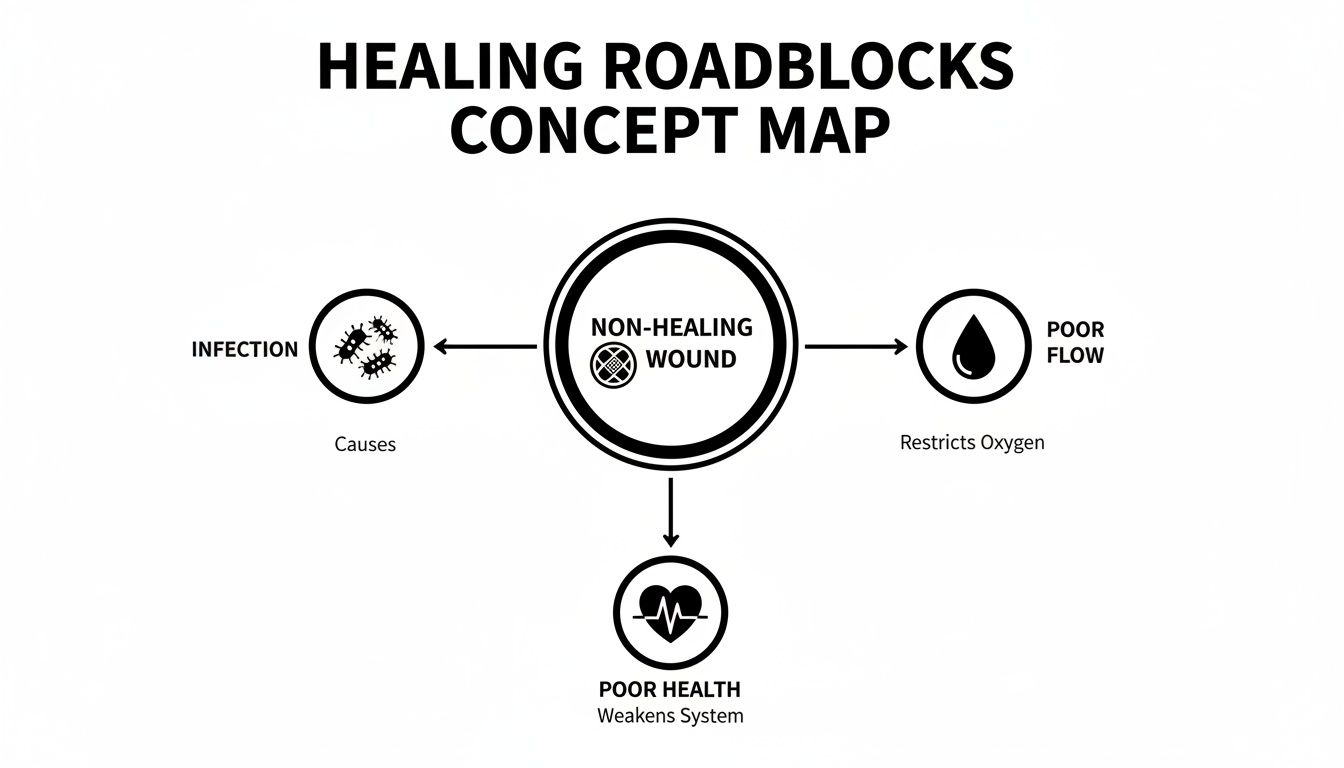
The diagram below shows the three main categories of problems that bring healing to a grinding halt.
As you can see, the core issues usually boil down to infection, poor circulation (ischemia), and underlying health conditions that weaken your body's overall ability to repair itself.
A wound is considered chronic if it fails to progress through the normal stages of healing in an orderly and timely sequence. It's a clear signal that something is interfering with your body's natural repair mechanisms.
To make it simple, here’s a quick overview of the most common reasons a wound stops healing, what they do, and the signs to watch out for.
Common Reasons a Wound Stops Healing
Healing Roadblock
How It Stops Healing
What It Looks Like
Persistent Infection
Bacteria form a protective shield called a biofilm, locking the wound in a constant state of inflammation and blocking healing.
Increased redness, warmth, persistent drainage, foul odor, or fever.
Poor Blood Flow
Reduces the delivery of essential oxygen and nutrients needed to build new tissue, effectively starving the wound.
A wound on the leg or foot, pale or bluish skin, and little progress.
Underlying Conditions
Diseases like diabetes damage nerves and blood vessels, while poor nutrition deprives the body of necessary building blocks.
Slow or no change in wound size, especially with known health issues.
Each of these roadblocks requires a different strategy to overcome, which is why a proper diagnosis from a wound care expert is so critical.
Unmasking the Invisible Battle of Wound Infection
When a wound just won’t get better, one of the most common culprits is an invisible enemy working just beneath the surface. We tend to think of infection in terms of obvious signs—bright red skin, heat, or pus. But a chronic wound is often dealing with something far more complex and stubborn.
The real reason your wound might be stalled is a persistent, low-grade infection that has learned to hide from your body’s defenses. This isn't just a random collection of germs; it's a highly organized colony of bacteria that has built itself a fortress.
The Hidden Fortress Called Biofilm
Imagine trying to clear weeds from a garden, only to discover they’ve built an invisible, concrete shield just below the soil. You can pull at the tops all day, but the roots remain protected, allowing them to thrive and spread. This is exactly what biofilm does inside a wound.
A biofilm is a community of bacteria that latches onto the wound bed and secretes a slimy, protective shield around itself. This barrier makes the bacteria incredibly resistant to both your immune system and standard antibiotics. It’s a sophisticated survival strategy that brings the healing process to a dead stop.
Instead of moving on to the rebuilding phase, your body gets stuck in a state of chronic inflammation, constantly fighting a battle it simply cannot win. The biofilm acts like a permanent roadblock, preventing new, healthy tissue from ever taking hold.
Biofilm is a primary reason why wounds become chronic. It locks the wound in the inflammatory stage, creating a cycle of damage that prevents any meaningful progress toward healing.
This hidden bacterial shield explains why a wound might even look clean but still show zero signs of improvement. The real problem isn't what you see on the surface; it's within the microscopic fortress that has taken over the wound bed.
Why Standard Tests Often Miss the Real Problem
A common source of frustration for patients is getting a negative result from a wound culture or swab, even as the wound continues to get worse. This happens because a simple swab only picks up the free-floating bacteria on the surface. It completely misses the highly organized, protected colonies hiding deep within the biofilm.
This is a critical diagnostic challenge. If you don't accurately identify the true cause of the infection, any treatment you prescribe is just a shot in the dark. It’s like trying to put out a forest fire by spraying only the visible flames while ignoring the smoldering embers underground.
To win this fight, we need better tools to see what’s really going on inside the wound. Modern diagnostics are essential for unmasking these hidden invaders.
Key Diagnostic Tools Include:
Fluorescence Imaging: This technology uses a special light to make bacterial colonies glow in real-time. It allows clinicians to see the exact location and extent of the biofilm, providing a visual guide for effective cleaning and debridement.
Rapid Molecular Testing: Instead of waiting days for a culture to grow, these advanced tests identify the specific genetic material of bacteria and fungi within hours. This gives us a fast and precise roadmap for choosing the most effective antibiotic.
By using these powerful methods for advanced pathogen detection, specialists can finally get an accurate picture of the infection. We can move beyond guesswork and create a targeted plan to dismantle the biofilm and eliminate the bacteria causing the problem.
The presence of biofilm is a massive factor in delayed healing. In fact, studies estimate that biofilms are present in up to 60% of chronic wounds, locking them in that inflammatory phase and stretching healing times from weeks into months or even years. This challenge is a key driver of the global wound care expenditure, which was estimated at roughly $148.65 billion in 2022. For someone with a diabetic foot ulcer that has stalled, a hidden biofilm is a very likely cause that traditional swabs will miss completely.
Restoring Your Body's Healing Supply Lines
For a wound to heal, it needs a constant, steady delivery of oxygen and nutrients through your bloodstream. Think of it like a major construction project. For any building to go up, you need open roads to bring in concrete, steel, and skilled workers. If those roads are blocked, the project grinds to a halt, no matter how great the crew is.
Your wound is that construction site. It's actively trying to rebuild, but it can't do it without a steady supply of materials. When your circulation is poor, those vital supply lines are cut off. This starves the wound of everything it needs to repair tissue, essentially abandoning the project before it can even get started.
This breakdown in delivery is one of the biggest reasons a wound won’t heal, especially in the lower legs and feet where blood has to travel the farthest.
When Blood Flow Becomes the Bottleneck
The most common culprit behind this supply line failure is Peripheral Arterial Disease (PAD). With PAD, the arteries carrying blood to your limbs get narrow or even blocked by plaque. This chokes off the flow of oxygen-rich blood, creating a state of starvation at the cellular level.
Without enough oxygen and nutrients, the cells in charge of rebuilding tissue simply can't do their job. They can't fight infection, create new skin, or build the collagen framework needed for closure. This is exactly why lower-leg wounds and diabetic foot ulcers are so notoriously stubborn—they're often sitting right in the middle of a circulation "desert."
A non-healing wound is often a direct symptom of a circulation problem. You can put the most advanced dressing on top, but it will fail every time if the tissue underneath isn't getting the blood flow it needs to survive and rebuild.
It’s a simple but critical concept. You can’t build a house on a crumbling foundation, and you can't heal a wound that’s been cut off from its life source.
Diagnosing the Circulation Problem
Before we can even think about healing, we have to find out if the "supply lines" are open. A true wound care expert doesn't just look at the wound; they investigate the entire system supporting it. The first step is always to measure blood flow to the area using simple, non-invasive tools.
One of the most important tests we use is the Ankle-Brachial Index (ABI). This is a quick, painless test that compares the blood pressure in your ankle to the pressure in your arm.
A normal ABI tells us that blood flow to your legs is strong and sufficient for healing.
A low ABI is a red flag. It signals a likely blockage and confirms that poor circulation is a major roadblock.
This simple number gives us a clear, objective picture of the wound’s healing potential. If the ABI is low, we know that just treating the wound itself is only half the battle. To get anywhere, the underlying vascular issue has to be addressed first.
This is also true for venous disease, another common circulation problem where blood pools in the legs instead of returning to the heart. Learning more about how vein health clinics can help is a critical step for many patients with chronic leg wounds.
Reopening the Supply Lines for Healing
Poor blood flow is a massive barrier to healing. Data shows that Peripheral Arterial Disease affects an estimated 200 million people worldwide, dramatically increasing the risk of a non-healing limb, especially when combined with diabetes. For anyone with a diabetic foot ulcer, having PAD significantly raises the odds that the wound will fail to heal, which can lead to a major amputation. Without restoring blood flow, healing times can stretch from the expected 4–12 weeks to many, many months. You can discover more insights about these findings from population studies.
This is why a collaborative approach is non-negotiable. Wound care specialists must work hand-in-hand with vascular experts to restore circulation. By using procedures to open up blocked arteries, they re-establish the critical supply lines your body needs. Once blood flow is back, the wound finally has the resources to move forward, allowing advanced treatments to work their magic and paving the way for a successful closure.
How Your Overall Health Can Sabotage Wound Repair
Sometimes, the real reason a wound won’t heal has nothing to do with the injury itself. The problem lies deeper, within your body's overall operating system.
Think of it like trying to run a high-performance car. If the engine is struggling or you're using the wrong kind of fuel, it doesn’t matter how new the tires are—the car just won't perform. In the same way, your general health creates the internal environment your body needs to heal. When systemic conditions are lurking, they act like internal saboteurs, quietly undermining every effort your body makes to repair itself.
A non-healing wound is often a red flag, signaling a bigger, unmanaged health issue that needs your full attention. This is why we have to look at the whole picture. True healing means treating the whole person, not just the hole in the person. Once we address the root causes, we can finally create the right conditions for your body's natural repair mechanisms to kick in and do their job.
The Impact of Diabetes on Healing
Diabetes is one of the most notorious saboteurs of wound repair. When blood sugar stays high, it acts like a corrosive agent, slowly degrading the very systems your body relies on for healing. It launches a two-pronged attack on your nerves and your blood vessels.
First, nerve damage, or neuropathy, dulls sensation, especially in the feet. A person with diabetes might not even feel a small cut, blister, or splinter. This allows a minor issue to escalate into a serious wound before it’s ever noticed.
At the same time, high glucose levels wreak havoc on the small blood vessels, choking off the flow of vital oxygen and nutrients. This deadly combination of nerve damage and poor circulation creates a perfect storm for chronic wounds—particularly diabetic foot ulcers—that just can't seem to heal.
Other Systemic Saboteurs to Consider
While diabetes is a major player, other aspects of your overall health can also slam the brakes on recovery. Your body's ability to mend itself is an incredibly complex process, and it depends on a lot of different systems working in harmony.
The Aging Process: As we get older, our skin naturally thins and becomes more fragile. The cellular machinery that rebuilds tissue also slows down, making the entire healing process less efficient and far more prone to delays.
Poor Nutrition: Healing is hard work, and it requires the right building blocks. A diet that’s low in protein, vitamins (like Vitamin C and A), and minerals (like zinc) starves your body of the raw materials it needs to construct new tissue.
Certain Medications: Some crucial medications, like steroids or chemotherapy drugs, can suppress the immune system. While they’re necessary for treating other serious conditions, this side effect can leave a wound defenseless against infection and slow down the initial inflammatory response needed to kickstart healing.
A wound that refuses to close is more than just a surface-level problem; it's a direct reflection of your internal health. Addressing systemic issues is not just a part of the solution—it is the solution.
Globally, these systemic factors are a massive driver of non-healing wounds. The number of adults with diabetes, which was 537 million in 2021, is still climbing. Diabetic foot ulcers alone affect up to 1.5 million Americans every year. This, coupled with an aging population whose cellular repair capacity is naturally declining, is fueling the demand for advanced wound care.
On top of that, studies show that protein-calorie malnutrition can double or even triple healing times while significantly increasing infection risk. You can find more details on the market impact of these comorbidities from Amarex CRO.
Using Advanced Treatments to Jumpstart Healing
Once we’ve identified the roadblocks stalling recovery, the conversation changes. We stop asking, "Why won't my wound heal?" and start asking, "How do we actively fix this?" A specialist doesn’t just cross their fingers and wait; they get in there and create the perfect environment for the body to succeed. This means rolling out modern, evidence-based treatments designed to dismantle the specific barriers holding a wound back.
A successful game plan is never one-size-fits-all. It's a personalized, multi-step strategy that methodically clears away obstacles, crushes infection, and gives your body the raw materials it needs to rebuild.
Clearing the Way with Debridement
You can’t build a new house on a crumbling foundation. The same idea applies to a chronic wound, which is why debridement is such a critical first step. It’s the careful process of removing all the dead, damaged, or infected tissue—what we call necrotic tissue or slough—from the wound bed.
This unhealthy tissue isn't just taking up space; it’s an active saboteur. It’s a five-star hotel for bacteria, it physically blocks healthy new cells from growing, and it can completely hide the true size of a nasty biofilm infection.
Think of debridement like preparing a garden for spring. You have to pull all the weeds, dig out the rocks, and clear away last year's dead roots before you can even think about planting new seeds. If you skip that prep work, nothing healthy will ever have a chance to grow.
By clearing out all that debris, debridement finally exposes the healthy, bleeding tissue underneath—the bedrock for new growth. It also smashes the biofilm's fortress, allowing our infection-fighting treatments to finally hit their targets.
A Targeted Attack on Infection
With a clean wound bed, the next job is to eliminate any lingering infection. As we've covered, a simple antibiotic cream just won't cut it against the complex biofilm communities thriving in chronic wounds. That’s where our precision diagnostics, like fluorescence imaging and rapid molecular testing, come into play.
These tools give us a crystal-clear battle plan. They show us exactly where the bacteria are hiding and which specific antibiotics will actually work against them. This allows for a targeted assault instead of a shot in the dark, massively increasing our odds of success. We use the right tool for the right job to make sure the infection is truly gone, so the body can finally focus all its energy on rebuilding.
Unlocking the Body's Regenerative Potential
One of the most powerful tools in our arsenal is regenerative medicine. When a wound is stuck, it’s often because the body has simply run out of the key growth factors and structural materials needed to build new tissue. This is where advanced biologics, especially amniotic membrane allografts, make a huge impact.
Imagine a construction site that’s ground to a halt because the crew ran out of scaffolding and blueprints. An amniotic membrane allograft is like a delivery that provides both.
Biological Scaffold: It provides a natural, structural framework that your own cells can climb onto and use to build new tissue from the ground up.
Growth Factors: It’s loaded with the essential proteins and signaling molecules that act like a foreman’s instructions, telling your cells to start dividing, moving into place, and forming new blood vessels.
These allografts essentially give the wound a fresh start. They deliver a biological "jumpstart," providing the exact components needed to get the healing engine turning again. When a wound has been depleted for weeks or months, this infusion of regenerative materials can be the one thing that finally turns the tide. You can learn more about the full range of advanced treatment options from Primus Specialty Wound Care to see how these solutions work.
Removing Pressure with Offloading
For wounds on the feet or other high-pressure spots, even the most advanced treatments are doomed to fail if the area is constantly under duress. Every step you take can crush fragile new cells and choke off blood flow, effectively re-injuring the wound over and over again.
Offloading is the strategy of taking that damaging pressure out of the equation. This might involve anything from specialized boots and casts to custom shoe inserts. The goal is simple: shield the wound from the physical forces that are actively working against it. For any diabetic foot ulcer or pressure injury, offloading is completely non-negotiable. Without it, you're trying to build on ground that’s constantly shaking.
Knowing When to Seek a Wound Care Specialist
Navigating the healing process can feel confusing, and it’s natural to second-guess whether things are on the right track. While small cuts and scrapes usually heal on their own, a wound that just won't close is your body sending a very clear signal: it needs expert help.
Ignoring that signal can lead to serious, and often preventable, complications. A non-healing wound isn't something you just have to live with—it's a solvable medical problem that requires a specific set of skills and tools. The trick is knowing how to spot the red flags that mean it's time to move beyond basic first aid and see a specialist. Waiting too long is never the answer.
Clear Signs It Is Time for an Expert
You don’t have to be a medical professional to see the warning signs. Your body gives you clear clues when a wound is struggling. If you notice any of the following, it's a definitive sign that you should get a professional evaluation from a wound care expert.
No Improvement After Two Weeks: If a wound has shown zero progress in getting smaller or shallower after 14 days, it's officially stalled.
Any Wound on a Diabetic Foot: Because of the high risk of nerve damage and poor circulation, even a minor cut on the foot of someone with diabetes needs immediate specialist attention.
Signs of Spreading Infection: This includes redness that expands, increasing warmth around the area, a foul smell, or a fever. These are all signs the infection is getting worse.
Increasing Pain: A healing wound should gradually feel better, not worse. A spike in pain is a major red flag.
Excessive Drainage: Constant fluid leaking from the wound, especially if it’s thick, yellow, or green, points to a deeper issue.
A chronic wound is not a personal failure; it's a complex medical condition that has overwhelmed your body's natural healing capacity. Seeking a specialist isn't giving up—it's taking control.
What to Expect at a Specialty Clinic
Walking into a specialty wound clinic is a different experience than a typical doctor's appointment. The entire visit is laser-focused on one goal: figuring out why your wound won't heal and creating a direct path to get it closed.
Your first visit will likely involve a deep dive into your health history and a thorough examination of the wound itself. Specialists use advanced tools to get answers quickly, like fluorescence imaging to see hidden bacterial biofilm or non-invasive tests to measure blood flow to your limbs. This detailed information allows them to build a personalized treatment plan that attacks the root cause of the problem. If you feel professional help is the next step, you can schedule a consultation to start this process.
The message here is one of hope and proactivity. With the right expertise and advanced treatments, healing isn't just possible—it's expected.
Your Wound Healing Questions, Answered
When a wound just won’t heal, it’s natural to have questions. The uncertainty can be frustrating, so let's clear things up with straightforward answers to some of the most common concerns we hear from patients.
How Long Is Too Long for a Wound to Heal?
Every person and every wound is different, but there’s a general rule of thumb. A wound is typically considered "stalled" or chronic if it hasn't shown clear signs of healing within four weeks. Progress means it's getting smaller, shallower, or draining less.
But for anyone with high-risk factors like diabetes or poor circulation, that timeline shrinks dramatically. If you see zero improvement after just two weeks, it's absolutely time to see a specialist.
Do Over-the-Counter Antibiotic Creams Actually Work?
For a simple papercut or a minor scrape, those triple-antibiotic ointments can be fine to prevent an initial infection. But for a stubborn, non-healing wound, they often do more harm than good.
The bacteria in a chronic wound are smart. They create a protective shield around themselves called a biofilm, and basic topical creams just can't get through it. Slathering on ointment might just irritate the surrounding skin or even contribute to antibiotic resistance, all while the real infection continues to thrive underneath.
Think of it this way: Treating a chronic wound requires a completely different strategy than simple first aid. Standard creams fail because they can't break down the fortress—the biofilm—where the real problem is hiding.
How Much Does My Diet Really Affect Healing?
Your diet isn’t just a small factor; it’s the fuel for the entire healing process. Your body is trying to build brand-new tissue from scratch, and that requires a serious supply of energy and raw materials.
Protein: This is the absolute essential building block for new skin, blood vessels, and muscle.
Vitamins and Minerals: Nutrients like Vitamin C and zinc are critical for tasks like creating collagen (the skin's scaffolding) and mounting a strong immune defense.
Without enough of these key nutrients, the healing process can slow to a crawl or stop completely. A wound care expert can help pinpoint any nutritional gaps that might be holding you back.
What’s the Difference Between My Doctor and a Wound Care Specialist?
A wound care specialist brings a highly focused set of skills, experience, and technology aimed at one thing: solving complex wounds. We use advanced diagnostic tools that go far beyond a visual check. Think of fluorescence imaging to instantly see bacterial biofilm or vascular testing to map out your blood flow.
This allows us to uncover the real reason a wound is stuck. And while this article focuses on the medical side of things, it's interesting to see how technology is also changing patient support, with innovations like Chatbots for Healthcare offering new ways to get answers. From there, we create a holistic plan using advanced treatments like regenerative biologics and other targeted therapies to get you healing again.
At Specialty Wound Care, our mission is to combine cutting-edge diagnostics with evidence-based treatments to figure out why your wound is stalled. We create a personalized roadmap to get you firmly on the path to recovery. Find out how our expert team can help you heal by visiting us at https://specialtywoundcare.com.
Forget everything you know about wound healing. Traditional treatments often fall short with complex wounds, leaving patients and providers frustrated. The triple-layer allograft from Specialty Wound Care offers a new path—FDA-compliant and designed to support faster tissue regeneration and better outcomes. Keep reading to see how this advanced wound care solution can change your practice and your patients’ recovery. [https://www.mdpi.com/1422-0067/26/7/3406]
Understanding Triple-Layer Allografts
In wound care, finding the right solution is crucial for both patient satisfaction and recovery. Triple-layer allografts are stepping up as a promising option, capturing the attention of healthcare providers.
What Are Triple-Layer Allografts?
Triple-layer allografts are specialized grafts designed to aid in wound healing. They consist of three distinct layers, each with a unique function to support tissue regeneration. These layers work together to create a supportive environment for healing.
Here’s how it works: The outer layer provides a protective barrier, safeguarding the wound from external elements. The middle layer, rich in biological components, promotes cell growth and tissue repair. Finally, the inner layer ensures optimal moisture balance, which is essential for effective healing. This structure not only facilitates healing but also reduces the risk of complications.
To fully understand the impact of these allografts, consider how they improve patient outcomes. With faster healing, patients experience less discomfort and reduced recovery time, making them a vital tool in advanced wound care.
How They Enhance Wound Healing
When it comes to healing, the benefits of triple-layer allografts are clear. They provide a robust framework that accelerates the healing process. By creating a scaffold for new tissue, these allografts help wounds close more efficiently.
Patients using triple-layer allografts often report quicker recovery times. This is because the grafts maintain an optimal environment for cell regeneration. The allograft’s structure supports natural healing processes, reducing the need for additional interventions.
Moreover, triple-layer allografts are versatile. They can be used for various wound types, from diabetic ulcers to surgical wounds. Their adaptability makes them a valuable asset in any wound care practice.
By incorporating triple-layer allografts, healthcare providers can offer solutions that not only heal but also enhance the quality of life for their patients.
Benefits of Triple-Layer Allografts
The next step in understanding these advanced solutions is recognizing their benefits. From improving patient outcomes to meeting regulatory standards, triple-layer allografts are a game-changer in wound care.
Improved Patient Outcomes
The primary goal in wound care is to ensure that patients recover fully and swiftly. Triple-layer allografts play a significant role in achieving this. With faster healing times, patients are less likely to experience complications. This leads to a reduction in hospital readmissions and an overall improvement in quality of life.
Statistics show that wounds treated with allografts heal up to 50% faster compared to traditional methods. This speed not only benefits patients but also reduces the burden on healthcare systems.
Patients often feel empowered, knowing they have access to cutting-edge treatments that prioritize their health and recovery. The peace of mind that comes from using proven solutions can make a world of difference in patient satisfaction.
Compliance with FDA Regulations
Ensuring treatments adhere to regulations is critical in healthcare. Triple-layer allografts are designed with compliance in mind. They meet all FDA guidelines, providing reassurance to both patients and providers.
Using FDA-compliant products means adhering to high standards of safety and efficacy. This reduces risks of adverse reactions and ensures that only the best materials are used in patient care.
For healthcare providers, using regulated products streamlines processes and minimizes liability. It also enhances trust, as patients feel secure knowing their treatment meets stringent safety standards.
By integrating compliant allografts, you not only improve patient care but also uphold the integrity of your practice.
Applying Allografts in Wound Care
Exploring how to implement these solutions in your practice is essential. Discover how advanced wound management and expert support can elevate your care offerings.
Advanced Wound Management Solutions
Managing wounds effectively requires the right tools and techniques. Triple-layer allografts provide an innovative approach to wound care, offering solutions that are both effective and adaptable.
These allografts are easy to apply and integrate well with existing treatment protocols. This makes them an ideal choice for healthcare providers looking to enhance their wound management strategies.
By incorporating these solutions, providers can address a wider range of wound types. Whether dealing with chronic ulcers or post-operative wounds, allografts provide a versatile option that meets diverse needs.
The longer you wait to adopt advanced solutions, the more you miss out on improving patient outcomes. Consider making the switch to advanced allografts for a more comprehensive approach to wound care.
Specialty Wound Care Expertise 🩹
Partnering with experts in wound care can significantly enhance treatment outcomes. Specialty Wound Care offers unparalleled expertise and support to healthcare providers.
Our team specializes in integrating cutting-edge technology and treatments into existing practices. By working with us, you gain access to the latest in wound management innovations, including the triple-layer allograft.
Most people think they need to manage everything on their own, but collaboration with specialists can transform your practice. We offer training, resources, and ongoing support to ensure that you and your patients achieve the best possible outcomes.
By leveraging our expertise, you not only improve patient care but also position your practice as a leader in advanced wound management. Ready to explore the possibilities? Reach out to us and start transforming your wound care today.